Planning the Investigation With an Editor
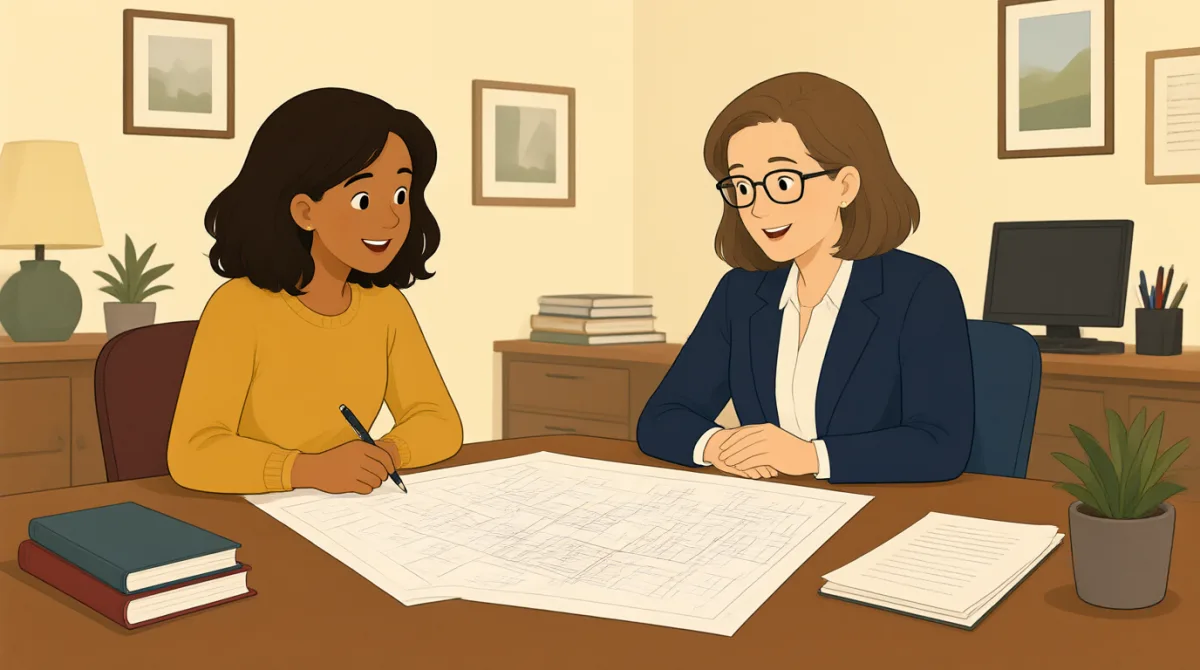
Reporter Emma Carter briefs editor Grace Wilson on allegations of improper safety inspections at a local plant. They map out what is known, what remains unverified, and how to approach a source who may be reluctant to speak.
Dialogue10

I’ve received two accounts alleging that safety inspections at the plant were signed off without being completed. I want to separate what we can document from what we’ve only been told.

Good. At this stage, treat those accounts as leads, not findings. What do the records actually show, and do the two sources have firsthand knowledge?
One worked on the inspection team; the other says they saw completed forms entered after the fact. I haven’t seen the original forms, and neither has provided documentation yet.
Then don’t collapse those into one claim. Ask each person what they observed directly, when they observed it, and what they’re inferring from someone else’s account.
I’m trying to reach a former employee who may know how the records were handled. They’re wary of being identified and haven’t agreed to speak yet.
Be clear about the purpose of the conversation and the ground rules before asking anything sensitive. Don’t promise anonymity unless we can realistically protect it.
I can explain that we’ll discuss attribution first and that they can decline questions. But I can’t guarantee their identity could never be inferred from the details.
Exactly. Also, don’t imply that a source’s account proves misconduct. We need the inspection logs, the underlying forms, and a response from the plant before drawing conclusions.
I’ll request the public logs and look for dates, signatures, and any gaps that can be independently checked. If something conflicts, I’ll ask whether there’s a routine explanation.
And keep a careful record of what we asked and what each person said. If the source agrees to speak, we can revisit attribution after we understand the evidence and the risks.
Vocabulary7
- leads
Leads are pieces of information that may help an investigation but have not been confirmed. Here, the accounts point to issues that still need to be checked.
- firsthand knowledge
This means knowing something from your own direct experience, rather than hearing it from someone else. Journalists ask about it to assess how reliable a source’s information may be.
- after the fact
This means something was done after the event it was supposed to record. Here, the phrase suggests forms may have been entered after the inspections took place.
- ground rules
Ground rules are the conditions or expectations agreed on before a conversation. In an interview, they can cover attribution, confidentiality, and the source’s right not to answer.
- attribution
Attribution is how a journalist identifies or describes the source of information. It matters because a source may agree to speak only under certain conditions.
- independently checked
This describes information that can be verified using evidence separate from the original account. Dates, signatures, and records can help confirm whether a claim is accurate.
- routine explanation
A routine explanation is an ordinary, non-misconduct reason for something that appears unusual. Asking about one helps a journalist test competing interpretations fairly.
Key Sentences8
- 1
At this stage, treat those accounts as leads, not findings.
This sentence clearly distinguishes unverified information from established facts. Reuse the structure “Treat X as Y, not Z” when you need to emphasize caution.
- 2
What do the records actually show, and do the two sources have firsthand knowledge?
This is a useful way to focus an investigation on evidence and the source’s direct experience. You can adapt it to ask what documents show and whether a person witnessed an event themselves.
- 3
Then don’t collapse those into one claim.
This concise sentence warns against merging separate accounts or allegations into a single assertion. Use “don’t collapse X into Y” when different details need to remain distinct.
- 4
Be clear about the purpose of the conversation and the ground rules before asking anything sensitive.
This gives practical guidance for beginning a delicate interview transparently. The structure “Be clear about X before doing Y” is useful for setting expectations in professional conversations.
- 5
Don’t promise anonymity unless we can realistically protect it.
This sentence expresses an important ethical limit: do not guarantee protection you may be unable to provide. Reuse “Don’t promise X unless…” to set a careful boundary.
- 6
We need the inspection logs, the underlying forms, and a response from the plant before drawing conclusions.
This sentence lists the evidence needed before reaching a judgment. It is useful to adapt the pattern “We need X, Y, and Z before…” when explaining what must happen next.
- 7
If something conflicts, I’ll ask whether there’s a routine explanation.
This shows how to investigate discrepancies without assuming wrongdoing. Use “If something conflicts, I’ll ask whether…” to describe a fair, evidence-minded next step.
- 8
If the source agrees to speak, we can revisit attribution after we understand the evidence and the risks.
This sentence explains that attribution can be discussed again once the situation is clearer. The pattern “If X, we can revisit Y after…” is useful for describing a conditional plan.