Planning the Investigation With an Editor
与编辑策划调查报道
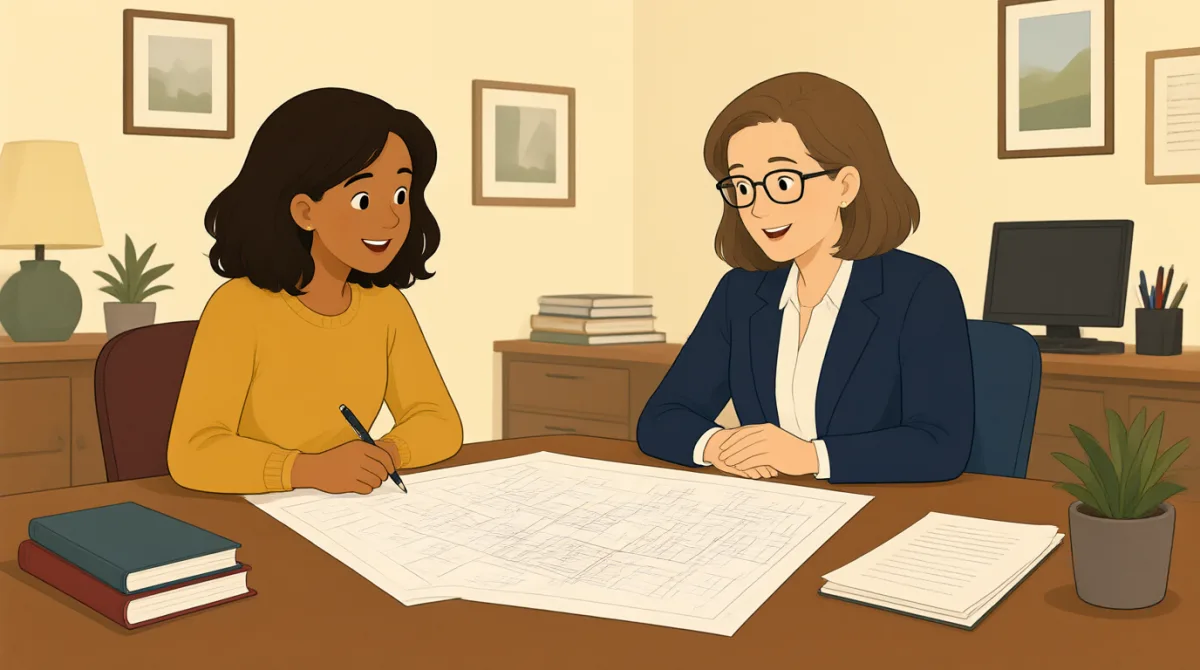
Reporter Emma Carter briefs editor Grace Wilson on allegations of improper safety inspections at a local plant. They map out what is known, what remains unverified, and how to approach a source who may be reluctant to speak.
记者艾玛·卡特向编辑格蕾丝·威尔逊介绍有关当地工厂安全检查不规范的指控。两人梳理已知事实与待核实之处,并商量如何接触一位可能不愿开口的消息来源。
对话10

I’ve received two accounts alleging that safety inspections at the plant were signed off without being completed. I want to separate what we can document from what we’ve only been told.
我收到两份说法,称工厂的安全检查尚未完成,就被签字确认了。我想把有文件可证的内容和仅仅听来的说法区分开。

Good. At this stage, treat those accounts as leads, not findings. What do the records actually show, and do the two sources have firsthand knowledge?
很好。现阶段要把这些说法当作线索,而不是调查结论。记录实际上显示了什么?两位消息来源是否都掌握第一手信息?
One worked on the inspection team; the other says they saw completed forms entered after the fact. I haven’t seen the original forms, and neither has provided documentation yet.
一位曾在检查组工作;另一位说自己见过事后补录的已完成表格。我还没看到原始表格,他们也都还没有提供文件。
Then don’t collapse those into one claim. Ask each person what they observed directly, when they observed it, and what they’re inferring from someone else’s account.
那就别把两人的说法混成一个结论。分别问清他们亲眼看到了什么、何时看到的,以及哪些内容是根据别人的说法推断出来的。
I’m trying to reach a former employee who may know how the records were handled. They’re wary of being identified and haven’t agreed to speak yet.
我正设法联系一位可能了解记录处理流程的前员工。对方担心身份曝光,目前还没有答应接受采访。
Be clear about the purpose of the conversation and the ground rules before asking anything sensitive. Don’t promise anonymity unless we can realistically protect it.
在询问任何敏感内容之前,先说明谈话目的和采访规则。除非我们确实有能力保护对方身份,否则不要承诺匿名。
I can explain that we’ll discuss attribution first and that they can decline questions. But I can’t guarantee their identity could never be inferred from the details.
我可以说明,我们会先商定如何署名,而且对方可以拒绝回答问题。但我无法保证别人永远不会根据细节推断出对方的身份。
Exactly. Also, don’t imply that a source’s account proves misconduct. We need the inspection logs, the underlying forms, and a response from the plant before drawing conclusions.
正是如此。另外,不要暗示消息来源的说法就能证明存在不当行为。下结论前,我们需要检查记录、原始表格,以及工厂方面的回应。
I’ll request the public logs and look for dates, signatures, and any gaps that can be independently checked. If something conflicts, I’ll ask whether there’s a routine explanation.
我会申请查阅公开记录,核对日期、签名,以及是否存在可独立查证的缺漏。如果发现矛盾,我会询问是否有常规原因可以解释。
And keep a careful record of what we asked and what each person said. If the source agrees to speak, we can revisit attribution after we understand the evidence and the risks.
还要仔细记录我们问了什么,以及每个人如何作答。如果消息来源同意接受采访,等我们了解证据和相关风险后,再讨论署名方式。
词汇7
- leads线索
Leads are pieces of information that may help an investigation but have not been confirmed. Here, the accounts point to issues that still need to be checked.
线索是指可能有助于调查、但尚未得到证实的信息。这里,两人的说法指出了一些仍需核实的问题。
- firsthand knowledge亲身了解
This means knowing something from your own direct experience, rather than hearing it from someone else. Journalists ask about it to assess how reliable a source’s information may be.
这指的是通过自己的直接经历了解某件事,而不是听别人说的。记者会询问消息来源是否亲身了解,以判断对方提供的信息可能有多可靠。
- after the fact事后
This means something was done after the event it was supposed to record. Here, the phrase suggests forms may have been entered after the inspections took place.
这表示某件事是在它本应记录的事件发生后才做的。这里,这个说法暗示表格可能是在检查结束后才填写的。
- ground rules事先约定的规则
Ground rules are the conditions or expectations agreed on before a conversation. In an interview, they can cover attribution, confidentiality, and the source’s right not to answer.
事先约定的规则是谈话开始前双方商定的条件或预期。采访时,这些规则可以涉及如何注明消息来源、保密安排,以及消息来源有权拒绝回答。
- attribution消息来源的署名方式
Attribution is how a journalist identifies or describes the source of information. It matters because a source may agree to speak only under certain conditions.
消息来源的署名方式,指记者如何标明或描述信息来源。这一点很重要,因为消息来源可能只有在某些条件下才愿意接受采访。
- independently checked独立核实
This describes information that can be verified using evidence separate from the original account. Dates, signatures, and records can help confirm whether a claim is accurate.
这形容的是可以通过原始说法之外的证据加以核实的信息。日期、签名和记录都能帮助确认一项说法是否属实。
- routine explanation常规解释
A routine explanation is an ordinary, non-misconduct reason for something that appears unusual. Asking about one helps a journalist test competing interpretations fairly.
常规解释是指对看似异常的情况给出普通且不涉及违规的理由。询问是否存在这类解释,有助于记者公平地检验不同的解读。
重点句子8
- 1
At this stage, treat those accounts as leads, not findings.
现阶段,要把这些说法当作线索,而不是调查结论。
This sentence clearly distinguishes unverified information from established facts. Reuse the structure “Treat X as Y, not Z” when you need to emphasize caution.
这句话清楚地区分了未经证实的信息和已经确认的事实。需要提醒别人保持谨慎时,可以套用“把X当作Y,而不是Z”这个句式。
- 2
What do the records actually show, and do the two sources have firsthand knowledge?
记录实际上显示了什么?两位消息来源是否都掌握第一手信息?
This is a useful way to focus an investigation on evidence and the source’s direct experience. You can adapt it to ask what documents show and whether a person witnessed an event themselves.
这是把调查重点放在证据和消息来源亲身经历上的实用问法。你可以用类似的句式询问文件显示了什么,以及某人是否亲眼见过某件事。
- 3
Then don’t collapse those into one claim.
那就别把两人的说法混成一个结论。
This concise sentence warns against merging separate accounts or allegations into a single assertion. Use “don’t collapse X into Y” when different details need to remain distinct.
这句简洁的话提醒我们,不要把不同的说法或指控合并成一个断言。需要区分不同细节时,可以用“不要把X混成Y”这个句式。
- 4
Be clear about the purpose of the conversation and the ground rules before asking anything sensitive.
在询问任何敏感内容之前,先说明谈话目的和事先约定的规则。
This gives practical guidance for beginning a delicate interview transparently. The structure “Be clear about X before doing Y” is useful for setting expectations in professional conversations.
这句话为如何透明地开始一次敏感采访提供了实用建议。在工作场合说明预期时,“先讲清楚X,再做Y”这个句式很有用。
- 5
Don’t promise anonymity unless we can realistically protect it.
除非我们确实有能力保护对方身份,否则不要承诺匿名。
This sentence expresses an important ethical limit: do not guarantee protection you may be unable to provide. Reuse “Don’t promise X unless…” to set a careful boundary.
这句话表达了一条重要的职业伦理底线:不要保证自己可能无法提供的保护。需要谨慎地划定界限时,可以套用“除非……,否则不要承诺……”这个句式。
- 6
We need the inspection logs, the underlying forms, and a response from the plant before drawing conclusions.
下结论前,我们需要检查记录、原始表格,以及工厂方面的回应。
This sentence lists the evidence needed before reaching a judgment. It is useful to adapt the pattern “We need X, Y, and Z before…” when explaining what must happen next.
这句话列出了作出判断前需要收集的证据。说明接下来必须做什么时,可以套用“在……之前,我们需要X、Y和Z”这个句式。
- 7
If something conflicts, I’ll ask whether there’s a routine explanation.
如果发现矛盾,我会询问是否有常规原因可以解释。
This shows how to investigate discrepancies without assuming wrongdoing. Use “If something conflicts, I’ll ask whether…” to describe a fair, evidence-minded next step.
这句话说明,调查出入时不应预先认定存在不当行为。描述公平、以证据为依据的下一步行动时,可以用“如果发现矛盾,我会询问是否……”这个句式。
- 8
If the source agrees to speak, we can revisit attribution after we understand the evidence and the risks.
如果消息来源同意接受采访,等我们了解证据和相关风险后,再讨论署名方式。
This sentence explains that attribution can be discussed again once the situation is clearer. The pattern “If X, we can revisit Y after…” is useful for describing a conditional plan.
这句话说明,等情况更明朗后,可以重新讨论如何注明消息来源。描述有条件的计划时,“如果X,我们可以等……之后再重新讨论Y”这个句式很有用。