Asking to Close a Window - Too Cold/Noise
طلب إغلاق النافذة - بسبب البرد أو الضوضاء
A person feels uncomfortable due to cold or outside noise after a window has been opened and politely asks if it can be closed.
يشعر شخص بالانزعاج من البرد أو الضوضاء في الخارج بعد فتح النافذة، فيطلب بأدب إغلاقها.
حوار6
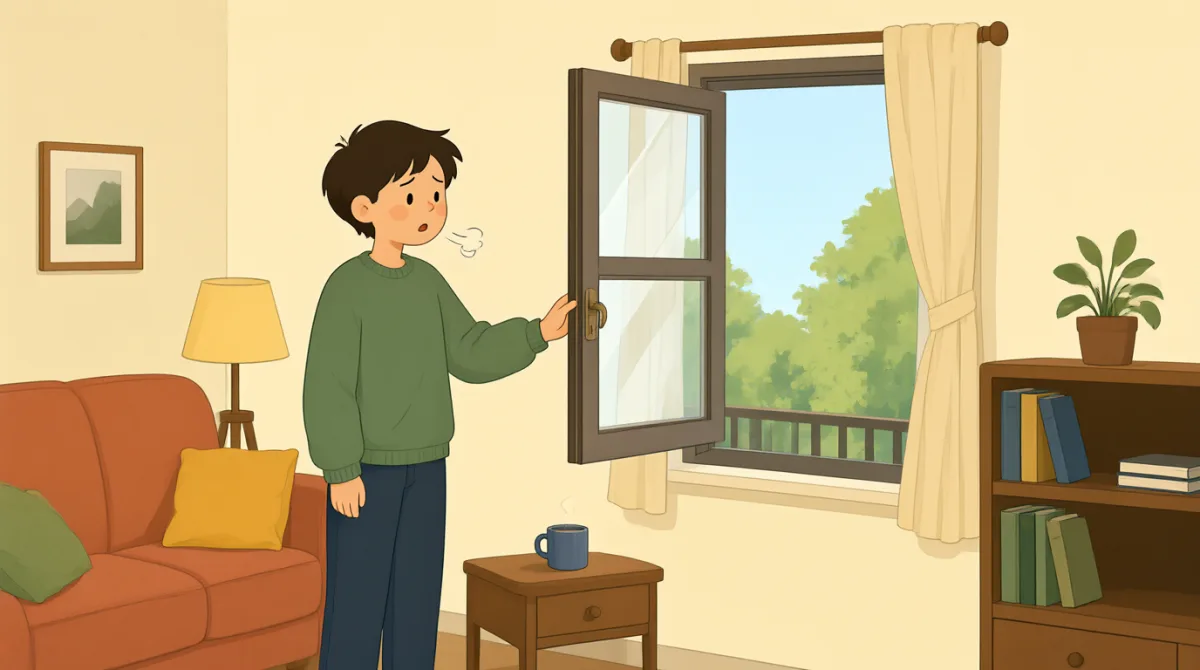

Excuse me, David. Would you mind if we closed the window? It's getting a bit chilly in here.
عذرًا يا ديفيد، هل تمانع لو أغلقنا النافذة؟ الجو هنا يزداد برودة قليلًا.

Oh, sorry, Emma. I didn't realize it was bothering you. Of course, no problem at all.
آسف يا إيما، لم أدرك أن ذلك يزعجك. بالطبع، لا مشكلة أبدًا.
Thanks! And the noise from outside is a bit distracting too, if that's okay.
شكرًا! والضوضاء في الخارج تشتت انتباهي قليلًا أيضًا، إذا لم يكن في ذلك مانع.
Totally understand. Let me just close it up for you. There you go.
أتفهم ذلك تمامًا. دعيني أغلقها لك. ها قد أُغلقت.
Perfect. Thanks so much, David. Much appreciated!
ممتاز. شكرًا جزيلًا يا ديفيد. أقدّر لك ذلك كثيرًا!
No worries at all. Just let me know if anything else comes up.
لا داعي للشكر أبدًا. أخبريني فحسب إن احتجتِ إلى أي شيء آخر.
المفردات5
- chillyبارد قليلًا
Chilly means slightly cold, often used to describe the weather or a room that feels uncomfortably cool. In this dialogue, it's used to politely explain why the window should be closed.
تعني كلمة "chilly" أن الجو بارد قليلًا، وتُستخدم غالبًا لوصف الطقس أو غرفة تشعر فيها ببرودة مزعجة. في هذا الحوار، تُستخدم لتوضيح سبب طلب إغلاق النافذة بأدب.
- botheringيزعج
Bothering means causing annoyance or discomfort to someone. Here, it refers to the open window making Emma feel uncomfortable due to the cold.
تعني كلمة "bothering" التسبب لشخص ما في الانزعاج أو عدم الارتياح. وهنا تشير إلى أن النافذة المفتوحة تجعل إيما تشعر بالانزعاج بسبب البرد.
- distractingمُشتِّت للانتباه
Distracting means something that takes your attention away from what you're doing. In the dialogue, the outside noise is distracting Emma from her work or focus.
تعني كلمة "distracting" أن شيئًا ما يصرف انتباهك عما تفعله. في الحوار، تشتت الضوضاء في الخارج انتباه إيما عن عملها أو تركيزها.
- appreciatedمشكور عليه
Appreciated means showing thanks or gratitude for someone's help. It's a polite way to express thanks, like 'Much appreciated' which is a common informal phrase.
تعني كلمة "appreciated" أن المرء يُظهر شكره أو امتنانه لمساعدة شخص ما. وهي طريقة مهذبة للتعبير عن الشكر، مثل العبارة الشائعة غير الرسمية 'Much appreciated'، أي «أقدّر لك ذلك كثيرًا».
- no worriesلا داعي للقلق
No worries is a casual way to say 'don't worry about it' or 'it's not a problem.' It's often used in response to thanks to show that the favor was easy to do.
عبارة "no worries" طريقة غير رسمية لقول «لا تقلق بشأن ذلك» أو «لا توجد مشكلة». وغالبًا ما تُقال ردًا على الشكر لتوضيح أن تقديم المساعدة لم يكن صعبًا.
الجمل الأساسية6
- 1
Would you mind if we closed the window? It's getting a bit chilly in here.
هل تمانع لو أغلقنا النافذة؟ الجو هنا يزداد برودة قليلًا.
This is a polite way to ask for permission using 'Would you mind if...' structure, which is indirect and courteous. 'Chilly' explains the reason. Use this in shared spaces to request changes without being direct.
هذه طريقة مهذبة لطلب الإذن باستخدام تركيب 'Would you mind if...'، وهو غير مباشر ولطيف. وتوضح كلمة 'Chilly' السبب. استخدم هذه الصيغة في الأماكن المشتركة لطلب تغيير ما دون أن يبدو طلبك مباشرًا.
- 2
Oh, sorry, Emma. I didn't realize it was bothering you. Of course, no problem at all.
آسف يا إيما، لم أدرك أن ذلك يزعجك. بالطبع، لا مشكلة أبدًا.
This sentence apologizes and agrees politely. 'I didn't realize' shows lack of awareness, and 'no problem at all' means it's easy to help. Useful for responding to requests when you agree.
تتضمن هذه الجملة اعتذارًا وموافقةً بأدب. وتُظهر عبارة 'I didn't realize' أن المتحدث لم يكن على علم بالأمر، أما 'no problem at all' فتعني أن تقديم المساعدة سهل. تفيدك هذه العبارات عند الموافقة على طلب.
- 3
Thanks! And the noise from outside is a bit distracting too, if that's okay.
شكرًا! والضوضاء في الخارج تشتت انتباهي قليلًا أيضًا، إذا لم يكن في ذلك مانع.
This adds another reason politely with 'if that's okay,' which softens the request. 'A bit' makes it less strong. Use this to give extra reasons without sounding demanding.
تضيف هذه الجملة سببًا آخر بطريقة مهذبة باستخدام 'if that's okay'، مما يجعل الطلب ألطف. وتخفف عبارة 'A bit' من حدة الكلام. استخدم هذا الأسلوب لإضافة أسباب من دون أن يبدو كلامك متطلبًا.
- 4
Totally understand. Let me just close it up for you. There you go.
أتفهم ذلك تمامًا. دعيني أغلقها لك. ها قد أُغلقت.
'Totally understand' shows empathy. 'Let me just' is a helpful phrase for offering to do something immediately. 'There you go' means 'it's done.' Great for offering assistance in conversations.
تُظهر عبارة 'Totally understand' التعاطف. أما 'Let me just' فتُستخدم لعرض القيام بشيء ما على الفور. وتعني 'There you go' أن الأمر قد أُنجز. هذه العبارات مفيدة عند عرض المساعدة في المحادثات.
- 5
Perfect. Thanks so much, David. Much appreciated!
ممتاز. شكرًا جزيلًا يا ديفيد. أقدّر لك ذلك كثيرًا!
This expresses satisfaction and thanks. 'Thanks so much' is enthusiastic gratitude, and 'much appreciated' reinforces it. Use after someone helps you to show politeness and warmth.
تُعبّر هذه الجملة عن الرضا والشكر. وتُظهر 'Thanks so much' امتنانًا كبيرًا، بينما تؤكده عبارة 'much appreciated'. استخدمها بعد أن يساعدك أحدهم لإظهار لطفك وامتنانك.
- 6
No worries at all. Just let me know if anything else comes up.
لا داعي للشكر أبدًا. أخبريني فحسب إن احتجتِ إلى أي شيء آخر.
'No worries at all' dismisses thanks casually. 'If anything else comes up' invites future requests. This is a friendly way to end a helpful exchange and keep the door open for more.
تُقلل عبارة 'No worries at all' من أهمية الشكر بأسلوب غير رسمي. وتفتح عبارة 'If anything else comes up' المجال لطلب المساعدة مستقبلًا. إنها طريقة ودودة لإنهاء تبادل المساعدة مع إبداء الاستعداد للمساعدة مجددًا.