Recalling Where it Was Lost
تذكّر أين فُقد الغرض
The staff member asks where the learner thinks they might have lost the item. The learner recounts their movements and the last place they remember having it.
يسأل الموظف المتعلّم عن المكان الذي يظن أنه ربما فقد فيه الغرض. ويسرد المتعلّم تحركاته وآخر مكان يتذكر أنه كان يحمل الغرض فيه.
حوار8
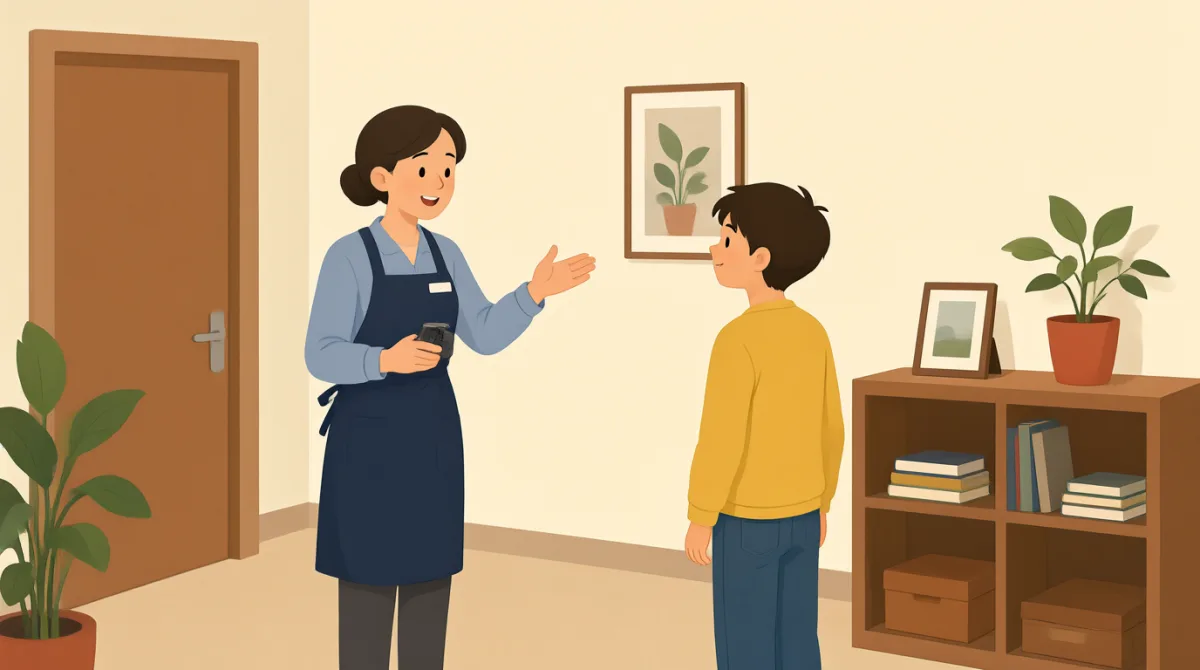

Excuse me, I think I've lost my wallet somewhere here. I was wondering if anyone might have turned it in?
عذرًا، أظن أنني فقدت محفظتي في مكان ما هنا. هل تعرف إن كان أحد قد سلّمها؟

Oh no, I'm sorry to hear that. Can you tell me where you think you might have lost it? Roughly, what time were you here?
يا للأسف، يؤسفني سماع ذلك. هل يمكنك أن تخبريني أين تظنين أنك ربما فقدتها؟ وفي أي وقت تقريبًا كنتِ هنا؟
Well, I arrived around 10 AM. I had it when I first came in and ordered coffee at the counter. Then I sat at a table near the window.
حسنًا، وصلت نحو الساعة العاشرة صباحًا. كانت معي عندما دخلت أول مرة وطلبت القهوة عند المنضدة. ثم جلست إلى طاولة قرب النافذة.
Okay, so you had it when you ordered and sat down. Where did you go after that?
حسنًا، إذن كانت معك عندما طلبتِ وجلستِ. إلى أين ذهبتِ بعد ذلك؟
I went to the restroom about 15 minutes later, and I think I took it with me then. I remember putting my phone and wallet down on the shelf inside.
ذهبت إلى دورة المياه بعد نحو خمس عشرة دقيقة، وأظن أنني أخذتها معي حينها. أتذكر أنني وضعت هاتفي ومحفظتي على الرف في الداخل.
So, the restroom is a possibility. Did you go anywhere else before leaving?
إذًا، قد تكون دورة المياه أحد الاحتمالات. هل ذهبتِ إلى أي مكان آخر قبل أن تغادري؟
Only to the exit. I don't recall taking it out again until I realized it was gone when I got to my car. I must have left it either at the table or in the restroom.
فقط إلى المخرج. لا أتذكر أنني أخرجتها مرة أخرى إلى أن أدركت اختفاءها عندما وصلت إلى سيارتي. لا بد أنني تركتها إما عند الطاولة وإما في دورة المياه.
Alright, so the window table or the restroom. We'll check both areas thoroughly for you. Can you describe the wallet and leave your contact details?
حسنًا، إذن سنبحث لكِ جيدًا في كلا المكانين: عند طاولة النافذة وفي دورة المياه. هل يمكنك وصف المحفظة وترك بيانات الاتصال بكِ؟
المفردات9
- lostفَقَدَ
Past tense of 'lose', meaning you cannot find something you owned. Use it when reporting missing items, like 'I lost my keys.'
هذه صيغة الماضي من الفعل الإنجليزي 'lose'، وتعني أنك لا تستطيع العثور على شيء تملكه. تُستخدم عند الإبلاغ عن غرض مفقود، مثل 'I lost my keys.' (فقدت مفاتيحي).
- walletمِحْفَظَة
A small case for holding money, cards, and ID. Common in lost item reports; say 'I lost my wallet' to describe what was misplaced.
حافظة صغيرة للنقود والبطاقات والهوية. تَرِد كثيرًا في بلاغات المفقودات؛ ويمكنك قول 'I lost my wallet' (فقدت محفظتي) لتوضيح ما الذي أضعته.
- turned it inسَلَّمَ غرضًا عُثِر عليه
Means handing over a found item to the right place, like lost and found. Useful when asking if someone returned your lost thing.
تعني تسليم غرض عُثر عليه إلى الجهة المناسبة، مثل مكتب المفقودات. تفيدك هذه العبارة عند السؤال عمّا إذا كان أحد قد أعاد غرضك المفقود.
- roughlyتَقْريبًا
Means approximately or about, not exactly. Use it for estimates, like 'roughly 10 AM' when recalling time or place.
تعني «نحو» أو «على وجه التقريب»، لا على وجه الدقة. تُستخدم للتقدير، مثل 'roughly 10 AM' (نحو الساعة العاشرة صباحًا) عند تذكّر الوقت أو المكان.
- counterمِنْضَدَة
A long table where you order or pay in places like cafes. Say 'at the counter' to describe where you did something.
طاولة طويلة تطلب عندها الطعام أو تدفع ثمنه في أماكن مثل المقاهي. قل 'at the counter' (عند المنضدة) لتوضيح المكان الذي فعلت فيه شيئًا.
- restroomدَوْرَةُ المِيَاه
A polite word for bathroom or toilet. Use it in formal situations, like 'I went to the restroom' when explaining movements.
تعبير مهذب عن الحمّام أو المرحاض. يُستخدم في المواقف الرسمية، مثل 'I went to the restroom' (ذهبت إلى دورة المياه) عند شرح تحركاتك.
- realizedأَدْرَكَ
Past tense of 'realize', meaning to become aware of something. Common for sudden discoveries, like 'I realized it was gone.'
هذه صيغة الماضي من الفعل الإنجليزي 'realize'، وتعني أن تنتبه إلى أمر أو تدركه. تُستخدم كثيرًا عند اكتشاف شيء فجأة، مثل 'I realized it was gone.' (أدركت أنه اختفى).
- thoroughlyبِعِنَايَةٍ
Means completely or carefully. Use it to ask for a detailed search, like 'check thoroughly' in lost item scenarios.
تعني بشكل كامل أو دقيق. استخدمها لطلب البحث بعناية عن كل شيء، مثل 'check thoroughly' (تحقّق بعناية) في مواقف الإبلاغ عن غرض مفقود.
- contact detailsبَيَانَاتُ الاتِّصَال
Information like phone number or email for reaching you. Essential when reporting lost items so staff can call you.
معلومات تتيح للآخرين التواصل معك، مثل رقم الهاتف أو البريد الإلكتروني. وهي ضرورية عند الإبلاغ عن غرض مفقود كي يتمكن الموظفون من الاتصال بك.
الجمل الأساسية8
- 1
Excuse me, I think I've lost my wallet somewhere here.
عذرًا، أظن أنني فقدت محفظتي في مكان ما هنا.
This polite opening starts a report of a lost item. 'Excuse me' gets attention, 'I think I've lost' uses present perfect for recent events. Useful for beginning conversations at service places.
تبدأ هذه العبارة المهذبة بلاغًا عن غرض مفقود. تجذب 'Excuse me' انتباه الشخص، وتستخدم 'I think I've lost' زمن المضارع التام للحديث عن أمر حدث مؤخرًا. وهي مفيدة لبدء الحديث في أماكن تقديم الخدمات.
- 2
I was wondering if anyone might have turned it in?
كنت أتساءل إن كان أحد قد سلّمها؟
A soft way to ask about a found item. 'I was wondering' is polite for questions; 'might have' shows possibility. Use this to inquire without being direct.
طريقة لطيفة للسؤال عن غرض عُثر عليه. تُستخدم 'I was wondering' لصياغة الأسئلة بأدب، وتعبّر 'might have' عن الاحتمال. استخدم هذه العبارة للاستفسار دون أن يكون سؤالك مباشرًا.
- 3
Can you tell me where you think you might have lost it?
هل يمكنك أن تخبريني أين تظنين أنك ربما فقدتها؟
Asks for details on location. 'Where you think you might have lost' uses 'might have' for uncertainty in past actions. Helpful for staff gathering info in lost reports.
يطلب هذا السؤال تفاصيل عن المكان. تعبّر 'Where you think you might have lost' عن عدم اليقين بشأن فعل حدث في الماضي باستخدام 'might have'. وهي مفيدة للموظفين عند جمع المعلومات عن غرض مفقود.
- 4
I arrived around 10 AM. I had it when I first came in and ordered coffee at the counter.
وصلت نحو الساعة العاشرة صباحًا. كانت معي عندما دخلت أول مرة وطلبت القهوة عند المنضدة.
Recounts timeline and actions. 'Around' means approximately; 'I had it' means possessed it. Use simple past to describe sequence of events when explaining where you lost something.
تسرد هذه العبارة تسلسل الوقت والأحداث. تعني 'Around' «نحو» أو «تقريبًا»، وتعني 'I had it' أن الغرض كان بحوزتك. استخدم الماضي البسيط لسرد الأحداث بالترتيب عند شرح المكان الذي فقدت فيه شيئًا.
- 5
I went to the restroom about 15 minutes later, and I think I took it with me then.
ذهبت إلى دورة المياه بعد نحو خمس عشرة دقيقة، وأظن أنني أخذتها معي حينها.
Describes movement and memory. 'About 15 minutes later' shows time sequence; 'I think' expresses uncertainty. Practical for narrating steps in a story of loss.
تصف هذه العبارة الحركة وما تتذكره. يشير 'About 15 minutes later' إلى تسلسل الوقت، ويعبّر 'I think' عن عدم اليقين. وهي مفيدة عند سرد خطوات ما حدث وقت فقدان غرض.
- 6
I must have left it either at the table or in the restroom.
لا بد أنني تركتها إما عند الطاولة وإما في دورة المياه.
'Must have' expresses strong probability about the past. 'Either...or' lists options. Use this to guess possible locations when you can't remember exactly.
تعبّر 'Must have' عن ترجيح قوي لشيء حدث في الماضي، وتعرض 'Either...or' خيارين. استخدم هذه الصيغة للتخمين بشأن الأماكن المحتملة عندما لا تتذكر المكان بدقة.
- 7
We'll check both areas thoroughly for you.
سنبحث لكِ جيدًا في كلا المكانين.
Promises action. 'We'll check' is future simple for plans; 'thoroughly' means carefully. Reassuring response from staff; learners can use similar to offer help.
تَعِد هذه العبارة باتخاذ إجراء. تشير 'We'll check' إلى خطة مستقبلية باستخدام المستقبل البسيط، وتعني 'thoroughly' «بعناية». إنها إجابة مطمئنة من الموظف، ويمكنك استخدام عبارة مشابهة لعرض المساعدة.
- 8
Can you describe the wallet and leave your contact details?
هل يمكنك وصف المحفظة وترك بيانات الاتصال بكِ؟
Requests more info. 'Describe' means give details; imperative form after 'can you' is polite. Essential for ending lost item reports to aid recovery.
يطلب السؤال مزيدًا من المعلومات. تعني 'Describe' تقديم التفاصيل، ويجعل تركيب 'can you' الطلب مهذبًا. ومن المهم السؤال عن هذه المعلومات في ختام بلاغ عن غرض مفقود للمساعدة في العثور عليه.