Recalling Where it Was Lost
回憶丟失地點
The staff member asks where the learner thinks they might have lost the item. The learner recounts their movements and the last place they remember having it.
工作人員詢問學習者認為可能在哪裡丟失了物品。學習者回憶自己的行動路線以及最後一次記得物品的位置。
對話8
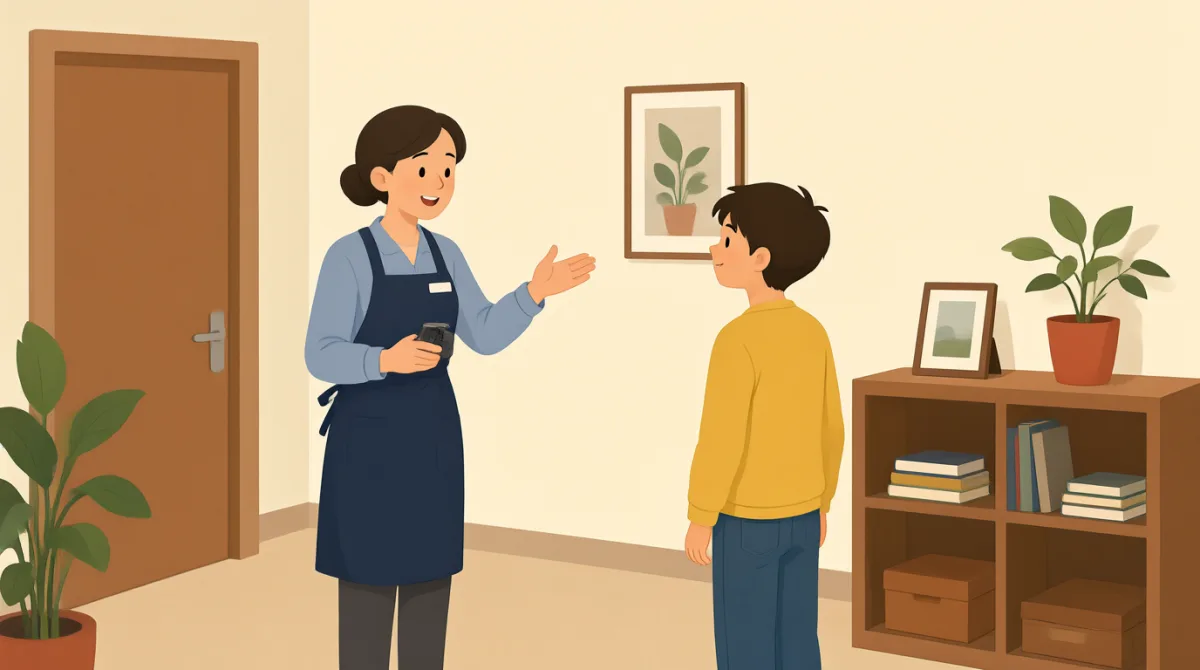

Excuse me, I think I've lost my wallet somewhere here. I was wondering if anyone might have turned it in?
打擾一下,我好像在這裡把錢包弄丟了。我想問一下有沒有人撿到並上交了?

Oh no, I'm sorry to hear that. Can you tell me where you think you might have lost it? Roughly, what time were you here?
哦不,真抱歉聽到這個訊息。您能告訴我您認為可能是在哪裡丟的嗎?大概什麼時候您在這裡?
Well, I arrived around 10 AM. I had it when I first came in and ordered coffee at the counter. Then I sat at a table near the window.
嗯,我大概上午10點到的。我剛進來的時候還有它,在櫃檯點了咖啡。然後我坐在靠窗的桌子旁。
Okay, so you had it when you ordered and sat down. Where did you go after that?
好的,所以你點餐和坐下的時候都還在。那之後你去了哪裡?
I went to the restroom about 15 minutes later, and I think I took it with me then. I remember putting my phone and wallet down on the shelf inside.
大約15分鐘後我去了洗手間,我想那時我帶著它。我記得我把手機和錢包都放在裡面的架子上了。
So, the restroom is a possibility. Did you go anywhere else before leaving?
所以,洗手間有可能。離開前你還去了別的地方嗎?
Only to the exit. I don't recall taking it out again until I realized it was gone when I got to my car. I must have left it either at the table or in the restroom.
只去了出口。我直到回到車裡才發現它不見了,在那之前我都不記得再把它拿出來過。我肯定是把它落在桌子上了,或者在洗手間裡。
Alright, so the window table or the restroom. We'll check both areas thoroughly for you. Can you describe the wallet and leave your contact details?
好的,那就是靠窗的桌子或者洗手間。我們會為您徹底檢查這兩個區域。您能描述一下錢包並留下您的聯絡方式嗎?
詞彙9
- lost丟失了
Past tense of 'lose', meaning you cannot find something you owned. Use it when reporting missing items, like 'I lost my keys.'
“lose”的過去式,表示找不到自己原本擁有的東西。報告物品遺失時可以用這個詞,比如“I lost my keys.”(我把鑰匙弄丟了。)
- wallet錢包
A small case for holding money, cards, and ID. Common in lost item reports; say 'I lost my wallet' to describe what was misplaced.
用來裝錢、卡和身份證件的小包。在失物報告中很常見;可以說“I lost my wallet”(我把錢包弄丟了)來說明丟了什麼東西。
- turned it in上交了
Means handing over a found item to the right place, like lost and found. Useful when asking if someone returned your lost thing.
指把撿到的物品交到失物招領處等合適的地方。詢問有沒有人歸還你丟失的東西時,這個表達很實用。
- roughly大約
Means approximately or about, not exactly. Use it for estimates, like 'roughly 10 AM' when recalling time or place.
表示大概、差不多,不是準確的數值。回憶時間或地點時,可以用它來表示估算,比如“roughly 10 AM”(大約上午10點)。
- counter櫃檯
A long table where you order or pay in places like cafes. Say 'at the counter' to describe where you did something.
咖啡館等場所裡用來點餐或付款的長桌。用“at the counter”(在櫃檯)可以說明你在哪裡做了某件事。
- restroom洗手間
A polite word for bathroom or toilet. Use it in formal situations, like 'I went to the restroom' when explaining movements.
“bathroom”或“toilet”的一種禮貌說法。在比較正式的場合,可以用它來說明自己的行動,比如“I went to the restroom”(我去了洗手間)。
- realized意識到
Past tense of 'realize', meaning to become aware of something. Common for sudden discoveries, like 'I realized it was gone.'
“realize”的過去式,表示開始察覺到某件事。常用於描述突然發現了什麼,比如“I realized it was gone.”(我發現它不見了。)
- thoroughly仔細地
Means completely or carefully. Use it to ask for a detailed search, like 'check thoroughly' in lost item scenarios.
表示徹底地或認真地。在失物場景中,可以用它來請求工作人員詳細尋找,比如“check thoroughly”(仔細檢查)。
- contact details聯絡方式
Information like phone number or email for reaching you. Essential when reporting lost items so staff can call you.
別人用來聯絡你的資訊,比如電話號碼或電子郵箱。報告物品遺失時需要留下聯絡方式,方便工作人員給你打電話。
關鍵句8
- 1
Excuse me, I think I've lost my wallet somewhere here.
打擾一下,我好像把錢包落在這裡的某個地方了。
This polite opening starts a report of a lost item. 'Excuse me' gets attention, 'I think I've lost' uses present perfect for recent events. Useful for beginning conversations at service places.
這是禮貌地開始報告物品遺失的說法。“Excuse me”用來引起對方注意;“I think I've lost”用現在完成時說明最近發生的事。在服務場所開始對話時很實用。
- 2
I was wondering if anyone might have turned it in?
我想問一下,有沒有人可能把它交上來了?
A soft way to ask about a found item. 'I was wondering' is polite for questions; 'might have' shows possibility. Use this to inquire without being direct.
這是委婉詢問是否有人交還了撿到的物品。“I was wondering”讓提問聽起來更禮貌;“might have”表示可能性。用這個說法詢問時不會顯得太直接。
- 3
Can you tell me where you think you might have lost it?
您能告訴我,您覺得自己可能是在哪裡把它弄丟的嗎?
Asks for details on location. 'Where you think you might have lost' uses 'might have' for uncertainty in past actions. Helpful for staff gathering info in lost reports.
這是在詢問物品可能丟失的地點。“Where you think you might have lost”用“might have”表示對過去發生的事不確定。工作人員詢問失物詳情時可以這樣問。
- 4
I arrived around 10 AM. I had it when I first came in and ordered coffee at the counter.
我大約上午10點到的。剛進來的時候我還帶著它,還在櫃檯點了咖啡。
Recounts timeline and actions. 'Around' means approximately; 'I had it' means possessed it. Use simple past to describe sequence of events when explaining where you lost something.
這句話按時間順序回憶了經過。“Around”表示大約;“I had it”表示當時帶著它。說明物品可能在哪裡丟失時,可以用一般過去時描述一連串事情。
- 5
I went to the restroom about 15 minutes later, and I think I took it with me then.
大約15分鐘後我去了洗手間,我想那時我帶著它。
Describes movement and memory. 'About 15 minutes later' shows time sequence; 'I think' expresses uncertainty. Practical for narrating steps in a story of loss.
這句話描述了行動和回憶。“About 15 minutes later”說明事情發生的時間順序;“I think”表示不確定。講述物品遺失經過時,這種說法很實用。
- 6
I must have left it either at the table or in the restroom.
我肯定是把它落在桌子上了,或者落在洗手間裡了。
'Must have' expresses strong probability about the past. 'Either...or' lists options. Use this to guess possible locations when you can't remember exactly.
“Must have”表示對過去發生的事有很大的把握。“Either...or”用來列出兩種可能。當你記不清確切地點時,可以用這個句型猜測物品可能在哪裡。
- 7
We'll check both areas thoroughly for you.
我們會幫您仔細檢查這兩個地方。
Promises action. 'We'll check' is future simple for plans; 'thoroughly' means carefully. Reassuring response from staff; learners can use similar to offer help.
這句話是在承諾會採取行動。“We'll check”用一般將來時說明計劃;“thoroughly”表示仔細地。這是工作人員安慰顧客時可以用的說法,學習者也可以用類似表達主動提供幫助。
- 8
Can you describe the wallet and leave your contact details?
您能描述一下錢包,並留下您的聯絡方式嗎?
Requests more info. 'Describe' means give details; imperative form after 'can you' is polite. Essential for ending lost item reports to aid recovery.
這是在請求對方提供更多資訊。“Describe”表示說明具體特徵;“Can you”後接動詞原形,是一種禮貌的提問方式。報告失物時,工作人員會用這句話收集資訊,幫助找回物品。