Recalling Where it Was Lost
কোথায় হারিয়েছে মনে করার চেষ্টা
The staff member asks where the learner thinks they might have lost the item. The learner recounts their movements and the last place they remember having it.
কর্মী জানতে চান, শিক্ষার্থী কোথায় জিনিসটি হারিয়েছেন বলে মনে করেন। শিক্ষার্থী কোথায় কোথায় গিয়েছিলেন এবং শেষবার কোন জায়গায় জিনিসটি তাঁর কাছে ছিল বলে মনে আছে, তা বর্ণনা করেন।
সংলাপ8
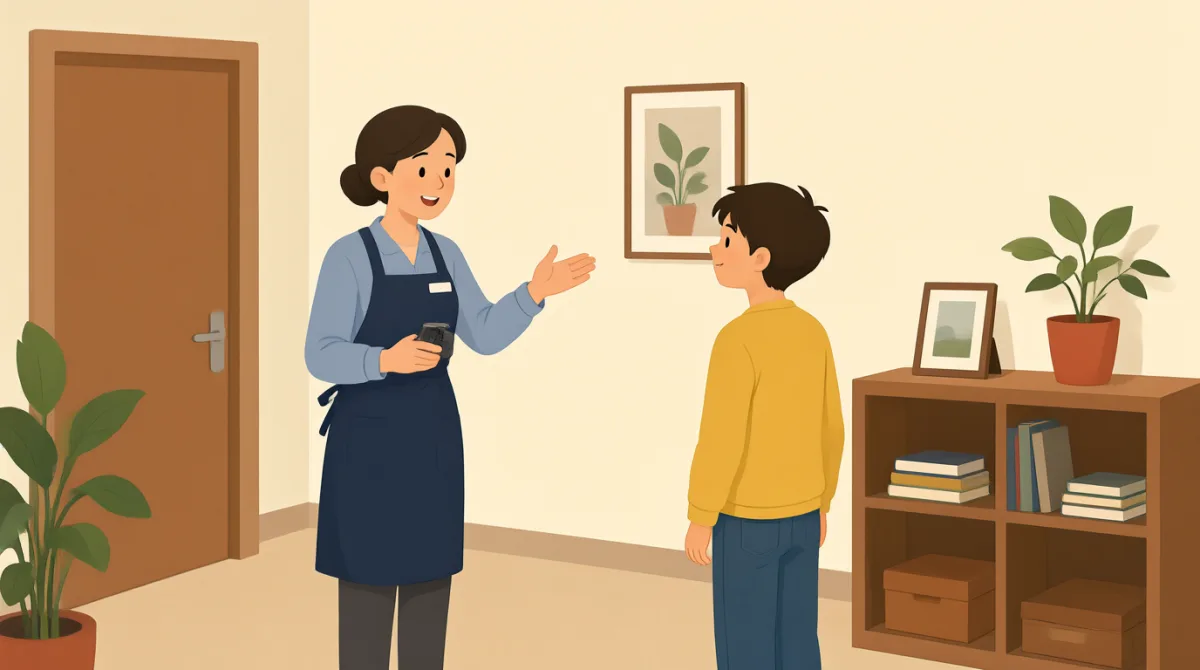

Excuse me, I think I've lost my wallet somewhere here. I was wondering if anyone might have turned it in?
মাফ করবেন, মনে হয় এখানে কোথাও আমার মানিব্যাগ হারিয়ে ফেলেছি। কেউ কি এটা পেয়ে জমা দিয়েছেন, জানতে চাইছিলাম।

Oh no, I'm sorry to hear that. Can you tell me where you think you might have lost it? Roughly, what time were you here?
আহা, শুনে খারাপ লাগল। কোথায় হারিয়েছেন বলে মনে হচ্ছে, বলতে পারবেন? আনুমানিক কখন আপনি এখানে এসেছিলেন?
Well, I arrived around 10 AM. I had it when I first came in and ordered coffee at the counter. Then I sat at a table near the window.
আমি সকাল ১০টার দিকে এসেছিলাম। প্রথম যখন ঢুকি আর কাউন্টারে কফি অর্ডার করি, তখন মানিব্যাগটা আমার কাছে ছিল। তারপর জানালার পাশের একটা টেবিলে বসি।
Okay, so you had it when you ordered and sat down. Where did you go after that?
আচ্ছা, তাহলে অর্ডার করার সময় আর বসার সময়ও আপনার কাছে ছিল। এরপর কোথায় গিয়েছিলেন?
I went to the restroom about 15 minutes later, and I think I took it with me then. I remember putting my phone and wallet down on the shelf inside.
প্রায় ১৫ মিনিট পর শৌচাগারে গিয়েছিলাম, আর মনে হয় তখন মানিব্যাগটা সঙ্গে নিয়েছিলাম। মনে আছে, ভেতরের তাকের ওপর ফোন আর মানিব্যাগটা রেখেছিলাম।
So, the restroom is a possibility. Did you go anywhere else before leaving?
তাহলে শৌচাগারেও হারিয়ে থাকতে পারে। বেরোনোর আগে আর কোথাও গিয়েছিলেন?
Only to the exit. I don't recall taking it out again until I realized it was gone when I got to my car. I must have left it either at the table or in the restroom.
শুধু বেরোনোর দরজা পর্যন্ত। গাড়ির কাছে গিয়ে যখন বুঝলাম মানিব্যাগটা নেই, তার আগে আর বের করেছিলাম বলে মনে পড়ছে না। হয় টেবিলে, নয়তো শৌচাগারে ফেলে এসেছি।
Alright, so the window table or the restroom. We'll check both areas thoroughly for you. Can you describe the wallet and leave your contact details?
ঠিক আছে, তাহলে জানালার পাশের টেবিলটা বা শৌচাগার। আমরা দুটো জায়গাই ভালোভাবে খুঁজে দেখব। মানিব্যাগটার বর্ণনা দিতে পারবেন, আর যোগাযোগের তথ্য দিয়ে যাবেন?
শব্দভান্ডার9
- lostহারিয়ে ফেলা
Past tense of 'lose', meaning you cannot find something you owned. Use it when reporting missing items, like 'I lost my keys.'
'lost' হলো 'lose'-এর অতীত কাল। এর মানে, আপনার কোনো জিনিস খুঁজে পাচ্ছেন না। হারানো জিনিসের কথা জানাতে এটি ব্যবহার করুন, যেমন 'I lost my keys.' (আমি আমার চাবিগুলো হারিয়ে ফেলেছি।)
- walletমানিব্যাগ
A small case for holding money, cards, and ID. Common in lost item reports; say 'I lost my wallet' to describe what was misplaced.
টাকা, কার্ড ও পরিচয়পত্র রাখার ছোট থলি। হারানো জিনিসের খবর দেওয়ার সময় এটি প্রায়ই ব্যবহার হয়। কী হারিয়েছেন তা বলতে 'I lost my wallet' (আমি আমার মানিব্যাগ হারিয়ে ফেলেছি) বলতে পারেন।
- turned it inজমা দিয়েছে
Means handing over a found item to the right place, like lost and found. Useful when asking if someone returned your lost thing.
পাওয়া কোনো জিনিস যথাযথ জায়গায়, যেমন হারানো-প্রাপ্তি বিভাগে, জমা দেওয়া বোঝায়। কেউ আপনার হারানো জিনিসটি ফেরত জমা দিয়েছেন কি না, তা জানতে এই কথাটি কাজে লাগে।
- roughlyআনুমানিক
Means approximately or about, not exactly. Use it for estimates, like 'roughly 10 AM' when recalling time or place.
এর মানে মোটামুটি বা কাছাকাছি, একেবারে সঠিক নয়। সময় বা জায়গা মনে করার সময় আন্দাজ বোঝাতে এটি ব্যবহার করুন, যেমন 'roughly 10 AM' (আনুমানিক সকাল ১০টা)।
- counterকাউন্টার
A long table where you order or pay in places like cafes. Say 'at the counter' to describe where you did something.
ক্যাফের মতো জায়গায় অর্ডার বা টাকা দেওয়ার লম্বা টেবিল। কোথায় কিছু করেছেন তা বলতে 'at the counter' (কাউন্টারে) বলা যায়।
- restroomশৌচাগার
A polite word for bathroom or toilet. Use it in formal situations, like 'I went to the restroom' when explaining movements.
বাথরুম বা টয়লেটের ভদ্র শব্দ। আনুষ্ঠানিক পরিস্থিতিতে নিজের চলাফেরার কথা বলার সময় 'I went to the restroom' (আমি শৌচাগারে গিয়েছিলাম) বলতে পারেন।
- realizedবুঝতে পেরেছিলাম
Past tense of 'realize', meaning to become aware of something. Common for sudden discoveries, like 'I realized it was gone.'
'realized' হলো 'realize'-এর অতীত কাল। এর মানে কোনো কিছু সম্পর্কে সচেতন হওয়া বা বুঝতে পারা। হঠাৎ কিছু বুঝে গেলে এটি প্রায়ই ব্যবহৃত হয়, যেমন 'I realized it was gone.' (আমি বুঝতে পেরেছিলাম যে সেটা নেই।)
- thoroughlyভালোভাবে
Means completely or carefully. Use it to ask for a detailed search, like 'check thoroughly' in lost item scenarios.
এর মানে পুরোপুরি বা খুব যত্ন নিয়ে। হারানো জিনিস খোঁজার সময় বিস্তারিতভাবে খুঁজতে বলতে 'check thoroughly' (ভালোভাবে খুঁজে দেখা) ব্যবহার করুন।
- contact detailsযোগাযোগের তথ্য
Information like phone number or email for reaching you. Essential when reporting lost items so staff can call you.
আপনার সঙ্গে যোগাযোগ করার জন্য ফোন নম্বর বা ইমেইল ঠিকানার মতো তথ্য। হারানো জিনিসের খবর দেওয়ার সময় এটি জরুরি, যাতে কর্মীরা আপনাকে জানাতে পারেন।
গুরুত্বপূর্ণ বাক্য8
- 1
Excuse me, I think I've lost my wallet somewhere here.
মাফ করবেন, মনে হয় এখানে কোথাও আমার মানিব্যাগ হারিয়ে ফেলেছি।
This polite opening starts a report of a lost item. 'Excuse me' gets attention, 'I think I've lost' uses present perfect for recent events. Useful for beginning conversations at service places.
হারানো জিনিসের কথা জানাতে এই ভদ্র সূচনাটি ব্যবহার করুন। 'Excuse me' বলে কারও মনোযোগ আকর্ষণ করা হয়, আর 'I think I've lost' সাম্প্রতিক ঘটনার কথা present perfect দিয়ে জানায়। কোনো পরিষেবার জায়গায় কথোপকথন শুরু করতে এটি কাজে লাগে।
- 2
I was wondering if anyone might have turned it in?
কেউ কি এটা পেয়ে জমা দিয়েছেন, জানতে চাইছিলাম।
A soft way to ask about a found item. 'I was wondering' is polite for questions; 'might have' shows possibility. Use this to inquire without being direct.
পাওয়া জিনিস সম্পর্কে ভদ্রভাবে জানতে চাওয়ার একটি উপায়। 'I was wondering' প্রশ্ন করার ভদ্র ভঙ্গি, আর 'might have' সম্ভাবনা বোঝায়। সরাসরি না হয়ে খোঁজ নিতে এটি ব্যবহার করুন।
- 3
Can you tell me where you think you might have lost it?
কোথায় হারিয়েছেন বলে মনে হচ্ছে, বলতে পারবেন?
Asks for details on location. 'Where you think you might have lost' uses 'might have' for uncertainty in past actions. Helpful for staff gathering info in lost reports.
এখানে জিনিসটি কোথায় হারিয়েছে, সেই তথ্য চাওয়া হচ্ছে। 'Where you think you might have lost' অতীতের কাজ সম্পর্কে অনিশ্চয়তা বোঝাতে 'might have' ব্যবহার করে। হারানো জিনিসের খবর নিতে কর্মীদের এই বাক্যটি কাজে লাগে।
- 4
I arrived around 10 AM. I had it when I first came in and ordered coffee at the counter.
আমি সকাল ১০টার দিকে এসেছিলাম। প্রথম যখন ঢুকি আর কাউন্টারে কফি অর্ডার করি, তখন মানিব্যাগটা আমার কাছে ছিল।
Recounts timeline and actions. 'Around' means approximately; 'I had it' means possessed it. Use simple past to describe sequence of events when explaining where you lost something.
এখানে ঘটনার সময়ক্রম ও কাজগুলো বলা হচ্ছে। 'Around' মানে আনুমানিক, আর 'I had it' মানে জিনিসটি আপনার কাছে ছিল। কিছু কোথায় হারিয়েছেন তা বোঝাতে ঘটনাগুলো ধারাবাহিকভাবে বলতে simple past ব্যবহার করুন।
- 5
I went to the restroom about 15 minutes later, and I think I took it with me then.
প্রায় ১৫ মিনিট পর শৌচাগারে গিয়েছিলাম, আর মনে হয় তখন মানিব্যাগটা সঙ্গে নিয়েছিলাম।
Describes movement and memory. 'About 15 minutes later' shows time sequence; 'I think' expresses uncertainty. Practical for narrating steps in a story of loss.
এখানে কোথায় গিয়েছিলেন এবং কী মনে আছে, তা বলা হচ্ছে। 'About 15 minutes later' সময়ের ক্রম বোঝায়, আর 'I think' অনিশ্চয়তা প্রকাশ করে। কিছু হারানোর ঘটনার বিবরণ দিতে এটি কাজে লাগে।
- 6
I must have left it either at the table or in the restroom.
হয় টেবিলে, নয়তো শৌচাগারে ফেলে এসেছি।
'Must have' expresses strong probability about the past. 'Either...or' lists options. Use this to guess possible locations when you can't remember exactly.
'Must have' অতীতের কোনো ঘটনা সম্পর্কে জোরালো অনুমান প্রকাশ করে। 'Either...or' দুটি সম্ভাবনা জানায়। ঠিক মনে না থাকলে সম্ভাব্য জায়গা অনুমান করে বলতে এটি ব্যবহার করুন।
- 7
We'll check both areas thoroughly for you.
আমরা আপনার জন্য দুটো জায়গাই ভালোভাবে খুঁজে দেখব।
Promises action. 'We'll check' is future simple for plans; 'thoroughly' means carefully. Reassuring response from staff; learners can use similar to offer help.
এ বাক্যে সাহায্য করার আশ্বাস দেওয়া হচ্ছে। 'We'll check' ভবিষ্যতে কী করার পরিকল্পনা আছে তা জানায়, আর 'thoroughly' মানে যত্ন নিয়ে। কর্মীরা এভাবে আশ্বস্ত করতে পারেন; আপনিও একই ধরনের বাক্য দিয়ে সাহায্যের প্রস্তাব দিতে পারেন।
- 8
Can you describe the wallet and leave your contact details?
মানিব্যাগটার বর্ণনা দিতে পারবেন, আর যোগাযোগের তথ্য দিয়ে যাবেন?
Requests more info. 'Describe' means give details; imperative form after 'can you' is polite. Essential for ending lost item reports to aid recovery.
এখানে আরও তথ্য চাওয়া হচ্ছে। 'Describe' মানে বিস্তারিতভাবে বলা, আর 'can you'-এর পরে মূল ক্রিয়ার রূপটি ভদ্র অনুরোধ তৈরি করে। হারানো জিনিস খুঁজে পেতে সাহায্য করার জন্য কথোপকথনের শেষে এই তথ্য চাওয়া জরুরি।