Borrowing a Household Item
借用家庭用品
You urgently need a common household item, like an egg or a cup of sugar, and decide to ask a nearby neighbor if they can lend it to you.
你急需一件常見的家庭用品,比如一個雞蛋或一杯糖,決定問問附近的鄰居是否可以借給你。
對話8
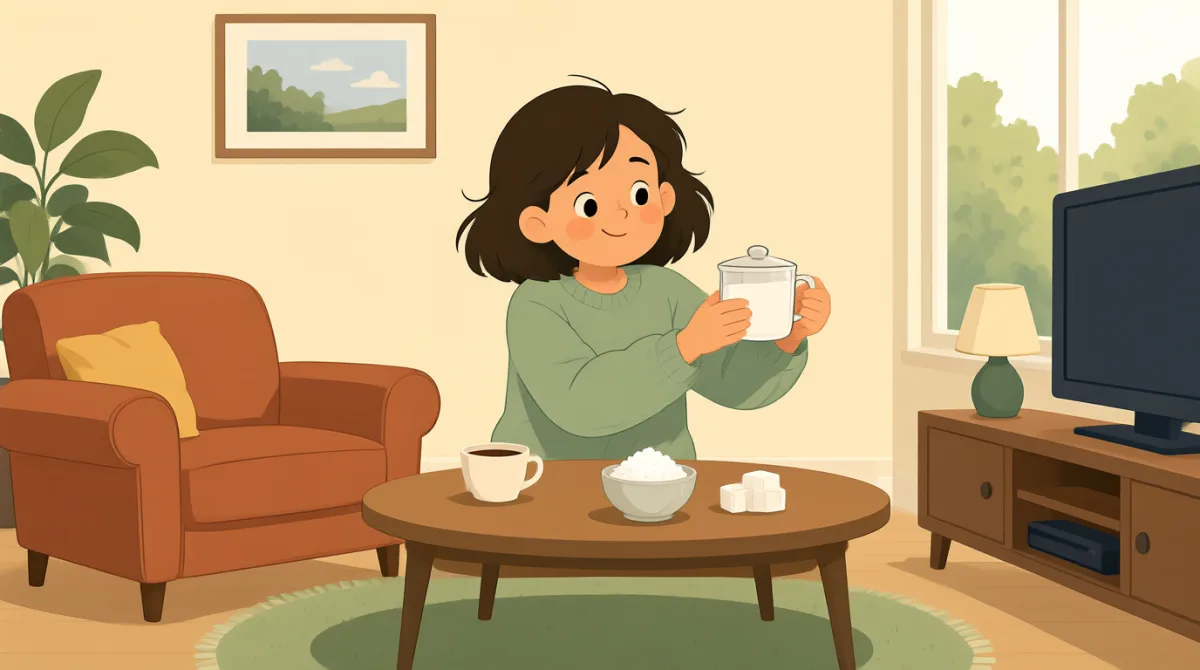

Hey Mia! Sorry to bother you, but I'm in a bit of a jam. I'm baking cookies and realized I'm completely out of sugar.
嘿,米婭!不好意思打擾你,我有點兒麻煩。我正在烤餅乾,才發現我完全沒有糖了。

Oh, no worries at all, Jack! What kind of sugar do you need? Granulated?
哦,沒關係,傑克!你需要什麼糖?砂糖嗎?
Yes, just regular granulated sugar. I only need about a cup, if you happen to have some to spare.
是的,就是普通的砂糖。我只需要大約一杯,如果你碰巧有多餘的。
Let me check. I'm pretty sure I have an extra bag. Just a sec!
我看看。我相當確定我有一個額外的袋子。等一下!
Okay, found it! Here's a full cup for you. Keep it, you're welcome.
好了,找到了!給你滿滿一杯。拿著吧,不用還了。
You're a lifesaver, Mia! Seriously, thank you so much. I'll make sure to return the favor sometime.
你真是我的救星,米婭!真的,太謝謝你了。我一定會找機會報答你的。
Don't worry about it! Happy to help. Let me know how the cookies turn out!
別擔心!很高興能幫上忙。告訴我餅乾做得怎麼樣!
I will! Thanks again, Mia. Have a good one!
會的!再次感謝,米婭。祝你愉快!
詞彙7
- bother打擾
To bother someone means to interrupt or annoy them slightly. In polite requests, like 'Sorry to bother you,' it shows respect for their time.
“to bother someone”指打擾或稍微煩到某人。在禮貌地提出請求時,比如說“Sorry to bother you”,是在表示尊重對方的時間。
- jam麻煩
A 'jam' is an informal word for a difficult or urgent situation, like being stuck without something you need. Example: 'I'm in a bit of a jam' means a small problem.
“jam”是一個口語說法,指棘手或緊急的情況,比如缺了急需的東西。“I'm in a bit of a jam”意思是遇到了一點小麻煩。
- out of用完;沒有了
To be 'out of' something means you have none left. It's common for food or supplies, like 'out of sugar' when your supply is empty.
“to be out of”某樣東西,意思是手頭已經沒有了。這個說法常用於食物或日用品,比如“out of sugar”就是糖用完了。
- granulated細砂糖
Granulated sugar is the regular white sugar with fine grains, used in baking and cooking. It's the most common type in households.
“granulated sugar”指顆粒細小的普通白糖,常用於烘焙和烹飪,也是家裡最常見的一種糖。
- spare多餘的;備用的
To have something 'to spare' means you have extra that you can share or lend. It's polite when asking to borrow, like 'if you have some to spare.'
“to have something to spare”意思是手頭有多餘的東西,可以分享或借給別人。借東西時這樣說很有禮貌,比如“if you have some to spare”。
- lifesaver救星
A 'lifesaver' is someone who helps you out of a big problem, like saving the day. It's a thankful expression, e.g., 'You're a lifesaver!'
“lifesaver”指幫你擺脫大麻煩的人,就像及時救場一樣。這是一種表達感謝的說法,例如“You're a lifesaver!”
- return the favor回報;報答
To 'return the favor' means to help someone back after they helped you. It builds good neighbor relationships by showing gratitude.
“to return the favor”意思是在別人幫過你之後,也回過頭來幫幫對方。這樣表達謝意,有助於建立良好的鄰里關係。
關鍵句7
- 1
Sorry to bother you, but I'm in a bit of a jam.
不好意思打擾你,不過我現在有點兒麻煩。
This is a polite way to start a request when interrupting someone. 'In a bit of a jam' is an idiom for a small trouble. Use it when asking for help urgently, like borrowing an item.
打斷別人、提出請求時,可以用這句話禮貌地開頭。“In a bit of a jam”是表示遇到一點麻煩的習語。急著求助或借東西時可以這樣說。
- 2
Oh, no worries at all!
哦,沒關係!
This means 'don't worry, it's not a problem.' It's a friendly response to reassure someone. Useful for casual conversations to show you're happy to help.
這句話的意思是“別擔心,沒什麼大不了的”。它是安慰對方的友好回應,也適合在日常對話中表示你很樂意幫忙。
- 3
I only need about a cup, if you happen to have some to spare.
我只需要大約一杯,如果你剛好有多餘的。
This specifies a small amount needed and politely asks if extra is available. 'If you happen to have' softens the request. Great for borrowing without pressuring.
這句話說明了你需要的量不多,並禮貌地詢問對方是否有多餘的。“If you happen to have”能讓請求聽起來更委婉,借東西時用它不會給對方壓力。
- 4
Just a sec!
等一下!
Short for 'just a second,' it means 'wait a moment.' It's informal and quick to use when checking something briefly. Common in everyday English.
這是“just a second”的簡短說法,意思是“稍等片刻”。臨時檢視或確認事情時,這種隨意、簡潔的表達在日常英語中很常見。
- 5
You're a lifesaver!
你真是我的救星!
This expresses strong thanks for helpful action. It's idiomatic and shows appreciation. Use it after someone solves your urgent problem.
這句話用來表達對別人幫助的深深感謝,是一種習慣說法,能表現出你的感激之情。別人幫你解決了眼前的急事後,可以這樣說。
- 6
I'll make sure to return the favor sometime.
我以後一定找機會報答你。
This promises to help back later, building reciprocity. 'Make sure to' emphasizes commitment. Useful in neighborly interactions to show good manners.
這句話是在承諾以後也會幫對方,體現互相幫助。“Make sure to”強調你會盡力做到。和鄰居打交道時,這樣說既禮貌又友好。
- 7
Don't worry about it! Happy to help.
別放在心上!很樂意幫忙。
This dismisses the need for repayment and shows willingness. It's a gracious way to end a favor. Use it to keep relationships positive and casual.
這句話表示不用對方還人情,也說明自己很願意幫忙。別人幫完忙後,用這句客氣地回應,能讓關係保持輕鬆融洽。