Borrowing a Household Item
ขอยืมของใช้ในบ้าน
You urgently need a common household item, like an egg or a cup of sugar, and decide to ask a nearby neighbor if they can lend it to you.
คุณต้องใช้ของใช้ในบ้านทั่วไปอย่างเร่งด่วน เช่น ไข่หรือน้ำตาลหนึ่งถ้วย จึงตัดสินใจถามเพื่อนบ้านใกล้ ๆ ว่าพอจะให้ยืมได้ไหม
บทสนทนา8
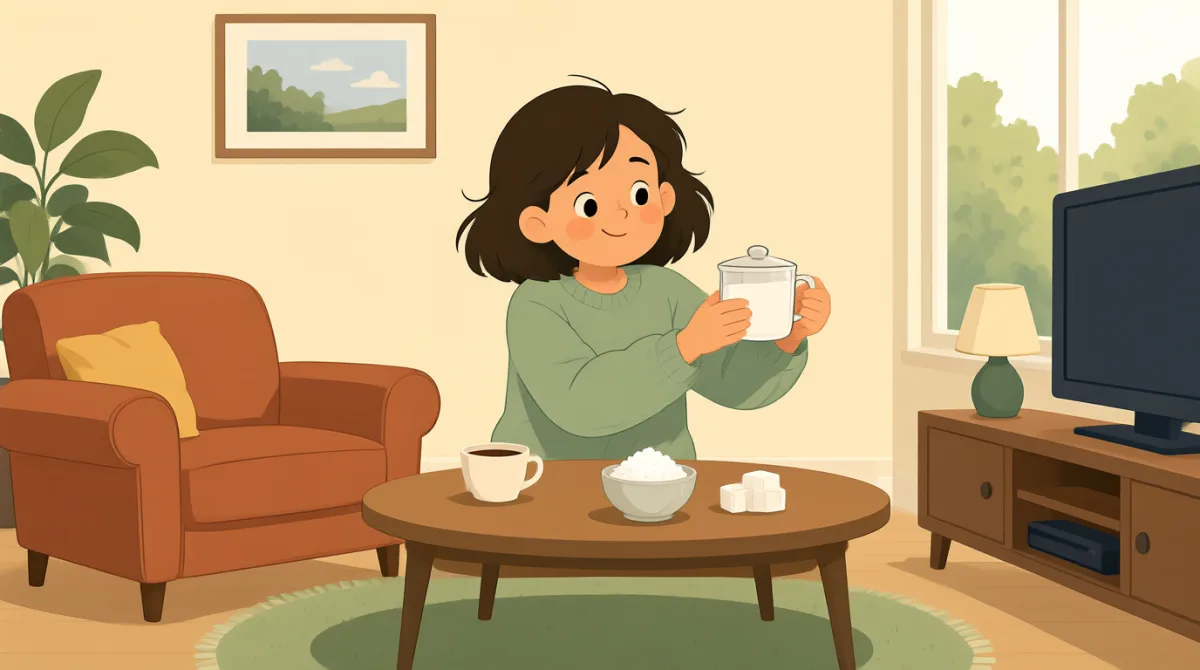

Hey Mia! Sorry to bother you, but I'm in a bit of a jam. I'm baking cookies and realized I'm completely out of sugar.
เฮ้ มีอา! โทษทีที่รบกวนนะ แต่ฉันกำลังลำบากนิดหน่อย ฉันกำลังอบคุกกี้อยู่แล้วก็เพิ่งรู้ว่าน้ำตาลหมดเกลี้ยงเลย

Oh, no worries at all, Jack! What kind of sugar do you need? Granulated?
อ๋อ ไม่เป็นไรเลย แจ็ก! ต้องการน้ำตาลแบบไหนเหรอ แบบเม็ดใช่ไหม
Yes, just regular granulated sugar. I only need about a cup, if you happen to have some to spare.
ใช่ น้ำตาลทรายธรรมดานั่นแหละ ฉันต้องใช้แค่ประมาณหนึ่งถ้วย ถ้าเธอพอมีเหลือให้ยืมนะ
Let me check. I'm pretty sure I have an extra bag. Just a sec!
ขอฉันเช็กดูก่อนนะ ฉันค่อนข้างมั่นใจว่ามีถุงสำรองอยู่ รอแป๊บนึง!
Okay, found it! Here's a full cup for you. Keep it, you're welcome.
โอเค เจอแล้ว! นี่ น้ำตาลเต็มถ้วยเลย เอาไปได้เลย ไม่ต้องคืนก็ได้นะ
You're a lifesaver, Mia! Seriously, thank you so much. I'll make sure to return the favor sometime.
มีอา เธอช่วยชีวิตฉันไว้เลย! ขอบคุณมากจริง ๆ นะ ไว้ฉันจะตอบแทนเธอสักวัน
Don't worry about it! Happy to help. Let me know how the cookies turn out!
ไม่ต้องคิดมากเลย! ยินดีช่วยอยู่แล้ว คุกกี้ออกมาเป็นยังไงบอกฉันด้วยนะ!
I will! Thanks again, Mia. Have a good one!
ได้เลย! ขอบคุณอีกครั้งนะ มีอา ขอให้วันนี้เป็นวันที่ดี!
คำศัพท์7
- botherรบกวน
To bother someone means to interrupt or annoy them slightly. In polite requests, like 'Sorry to bother you,' it shows respect for their time.
bother หมายถึงการขัดจังหวะหรือทำให้ใครรำคาญเล็กน้อย เวลาใช้ในคำขออย่าง 'Sorry to bother you' (ขอโทษที่รบกวน) จะแสดงว่าเราเกรงใจเวลาของอีกฝ่าย
- jamสถานการณ์ลำบาก
A 'jam' is an informal word for a difficult or urgent situation, like being stuck without something you need. Example: 'I'm in a bit of a jam' means a small problem.
'jam' เป็นคำไม่เป็นทางการที่หมายถึงสถานการณ์ยากลำบากหรือเร่งด่วน เช่น ติดขัดเพราะไม่มีของที่จำเป็น ตัวอย่างเช่น 'I'm in a bit of a jam' หมายถึงกำลังเจอปัญหาเล็กน้อย
- out ofหมด
To be 'out of' something means you have none left. It's common for food or supplies, like 'out of sugar' when your supply is empty.
'out of' something หมายถึงไม่มีสิ่งนั้นเหลือแล้ว มักใช้กับอาหารหรือของใช้ เช่น 'out of sugar' หมายถึงน้ำตาลหมด
- granulatedเป็นเม็ด
Granulated sugar is the regular white sugar with fine grains, used in baking and cooking. It's the most common type in households.
Granulated sugar คือน้ำตาลทรายขาวทั่วไปที่มีเกล็ดเล็ก ๆ ใช้ทำขนมและประกอบอาหาร เป็นน้ำตาลชนิดที่พบได้บ่อยที่สุดในบ้าน
- spareเหลือพอแบ่งให้
To have something 'to spare' means you have extra that you can share or lend. It's polite when asking to borrow, like 'if you have some to spare.'
การมีอะไรสักอย่าง 'to spare' หมายถึงมีเหลือพอจะแบ่งหรือให้ยืมได้ เป็นวิธีพูดอย่างสุภาพเวลาเอ่ยปากขอยืม เช่น 'if you have some to spare' (ถ้ามีเหลือพอให้ยืม)
- lifesaverผู้ช่วยชีวิต
A 'lifesaver' is someone who helps you out of a big problem, like saving the day. It's a thankful expression, e.g., 'You're a lifesaver!'
'lifesaver' คือคนที่ช่วยให้เราพ้นจากปัญหาใหญ่ ๆ เหมือนมาช่วยกู้สถานการณ์ เป็นคำพูดแสดงความขอบคุณ เช่น 'You're a lifesaver!' (เธอช่วยชีวิตฉันไว้เลย!)
- return the favorตอบแทนบุญคุณ
To 'return the favor' means to help someone back after they helped you. It builds good neighbor relationships by showing gratitude.
'return the favor' หมายถึงช่วยอีกฝ่ายกลับหลังจากที่เขาช่วยเราไว้ การตอบแทนแสดงความขอบคุณและช่วยสร้างความสัมพันธ์ที่ดีกับเพื่อนบ้าน
ประโยคสำคัญ7
- 1
Sorry to bother you, but I'm in a bit of a jam.
ขอโทษที่รบกวนนะ แต่ฉันกำลังลำบากนิดหน่อย
This is a polite way to start a request when interrupting someone. 'In a bit of a jam' is an idiom for a small trouble. Use it when asking for help urgently, like borrowing an item.
ประโยคนี้เป็นวิธีสุภาพในการเริ่มขอความช่วยเหลือเมื่อเข้าไปขัดจังหวะใครสักคน 'In a bit of a jam' เป็นสำนวนที่หมายถึงกำลังเจอปัญหาเล็กน้อย ใช้ได้เมื่อต้องขอความช่วยเหลืออย่างเร่งด่วน เช่น ขอยืมของ
- 2
Oh, no worries at all!
อ๋อ ไม่เป็นไรเลย!
This means 'don't worry, it's not a problem.' It's a friendly response to reassure someone. Useful for casual conversations to show you're happy to help.
ประโยคนี้หมายถึง 'ไม่ต้องกังวล ไม่ใช่ปัญหาเลย' เป็นคำตอบเป็นมิตรที่ช่วยให้อีกฝ่ายสบายใจ เหมาะกับบทสนทนาสบาย ๆ เพื่อบอกว่าเราเต็มใจช่วย
- 3
I only need about a cup, if you happen to have some to spare.
ฉันต้องใช้แค่ประมาณหนึ่งถ้วย ถ้าเธอพอมีเหลือให้ยืมนะ
This specifies a small amount needed and politely asks if extra is available. 'If you happen to have' softens the request. Great for borrowing without pressuring.
ประโยคนี้บอกปริมาณเล็กน้อยที่ต้องการ พร้อมถามอย่างสุภาพว่ามีเหลือหรือไม่ 'If you happen to have' ช่วยทำให้คำขอฟังดูไม่กดดัน เหมาะสำหรับขอยืมของอย่างเกรงใจ
- 4
Just a sec!
รอแป๊บนึง!
Short for 'just a second,' it means 'wait a moment.' It's informal and quick to use when checking something briefly. Common in everyday English.
เป็นรูปย่อของ 'just a second' หมายถึง 'รอสักครู่' เป็นสำนวนไม่เป็นทางการ ใช้ได้อย่างรวดเร็วเมื่อต้องเช็กอะไรสักอย่างแป๊บเดียว และพบได้บ่อยในภาษาอังกฤษที่ใช้ในชีวิตประจำวัน
- 5
You're a lifesaver!
เธอช่วยชีวิตฉันไว้เลย!
This expresses strong thanks for helpful action. It's idiomatic and shows appreciation. Use it after someone solves your urgent problem.
ประโยคนี้ใช้ขอบคุณอย่างมากเมื่อมีคนช่วยเหลือ เป็นสำนวนที่แสดงความซาบซึ้งใจ ใช้ได้เมื่อใครสักคนช่วยแก้ปัญหาเร่งด่วนให้เรา
- 6
I'll make sure to return the favor sometime.
ไว้ฉันจะตอบแทนเธอสักวัน
This promises to help back later, building reciprocity. 'Make sure to' emphasizes commitment. Useful in neighborly interactions to show good manners.
ประโยคนี้เป็นการสัญญาว่าจะช่วยอีกฝ่ายกลับในภายหลัง และแสดงถึงการตอบแทนกัน 'Make sure to' เน้นย้ำว่าเราตั้งใจจะทำจริง เหมาะสำหรับใช้กับเพื่อนบ้านเพื่อแสดงน้ำใจ
- 7
Don't worry about it! Happy to help.
ไม่ต้องคิดมากเลย! ยินดีช่วยอยู่แล้ว
This dismisses the need for repayment and shows willingness. It's a gracious way to end a favor. Use it to keep relationships positive and casual.
ประโยคนี้บอกว่าไม่จำเป็นต้องตอบแทน และแสดงความเต็มใจช่วย เป็นวิธีปิดท้ายหลังจากช่วยเหลือกันอย่างมีน้ำใจ ใช้ได้เพื่อรักษาความสัมพันธ์ที่ดีและเป็นกันเอง