Waiting and Using Amenities
รอและใช้สิ่งอำนวยความสะดวก
While waiting for their laundry, the customer might ask about Wi-Fi, restrooms, or a change machine. They may also engage in brief small talk with other customers.
ระหว่างรอซักผ้า ลูกค้าอาจถามเกี่ยวกับ Wi-Fi ห้องน้ำ หรือตู้แลกเหรียญ และอาจพูดคุยทักทายกับลูกค้าคนอื่นสั้น ๆ
บทสนทนา10
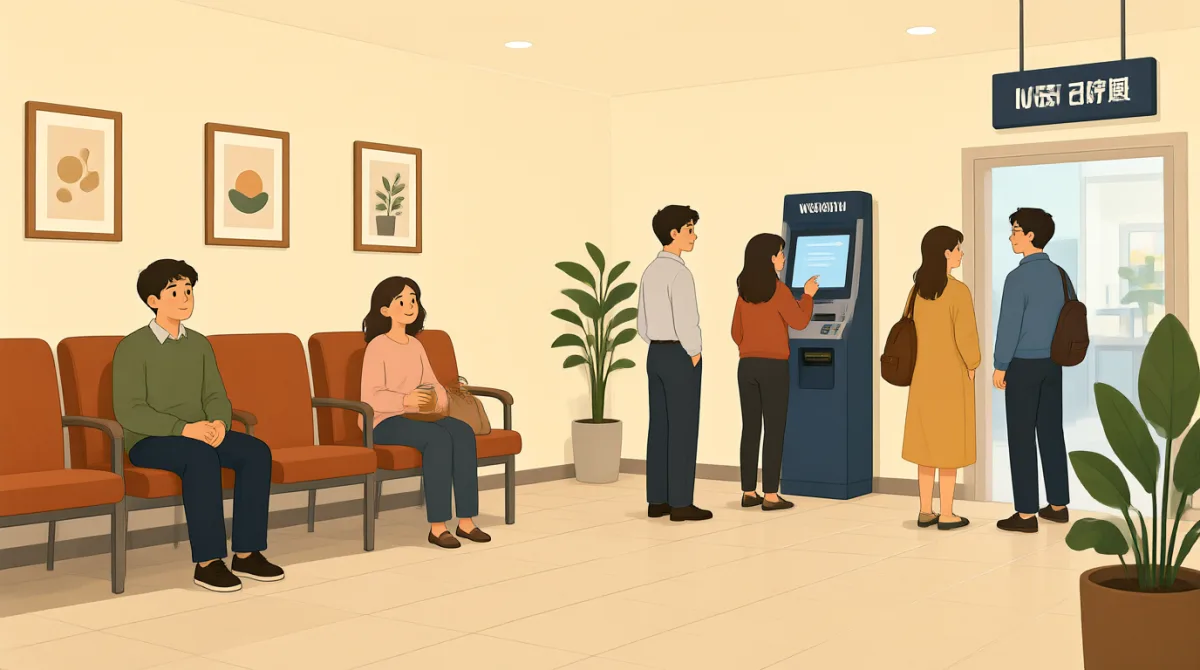

Excuse me, do you know if there's Wi-Fi here? And what's the password?
ขอโทษนะคะ ที่นี่มี Wi-Fi ไหมคะ แล้วรหัสผ่านคืออะไรคะ

Yes, there is! It should be posted on the wall near the detergent vending machine. Let me check for you.
มีครับ! น่าจะติดประกาศไว้บนผนังใกล้ตู้ขายน้ำยาซักผ้า เดี๋ยวผมดูให้ครับ
Oh, thank you so much! I appreciate it. And do you know where the restrooms are?
อ๋อ ขอบคุณมากเลยค่ะ ขอบคุณจริง ๆ นะคะ แล้วทราบไหมคะว่าห้องน้ำอยู่ตรงไหน
No problem! The restrooms are just through that door, past the change machine. Speaking of which, do you need any quarters?
ยินดีครับ ห้องน้ำอยู่เลยประตูบานนั้นไป แล้วก็ผ่านตู้แลกเหรียญไปครับ พูดถึงตู้แลกเหรียญ คุณต้องใช้เหรียญควอเตอร์ไหมครับ
Actually, yes! I only have bills. Is the change machine working?
จริงด้วยค่ะ! ฉันมีแต่ธนบัตร ตู้แลกเหรียญใช้ได้ไหมคะ
It was working earlier when I got my change. Just make sure to use exact bills. Sometimes it's a bit picky.
ตอนที่ผมแลกเงินเมื่อกี้ยังใช้ได้อยู่ครับ แค่ใช้ธนบัตรให้พอดีกับที่ตู้รับนะครับ บางทีมันก็เลือกธนบัตรอยู่เหมือนกัน
Good to know, thanks for the heads-up. It's my first time here.
ดีเลยค่ะที่บอก ขอบคุณที่เตือนนะคะ นี่เป็นครั้งแรกที่ฉันมาที่นี่ค่ะ
No problem! We've all been there. My laundry's almost done, so I'll be heading out soon. Good luck with yours!
ยินดีครับ ใคร ๆ ก็เคยเป็นแบบนี้กันทั้งนั้น ผ้าใกล้ซักเสร็จแล้ว เดี๋ยวผมก็กลับแล้ว ขอให้ซักผ้าเรียบร้อยนะครับ!
Thanks again for all your help! Enjoy the rest of your day.
ขอบคุณอีกครั้งนะคะที่ช่วยเหลือ ขอให้วันนี้ที่เหลือเป็นวันที่ดีนะคะ
You too!
เช่นกันครับ!
คำศัพท์9
- Wi-FiWi-Fi
Wireless internet connection you can use on your phone or laptop without cables. In places like laundromats, it's often free for customers.
การเชื่อมต่ออินเทอร์เน็ตไร้สายที่ใช้กับโทรศัพท์หรือแล็ปท็อปได้โดยไม่ต้องต่อสาย สถานที่อย่างร้านซักผ้าหยอดเหรียญมักเปิดให้ลูกค้าใช้ฟรี
- passwordรหัสผ่าน
A secret code or word you need to enter to connect to Wi-Fi or access something secure.
รหัสลับหรือคำที่ต้องกรอกเพื่อเชื่อมต่อ Wi-Fi หรือเข้าถึงสิ่งที่มีการรักษาความปลอดภัย
- restroomsห้องน้ำ
Another word for bathrooms or toilets, used politely in public places like stores or laundromats.
คำสุภาพที่ใช้เรียกห้องน้ำหรือห้องส้วมในที่สาธารณะ เช่น ร้านค้าและร้านซักผ้าหยอดเหรียญ
- change machineตู้แลกเหรียญ
A machine that exchanges paper money (bills) for coins, like quarters, which you need for laundry machines.
เครื่องที่แลกธนบัตรเป็นเหรียญ เช่น เหรียญควอเตอร์ ซึ่งจำเป็นต้องใช้กับเครื่องซักผ้าในร้านซักผ้าหยอดเหรียญ
- quartersเหรียญควอเตอร์
U.S. coins worth 25 cents each; often required to operate washing machines in laundromats.
เหรียญสหรัฐฯ ที่มีมูลค่าเหรียญละ 25 เซนต์ มักใช้กับเครื่องซักผ้าในร้านซักผ้าหยอดเหรียญ
- billsธนบัตร
Paper money, like dollar bills, as opposed to coins; you might need to change them for coins.
เงินกระดาษ เช่น ธนบัตรดอลลาร์ ซึ่งต่างจากเหรียญ และอาจต้องนำไปแลกเป็นเหรียญ
- pickyเลือกมาก
Describes something that is fussy or difficult to use, like a machine that only accepts certain bills.
ใช้บรรยายสิ่งที่งอแงหรือใช้งานยาก เช่น เครื่องที่รับเฉพาะธนบัตรบางชนิด
- heads-upคำเตือนล่วงหน้า
A warning or tip in advance to help someone avoid problems, like 'thanks for the heads-up' meaning thanks for the warning.
คำเตือนหรือคำแนะนำที่บอกล่วงหน้าเพื่อช่วยให้ใครสักคนหลีกเลี่ยงปัญหา เช่น 'thanks for the heads-up' หมายถึง ขอบคุณที่เตือนนะ
- laundryผ้าที่จะซัก
Clothes or items that need washing; in this context, it refers to the process of washing clothes at a laundromat.
เสื้อผ้าหรือสิ่งของที่ต้องนำไปซัก ในบริบทนี้หมายถึงการซักผ้าที่ร้านซักผ้าหยอดเหรียญ
ประโยคสำคัญ10
- 1
Excuse me, do you know if there's Wi-Fi here? And what's the password?
ขอโทษนะคะ ที่นี่มี Wi-Fi ไหมคะ แล้วรหัสผ่านคืออะไรคะ
This is a polite way to ask for information from a stranger. 'Excuse me' gets attention, 'do you know if' is a yes/no question structure, and 'And what's the password?' adds a follow-up question. Use this when seeking help in public places.
นี่เป็นวิธีสุภาพในการขอข้อมูลจากคนที่ไม่รู้จัก 'Excuse me' ใช้เรียกความสนใจ ส่วน 'do you know if' เป็นรูปประโยคคำถามที่ต้องการคำตอบว่าใช่หรือไม่ และ 'And what's the password?' เป็นคำถามต่อเนื่อง ใช้เมื่อขอความช่วยเหลือในที่สาธารณะ
- 2
Oh, thank you so much! I appreciate it.
อ๋อ ขอบคุณมากเลยค่ะ ขอบคุณจริง ๆ นะคะ
A strong expression of gratitude. 'Oh' shows surprise or emotion, 'thank you so much' emphasizes thanks, and 'I appreciate it' means you value the help. Useful for responding positively to assistance.
เป็นการแสดงความขอบคุณอย่างมาก 'Oh' แสดงความประหลาดใจหรือความรู้สึก ส่วน 'thank you so much' เน้นย้ำว่าขอบคุณมาก และ 'I appreciate it' หมายถึงรู้สึกซาบซึ้งกับความช่วยเหลือ ใช้ตอบรับเมื่อมีคนช่วยเหลืออย่างจริงใจ
- 3
No problem! The restrooms are just through that door, past the change machine.
ยินดีครับ ห้องน้ำอยู่เลยประตูบานนั้นไป แล้วก็ผ่านตู้แลกเหรียญไปครับ
'No problem' is a casual reply to thanks, meaning it's easy to help. The directions use prepositions like 'through' (entering) and 'past' (beyond). Good for giving simple location instructions.
'No problem' เป็นคำตอบสบาย ๆ เมื่อมีคนขอบคุณ หมายถึงช่วยได้ง่าย ๆ การบอกทางนี้ใช้คำบุพบทอย่าง 'through' (ผ่านเข้าไป) และ 'past' (เลยผ่านไป) เหมาะสำหรับบอกตำแหน่งง่าย ๆ
- 4
Speaking of which, do you need any quarters?
พูดถึงตู้แลกเหรียญ คุณต้องใช้เหรียญควอเตอร์ไหมครับ
'Speaking of which' introduces a related topic smoothly. It's a natural way to transition in conversation and ask if someone needs help. Use this for small talk or offering assistance.
'Speaking of which' ใช้เกริ่นเรื่องที่เกี่ยวข้องอย่างเป็นธรรมชาติ เป็นวิธีเปลี่ยนหัวข้อสนทนาและถามว่าอีกฝ่ายต้องการความช่วยเหลือไหม ใช้ได้ทั้งเวลาคุยเล่นสั้น ๆ หรือเสนอตัวช่วย
- 5
Actually, yes! I only have bills. Is the change machine working?
จริงด้วยค่ะ! ฉันมีแต่ธนบัตร ตู้แลกเหรียญใช้ได้ไหมคะ
'Actually' corrects or adds information, like admitting something. 'I only have' explains a limitation. This sentence asks about functionality; useful when checking if something is operational.
'Actually' ใช้แก้หรือเพิ่มข้อมูล เช่น เมื่อต้องบอกบางอย่างที่เพิ่งนึกขึ้นได้ 'I only have' อธิบายข้อจำกัด ประโยคนี้ถามว่าเครื่องยังใช้งานได้หรือไม่ จึงมีประโยชน์เมื่อต้องตรวจสอบการทำงานของสิ่งต่าง ๆ
- 6
It was working earlier when I got my change. Just make sure to use exact bills.
ตอนที่ผมแลกเงินเมื่อกี้ยังใช้ได้อยู่ครับ แค่ใช้ธนบัตรให้พอดีกับที่ตู้รับนะครับ
Past continuous 'was working' with 'when' clause describes a recent action. 'Just make sure' gives advice. Helpful for sharing experiences and tips about machines.
'was working' ซึ่งเป็นอดีตกาลต่อเนื่อง ใช้คู่กับอนุประโยคที่ขึ้นต้นด้วย 'when' เพื่อบอกสิ่งที่เพิ่งเกิดขึ้น ส่วน 'Just make sure' ใช้ให้คำแนะนำ เหมาะสำหรับเล่าประสบการณ์และแนะนำเคล็ดลับเกี่ยวกับเครื่องต่าง ๆ
- 7
Good to know, thanks for the heads-up. It's my first time here.
ดีเลยค่ะที่บอก ขอบคุณที่เตือนนะคะ นี่เป็นครั้งแรกที่ฉันมาที่นี่ค่ะ
'Good to know' acknowledges useful info. 'Thanks for the heads-up' thanks for a warning. 'It's my first time' explains inexperience. Use this to show appreciation and context in new situations.
'Good to know' ใช้ตอบรับว่าเป็นข้อมูลที่มีประโยชน์ 'Thanks for the heads-up' คือขอบคุณที่เตือนล่วงหน้า ส่วน 'It's my first time' ใช้บอกว่ายังไม่มีประสบการณ์ ใช้ประโยคเหล่านี้เพื่อแสดงความขอบคุณและบอกบริบทเมื่ออยู่ในสถานการณ์ใหม่ ๆ
- 8
We've all been there. My laundry's almost done, so I'll be heading out soon.
ใคร ๆ ก็เคยเป็นแบบนี้กันทั้งนั้น ผ้าใกล้ซักเสร็จแล้ว เดี๋ยวผมก็กลับแล้ว
'We've all been there' is an idiom meaning everyone has had a similar experience, building rapport. Contraction 'laundry's' for 'is,' and 'heading out' means leaving. Great for friendly small talk.
'We've all been there' เป็นสำนวน หมายถึงทุกคนต่างเคยมีประสบการณ์คล้ายกัน ช่วยให้รู้สึกสนิทสนมกันมากขึ้น 'laundry's' เป็นรูปย่อของ 'laundry is' และ 'heading out' หมายถึงกำลังจะออกไป ใช้ได้ดีเวลาคุยเล่นอย่างเป็นกันเอง
- 9
Thanks again for all your help! Enjoy the rest of your day.
ขอบคุณอีกครั้งนะคะที่ช่วยเหลือ ขอให้วันนี้ที่เหลือเป็นวันที่ดีนะคะ
'Thanks again' repeats gratitude. 'Enjoy the rest of your day' is a polite farewell. Use this to end conversations positively and courteously.
'Thanks again' ใช้กล่าวขอบคุณซ้ำอีกครั้ง ส่วน 'Enjoy the rest of your day' เป็นคำอำลาสุภาพ ใช้จบบทสนทนาอย่างเป็นมิตรและสุภาพ
- 10
You too!
เช่นกันครับ!
A short, reciprocal response to a well-wish, like returning 'Enjoy your day.' Simple and common in casual goodbyes.
เป็นคำตอบสั้น ๆ ที่ใช้กล่าวตอบกลับคำอวยพร เช่น เมื่อต้องการตอบกลับ 'Enjoy your day.' เป็นคำตอบที่เรียบง่ายและใช้กันทั่วไปเวลาลากันอย่างเป็นกันเอง