Understanding Machine Operations
ทำความเข้าใจวิธีใช้งานเครื่อง
The customer has selected a machine but is unsure how to operate it, including selecting the wash cycle, adding detergent, or starting the machine. They ask for instructions from a staff member or another customer.
ลูกค้าเลือกเครื่องแล้ว แต่ยังไม่แน่ใจว่าจะใช้งานอย่างไร เช่น เลือกโปรแกรมซัก ใส่น้ำยาซักผ้า หรือเริ่มทำงาน จึงขอคำแนะนำจากพนักงานหรือลูกค้าคนอื่น
บทสนทนา8
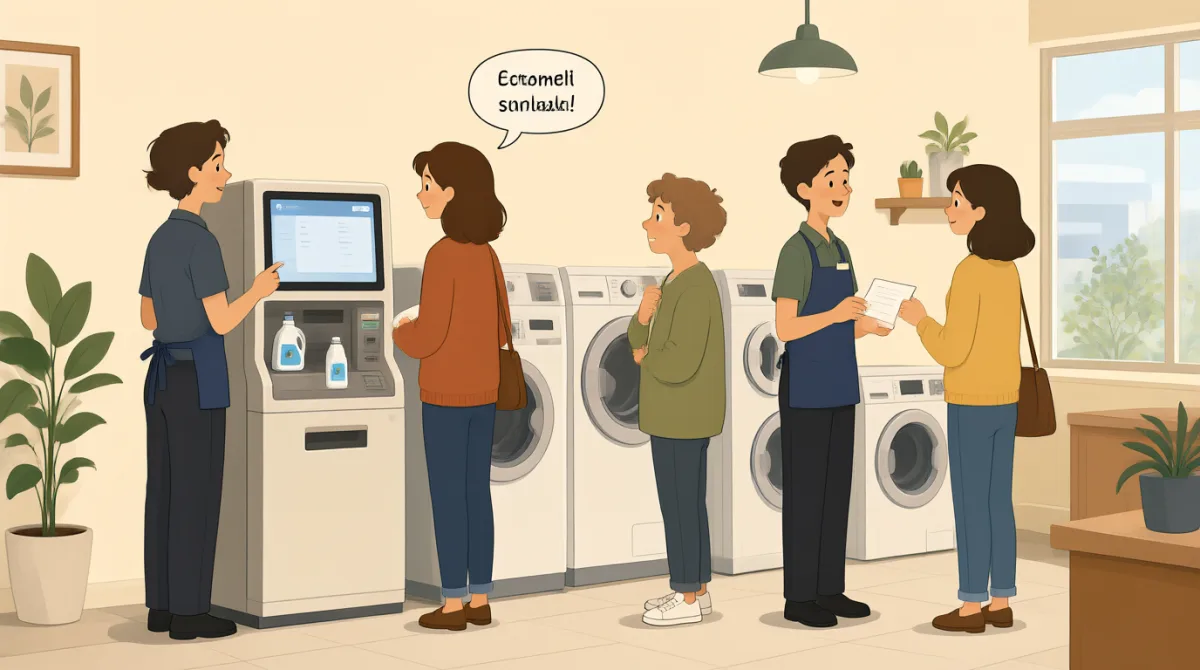

Excuse me, I'm trying to use this washing machine, but I can't quite figure it out. Could you possibly help?
ขอโทษนะคะ ฉันกำลังจะใช้เครื่องซักผ้าเครื่องนี้ แต่ยังไม่ค่อยเข้าใจวิธีใช้ ช่วยแนะนำหน่อยได้ไหมคะ

No problem! I've used these before. Which part are you stuck on?
ได้เลยครับ! ผมเคยใช้เครื่องแบบนี้มาก่อน ติดตรงไหนเหรอครับ
Well, first, how do I select the wash cycle? And then, where do I put the detergent?
คืออย่างแรก ต้องเลือกโปรแกรมซักยังไงคะ แล้วต้องใส่น้ำยาซักผ้าตรงไหนคะ
Okay, so for the wash cycle, you usually turn this big knob here to your desired setting. See the options like 'delicates' or 'heavy duty'? And for detergent, there's a pull-out drawer right here on the top left. The compartments are usually labeled for detergent, fabric softener, and bleach.
ได้ครับ สำหรับโปรแกรมซัก ปกติให้หมุนปุ่มใหญ่ตรงนี้ไปยังการตั้งค่าที่ต้องการ เห็นตัวเลือกอย่าง ‘ผ้าบอบบาง’ หรือ ‘ซักหนัก’ ไหมครับ ส่วนน้ำยาซักผ้า ให้ใส่ในลิ้นชักที่ดึงออกได้ตรงมุมซ้ายบน ช่องต่าง ๆ มักจะมีป้ายบอกว่าเป็นช่องใส่น้ำยาซักผ้า น้ำยาปรับผ้านุ่ม และน้ำยาฟอกขาวครับ
Ah, okay, I see the drawer now! Thanks. And once I've loaded everything and added the detergent, how do I actually start the machine?
อ๋อ เข้าใจแล้วค่ะ ตอนนี้เห็นลิ้นชักแล้ว! ขอบคุณนะคะ แล้วพอใส่ผ้าและเติมน้ำยาซักผ้าเรียบร้อยแล้ว จะเริ่มเครื่องยังไงคะ
Once you've made your selections, you'll need to insert your coins or use your laundry card into the slot here. After that, press the 'Start' button, which is usually green or clearly marked, and it should begin.
พอเลือกทุกอย่างเสร็จแล้ว ให้หยอดเหรียญหรือเสียบบัตรซักผ้าที่ช่องตรงนี้ครับ จากนั้นกดปุ่ม ‘Start’ ซึ่งปกติจะเป็นสีเขียวหรือมีป้ายระบุชัดเจน แล้วเครื่องก็น่าจะเริ่มทำงานครับ
Got it! So, turn the knob, add detergent, payment, then press start. That seems straightforward enough. Thank you so much for your help!
เข้าใจแล้วค่ะ หมุนปุ่ม เติมน้ำยาซักผ้า ชำระเงิน แล้วกดเริ่ม ดูไม่ยากเท่าไรเลย ขอบคุณมากนะคะที่ช่วย!
You're very welcome! Let me know if you run into any other issues.
ยินดีมากครับ! ถ้ามีปัญหาอะไรอีกก็บอกผมได้นะครับ
คำศัพท์10
- washing machineเครื่องซักผ้า
A machine used to wash clothes with water and soap. In a laundromat, you use it by selecting settings and adding detergent.
เครื่องที่ใช้ซักเสื้อผ้าด้วยน้ำและสบู่ ที่ร้านซักผ้าหยอดเหรียญ คุณต้องเลือกการตั้งค่าและเติมน้ำยาซักผ้าก่อนใช้งาน
- wash cycleโปรแกรมซัก
The program or setting on a washing machine that determines how clothes are washed, like gentle or heavy. Choose based on fabric type.
โปรแกรมหรือการตั้งค่าของเครื่องซักผ้าที่กำหนดวิธีซัก เช่น ซักถนอมผ้าหรือซักหนัก ควรเลือกให้เหมาะกับชนิดของผ้า
- detergentน้ำยาซักผ้า
A cleaning substance, like powder or liquid soap, used to wash clothes. It's added to the machine before starting the cycle.
ผลิตภัณฑ์ทำความสะอาด เช่น ผงซักฟอกหรือน้ำยาซักผ้า ที่ใช้ซักเสื้อผ้า ให้เติมลงในเครื่องก่อนเริ่มโปรแกรมซัก
- knobปุ่มหมุน
A round handle you turn to select options on machines, like the wash cycle. It's common in appliances for easy control.
ปุ่มกลมที่ใช้หมุนเพื่อเลือกตัวเลือกต่าง ๆ บนเครื่อง เช่น โปรแกรมซัก เครื่องใช้ไฟฟ้าหลายชนิดมีปุ่มแบบนี้เพื่อให้ควบคุมได้ง่าย
- drawerลิ้นชัก
A sliding compartment in the washing machine where you put detergent or other items. Pull it out to add products.
ช่องที่เลื่อนเข้าออกได้ในเครื่องซักผ้า ใช้ใส่น้ำยาซักผ้าหรือผลิตภัณฑ์อื่น ๆ ให้ดึงออกมาเพื่อเติมผลิตภัณฑ์
- compartmentsช่องต่าง ๆ
Separate sections in the detergent drawer labeled for different items like detergent, softener, or bleach. This keeps things organized.
ส่วนที่แยกจากกันในลิ้นชักใส่น้ำยา โดยมีป้ายกำกับสำหรับผลิตภัณฑ์แต่ละชนิด เช่น น้ำยาซักผ้า น้ำยาปรับผ้านุ่ม หรือน้ำยาฟอกขาว ช่วยให้จัดของได้เป็นระเบียบ
- fabric softenerน้ำยาปรับผ้านุ่ม
A liquid added to laundry to make clothes softer and reduce static. It's poured into a specific compartment in the drawer.
น้ำยาที่เติมลงในการซักผ้าเพื่อให้ผ้านุ่มขึ้นและลดไฟฟ้าสถิต เทลงในช่องที่กำหนดไว้ในลิ้นชัก
- bleachน้ำยาฟอกขาว
A chemical cleaner used to whiten clothes and remove stains. Use it carefully in the marked compartment.
สารทำความสะอาดที่ใช้ทำให้ผ้าขาวและขจัดคราบ ควรใช้ด้วยความระมัดระวังและเทลงในช่องที่มีป้ายกำกับไว้
- slotช่องหยอดเหรียญหรือเสียบบัตร
A narrow opening where you insert coins or cards to pay for using the machine. It's usually on the front panel.
ช่องแคบ ๆ สำหรับหยอดเหรียญหรือเสียบบัตรเพื่อชำระค่าใช้เครื่อง โดยปกติจะอยู่ที่แผงด้านหน้า
- start buttonปุ่มเริ่ม
A button you press to begin the washing cycle after loading clothes and paying. It's often green and clearly labeled.
ปุ่มที่กดเพื่อเริ่มโปรแกรมซักหลังจากใส่ผ้าและชำระเงินแล้ว โดยมักเป็นสีเขียวและมีป้ายกำกับชัดเจน
ประโยคสำคัญ9
- 1
Excuse me, I'm trying to use this washing machine, but I can't quite figure it out. Could you possibly help?
ขอโทษนะคะ ฉันกำลังจะใช้เครื่องซักผ้าเครื่องนี้ แต่ยังไม่ค่อยเข้าใจวิธีใช้ ช่วยแนะนำหน่อยได้ไหมคะ
This is a polite way to ask for help when you're confused about something. Use it in public places like a laundromat. 'Figure it out' means understand how to do it, and 'could you possibly' makes the request very courteous.
ประโยคนี้เป็นวิธีสุภาพในการขอความช่วยเหลือเมื่อคุณไม่เข้าใจวิธีทำอะไรบางอย่าง ใช้ได้ในที่สาธารณะ เช่น ร้านซักผ้าหยอดเหรียญ 'Figure it out' หมายถึงเข้าใจวิธีทำสิ่งนั้น ส่วน 'could you possibly' ช่วยให้คำขอฟังดูสุภาพมากขึ้น
- 2
Which part are you stuck on?
ติดตรงไหนเหรอครับ
A helpful question to identify where someone needs assistance. 'Stuck on' is an idiom meaning unable to proceed. Useful for offering targeted help in everyday situations.
เป็นคำถามที่ใช้ดูว่าอีกฝ่ายต้องการความช่วยเหลือตรงไหน 'Stuck on' เป็นสำนวนที่หมายถึงทำต่อไม่ได้ ใช้ได้ดีเมื่อต้องการช่วยแก้ปัญหาเฉพาะจุดในสถานการณ์ทั่วไป
- 3
How do I select the wash cycle?
ต้องเลือกโปรแกรมซักยังไงคะ
This asks for instructions on choosing a machine setting. It's a simple question structure: 'How do I + verb?' Great for learning appliance use. The wash cycle refers to the washing program.
ประโยคนี้ใช้ถามวิธีเลือกการตั้งค่าของเครื่อง เป็นโครงสร้างคำถามง่าย ๆ คือ 'How do I + verb?' (ฉันจะ...อย่างไร) เหมาะสำหรับเรียนรู้วิธีใช้เครื่องใช้ไฟฟ้า ส่วน wash cycle หมายถึงโปรแกรมซัก
- 4
Where do I put the detergent?
ต้องใส่น้ำยาซักผ้าตรงไหนคะ
A direct question about location in a process. Use 'Where do I + verb + object?' when seeking placement info. Practical for any step-by-step task like using machines.
เป็นคำถามตรง ๆ เพื่อถามตำแหน่งของสิ่งของในขั้นตอนหนึ่ง ใช้ 'Where do I + verb + object?' (ฉันต้อง...สิ่งนั้นไว้ที่ไหน) เมื่อต้องการถามว่าควรวางอะไรไว้ตรงไหน นำไปใช้ได้กับงานทีละขั้นตอน เช่น การใช้เครื่องจักร
- 5
Turn this big knob here to your desired setting.
หมุนปุ่มใหญ่ตรงนี้ไปยังการตั้งค่าที่ต้องการครับ
This gives a clear instruction using imperative 'Turn' verb. 'Desired' means what you want. Useful for explaining how to operate devices; point to the part while speaking.
ประโยคนี้เป็นคำแนะนำที่ชัดเจน โดยใช้คำสั่ง 'Turn' ซึ่งหมายถึงหมุน 'Desired' หมายถึงสิ่งที่ต้องการ ใช้สำนวนนี้เพื่ออธิบายวิธีใช้อุปกรณ์ และชี้ไปยังส่วนที่พูดถึงประกอบได้
- 6
Insert your coins or use your laundry card into the slot here.
หยอดเหรียญหรือใช้บัตรซักผ้าที่ช่องตรงนี้ครับ
An imperative sentence for payment steps. 'Insert' means put in, and 'or' offers alternatives. Common in service scenarios like vending machines or laundromats.
ประโยคคำสั่งนี้ใช้บอกขั้นตอนการชำระเงิน 'Insert' หมายถึงใส่เข้าไป ส่วน 'or' ใช้บอกทางเลือก มักพบในสถานการณ์ใช้บริการ เช่น ตู้จำหน่ายสินค้าอัตโนมัติหรือร้านซักผ้าหยอดเหรียญ
- 7
Press the 'Start' button, which is usually green or clearly marked.
กดปุ่ม 'Start' ซึ่งปกติจะเป็นสีเขียวหรือมีป้ายระบุชัดเจนครับ
This instructs the final action with a relative clause 'which is...' for description. 'Press' means push. Essential for starting any electronic device safely.
ประโยคนี้บอกขั้นตอนสุดท้าย โดยใช้อนุประโยคขยาย 'which is...' เพื่ออธิบายลักษณะของปุ่ม 'Press' หมายถึงกด เป็นคำที่ควรรู้เมื่อต้องเริ่มใช้อุปกรณ์อิเล็กทรอนิกส์อย่างปลอดภัย
- 8
Thank you so much for your help!
ขอบคุณมากนะคะที่ช่วย!
A grateful expression after receiving assistance. 'So much' emphasizes thanks. Always use it to end helpful interactions politely in English culture.
เป็นคำพูดแสดงความขอบคุณหลังได้รับความช่วยเหลือ 'So much' ใช้เน้นว่าขอบคุณมาก ใช้ปิดท้ายบทสนทนาอย่างสุภาพเมื่อมีคนช่วยเหลือได้
- 9
Let me know if you run into any other issues.
ถ้ามีปัญหาอะไรอีกก็บอกผมได้นะครับ
Offers further help using 'let me know' (inform me) and 'run into' (encounter unexpectedly). Useful closing in service dialogues to show ongoing support.
เป็นการเสนอความช่วยเหลือเพิ่มเติมโดยใช้ 'let me know' (บอกให้ฉันรู้) และ 'run into' (พบเจอโดยไม่คาดคิด) ใช้ปิดท้ายบทสนทนาเกี่ยวกับการให้บริการ เพื่อแสดงว่าพร้อมช่วยเหลือต่อ