Waiting and Using Amenities
सुविधाओं का उपयोग और इंतज़ार
While waiting for their laundry, the customer might ask about Wi-Fi, restrooms, or a change machine. They may also engage in brief small talk with other customers.
कपड़े धुलने का इंतज़ार करते समय ग्राहक वाई-फ़ाई, शौचालय या छुट्टे देने वाली मशीन के बारे में पूछ सकता है। दूसरे ग्राहकों से थोड़ी बातचीत भी हो सकती है।
संवाद10
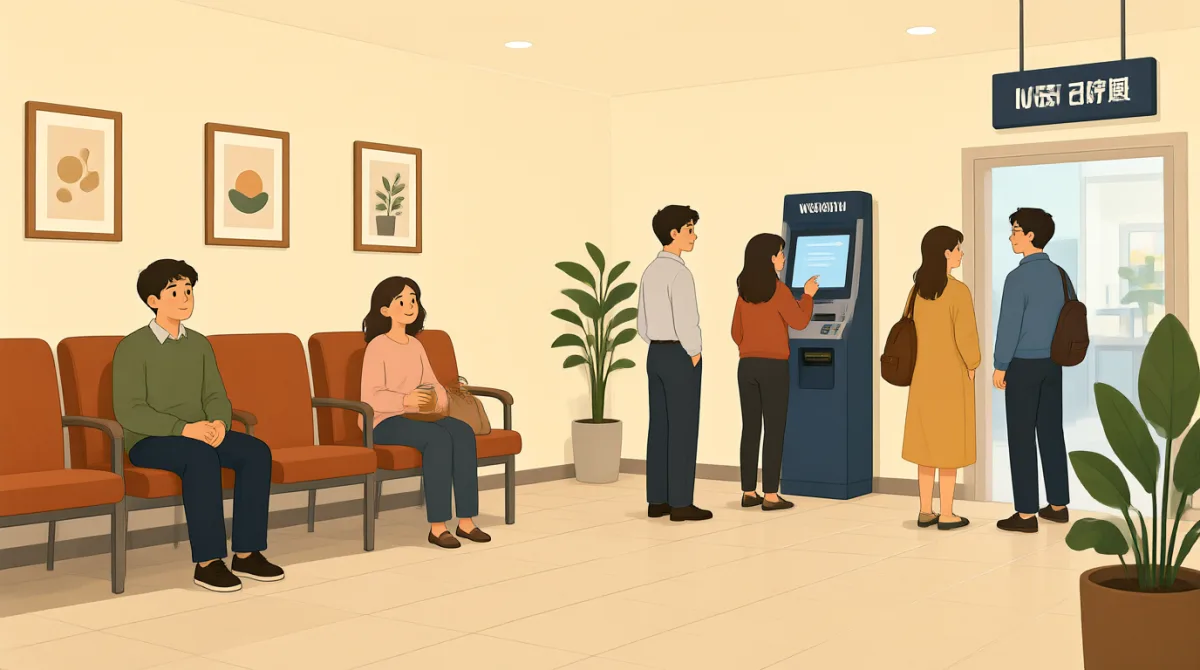

Excuse me, do you know if there's Wi-Fi here? And what's the password?
माफ़ कीजिए, क्या आपको पता है कि यहाँ वाई-फ़ाई है? और पासवर्ड क्या है?

Yes, there is! It should be posted on the wall near the detergent vending machine. Let me check for you.
हाँ, है! पासवर्ड डिटर्जेंट की वेंडिंग मशीन के पास दीवार पर लगा होना चाहिए। मैं आपके लिए देखता हूँ।
Oh, thank you so much! I appreciate it. And do you know where the restrooms are?
ओह, बहुत-बहुत धन्यवाद! मैं आपकी आभारी हूँ। और क्या आपको पता है कि शौचालय कहाँ हैं?
No problem! The restrooms are just through that door, past the change machine. Speaking of which, do you need any quarters?
कोई बात नहीं! शौचालय उस दरवाज़े से आगे हैं, छुट्टे देने वाली मशीन के बाद। इसी बात पर, क्या आपको क्वार्टर चाहिए?
Actually, yes! I only have bills. Is the change machine working?
असल में, हाँ! मेरे पास सिर्फ़ नोट हैं। क्या छुट्टे देने वाली मशीन काम कर रही है?
It was working earlier when I got my change. Just make sure to use exact bills. Sometimes it's a bit picky.
जब मैंने पहले छुट्टे लिए थे, तब तो काम कर रही थी। बस सही रकम के नोट डालना। कभी-कभी यह थोड़ी नखरेबाज़ होती है।
Good to know, thanks for the heads-up. It's my first time here.
जानकर अच्छा लगा, पहले से बताने के लिए धन्यवाद। मैं पहली बार यहाँ आई हूँ।
No problem! We've all been there. My laundry's almost done, so I'll be heading out soon. Good luck with yours!
कोई बात नहीं! हम सब कभी न कभी ऐसी स्थिति में रहे हैं। मेरे कपड़े लगभग धुल चुके हैं, इसलिए मैं जल्द ही निकलूँगा। आपके कपड़े भी अच्छे से धुलें!
Thanks again for all your help! Enjoy the rest of your day.
आपकी सारी मदद के लिए एक बार फिर धन्यवाद! आपका बाकी दिन अच्छा गुज़रे।
You too!
आपका भी!
शब्दावली9
- Wi-Fiवाई-फ़ाई
Wireless internet connection you can use on your phone or laptop without cables. In places like laundromats, it's often free for customers.
बिना तारों के इंटरनेट से जुड़ने का तरीका, जिसका इस्तेमाल आप फ़ोन या लैपटॉप पर कर सकते हैं। लॉन्ड्रोमैट जैसी जगहों पर यह अक्सर ग्राहकों के लिए मुफ़्त होता है।
- passwordपासवर्ड
A secret code or word you need to enter to connect to Wi-Fi or access something secure.
एक गुप्त कोड या शब्द, जिसे वाई-फ़ाई से जुड़ने या किसी सुरक्षित चीज़ तक पहुँचने के लिए दर्ज करना पड़ता है।
- restroomsशौचालय
Another word for bathrooms or toilets, used politely in public places like stores or laundromats.
सार्वजनिक जगहों, जैसे दुकानों या लॉन्ड्रोमैट में बाथरूम या टॉयलेट के लिए इस्तेमाल होने वाला विनम्र शब्द।
- change machineछुट्टे देने वाली मशीन
A machine that exchanges paper money (bills) for coins, like quarters, which you need for laundry machines.
ऐसी मशीन जो काग़ज़ी नोटों के बदले सिक्के देती है। लॉन्ड्री मशीनों के लिए आपको क्वार्टर जैसे सिक्कों की ज़रूरत पड़ सकती है।
- quartersक्वार्टर (25 सेंट का अमेरिकी सिक्का)
U.S. coins worth 25 cents each; often required to operate washing machines in laundromats.
अमेरिका का 25 सेंट का सिक्का। लॉन्ड्रोमैट में वॉशिंग मशीन चलाने के लिए अक्सर इनकी ज़रूरत होती है।
- billsनोट
Paper money, like dollar bills, as opposed to coins; you might need to change them for coins.
सिक्कों के बजाय काग़ज़ी मुद्रा, जैसे डॉलर के नोट। इन्हें सिक्कों में बदलने की ज़रूरत पड़ सकती है।
- pickyनखरेबाज़
Describes something that is fussy or difficult to use, like a machine that only accepts certain bills.
किसी ऐसी चीज़ के लिए, जिसका इस्तेमाल करना मुश्किल हो या जो बहुत नखरे करे—जैसे ऐसी मशीन जो सिर्फ़ कुछ खास नोट स्वीकार करती है।
- heads-upपहले से दी गई चेतावनी या सलाह
A warning or tip in advance to help someone avoid problems, like 'thanks for the heads-up' meaning thanks for the warning.
किसी समस्या से बचाने के लिए पहले से दी गई चेतावनी या सलाह। जैसे, 'thanks for the heads-up' का मतलब है चेतावनी देने के लिए धन्यवाद।
- laundryधुलाई के कपड़े
Clothes or items that need washing; in this context, it refers to the process of washing clothes at a laundromat.
ऐसे कपड़े या चीज़ें जिन्हें धोना है। यहाँ इसका मतलब लॉन्ड्रोमैट में कपड़े धोने की प्रक्रिया से है।
मुख्य वाक्य10
- 1
Excuse me, do you know if there's Wi-Fi here? And what's the password?
माफ़ कीजिए, क्या आपको पता है कि यहाँ वाई-फ़ाई है? और पासवर्ड क्या है?
This is a polite way to ask for information from a stranger. 'Excuse me' gets attention, 'do you know if' is a yes/no question structure, and 'And what's the password?' adds a follow-up question. Use this when seeking help in public places.
किसी अनजान व्यक्ति से जानकारी माँगने का यह एक विनम्र तरीका है। 'Excuse me' कहकर आप उनका ध्यान खींचते हैं, 'do you know if' से हाँ-या-ना में जवाब वाला सवाल बनता है, और 'And what's the password?' एक अगला सवाल जोड़ता है। सार्वजनिक जगहों पर मदद माँगते समय इसका इस्तेमाल करें।
- 2
Oh, thank you so much! I appreciate it.
ओह, बहुत-बहुत धन्यवाद! मैं आपकी आभारी हूँ।
A strong expression of gratitude. 'Oh' shows surprise or emotion, 'thank you so much' emphasizes thanks, and 'I appreciate it' means you value the help. Useful for responding positively to assistance.
आभार जताने का एक ज़ोरदार तरीका। 'Oh' हैरानी या भावना दिखाता है, 'thank you so much' धन्यवाद पर ज़ोर देता है, और 'I appreciate it' का मतलब है कि आप मिली मदद की क़द्र करते हैं। किसी की मदद का सकारात्मक जवाब देने के लिए यह उपयोगी है।
- 3
No problem! The restrooms are just through that door, past the change machine.
कोई बात नहीं! शौचालय उस दरवाज़े से आगे हैं, छुट्टे देने वाली मशीन के बाद।
'No problem' is a casual reply to thanks, meaning it's easy to help. The directions use prepositions like 'through' (entering) and 'past' (beyond). Good for giving simple location instructions.
'No problem' धन्यवाद के जवाब में दिया जाने वाला अनौपचारिक जवाब है। इसका मतलब है कि मदद करना कोई मुश्किल बात नहीं। रास्ता बताने में 'through' (अंदर से होकर) और 'past' (आगे निकलकर) जैसे शब्द इस्तेमाल हुए हैं। किसी जगह का रास्ता सरलता से बताने के लिए यह उपयोगी है।
- 4
Speaking of which, do you need any quarters?
इसी बात पर, क्या आपको क्वार्टर चाहिए?
'Speaking of which' introduces a related topic smoothly. It's a natural way to transition in conversation and ask if someone needs help. Use this for small talk or offering assistance.
'Speaking of which' बातचीत में सहजता से जुड़ा हुआ विषय लाता है। यह बातचीत का रुख बदलने और यह पूछने का स्वाभाविक तरीका है कि किसी को मदद चाहिए या नहीं। थोड़ी बातचीत करते समय या मदद की पेशकश करते समय इसका इस्तेमाल करें।
- 5
Actually, yes! I only have bills. Is the change machine working?
असल में, हाँ! मेरे पास सिर्फ़ नोट हैं। क्या छुट्टे देने वाली मशीन काम कर रही है?
'Actually' corrects or adds information, like admitting something. 'I only have' explains a limitation. This sentence asks about functionality; useful when checking if something is operational.
'Actually' किसी बात को सुधारने या उसमें जानकारी जोड़ने के लिए इस्तेमाल होता है। 'I only have' से कोई सीमा या कमी बताई जाती है। यह वाक्य पूछता है कि कोई चीज़ काम कर रही है या नहीं—किसी मशीन की हालत जानने के लिए उपयोगी है।
- 6
It was working earlier when I got my change. Just make sure to use exact bills.
जब मैंने पहले छुट्टे लिए थे, तब तो काम कर रही थी। बस सही रकम के नोट डालना।
Past continuous 'was working' with 'when' clause describes a recent action. 'Just make sure' gives advice. Helpful for sharing experiences and tips about machines.
'when' वाले उपवाक्य के साथ past continuous 'was working' का इस्तेमाल हाल में हुई किसी गतिविधि का वर्णन करता है। 'Just make sure' सलाह देने के लिए है। मशीनों के बारे में अपना अनुभव और सुझाव साझा करते समय यह काम आता है।
- 7
Good to know, thanks for the heads-up. It's my first time here.
जानकर अच्छा लगा, पहले से बताने के लिए धन्यवाद। मैं पहली बार यहाँ आई हूँ।
'Good to know' acknowledges useful info. 'Thanks for the heads-up' thanks for a warning. 'It's my first time' explains inexperience. Use this to show appreciation and context in new situations.
'Good to know' उपयोगी जानकारी मिलने पर उसका स्वागत करने के लिए कहा जाता है। 'Thanks for the heads-up' चेतावनी देने के लिए धन्यवाद कहता है। 'It's my first time' बताता है कि आपको उस जगह का पहले से अनुभव नहीं है। किसी नई स्थिति में आभार और अपना संदर्भ बताने के लिए इनका इस्तेमाल करें।
- 8
We've all been there. My laundry's almost done, so I'll be heading out soon.
हम सब कभी न कभी ऐसी स्थिति में रहे हैं। मेरे कपड़े लगभग धुल चुके हैं, इसलिए मैं जल्द ही निकलूँगा।
'We've all been there' is an idiom meaning everyone has had a similar experience, building rapport. Contraction 'laundry's' for 'is,' and 'heading out' means leaving. Great for friendly small talk.
'We've all been there' एक मुहावरा है। इसका मतलब है कि सभी को कभी न कभी ऐसा ही अनुभव हुआ है; इससे अपनापन बढ़ता है। 'laundry's' में 'is' का संक्षिप्त रूप है, और 'heading out' का मतलब है निकलना। दोस्ताना बातचीत के लिए ये बढ़िया हैं।
- 9
Thanks again for all your help! Enjoy the rest of your day.
आपकी सारी मदद के लिए एक बार फिर धन्यवाद! आपका बाकी दिन अच्छा गुज़रे।
'Thanks again' repeats gratitude. 'Enjoy the rest of your day' is a polite farewell. Use this to end conversations positively and courteously.
'Thanks again' दोबारा धन्यवाद कहता है। 'Enjoy the rest of your day' विदा लेते समय कही जाने वाली एक विनम्र शुभकामना है। बातचीत को अच्छे और शिष्ट तरीके से समाप्त करने के लिए इसका इस्तेमाल करें।
- 10
You too!
आपका भी!
A short, reciprocal response to a well-wish, like returning 'Enjoy your day.' Simple and common in casual goodbyes.
किसी की शुभकामना के जवाब में वैसी ही शुभकामना लौटाने का छोटा-सा तरीका, जैसे 'Enjoy your day.' अनौपचारिक विदाई के समय यह आम तौर पर कहा जाता है।