Waiting and Using Amenities
等候和使用便利設施
While waiting for their laundry, the customer might ask about Wi-Fi, restrooms, or a change machine. They may also engage in brief small talk with other customers.
在等待洗衣時,顧客可能會詢問Wi-Fi、洗手間或找零機。他們也可能與其他顧客進行簡短的閒聊。
對話10
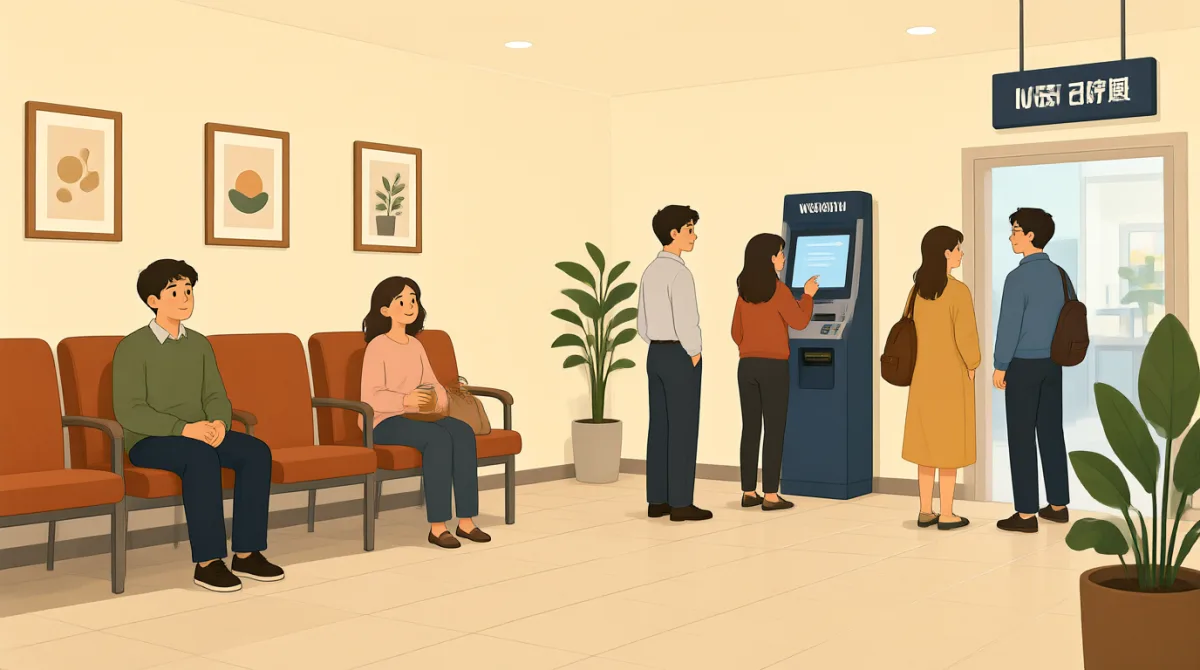

Excuse me, do you know if there's Wi-Fi here? And what's the password?
打擾一下,請問這裡有Wi-Fi嗎?密碼是什麼?

Yes, there is! It should be posted on the wall near the detergent vending machine. Let me check for you.
是的,有!密碼應該貼在洗滌劑自動售貨機附近的牆上。我幫你看看。
Oh, thank you so much! I appreciate it. And do you know where the restrooms are?
哦,太謝謝你了!我非常感激。還有,你知道洗手間在哪裡嗎?
No problem! The restrooms are just through that door, past the change machine. Speaking of which, do you need any quarters?
沒問題!洗手間就在那扇門裡,過了找零機就是。對了,你需要硬幣嗎?
Actually, yes! I only have bills. Is the change machine working?
實際上,是的!我只有紙幣。找零機能用嗎?
It was working earlier when I got my change. Just make sure to use exact bills. Sometimes it's a bit picky.
我剛才換零錢的時候還能用。不過要確保用精確的紙幣。有時候它有點挑剔。
Good to know, thanks for the heads-up. It's my first time here.
知道了,謝謝提醒。我第一次來這兒。
No problem! We've all been there. My laundry's almost done, so I'll be heading out soon. Good luck with yours!
沒關係!我們都經歷過。我的衣服快洗好了,我很快就要走了。祝你洗衣服順利!
Thanks again for all your help! Enjoy the rest of your day.
再次感謝你的幫助!祝你度過愉快的一天。
You too!
你也是!
詞彙9
- Wi-FiWi-Fi
Wireless internet connection you can use on your phone or laptop without cables. In places like laundromats, it's often free for customers.
一種無線網路連線,可以讓你在手機或膝上型電腦上不插網線就能上網。在自助洗衣店這類場所,顧客通常可以免費使用。
- password密碼
A secret code or word you need to enter to connect to Wi-Fi or access something secure.
連線 Wi-Fi 或訪問受保護的內容時需要輸入的秘密程式碼或詞語。
- restrooms洗手間
Another word for bathrooms or toilets, used politely in public places like stores or laundromats.
“洗手間”是“衛生間”或“廁所”的另一種說法,在商店、自助洗衣店等公共場所使用時更禮貌。
- change machine找零機
A machine that exchanges paper money (bills) for coins, like quarters, which you need for laundry machines.
一種可以把紙幣換成硬幣的機器,比如換成洗衣機需要用的 25 美分硬幣。
- quarters25 美分硬幣
U.S. coins worth 25 cents each; often required to operate washing machines in laundromats.
美國硬幣的一種,每枚面值 25 美分;自助洗衣店的洗衣機通常需要用這種硬幣。
- bills紙幣
Paper money, like dollar bills, as opposed to coins; you might need to change them for coins.
與硬幣相對的紙質貨幣,比如美元紙幣;有時需要把紙幣換成硬幣。
- picky挑剔的
Describes something that is fussy or difficult to use, like a machine that only accepts certain bills.
形容某物很難伺候或不好用,比如一臺只接受特定紙幣的機器。
- heads-up提前提醒
A warning or tip in advance to help someone avoid problems, like 'thanks for the heads-up' meaning thanks for the warning.
為了讓別人避免遇到問題而事先給出的提醒或建議。比如,“thanks for the heads-up”是感謝對方提前提醒。
- laundry待洗的衣物;洗衣
Clothes or items that need washing; in this context, it refers to the process of washing clothes at a laundromat.
需要清洗的衣物;在這裡指在自助洗衣店洗衣服這件事。
關鍵句10
- 1
Excuse me, do you know if there's Wi-Fi here? And what's the password?
打擾一下,請問這裡有 Wi-Fi 嗎?密碼是什麼?
This is a polite way to ask for information from a stranger. 'Excuse me' gets attention, 'do you know if' is a yes/no question structure, and 'And what's the password?' adds a follow-up question. Use this when seeking help in public places.
這是向陌生人禮貌詢問資訊的說法。“Excuse me”用來引起對方注意,“do you know if”用於提出是非疑問,而“And what's the password?”則接著詢問密碼。在公共場所尋求幫助時可以這樣說。
- 2
Oh, thank you so much! I appreciate it.
哦,太謝謝你了!我很感激。
A strong expression of gratitude. 'Oh' shows surprise or emotion, 'thank you so much' emphasizes thanks, and 'I appreciate it' means you value the help. Useful for responding positively to assistance.
這是表達強烈謝意的說法。“Oh”表示驚訝或流露情緒,“thank you so much”強調感謝,而“I appreciate it”表示你很感激對方的幫助。得到幫助後可以這樣回應。
- 3
No problem! The restrooms are just through that door, past the change machine.
沒問題!洗手間就在那扇門裡面,過了找零機就是。
'No problem' is a casual reply to thanks, meaning it's easy to help. The directions use prepositions like 'through' (entering) and 'past' (beyond). Good for giving simple location instructions.
“No problem”是對感謝的隨意回應,意思是幫忙不費事。指路時用了“through”(穿過、進入)和“past”(經過)這樣的介詞。給別人簡單指路時可以這樣說。
- 4
Speaking of which, do you need any quarters?
說到這個,你需要 25 美分硬幣嗎?
'Speaking of which' introduces a related topic smoothly. It's a natural way to transition in conversation and ask if someone needs help. Use this for small talk or offering assistance.
“Speaking of which”可以自然地引出相關話題。它適合用來銜接談話,也可以用來詢問是否需要幫助。閒聊或主動提供幫助時可以這樣說。
- 5
Actually, yes! I only have bills. Is the change machine working?
其實,是的!我只有紙幣。找零機能用嗎?
'Actually' corrects or adds information, like admitting something. 'I only have' explains a limitation. This sentence asks about functionality; useful when checking if something is operational.
“Actually”用來補充或更正資訊,也可以表示坦白說明情況。“I only have”說明自己受到的限制。這句話是在詢問機器能否正常使用,檢查裝置是否運轉時很實用。
- 6
It was working earlier when I got my change. Just make sure to use exact bills.
我剛才換零錢的時候它還在正常工作。記得用面額剛好的紙幣就行。
Past continuous 'was working' with 'when' clause describes a recent action. 'Just make sure' gives advice. Helpful for sharing experiences and tips about machines.
過去進行時“was working”與“when”引導的從句搭配,用來描述剛才發生的事情。“Just make sure”用來給出建議。分享使用機器的經歷和小竅門時可以用到。
- 7
Good to know, thanks for the heads-up. It's my first time here.
知道了,謝謝你提醒。我第一次來這裡。
'Good to know' acknowledges useful info. 'Thanks for the heads-up' thanks for a warning. 'It's my first time' explains inexperience. Use this to show appreciation and context in new situations.
“Good to know”表示你得知了有用的資訊。“Thanks for the heads-up”是感謝對方提前提醒。“It's my first time”用來說明自己沒有經驗。遇到不熟悉的情況時,可以這樣表達感謝並說明情況。
- 8
We've all been there. My laundry's almost done, so I'll be heading out soon.
我們都遇到過這種情況。我的衣服快洗好了,所以我很快就要走了。
'We've all been there' is an idiom meaning everyone has had a similar experience, building rapport. Contraction 'laundry's' for 'is,' and 'heading out' means leaving. Great for friendly small talk.
“We've all been there”是一個習語,意思是大家都有過類似的經歷,能拉近彼此的距離。“laundry's”是“laundry is”的縮寫,“heading out”意思是離開。閒聊時可以用這些表達。
- 9
Thanks again for all your help! Enjoy the rest of your day.
再次感謝你幫了我這麼多!祝你今天接下來的時間過得愉快。
'Thanks again' repeats gratitude. 'Enjoy the rest of your day' is a polite farewell. Use this to end conversations positively and courteously.
“Thanks again”再次表達感謝。“Enjoy the rest of your day”是一種禮貌的道別方式。結束談話時可以這樣友好又得體地說。
- 10
You too!
你也是!
A short, reciprocal response to a well-wish, like returning 'Enjoy your day.' Simple and common in casual goodbyes.
這是對祝福的簡短回應,比如用來回應“祝你今天愉快”。這種簡單的回祝在日常道別時很常見。