Discussing Neighborhood Issues
พูดคุยเรื่องปัญหาในชุมชน
You encounter a neighbor and start discussing a common neighborhood issue, such as noisy pets, parking problems, or a new community project.
คุณบังเอิญเจอเพื่อนบ้านและเริ่มพูดคุยถึงปัญหาที่พบในละแวกบ้าน เช่น สัตว์เลี้ยงส่งเสียงดัง ปัญหาที่จอดรถ หรือโครงการชุมชนใหม่
บทสนทนา8
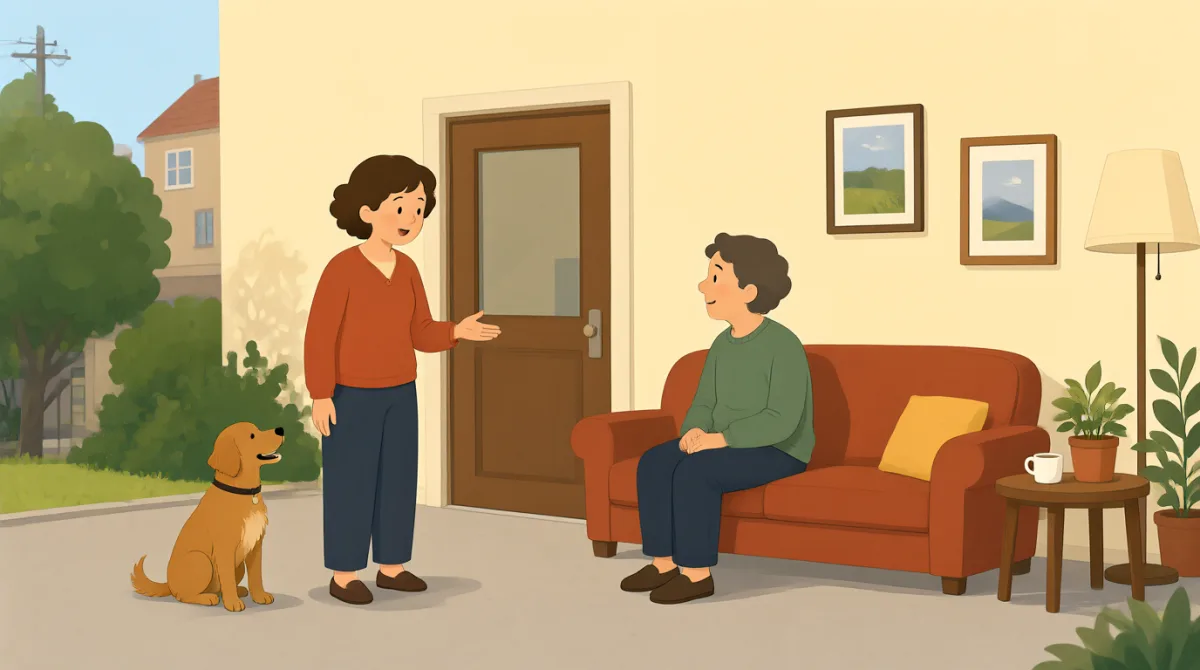

Hey Mia! Good to see you. How are things on your end of the street?
เฮ้ มีอา! ดีใจที่ได้เจอนะ แถวบ้านเธอเป็นยังไงบ้าง?

Hi Jack! Everything's mostly good, but I'm a bit concerned about the parking situation lately. It seems to be getting worse, especially on weekends.
หวัดดี แจ็ก! โดยรวมก็ดีนะ แต่ช่วงนี้ฉันกังวลเรื่องที่จอดรถนิดหน่อย ดูเหมือนจะแย่ลง โดยเฉพาะวันหยุดสุดสัปดาห์
Tell me about it! I almost had to park three blocks away last Saturday. It's a real headache. Plus, the construction on Elm Street isn't helping at all.
ใช่เลย! เสาร์ที่แล้วฉันเกือบต้องไปจอดไกลออกไปตั้งสามช่วงตึกแน่ะ น่าปวดหัวจริง ๆ แถมงานก่อสร้างบนถนนเอล์มก็ยิ่งทำให้แย่เข้าไปใหญ่
Exactly! I was thinking of bringing it up at the next neighborhood association meeting. Maybe we could suggest some sort of permit parking or designated visitor spots.
จริงด้วย! ฉันคิดว่าจะยกเรื่องนี้ขึ้นมาคุยในการประชุมสมาคมเพื่อนบ้านครั้งหน้า บางทีเราอาจเสนอให้มีใบอนุญาตจอดรถ หรือจัดที่จอดสำหรับผู้มาเยือนไว้โดยเฉพาะก็ได้นะ
That's a great idea, Mia. I'd definitely support that. It’s affecting everyone. Do you know when the next meeting is?
เป็นความคิดที่ดีมาก มีอา ฉันสนับสนุนแน่นอน เรื่องนี้ส่งผลกระทบกับทุกคนเลย รู้ไหมว่าประชุมครั้งหน้าวันไหน?
I think it's the second Tuesday of next month, so October 10th. I'll double-check the flyer. We really need to find a solution before it gets completely out of hand.
ฉันคิดว่าเป็นวันอังคารที่สองของเดือนหน้า ก็คือวันที่ 10 ตุลาคม เดี๋ยวฉันเช็กใบปลิวอีกที เราต้องหาทางแก้ก่อนที่เรื่องจะบานปลายไปกว่านี้จริง ๆ
Agreed. Well, thanks for bringing it up. Maybe we can walk over together?
เห็นด้วยนะ ขอบใจที่ยกเรื่องนี้ขึ้นมาคุย บางทีเราเดินไปด้วยกันไหม?
Sounds like a plan, Jack! See you then. Take care!
ตกลงตามนั้นเลย แจ็ก! แล้วเจอกันนะ ดูแลตัวเองด้วย!
คำศัพท์8
- concernedกังวล
Feeling worried or interested about something, often a problem. Use it like: 'I'm concerned about the noise.' It's common in casual talks about issues.
รู้สึกเป็นห่วงหรือใส่ใจบางเรื่อง โดยมักเป็นปัญหาที่เกิดขึ้น ใช้ได้อย่างเช่น 'I'm concerned about the noise.' (ฉันกังวลเรื่องเสียงดัง) เป็นคำที่ใช้กันบ่อยเวลาคุยกันสบาย ๆ เกี่ยวกับปัญหาต่าง ๆ
- headacheเรื่องน่าปวดหัว
An idiom for a troublesome problem that causes annoyance. Not literal pain. Example: 'This traffic is a headache.' Useful for expressing frustration in daily life.
สำนวนที่หมายถึงปัญหายุ่งยากชวนหงุดหงิด ไม่ได้หมายถึงอาการปวดหัวจริง ๆ เช่น 'This traffic is a headache.' (รถติดนี่น่าปวดหัวจริง ๆ) ใช้บอกความหงุดหงิดในชีวิตประจำวันได้ดี
- constructionงานก่อสร้าง
The process of building or repairing structures like roads or buildings. In neighborhoods, it often causes disruptions. Say: 'The construction is delaying us.'
กระบวนการสร้างหรือซ่อมแซมสิ่งต่าง ๆ เช่น ถนนหรืออาคาร ในชุมชน งานก่อสร้างมักทำให้เกิดความไม่สะดวก พูดได้ว่า 'The construction is delaying us.' (งานก่อสร้างทำให้เราล่าช้า)
- associationสมาคม
A group of people organized for a shared purpose, like a neighborhood association for community matters. Use: 'Join the neighborhood association.'
กลุ่มคนที่รวมตัวกันเพื่อจุดประสงค์ร่วมกัน เช่น สมาคมเพื่อนบ้านที่ดูแลเรื่องต่าง ๆ ในชุมชน ใช้ได้ว่า 'Join the neighborhood association.' (เข้าร่วมสมาคมเพื่อนบ้าน)
- permitใบอนุญาต
An official document giving permission, like a parking permit. Common in rules: 'You need a permit to park here.' Practical for discussing regulations.
เอกสารทางการที่อนุญาตให้ทำบางอย่างได้ เช่น ใบอนุญาตจอดรถ มักพบในบริบทของกฎระเบียบ เช่น 'You need a permit to park here.' (คุณต้องมีใบอนุญาตจึงจะจอดที่นี่ได้) เป็นคำที่มีประโยชน์เวลาพูดถึงข้อบังคับ
- designatedที่กำหนดไว้โดยเฉพาะ
Assigned or set aside for a specific use, like designated parking spots. Example: 'Use the designated area.' Helps in clear instructions.
ถูกกำหนดหรือจัดไว้สำหรับใช้ในจุดประสงค์เฉพาะ เช่น ที่จอดรถที่กำหนดไว้โดยเฉพาะ ตัวอย่างเช่น 'Use the designated area.' (ใช้พื้นที่ที่จัดไว้โดยเฉพาะ) ช่วยให้คำแนะนำชัดเจนขึ้น
- double-checkตรวจสอบอีกครั้ง
To verify information again to make sure it's correct. Polite way to show caution: 'I'll double-check the time.' Useful in planning.
ตรวจสอบข้อมูลซ้ำเพื่อให้แน่ใจว่าถูกต้อง เป็นวิธีแสดงความรอบคอบอย่างสุภาพ เช่น 'I'll double-check the time.' (ฉันจะตรวจสอบเวลาอีกครั้ง) มีประโยชน์เวลาวางแผน
- out of handบานปลาย
Idiom meaning a situation has become uncontrollable. Use: 'The party got out of hand.' Good for describing escalating problems.
สำนวนที่หมายถึงสถานการณ์เริ่มควบคุมไม่ได้ ใช้ได้ว่า 'The party got out of hand.' (งานปาร์ตี้เริ่มบานปลาย) เหมาะสำหรับพูดถึงปัญหาที่รุนแรงขึ้นเรื่อย ๆ
ประโยคสำคัญ8
- 1
Tell me about it!
ใช่เลย! เข้าใจความรู้สึกเลย!
An idiomatic expression to strongly agree with someone's complaint. It's casual and shows empathy. Use it when sharing frustrations, like about traffic. No special grammar; it's a fixed phrase.
สำนวนที่ใช้เห็นด้วยอย่างมากกับคำบ่นของอีกฝ่าย เป็นภาษาพูดสบาย ๆ และแสดงความเข้าใจ ใช้ได้เวลาพูดถึงเรื่องน่าหงุดหงิดร่วมกัน เช่น รถติด ไม่มีไวยากรณ์พิเศษ เป็นวลีสำเร็จรูป
- 2
It's a real headache.
มันเป็นเรื่องน่าปวดหัวจริง ๆ
Means something is a big problem or annoyance. 'Real' emphasizes it. Useful for everyday complaints. Simple present tense for ongoing issues.
หมายถึงบางอย่างเป็นปัญหาใหญ่หรือน่ารำคาญ คำว่า 'real' ใช้เน้นย้ำ เหมาะกับการบ่นเรื่องในชีวิตประจำวัน ใช้รูปปัจจุบันธรรมดาเพื่อพูดถึงปัญหาที่ยังเกิดขึ้นอยู่
- 3
I was thinking of bringing it up at the next meeting.
ฉันกำลังคิดว่าจะยกเรื่องนี้ขึ้นมาพูดในการประชุมครั้งหน้า
Suggests mentioning a topic in a discussion. 'Bring up' means to introduce. Past continuous for thoughts; useful for proposing ideas politely in groups.
ใช้บอกว่ากำลังคิดจะพูดถึงหัวข้อหนึ่งในการสนทนา 'Bring up' หมายถึงหยิบยกเรื่องขึ้นมาพูด รูปอดีตกาลต่อเนื่องใช้เล่าถึงความคิด และวลีนี้มีประโยชน์เมื่อต้องการเสนอความคิดเห็นอย่างสุภาพในกลุ่ม
- 4
That's a great idea.
เป็นความคิดที่ดีมาก
A positive response to a suggestion, showing approval. Simple and versatile for conversations. Use to encourage others; basic structure with 'that is'.
เป็นคำตอบเชิงบวกต่อข้อเสนอ แสดงว่าชอบและเห็นด้วย ใช้ได้หลากหลายในการสนทนาเพื่อให้กำลังใจอีกฝ่าย โครงสร้างง่าย ๆ ใช้ 'that is'
- 5
I'd definitely support that.
ฉันสนับสนุนเรื่องนั้นแน่นอน
Expresses strong agreement and willingness to help. 'I'd' is short for 'I would'; conditional for future actions. Practical for teaming up on issues.
แสดงว่าเห็นด้วยอย่างมากและเต็มใจช่วย 'I'd' เป็นรูปย่อของ 'I would' ซึ่งใช้พูดถึงการกระทำที่อาจเกิดขึ้นในอนาคต มีประโยชน์เมื่อต้องการร่วมมือกันแก้ปัญหา
- 6
Do you know when the next meeting is?
รู้ไหมว่าประชุมครั้งหน้าวันไหน?
A question to ask for information about time. Present simple for schedules. Useful in planning; polite way to seek details from others.
เป็นคำถามเพื่อขอข้อมูลเรื่องเวลา ใช้รูปปัจจุบันธรรมดาเมื่อพูดถึงกำหนดการ มีประโยชน์เวลาวางแผน และเป็นวิธีสุภาพในการขอรายละเอียดจากผู้อื่น
- 7
I'll double-check the flyer.
ฉันจะตรวจสอบใบปลิวอีกครั้ง
Promises to verify information again. Future 'will' for intentions. 'Flyer' means a printed notice. Good for showing reliability in casual talks.
ใช้บอกว่าจะตรวจสอบข้อมูลซ้ำเพื่อให้แน่ใจ ใช้ 'will' พูดถึงความตั้งใจในอนาคต ส่วน 'flyer' หมายถึงเอกสารหรือใบปลิวที่พิมพ์ออกมา วลีนี้ช่วยแสดงความน่าเชื่อถือในการพูดคุยสบาย ๆ
- 8
Sounds like a plan!
ตกลงตามนั้นเลย!
Agrees to a suggestion enthusiastically. Informal idiom for approval. Use at the end of planning; no complex grammar, just natural expression.
ใช้ตอบรับข้อเสนออย่างกระตือรือร้น เป็นสำนวนไม่เป็นทางการที่แสดงความเห็นชอบ เหมาะกับตอนสรุปแผน ไม่มีไวยากรณ์ซับซ้อน เป็นสำนวนที่ฟังเป็นธรรมชาติ