इकाई 34
शब्द 661–680 · manager, international, contain, notice, wonder, nature

manager
#661noun
प्रबंधक
A person who controls and organizes the work of a business or group.
ऐसा व्यक्ति जो किसी व्यवसाय या समूह के काम को नियंत्रित और व्यवस्थित करता है।

The manager checks the store every morning.
प्रबंधक हर सुबह दुकान की जाँच करता है।

Please speak to the hotel manager.
कृपया होटल के प्रबंधक से बात करें।

Our manager planned a team meeting.
हमारे प्रबंधक ने टीम की बैठक की योजना बनाई।

The restaurant manager greeted our family.
रेस्तराँ के प्रबंधक ने हमारे परिवार का स्वागत किया।

The store manager helped me find shoes.
दुकान के प्रबंधक ने जूते ढूँढ़ने में मेरी मदद की।
international
#662adjective
अंतरराष्ट्रीय
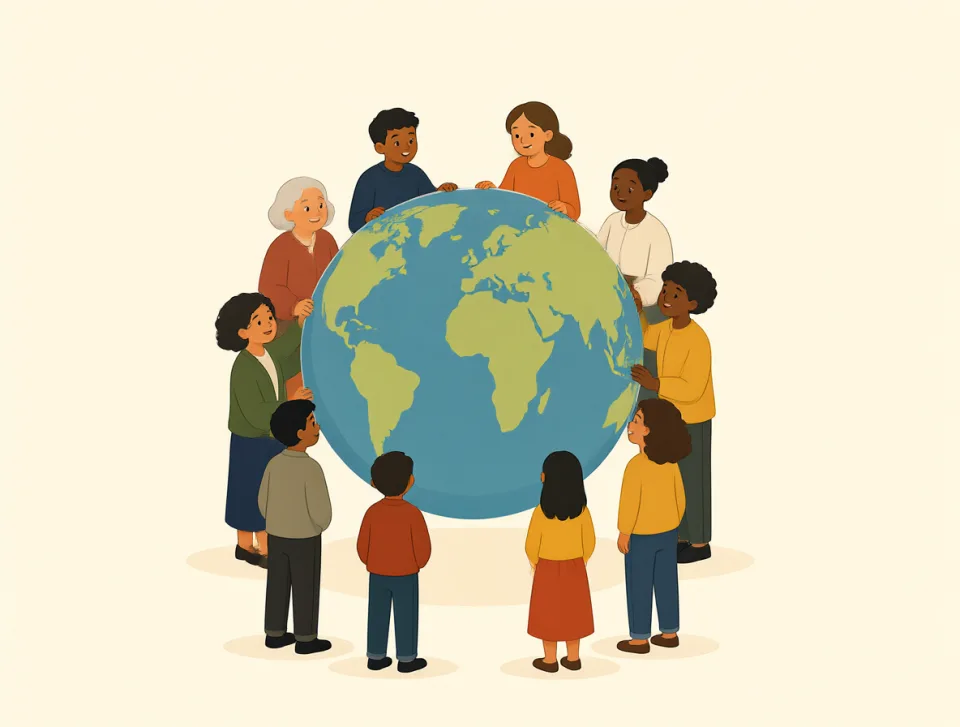
involving or shared by people or countries from different parts of the world
जिसमें दुनिया के अलग-अलग हिस्सों के लोग या देश शामिल हों या जो उनके बीच साझा हो।

She works for an international company.
वह एक अंतरराष्ट्रीय कंपनी में काम करती है।

We ate at an international food festival.
हमने एक अंतरराष्ट्रीय खाद्य महोत्सव में खाना खाया।

He wants an international career.
वह अंतरराष्ट्रीय स्तर पर अपना करियर बनाना चाहता है।

Our school has international students.
हमारे स्कूल में अंतरराष्ट्रीय विद्यार्थी हैं।

They flew on an international flight.
उन्होंने अंतरराष्ट्रीय उड़ान से यात्रा की।
contain
#663verb
में होना; शामिल करना
to have something inside or include something
अपने अंदर कुछ होना या किसी चीज़ को शामिल करना।

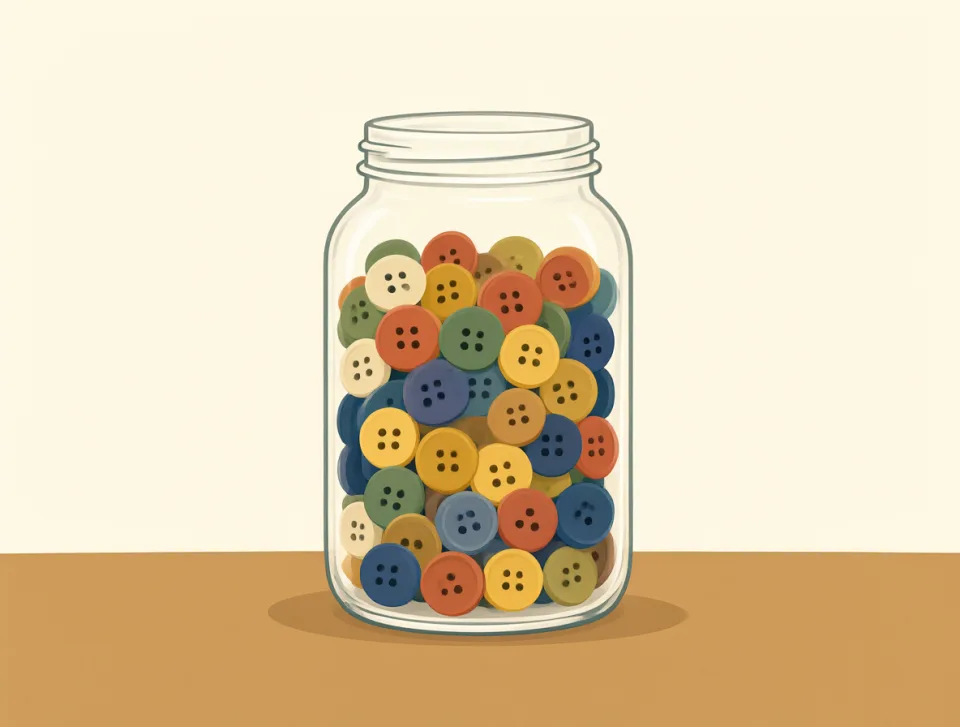
This box contains six small toys.
इस डिब्बे में छह छोटे खिलौने हैं।
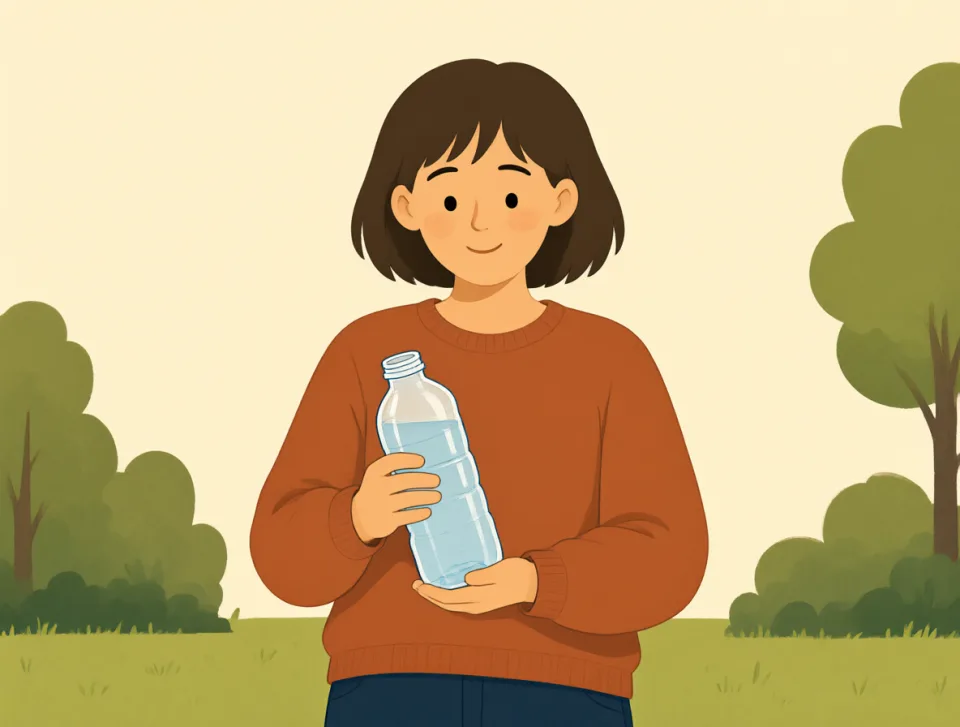
The bottle contains clean drinking water.
इस बोतल में पीने का साफ़ पानी है।
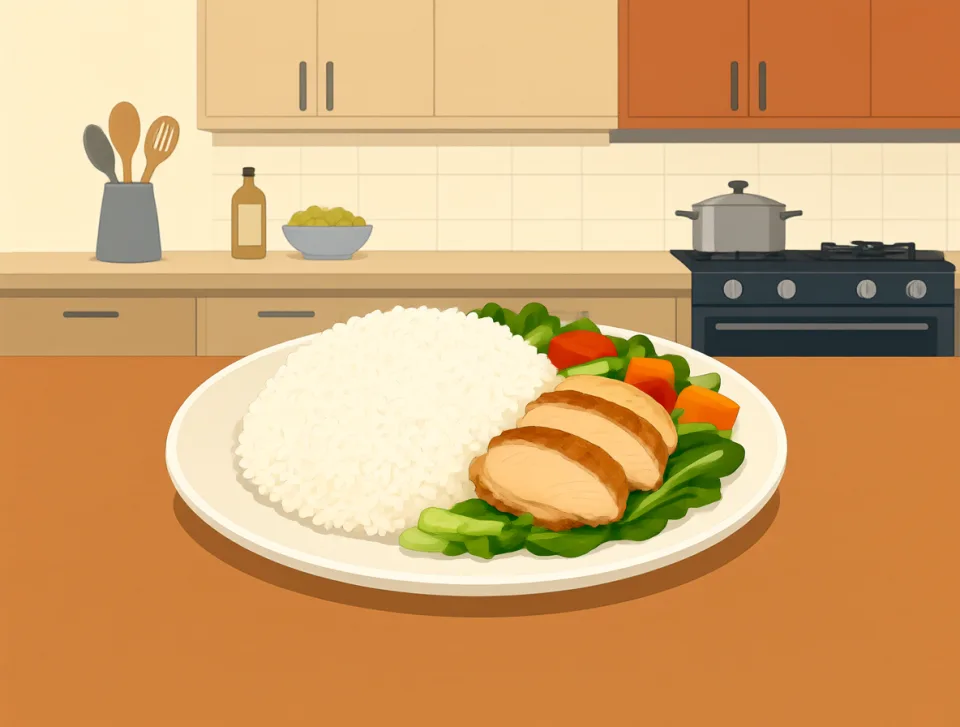
This meal contains rice, vegetables, and chicken.
इस भोजन में चावल, सब्ज़ियाँ और चिकन शामिल हैं।

The book contains useful grammar exercises.
इस किताब में व्याकरण के उपयोगी अभ्यास हैं।

The medicine contains natural ingredients.
इस दवा में प्राकृतिक तत्व हैं।

notice
#664verb, noun
ध्यान देना; सूचना
to see or become aware of something; a short written announcement about something
किसी चीज़ को देखना या उसके बारे में जानना; किसी बात की छोटी लिखित घोषणा।
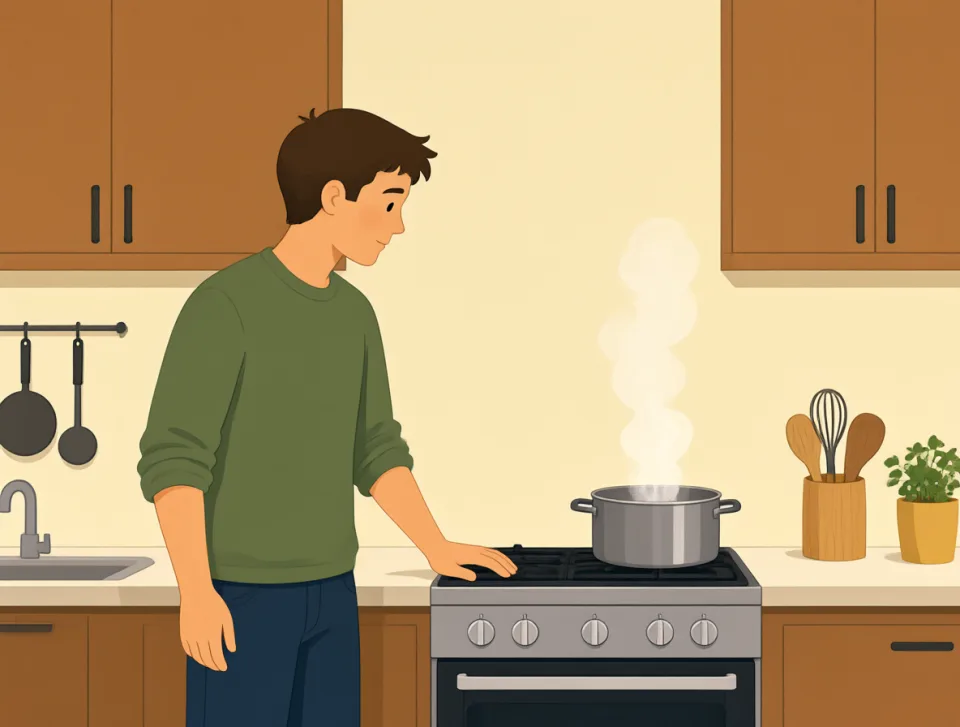
I noticed a strange smell in the kitchen.
मैंने रसोई में एक अजीब गंध महसूस की।

Did you notice the new teacher today?
क्या आपने आज नए शिक्षक पर ध्यान दिया?

She noticed that her bag was missing.
उसने देखा कि उसका बैग गायब था।

We noticed a small café near the station.
हमने स्टेशन के पास एक छोटा कैफ़े देखा।

I read the notice on the office door.
मैंने कार्यालय के दरवाज़े पर लगी सूचना पढ़ी।

wonder
#665noun, verb
सोच में पड़ना; जानना चाहना
To think about something and want to know more about it.
किसी चीज़ के बारे में सोचना और उसके बारे में और जानना चाहना।
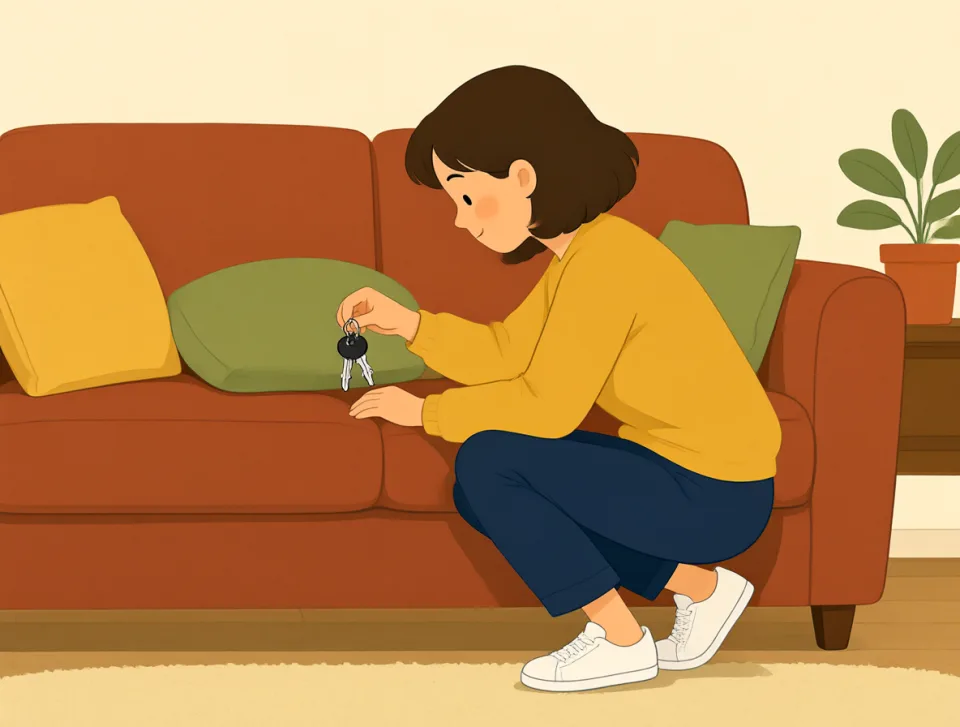
I wonder where my keys are.
मैं सोच रहा हूँ कि मेरी चाबियाँ कहाँ हैं।

She wondered why he was late.
वह सोच रही थी कि उसे देर क्यों हुई।
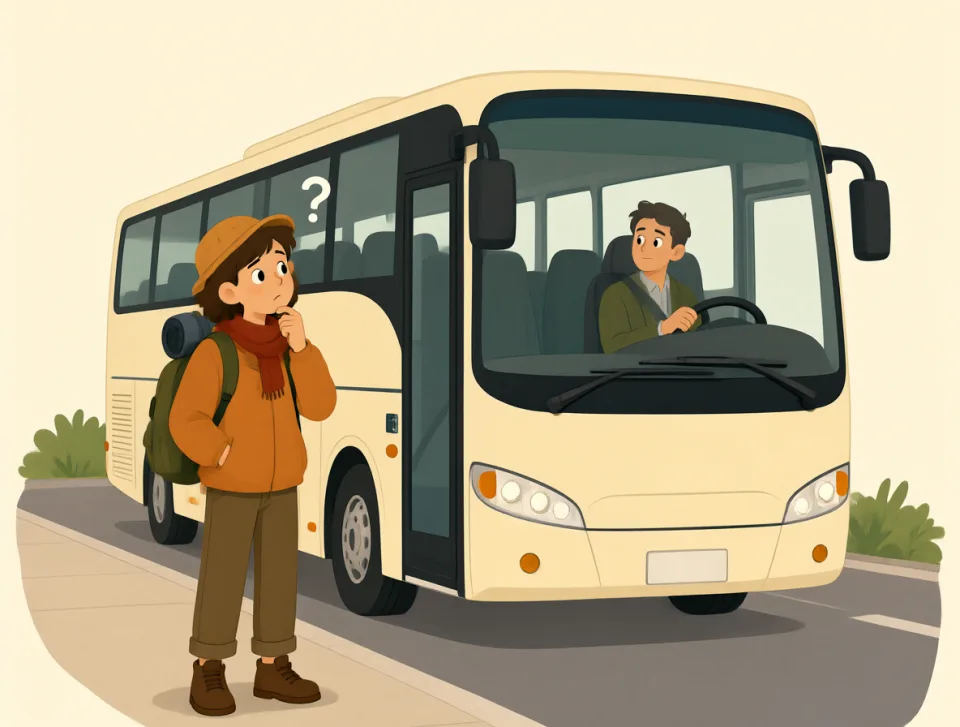
I wonder if this bus goes downtown.
मैं सोच रहा हूँ कि क्या यह बस शहर के केंद्र तक जाती है।

The new baby is a wonder.
नया बच्चा किसी चमत्कार से कम नहीं है।

We wondered at the beautiful mountain view.
हम पहाड़ के सुंदर नज़ारे को देखकर हैरान रह गए।

nature
#666noun
प्रकृति
the natural world, including plants, animals, and places not made by people
प्राकृतिक दुनिया, जिसमें पौधे, जानवर और वे स्थान शामिल हैं जिन्हें मनुष्यों ने नहीं बनाया है।

We walked in nature after breakfast.
नाश्ते के बाद हम प्रकृति के बीच टहले।
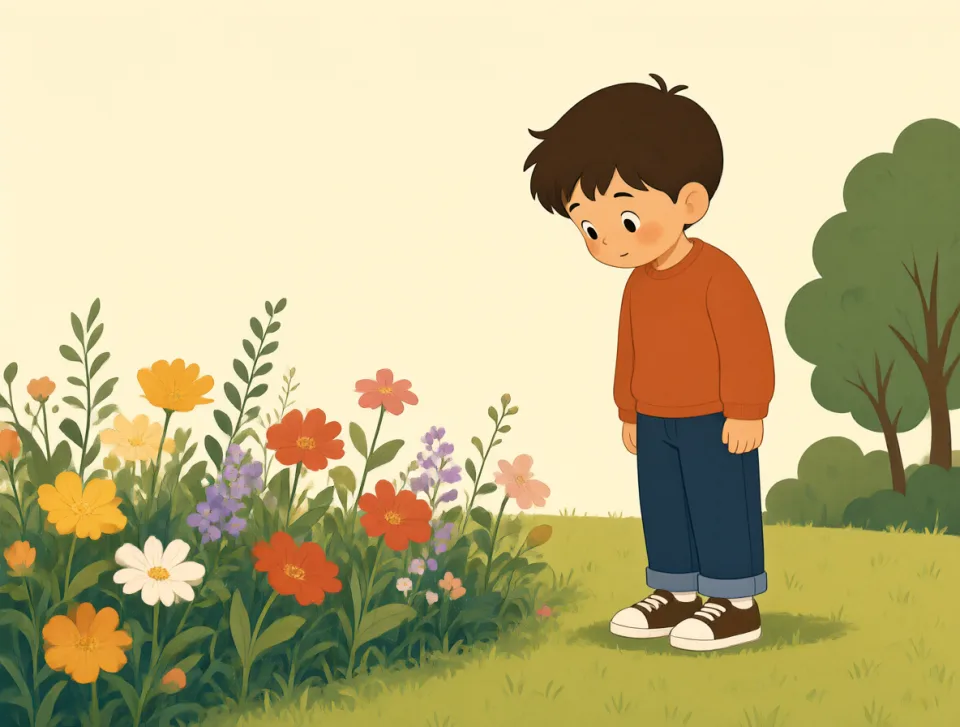
Nature is beautiful in the spring.
वसंत में प्रकृति सुंदर होती है।

This park is a great place to enjoy nature.
यह पार्क प्रकृति का आनंद लेने के लिए बहुत अच्छी जगह है।

She loves taking nature photos on trips.
उसे यात्राओं के दौरान प्रकृति की तस्वीरें लेना बहुत पसंद है।

The doctor says nature can reduce stress.
डॉक्टर का कहना है कि प्रकृति तनाव कम कर सकती है।
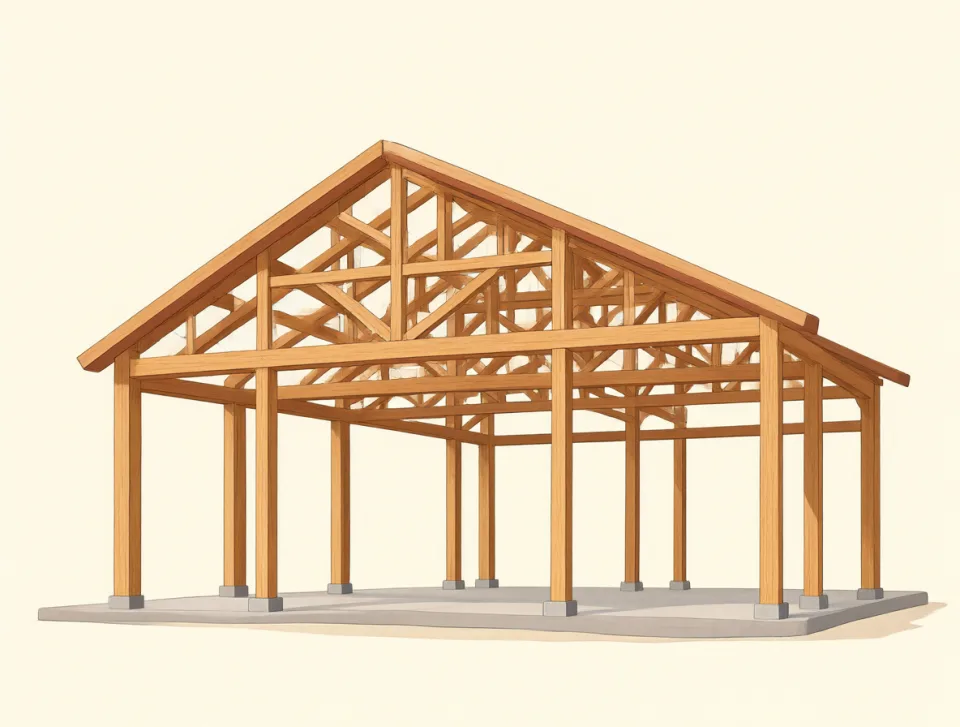
structure
#667noun, verb
संरचना
The way parts are arranged and connected; to arrange parts in a clear way.
जिस तरह अलग-अलग हिस्सों को व्यवस्थित करके आपस में जोड़ा जाता है; हिस्सों को स्पष्ट ढंग से व्यवस्थित करना।

The building has a strong structure.
इमारत की संरचना मज़बूत है।

We studied the structure of a flower.
हमने फूल की संरचना का अध्ययन किया।
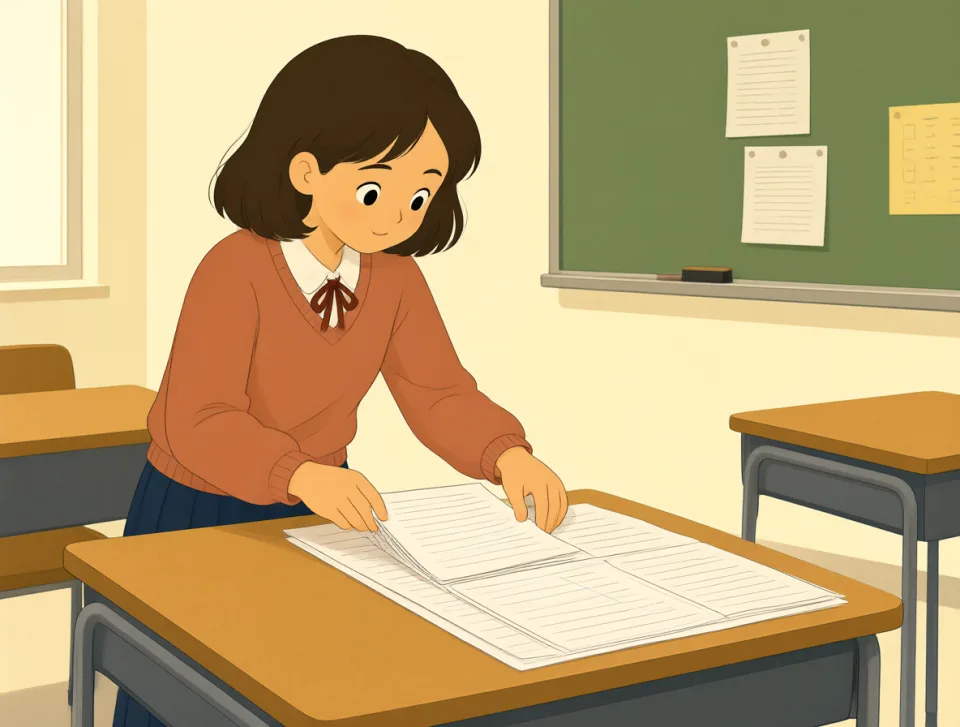
The essay has a clear structure.
निबंध की संरचना स्पष्ट है।

The bridge structure was damaged by the storm.
तूफ़ान से पुल की संरचना को नुकसान पहुँचा।

The teacher structured the lesson carefully.
शिक्षक ने पाठ को सावधानी से व्यवस्थित किया।
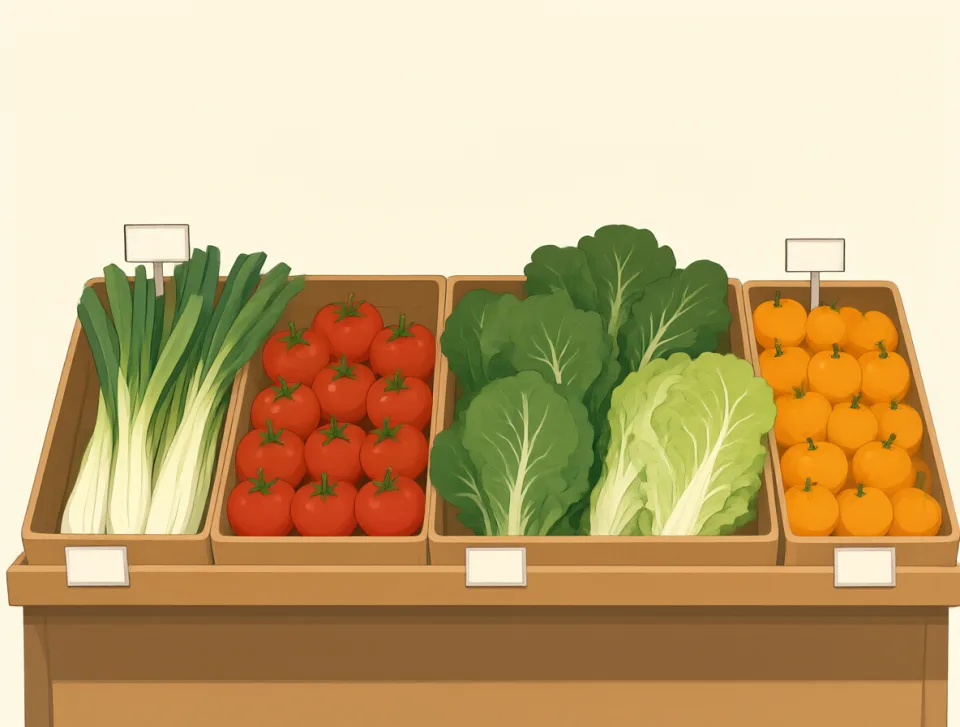
section
#668noun, verb
भाग
One part of something larger, such as a book, store, or group.
किसी बड़ी चीज़ का एक हिस्सा, जैसे किताब, दुकान या समूह का।

Please read the next section of the book.
कृपया किताब का अगला भाग पढ़ें।

The store has a large clothing section.
दुकान में कपड़ों का एक बड़ा विभाग है।

We sat in the front section of the train.
हम ट्रेन के अगले हिस्से में बैठे।
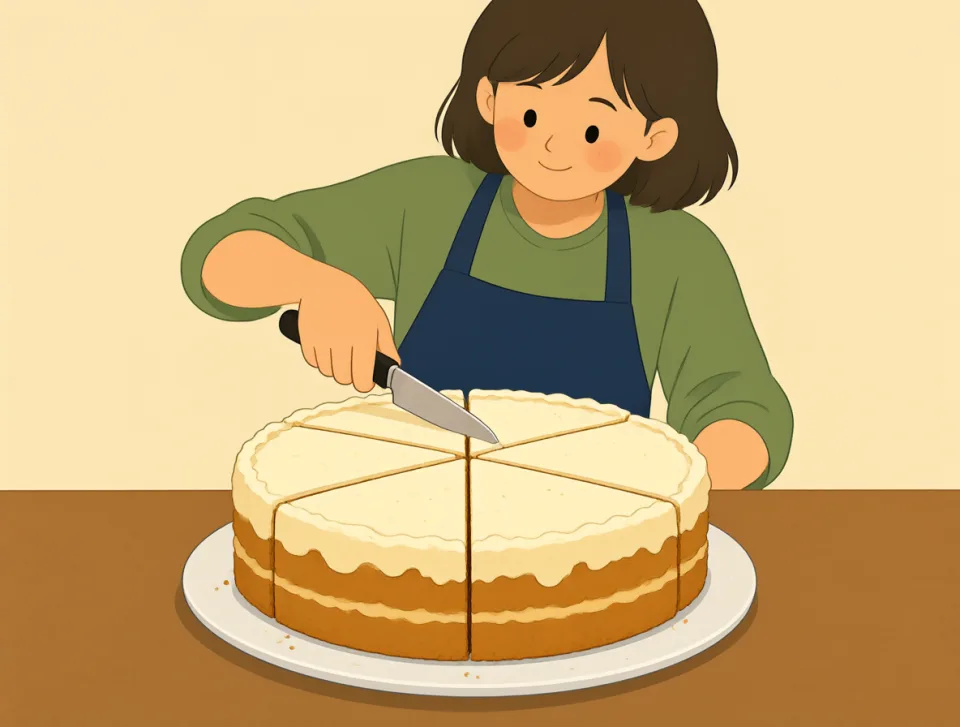
Cut the cake into six equal sections.
केक को छह बराबर हिस्सों में काटें।
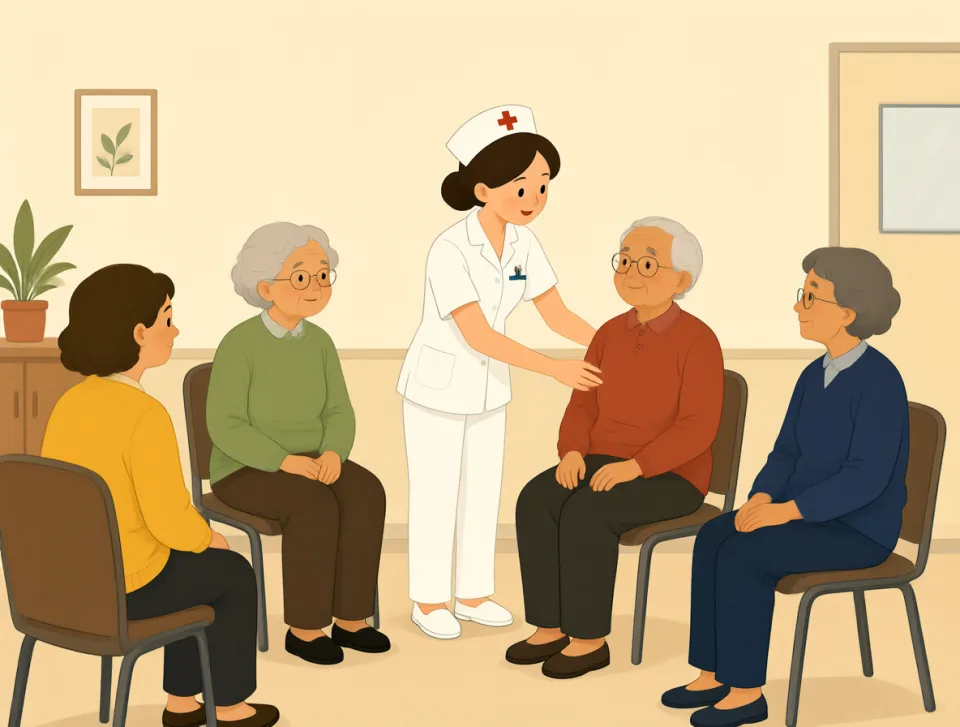
The nurse sectioned the patients into small groups.
नर्स ने मरीज़ों को छोटे-छोटे समूहों में बाँटा।
myself
#669pronoun
खुद
used to refer to the speaker as the object of an action or for emphasis
किसी काम के असर को बताने के लिए या ज़ोर देने के लिए बोलने वाला अपने लिए इस शब्द का इस्तेमाल करता है।
I taught myself to cook.
मैंने खुद खाना बनाना सीखा।
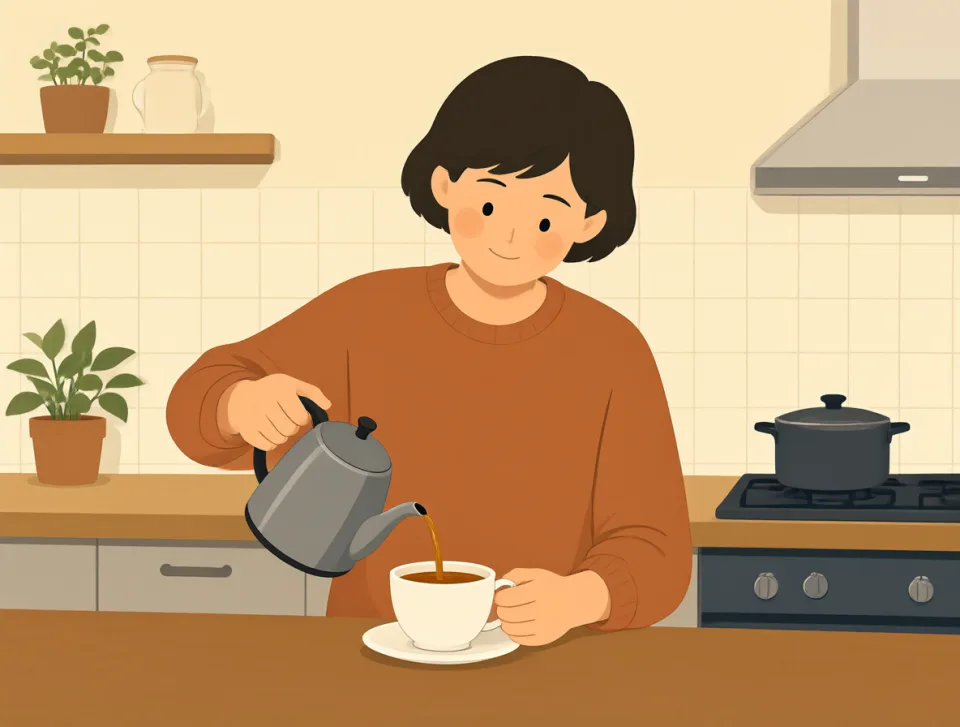
I made myself a cup of tea.
मैंने अपने लिए एक कप चाय बनाई।
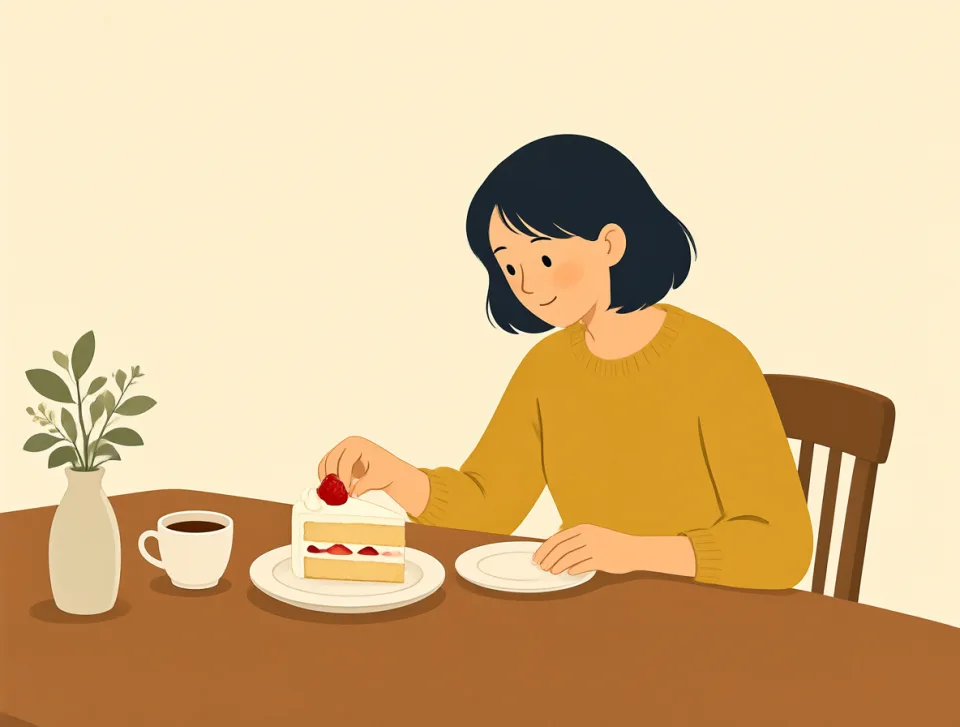
Please help yourself to some cake.
कृपया केक लीजिए।
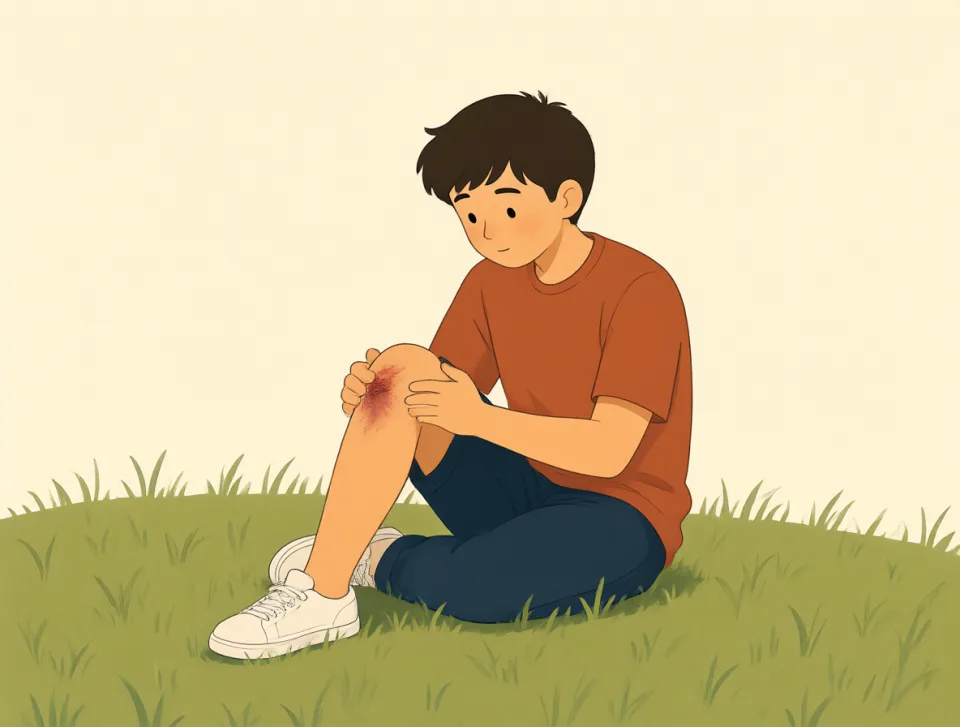
I hurt myself while playing football.
फुटबॉल खेलते समय मुझे चोट लग गई।

I introduced myself to the new teacher.
मैंने नए शिक्षक से अपना परिचय दिया।

exactly
#670adverb
बिल्कुल
In a way that is completely correct or accurate.
पूरी तरह सही या सटीक ढंग से।
That is exactly what I need.
मुझे ठीक यही चाहिए।

The train arrived exactly at noon.
ट्रेन ठीक दोपहर में पहुँची।

Please write exactly five sentences.
कृपया ठीक पाँच वाक्य लिखें।

This shirt is exactly my size.
यह कमीज़ मेरे नाप की बिल्कुल सही है।

He knew exactly how I felt.
वह ठीक-ठीक जानता था कि मुझे कैसा महसूस हो रहा था।

plant
#671noun, verb
पौधा
A living thing that grows in soil, or to put something in the ground.
मिट्टी में उगने वाला जीवित पौधा, या किसी चीज़ को ज़मीन में लगाने की क्रिया।

She waters the plants every morning.
वह हर सुबह पौधों को पानी देती है।
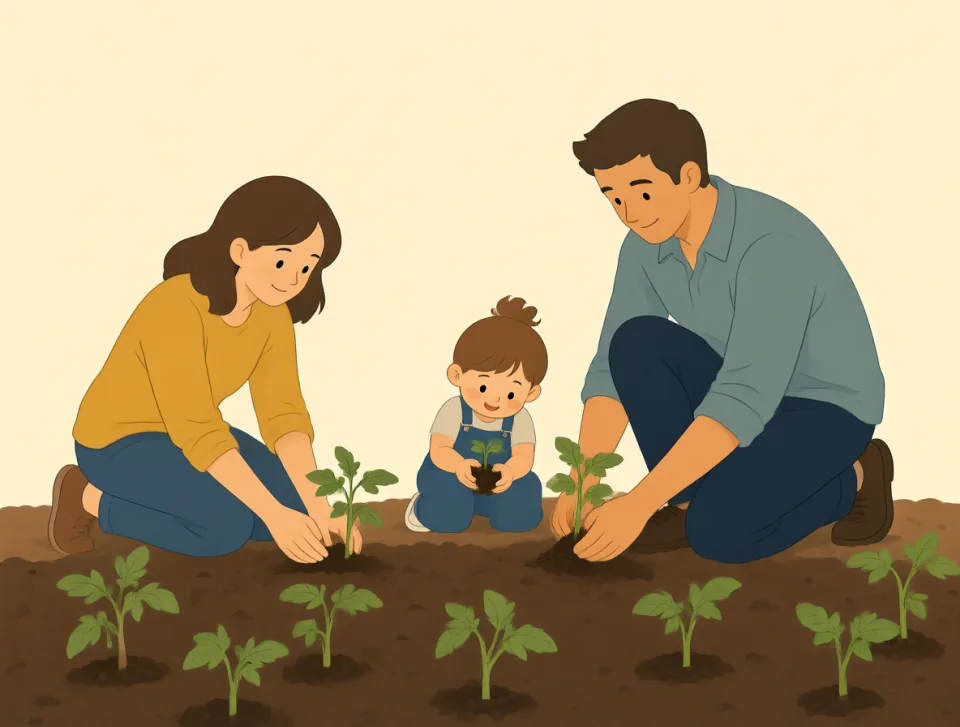
We planted tomatoes in the garden.
हमने बगीचे में टमाटर लगाए।

The factory plant makes car parts.
कारखाने में कार के पुर्ज़े बनते हैं।

The doctor planted a small device under his skin.
डॉक्टर ने उसकी त्वचा के नीचे एक छोटा-सा उपकरण लगाया।

Please plant the flag near the tent.
कृपया तंबू के पास झंडा गाड़ दें।

paint
#672noun, verb
रंग
A colored liquid used to cover or decorate surfaces; to put color on something.
सतहों को ढकने या सजाने के लिए इस्तेमाल होने वाला रंगीन तरल; किसी चीज़ पर रंग लगाना।
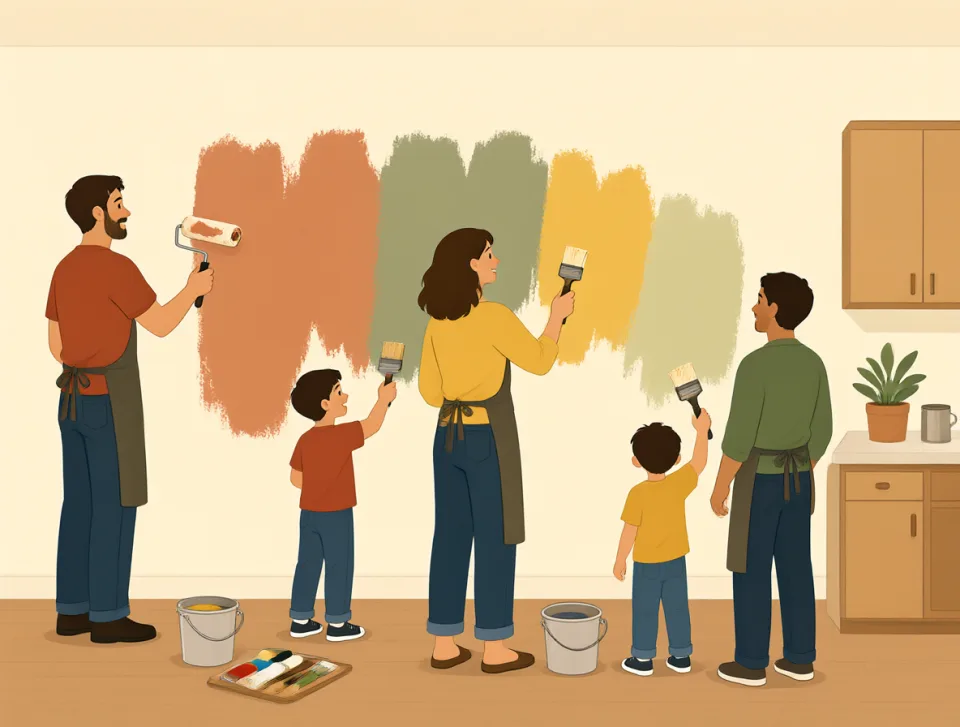
We painted the kitchen walls last weekend.
हमने पिछले सप्ताहांत रसोई की दीवारों पर रंग किया।

She bought white paint for the bedroom.
उसने बेडरूम के लिए सफ़ेद रंग खरीदा।

The children are painting pictures at school.
बच्चे स्कूल में चित्र बना रहे हैं।

He painted the chair green yesterday.
उसने कल कुर्सी को हरे रंग से रंगा।

The artist paints beautiful flowers.
कलाकार सुंदर फूलों की तस्वीरें बनाता है।

worker
#673noun
कामगार
A person who does a job, especially to earn money.
कोई ऐसा व्यक्ति जो काम करता है, खासकर पैसे कमाने के लिए।

The workers start early every morning.
कामगार हर सुबह जल्दी काम शुरू करते हैं।

A shop worker helped me find shoes.
दुकान के एक कर्मचारी ने जूते ढूँढ़ने में मेरी मदद की।

The factory worker checked the machines.
कारखाने के कामगार ने मशीनों की जाँच की।
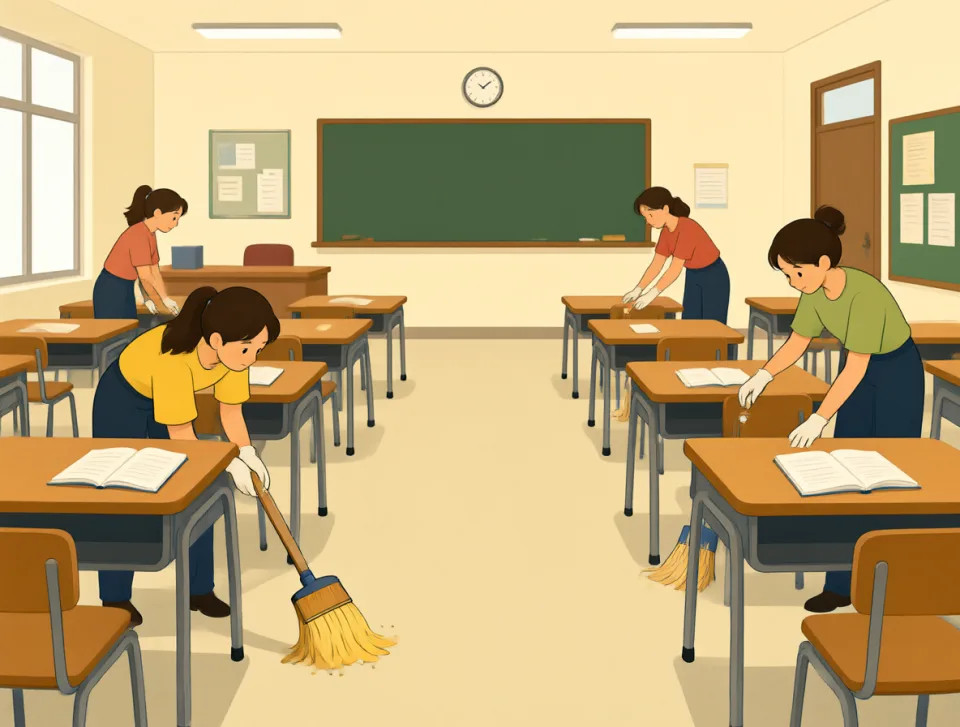
The school workers cleaned the classrooms.
स्कूल के कर्मचारियों ने कक्षाओं की सफ़ाई की।

The health worker visited my sick grandmother.
स्वास्थ्यकर्मी मेरी बीमार दादी से मिलने आए।
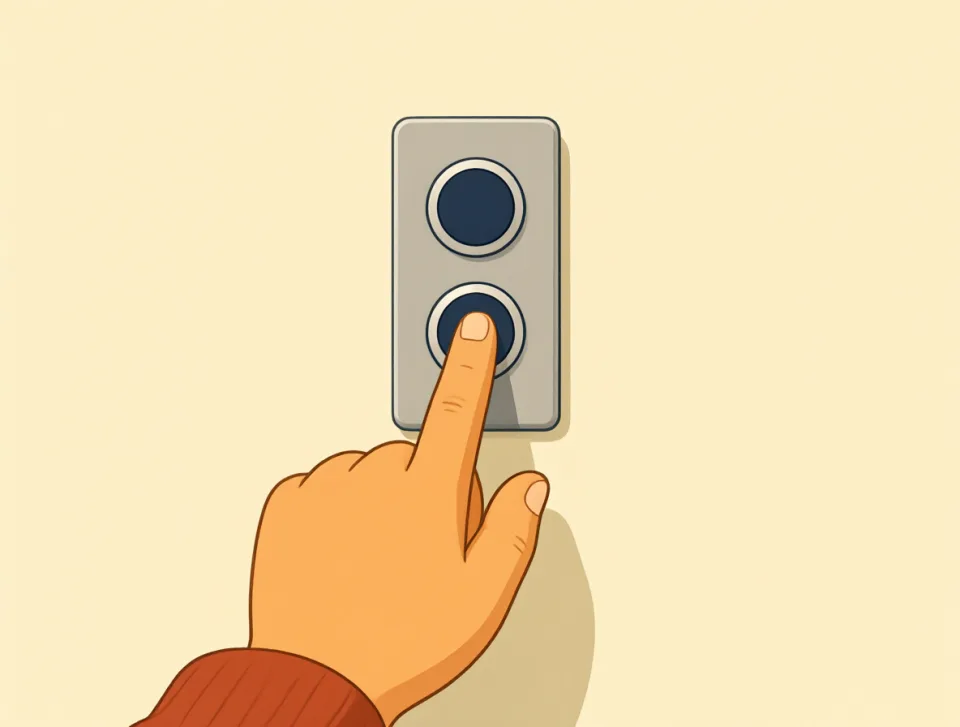
press
#674verb, noun
दबाना
to push something firmly with your finger or hand
किसी चीज़ को उँगली या हाथ से ज़ोर से दबाना।
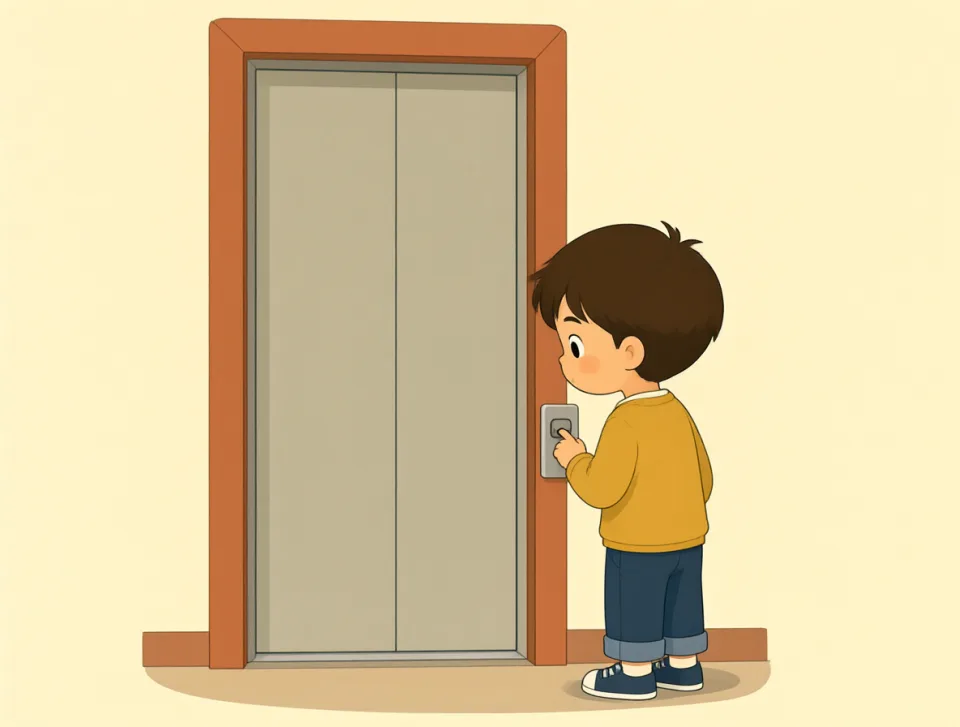
Press the button to open the door.
दरवाज़ा खोलने के लिए बटन दबाएँ।
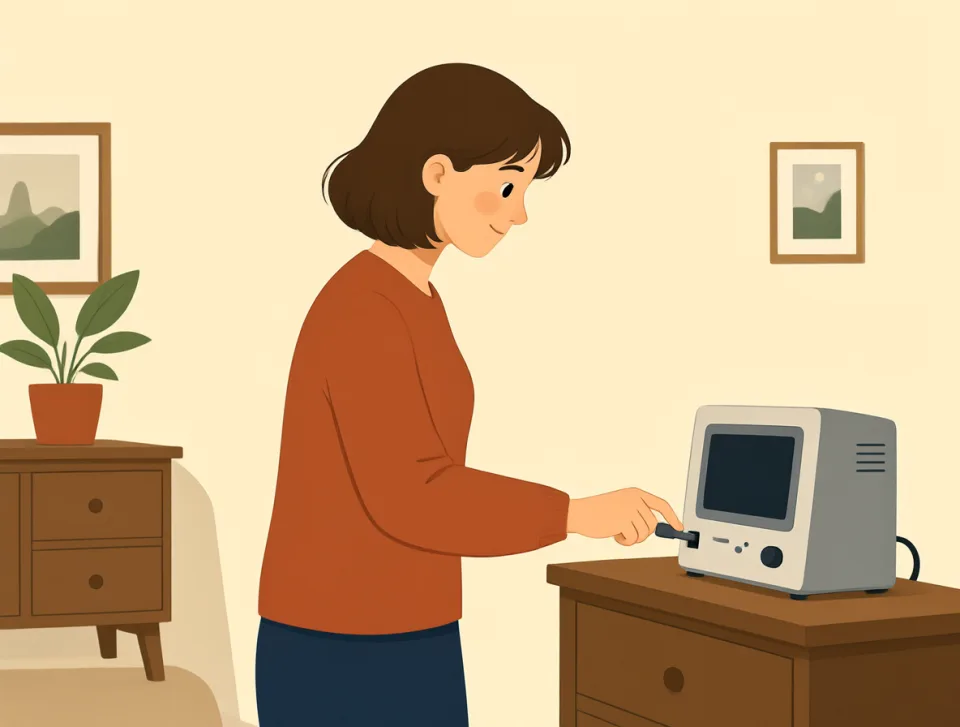
She pressed the key and started the machine.
उसने चाबी दबाई और मशीन चालू कर दी।
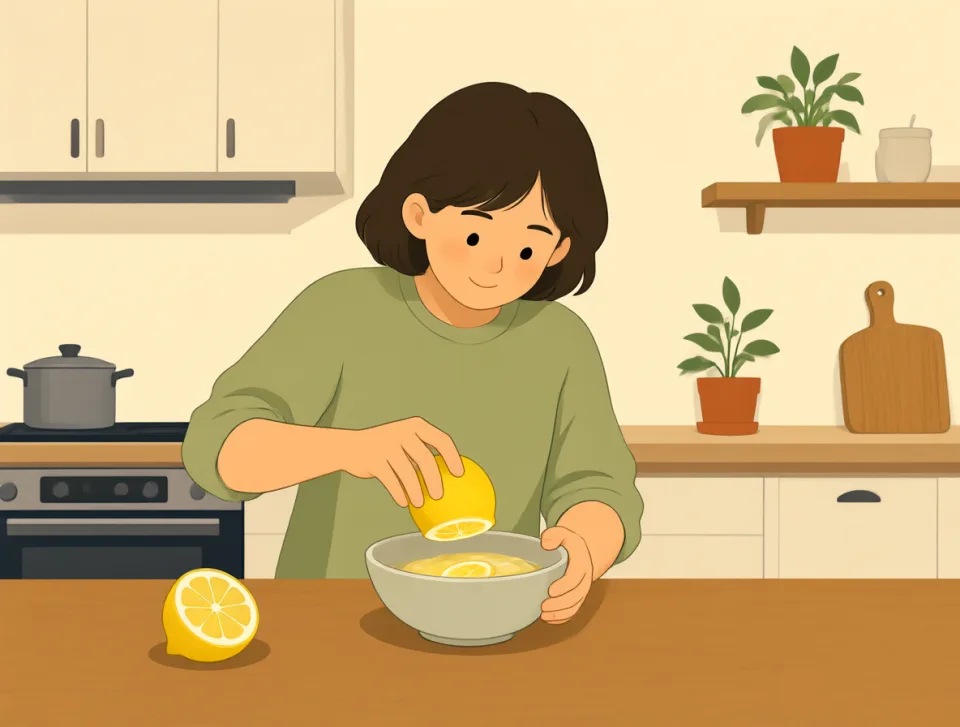
Press the lemons to get more juice.
ज़्यादा रस पाने के लिए नींबुओं को निचोड़ें।

The doctor pressed my arm gently.
डॉक्टर ने मेरी बाँह को धीरे से दबाया।

The press asked the actor many questions.
पत्रकारों ने अभिनेता से कई सवाल पूछे।
whatever
#675pronoun, determiner, adverb
जो भी
Any thing, choice, or amount, or it does not matter which one.
कोई भी चीज़, विकल्प या मात्रा; या इससे कोई फ़र्क़ नहीं पड़ता कि कौन-सी।
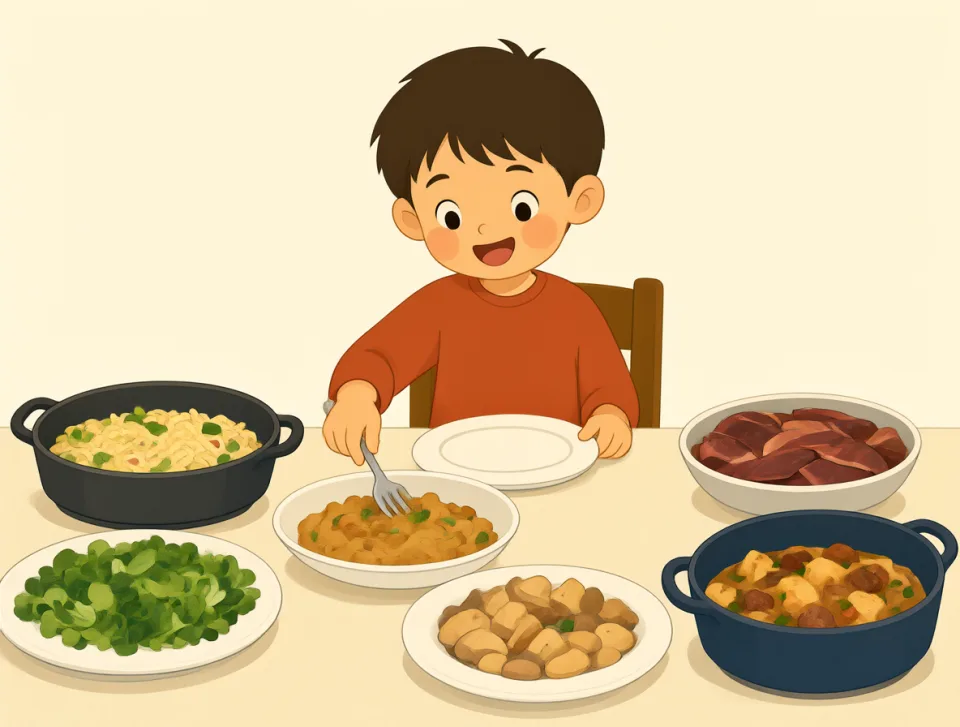
Choose whatever you like for dinner.
रात के खाने के लिए अपनी पसंद की कोई भी चीज़ चुन लो।
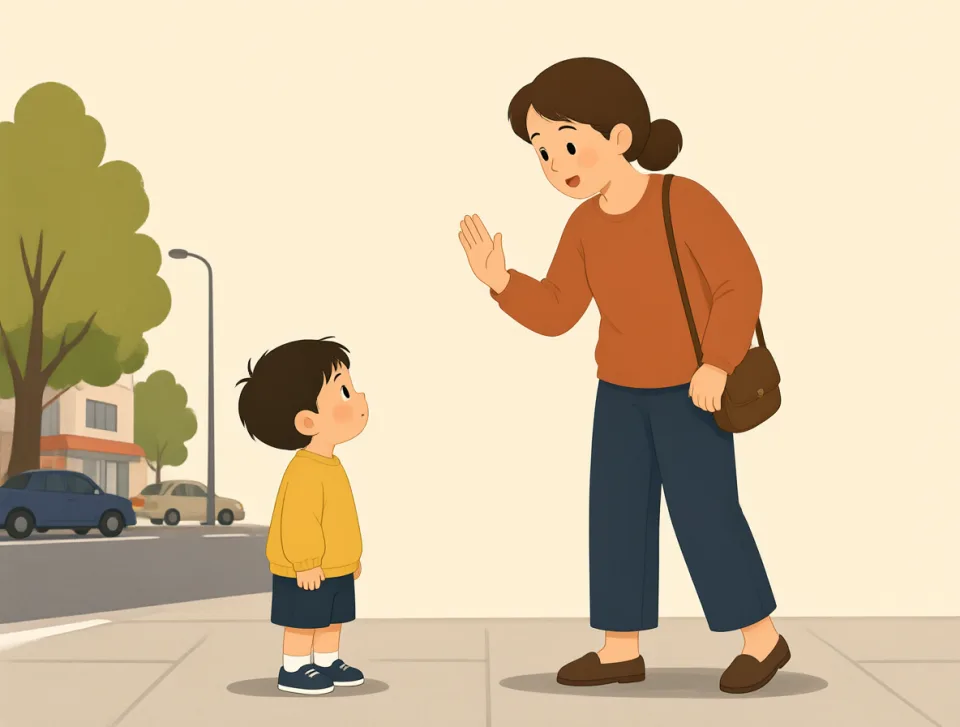
Whatever you do, stay safe.
तुम चाहे जो भी करो, सुरक्षित रहना।

You can wear whatever you want.
तुम जो चाहो, पहन सकते हो।
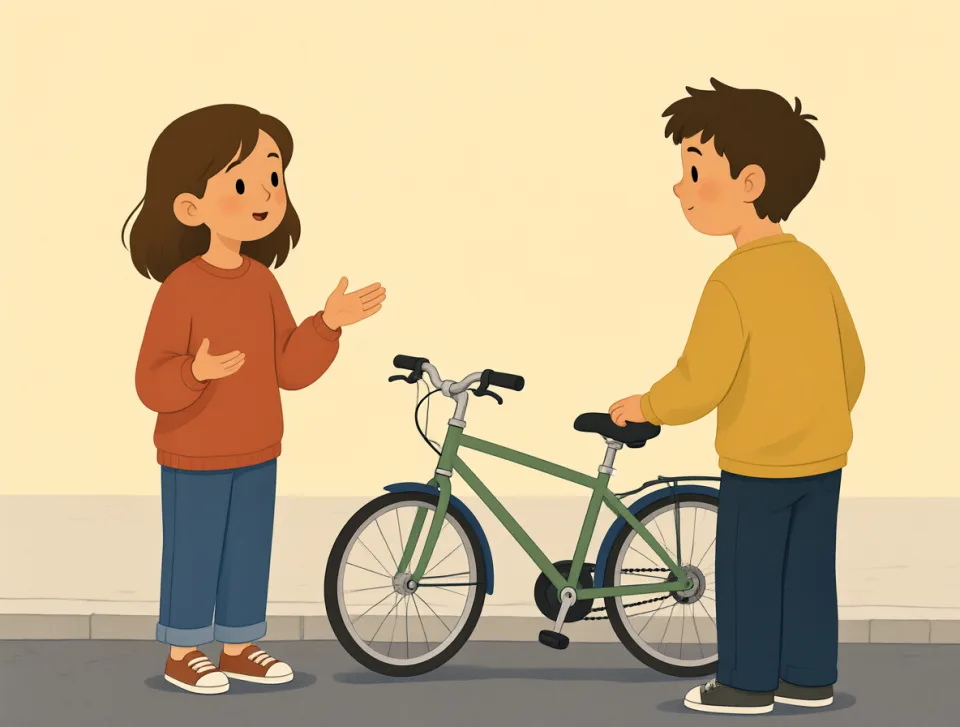
Whatever happened to your old bicycle?
तुम्हारी पुरानी साइकिल का क्या हुआ?
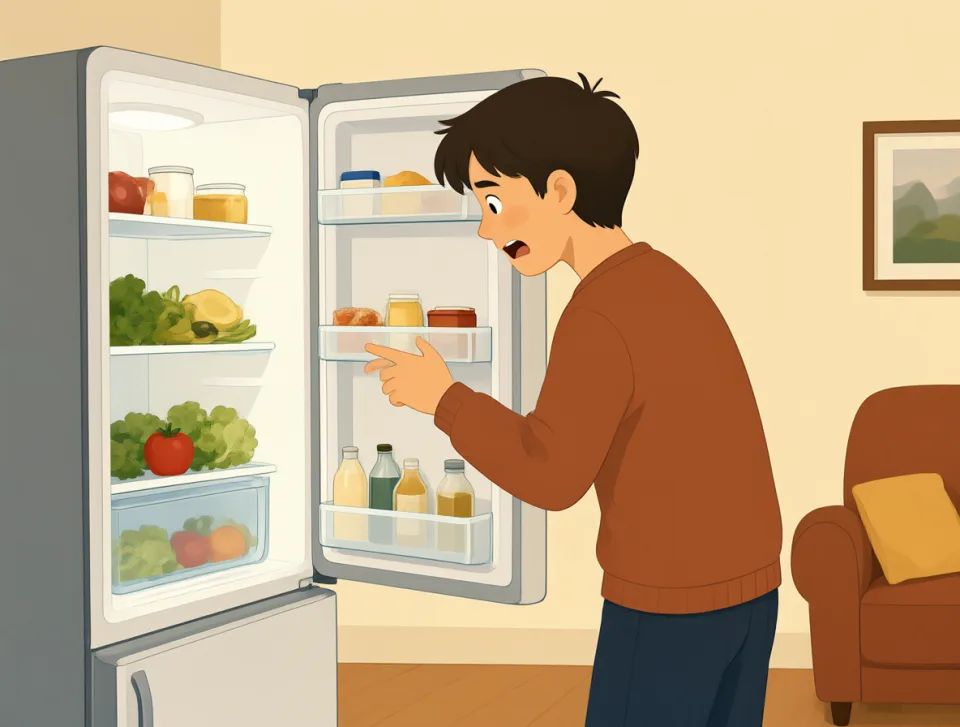
He eats whatever is in the fridge.
वह फ्रिज में जो कुछ भी होता है, खा लेता है।

necessary
#676adjective
ज़रूरी
needed for a particular purpose or situation
किसी खास उद्देश्य या परिस्थिति के लिए जिसकी ज़रूरत हो
Bring only the necessary clothes for the trip.
यात्रा के लिए सिर्फ़ ज़रूरी कपड़े ले जाइए।
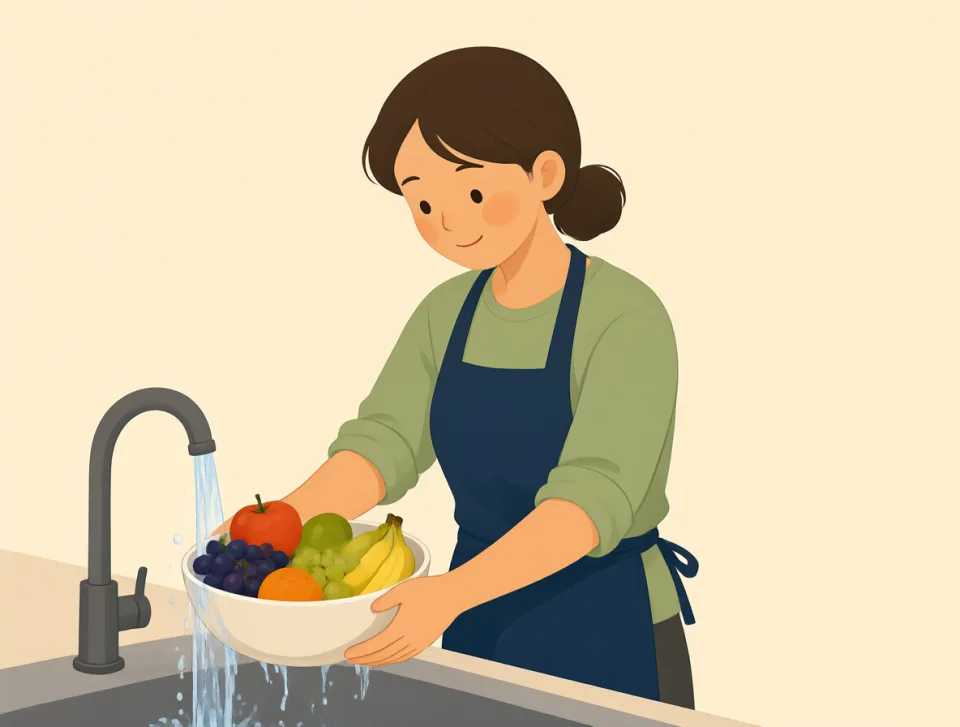
Is it necessary to wash the fruit?
क्या फल धोना ज़रूरी है?
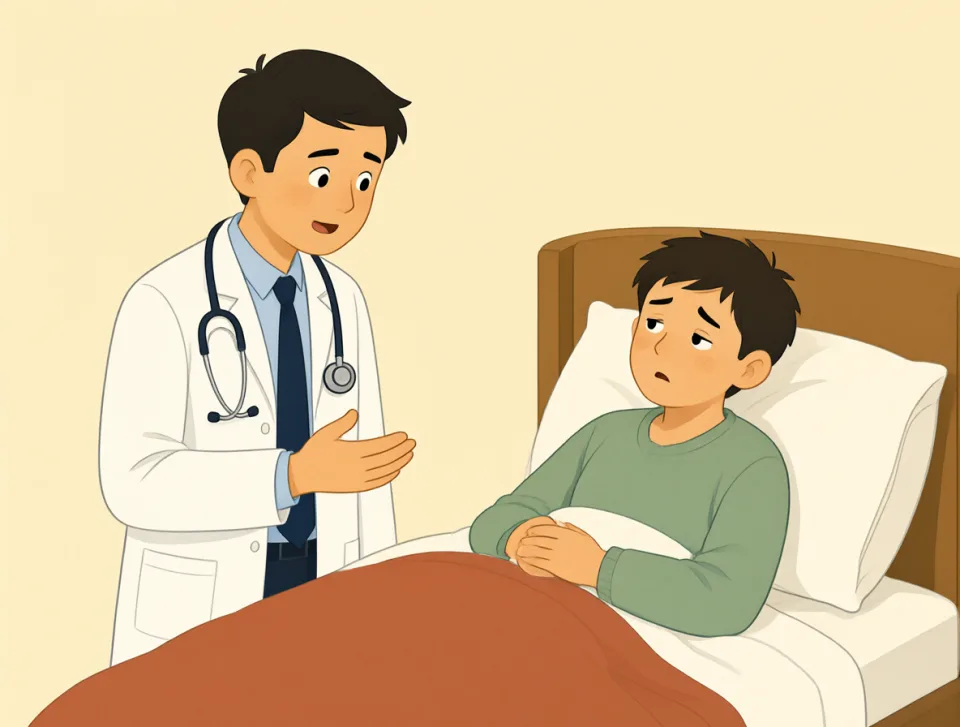
The doctor said rest was necessary.
डॉक्टर ने कहा कि आराम करना ज़रूरी था।
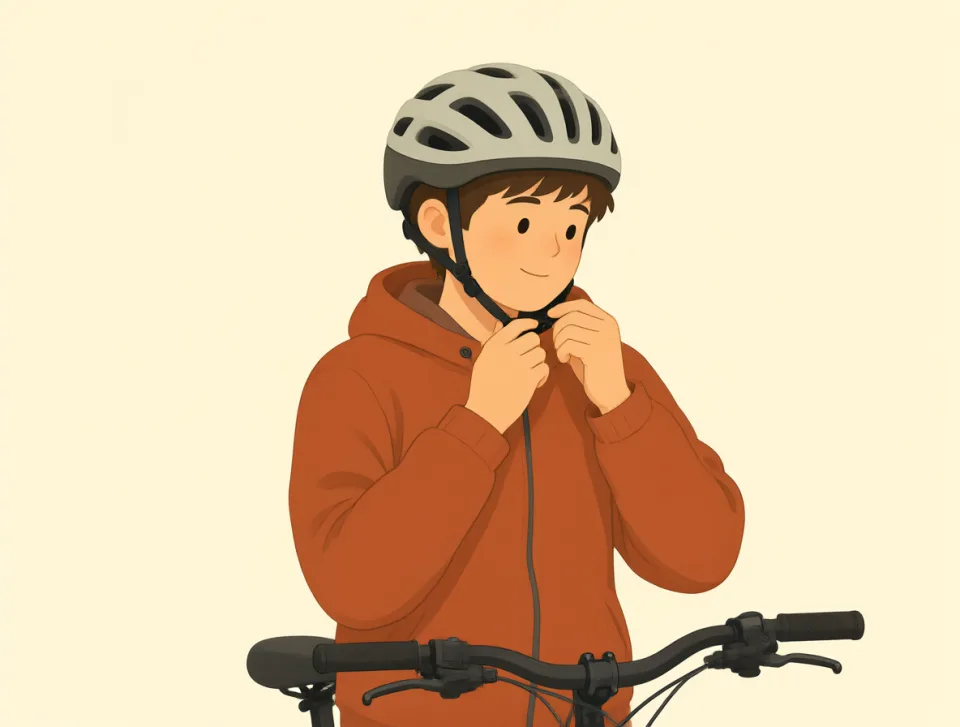
Please take the necessary steps to stay safe.
सुरक्षित रहने के लिए कृपया ज़रूरी कदम उठाएँ।
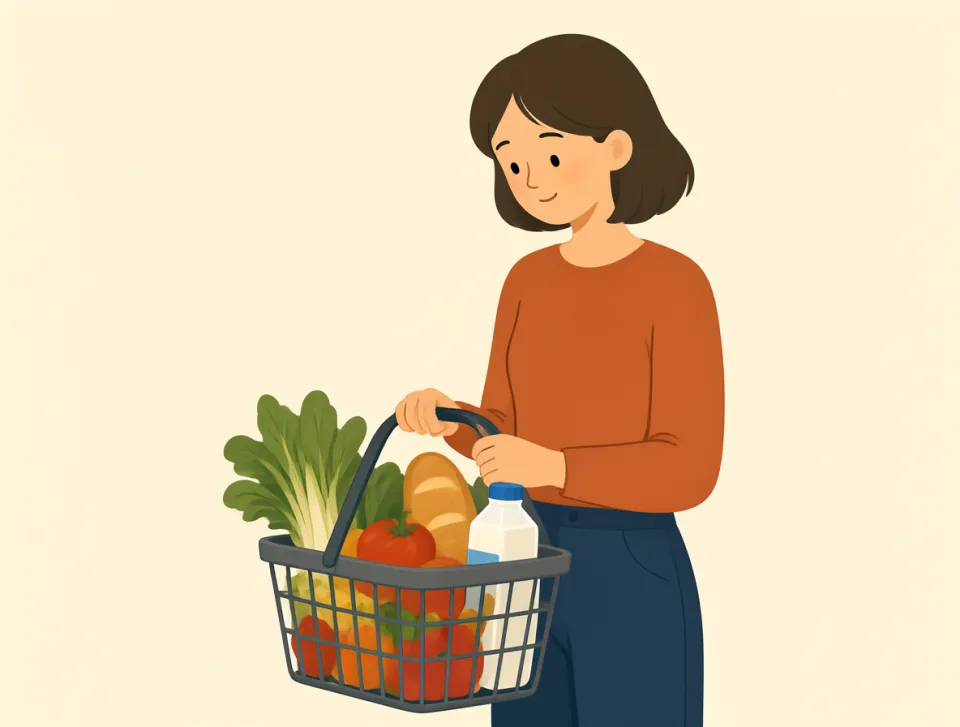
We bought the necessary food for dinner.
हमने रात के खाने के लिए ज़रूरी सामान खरीदा।

region
#677noun
क्षेत्र
An area of a country, city, or the world with its own features.
किसी देश, शहर या दुनिया का ऐसा इलाका जिसकी अपनी खासियतें हों।

This region has very cold winters.
इस क्षेत्र में सर्दियाँ बहुत ठंडी होती हैं।

We traveled through a beautiful mountain region.
हमने एक खूबसूरत पहाड़ी क्षेत्र की यात्रा की।

The hotel is in the city region.
होटल शहर के इलाके में है।
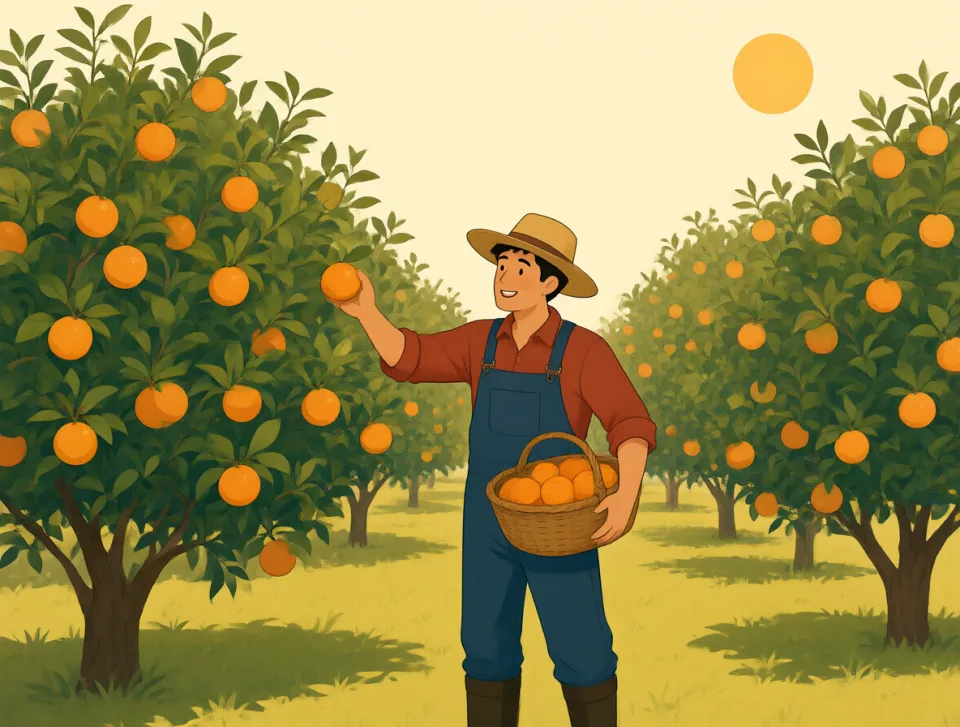
This region grows many oranges.
इस क्षेत्र में संतरे खूब उगाए जाते हैं।

Doctors serve people in this region.
डॉक्टर इस क्षेत्र के लोगों की सेवा करते हैं।
growth
#678noun
विकास
The process of becoming bigger, better, or more developed.
बड़ा, बेहतर या अधिक विकसित होने की प्रक्रिया।

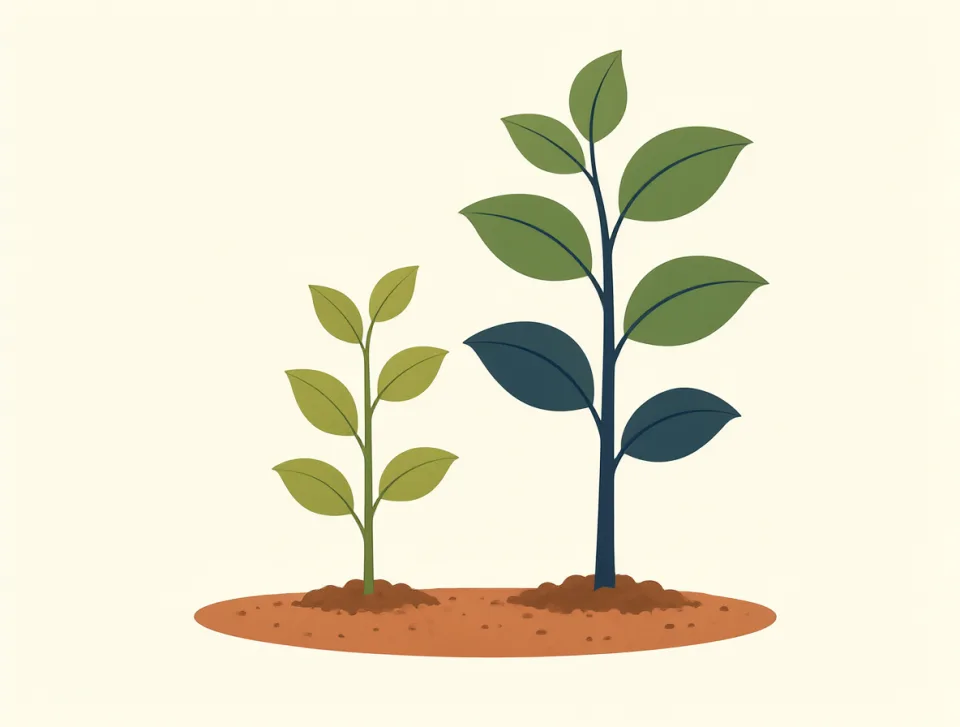
The plant showed new growth after the rain.
बारिश के बाद पौधे में नई बढ़त दिखाई दी।

The company had strong growth last year.
पिछले साल कंपनी ने ज़ोरदार विकास किया।
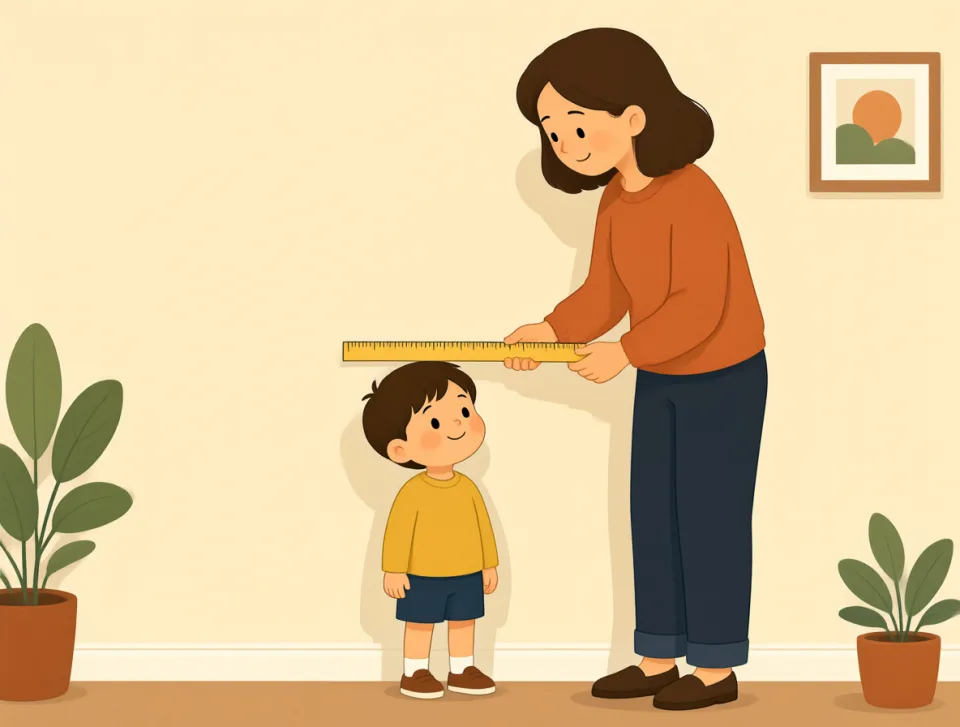
Regular exercise supports healthy growth in children.
नियमित व्यायाम बच्चों के स्वस्थ विकास में मदद करता है।

The teacher noticed growth in Maya’s reading skills.
शिक्षक ने माया के पढ़ने के कौशल में सुधार देखा।
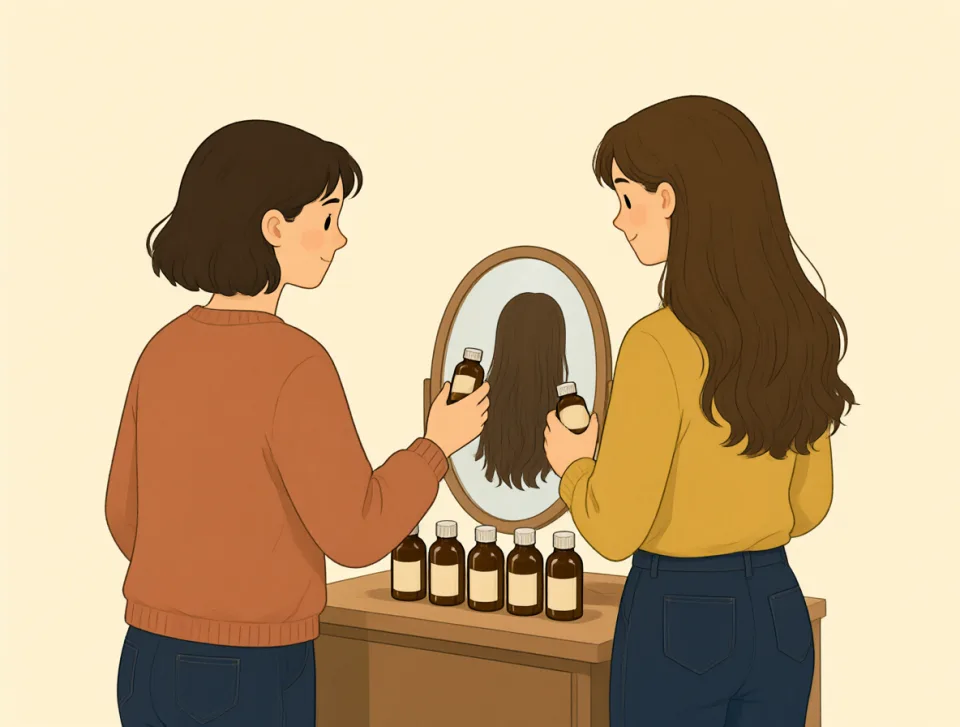
The shop sells hair growth products.
यह दुकान बालों की बढ़त के लिए उत्पाद बेचती है।
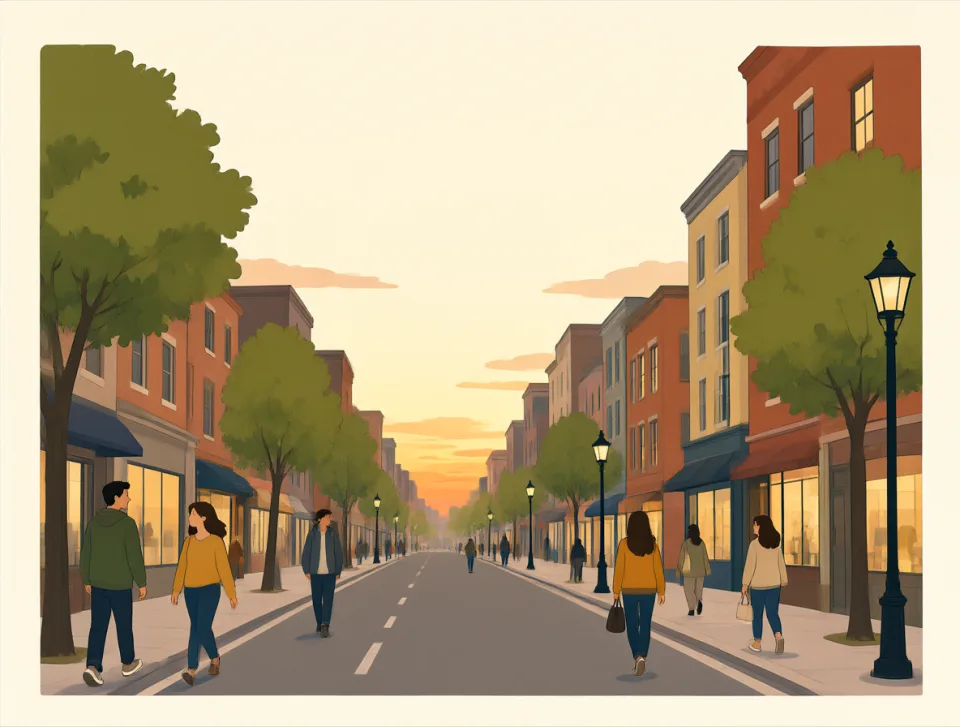
evening
#679noun
शाम
The time between the afternoon and bedtime.
दोपहर के बाद से सोने के समय तक का वक्त।

We usually eat dinner in the evening.
हम आमतौर पर शाम को रात का खाना खाते हैं।

I met my friends one evening after work.
काम के बाद एक शाम मेरी मुलाकात अपने दोस्तों से हुई।
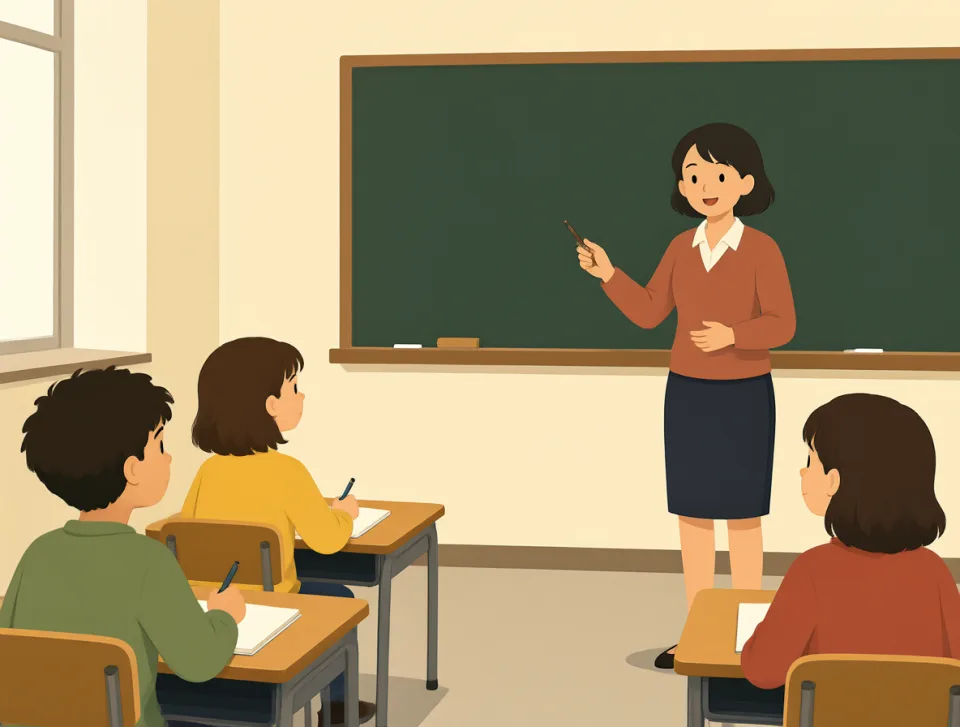
The evening class starts at six.
शाम की कक्षा छह बजे शुरू होती है।

She takes an evening walk every day.
वह हर दिन शाम को टहलने जाती है।
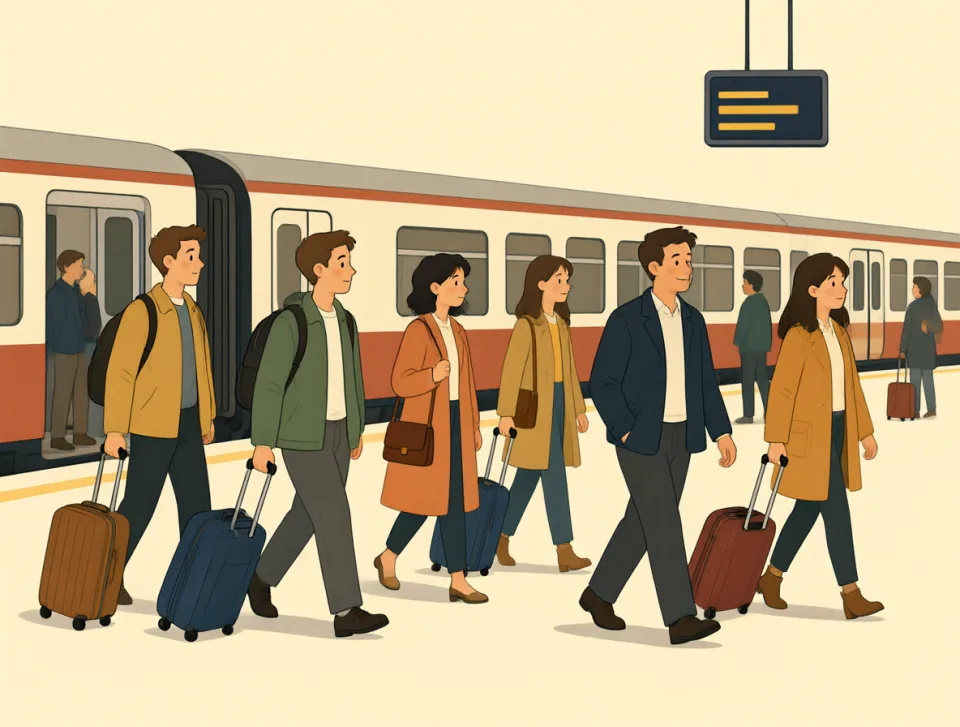
We arrived in London late one evening.
हम एक शाम देर से लंदन पहुँचे।

influence
#680noun, verb
प्रभाव
the power to change how someone thinks or behaves
किसी के सोचने या व्यवहार करने के तरीके को बदलने की क्षमता
Friends can influence what we choose to eat.
दोस्त इस बात पर असर डाल सकते हैं कि हम क्या खाना चुनते हैं।
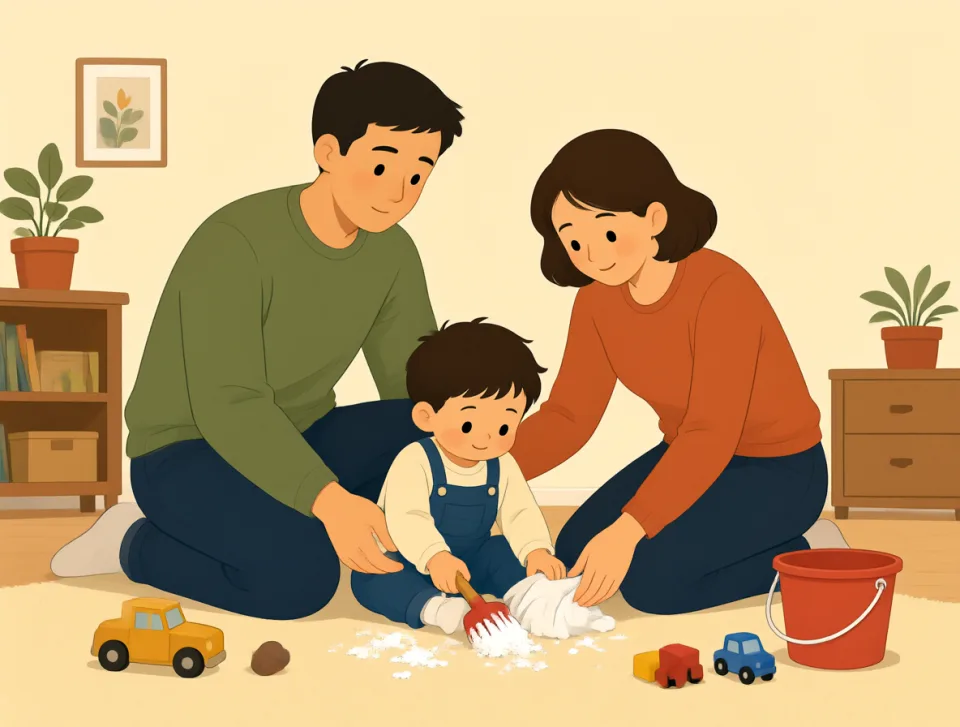
Parents strongly influence their children's behavior.
माता-पिता अपने बच्चों के व्यवहार को बहुत प्रभावित करते हैं।

Her teacher influenced her choice of career.
उसकी शिक्षिका ने उसके करियर के चुनाव को प्रभावित किया।
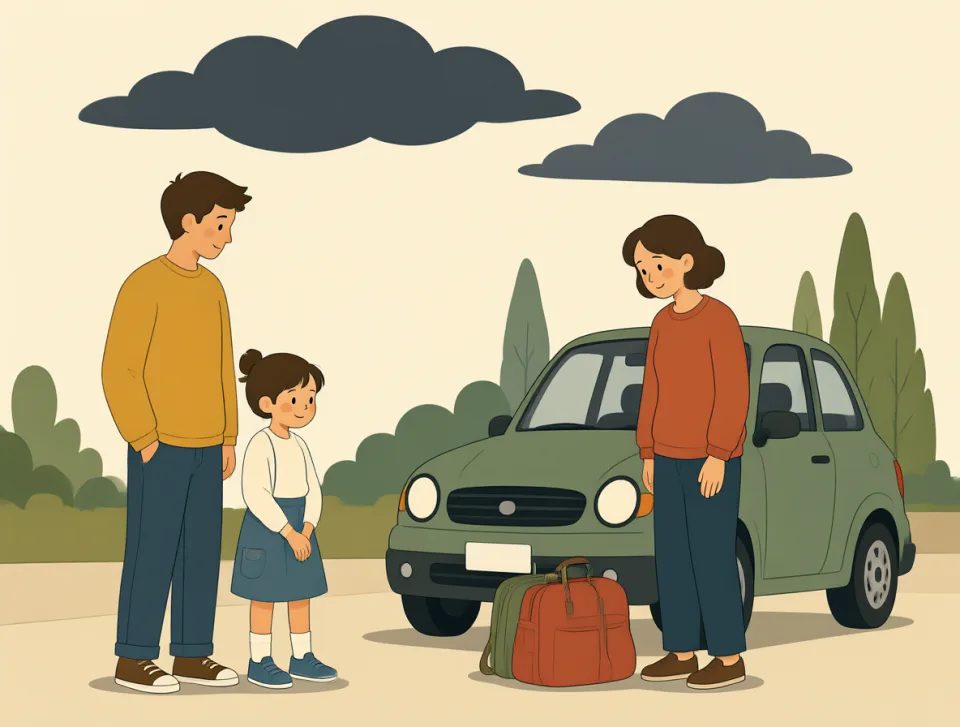
The weather influenced our travel plans.
मौसम ने हमारी यात्रा की योजनाओं को प्रभावित किया।
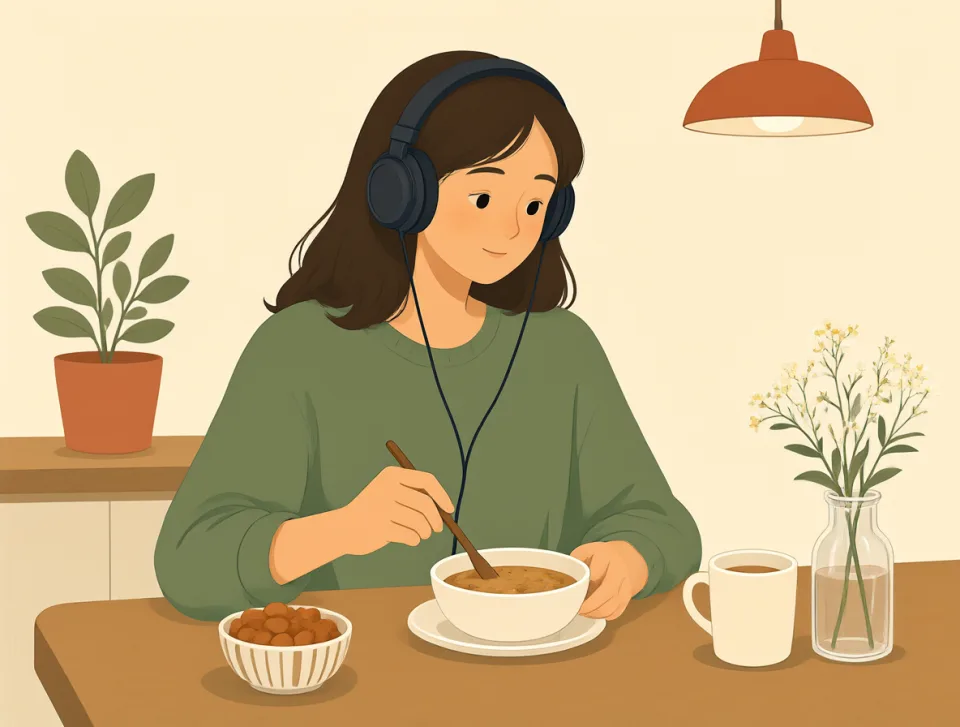
Music influences my mood every morning.
हर सुबह संगीत मेरे मूड पर असर डालता है।