Cross-Checking the Evidence
交叉核實證據
Emma consults David Chen, a veteran records specialist, to authenticate documents and compare their dates with public inspection logs. David cautions her that inconsistencies may point to clerical errors rather than deliberate tampering.
艾瑪向資深檔案專家大衛·陳請教,核實檔案真偽,並將日期與公開檢查記錄進行比對。大衛提醒她,記錄不一致也可能源於文書錯誤,而非蓄意篡改。
對話12
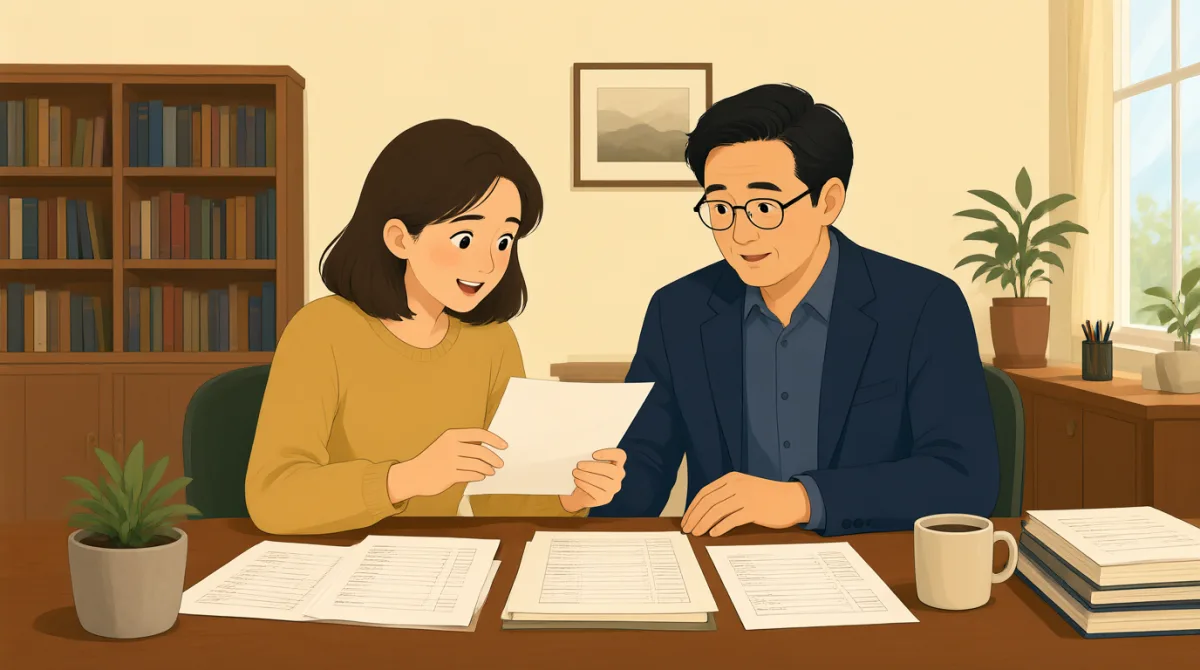

I’ve brought the inspection forms and the public logs. The dates don’t line up, but I don’t want to call that evidence of tampering before we know how these records were created.
我帶來了檢查表和公開日誌。兩邊的日期對不上,但在弄清這些記錄是怎麼生成之前,我不想把這當成篡改證據。

Good instinct. A discrepancy is a question, not a conclusion. First, let’s establish whether these are original records, copies, or entries exported from a database that may have been updated later.
這個判斷很穩妥。出入之處意味著有疑問,不代表已經得出結論。我們先確認這些是原始記錄、影印件,還是後來從可能更新過的資料庫中匯出的條目。
The forms came from a former employee. They have handwritten dates and initials, but there’s no cover sheet, and I can’t tell whether the pages are complete or in their original order.
這些表格是一名前員工提供的,上面有手寫日期和姓名首字母縮寫,但沒有封面頁。我無法判斷這些頁面是否齊全,也不知道原來的順序是否如此。
Then we should treat provenance as unresolved. Do you have the files as they were received, including the email or message that transmitted them? Metadata and transmission history may help establish what changed—and when.
那麼,這些檔案的來源情況還沒有釐清。你有剛收到檔案時的原始版本嗎?包括髮送檔案的郵件或訊息?後設資料和傳遞記錄或許能幫助我們判斷檔案是否被改動,以及何時改動。
I saved the original attachment and made a working copy. The attachment’s timestamp is two years later than the handwritten inspection date, though, so it could simply be a scan made after the fact.
我儲存了原始附件,也另外做了一份工作副本。不過,附件的時間戳比手寫的檢查日期晚了兩年,但這也可能只是後來掃描造成的。
Exactly. A file timestamp usually tells you when that digital file was created or modified, not when the underlying inspection occurred. We’ll need to separate what the metadata proves from what it merely suggests.
正是如此。檔案時間戳通常只能說明數字檔案何時建立或修改,並不能說明底層的檢查何時發生。我們得區分後設資料能證明的事實,以及它只能暗示的可能性。
The public log lists an inspection on that date, but it describes a different section of the plant. Could that indicate the form was misdated, or are we comparing records that use different location codes?
公開日誌顯示那天進行過一次檢查,但記錄的是工廠的另一個區域。這可能意味著表格日期寫錯了,還是我們正在比較使用不同地點程式碼的記錄?
Either is possible. Let’s compare the codes against the agency’s documentation, then check whether its log records the inspection date, the filing date, or the date an entry was entered into the system.
兩種情況都有可能。我們先對照主管機構的說明核實程式碼,再確認它的日誌記錄的是檢查日期、歸檔日期,還是資訊錄入系統的日期。
If the log was entered later, a mismatch might be routine. But if the initials on the form match the inspector’s signature elsewhere, would that strengthen the document’s authenticity?
如果日誌是後來錄入的,日期不一致可能只是常見情況。不過,如果表格上的姓名首字母縮寫與其他檔案中的檢查員簽名吻合,是否能增強這份檔案的可信度?
It would be one useful point of comparison, not proof by itself. We should verify the signature against an independent record and ask the agency how its forms were handled at the time.
這會是一個有用的比對依據,但單憑這一點還不能證明真實性。我們應當用獨立記錄核實簽名,並詢問主管機構當時是如何處理這些表格的。
Understood. I’ll preserve the originals, document how I received them, and request the agency’s filing procedures and the relevant log history. I won’t describe the discrepancy as deliberate alteration unless the evidence supports that.
明白。我會保留原件,記錄檔案的接收過程,並向主管機構索取歸檔流程和相關日誌歷史。在證據能夠支援之前,我不會把這處出入描述為蓄意篡改。
That’s the right standard. And keep a clear distinction in your notes between what the documents show, what someone told you, and what you’re still trying to establish. Readers deserve that precision.
這才是應有的標準。另外,你要在筆記中清楚區分檔案顯示的內容、他人告訴你的說法,以及仍待查證的事項。讀者有權獲得準確的資訊。
詞彙7
- discrepancy出入
A difference between two pieces of information that are expected to match. Here, it describes the dates or details that do not line up across records.
指兩條本應一致的資訊之間存在差異。這裡指不同記錄中的日期或細節對不上。
- provenance來源與流轉記錄
The history of where a document came from and how it has been handled. Journalists use provenance to assess a record’s reliability.
指一份檔案的來源以及它經手、處理的歷史。記者會藉助來源與流轉記錄來評估檔案的可靠性。
- metadata後設資料
Information about a digital file, such as when it was created or modified. It may help establish a file’s history, but not necessarily the date of the event described in it.
指有關數字檔案的資訊,例如檔案何時建立或修改。後設資料或許有助於還原檔案的歷史,但不一定能說明檔案所述事件發生的日期。
- underlying inspection實際檢查
The actual inspection that a document refers to, as distinct from the later creation of a digital copy. The phrase helps separate an event’s date from a file’s timestamp.
指檔案所提及的那次實際檢查,與之後建立數字副本的時間相區別。這個說法有助於區分事件發生日期和檔案的時間戳。
- independent record獨立記錄
A separate source that can be used to check a claim. Comparing a signature with an independent record can support authentication, though it does not prove it on its own.
指可用來核實某項說法的另一來源。將簽名與獨立記錄進行比對有助於鑑定真偽,但僅憑這一點還不能證明檔案是真的。
- filing procedures歸檔流程
The rules or routine steps an organization follows to submit and store records. Asking about them can help explain why dates or entries differ.
指機構提交和儲存記錄時遵循的規定或常規步驟。詢問歸檔流程有助於解釋日期或條目為何不一致。
- deliberate alteration蓄意篡改
An intentional change made to a document or record. The phrase should be used only when evidence supports the conclusion that the change was intentional.
指有意對檔案或記錄進行修改。只有在證據支援“修改是故意的”這一結論時,才應使用這個說法。
關鍵句7
- 1
A discrepancy is a question, not a conclusion.
出入意味著有疑問,不代表已經得出結論。
This concise sentence cautions against treating an inconsistency as proof. Use it to emphasize that a finding needs further investigation before it supports a conclusion.
這句話簡潔地提醒我們,不要把記錄不一致當作證據確鑿。調查尚未充分之前,可以用它強調某項發現還不足以支援結論。
- 2
Then we should treat provenance as unresolved.
那麼,我們應當把檔案的來源與流轉情況視為尚未釐清。
This is a careful way to say that a document’s origins and handling have not yet been established. Reuse the pattern “treat [issue] as unresolved” when evidence is incomplete.
這是一種謹慎的說法,表示檔案的來源和經手情況還沒有查明。證據不完整時,可以套用“把[問題]視為尚未釐清”這種表達。
- 3
We’ll need to separate what the metadata proves from what it merely suggests.
我們得區分後設資料能夠證明什麼,以及它只是暗示什麼。
This sentence distinguishes confirmed facts from possible interpretations. It is useful when explaining why digital information should be interpreted cautiously.
這句話區分了已確認的事實和可能的解讀。在說明為什麼應謹慎解讀數字資訊時,這種表達很有用。
- 4
Either is possible.
兩種情況都有可能。
This brief response acknowledges multiple plausible explanations without choosing between them prematurely. Use it when the available evidence does not yet settle a question.
這句簡短的回應承認有多種合理解釋,同時避免過早選定其中一種。現有證據還無法解決疑問時,可以這樣說。
- 5
It would be one useful point of comparison, not proof by itself.
這會是一個有用的比對依據,但單憑這一點還不能證明真實性。
This sentence explains that a piece of supporting evidence has limits. Reuse the structure “one useful point of comparison, not proof by itself” to describe evidence that needs corroboration.
這句話說明佐證材料也有侷限。描述仍需其他證據核實的材料時,可以套用“有用的比對依據,但單憑這一點還不能證明……”這種結構。
- 6
I’ll preserve the originals, document how I received them, and request the agency’s filing procedures and the relevant log history.
我會保留原件,記錄檔案的接收過程,並向主管機構索取歸檔流程和相關日誌歷史。
This sentence lays out practical steps for maintaining a clear record of evidence and seeking context. Its parallel verbs make it useful when describing a careful investigation plan.
這句話列出了妥善記錄證據並瞭解背景的實際步驟。幾個並列的動詞讓它很適合用來描述嚴謹的調查計劃。
- 7
Readers deserve that precision.
讀者有權獲得準確的資訊。
This short statement connects accurate reporting with responsibility to the audience. Use it to underscore why a journalist should distinguish facts, claims, and unanswered questions.
這句簡短的話將準確報道與對受眾的責任聯絡起來。記者需要區分事實、說法和未解疑問時,可以用它來強調原因。