Addressing the General Line
التحدث إلى الموجودين في الطابور
If there's a long line, the person might need to briefly explain their situation to the immediate few people around to avoid causing disruption.
إذا كان الطابور طويلًا، فقد يحتاج الشخص إلى شرح ظرفه باختصار لمن حوله مباشرةً، حتى لا يسبب إرباكًا.
حوار6
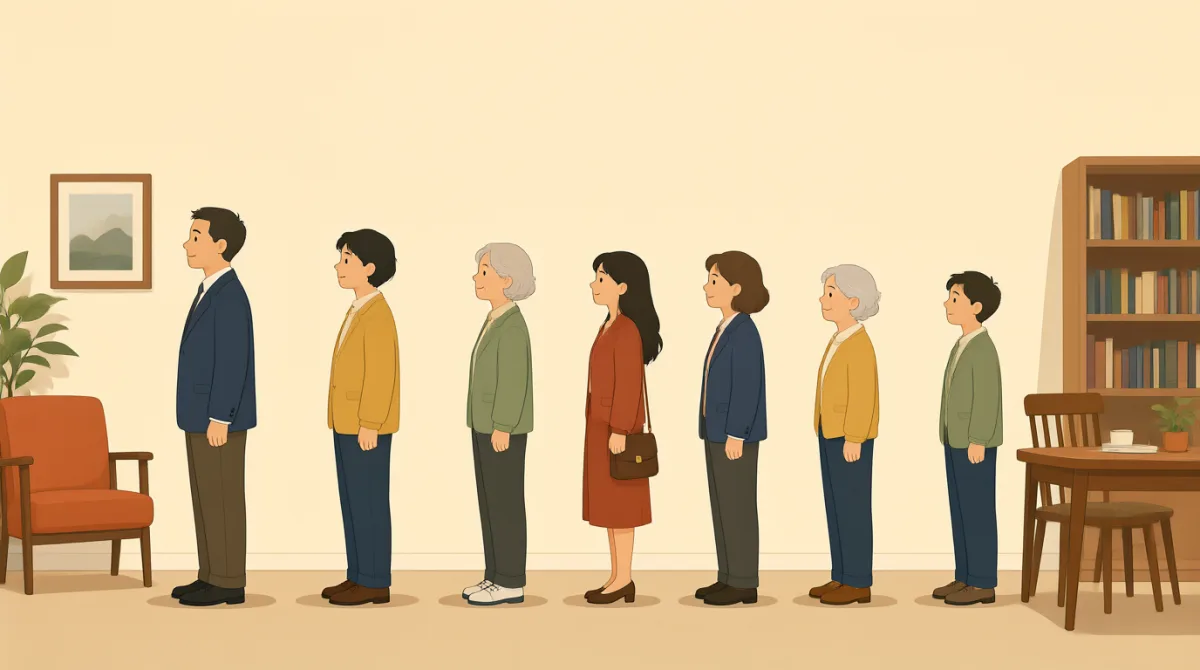

Excuse me, I'm so sorry to interrupt, but I have a really urgent appointment. Would it be alright if I just quickly went ahead?
عذرًا، أعتذر بشدة عن المقاطعة، لكن لدي موعدًا عاجلًا جدًا. هل تسمحون لي بالتقدم بسرعة؟

Oh, sure, if it's urgent. What's the situation?
أوه، بالتأكيد، إذا كان الأمر عاجلًا. ما الأمر؟
My childcare for my son unexpectedly fell through and I need to pick him up from daycare immediately. They close very soon.
تعذّر ترتيب رعاية ابني بشكل مفاجئ، ويجب أن أصطحبه من الحضانة فورًا. سيغلقون أبوابها قريبًا جدًا.

Daycare, huh? That sounds serious. We're not in a huge rush, are we, Jack?
الحضانة، فهمت. يبدو الأمر خطيرًا. لسنا في عجلة كبيرة، أليس كذلك يا جاك؟

No, not at all. Go right ahead. We can wait a little longer. Good luck with your son!
لا، إطلاقًا. تفضلي. يمكننا الانتظار قليلًا. بالتوفيق مع ابنك!
Oh, thank you so much! I really appreciate your understanding. You're a lifesaver!
أوه، شكرًا جزيلًا! أقدّر حقًا تفهّمكم. لقد أنقذتموني!
المفردات7
- interruptيقاطع
To interrupt means to stop someone or something from continuing, often politely in conversations or situations like lines. Use it when apologizing for breaking in, like 'Sorry to interrupt.'
يعني الفعل "interrupt" أن تمنع شخصًا أو شيئًا من الاستمرار، وغالبًا ما يُستخدم بأدب في المحادثات أو في مواقف مثل الطوابير. استخدمه عند الاعتذار عن مقاطعة الحديث، مثل: "Sorry to interrupt."
- urgentعاجل
Urgent describes something that needs immediate attention because it's important or time-sensitive. It's useful in requests, like 'I have an urgent matter' to explain why you need help quickly.
تصف كلمة "urgent" أمرًا يحتاج إلى اهتمام فوري لأنه مهم أو مرتبط بوقت محدد. وهي مفيدة عند تقديم طلب، مثل: "I have an urgent matter" لتوضيح سبب حاجتك إلى المساعدة بسرعة.
- appointmentموعد
An appointment is a planned meeting at a specific time, like with a doctor or for a service. In polite requests, say 'I have an appointment' to justify urgency without details.
"appointment" هو لقاء مُرتّب في وقت محدد، مثل موعد مع طبيب أو لتلقّي خدمة. عند تقديم طلب بأدب، يمكنك قول "I have an appointment" لتوضيح سبب استعجالك من دون ذكر التفاصيل.
- fell throughلم تتمّ الخطة
Fell through is an idiom meaning a plan or arrangement failed unexpectedly. Use it for situations like 'My plans fell through' to explain why something went wrong suddenly.
التعبير "fell through" يعني أن خطة أو ترتيبًا ما لم ينجح على نحو غير متوقع. استخدمه في مواقف مثل "My plans fell through" لتوضيح أن أمرًا ما تعثّر فجأة.
- daycareحضانة نهارية
Daycare refers to a place where parents leave young children during the day while working. It's common in English-speaking countries; mention it to explain family emergencies politely.
تشير كلمة "daycare" إلى مكان يترك فيه الوالدان أطفالهم الصغار خلال النهار أثناء العمل. وهي شائعة في البلدان الناطقة بالإنجليزية، ويمكن ذكرها لشرح حالة طارئة عائلية بأدب.
- rushاستعجال؛ عجلة
Rush means to hurry or be in a hurry. In questions like 'Are you in a rush?', it checks if someone is pressed for time, helping in polite conversations about waiting.
تعني كلمة "rush" الإسراع أو كون الشخص على عجلة. وفي سؤال مثل "Are you in a rush?"، تستفسر عمّا إذا كان الشخص مضغوطًا بالوقت، وهو ما يفيد في الحديث بأدب عن الانتظار.
- lifesaverمنقذ
Lifesaver is an idiom for someone who provides crucial help in a difficult situation. Use it to express strong thanks, like 'You're a lifesaver!' to show deep appreciation.
كلمة "lifesaver" تعبير اصطلاحي يصف شخصًا قدّم مساعدة حاسمة في موقف صعب. استخدمها للتعبير عن امتنان كبير، مثل: "You're a lifesaver!".
الجمل الأساسية6
- 1
Excuse me, I'm so sorry to interrupt, but I have a really urgent appointment. Would it be alright if I just quickly went ahead?
عذرًا، أعتذر بشدة عن المقاطعة، لكن لدي موعدًا عاجلًا جدًا. هل تسمحون لي بالتقدم بسرعة؟
This is a polite way to ask to cut in line by apologizing first and briefly explaining the urgency. It's useful for real-life situations like queues; note the conditional 'would it be alright' for soft requests, and 'went ahead' uses past tense for politeness.
هذه طريقة مهذبة لطلب التقدّم في الطابور، إذ تبدأ بالاعتذار ثم تشرح سبب الاستعجال باختصار. تفيد في مواقف الحياة اليومية مثل الانتظار في الطوابير. لاحظ استخدام "would it be alright" لتلطيف الطلب، واستخدام "went ahead" بصيغة الماضي للتأدب.
- 2
Oh, sure, if it's urgent. What's the situation?
أوه، بالتأكيد، إذا كان الأمر عاجلًا. ما الأمر؟
This shows agreement with a condition and asks for more details. Use it when someone requests a favor to understand better; 'what's the situation' is a neutral way to inquire without being nosy, common in casual English.
تُظهر هذه العبارة الموافقة بشرط، وتسأل عن مزيد من التفاصيل. استخدمها عندما يطلب منك شخص معروفًا وتريد أن تفهم الموقف؛ فعبارة "what's the situation" طريقة محايدة للاستفسار من دون تطفّل، وهي شائعة في الإنجليزية غير الرسمية.
- 3
My childcare for my son unexpectedly fell through and I need to pick him up from daycare immediately.
تعذّر ترتيب رعاية ابني بشكل مفاجئ، ويجب أن أصطحبه من الحضانة فورًا.
This explains a personal emergency clearly and concisely. It's practical for justifying urgency in family matters; 'fell through' is an idiom for failure, and 'immediately' emphasizes time pressure, helping build empathy.
تشرح هذه العبارة حالة طارئة شخصية بوضوح واختصار. وهي مفيدة لتوضيح سبب الاستعجال في الأمور العائلية؛ فالتعبير "fell through" يعني أن الترتيب لم ينجح، بينما تؤكد كلمة "immediately" ضرورة التصرف فورًا، ما يساعد الآخرين على تفهّم الموقف.
- 4
We're not in a huge rush, are we, Jack?
لسنا في عجلة كبيرة، أليس كذلك يا جاك؟
This is a tag question seeking agreement from others in a group. Use it in lines or group decisions to check if waiting is okay; the rising tone on 'are we' invites confirmation, making it collaborative and polite.
هذا سؤال ذيلي يطلب موافقة الآخرين في المجموعة. استخدمه في الطوابير أو عند اتخاذ قرار جماعي للتأكد من أن الانتظار لا يسبب مشكلة؛ فالنبرة الصاعدة عند "are we" تدعو إلى التأكيد وتجعل الحديث تعاونيًا ومهذبًا.
- 5
Go right ahead. We can wait a little longer.
تفضلي. يمكننا الانتظار قليلًا.
This grants permission directly and reassuringly. It's useful for agreeing to let someone go first; 'go right ahead' is an idiomatic expression meaning 'proceed,' and it shows willingness to accommodate without resentment.
تمنح هذه العبارة الإذن مباشرةً وبطريقة مطمئنة. وهي مفيدة للموافقة على السماح لشخص بالتقدّم؛ فالتعبير الاصطلاحي "go right ahead" يعني «تفضّل» أو «تابع»، ويُظهر الاستعداد للمساعدة من دون تذمّر.
- 6
Oh, thank you so much! I really appreciate your understanding. You're a lifesaver!
أوه، شكرًا جزيلًا! أقدّر حقًا تفهّمكم. لقد أنقذتموني!
This expresses strong gratitude after receiving help. Use it to thank people sincerely; 'I really appreciate' adds emphasis, and 'lifesaver' is a warm idiom, common in American English to build positive relationships.
تعبّر هذه العبارة عن امتنان كبير بعد تلقّي المساعدة. استخدمها لشكر الناس بصدق؛ فعبارة "I really appreciate" تضيف تأكيدًا، و"lifesaver" تعبير اصطلاحي ودود شائع في الإنجليزية الأمريكية، ويساعد على تعزيز العلاقات الإيجابية.