Asking for Help with the Route/Stop
ขอความช่วยเหลือเรื่องเส้นทางหรือป้ายหยุด
You're unsure if you're on the correct bus/train or if you're approaching your stop. You want to ask a fellow passenger for clarification or to let you know when their stop arrives.
คุณไม่แน่ใจว่าขึ้นรถเมล์หรือรถไฟถูกสายไหม หรือใกล้ถึงป้ายที่ต้องลงหรือยัง คุณอยากถามผู้โดยสารคนอื่นให้ช่วยยืนยัน หรือขอให้บอกเมื่อใกล้ถึงป้ายที่คุณจะลง
บทสนทนา8
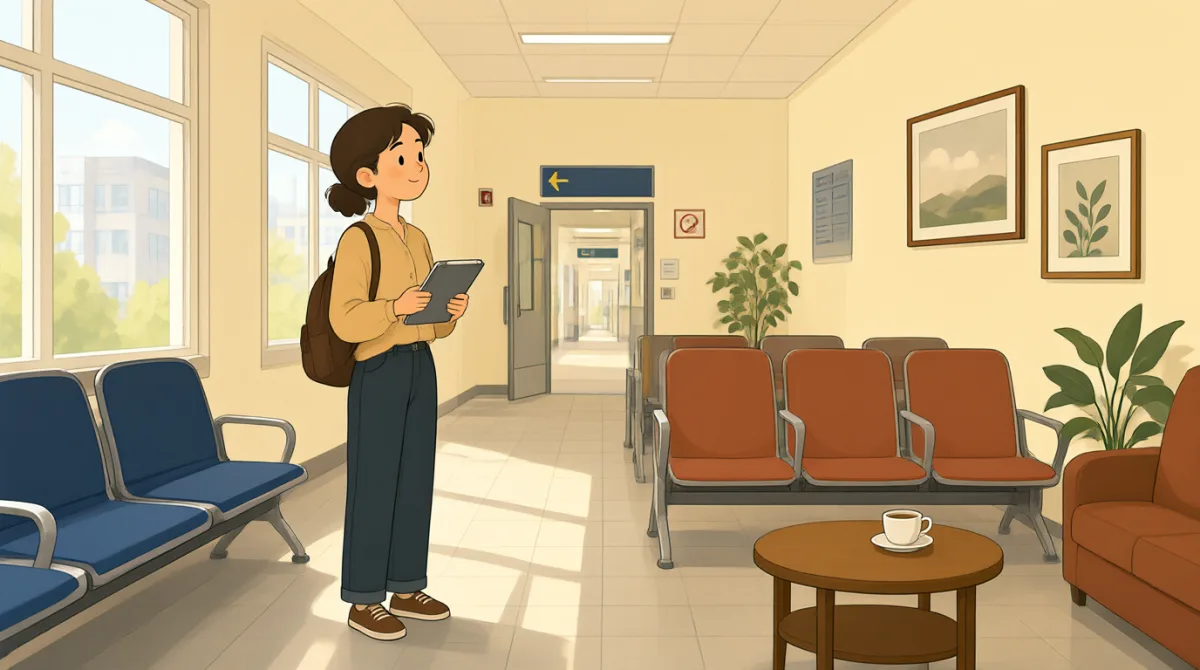

Excuse me, I hope you don't mind me asking, but is this the bus that goes to the City Center?
ขอโทษนะคะ ขอถามหน่อยได้ไหมคะ รถเมล์คันนี้ไปใจกลางเมืองหรือเปล่าคะ

Yes, it is. It makes a few stops before getting there, but it definitely goes to the City Center.
ใช่ครับ ไปครับ ก่อนถึงก็จอดอีกสองสามป้าย แต่ไปถึงใจกลางเมืองแน่นอนครับ
Oh, that's a relief! I'm trying to get to the main library, and I think the stop is called 'Central Square'. Do you know if that's coming up soon?
อ๋อ ค่อยโล่งใจหน่อยค่ะ ฉันกำลังจะไปห้องสมุดกลาง แล้วคิดว่าป้ายชื่อเซ็นทรัลสแควร์ ไม่ทราบว่าใกล้จะถึงหรือยังคะ
Central Square, let me see... Yes, that's two stops from here. We just passed the museum. So you've got about five more minutes.
เซ็นทรัลสแควร์เหรอครับ ขอคิดดูก่อน... ใช่ครับ อีกสองป้ายจากตรงนี้ เราเพิ่งผ่านพิพิธภัณฑ์มา อีกประมาณห้านาทีก็ถึงครับ
Perfect! Thank you so much for your help. I'm not familiar with this route at all.
ดีเลยค่ะ ขอบคุณมากนะคะที่ช่วย ฉันไม่คุ้นกับเส้นทางนี้เลยค่ะ
No problem! Always happy to help. Just keep an eye out after the next stop; Central Square is pretty easy to spot with the big fountain nearby.
ไม่เป็นไรครับ ยินดีช่วยเสมอ หลังจากป้ายถัดไปก็คอยมองหาไว้ได้เลยครับ เซ็นทรัลสแควร์สังเกตง่าย เพราะมีน้ำพุใหญ่ๆ อยู่ใกล้ๆ
I will, thanks again! Have a good day.
ได้ค่ะ ขอบคุณอีกครั้งนะคะ ขอให้เป็นวันที่ดีค่ะ
You too!
เช่นกันครับ
คำศัพท์7
- excuse meขอโทษนะคะ/ครับ
A polite way to get someone's attention before asking a question, especially with strangers. Use it to start a conversation without being rude.
คำสุภาพที่ใช้เรียกความสนใจของใครสักคนก่อนถาม โดยเฉพาะเวลาคุยกับคนแปลกหน้า ใช้ขึ้นต้นบทสนทนาเพื่อไม่ให้ฟังดูเสียมารยาท
- reliefความโล่งใจ
A feeling of happiness or comfort when something worrying ends. Here, it means Emma is glad to hear the bus is correct.
ความรู้สึกสบายใจหรือดีใจเมื่อเรื่องที่กังวลคลี่คลาย ในที่นี้หมายถึงเอ็มมาดีใจที่รู้ว่าขึ้นรถเมล์ถูกสาย
- routeเส้นทาง
The path or way that a bus or train follows. In travel, it helps you know if you're going the right direction.
ทางที่รถเมล์หรือรถไฟวิ่งผ่าน ในการเดินทาง สิ่งนี้ช่วยให้รู้ว่ากำลังไปถูกทางหรือไม่
- stopป้ายหยุด
A place where a bus or train pauses to let people get on or off. It's key for planning trips on public transport.
สถานที่ที่รถเมล์หรือรถไฟจอดให้ผู้โดยสารขึ้นหรือลง การรู้ว่าป้ายอยู่ตรงไหนเป็นสิ่งสำคัญในการวางแผนเดินทางด้วยขนส่งสาธารณะ
- familiarคุ้นเคย
Knowing something well from experience. 'Not familiar' means you're new to it, like a new city route.
รู้จักหรือรู้วิธีเกี่ยวกับสิ่งใดสิ่งหนึ่งจากประสบการณ์ 'Not familiar' หมายถึงยังไม่คุ้นหรือไม่รู้จักดี เช่น เส้นทางในเมืองใหม่
- keep an eye outคอยสังเกตหา
An idiom meaning to watch carefully for something. Use it when you need to notice a landmark or stop.
สำนวนที่หมายถึงคอยมองหาอะไรบางอย่างอย่างตั้งใจ ใช้เมื่อจำเป็นต้องสังเกตสถานที่สำคัญหรือป้ายหยุด
- spotสังเกตเห็น
To see or notice something quickly. In this context, it means recognizing a place easily.
มองเห็นหรือสังเกตอะไรบางอย่างได้อย่างรวดเร็ว ในบริบทนี้หมายถึงจำแนกสถานที่ได้ง่าย
ประโยคสำคัญ7
- 1
Excuse me, I hope you don't mind me asking, but is this the bus that goes to the City Center?
ขอโทษนะคะ ขอถามหน่อยได้ไหมคะ รถเมล์คันนี้ไปใจกลางเมืองหรือเปล่าคะ
This is a polite way to ask for directions on public transport. It uses 'excuse me' for attention, 'I hope you don't mind' to be courteous, and a question about the route. Useful for starting conversations with strangers when unsure.
ประโยคนี้ใช้ถามทางบนขนส่งสาธารณะอย่างสุภาพ โดยใช้ 'excuse me' เพื่อเรียกความสนใจ ใช้ 'I hope you don't mind' เพื่อแสดงความเกรงใจ แล้วถามเกี่ยวกับเส้นทาง เหมาะสำหรับเริ่มคุยกับคนแปลกหน้าเมื่อไม่แน่ใจ
- 2
Yes, it is. It makes a few stops before getting there, but it definitely goes to the City Center.
ใช่ครับ ไปครับ ก่อนถึงก็จอดอีกสองสามป้าย แต่ไปถึงใจกลางเมืองแน่นอนครับ
A helpful response confirming information. 'Makes a few stops' explains the journey, and 'definitely' adds certainty. Use this to reassure someone and give details about travel time.
เป็นคำตอบที่ช่วยยืนยันข้อมูล 'Makes a few stops' บอกว่าระหว่างทางจอดอีกหลายป้าย ส่วน 'definitely' เน้นความแน่ใจ ใช้ตอบให้คนอื่นสบายใจพร้อมให้รายละเอียดเกี่ยวกับการเดินทาง
- 3
Do you know if that's coming up soon?
ไม่ทราบว่าใกล้จะถึงหรือยังคะ
Asks if a stop is approaching. 'Coming up' is an idiom for 'happening soon.' This is practical for checking timing on buses or trains without being too direct.
ใช้ถามว่ากำลังใกล้ถึงป้ายหรือยัง 'Coming up' เป็นสำนวนที่หมายถึง 'กำลังจะเกิดขึ้นหรือมาถึงในไม่ช้า' เหมาะสำหรับถามเวลาเดินทางบนรถเมล์หรือรถไฟโดยไม่ถามตรงเกินไป
- 4
That's two stops from here. We just passed the museum.
อีกสองป้ายจากตรงนี้ครับ เราเพิ่งผ่านพิพิธภัณฑ์มา
Gives location info using landmarks. 'Passed' means gone by already. Useful for helping others by referencing nearby places to estimate arrival.
บอกตำแหน่งโดยอ้างอิงสถานที่ใกล้เคียง 'Passed' หมายถึงผ่านไปแล้ว ใช้ช่วยบอกตำแหน่งให้คนอื่นและกะเวลาที่จะถึงได้
- 5
Thank you so much for your help. I'm not familiar with this route at all.
ขอบคุณมากนะคะที่ช่วย ฉันไม่คุ้นกับเส้นทางนี้เลยค่ะ
Expresses gratitude and explains your situation. 'Not familiar with' admits lack of knowledge politely. Say this after receiving help to show appreciation in daily interactions.
เป็นการขอบคุณพร้อมบอกสถานการณ์ของตัวเอง 'Not familiar with' ใช้บอกอย่างสุภาพว่าไม่คุ้นหรือไม่รู้จักดี พูดได้หลังจากได้รับความช่วยเหลือเพื่อแสดงความขอบคุณในชีวิตประจำวัน
- 6
Just keep an eye out after the next stop; Central Square is pretty easy to spot with the big fountain nearby.
หลังจากป้ายถัดไปก็คอยมองหาไว้ได้เลยครับ เซ็นทรัลสแควร์สังเกตง่าย เพราะมีน้ำพุใหญ่ๆ อยู่ใกล้ๆ
Gives advice on watching for a stop using an idiom. The semicolon connects related ideas. Useful for providing tips that make navigation easier for beginners.
เป็นการแนะนำให้คอยสังเกตป้ายโดยใช้สำนวน เครื่องหมายอัฒภาคเชื่อมความคิดที่เกี่ยวข้องกัน เหมาะสำหรับให้คำแนะนำที่ช่วยให้มือใหม่หาทางได้ง่ายขึ้น
- 7
Have a good day. You too!
ขอให้เป็นวันที่ดีนะครับ เช่นกันครับ
A common polite ending to conversations. It's simple and friendly. Use it to close small talk positively, especially with new acquaintances.
เป็นคำกล่าวปิดท้ายบทสนทนาอย่างสุภาพที่ใช้กันทั่วไป เรียบง่ายและเป็นมิตร ใช้จบบทสนทนาสั้นๆ ในทางที่ดี โดยเฉพาะเมื่อคุยกับคนที่เพิ่งรู้จัก