Inquiring About Dosage and Instructions
สอบถามวิธีใช้ยาและคำแนะนำ
After receiving medicine, the customer asks the pharmacist for clear instructions on how and when to take it, or if there are any food/drug interactions.
หลังรับยาแล้ว ลูกค้าสอบถามเภสัชกรให้ช่วยอธิบายวิธีและเวลาที่ควรรับประทานยาอย่างชัดเจน รวมถึงปฏิกิริยาระหว่างยากับอาหารหรือยาอื่น ๆ
บทสนทนา10
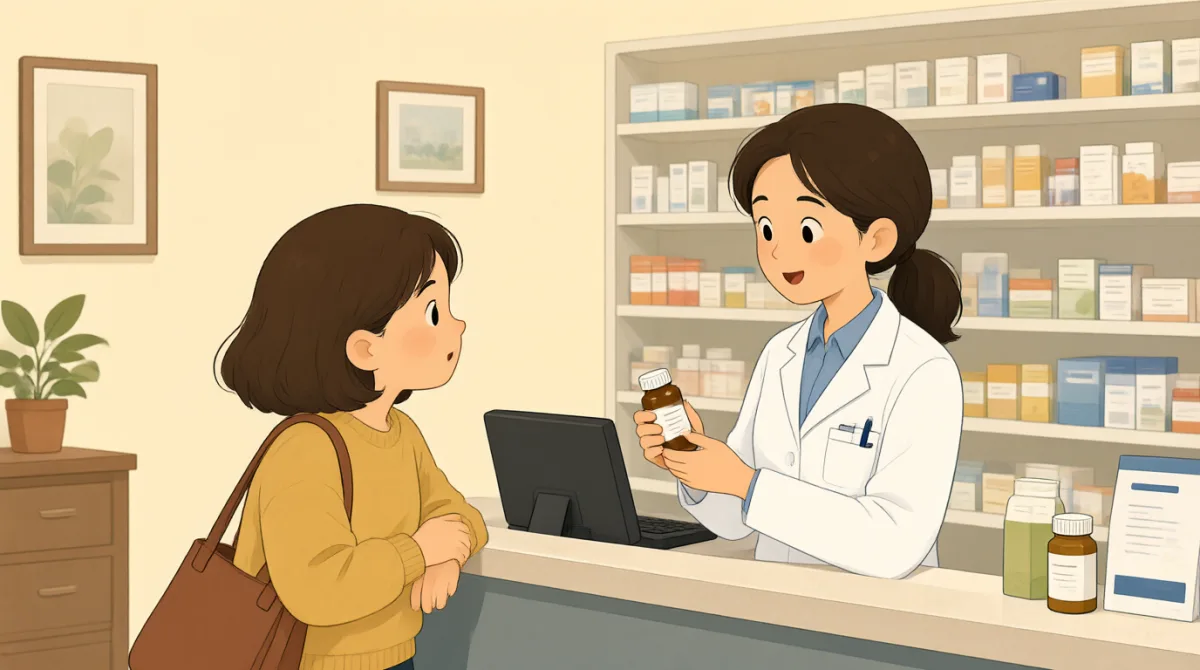

Hi, I just picked up this prescription. Can you go over the dosage instructions with me?
สวัสดีค่ะ ฉันเพิ่งมารับยาตามใบสั่งแพทย์ ช่วยอธิบายวิธีใช้ยาให้ฟังหน่อยได้ไหมคะ

Certainly. This is for your allergies, right? You should take one tablet, once a day, preferably in the evening.
ได้เลยครับ ยานี้สำหรับรักษาอาการแพ้ใช่ไหมครับ ควรรับประทานครั้งละหนึ่งเม็ด วันละครั้ง ถ้าเป็นไปได้ให้รับประทานตอนเย็นครับ
Okay, one tablet in the evening. Should I take it with food or on an empty stomach?
เข้าใจแล้วค่ะ หนึ่งเม็ดตอนเย็น ควรรับประทานพร้อมอาหารหรือตอนท้องว่างคะ
It can be taken with or without food, but taking it with a meal might help if it upsets your stomach.
รับประทานพร้อมอาหารหรือไม่ก็ได้ครับ แต่ถ้ารับประทานพร้อมมื้ออาหาร อาจช่วยได้ถ้ายาทำให้ระคายท้องครับ
Got it. Are there any specific food or drug interactions I should be aware of?
เข้าใจแล้วค่ะ มียาหรืออาหารอะไรที่ทำปฏิกิริยากับยานี้เป็นพิเศษที่ฉันควรระวังไหมคะ
This medication can cause drowsiness, so I would advise against consuming alcohol while taking it. Also, avoid driving or operating heavy machinery until you know how it affects you.
ยานี้อาจทำให้ง่วงซึมได้ครับ ผมจึงแนะนำให้งดดื่มแอลกอฮอล์ระหว่างที่รับประทานยา และหลีกเลี่ยงการขับรถหรือใช้เครื่องจักรหนักจนกว่าคุณจะรู้ว่ายามีผลกับคุณอย่างไรครับ
That's good to know. And how long should I take it for?
ดีเลยค่ะที่บอก แล้วฉันควรรับประทานยานานแค่ไหนคะ
Continue taking it daily as needed for your allergy symptoms, or as directed by your doctor. If symptoms persist or worsen, please consult your doctor again.
รับประทานต่อวันละครั้งตามความจำเป็นเพื่อบรรเทาอาการแพ้ หรือปฏิบัติตามคำแนะนำของแพทย์ครับ หากอาการยังไม่หายหรือแย่ลง กรุณาปรึกษาแพทย์อีกครั้งนะครับ
Alright, thank you so much for the clear explanation.
เข้าใจแล้วค่ะ ขอบคุณมากนะคะที่อธิบายได้ชัดเจน
You're welcome! Feel free to call us if you have any more questions.
ยินดีครับ หากมีคำถามเพิ่มเติม โทรหาเราได้เลยนะครับ
คำศัพท์8
- prescriptionใบสั่งยา
A doctor's written order for medicine that you take to a pharmacy to get the drug. It's important when buying medicine from a doctor.
เอกสารที่แพทย์เขียนสั่งให้ใช้ยา แล้วนำไปที่ร้านขายยาเพื่อรับยา ใบสั่งยาจำเป็นเมื่อต้องรับยาตามที่แพทย์สั่ง
- dosageขนาดยา
The amount of medicine you should take and how often. For example, 'one tablet per day' is the dosage.
ปริมาณยาที่ควรรับประทานและความถี่ในการรับประทาน เช่น 'one tablet per day' (วันละหนึ่งเม็ด) คือขนาดยา
- tabletยาเม็ด
A small, solid pill you swallow for medicine. It's a common form of medication, like aspirin tablets.
ยาชนิดเม็ดเล็ก ๆ ที่กลืนลงไป เป็นรูปแบบยาที่พบได้ทั่วไป เช่น ยาแอสไพรินชนิดเม็ด
- preferablyถ้าเป็นไปได้
Means 'if possible' or 'it's better to.' Use it to suggest the best way, like 'take it preferably in the evening.'
หมายถึง 'ถ้าทำได้' หรือ 'จะดีกว่าถ้า' ใช้เพื่อแนะนำวิธีที่เหมาะที่สุด เช่น 'take it preferably in the evening' (ควรรับประทานตอนเย็นถ้าเป็นไปได้)
- drowsinessอาการง่วงซึม
A feeling of sleepiness or tiredness. Some medicines cause this, so be careful with activities like driving.
ความรู้สึกง่วงหรือล้า ยาบางชนิดอาจทำให้เกิดอาการนี้ จึงควรระมัดระวังเมื่อต้องทำกิจกรรมอย่างการขับรถ
- interactionsปฏิกิริยาระหว่างยา
When one drug or food affects how another works. For example, alcohol might interact badly with medicine.
กรณีที่ยาหรืออาหารชนิดหนึ่งส่งผลต่อการออกฤทธิ์ของยาอีกชนิดหนึ่ง เช่น แอลกอฮอล์อาจทำปฏิกิริยากับยาและก่อผลเสียได้
- persistยังคงอยู่
To continue without stopping. If symptoms persist, it means they don't go away and you need more help.
ดำเนินต่อไปโดยไม่หยุด ถ้าอาการยังคงอยู่ หมายความว่าอาการไม่หายไปและคุณอาจต้องขอความช่วยเหลือเพิ่มเติม
- consultปรึกษา
To ask for advice from a professional, like a doctor. Use it when you need expert help, such as 'consult your doctor.'
ขอคำแนะนำจากผู้เชี่ยวชาญ เช่น แพทย์ ใช้เมื่อคุณต้องการความช่วยเหลือจากผู้เชี่ยวชาญ เช่น 'consult your doctor' (ปรึกษาแพทย์ของคุณ)
ประโยคสำคัญ8
- 1
Can you go over the dosage instructions with me?
ช่วยอธิบายวิธีใช้ยาให้ฟังหน่อยได้ไหมคะ
This is a polite request for explanation. 'Go over' means to review or explain in detail. Use it in pharmacies or when needing clarification on instructions. It's useful for intermediate learners to ask for help clearly.
ประโยคนี้เป็นการขอคำอธิบายอย่างสุภาพ 'Go over' หมายถึงทบทวนหรืออธิบายอย่างละเอียด ใช้ได้ที่ร้านขายยาหรือเมื่อต้องการให้ช่วยอธิบายคำแนะนำให้ชัดเจน เป็นประโยคที่ผู้เรียนระดับกลางใช้ขอความช่วยเหลือได้อย่างตรงไปตรงมา
- 2
You should take one tablet, once a day, preferably in the evening.
ควรรับประทานครั้งละหนึ่งเม็ด วันละครั้ง ถ้าเป็นไปได้ให้รับประทานตอนเย็นค่ะ
This gives advice using 'should' for recommendations. 'Preferably' suggests the best option. It's a common pattern for dosage instructions; practice it to sound natural when giving or receiving medical advice.
ประโยคนี้ใช้ 'should' เพื่อให้คำแนะนำ ส่วน 'preferably' ใช้บอกว่าตัวเลือกใดเหมาะที่สุด เป็นรูปแบบที่พบบ่อยในการอธิบายวิธีใช้ยา ฝึกใช้เพื่อให้ฟังเป็นธรรมชาติเมื่อต้องให้หรือรับคำแนะนำทางการแพทย์
- 3
Should I take it with food or on an empty stomach?
ควรรับประทานพร้อมอาหารหรือตอนท้องว่างคะ
A yes/no question using 'should' to ask for advice. 'With food' means during a meal, 'on an empty stomach' means without eating. This is practical for checking how to take medicine safely.
เป็นคำถามที่ใช้ 'should' เพื่อขอคำแนะนำ 'With food' หมายถึงรับประทานพร้อมมื้ออาหาร ส่วน 'on an empty stomach' หมายถึงรับประทานตอนท้องว่าง ประโยคนี้มีประโยชน์สำหรับสอบถามวิธีใช้ยาอย่างปลอดภัย
- 4
It can be taken with or without food, but taking it with a meal might help if it upsets your stomach.
รับประทานพร้อมอาหารหรือไม่ก็ได้ค่ะ แต่ถ้ายาทำให้ระคายท้อง การรับประทานพร้อมมื้ออาหารอาจช่วยได้
This uses 'can be' for possibilities and 'might' for suggestions. It explains options and conditions. Useful for pharmacists or anyone explaining medicine effects; highlights conditional advice.
ประโยคนี้ใช้ 'can be' เพื่อบอกความเป็นไปได้ และใช้ 'might' เพื่อเสนอแนะ อธิบายทางเลือกและเงื่อนไขต่าง ๆ มีประโยชน์สำหรับเภสัชกรหรือผู้ที่ต้องอธิบายผลของยา และเป็นตัวอย่างของการให้คำแนะนำแบบมีเงื่อนไข
- 5
Are there any specific food or drug interactions I should be aware of?
มียาหรืออาหารอะไรที่ทำปฏิกิริยากับยานี้เป็นพิเศษที่ฉันควรระวังไหมคะ
This is a question using 'be aware of' to mean 'know about.' It's important for safety in healthcare. The structure asks about warnings; learners can use it to inquire about risks.
คำถามนี้ใช้ 'be aware of' ในความหมายว่า 'รู้หรือทราบเกี่ยวกับ' การถามเรื่องนี้สำคัญต่อความปลอดภัยในการดูแลสุขภาพ โครงสร้างนี้ใช้สอบถามเกี่ยวกับข้อควรระวัง และผู้เรียนสามารถนำไปถามเกี่ยวกับความเสี่ยงได้
- 6
This medication can cause drowsiness, so I would advise against consuming alcohol while taking it.
ยานี้อาจทำให้ง่วงซึมได้ ฉันจึงแนะนำให้งดดื่มแอลกอฮอล์ระหว่างที่รับประทานยาค่ะ
Uses 'can cause' for possible side effects and 'advise against' to recommend not doing something. 'While taking it' shows duration. This pattern warns about dangers; essential for medical conversations.
ใช้ 'can cause' เพื่อบอกถึงผลข้างเคียงที่อาจเกิดขึ้น และใช้ 'advise against' เพื่อแนะนำว่าไม่ควรทำสิ่งใด ส่วน 'while taking it' บอกช่วงเวลาที่กำลังรับประทานยา รูปแบบนี้ใช้เตือนถึงอันตรายและสำคัญต่อการสนทนาเรื่องสุขภาพ
- 7
Continue taking it daily as needed for your allergy symptoms, or as directed by your doctor.
รับประทานยาต่อวันละครั้งตามความจำเป็นเพื่อบรรเทาอาการแพ้ หรือปฏิบัติตามคำแนะนำของแพทย์ค่ะ
'As needed' means when symptoms appear, 'as directed' means follow instructions. This imperative sentence gives ongoing advice. Useful for understanding flexible medication routines.
'As needed' หมายถึงเมื่อมีอาการ ส่วน 'as directed' หมายถึงให้ปฏิบัติตามคำแนะนำ ประโยคคำสั่งนี้ให้คำแนะนำสำหรับการใช้ยาต่อเนื่อง มีประโยชน์ต่อการทำความเข้าใจวิธีใช้ยาที่ยืดหยุ่นตามอาการ
- 8
Thank you so much for the clear explanation.
ขอบคุณมากนะคะที่อธิบายได้ชัดเจน
'So much' emphasizes gratitude. This polite closing is common after receiving help. It reinforces positive interactions; practice to end conversations politely in service situations.
'So much' ใช้เน้นความรู้สึกขอบคุณ ประโยคปิดท้ายสุภาพนี้มักใช้หลังได้รับความช่วยเหลือ ช่วยสร้างปฏิสัมพันธ์ที่ดี ฝึกใช้เพื่อจบบทสนทนาในสถานการณ์ที่ได้รับบริการอย่างสุภาพ