Блок 39
Слова 761–780 · below, movie, doctor, discussion, sorry, challenge
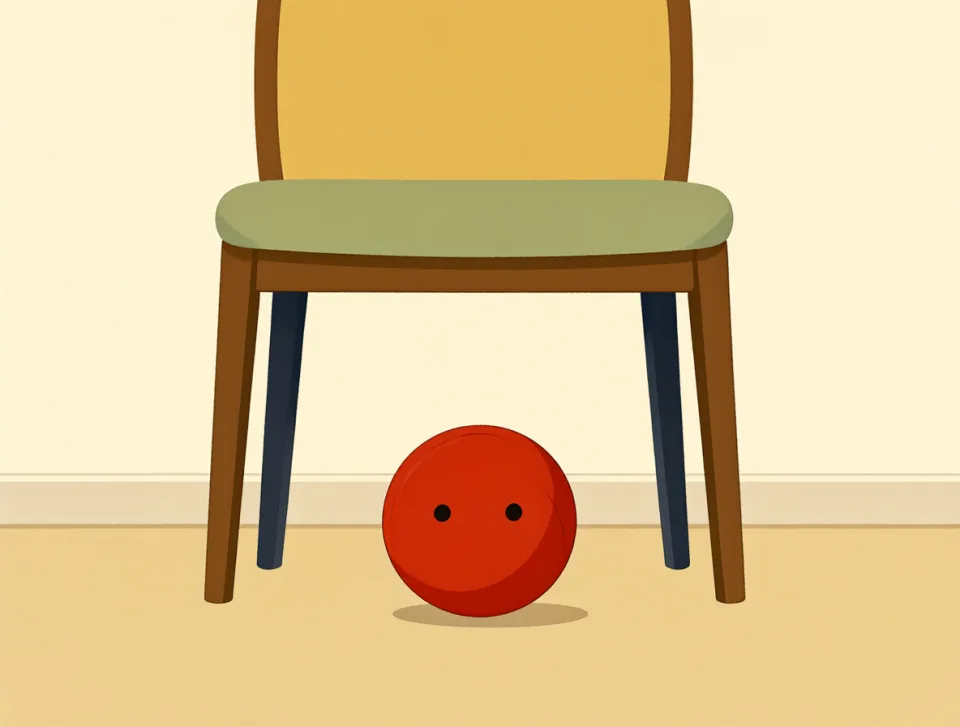
below
#761adverb, preposition, adjective
ниже
in, at, or to a lower place or level
в более низком месте или на более низком уровне
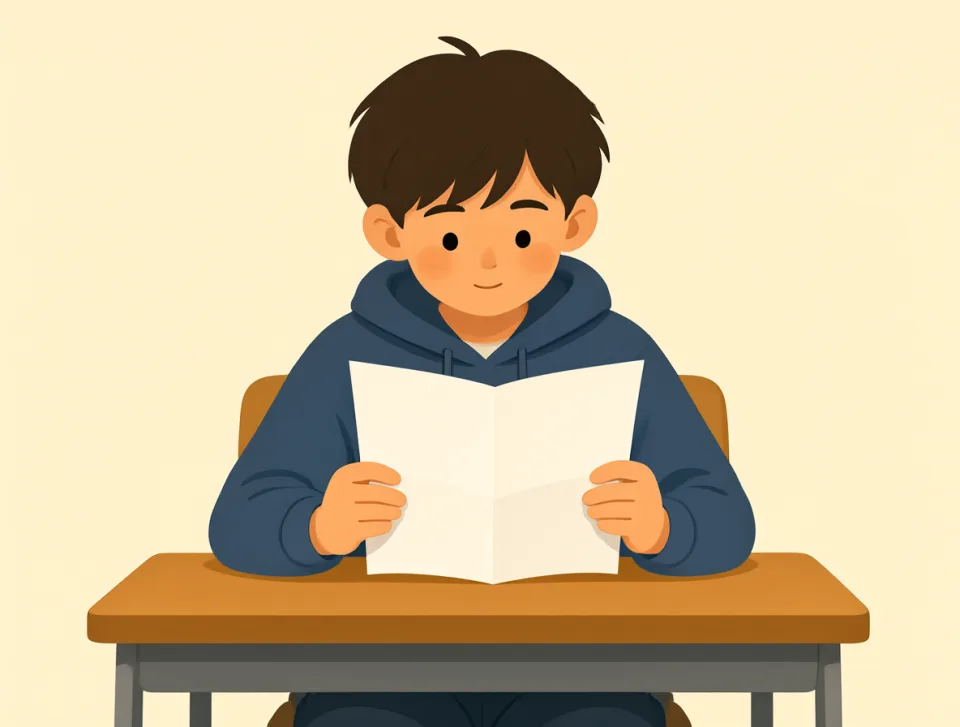
Please read the information below.
Пожалуйста, прочитайте информацию ниже.
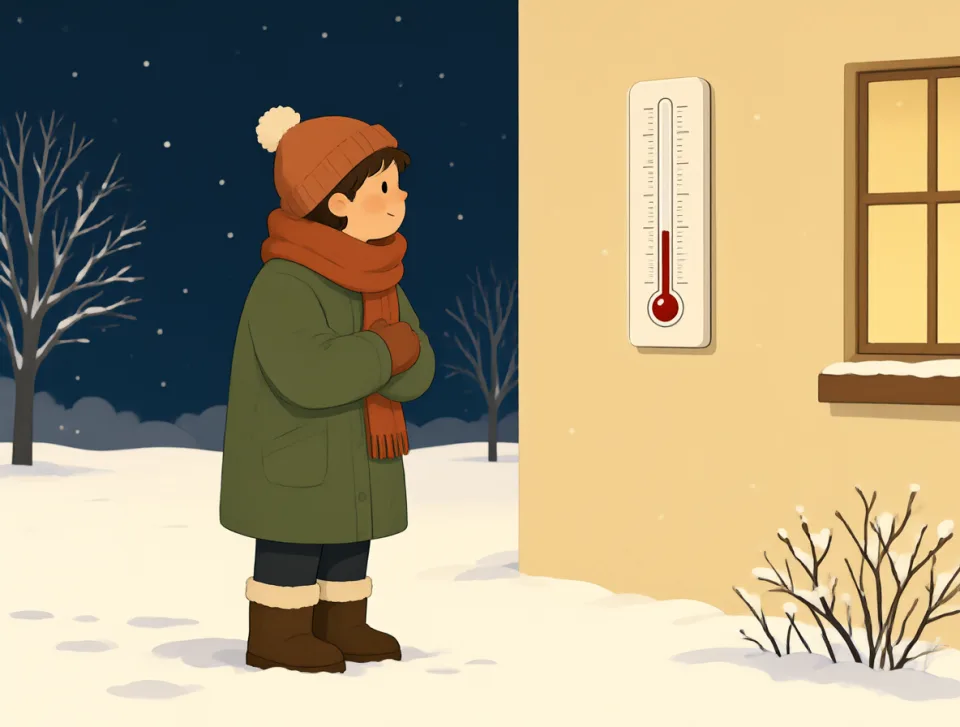
The temperature fell below zero last night.
Прошлой ночью температура опустилась ниже нуля.
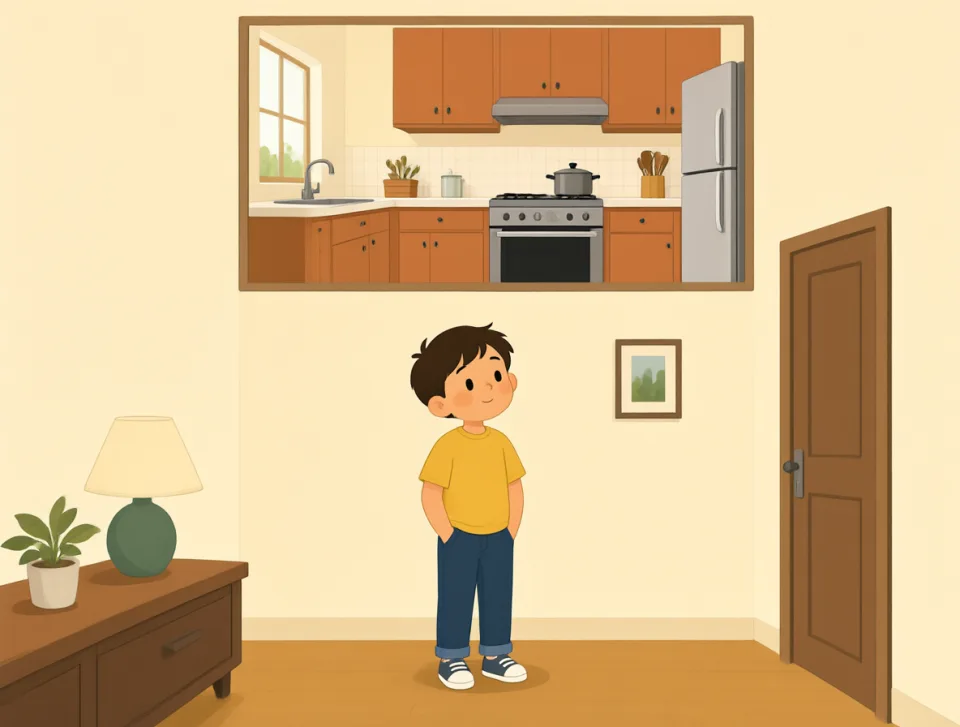
Our room is below the kitchen.
Наша комната находится под кухней.
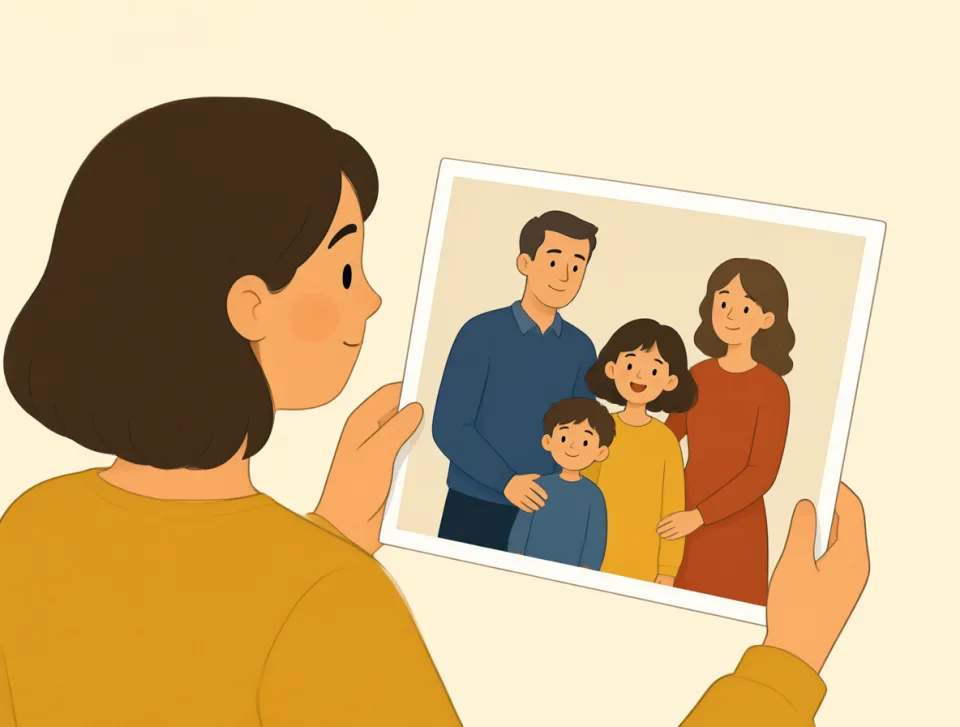
The photo below shows my family.
На фотографии ниже изображена моя семья.

The plane flew below the clouds.
Самолёт летел ниже облаков.

movie
#762noun
фильм
A film that tells a story or shows events for people to watch.
Фильм, который рассказывает историю или показывает события для зрителей.

We watched a funny movie at home.
Мы посмотрели дома смешной фильм.

That movie made me laugh a lot.
Этот фильм меня очень рассмешил.

The new movie starts at seven.
Новый фильм начинается в семь.
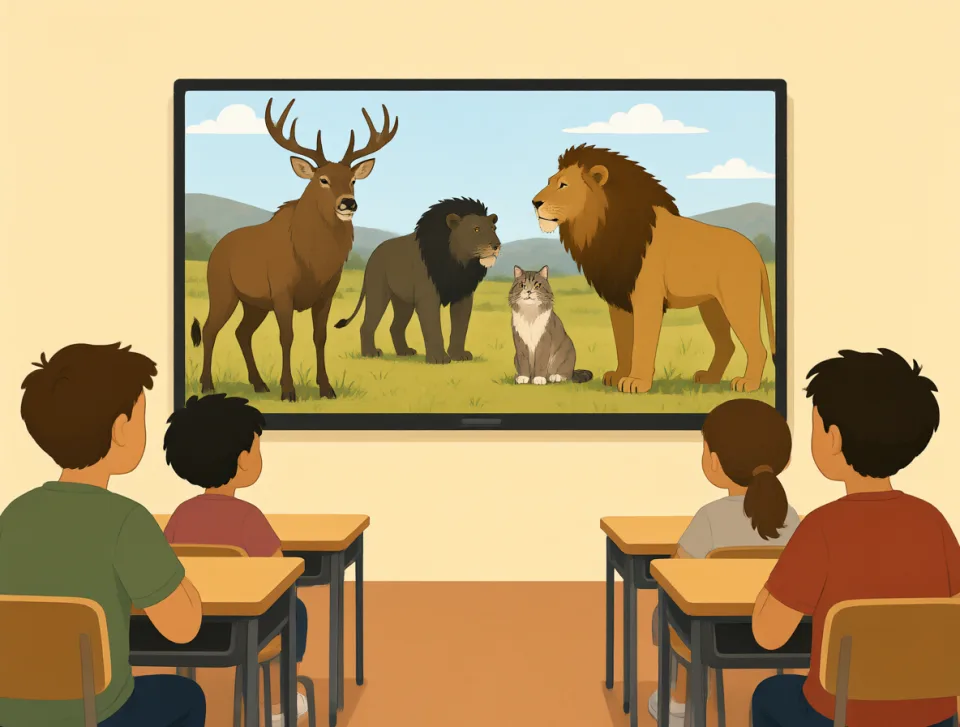
Our class watched a movie about animals.
Наш класс посмотрел фильм о животных.

She bought movie tickets for Saturday.
Она купила билеты в кино на субботу.

doctor
#763noun
врач
A person trained to treat people who are ill or injured.
Человек, который обучен лечить больных и пострадавших.
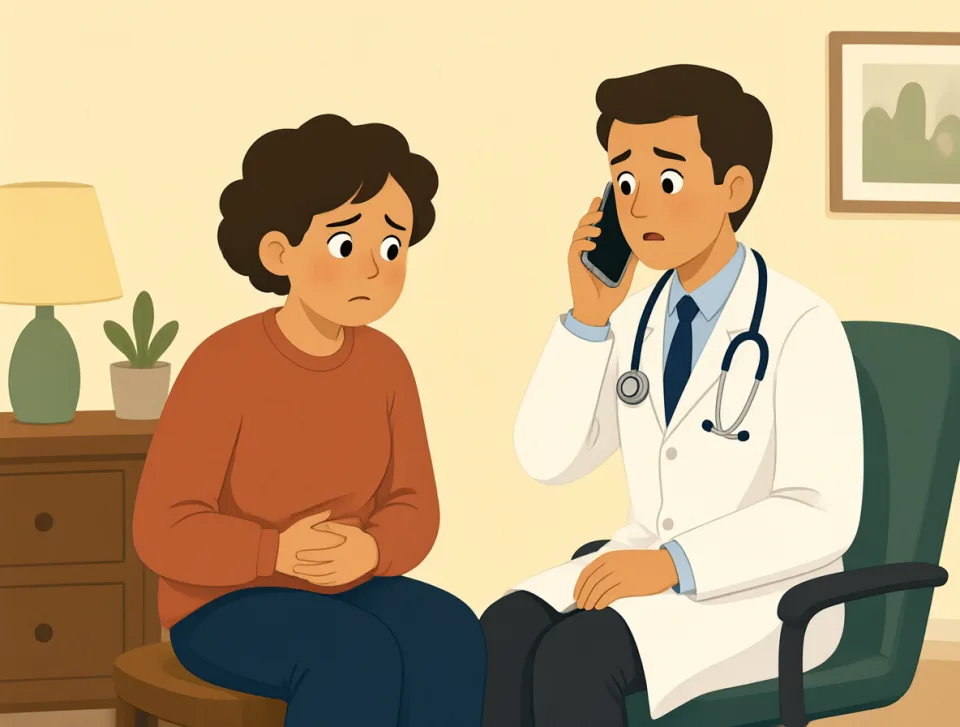
I need to see a doctor today.
Мне сегодня нужно сходить к врачу.

The doctor checked my heart and lungs.
Врач проверил моё сердце и лёгкие.

My doctor gave me some good advice.
Мой врач дал мне несколько полезных советов.
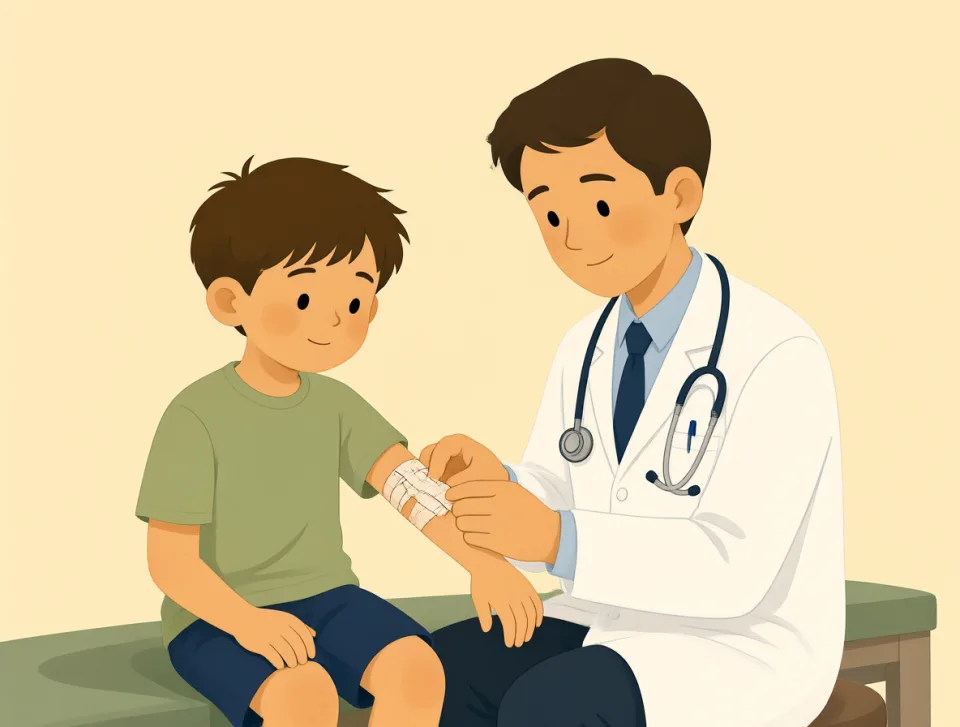
The doctor treated his broken arm.
Врач вылечил ему сломанную руку.
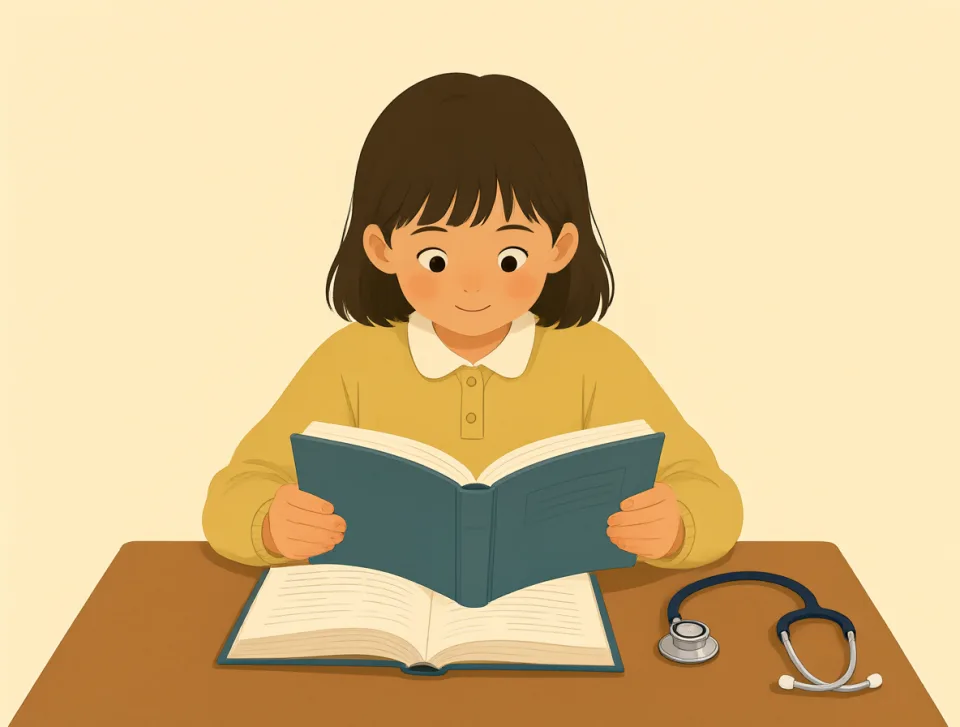
She wants to become a doctor someday.
Она хочет когда-нибудь стать врачом.

discussion
#764noun
обсуждение
A talk where people share ideas, opinions, or information about something.
Разговор, в котором люди делятся идеями, мнениями или информацией о чём-либо.

We had a discussion about our holiday plans.
Мы обсудили планы на отпуск.
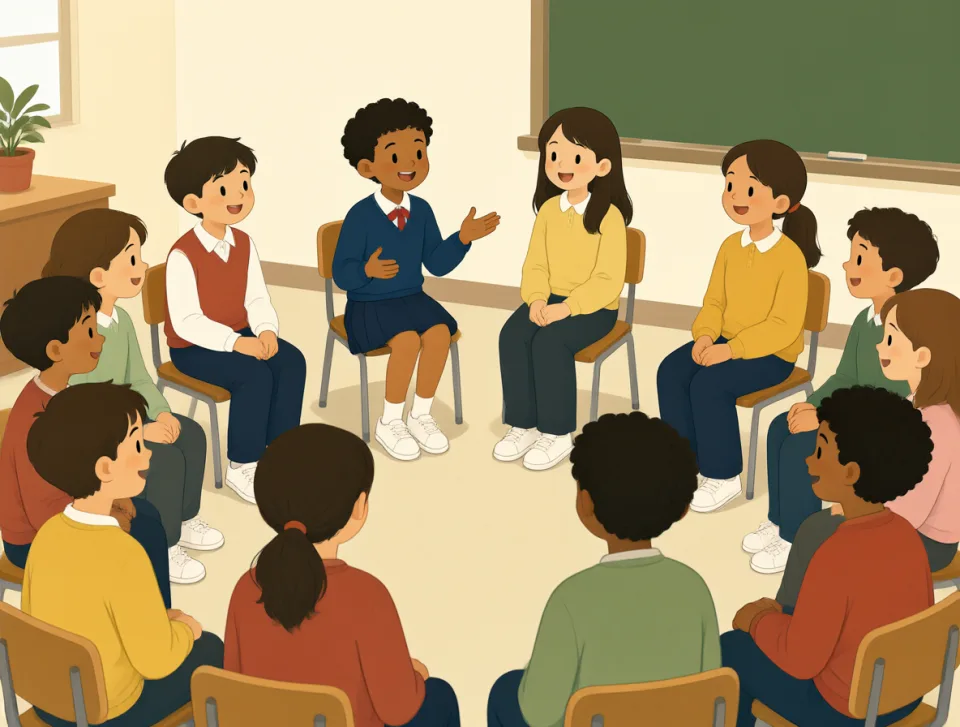
The class discussion started after the short story.
Обсуждение в классе началось после небольшого рассказа.

They had a serious discussion about money.
Они серьёзно поговорили о деньгах.

The team discussed the problem at work.
На работе команда обсудила проблему.

After dinner, we enjoyed a friendly discussion.
После ужина мы приятно побеседовали.
sorry
#765adjective, interjection, noun
извините; жаль
Used to say you feel bad about something or to apologize.
Используется, чтобы выразить сожаление о чём-либо или извиниться.
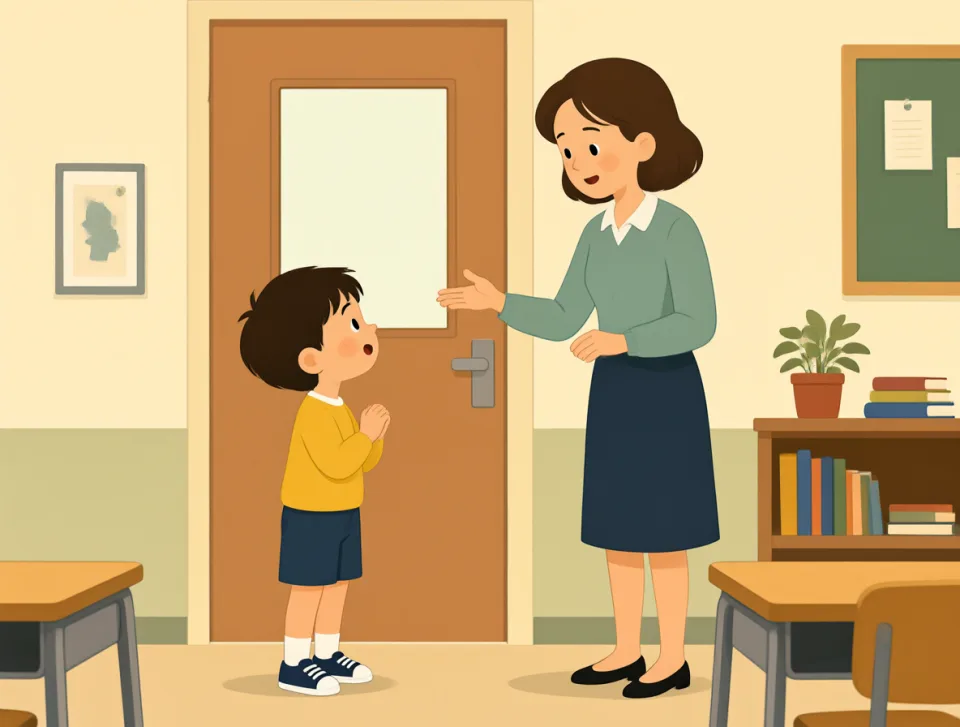
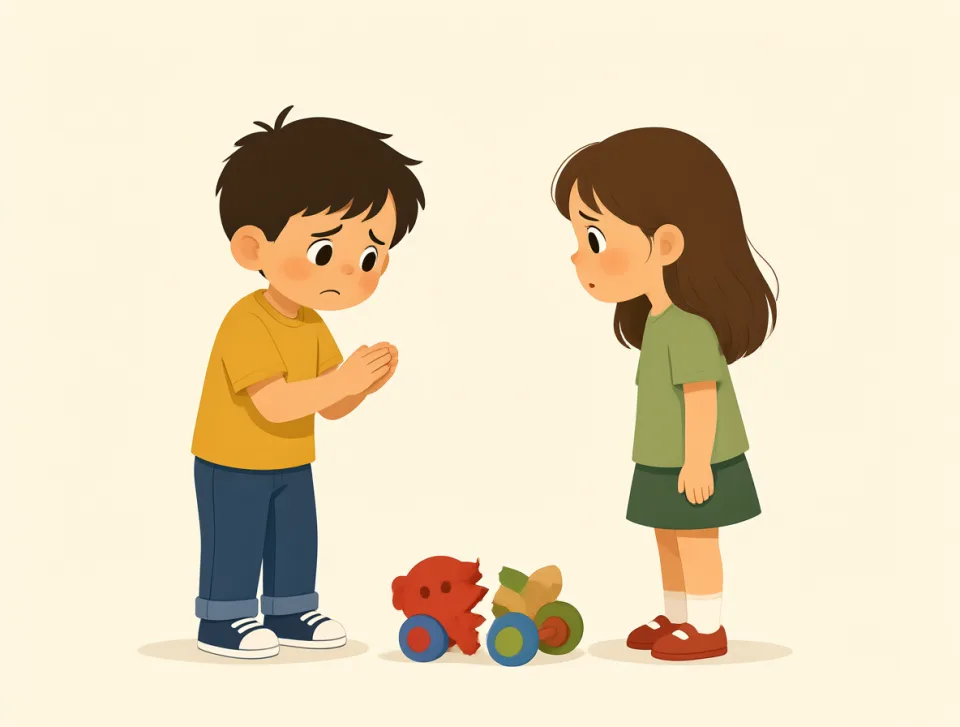
I'm sorry I'm late for school.
Прости, что я опоздал(а) в школу.

Sorry, could you say that again?
Извините, не могли бы вы повторить?
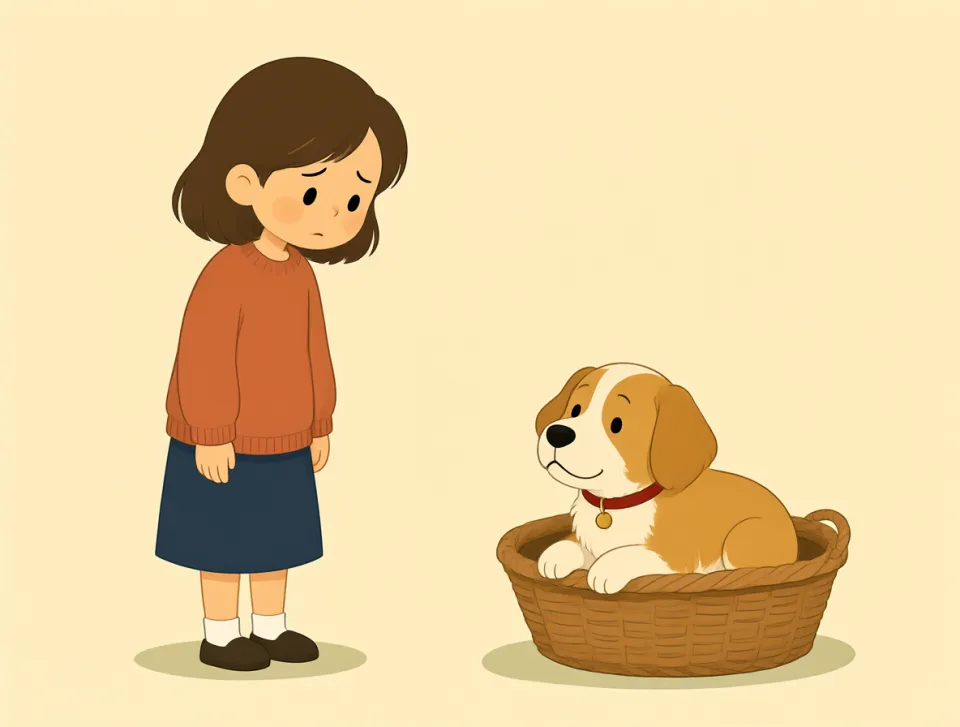
She felt sorry for the sick dog.
Ей было жаль больную собаку.

He said sorry after breaking the cup.
Он извинился, разбив чашку.
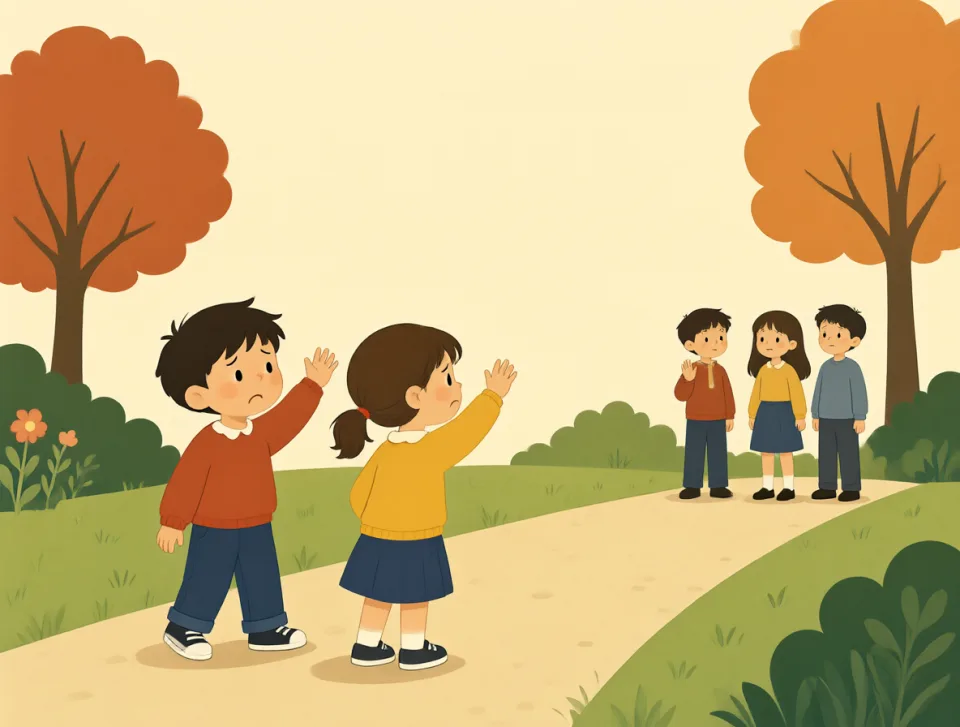
We were sorry to leave our friends.
Нам было жаль расставаться с друзьями.

challenge
#766noun, verb
испытание; вызов
A difficult task or situation that tests your ability; to question or invite someone to compete.
Трудная задача или ситуация, проверяющая ваши способности; также — оспаривать чьё-либо мнение или предлагать кому-либо посоревноваться.

Learning English is a fun challenge.
Изучение английского — увлекательное испытание.
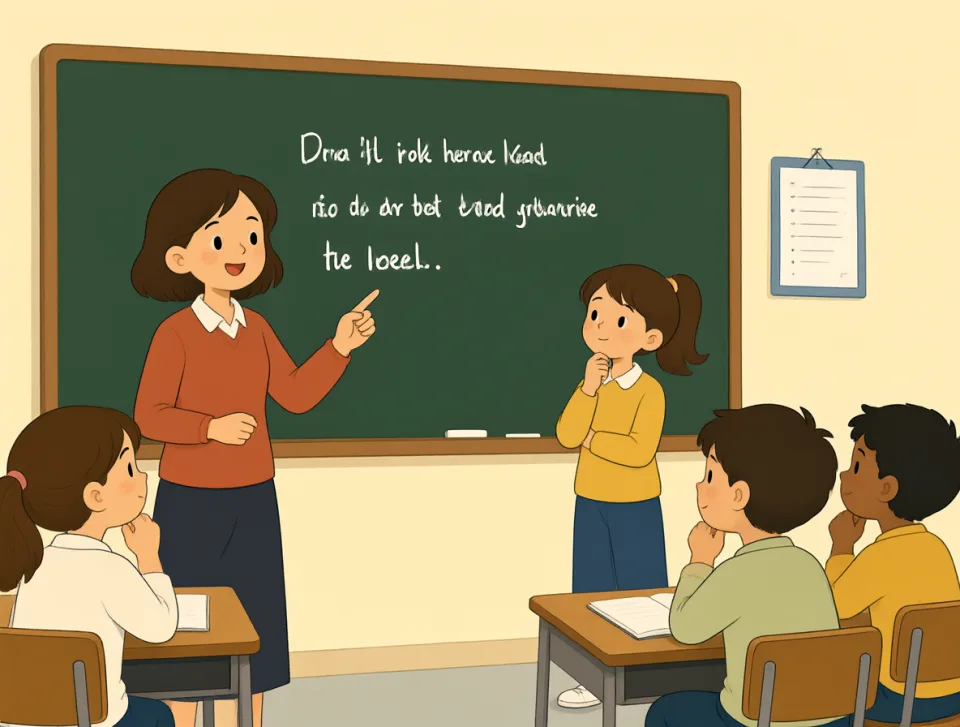
The teacher challenged us with a hard question.
Учитель задал нам сложный вопрос, чтобы проверить наши знания.

This job is a big challenge for me.
Эта работа — серьёзное испытание для меня.
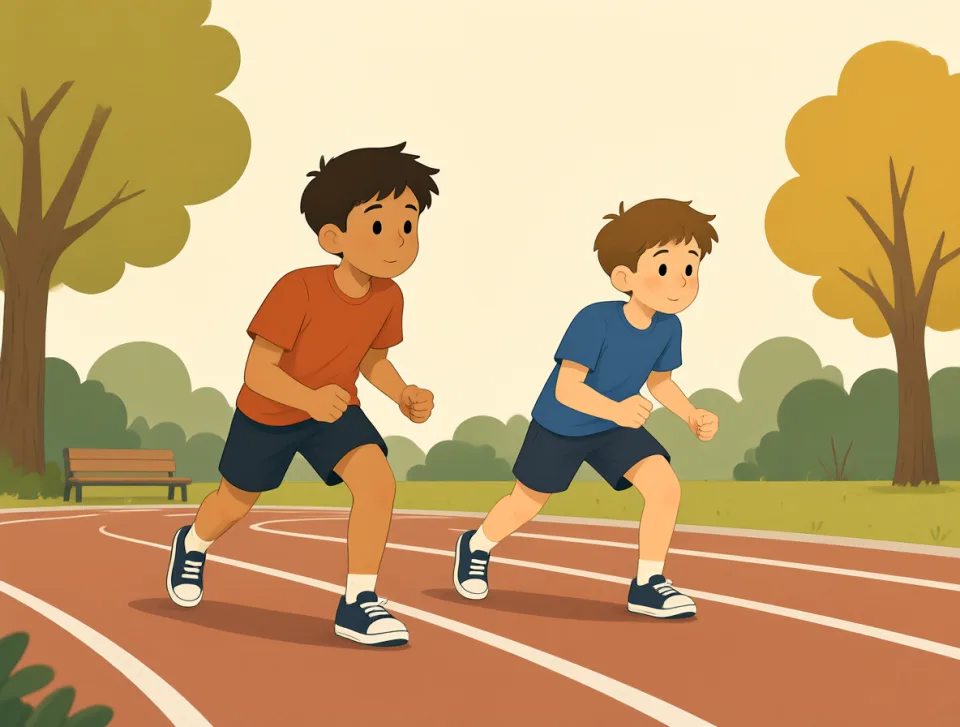
The boy challenged his friend to a race.
Мальчик предложил другу посоревноваться в беге.

She is challenging herself to eat healthier food.
Она бросает себе вызов, стараясь питаться полезнее.
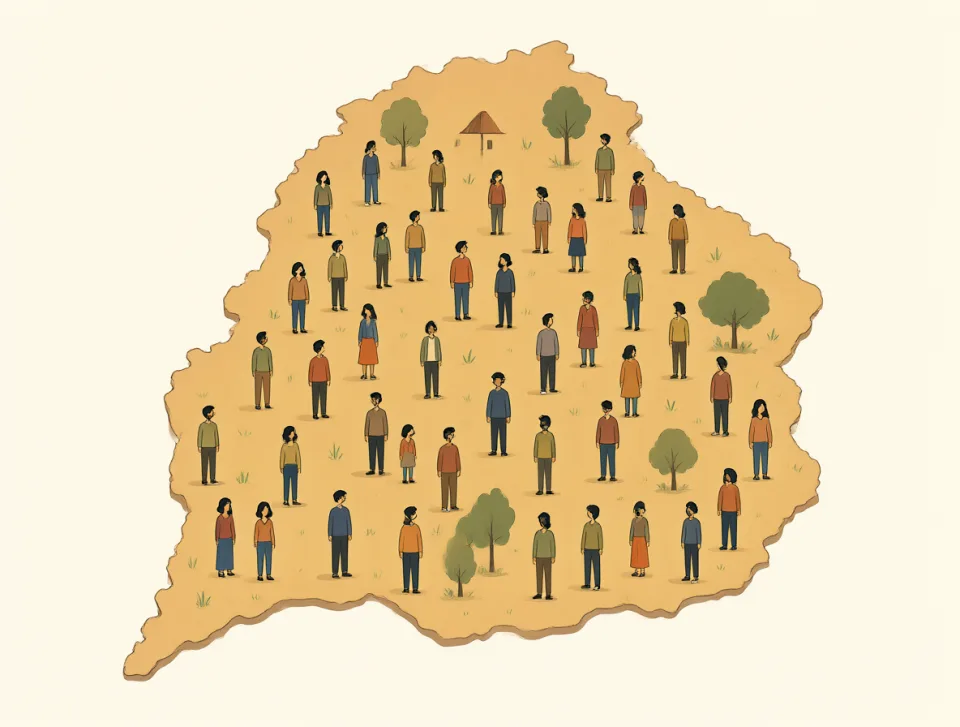
nation
#767noun
страна; народ
A country and its people, especially when considered as one group.
Страна и её жители, особенно если рассматривать их как единое целое.

Our nation celebrates its birthday every summer.
Каждое лето наша страна отмечает свой день рождения.
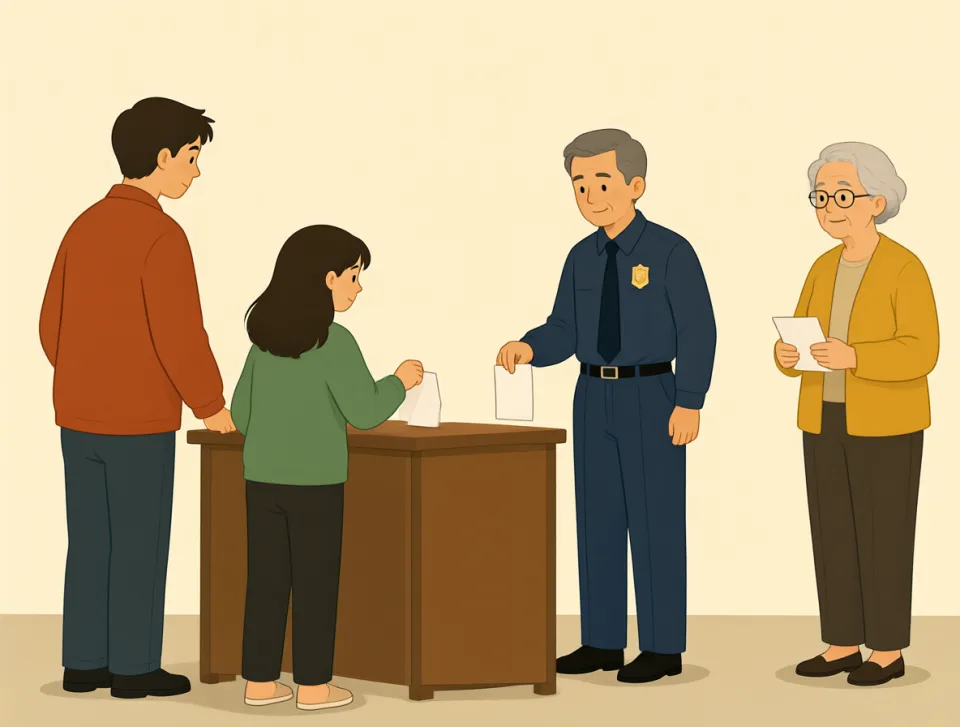
The nation elected a new leader.
Страна избрала нового лидера.

Many nations work together on climate change.
Многие страны вместе борются с изменением климата.

She traveled to another nation for work.
По работе она ездила в другую страну.
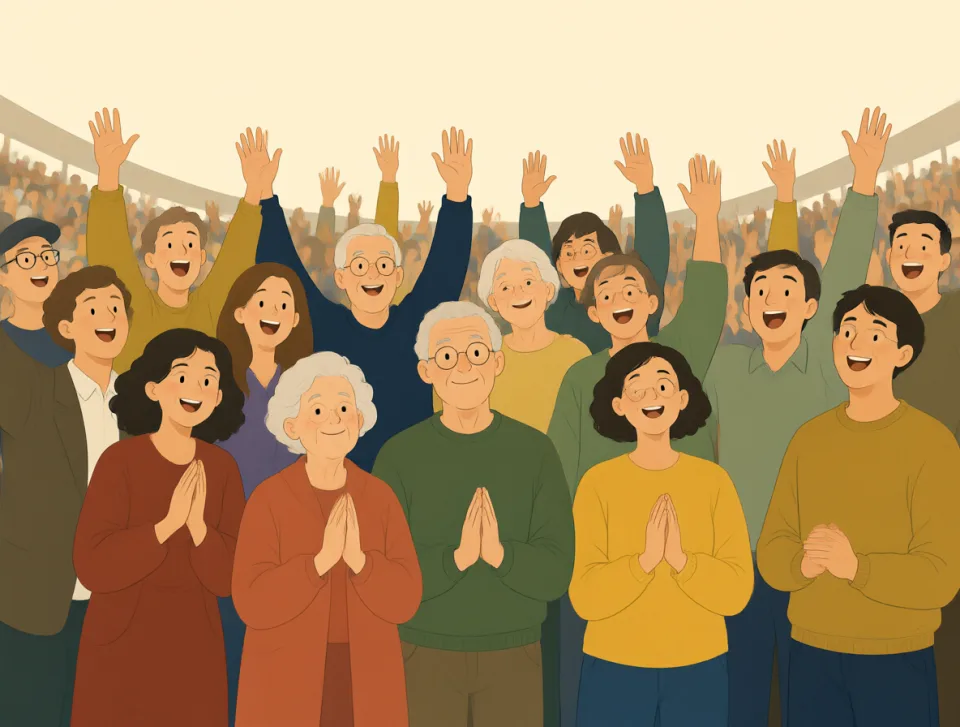
The whole nation cheered for the team.
Вся страна болела за команду.
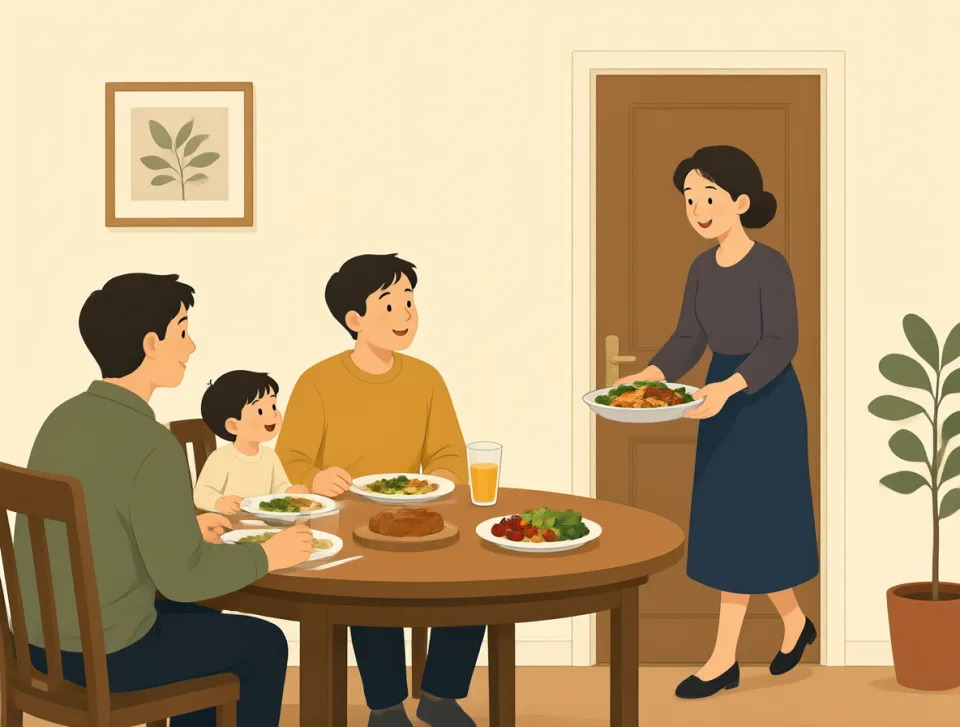
nearly
#768adverb
почти
almost, but not completely or quite
Почти, но не полностью или не совсем.
It is nearly time for dinner.
Ужин будет уже совсем скоро.

The glass is nearly full.
Стакан почти полный.
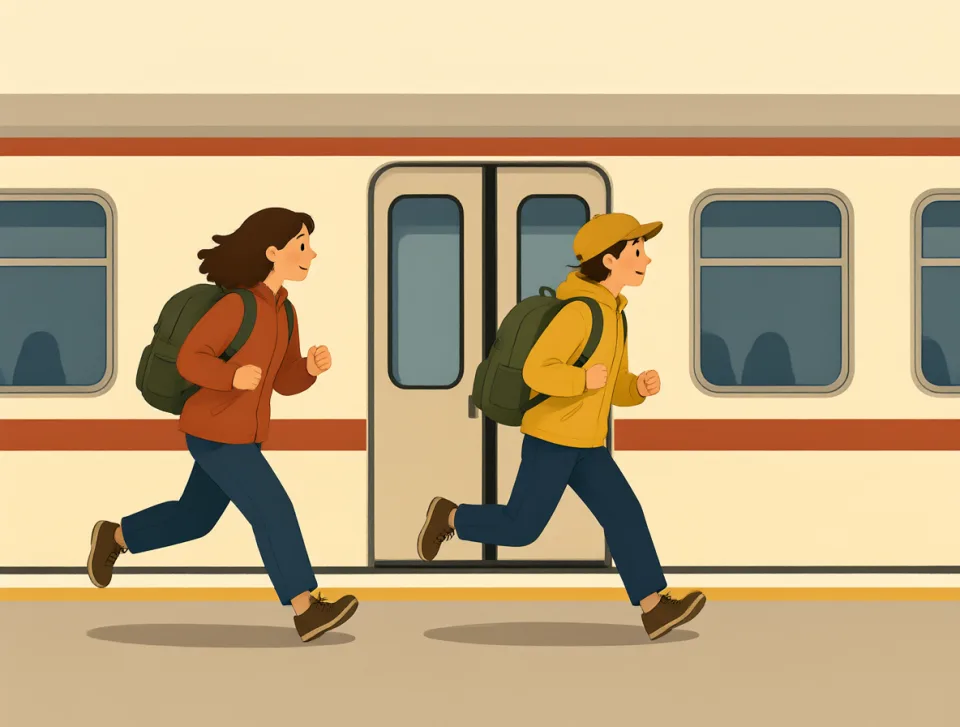
We nearly missed the train.
Мы чуть не опоздали на поезд.
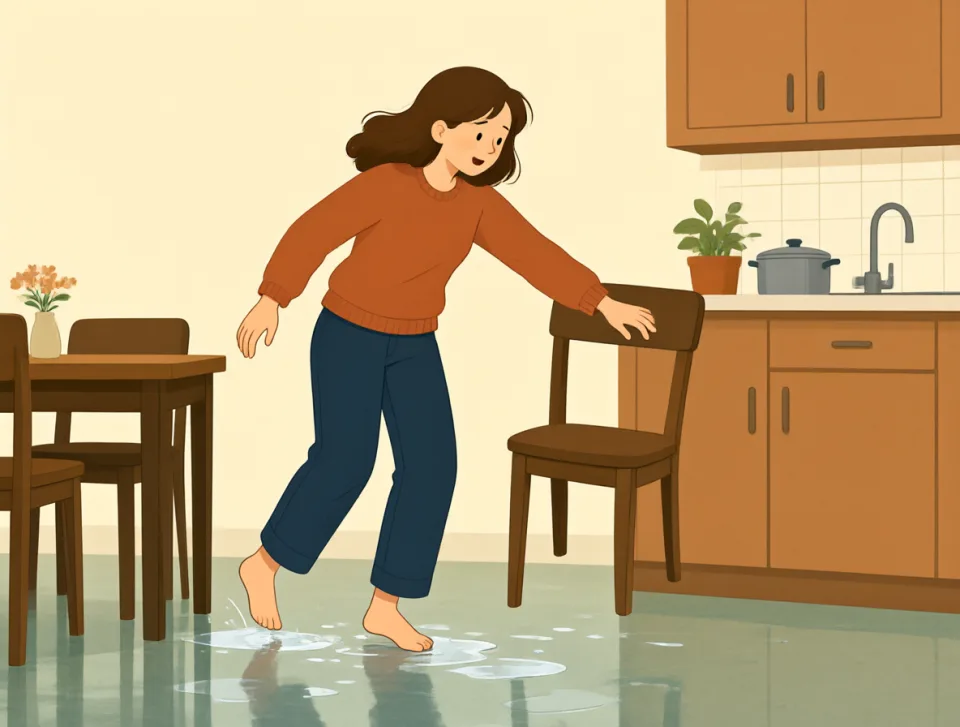
She nearly fell on the wet floor.
Она чуть не поскользнулась на мокром полу.

The baby is nearly two years old.
Малышу скоро исполнится два года.
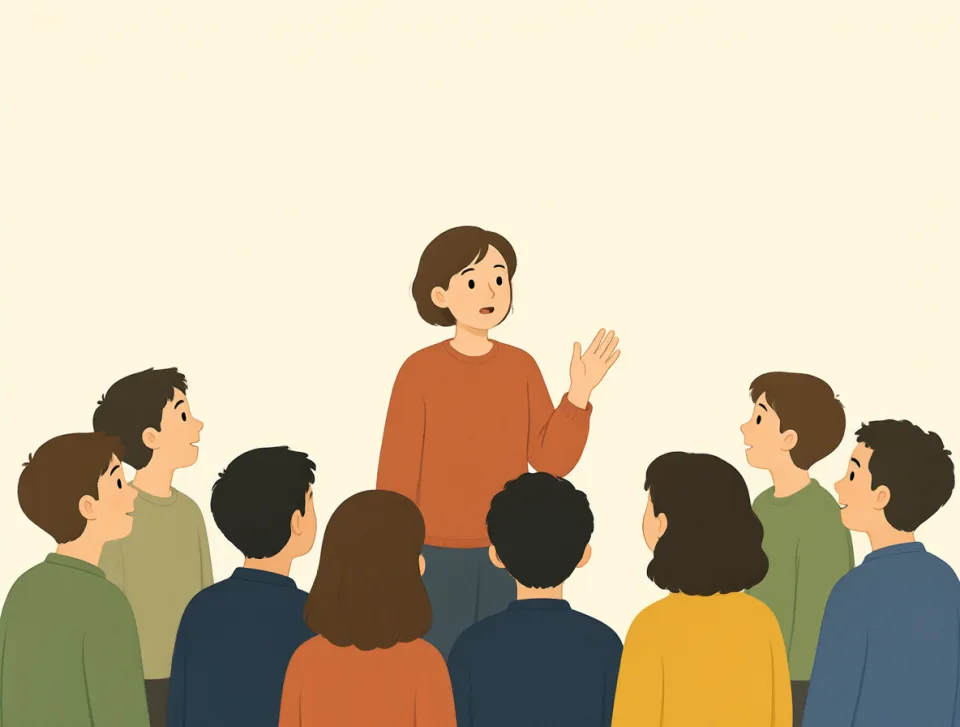
statement
#769noun
заявление; высказывание
Words that say or explain something, often given in speech or writing.
Слова, в которых что-либо сообщают или объясняют, часто устно или письменно.

She made a statement about the accident.
Она сделала заявление об аварии.

Please read the statement before you sign it.
Пожалуйста, прочитайте заявление, прежде чем подписывать его.

The company released a statement yesterday.
Вчера компания опубликовала заявление.

His bank statement arrived this morning.
Сегодня утром пришла выписка из его банковского счёта.

The teacher asked for a written statement.
Учитель попросил написать объяснительную.
link
#770noun, verb
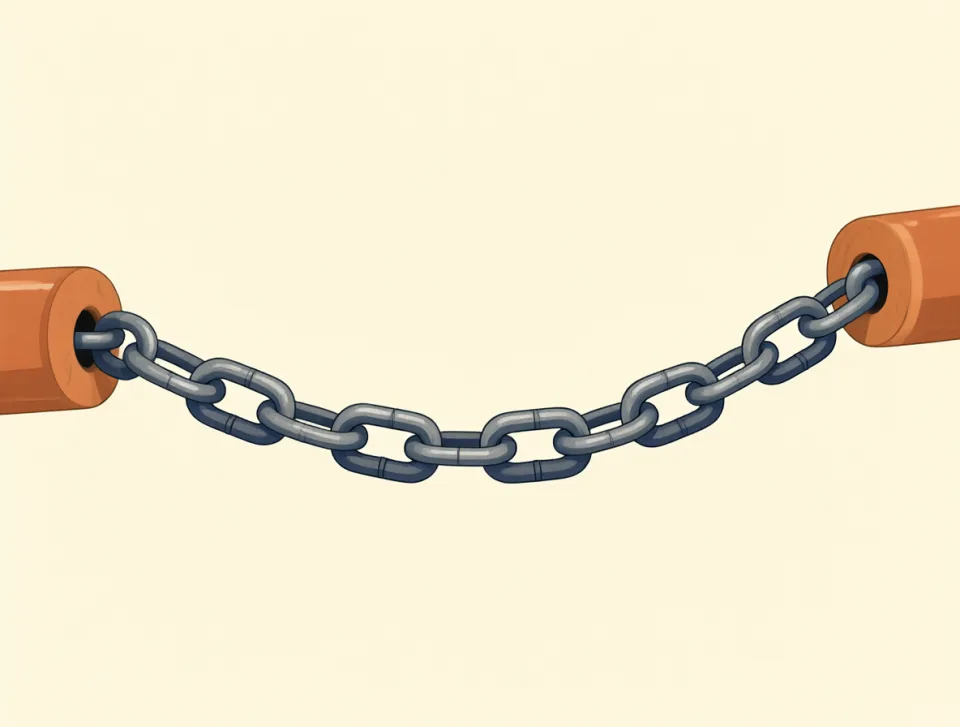
связь; ссылка
A connection between people, places, things, or ideas.
Связь между людьми, местами, предметами или идеями.

Send me the link to that website.
Пришли мне ссылку на тот сайт.

This road links the town to the airport.
Эта дорога соединяет город с аэропортом.
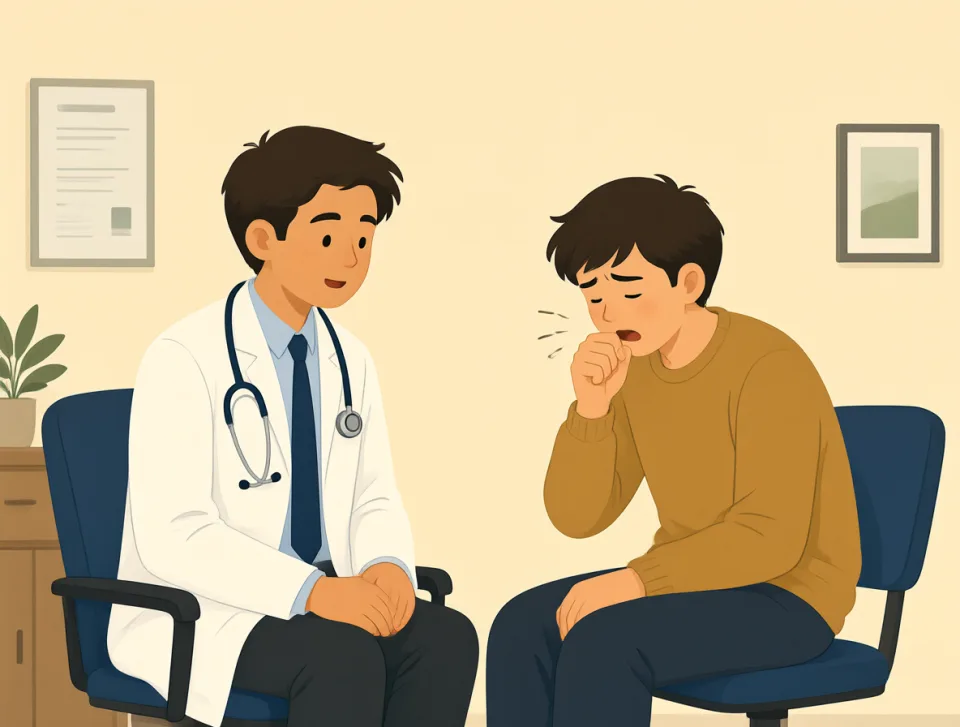
The doctor linked his cough to allergies.
Врач связал его кашель с аллергией.
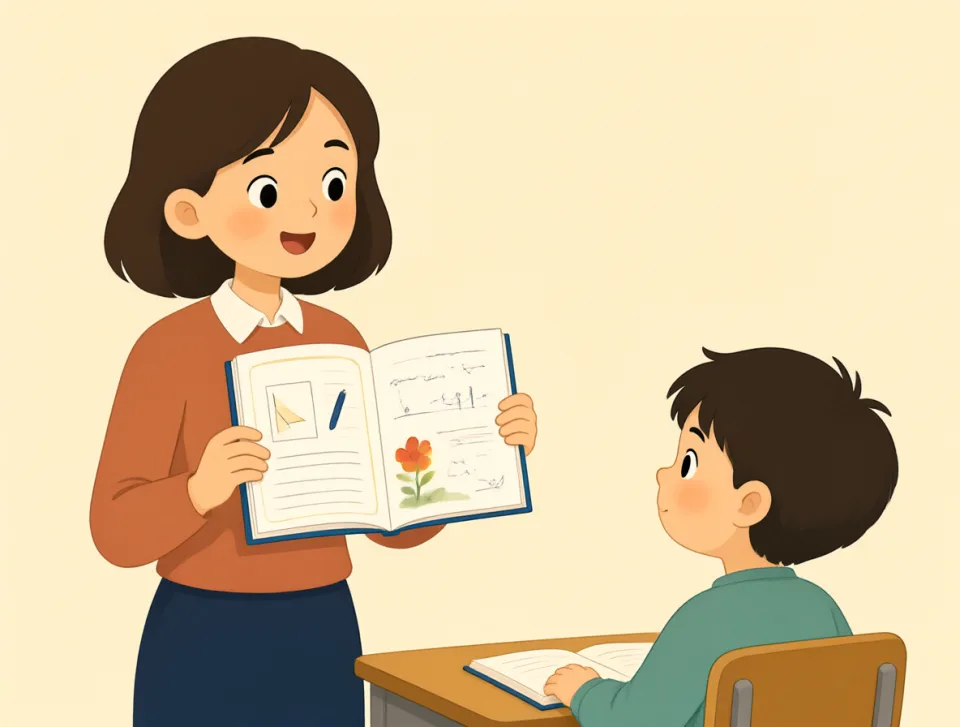
The two lessons are closely linked.
Эти два урока тесно связаны.

The train links the city with the coast.
Поезд соединяет город с побережьем.

despite
#771preposition
несмотря на
used to say that something happened or is true even though something else might stop it
Используется, чтобы сказать, что что-то произошло или является правдой, хотя что-то другое могло этому помешать.
Despite the rain, we went for a walk.
Несмотря на дождь, мы пошли прогуляться.

She smiled despite feeling tired.
Она улыбалась, несмотря на усталость.
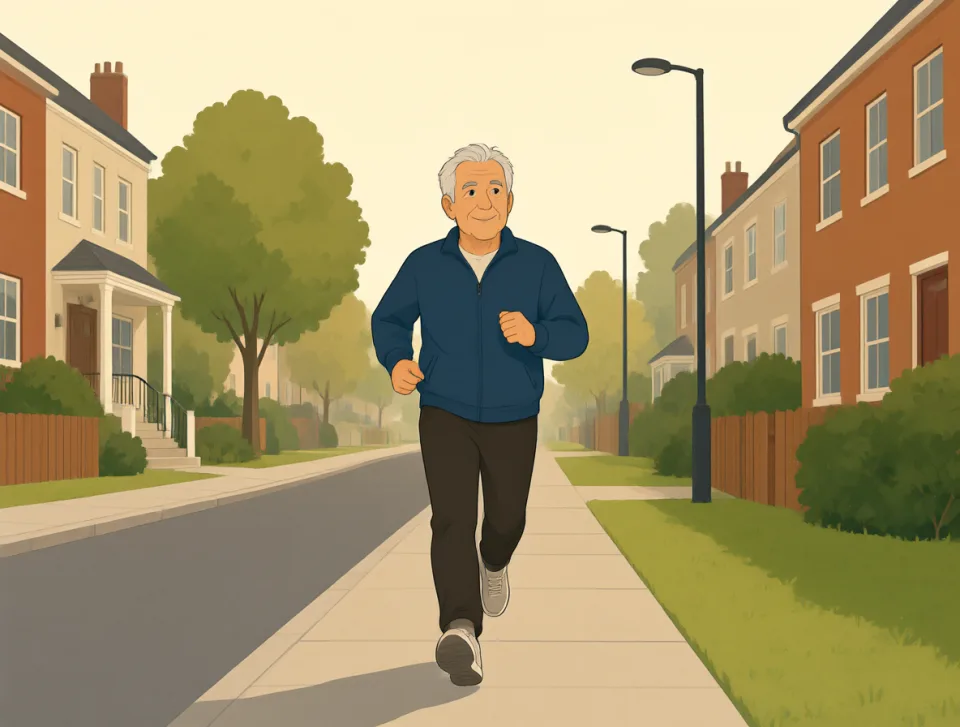
Despite his age, he runs every morning.
Несмотря на свой возраст, он бегает каждое утро.

We finished the work despite the problems.
Мы закончили работу, несмотря на проблемы.
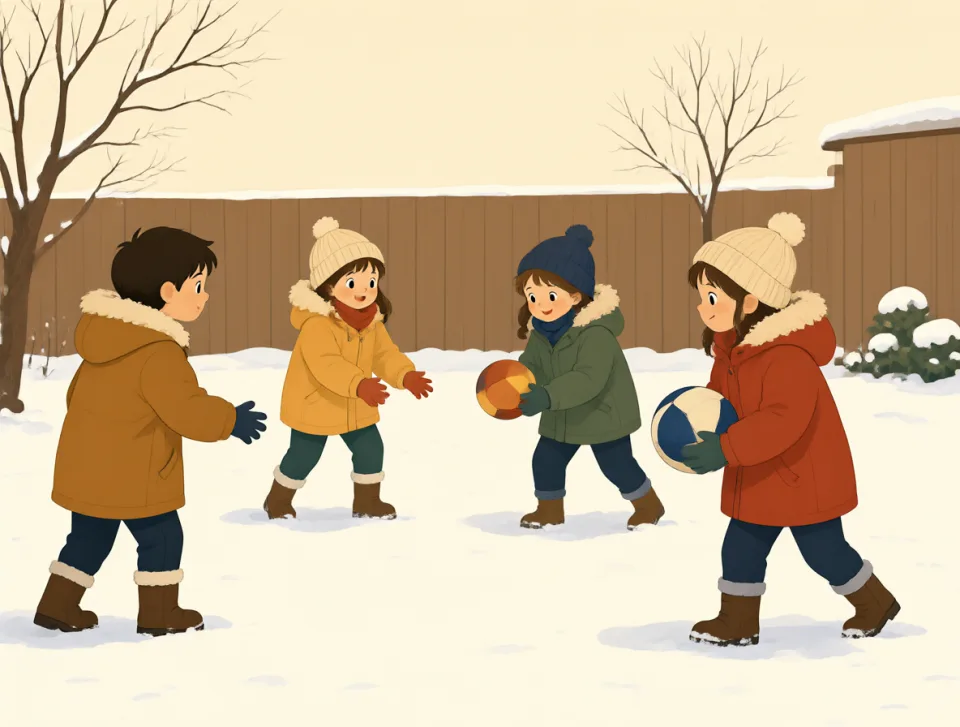
Despite the cold, the children played outside.
Несмотря на холод, дети играли на улице.
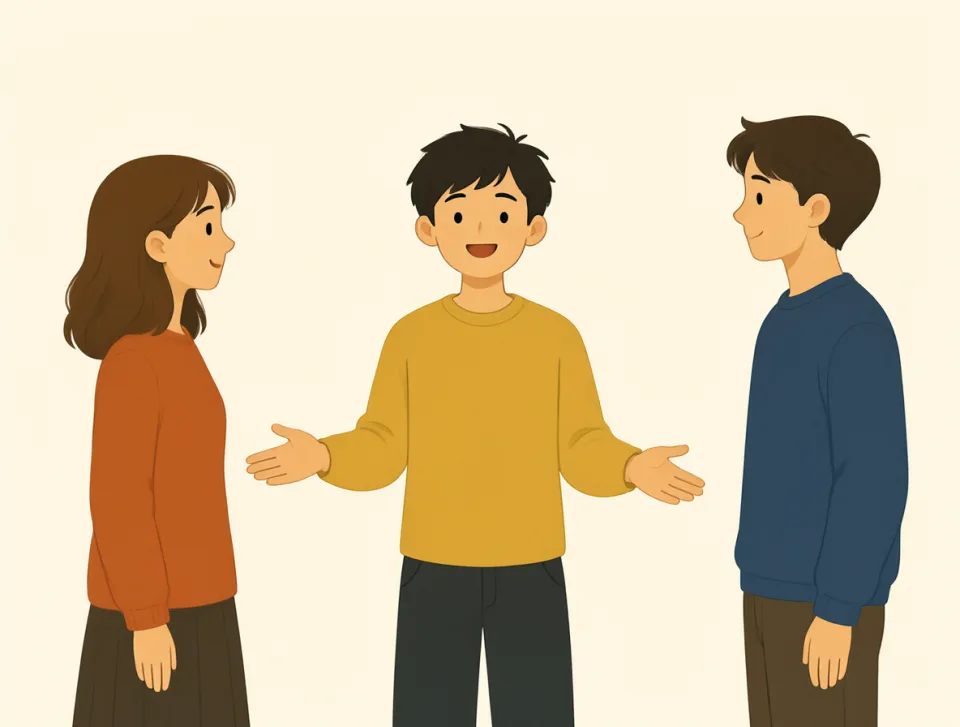
introduce
#772verb
представлять; знакомить
to tell someone your name or help people meet for the first time
Назвать кому-то своё имя или помочь людям познакомиться впервые.

Let me introduce you to my friend.
Позволь познакомить тебя с моим другом.
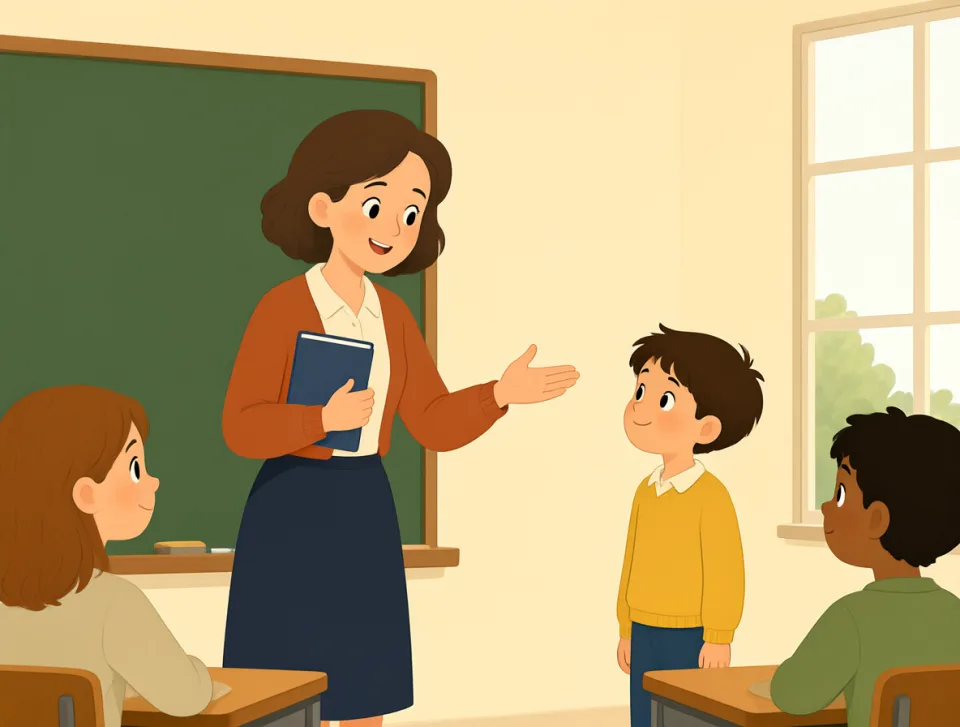
The teacher introduced a new student.
Учитель представил нового ученика.

She introduced herself at the meeting.
На встрече она представилась.

The restaurant introduced a new lunch menu.
В ресторане появилось новое меню для обеда.

The doctor introduced a simple health plan.
Врач предложил простой план по поддержанию здоровья.

advantage
#773noun
преимущество
Something that helps you or gives you a better chance of success.
То, что помогает вам или повышает ваши шансы на успех.

Speaking English is a big advantage at work.
Умение говорить по-английски — большое преимущество на работе.
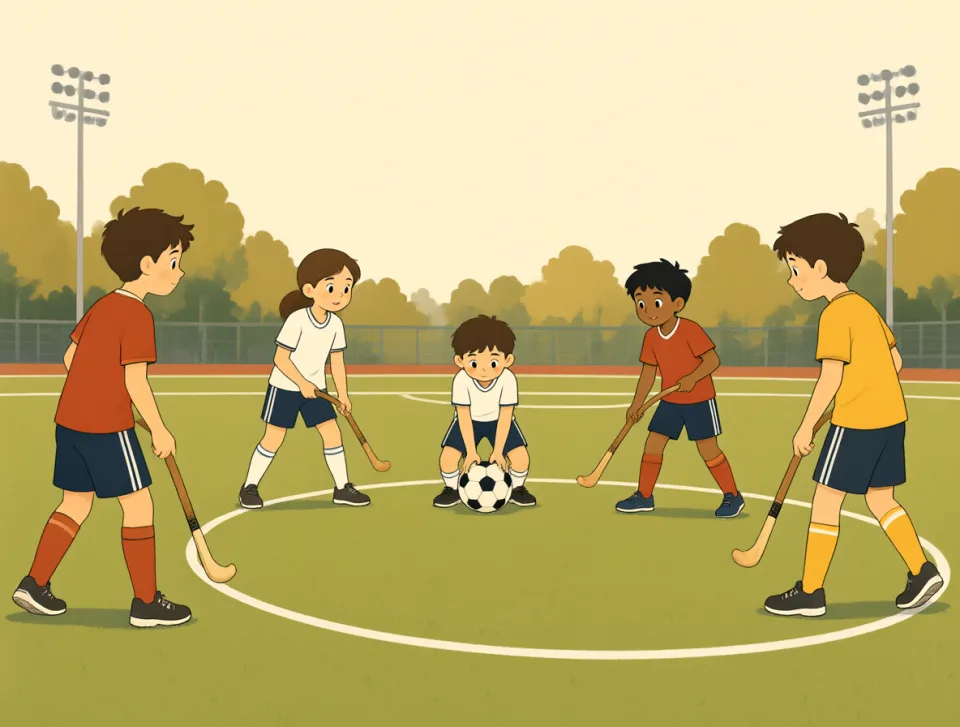
Our team has an advantage because we practice daily.
У нашей команды есть преимущество, потому что мы тренируемся каждый день.

The hotel has the advantage of being near the beach.
Преимущество отеля в том, что он находится рядом с пляжем.

She used her height to her advantage in basketball.
В баскетболе она использовала свой рост себе на пользу.

The store offers special advantages to its members.
Магазин предлагает своим постоянным клиентам особые преимущества.
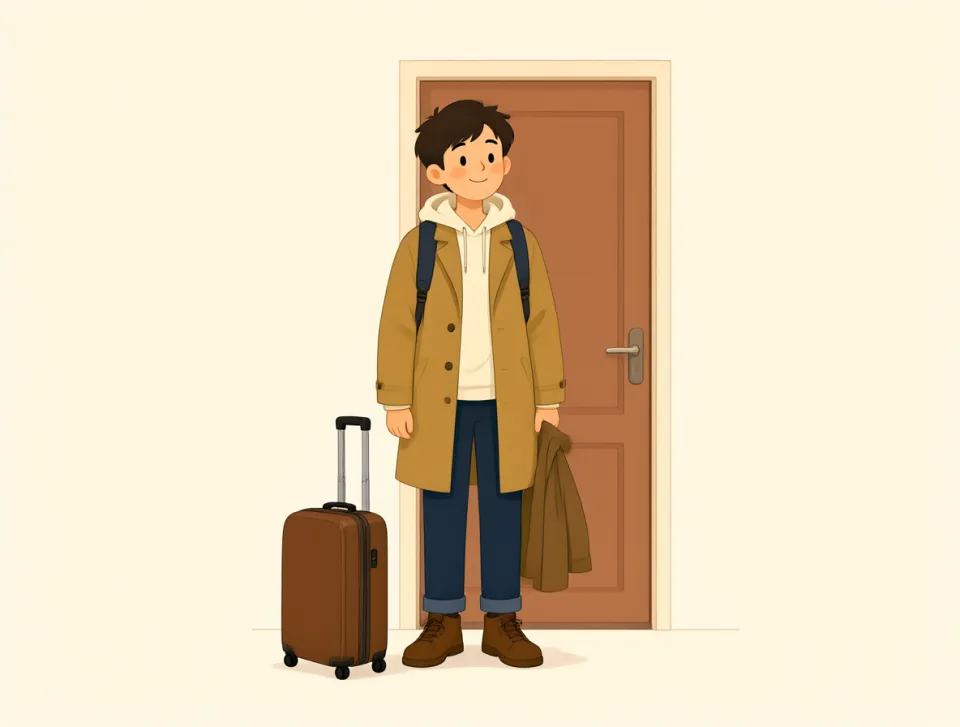
ready
#774adjective, adverb
готовый
Prepared and able to do something or use something.
Подготовленный и способный что-то сделать или чем-то воспользоваться.
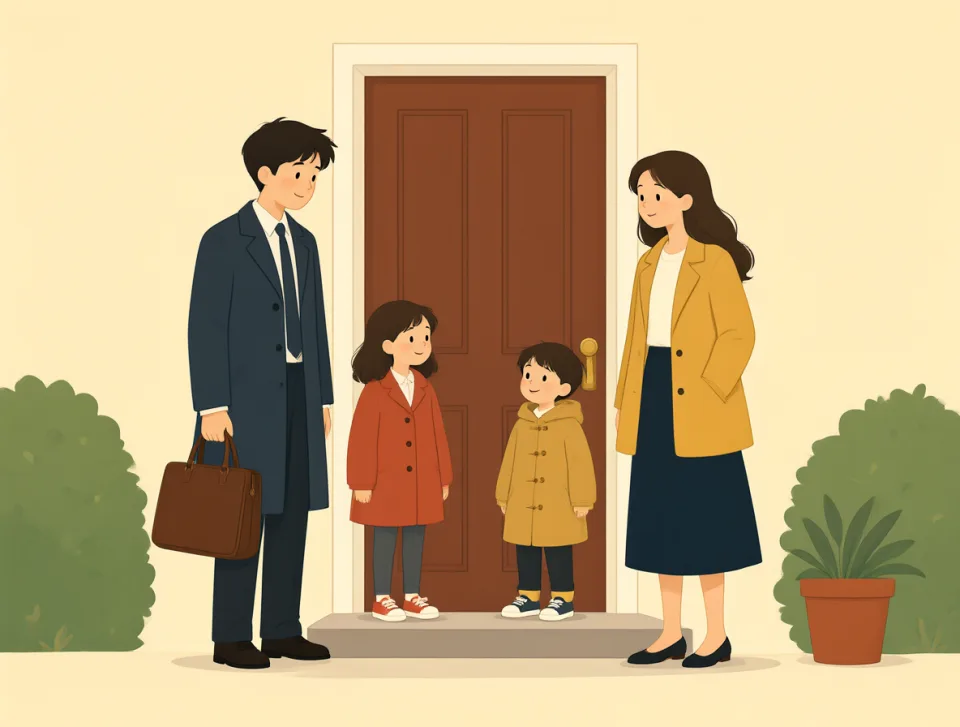
Are you ready to leave now?
Ты уже готов уйти?
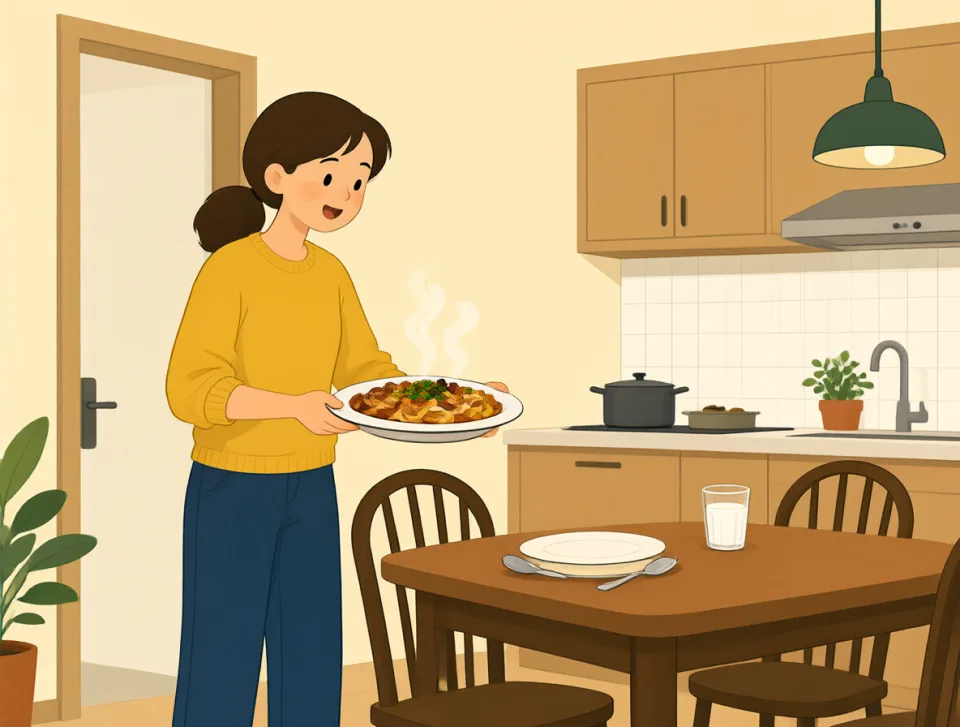
Dinner is ready, so please come inside.
Ужин готов, так что, пожалуйста, заходите.
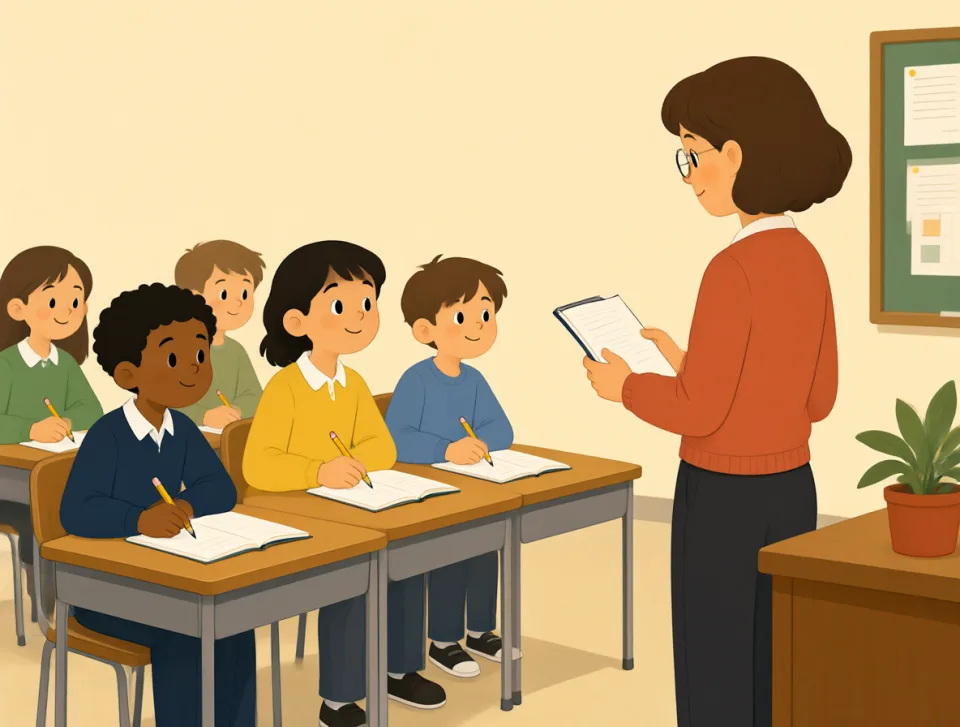
The students are ready for the test.
Ученики готовы к контрольной работе.

This meal is ready to eat.
Это блюдо уже можно есть.
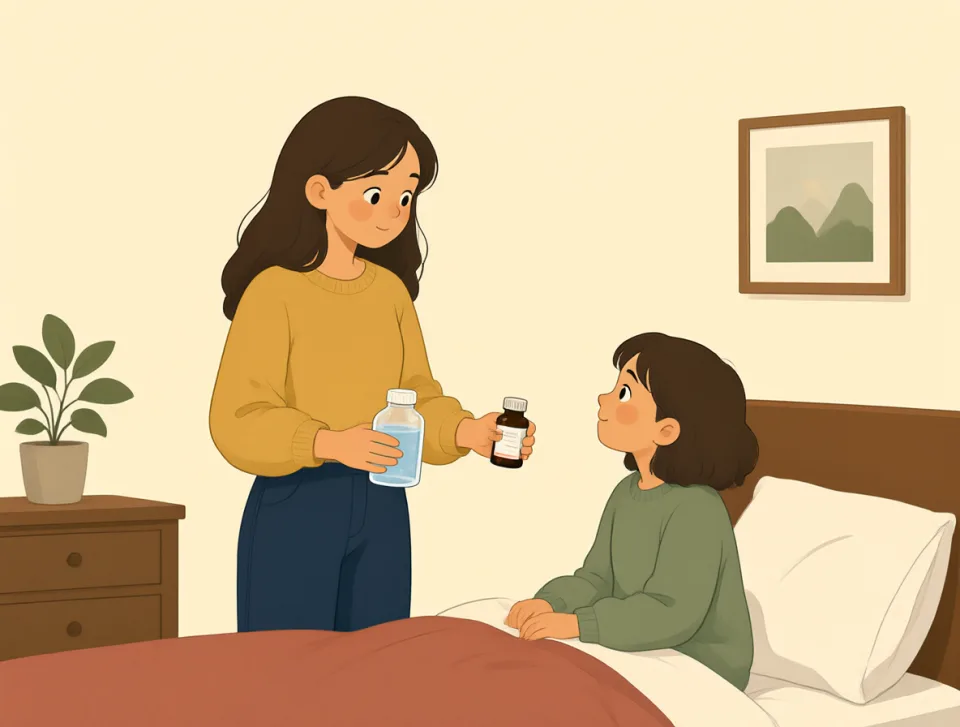
She was ready to help her sick friend.
Она была готова помочь своему больному другу.

marry
#775verb
жениться; выходить замуж
to become someone’s husband or wife
Стать чьим-то мужем или женой.

They plan to marry next summer.
Они планируют пожениться следующим летом.

She married her best friend last year.
В прошлом году она вышла замуж за своего лучшего друга.

Many people marry after college.
Многие люди женятся после окончания колледжа.

He wants to marry someone kind.
Он хочет жениться на доброй девушке.

My sister is marrying her boyfriend.
Моя сестра выходит замуж за своего парня.

strike
#776verb, noun
удар; забастовка
To hit something or suddenly happen; a work stoppage by workers.
Ударить что-либо или внезапно произойти; прекращение работы по инициативе работников.
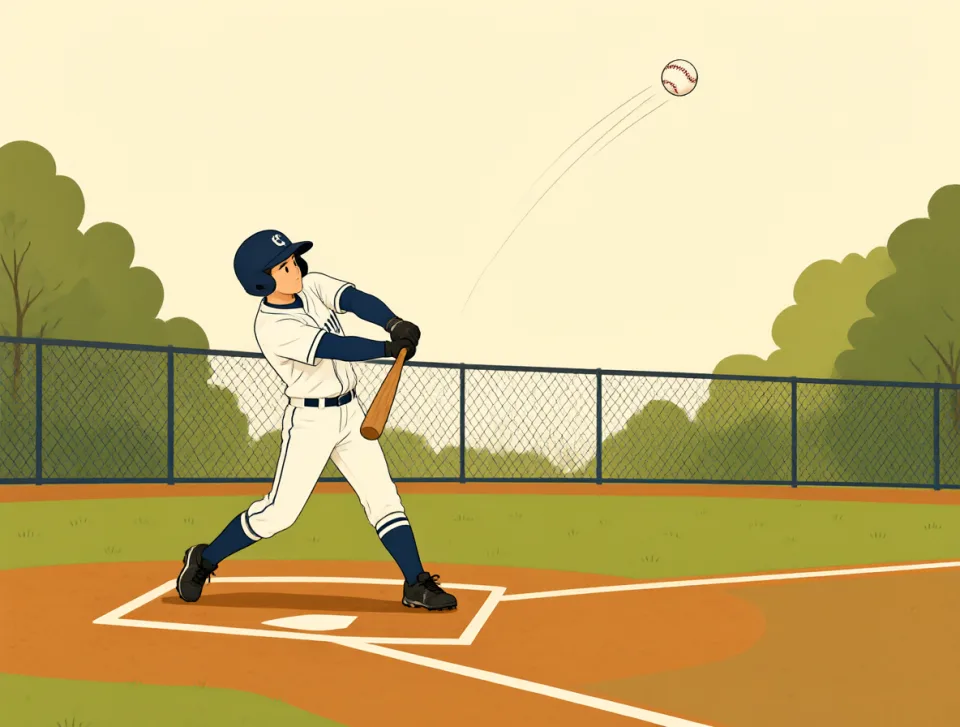
He struck the ball over the fence.
Он ударил по мячу, и тот перелетел через забор.
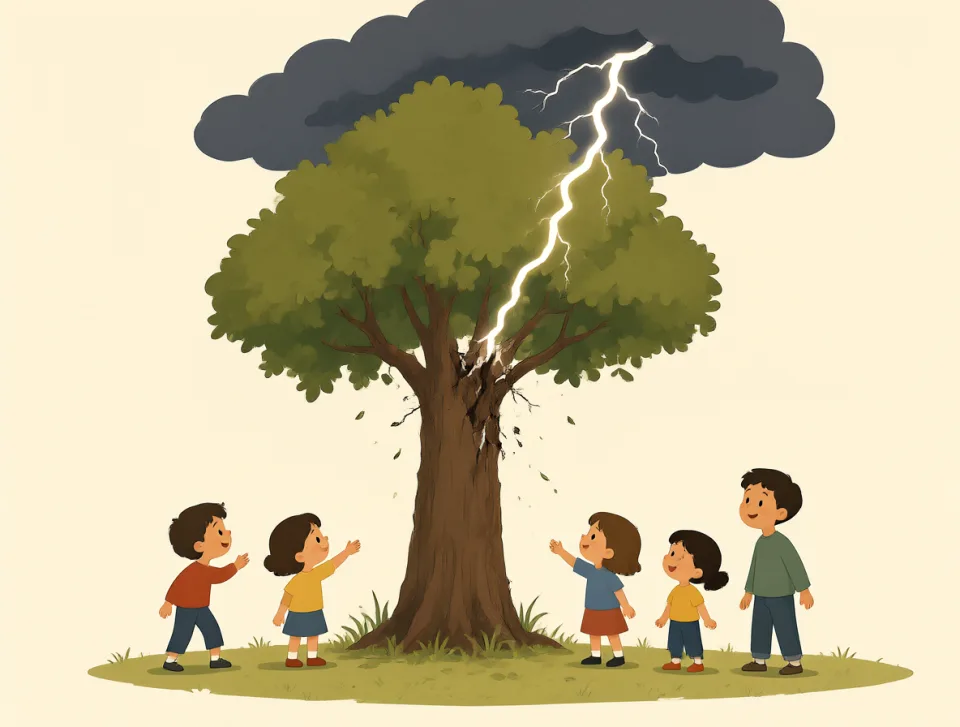
Lightning struck the tall tree yesterday.
Вчера молния ударила в высокое дерево.

The workers went on strike last week.
На прошлой неделе рабочие объявили забастовку.
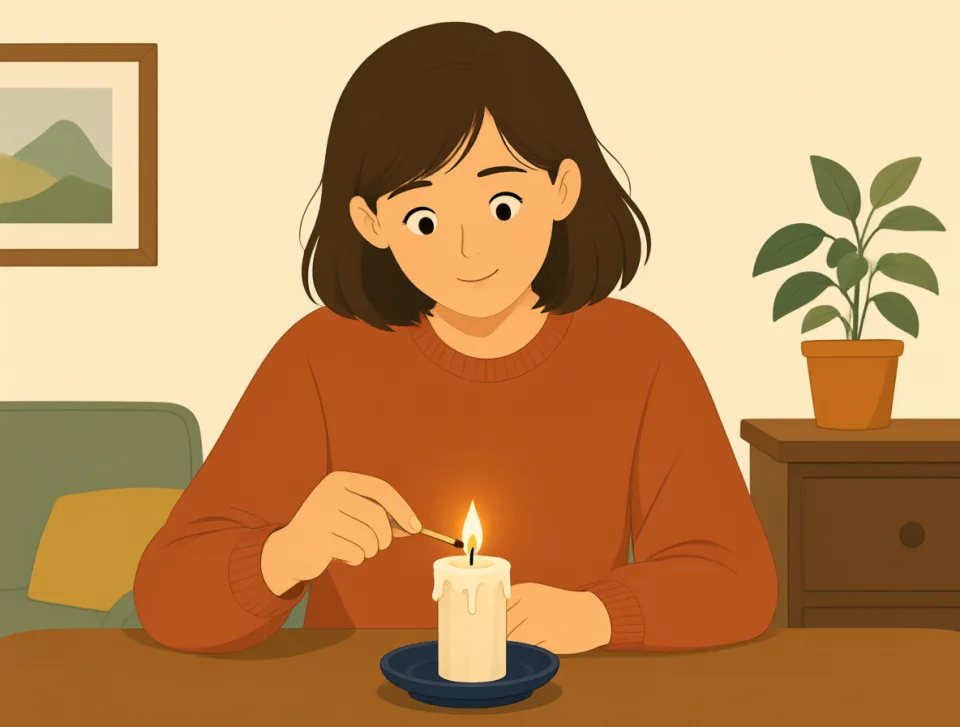
She struck a match to light the candle.
Она чиркнула спичкой, чтобы зажечь свечу.

A strange idea struck me on the bus.
В автобусе мне пришла в голову странная мысль.

mile
#777noun
миля
A unit of distance equal to 1,609 meters or 5,280 feet.
Единица измерения расстояния, равная 1 609 метрам или 5 280 футам.

The hotel is two miles from here.
Отель находится в двух милях отсюда.
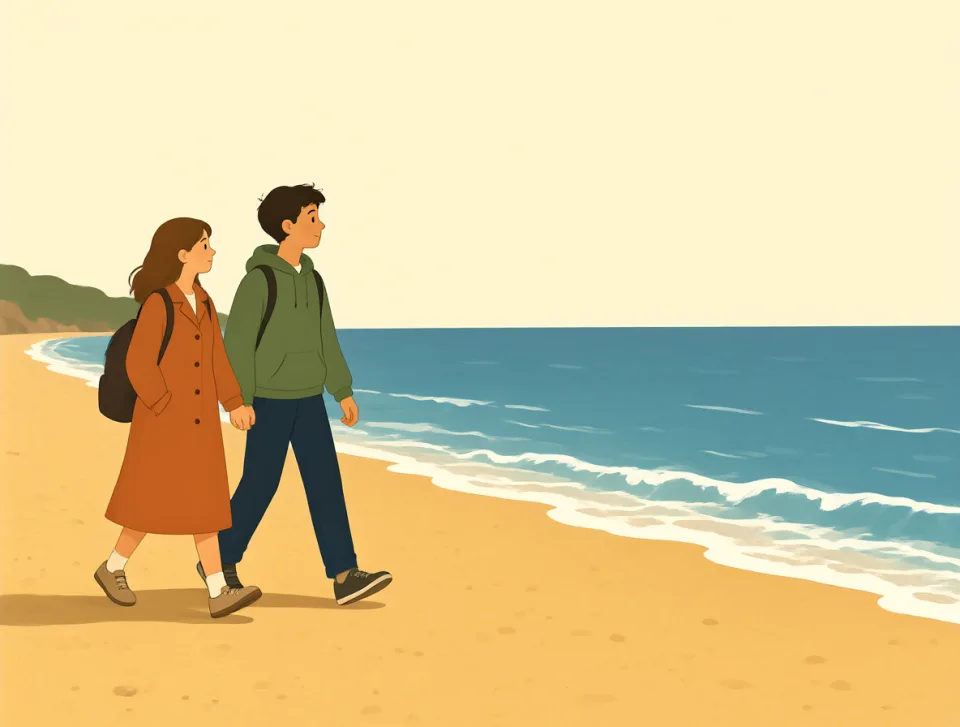
We walked three miles along the beach.
Мы прошли три мили вдоль пляжа.
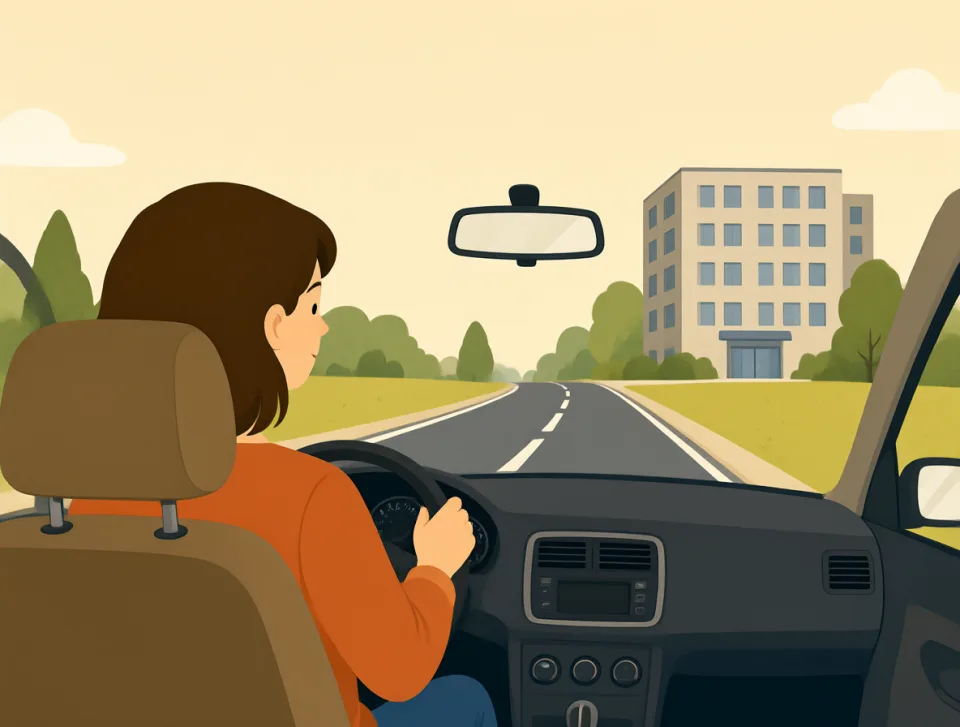
She drives five miles to work.
Она ездит на работу за пять миль отсюда.
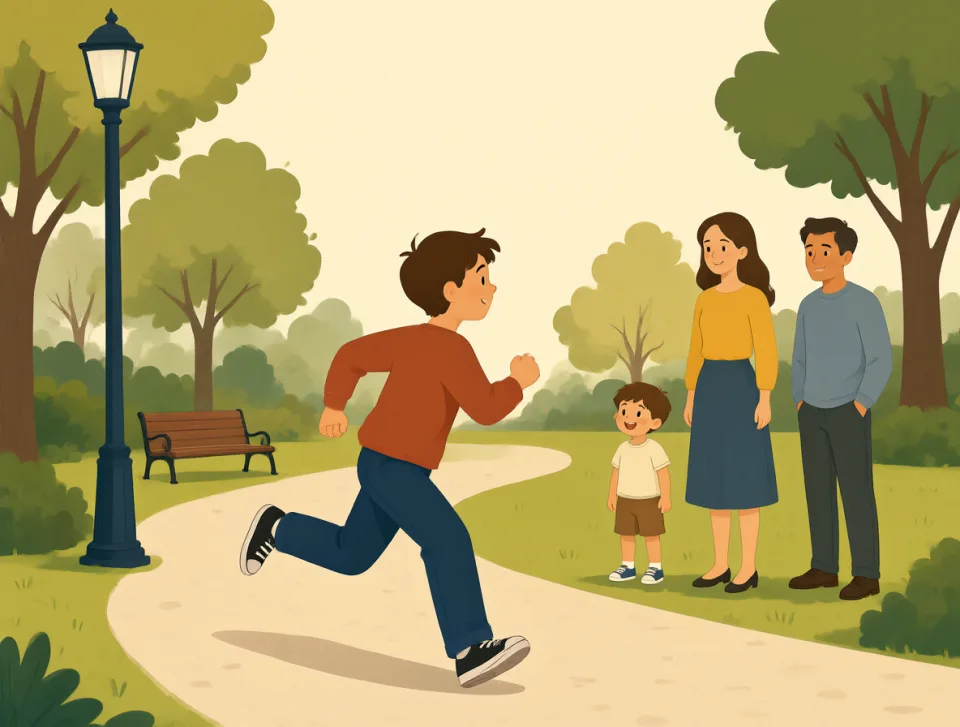
My brother ran a mile yesterday.
Вчера мой брат пробежал милю.

The shop is half a mile away.
Магазин находится в полумиле отсюда.

seek
#778verb
искать; стремиться получить
to try to find or get something
Пытаться найти или получить что-либо.
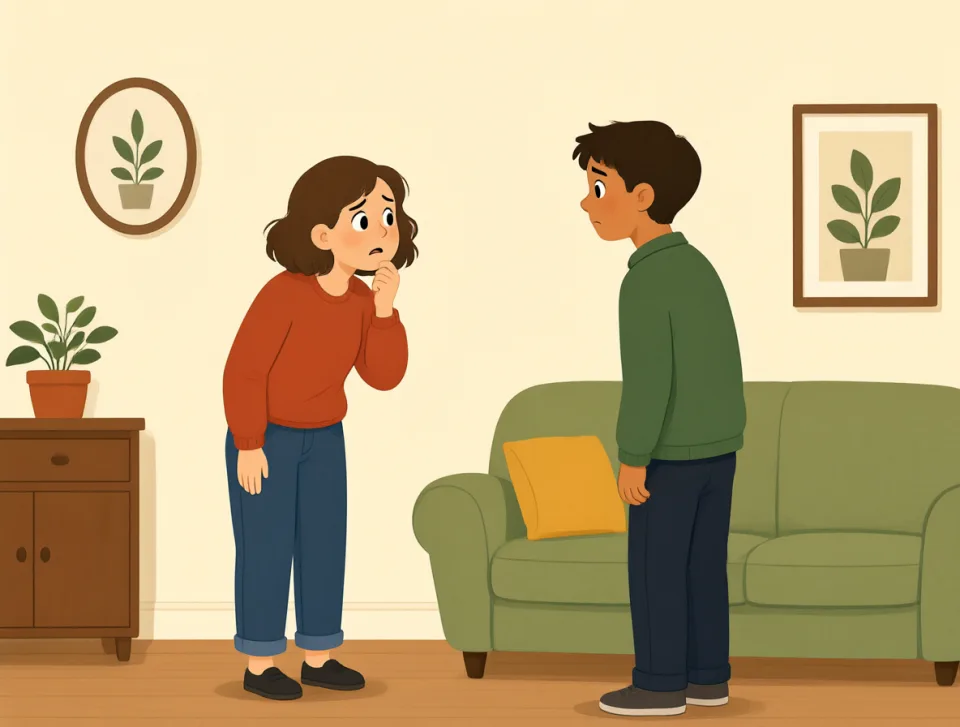
We seek help when we have problems.
Когда у нас возникают проблемы, мы обращаемся за помощью.

She sought advice from her doctor.
Она обратилась за советом к своему врачу.

They are seeking a new place to live.
Они ищут новое жильё.

The school seeks more volunteers this year.
В этом году школе нужно больше волонтёров.

He sought a quiet café near the station.
Он искал тихое кафе рядом со станцией.

ability
#779noun
способность
The skill or power to do something.
Навык или возможность что-либо делать.
She has the ability to speak three languages.
Она умеет говорить на трёх языках.
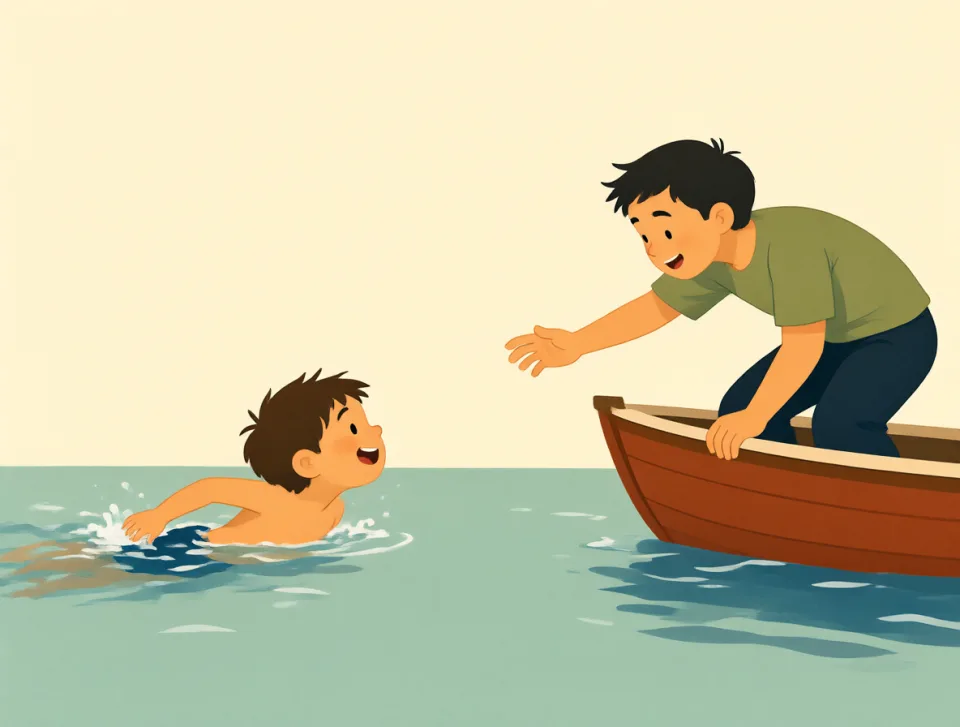
His ability to swim saved his life.
Его умение плавать спасло ему жизнь.

The test checks your ability to read.
Тест проверяет ваше умение читать.

This job needs the ability to work quickly.
Для этой работы нужно уметь быстро работать.
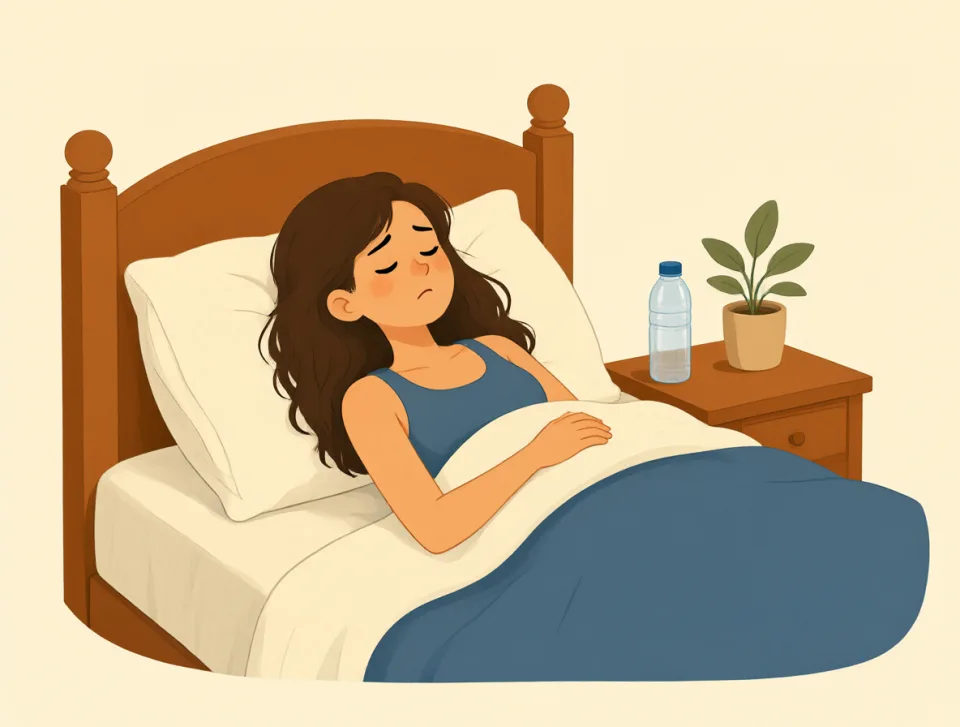
Exercise can improve your ability to sleep.
Физические упражнения могут улучшить качество сна.
unit
#780noun
единица
one single thing that is part of a larger group or system
Одна отдельная вещь, входящая в состав большей группы или системы.
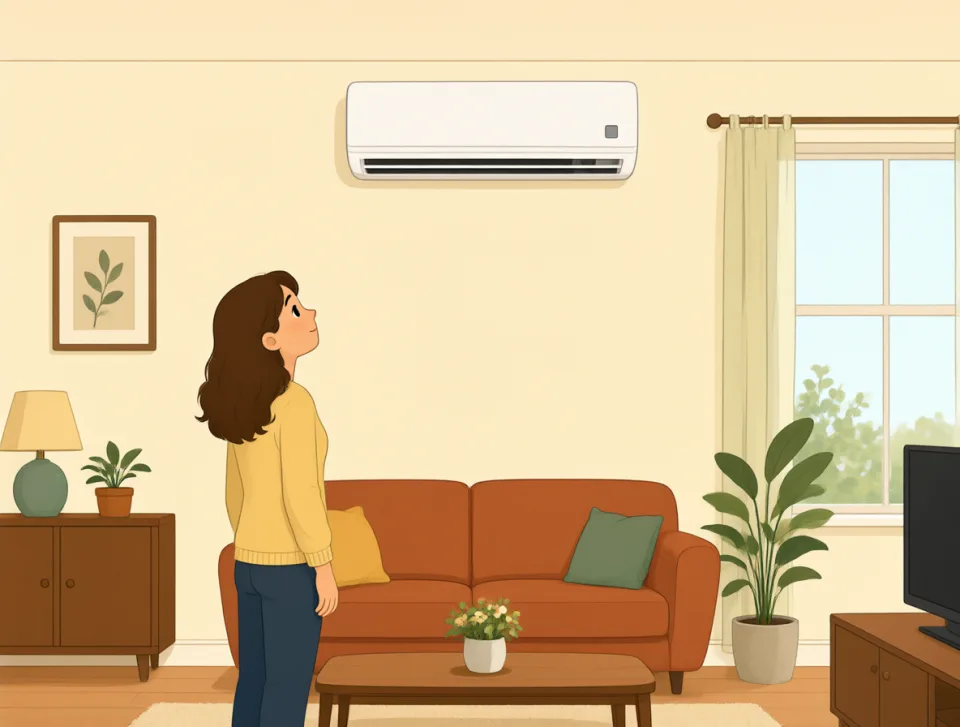
The air conditioning unit is broken.
Кондиционер сломался.
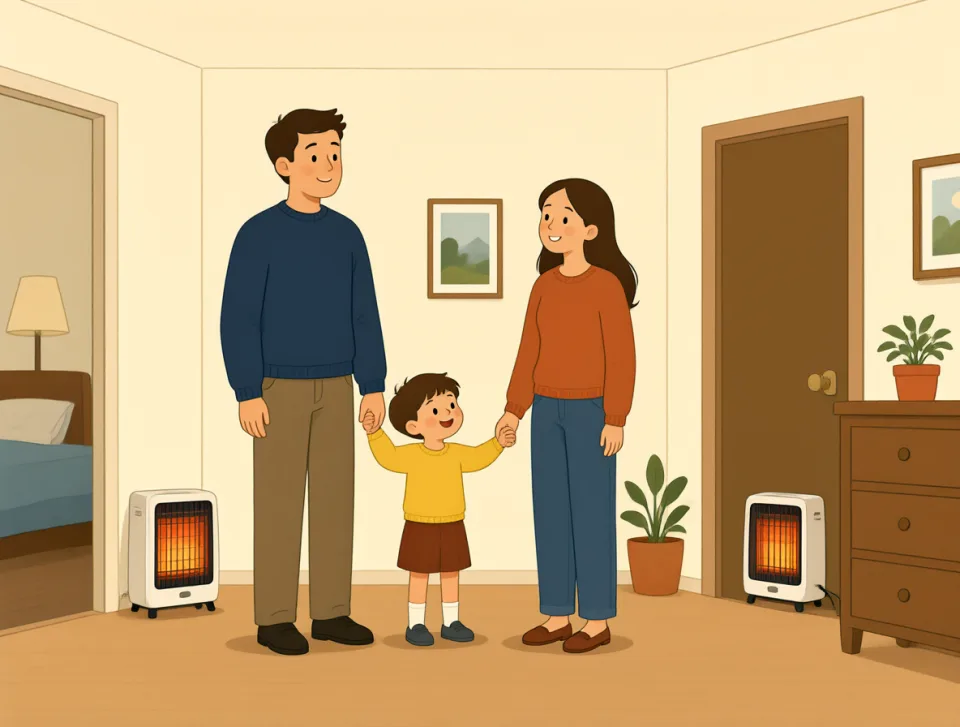
Our apartment has three heating units.
В нашей квартире три отопительных прибора.
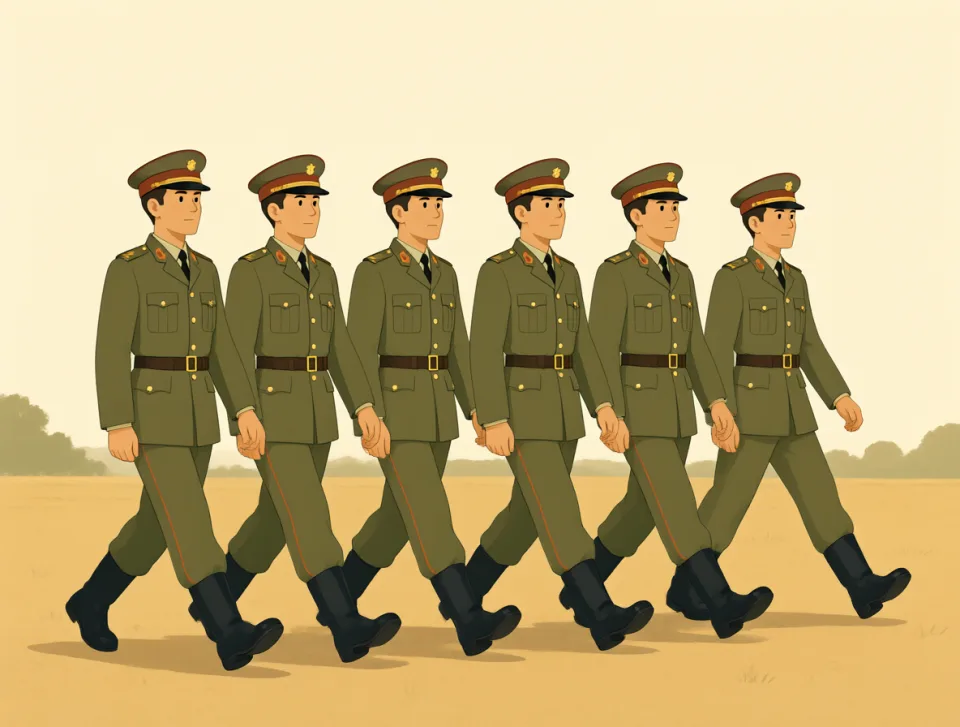
The soldiers moved as one unit.
Солдаты двигались как единое целое.
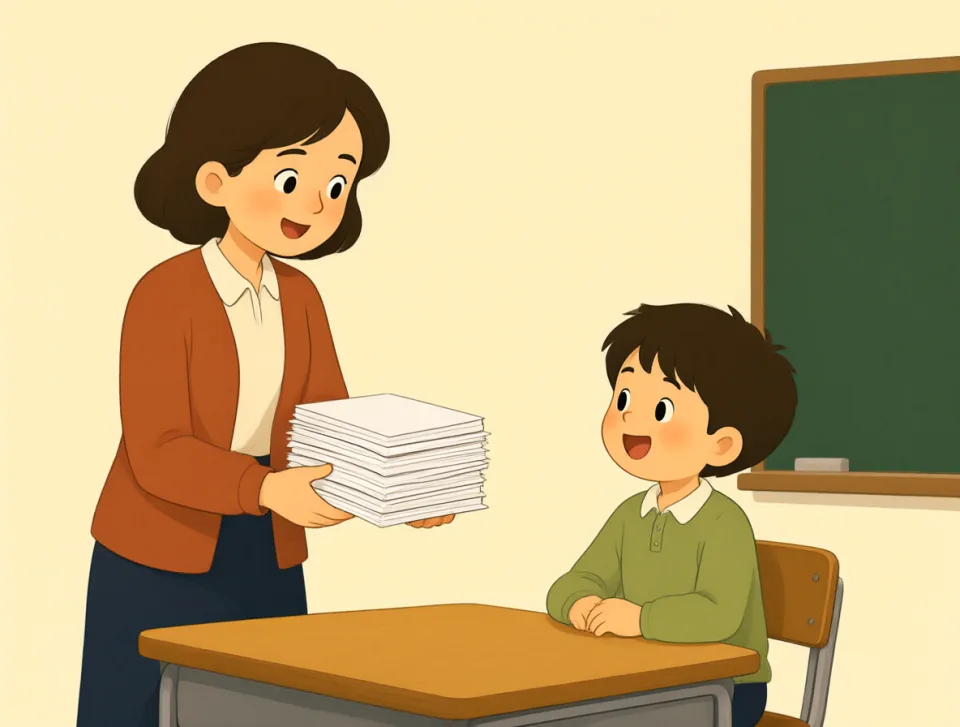
This course has six study units.
Этот курс состоит из шести учебных разделов.
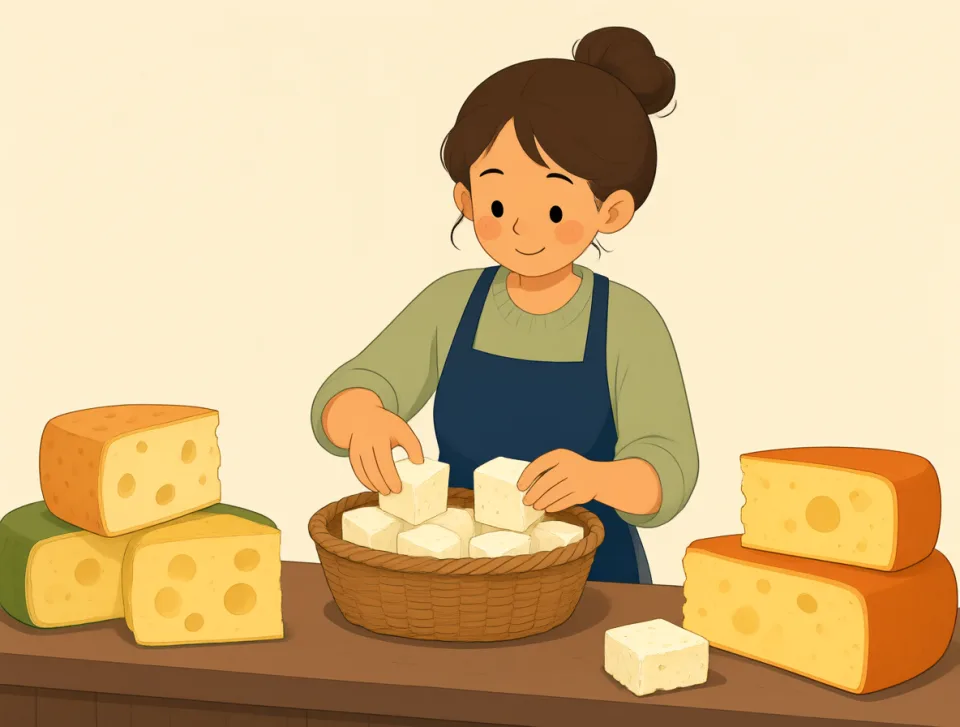
The shop sells units of fresh cheese.
В магазине продают порции свежего сыра.