Creating a Chore Chart/Schedule
تهیهٔ جدول/برنامهٔ کارهای خانه
Roommates work together to create a tangible chore chart or schedule, assigning specific tasks to individuals on a weekly or bi-weekly basis.
همخانهها با هم یک جدول یا برنامهٔ مشخص برای کارهای خانه تهیه میکنند و کارهای معینی را بهصورت هفتگی یا دوهفتهیکبار به افراد واگذار میکنند.
گفتوگو10
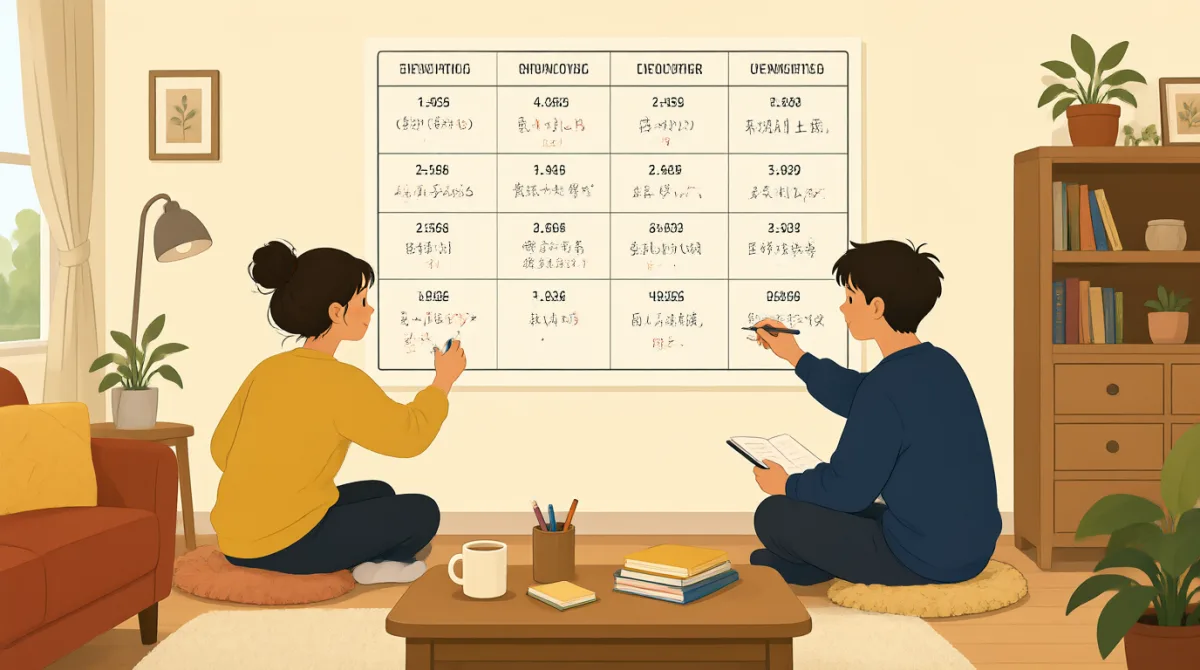

Hey everyone, so about keeping the apartment tidy, I was thinking we should finally set up that chore chart we talked about. What do you guys think?
بچهها، دربارهٔ مرتب نگهداشتن آپارتمان، داشتم فکر میکردم بالاخره اون جدول کارهای خونهای رو که دربارهش حرف زده بودیم آماده کنیم. نظرتون چیه؟

Sounds good to me. It definitely feels like some things are getting missed. A clear schedule would be helpful.
بهنظرم خوبه. واقعاً انگار بعضی کارها از قلم میافتن. داشتن یه برنامهٔ مشخص کمک میکنه.

Yeah, I'm on board. Sometimes I'm not sure whose turn it is to do what. We should probably list out all the main tasks first.
آره، منم موافقم. بعضی وقتها نمیدونم نوبت کیه که چه کاری رو انجام بده. بهتره اول همهٔ کارهای اصلی رو فهرست کنیم.

Good idea, Mia. So, things like cleaning the bathroom, vacuuming the living room, taking out the trash... What else is there?
ایدهٔ خوبیه، میا. مثلاً تمیز کردن حموم، جاروبرقی کشیدن اتاق نشیمن، بیرون بردن زبالهها... دیگه چه کارهایی داریم؟
Don't forget kitchen duties: wiping down counters, doing dishes, and probably a weekly fridge clean-out. And maybe wiping down the dining table too.
کارهای آشپزخونه رو هم یادتون نره: پاک کردن پیشخوانها، ظرف شستن و احتمالاً هفتهای یه بار خالی و تمیز کردن یخچال. شاید میز غذاخوری رو هم پاک کنیم.
Okay, that's a good list to start with. Should we assign tasks weekly or bi-weekly? Or split some daily and some weekly?
خب، برای شروع فهرست خوبیه. کارها رو هفتگی تقسیم کنیم یا هر دو هفته یکبار؟ یا بعضیها رو روزانه و بعضیها رو هفتگی انجام بدیم؟
I think daily for dishes is crucial, and then maybe bi-weekly for bathroom and vacuuming to spread out the bigger chores. What about a rotating schedule for those?
فکر میکنم ظرف شستن باید هر روز انجام بشه، و شاید حموم و جاروبرقی رو هر دو هفته یکبار بذاریم تا کارهای سنگینتر بینمون پخش بشن. برای اینها برنامهٔ نوبتی بذاریم؟
A rotating schedule sounds fair. We can set it up on a whiteboard in the kitchen. Make it clear and visible.
برنامهٔ نوبتی منصفانه بهنظر میاد. میتونیم روی تختهسفید آشپزخونه بنویسیمش. واضح و جلوی چشم باشه.
Perfect! I'll grab a whiteboard and markers tomorrow. Let's meet briefly after dinner to finalize the rotation and put it up.
عالیه! فردا یه تختهسفید و ماژیک میگیرم. بیاین بعد از شام یه مدت کوتاه دور هم جمع بشیم، نوبتها رو نهایی کنیم و برنامه رو نصب کنیم.
Sounds like a plan. This should definitely help us keep things much cleaner.
پس همین کار رو میکنیم. این قطعاً کمک میکنه خونه خیلی تمیزتر بمونه.
واژگان8
- choreکار خانه
A chore is a regular task, like cleaning or washing, that needs to be done around the house. It's useful for talking about household responsibilities.
کار خانه، کاریه که باید مرتب در خانه انجام بشه؛ مثل تمیزکاری یا شستن. این واژه برای صحبت دربارهٔ مسئولیتهای خانه بهدرد میخوره.
- chartجدول
A chart is a visual list or diagram that shows information, like a schedule of tasks. In this context, it's a chore chart to organize duties.
جدول، فهرست یا نموداری دیداریه که اطلاعاتی مثل برنامهٔ کارها رو نشون میده. اینجا منظور جدول کارهای خانهست که وظایف رو مرتب میکنه.
- tidyمرتب
Tidy means clean and organized. Use it when describing a neat living space, like 'Keep the apartment tidy.'
مرتب یعنی تمیز و منظم. وقتی میخوای فضای زندگی منظمی رو توصیف کنی ازش استفاده کن، مثلاً: 'Keep the apartment tidy.' (آپارتمان رو مرتب نگه دار.)
- assignواگذار کردن
To assign means to give a task or responsibility to someone. It's common in group settings, like 'assign tasks to roommates.'
واگذار کردن یعنی سپردن یک کار یا مسئولیت به کسی. این واژه در کارهای گروهی رایجه، مثلاً: 'assign tasks to roommates.' (کارها رو بین همخانهها تقسیم کردن.)
- rotatingنوبتی
Rotating means taking turns in a cycle. A rotating schedule ensures fairness by changing who does what over time.
نوبتی یعنی افراد طبق یک چرخه جای هم کارها رو انجام بدن. برنامهٔ نوبتی با تغییر دادن مسئولیتها در طول زمان، به منصفانه بودن تقسیم کار کمک میکنه.
- vacuumingجاروبرقی کشیدن
Vacuuming is the act of using a vacuum cleaner to clean floors and remove dust. It's a common household chore.
جاروبرقی کشیدن یعنی تمیز کردن کف و جمع کردن گردوخاک با جاروبرقی. این یکی از کارهای معمول خانهست.
- bi-weeklyهر دو هفته یکبار
Bi-weekly means every two weeks. Use it for schedules, like 'bi-weekly cleaning' to space out tasks.
هر دو هفته یکبار یعنی با فاصلهٔ دو هفته. برای برنامهریزی کارها میتونی ازش استفاده کنی، مثل: 'bi-weekly cleaning' (تمیزکاری هر دو هفته یکبار).
- crucialضروری
Crucial means very important or essential. Say 'It's crucial to do dishes daily' to emphasize necessity.
ضروری یعنی بسیار مهم یا لازم. برای تأکید بر ضرورت کاری میتونی بگی: 'It's crucial to do dishes daily' (ظرف شستن هر روز ضروریه.)
جملات کلیدی8
- 1
Hey everyone, so about keeping the apartment tidy, I was thinking we should finally set up that chore chart we talked about. What do you guys think?
بچهها، دربارهٔ مرتب نگهداشتن آپارتمان، داشتم فکر میکردم بالاخره اون جدول کارهای خونهای رو که دربارهش حرف زده بودیم آماده کنیم. نظرتون چیه؟
This sentence introduces a topic and suggests an idea while asking for opinions. It's useful for starting group discussions. Notice 'What do you guys think?' is a casual way to seek agreement.
این جمله موضوعی رو مطرح میکنه، پیشنهادی میده و نظر بقیه رو میپرسه. برای شروع گفتوگوی گروهی مفیده. عبارت 'What do you guys think?' (نظرتون چیه؟) راهی خودمانی برای پرسیدن نظر و جلب موافقته.
- 2
Sounds good to me. It definitely feels like some things are getting missed.
بهنظرم خوبه. واقعاً انگار بعضی کارها از قلم میافتن.
This shows agreement and explains a problem. 'Sounds good to me' is a common phrase for approval. 'Definitely' adds emphasis, useful in conversations about improvements.
این جمله موافقت رو نشون میده و مشکلی رو توضیح میده. عبارت 'Sounds good to me' (بهنظرم خوبه) برای تأیید کردن رایجه. 'Definitely' (قطعاً) هم برای تأکید بیشتر بهکار میره و در گفتوگو دربارهٔ بهتر کردن اوضاع مفیده.
- 3
Yeah, I'm on board. Sometimes I'm not sure whose turn it is to do what.
آره، منم موافقم. بعضی وقتها نمیدونم نوبت کیه که چه کاری رو انجام بده.
'I'm on board' means I agree and support the idea. The second part expresses confusion about responsibilities, helpful for clarifying roles in shared situations.
'I'm on board' یعنی موافقم و از این ایده حمایت میکنم. بخش دوم سردرگمی دربارهٔ مسئولیتها رو بیان میکنه و برای روشن کردن نقشها در موقعیتهای مشترک مفیده.
- 4
We should probably list out all the main tasks first.
بهتره اول همهٔ کارهای اصلی رو فهرست کنیم.
This suggests a logical next step using 'should' for advice. 'List out' means to write down in detail, practical for planning meetings.
این جمله با استفاده از 'should' (بهتر است) یک قدم بعدی منطقی رو پیشنهاد میکنه. 'List out' یعنی با جزئیات فهرست کردن و برای برنامهریزی خیلی کاربردیه.
- 5
Don't forget kitchen duties: wiping down counters, doing dishes, and probably a weekly fridge clean-out.
کارهای آشپزخونه رو هم یادتون نره: پاک کردن پیشخوانها، ظرف شستن و احتمالاً هفتهای یه بار خالی و تمیز کردن یخچال.
This reminds others of tasks and lists them with examples. Colons introduce lists, and 'don't forget' is a polite way to ensure nothing is overlooked.
این جمله کارهایی رو به بقیه یادآوری میکنه و با مثال فهرستشون میکنه. دونقطه قبل از فهرست میاد و 'don't forget' (یادتون نره) راهی مؤدبانه برای اطمینان از اینه که چیزی از قلم نیفته.
- 6
Should we assign tasks weekly or bi-weekly? Or split some daily and some weekly?
کارها رو هفتگی تقسیم کنیم یا هر دو هفته یکبار؟ یا بعضیها رو روزانه و بعضیها رو هفتگی انجام بدیم؟
This asks for preferences on scheduling using questions. 'Or' offers options, and words like 'weekly' and 'bi-weekly' help discuss time frames.
این جمله با پرسش دربارهٔ برنامهریزی، نظر بقیه رو میپرسه. 'Or' (یا) گزینههای مختلفی رو مطرح میکنه و واژههایی مثل 'weekly' (هفتگی) و 'bi-weekly' (هر دو هفته یکبار) برای صحبت دربارهٔ بازههای زمانی مفیدن.
- 7
I think daily for dishes is crucial, and then maybe bi-weekly for bathroom and vacuuming to spread out the bigger chores.
فکر میکنم ظرف شستن باید هر روز انجام بشه و شاید حموم و جاروبرقی رو هر دو هفته یکبار بذاریم تا کارهای سنگینتر بینمون پخش بشن.
This proposes a plan with reasons. 'Crucial' shows importance, and 'to spread out' explains the benefit, useful for negotiating fair divisions.
این جمله همراه با دلیل، برنامهای رو پیشنهاد میکنه. 'Crucial' (ضروری) اهمیت رو نشون میده و 'to spread out' (پخش کردن) فایدهٔ این روش رو توضیح میده؛ این عبارتها برای رسیدن به تقسیم کار منصفانه مفیدن.
- 8
Sounds like a plan. This should definitely help us keep things much cleaner.
پس همین کار رو میکنیم. این قطعاً کمک میکنه خونه خیلی تمیزتر بمونه.
This confirms agreement and predicts a positive outcome. 'Sounds like a plan' is idiomatic for finalizing ideas, common in casual planning.
این عبارت موافقت را تأیید میکند و نتیجهای مثبت را پیشبینی میکند. «Sounds like a plan» اصطلاحی برای نهاییکردن ایدههاست و در برنامهریزیهای خودمانی زیاد به کار میرود.