Stating the Reason for Switching
আসন বদলানোর কারণ জানানো
The person briefly explains why they want to switch seats (e.g., to sit with family, for easier access, for a better view), to make the request more understandable and persuasive.
কেন আসন বদলাতে চান, তা সংক্ষেপে ব্যাখ্যা করেন (যেমন পরিবারের সঙ্গে বসতে, সহজে ওঠানামা করতে বা ভালো দৃশ্য দেখতে), যাতে অনুরোধটি আরও বোধগম্য ও গ্রহণযোগ্য হয়।
সংলাপ8
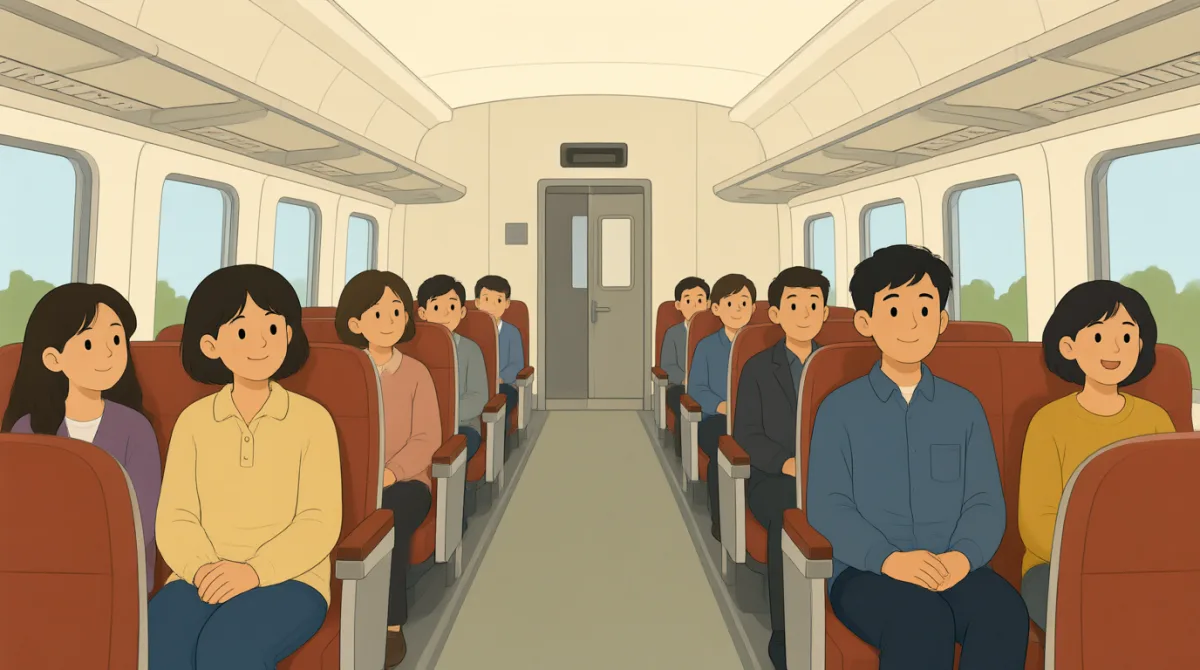

Excuse me, I was wondering if you might be willing to switch seats with me?
মাফ করবেন, আপনি কি আমার সঙ্গে আসন বদলাতে রাজি হবেন?

Oh, sure. What's up?
ওহ, অবশ্যই। কী ব্যাপার?
My son is actually sitting in the row behind you, and I was hoping to sit next to him. I’m in seat 12D, and it's an aisle seat, just like this one.
আসলে আমার ছেলে আপনার পেছনের সারিতে বসেছে, আর আমি ওর পাশে বসতে চাইছিলাম। আমার আসন ১২ডি, আর সেটাও এই আসনটার মতো আইল সিট।
Oh, I see. So you want to be closer to your son. Is your seat right behind mine?
ওহ, বুঝলাম। তাহলে আপনি আপনার ছেলের কাছাকাছি বসতে চান। আপনার আসনটা কি ঠিক আমার পেছনে?
No, it's two rows back, but it's still an aisle seat with good legroom. It's actually very similar to this one.
না, দুই সারি পেছনে, তবে সেটাও পায়ের জন্য বেশ জায়গাসহ আইল সিট। আসলে এই আসনটার সঙ্গে ওটার বেশ মিল আছে।
Okay, that's fine. I don't mind. Go ahead.
ঠিক আছে, সমস্যা নেই। আমার আপত্তি নেই। আপনি বদলে নিন।
Thank you so much! I really appreciate it.
অনেক ধন্যবাদ! আমি সত্যিই কৃতজ্ঞ।
No problem at all.
একদম সমস্যা নেই।
শব্দভান্ডার7
- switchবদলানো
To exchange or change positions, like seats. Use it when asking to trade places politely, e.g., 'Can we switch seats?'
আসনের মতো অবস্থান বা জায়গা অদলবদল করা। ভদ্রভাবে জায়গা বদলানোর অনুরোধ করতে এটি ব্যবহার করা যায়, যেমন, 'Can we switch seats?' (আমরা কি আসন বদলাতে পারি?)
- willingরাজি
Ready or agreeing to do something. It's polite in requests, like 'Are you willing to help?' to show respect.
কিছু করতে প্রস্তুত বা সম্মত থাকা। অনুরোধে এটি ভদ্র শোনায়, যেমন 'Are you willing to help?' (আপনি কি সাহায্য করতে রাজি?)—এতে সম্মান প্রকাশ পায়।
- aisle seatআইল সিট
A seat next to the walkway in a plane, bus, or theater, making it easier to get in and out. Useful for describing seat types when requesting changes.
বিমান, বাস বা থিয়েটারে চলাচলের পথের পাশে থাকা আসন, যেখান থেকে সহজে ওঠানামা করা যায়। আসন বদলানোর অনুরোধে আসনের ধরন বোঝাতে এটি কাজে লাগে।
- rowসারি
A line of seats, like in a theater or airplane. Common in public transport contexts, e.g., 'the front row.'
থিয়েটার বা বিমানের আসনের একটি লাইন। গণপরিবহনের প্রসঙ্গে এটি প্রচলিত, যেমন 'the front row' (সামনের সারি)।
- legroomপায়ের জায়গা
The space available for your legs under a seat. Mention it to explain why a seat is comfortable or similar.
আসনের নিচে পা রাখার জন্য থাকা জায়গা। কোনো আসন আরামদায়ক বা অন্য আসনের মতো—এ কথা বোঝাতে এটি উল্লেখ করতে পারেন।
- appreciateকৃতজ্ঞ হওয়া
To feel grateful for something. Use it after receiving help, like 'I appreciate your kindness,' to show thanks politely.
কোনো কিছুর জন্য ধন্য বোধ করা। সাহায্য পাওয়ার পর ভদ্রভাবে ধন্যবাদ জানাতে এটি ব্যবহার করুন, যেমন 'I appreciate your kindness' (আপনার সদয় আচরণের জন্য আমি কৃতজ্ঞ)।
- No problemকোনো সমস্যা নেই
A casual way to say it's easy or no trouble. Common response to thanks, meaning you're welcome without effort.
কোনো কিছু সহজ বা ঝামেলার নয় বোঝানোর কথ্য উপায়। ধন্যবাদের উত্তরে এটি প্রচলিত; অর্থ, সাহায্য করতে পেরে ভালো লেগেছে।
গুরুত্বপূর্ণ বাক্য7
- 1
Excuse me, I was wondering if you might be willing to switch seats with me?
মাফ করবেন, আপনি কি আমার সঙ্গে আসন বদলাতে রাজি হবেন?
This is a polite way to make a request. 'I was wondering if' softens the question, making it less direct. Use it in public to ask for favors without being rude; grammar uses past continuous for politeness.
অনুরোধ জানানোর এটি একটি ভদ্র উপায়। 'I was wondering if' প্রশ্নটিকে নরম করে, তাই তা কম সরাসরি শোনায়। কাউকে বিরক্ত না করে কোনো অনুগ্রহ চাইতে জনসমক্ষে এটি ব্যবহার করুন; এখানে ভদ্রতা বোঝাতে past continuous ব্যবহার করা হয়েছে।
- 2
What's up?
কী ব্যাপার?
A casual way to ask 'What's the problem?' or 'Why?'. It's informal and friendly; use it when someone approaches you to show you're open to listening.
'What's the problem?' বা 'Why?' জিজ্ঞেস করার একটি কথ্য উপায়। এটি অনানুষ্ঠানিক ও বন্ধুত্বপূর্ণ; কেউ আপনার কাছে এলে, তার কথা শুনতে আগ্রহী বোঝাতে এটি ব্যবহার করুন।
- 3
My son is actually sitting in the row behind you, and I was hoping to sit next to him.
আসলে আমার ছেলে আপনার পেছনের সারিতে বসেছে, আর আমি ওর পাশে বসতে চাইছিলাম।
This explains the reason for the request clearly. 'Actually' adds emphasis, and 'I was hoping' is polite for wishes. Useful for making requests persuasive by giving a family or personal reason; connects clauses with 'and' for smooth flow.
এটি অনুরোধের কারণ স্পষ্ট করে। 'Actually' কথায় জোর যোগ করে, আর 'I was hoping' কোনো ইচ্ছা ভদ্রভাবে প্রকাশ করে। পরিবারের বা ব্যক্তিগত কারণ জানিয়ে অনুরোধকে গ্রহণযোগ্য করতে এটি কাজে লাগে; 'and' দিয়ে দুটি ভাব সুন্দরভাবে যুক্ত হয়েছে।
- 4
Oh, I see. So you want to be closer to your son.
ওহ, বুঝলাম। তাহলে আপনি আপনার ছেলের কাছাকাছি বসতে চান।
This shows understanding and summarizes the reason. 'Oh, I see' acknowledges info; rephrasing helps confirm. Use it in conversations to clarify and build rapport before agreeing.
এতে বোঝা যায় যে আপনি কথাটি বুঝেছেন এবং কারণটি সংক্ষেপে তুলে ধরছেন। 'Oh, I see' দিয়ে পাওয়া তথ্য স্বীকার করা হয়; কথাটি নিজের ভাষায় আবার বললে বিষয়টি নিশ্চিত করা যায়। সম্মতি দেওয়ার আগে কথোপকথনে বিষয় পরিষ্কার করতে এবং আন্তরিকতা গড়ে তুলতে এটি ব্যবহার করুন।
- 5
It's actually very similar to this one.
আসলে এই আসনটার সঙ্গে ওটার বেশ মিল আছে।
Compares seats to make the switch fair. 'Actually' emphasizes truth; useful when describing similarities to persuade someone. Helps in negotiations by highlighting equality.
আসন বদলানো ন্যায্য হবে বোঝাতে দুটি আসনের তুলনা করা হয়েছে। 'Actually' কথাটির সত্যতা জোর দিয়ে বলে; কাউকে রাজি করাতে মিলের কথা বলার সময় এটি কাজে লাগে। সমঝোতার আলোচনায় দুটি বিকল্পের সমতা তুলে ধরতে এটি সাহায্য করে।
- 6
Thank you so much! I really appreciate it.
অনেক ধন্যবাদ! আমি সত্যিই কৃতজ্ঞ।
Expresses strong gratitude. 'So much' intensifies thanks; 'appreciate it' is sincere. Always use after help to end politely and show good manners.
এটি গভীর কৃতজ্ঞতা প্রকাশ করে। 'So much' ধন্যবাদ জানানোর তীব্রতা বাড়ায়; 'appreciate it' আন্তরিক কৃতজ্ঞতা বোঝায়। সাহায্য পাওয়ার পর ভদ্রভাবে কথা শেষ করতে এবং ভালো ব্যবহার দেখাতে এটি বলুন।
- 7
No problem at all.
একদম সমস্যা নেই।
A relaxed response to thanks, meaning it's easy. 'At all' strengthens the casual tone. Common in English to respond to appreciation without formality.
ধন্যবাদের উত্তরে স্বচ্ছন্দভাবে বলা হয়, অর্থাৎ কাজটি করতে কোনো অসুবিধা হয়নি। 'At all' কথাটিকে আরও জোরালো করে। কৃতজ্ঞতার জবাব দিতে ইংরেজিতে এটি খুব প্রচলিত ও অনানুষ্ঠানিক অভিব্যক্তি।