Requesting Utensils/Condiments
طلب أدوات المائدة والتوابل
You've received your order but realize you need extra napkins, forks, or specific condiments like soy sauce. You ask the staff for these additional items.
استلمت طلبك، لكنك أدركت أنك تحتاج إلى مزيد من المناديل أو الشوك أو بعض التوابل مثل صلصة الصويا. تطلب هذه الأشياء الإضافية من الموظفين.
حوار8
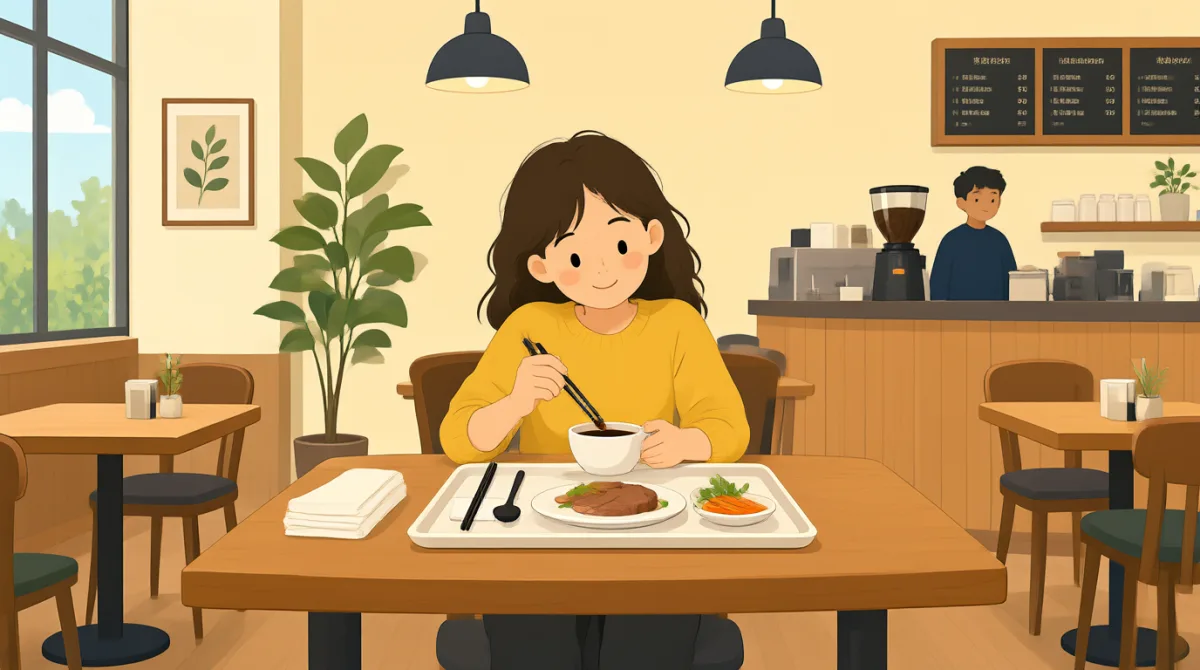

Excuse me, I just picked up my order for a 'David Chen,' but I realized I didn't get any napkins or forks. Could I grab some?
عذرًا، لقد استلمت للتو طلبي باسم «David Chen»، لكنني أدركت أنني لم أحصل على مناديل أو شوك. هل يمكنني أخذ بعضها؟

Certainly! They should have been in the bag, but no worries. How many forks and napkins do you need?
بالتأكيد! كان من المفترض أن تكون في الكيس، لكن لا بأس. كم شوكة وكم منديلًا تحتاج؟
Just two forks, please, and a handful of napkins would be great. Oh, and do you happen to have any soy sauce packets?
شوكتان فقط، من فضلك، وستكون حفنة من المناديل رائعة. وأوه، هل لديكم أكياس من صلصة الصويا؟
Yes, we do. Are you looking for regular soy sauce or low-sodium?
نعم، لدينا. هل تريد صلصة الصويا العادية أم قليلة الصوديوم؟
Just the regular kind, please. Maybe three packets.
العادية فقط، من فضلك. ربما ثلاثة أكياس.
Alright, two forks, a handful of napkins, and three regular soy sauce packets coming right up!
حسنًا، شوكتان، وحفنة من المناديل، وثلاثة أكياس من صلصة الصويا العادية، سأحضرها حالًا!
Thank you so much! You're a lifesaver.
شكرًا جزيلًا! لقد أنقذتني.
You're very welcome! Have a great day and enjoy your meal!
على الرحب والسعة! أتمنى لك يومًا سعيدًا، وبالهناء والشفاء!
المفردات11
- Excuse meعذرًا
A polite way to get someone's attention or interrupt nicely, often used in public places like restaurants.
تعبير مهذب للفت انتباه شخص أو لمقاطعته بلطف، ويُستخدم كثيرًا في الأماكن العامة مثل المطاعم.
- picked upاستلمت
Past tense of 'pick up,' meaning to collect or retrieve something, like an order from a store or restaurant.
الماضي من 'pick up'، ومعناه أخذ شيء أو استلامه، مثل طلب من متجر أو مطعم.
- napkinsمناديل
Paper tissues used for wiping hands or mouth while eating; essential for takeout food to avoid mess.
مناديل ورقية تُستخدم لمسح اليدين أو الفم أثناء الأكل؛ وهي ضرورية مع الطعام الجاهز لتجنب اتساخ المكان.
- forksشوك
Utensils with prongs for eating food; plastic ones are common for to-go orders.
أدوات مائدة ذات أسنان تُستخدم لتناول الطعام؛ والشوك البلاستيكية شائعة مع طلبات الطعام الجاهز.
- grabيأخذ
Informal word meaning to quickly take or get something, like extra items from a counter.
كلمة غير رسمية تعني أن تأخذ شيئًا أو تحصل عليه بسرعة، مثل أخذ أغراض إضافية من المنضدة.
- handfulحفنة
A small amount that fits in one hand, used to describe a casual quantity like napkins.
كمية صغيرة تتسع في يد واحدة، وتُستخدم لوصف كمية تقريبية من شيء مثل المناديل.
- soy sauce packetsأكياس صلصة الصويا
Small sealed packets of soy sauce, a common Asian condiment for flavoring food in takeout.
أكياس صغيرة محكمة الإغلاق تحتوي على صلصة الصويا، وهي من التوابل الشائعة لإضافة نكهة إلى الطعام الجاهز.
- regularعادي
Meaning the standard or normal version, not special or modified, like regular soy sauce vs. low-salt.
تعني النسخة المعتادة أو القياسية، لا نسخة خاصة أو معدلة، مثل صلصة الصويا العادية مقارنة بقليلة الملح.
- low-sodiumقليل الصوديوم
A type of food or condiment with reduced salt content, popular for health reasons.
نوع من الطعام أو التوابل يحتوي على كمية أقل من الملح، ويُفضله البعض لأسباب صحية.
- coming right upسأحضره حالًا
An idiomatic expression meaning something will be ready very soon, often said by service staff.
تعبير اصطلاحي يعني أن الشيء سيكون جاهزًا بعد قليل جدًا، ويستخدمه موظفو الخدمة كثيرًا.
- lifesaverمنقذ
Slang for someone who provides crucial help in a difficult situation, showing strong gratitude.
تعبير عامي يُقال عن شخص يقدم مساعدة مهمة في موقف صعب، ويعبّر عن الامتنان الشديد.
الجمل الأساسية10
- 1
Excuse me, I just picked up my order for a 'David Chen,' but I realized I didn't get any napkins or forks. Could I grab some?
عذرًا، لقد استلمت للتو طلبي باسم «David Chen»، لكنني أدركت أنني لم أحصل على مناديل أو شوك. هل يمكنني أخذ بعضها؟
This polite request uses 'excuse me' to start, past tense 'picked up' and 'realized' for recent actions, and 'could I' for a soft request. Useful for politely asking for missing items after collecting an order.
يبدأ هذا الطلب المهذب بعبارة 'excuse me'، ويستخدم الماضي في 'picked up' و'realized' للحديث عن أفعال حدثت للتو، كما يستخدم 'could I' لصياغة طلب لطيف. يمكنك استعماله لطلب أشياء ناقصة بعد استلام طلبك.
- 2
Certainly! They should have been in the bag, but no worries.
بالتأكيد! كان من المفترض أن تكون في الكيس، لكن لا بأس.
'Certainly' means 'of course' politely; 'should have been' expresses expectation, and 'no worries' reassures casually. Great for customer service responses to show helpfulness without blame.
تعني 'Certainly' «بالتأكيد» بأسلوب مهذب؛ وتعبّر 'should have been' عن توقع، بينما تطمئن عبارة 'no worries' الشخص الآخر بأسلوب غير رسمي. هذا الرد مناسب لخدمة العملاء لأنه يُظهر الاستعداد للمساعدة من دون لوم.
- 3
How many forks and napkins do you need?
كم شوكة وكم منديلًا تحتاج؟
A simple question using 'how many' for quantity, with plural nouns. Practical for clarifying customer needs in service situations like restaurants.
يستخدم هذا السؤال البسيط 'how many' للسؤال عن الكمية، متبوعًا بأسماء جمع. وهو مفيد للاستفسار عن احتياجات الزبائن في مواقف الخدمة، مثل المطاعم.
- 4
Just two forks, please, and a handful of napkins would be great.
شوكتان فقط، من فضلك، وستكون حفنة من المناديل رائعة.
'Just' softens the request, 'please' adds politeness, and 'would be great' expresses preference positively. Use this to specify quantities casually and appreciatively.
تلطّف 'Just' الطلب، وتضيف 'please' إليه نبرة مهذبة، أما 'would be great' فتعبّر عن الرغبة بإيجابية. استخدم هذه العبارة لتحديد الكمية بأسلوب لطيف وممتن.
- 5
Oh, and do you happen to have any soy sauce packets?
وأوه، هل لديكم أكياس من صلصة الصويا؟
'Do you happen to have' is a polite way to ask if something is available by chance. The 'oh, and' adds an afterthought. Ideal for adding extra requests naturally.
تُعد 'Do you happen to have' طريقة مهذبة للسؤال عما إذا كان شيء ما متوفرًا، وكأنك تسأل عن ذلك بالمصادفة. وتضيف 'oh, and' فكرة أخرى تذكرتها للتو. العبارة مناسبة لإضافة طلبات أخرى بشكل طبيعي.
- 6
Are you looking for regular soy sauce or low-sodium?
هل تريد صلصة الصويا العادية أم قليلة الصوديوم؟
An alternative question using 'or' to offer choices. 'Looking for' means seeking. Useful in service to confirm preferences and show attentiveness.
هذا سؤال يقدّم خيارين باستخدام 'or'. وتعني 'looking for' أنك تبحث عن شيء. يفيد هذا الأسلوب في مواقف الخدمة لتأكيد تفضيلات الزبون وإظهار الاهتمام.
- 7
Just the regular kind, please. Maybe three packets.
العادية فقط، من فضلك. ربما ثلاثة أكياس.
'Just' specifies simply, 'kind' refers to type, and 'maybe' suggests tentatively. Helps in making precise requests for items like condiments.
تحدد 'Just' الاختيار ببساطة، وتشير 'kind' إلى النوع، أما 'maybe' فتجعل الطلب يبدو غير جازم. تساعدك هذه الكلمات على طلب أغراض محددة، مثل التوابل.
- 8
Alright, two forks, a handful of napkins, and three regular soy sauce packets coming right up!
حسنًا، شوكتان، وحفنة من المناديل، وثلاثة أكياس من صلصة الصويا العادية، سأحضرها حالًا!
'Alright' acknowledges, lists items for confirmation, and 'coming right up' means soon. This repeating order summary builds trust and is common in fast service.
تُظهر 'Alright' تأكيد الطلب، ثم تُسرد الأغراض للتأكد منها، وتعني 'coming right up' أنها ستُحضَر بعد قليل. يساعد تكرار تفاصيل الطلب على طمأنة الزبون، وهو شائع في الخدمة السريعة.
- 9
Thank you so much! You're a lifesaver.
شكرًا جزيلًا! لقد أنقذتني.
Intensifier 'so much' shows strong thanks; 'lifesaver' is idiomatic gratitude. Use after receiving help to end interactions warmly.
تُظهر 'so much' امتنانًا كبيرًا، و'lifesaver' تعبير اصطلاحي عن الشكر. استخدم هذه العبارة بعد تلقي المساعدة لإنهاء الحديث بود.
- 10
You're very welcome! Have a great day and enjoy your meal!
على الرحب والسعة! أتمنى لك يومًا سعيدًا، وبالهناء والشفاء!
'You're very welcome' is a polite response to thanks; well-wishes like 'have a great day' are standard farewells. Perfect for positive customer interactions.
تُعد 'You're very welcome' ردًا مهذبًا على الشكر، وتُستخدم عبارات التمنيات مثل 'have a great day' عادةً عند الوداع. وهي مناسبة لإنهاء التفاعل مع الزبون بأسلوب إيجابي.