單元 34
單字 661–680 · manager, international, contain, notice, wonder, nature

manager
#661noun
經理;管理者
A person who controls and organizes the work of a business or group.
負責管理和組織企業或團體工作的人。
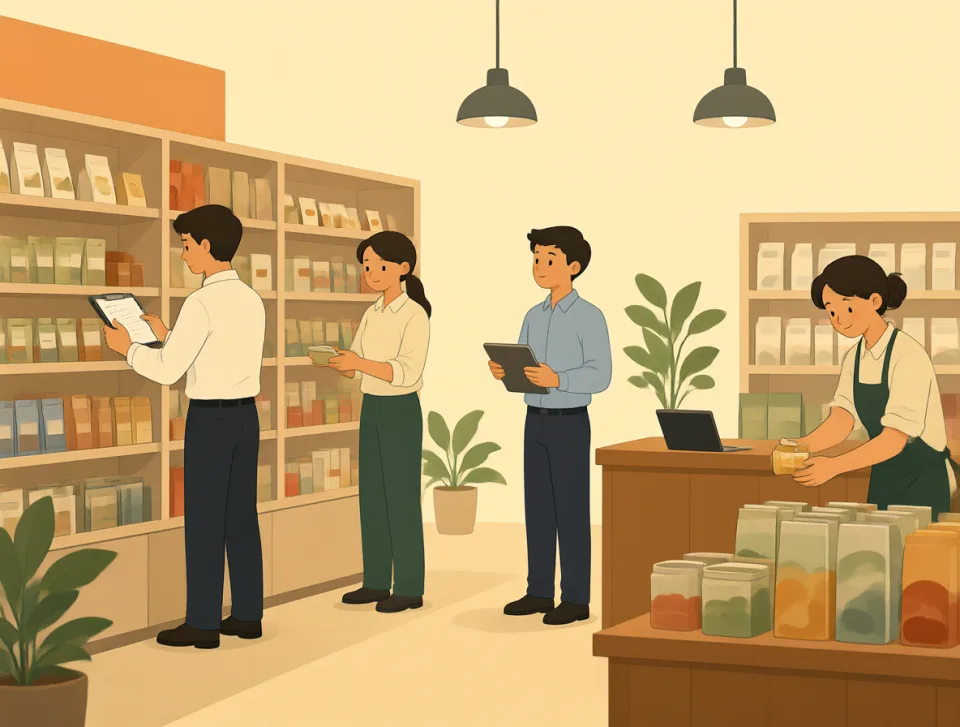
The manager checks the store every morning.
經理每天早上都會檢查商店。

Please speak to the hotel manager.
請找酒店經理談談。

Our manager planned a team meeting.
我們的經理安排了一次團隊會議。

The restaurant manager greeted our family.
餐廳經理向我們一家人打了招呼。

The store manager helped me find shoes.
商店經理幫我找到了鞋子。
international
#662adjective
國際的
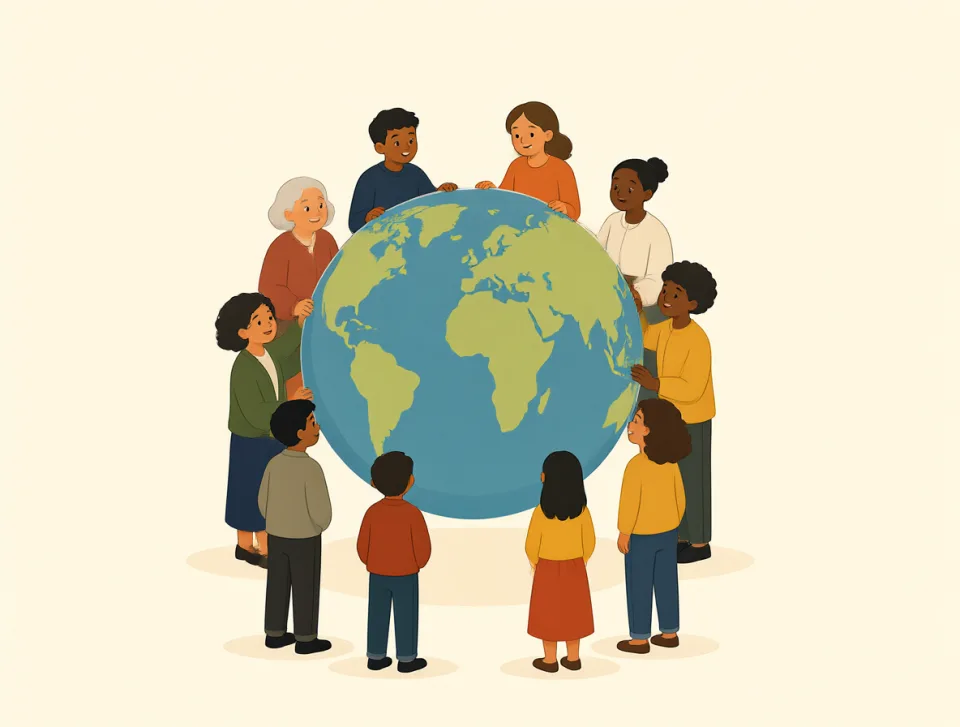
involving or shared by people or countries from different parts of the world
涉及或由來自世界不同地區的人們或國家共同參與的

She works for an international company.
她在一家國際公司工作。

We ate at an international food festival.
我們在一個國際美食節上吃了飯。
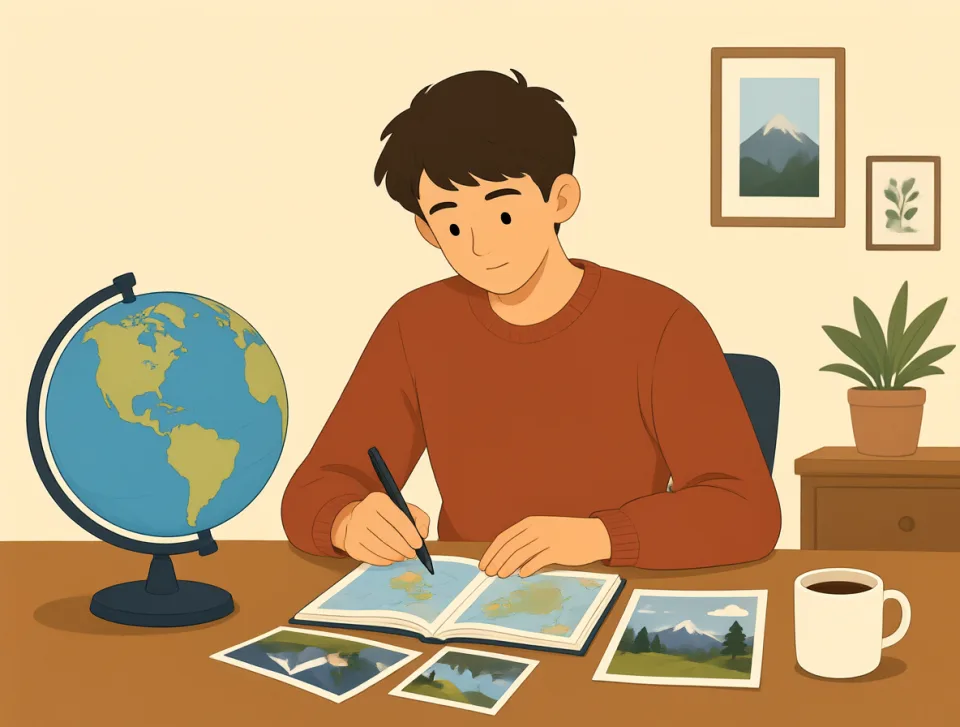
He wants an international career.
他想擁有一份國際化的職業生涯。

Our school has international students.
我們學校有國際學生。

They flew on an international flight.
他們乘坐國際航班出行。
contain
#663verb
包含; 含有
to have something inside or include something
裡面有某物或包括某物

This box contains six small toys.
這個盒子裡有六個小玩具。
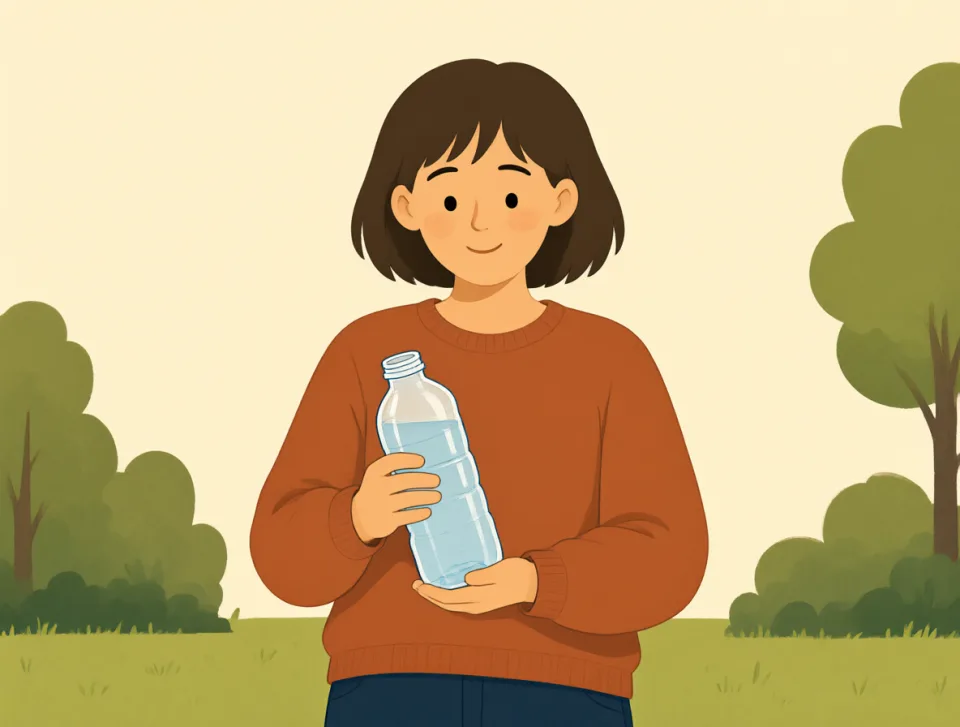
The bottle contains clean drinking water.
這個瓶子裡裝的是乾淨的飲用水。
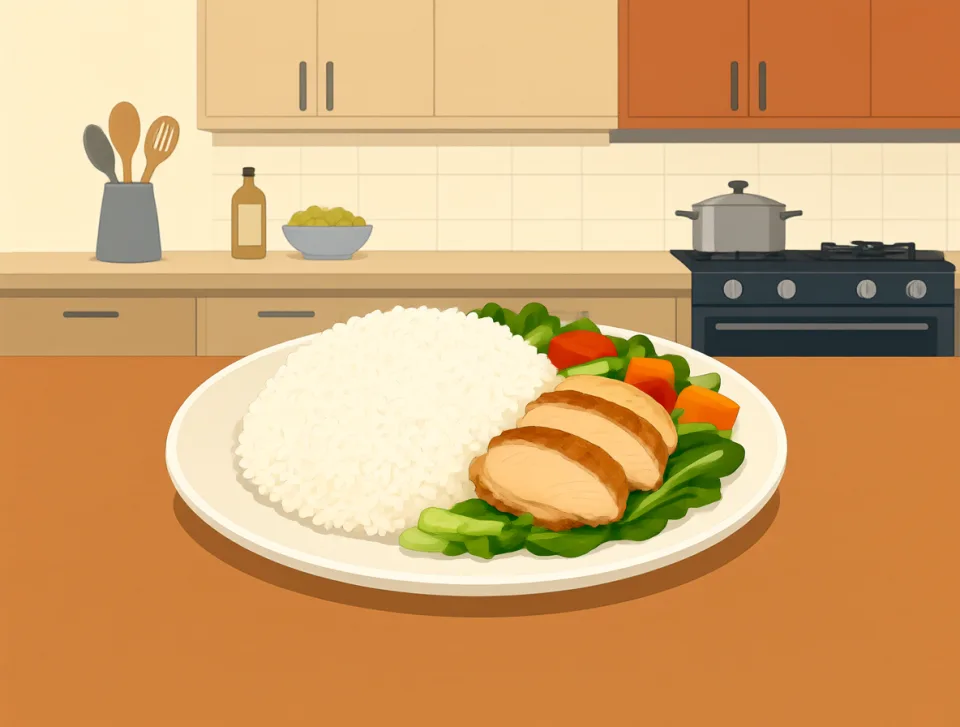
This meal contains rice, vegetables, and chicken.
這頓飯裡有米飯、蔬菜和雞肉。
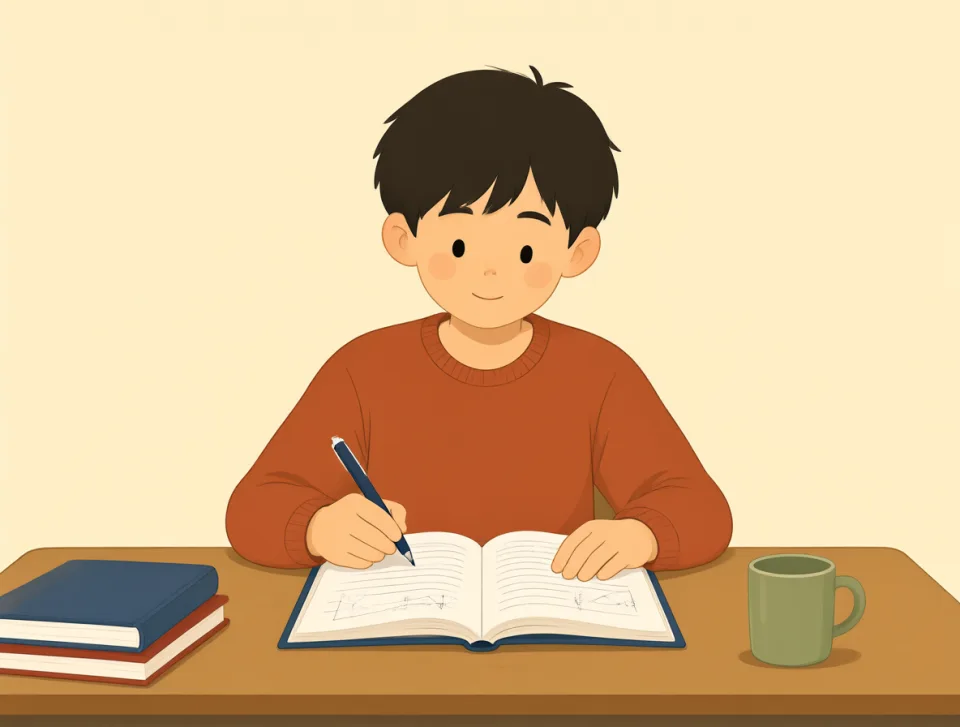
The book contains useful grammar exercises.
這本書包含有用的語法練習。
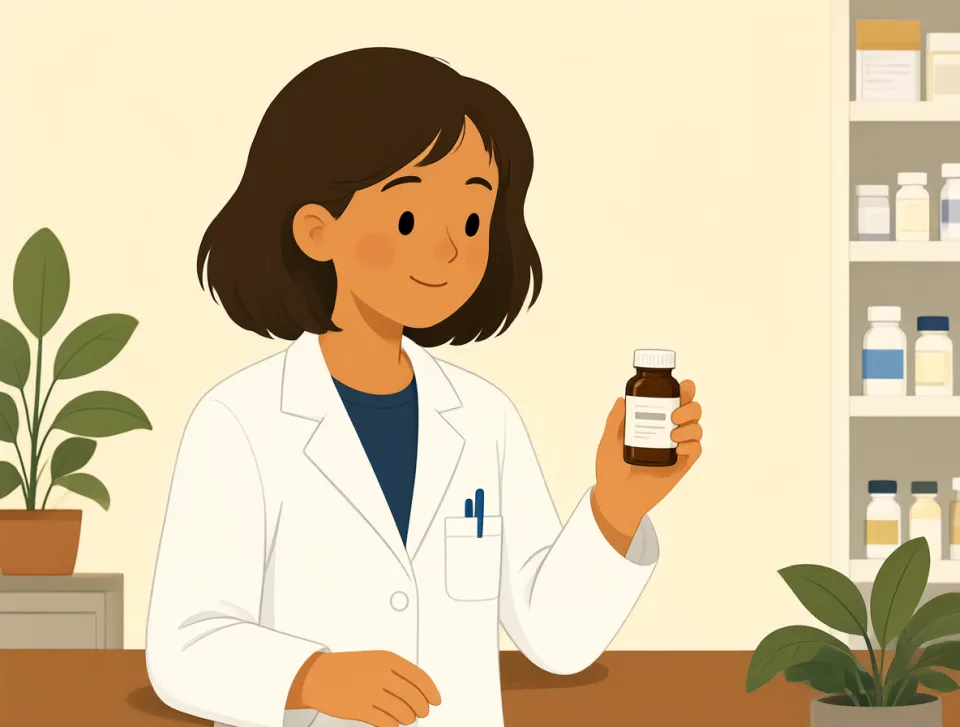
The medicine contains natural ingredients.
這種藥含有天然成分。

notice
#664verb, noun
注意到;通知
to see or become aware of something; a short written announcement about something
看到或意識到某事;關於某事的簡短書面通知
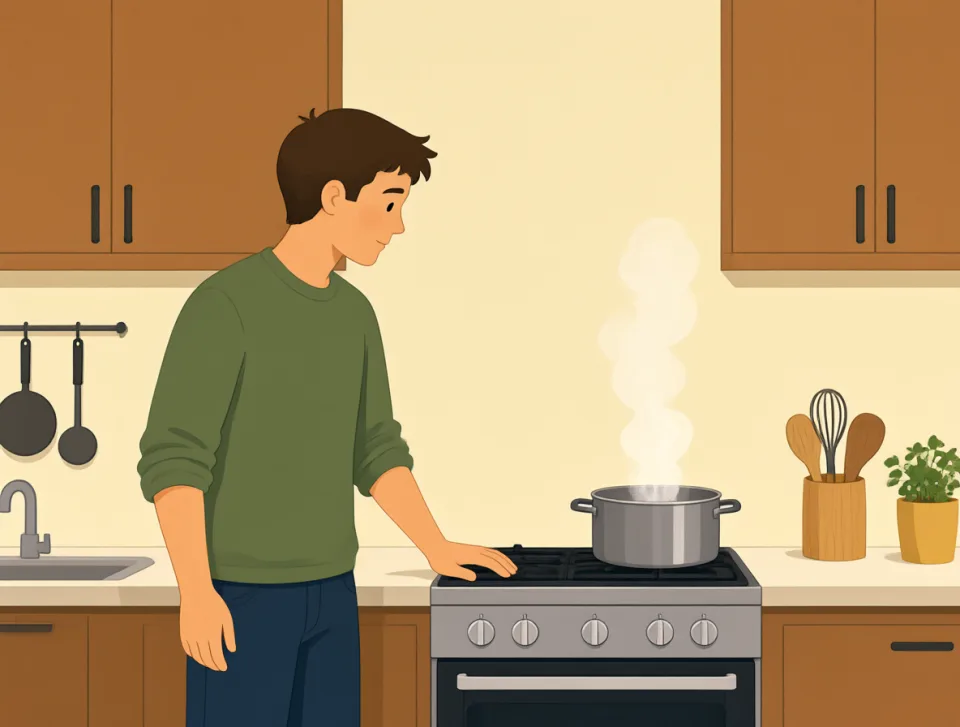
I noticed a strange smell in the kitchen.
我注意到廚房裡有一股奇怪的味道。

Did you notice the new teacher today?
你今天注意到新老師了嗎?
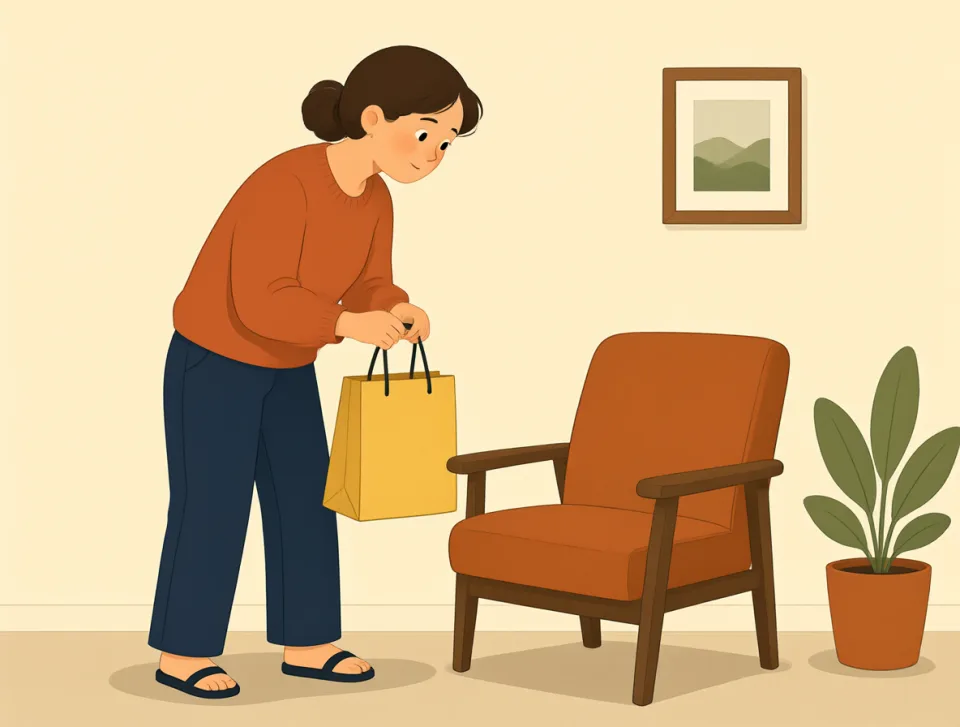
She noticed that her bag was missing.
她發現自己的包不見了。

We noticed a small café near the station.
我們注意到車站附近有一家小咖啡館。

I read the notice on the office door.
我讀了辦公室門上的通知。
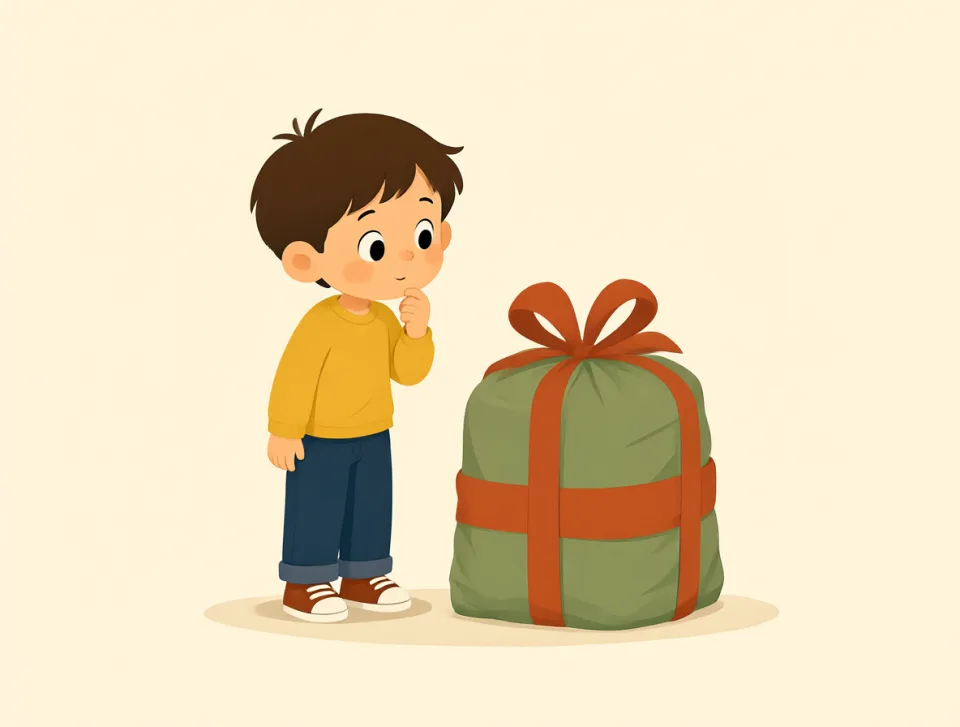
wonder
#665noun, verb
想知道; 納悶; 奇蹟; 驚歎
To think about something and want to know more about it.
思考某件事,並想進一步瞭解它。
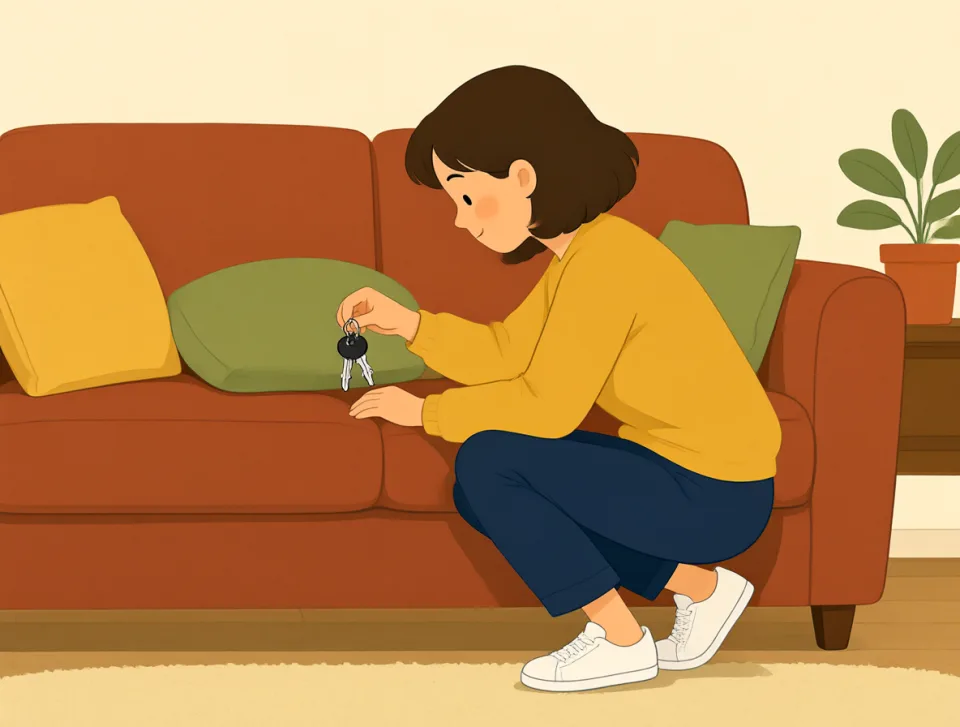
I wonder where my keys are.
我想知道我的鑰匙在哪兒。

She wondered why he was late.
她想知道他為什麼遲到。
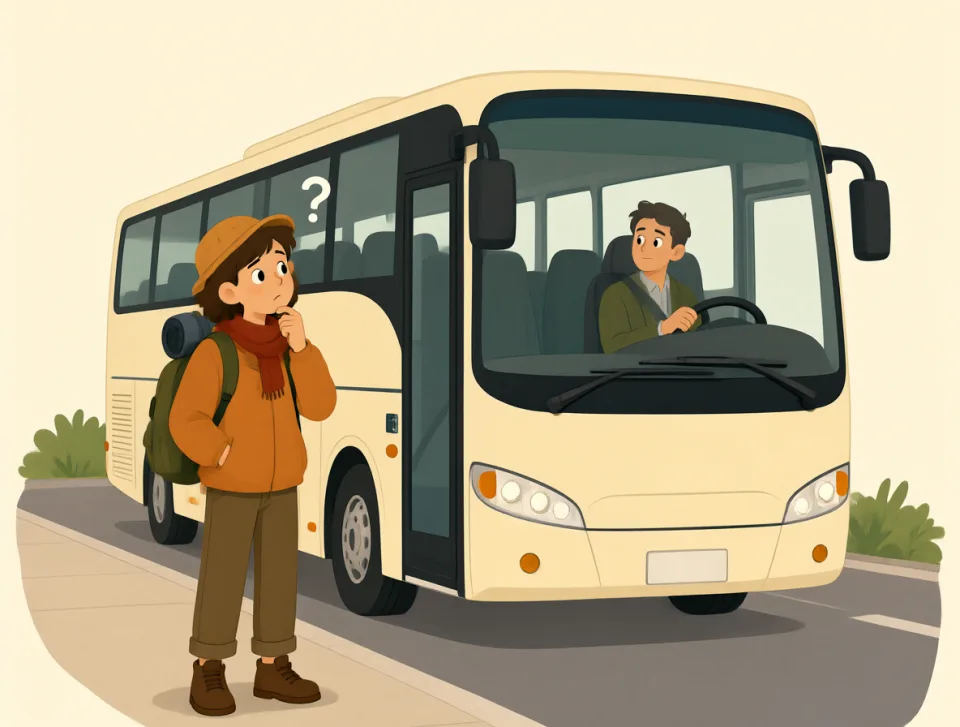
I wonder if this bus goes downtown.
我想知道這輛公交車是否去市中心。

The new baby is a wonder.
這個新生的寶寶真是個奇蹟。

We wondered at the beautiful mountain view.
我們驚歎於美麗的山景。
nature
#666noun
大自然; 自然
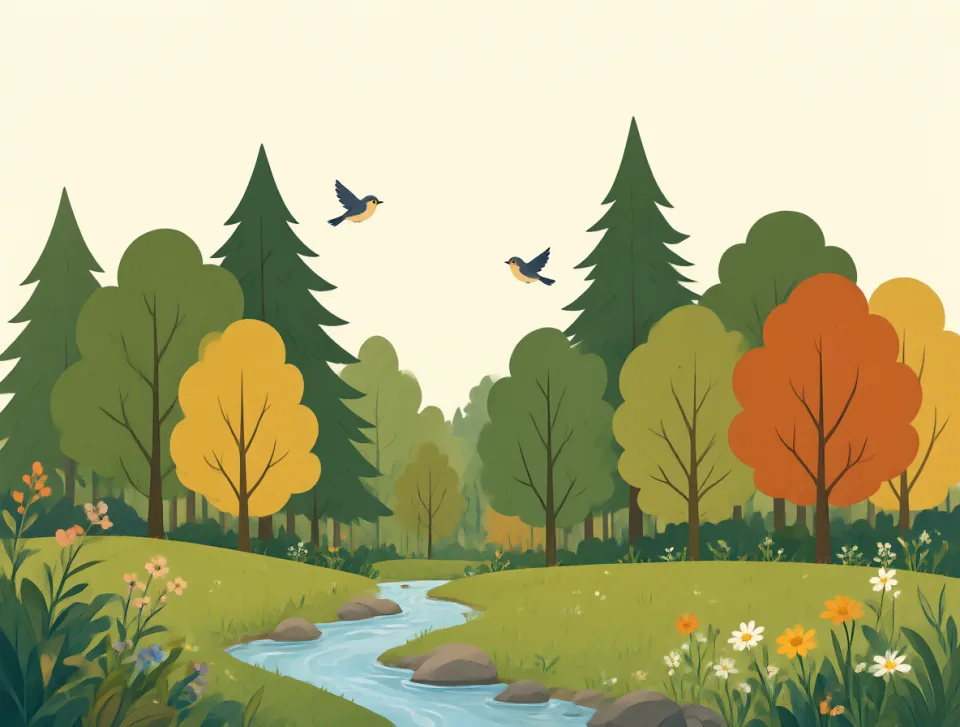
the natural world, including plants, animals, and places not made by people
包括植物、動物以及未經人類開發的地方在內的自然世界

We walked in nature after breakfast.
早餐後,我們在大自然中散步。
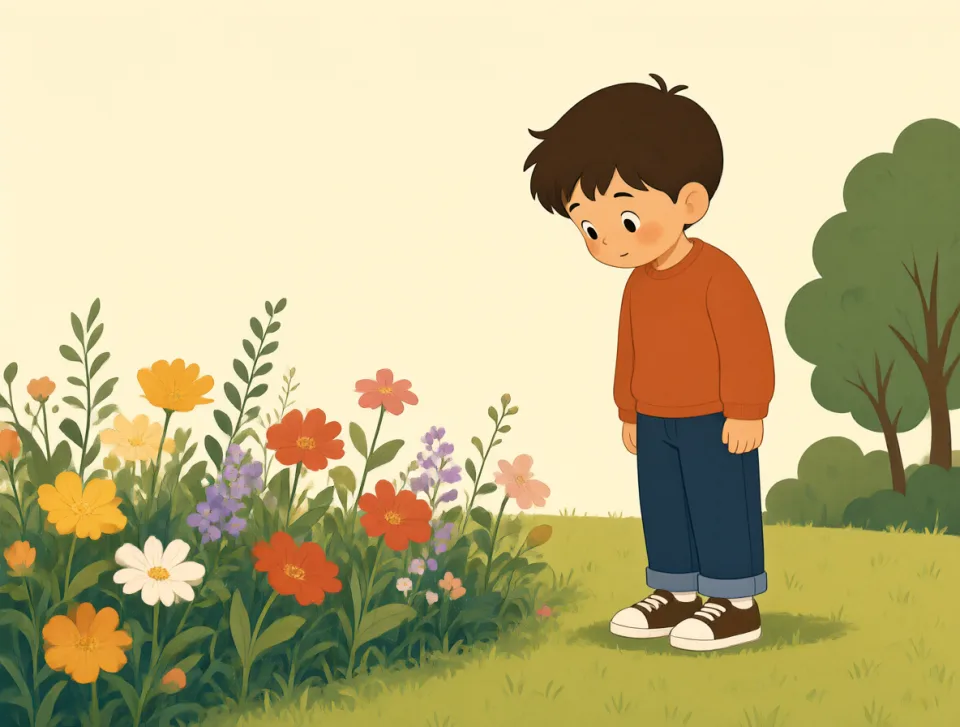
Nature is beautiful in the spring.
春天的大自然美極了。

This park is a great place to enjoy nature.
這個公園是享受大自然的好地方。

She loves taking nature photos on trips.
她喜歡在旅行時拍攝自然風光。

The doctor says nature can reduce stress.
醫生說,大自然可以減輕壓力。
structure
#667noun, verb
結構;構成;組織
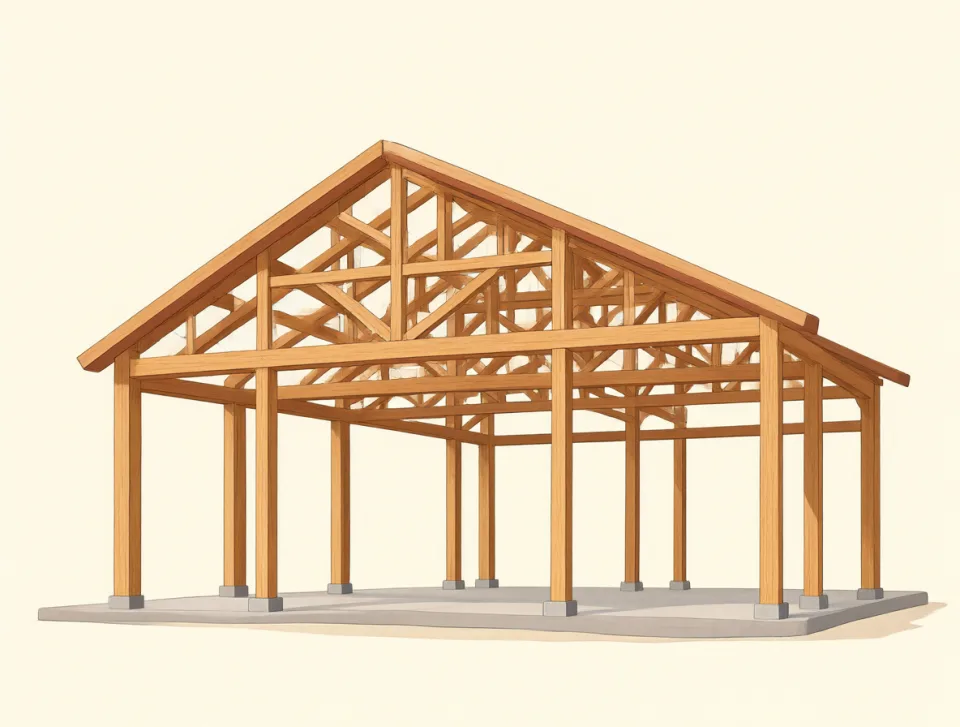
The way parts are arranged and connected; to arrange parts in a clear way.
各部分的排列和連線方式;以清晰的方式安排各部分。
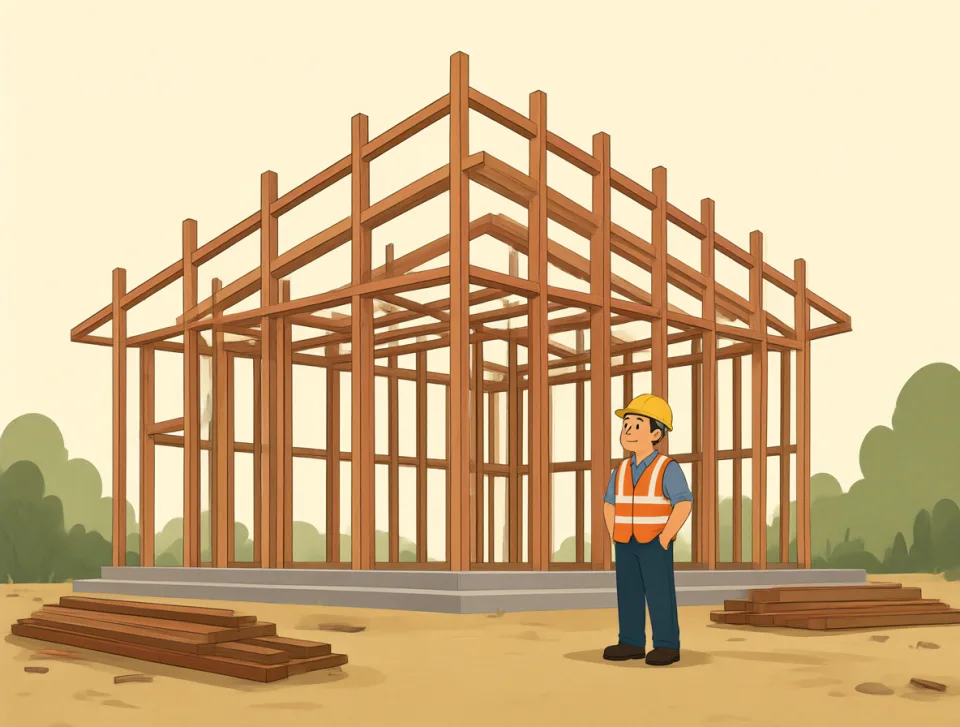
The building has a strong structure.
這座建築的結構很堅固。
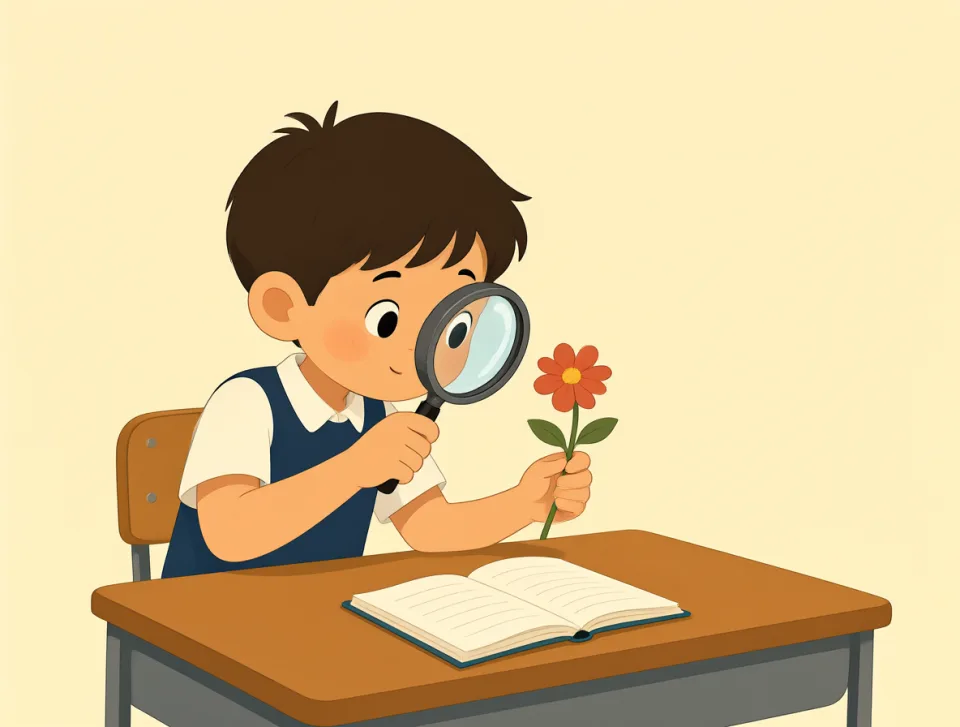
We studied the structure of a flower.
我們學習了花的結構。
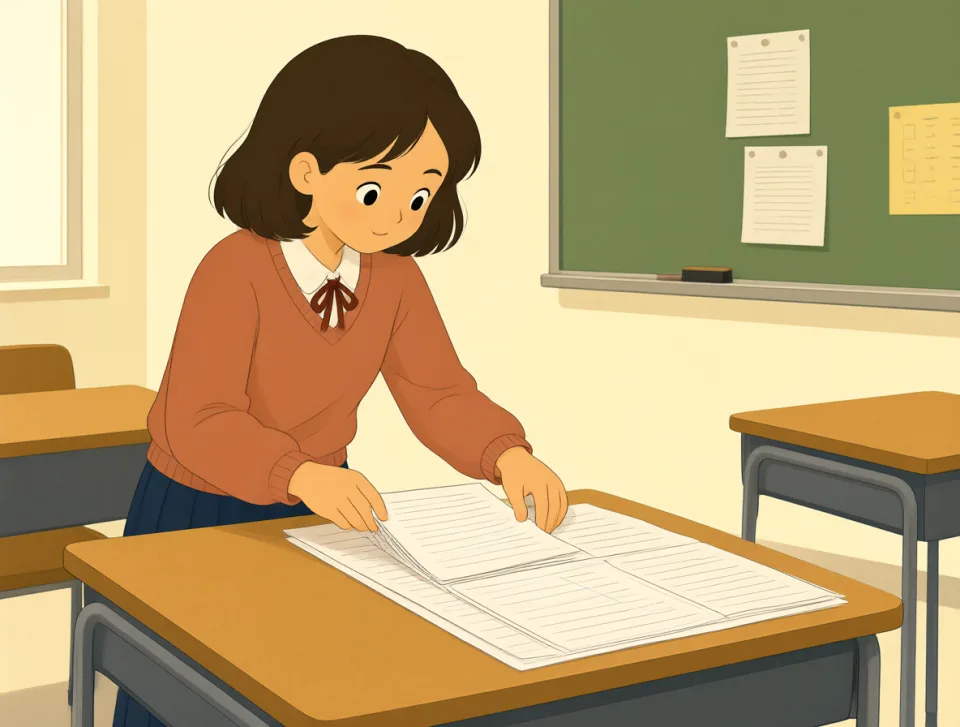
The essay has a clear structure.
這篇文章的結構很清晰。
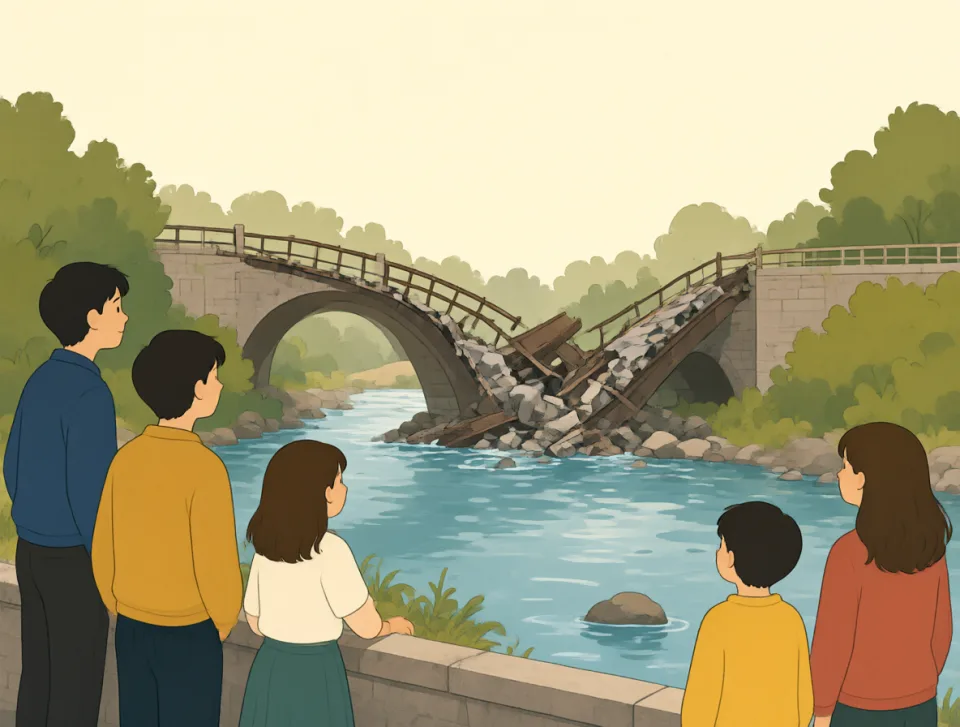
The bridge structure was damaged by the storm.
橋樑結構被暴風雨損壞了。
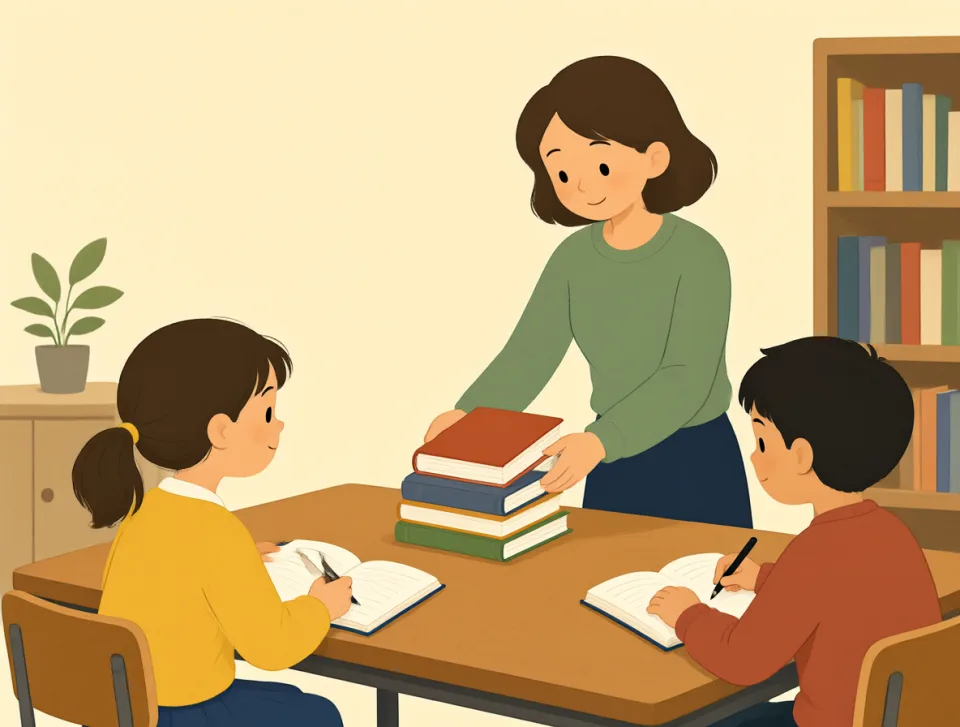
The teacher structured the lesson carefully.
老師仔細地安排了課程。
section
#668noun, verb
部分;章節;區域;分組
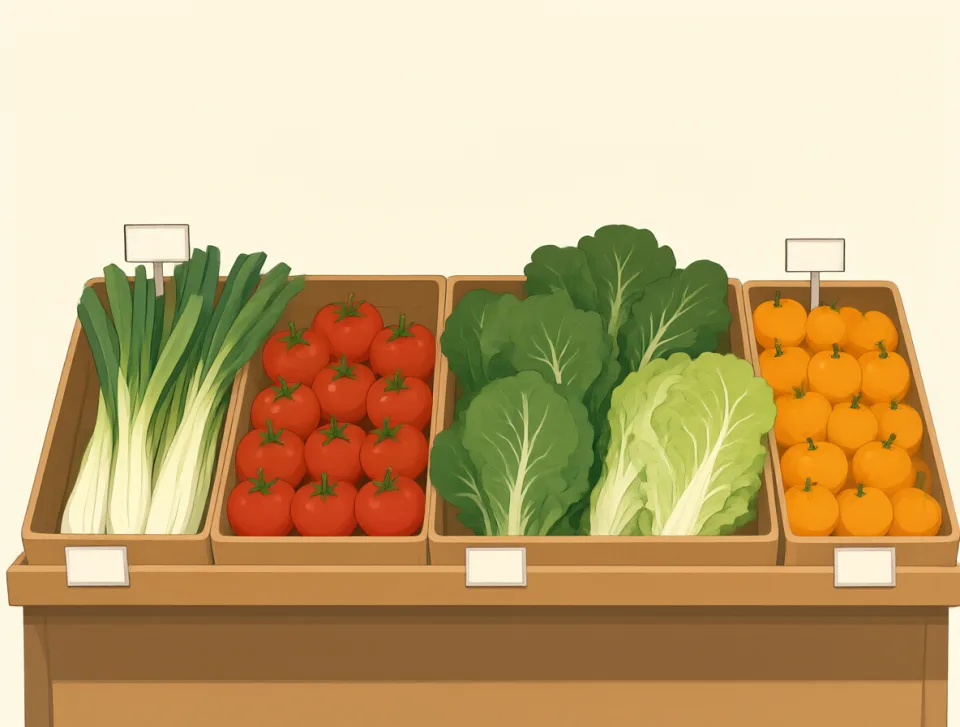
One part of something larger, such as a book, store, or group.
較大事物中的一部分,例如書籍、商店或團體中的一部分。
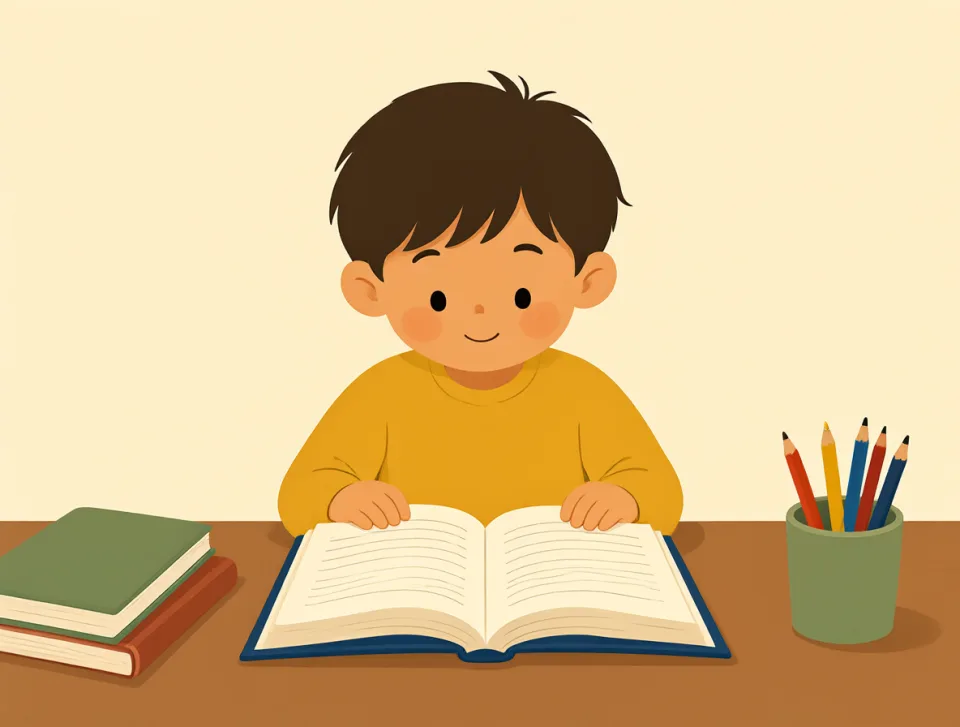
Please read the next section of the book.
請閱讀這本書的下一部分。

The store has a large clothing section.
這家商店有一個很大的服裝區。

We sat in the front section of the train.
我們坐在火車的前部車廂。
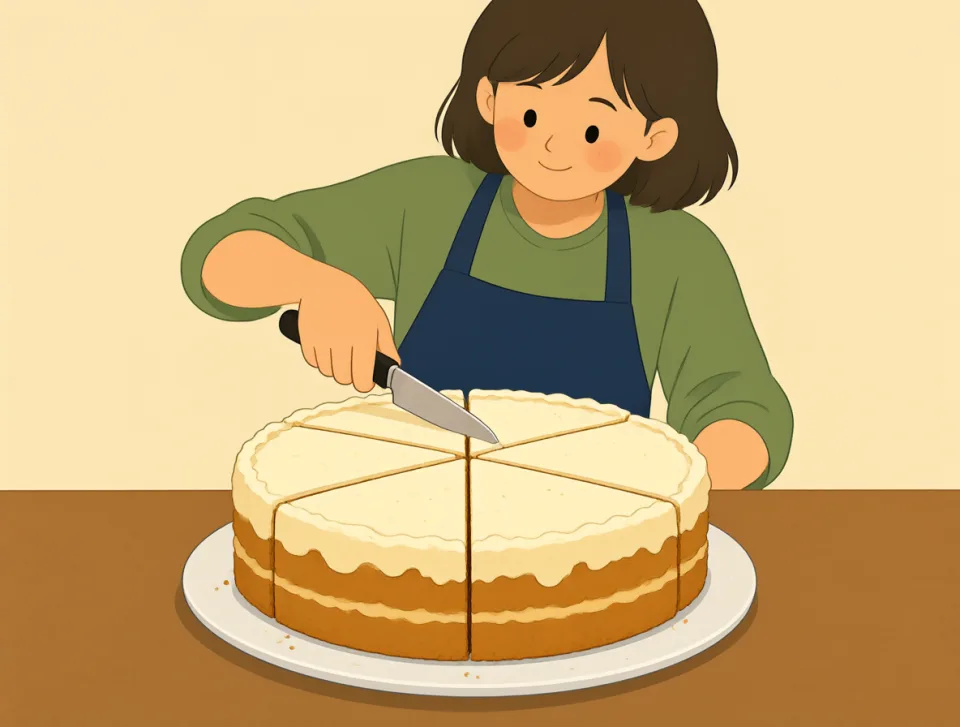
Cut the cake into six equal sections.
把蛋糕切成六等份。
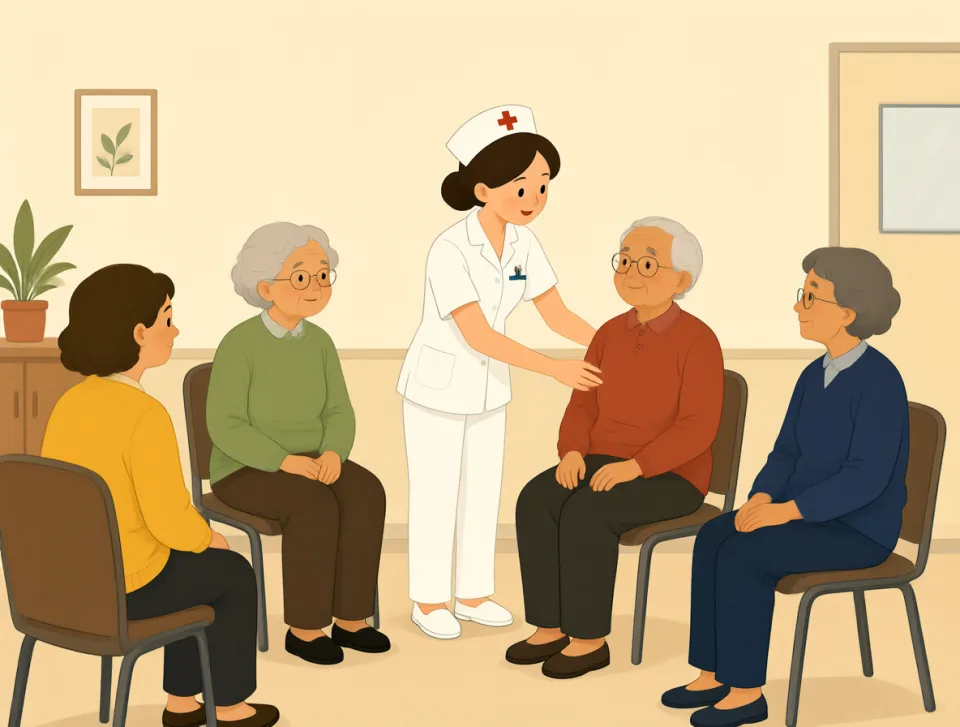
The nurse sectioned the patients into small groups.
護士把病人分成了幾個小組。
myself
#669pronoun
我自己; 我本人
used to refer to the speaker as the object of an action or for emphasis
用來指說話者自己,作為動作的物件或用於強調
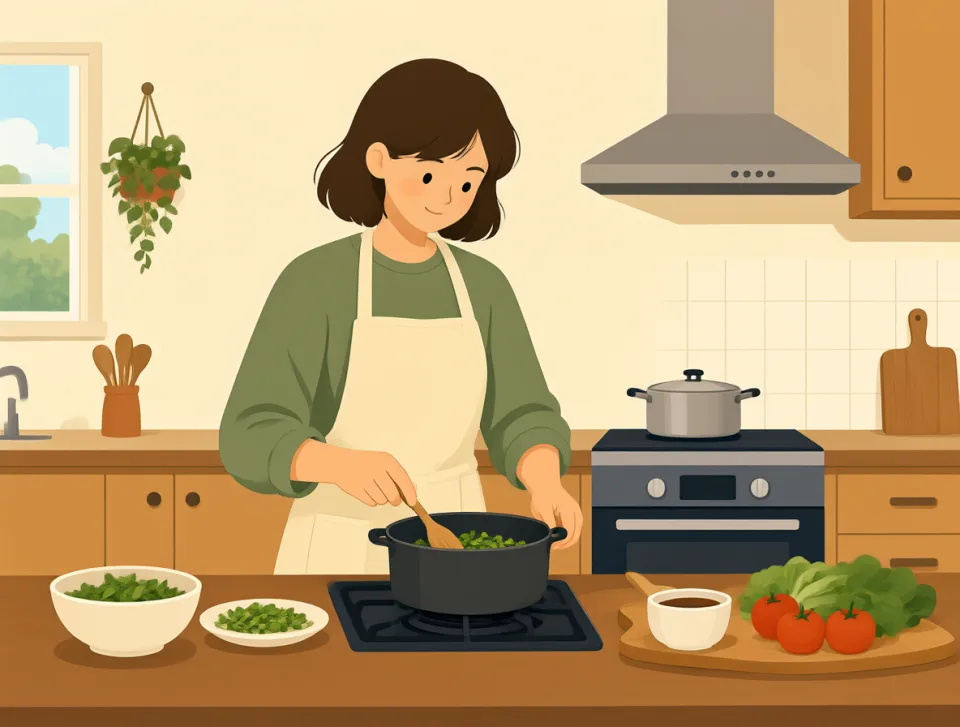
I taught myself to cook.
我自學會了做飯。
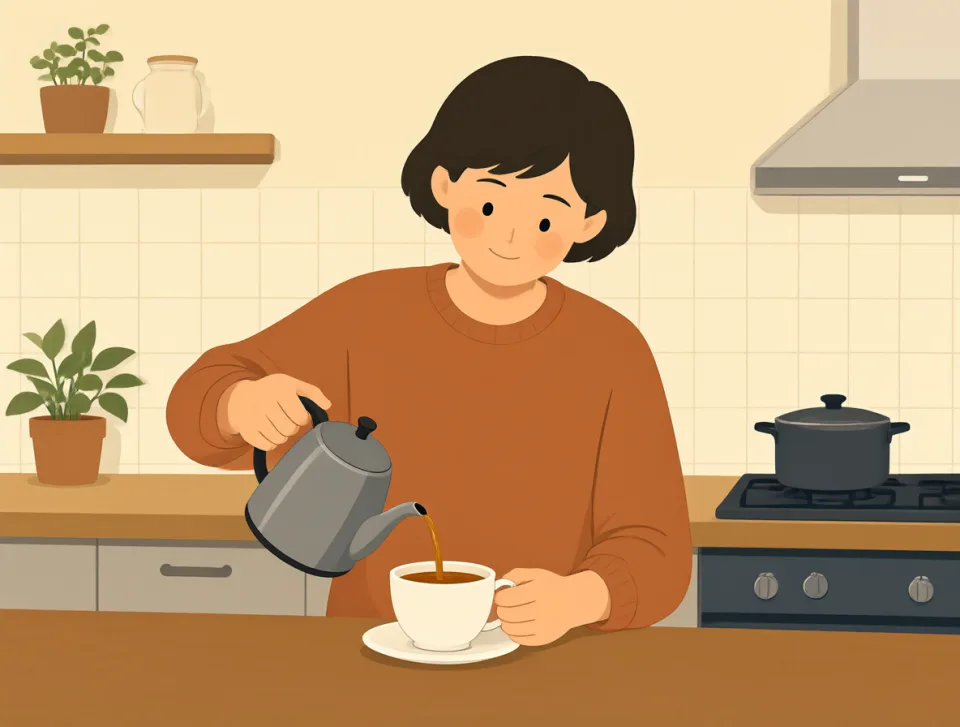
I made myself a cup of tea.
我給自己泡了一杯茶。
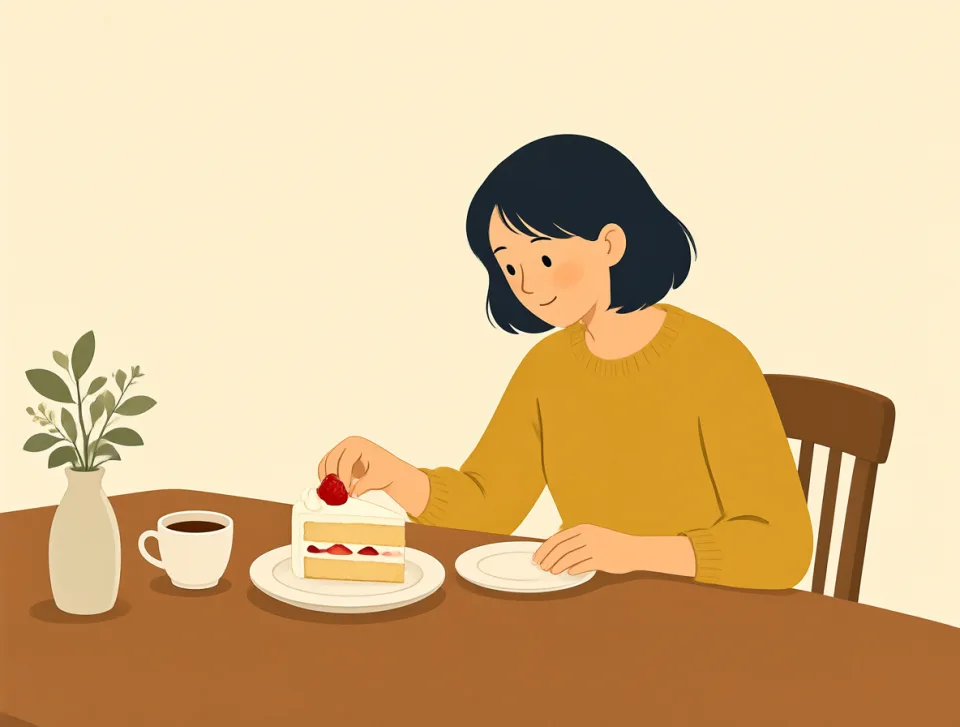
Please help yourself to some cake.
請隨意吃點蛋糕。
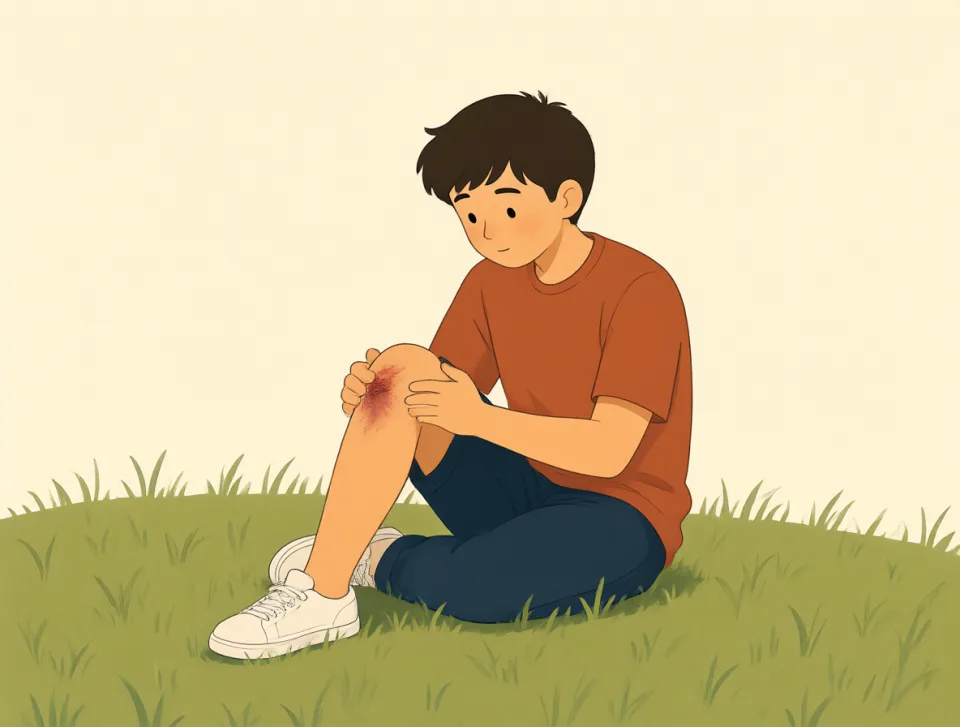
I hurt myself while playing football.
我踢足球時弄傷了自己。

I introduced myself to the new teacher.
我向新老師介紹了自己。
exactly
#670adverb
確切地;恰好
In a way that is completely correct or accurate.
以完全正確或準確的方式。
That is exactly what I need.
那正是我需要的。
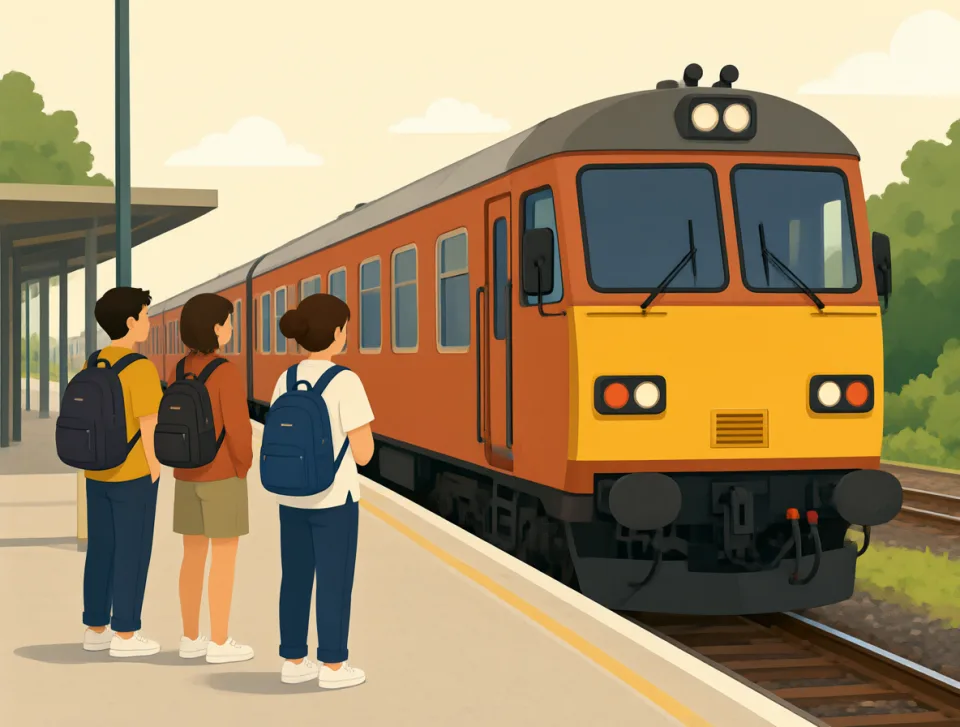
The train arrived exactly at noon.
火車正好在中午到達。
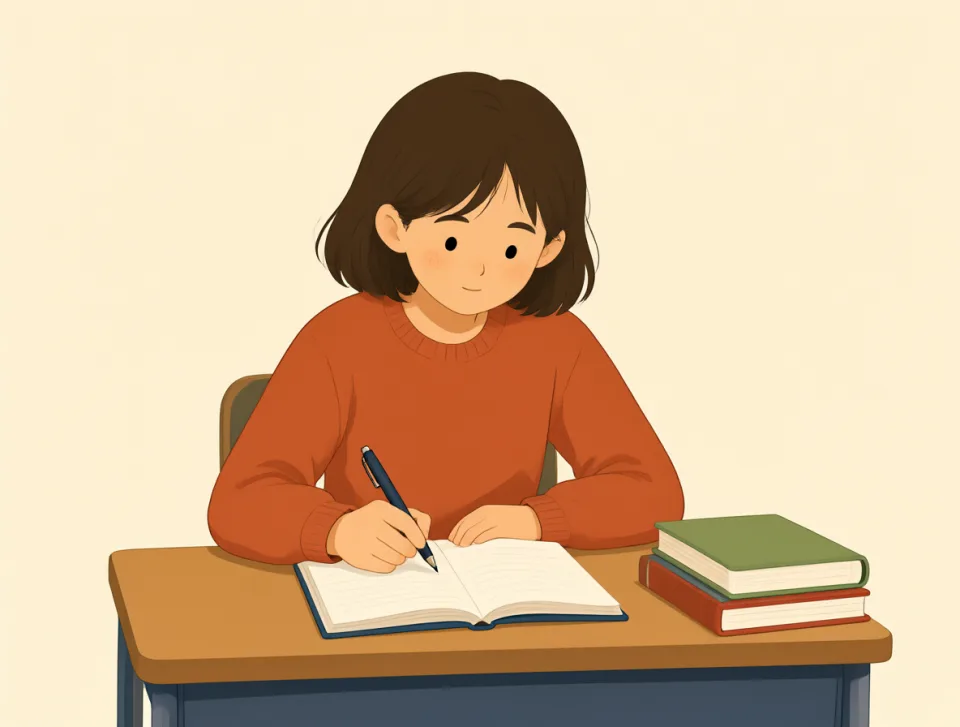
Please write exactly five sentences.
請準確地寫五個句子。

This shirt is exactly my size.
這件襯衫正好是我的尺碼。

He knew exactly how I felt.
他完全知道我的感受。

plant
#671noun, verb
植物;工廠;種植;植入
A living thing that grows in soil, or to put something in the ground.
一種生長在土壤中的生物,或把某物放進土裡。

She waters the plants every morning.
她每天早上給植物澆水。
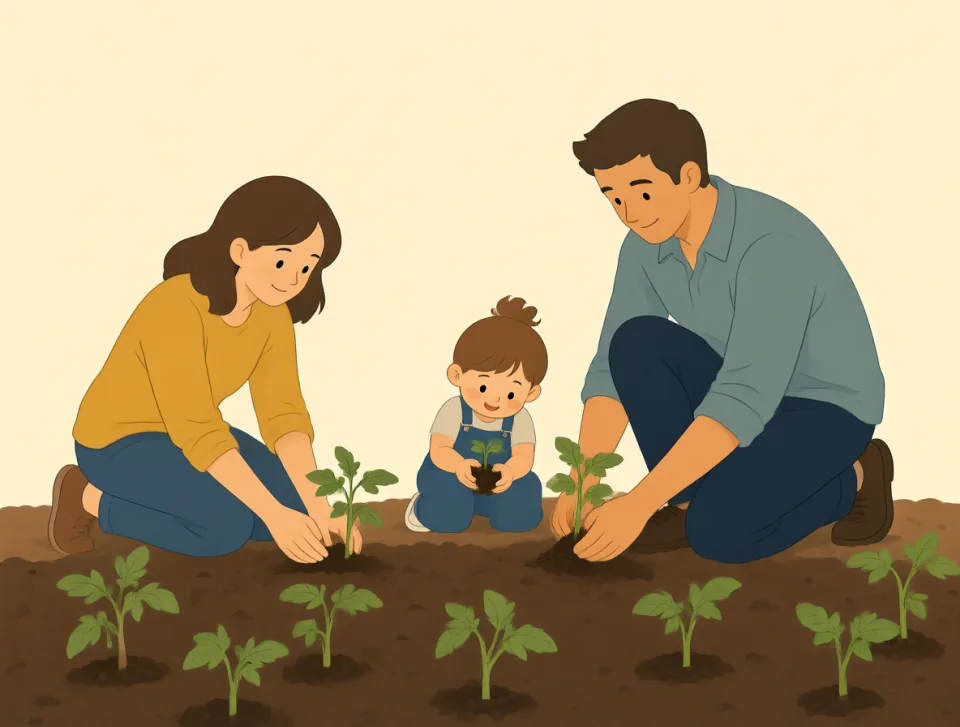
We planted tomatoes in the garden.
我們在花園裡種了西紅柿。
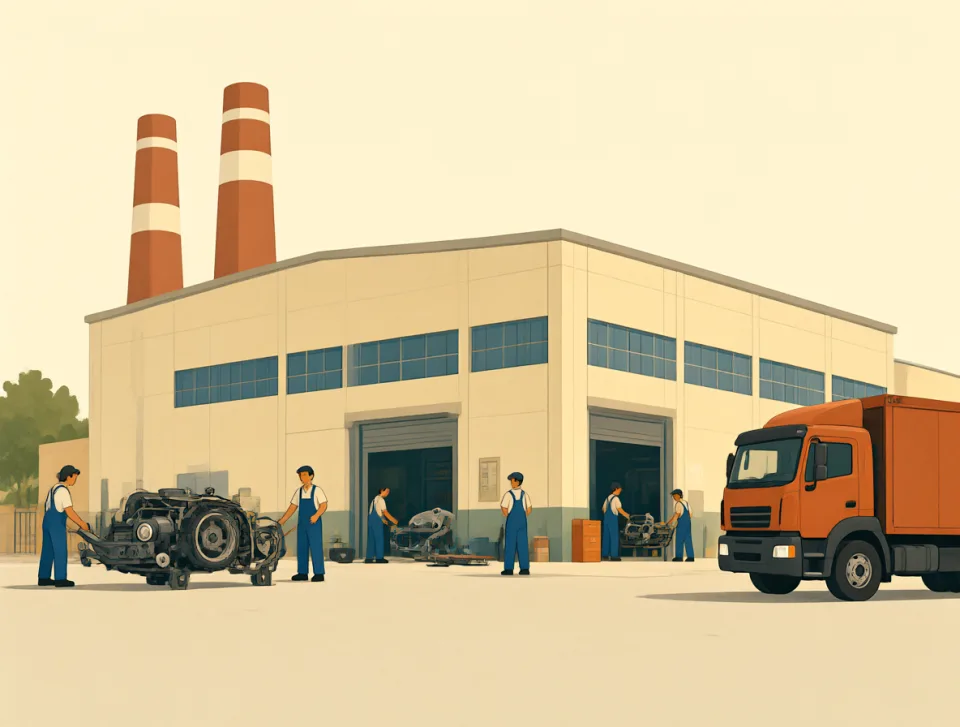
The factory plant makes car parts.
這家工廠生產汽車零部件。

The doctor planted a small device under his skin.
醫生在他的皮下植入了一個小裝置。
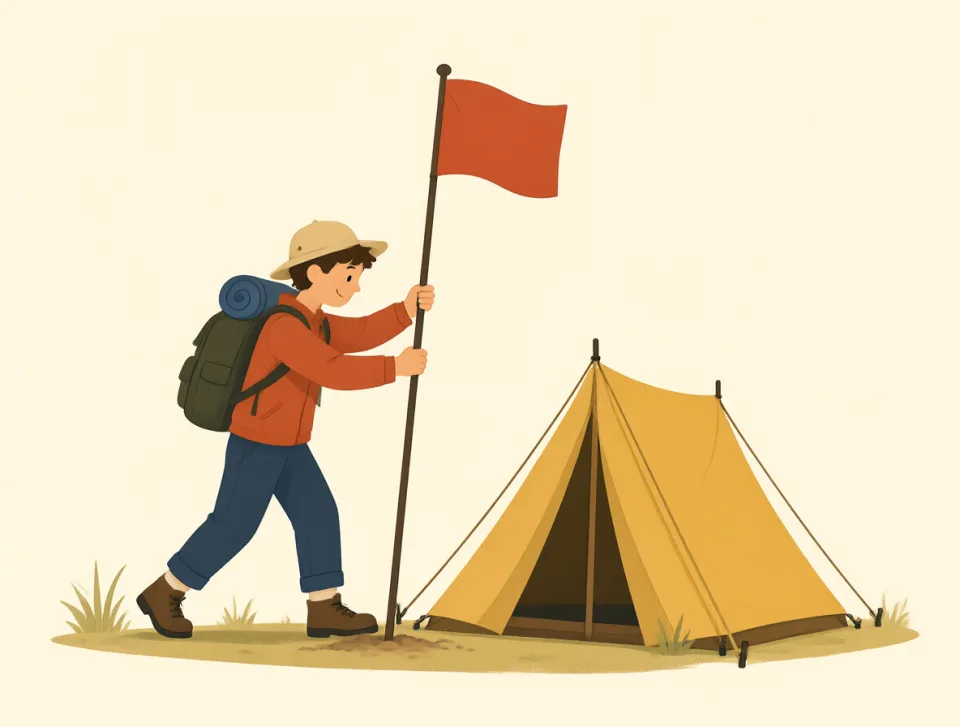
Please plant the flag near the tent.
請把旗子插在帳篷附近。

paint
#672noun, verb
油漆;繪畫;給……上色
A colored liquid used to cover or decorate surfaces; to put color on something.
用來覆蓋或裝飾表面的有色液體;給某物塗上顏色
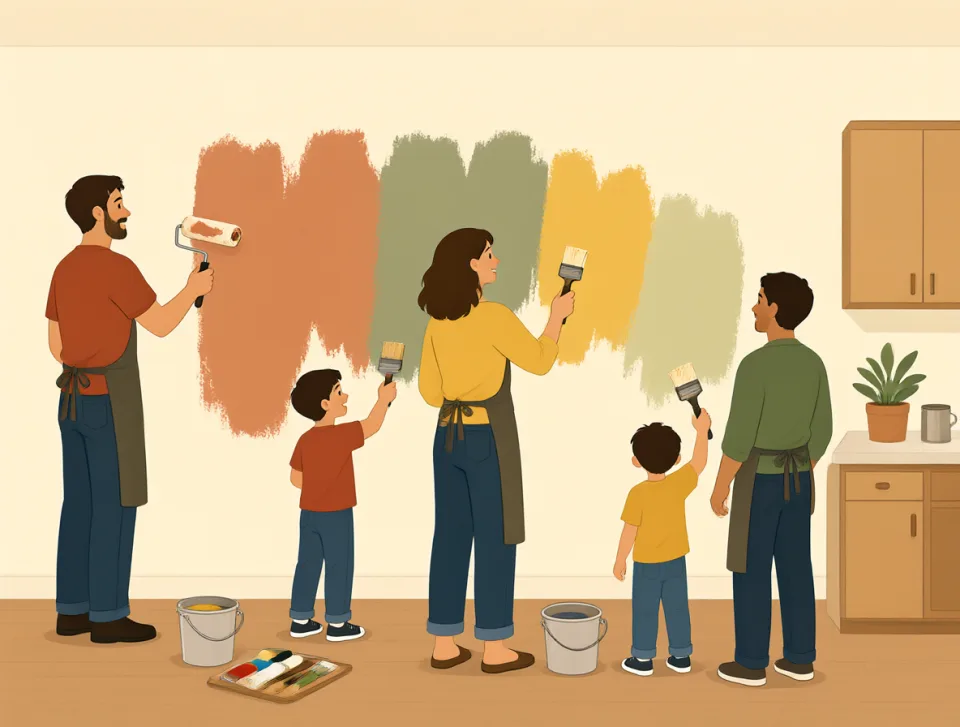
We painted the kitchen walls last weekend.
我們上週末給廚房的牆刷了漆。
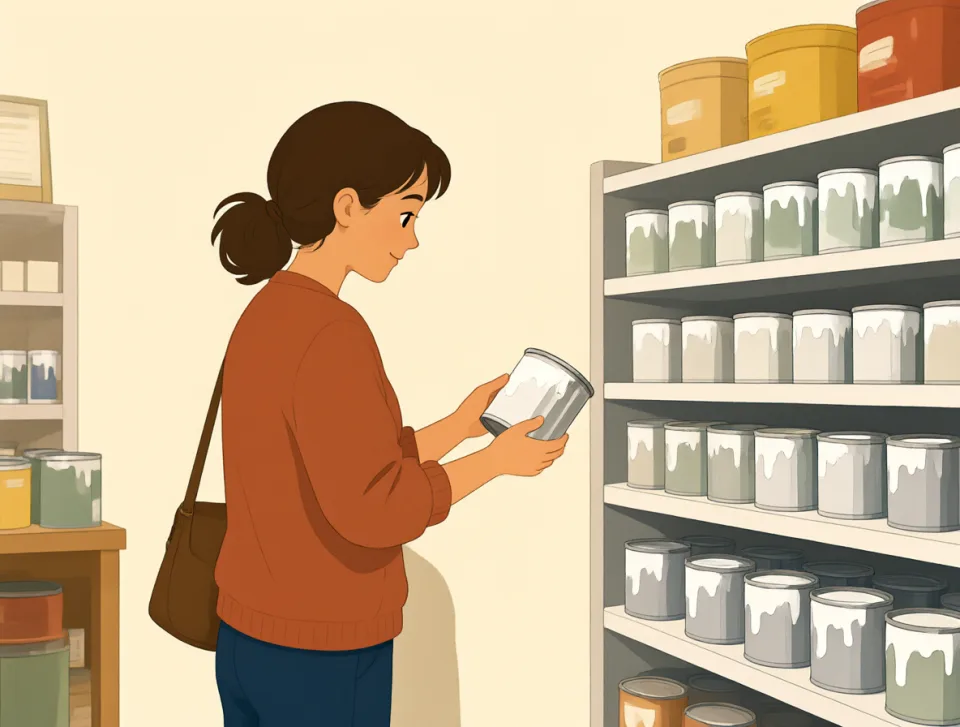
She bought white paint for the bedroom.
她買了白色油漆刷臥室。
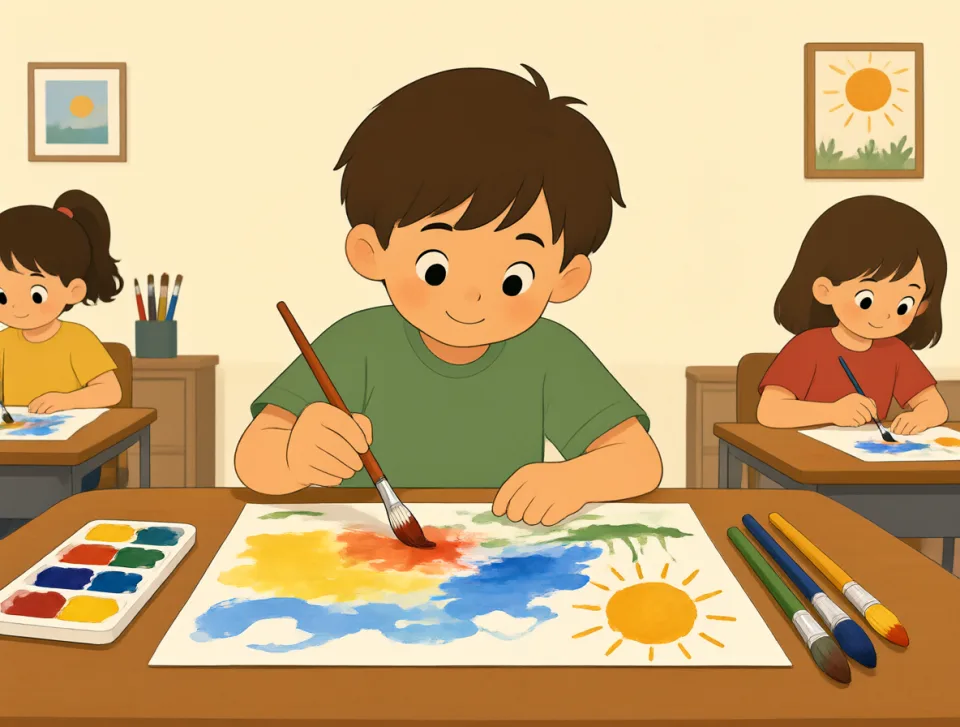
The children are painting pictures at school.
孩子們正在學校畫畫。

He painted the chair green yesterday.
他昨天把椅子漆成了綠色。

The artist paints beautiful flowers.
這位藝術家畫的花很漂亮。
worker
#673noun
工人; 工作人員; 員工
A person who does a job, especially to earn money.
做一份工作的人,尤其是為了掙錢。

The workers start early every morning.
工人們每天早上都很早開始工作。

A shop worker helped me find shoes.
一位店員幫我找到了鞋子。
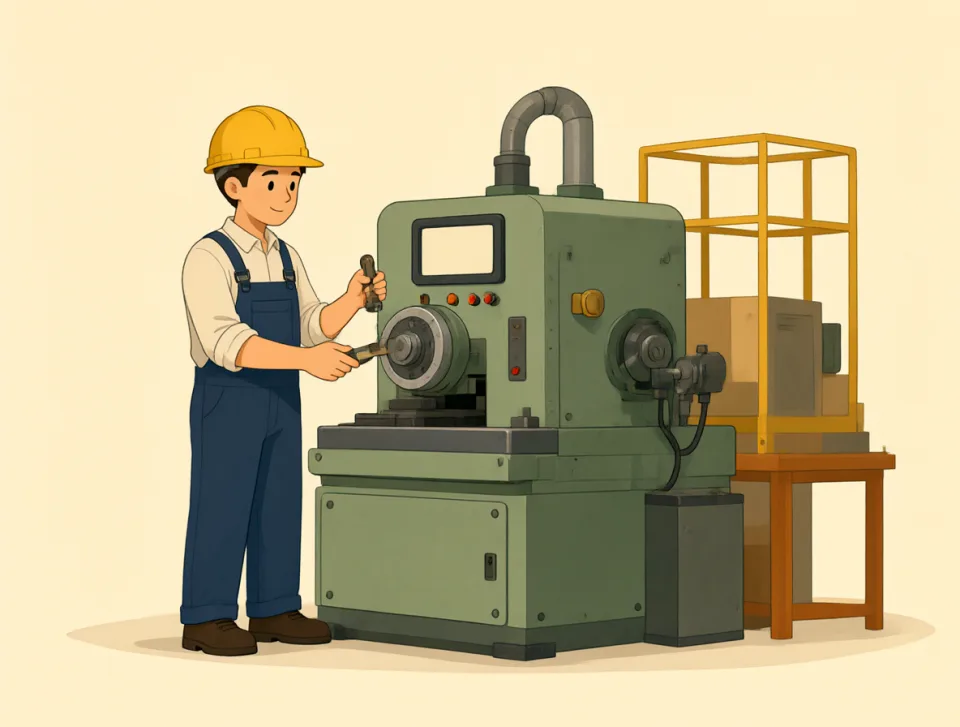
The factory worker checked the machines.
工廠工人檢查了機器。
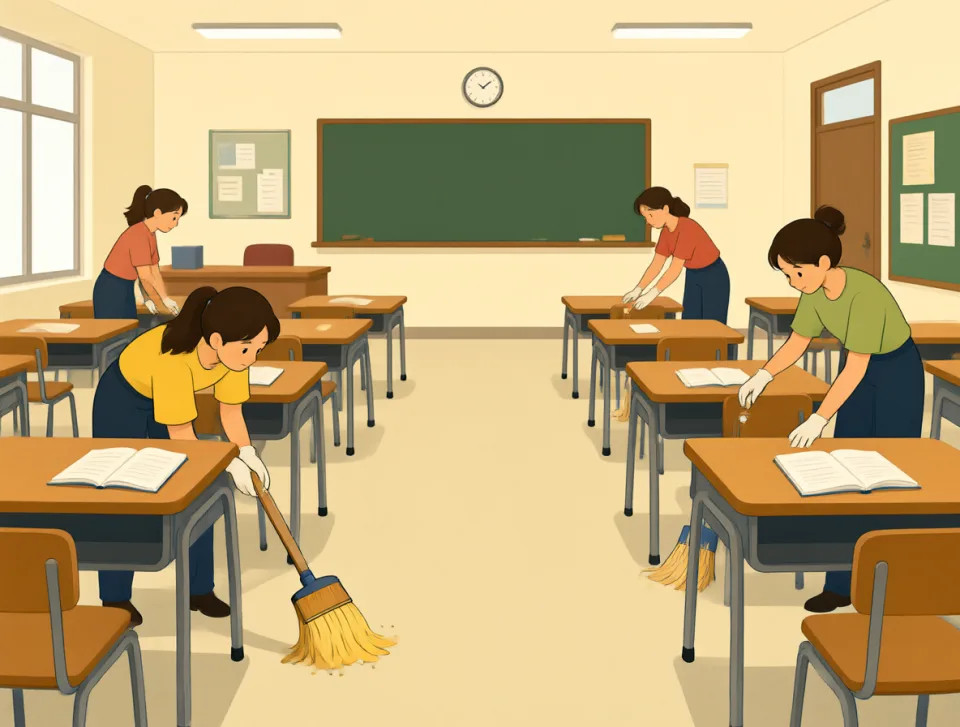
The school workers cleaned the classrooms.
學校工作人員打掃了教室。
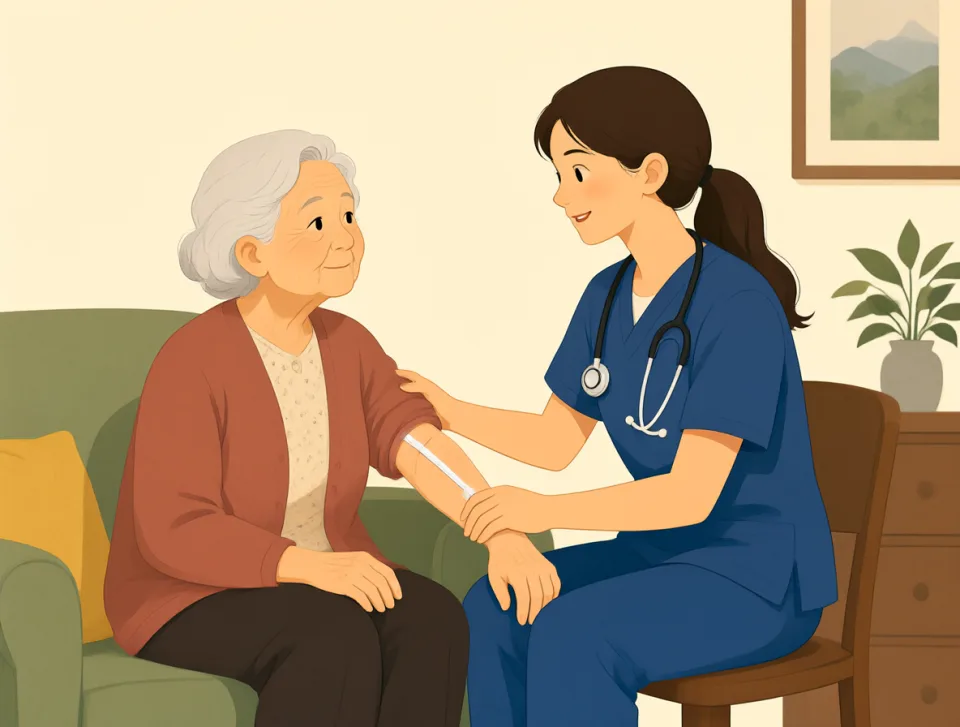
The health worker visited my sick grandmother.
醫務人員去看望了生病的奶奶。

press
#674verb, noun
按;壓;新聞界
to push something firmly with your finger or hand
用手指或手用力推某物
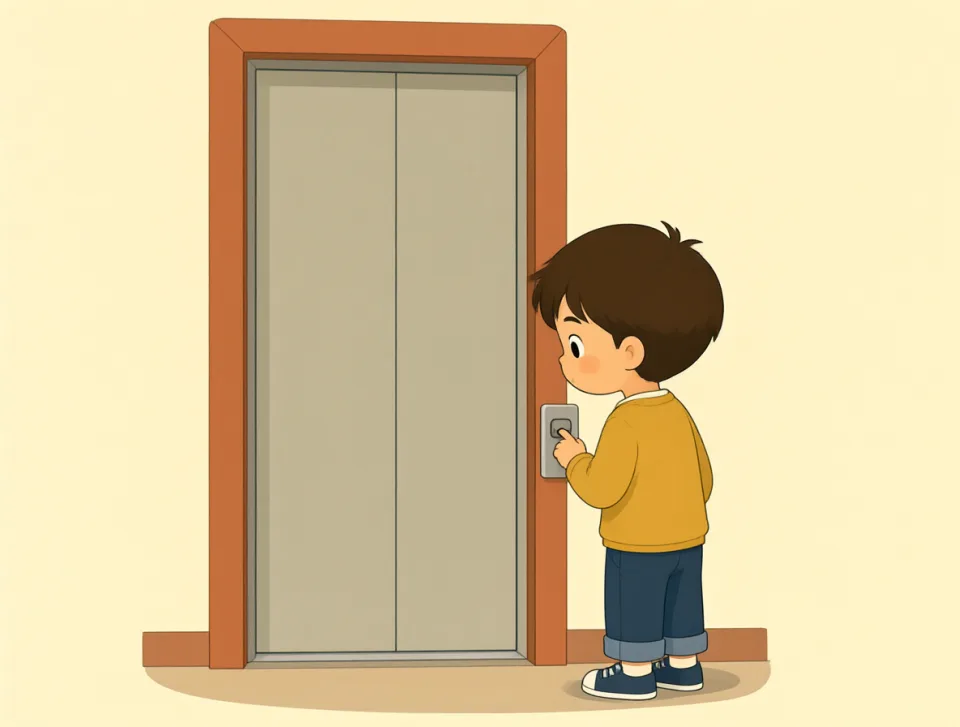
Press the button to open the door.
按下按鈕開啟門。
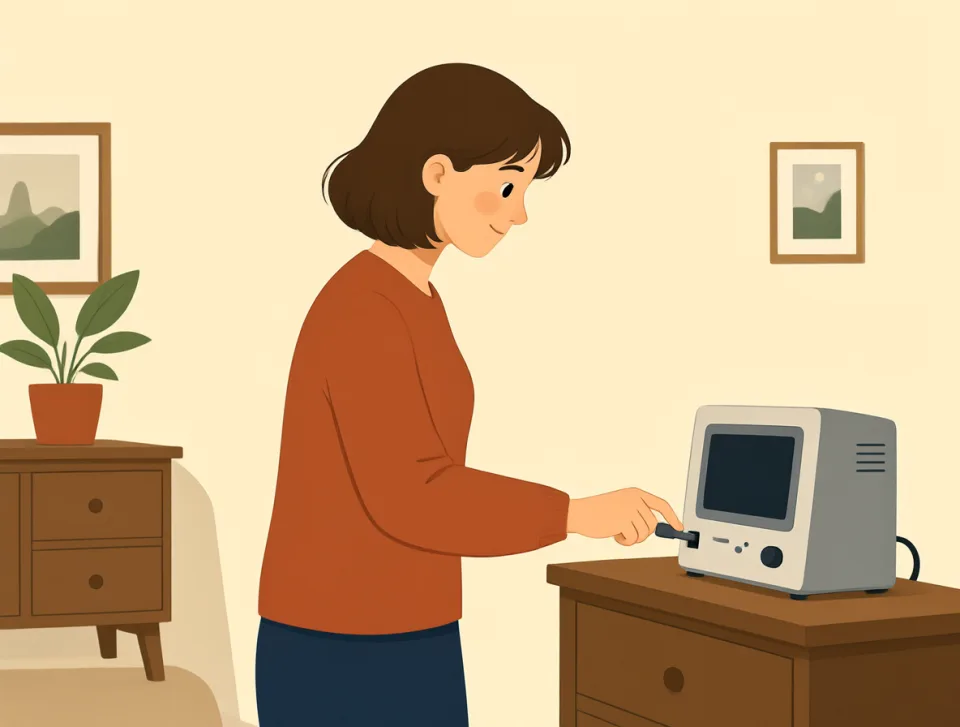
She pressed the key and started the machine.
她按下按鍵,機器就啟動了。
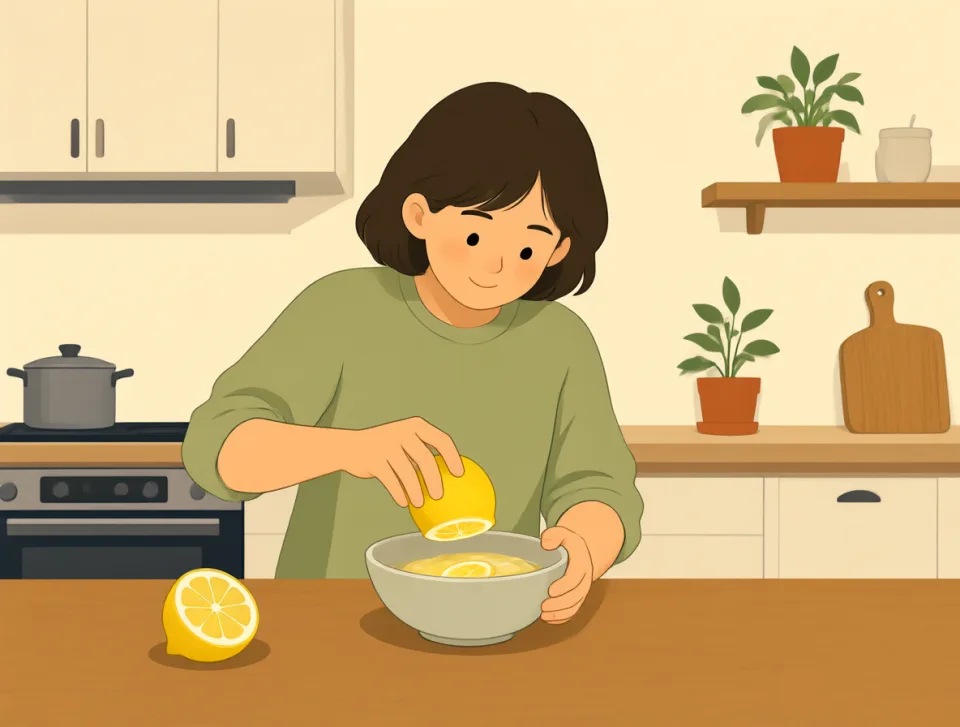
Press the lemons to get more juice.
擠壓檸檬可以得到更多果汁。
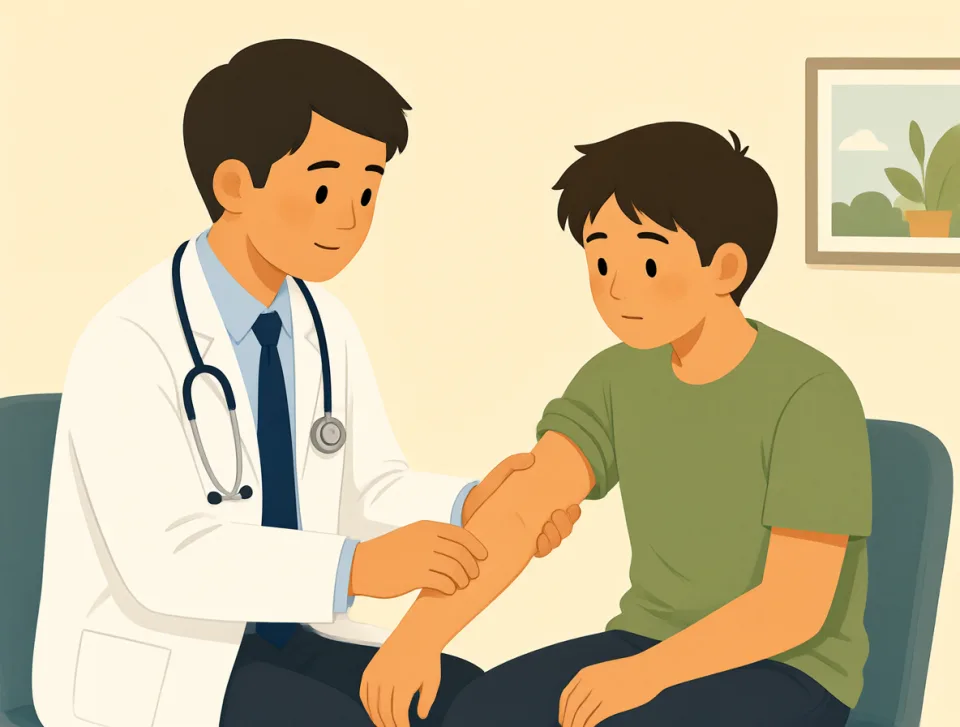
The doctor pressed my arm gently.
醫生輕輕地按了按我的胳膊。

The press asked the actor many questions.
新聞界問了那位演員很多問題。
whatever
#675pronoun, determiner, adverb
無論什麼; 任何事物; 隨便
Any thing, choice, or amount, or it does not matter which one.
任何事物、選擇或數量,或者表示選哪一個都無所謂。
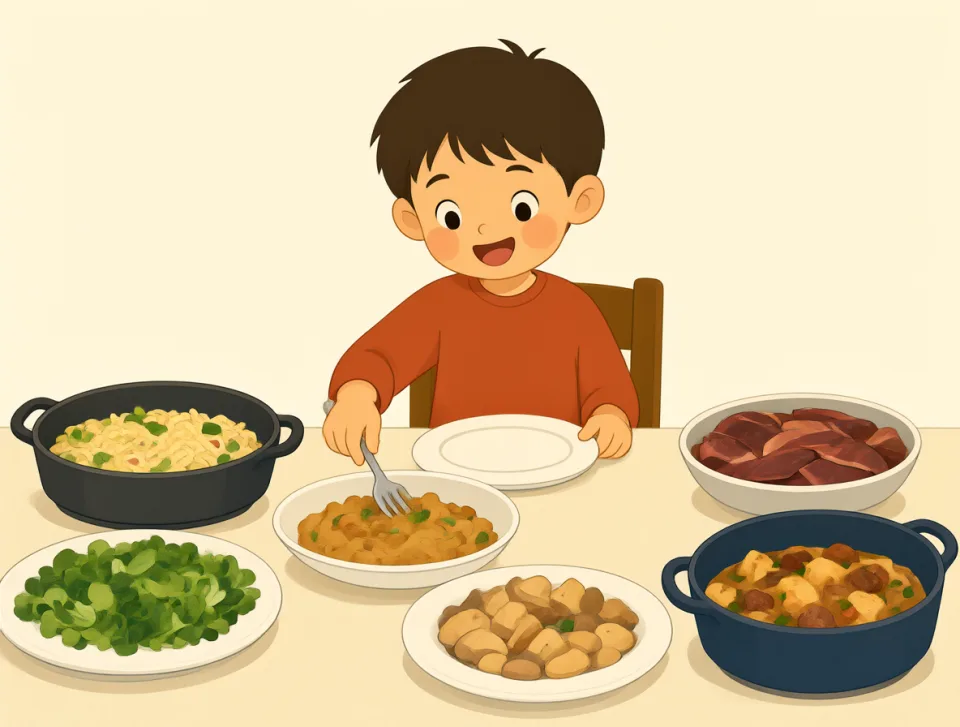
Choose whatever you like for dinner.
晚飯想吃什麼就選什麼。
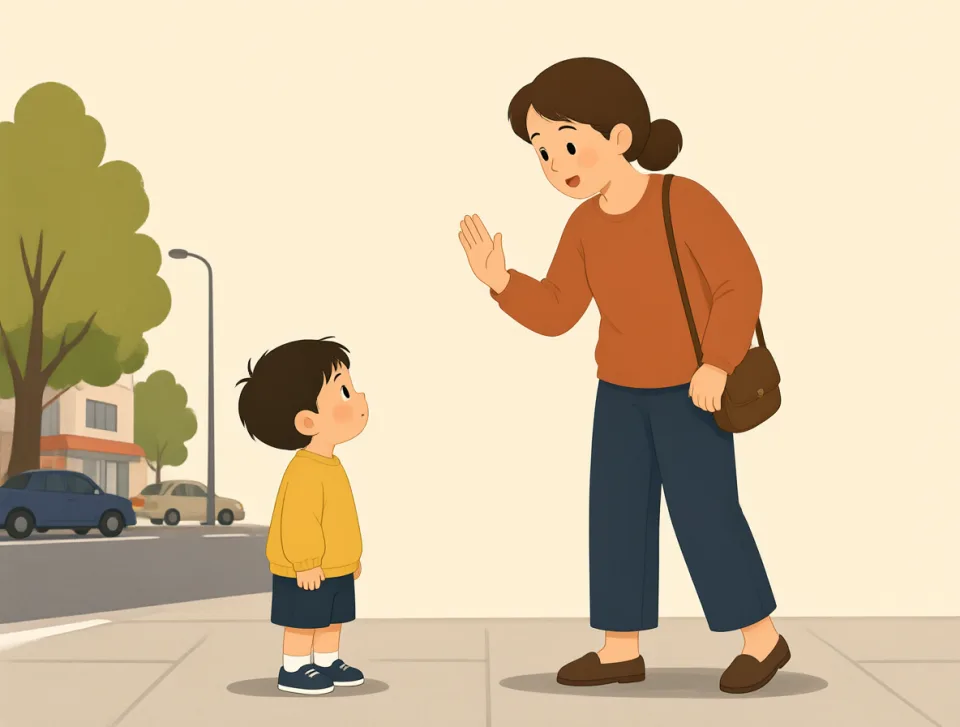
Whatever you do, stay safe.
無論你做什麼,都要注意安全。

You can wear whatever you want.
你想穿什麼就穿什麼。
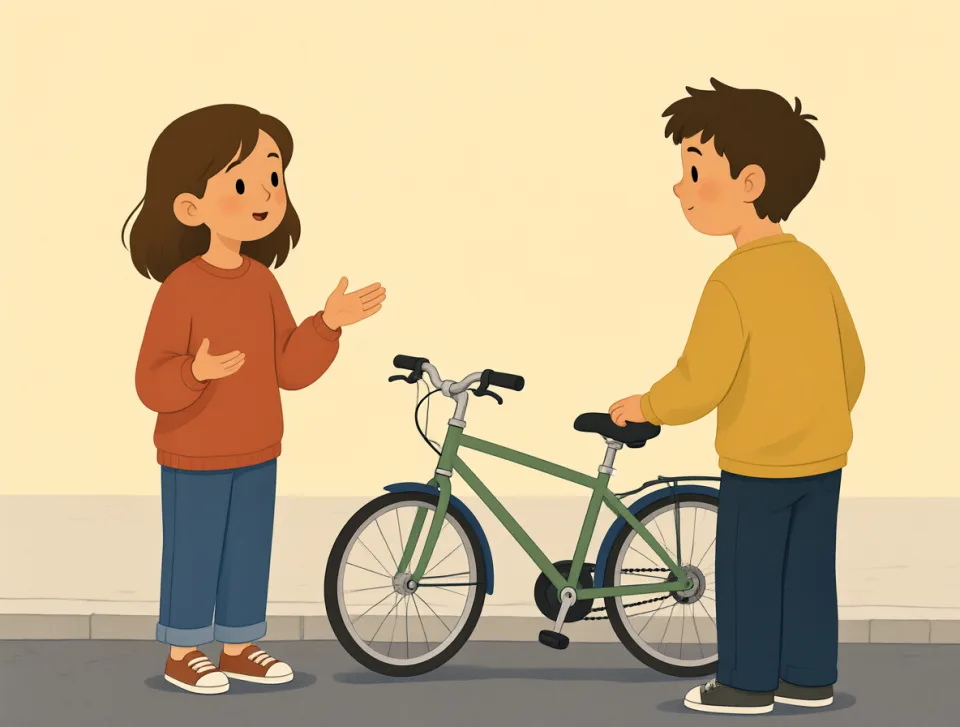
Whatever happened to your old bicycle?
你的舊腳踏車後來怎麼樣了?
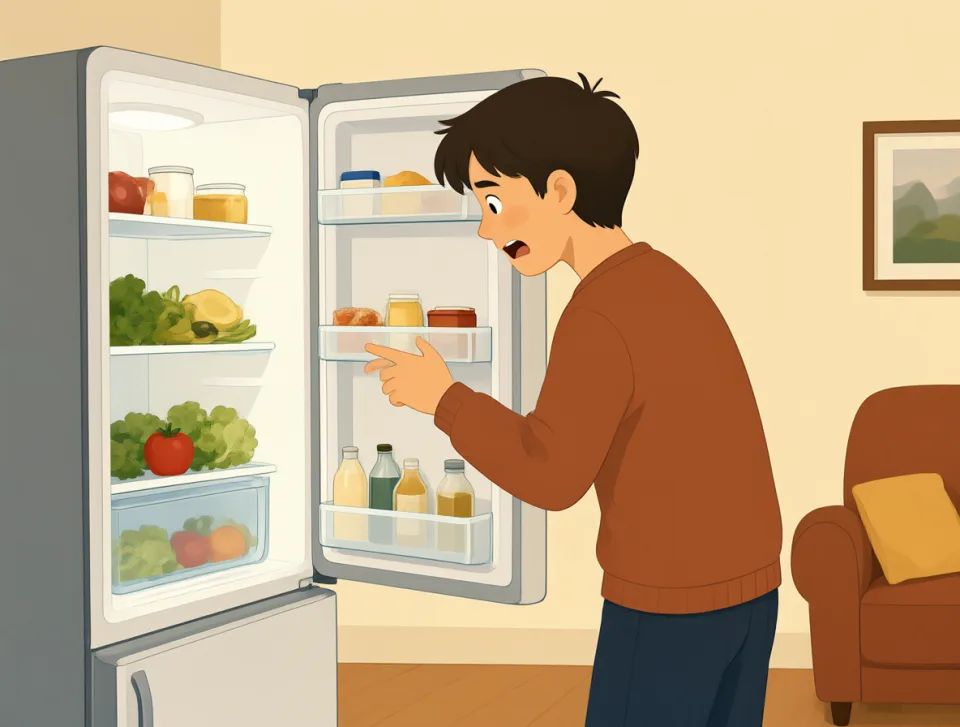
He eats whatever is in the fridge.
冰箱裡有什麼他就吃什麼。

necessary
#676adjective
必要的; 必需的
needed for a particular purpose or situation
為特定目的或情況所需要的
Bring only the necessary clothes for the trip.
這次旅行只帶必要的衣服。
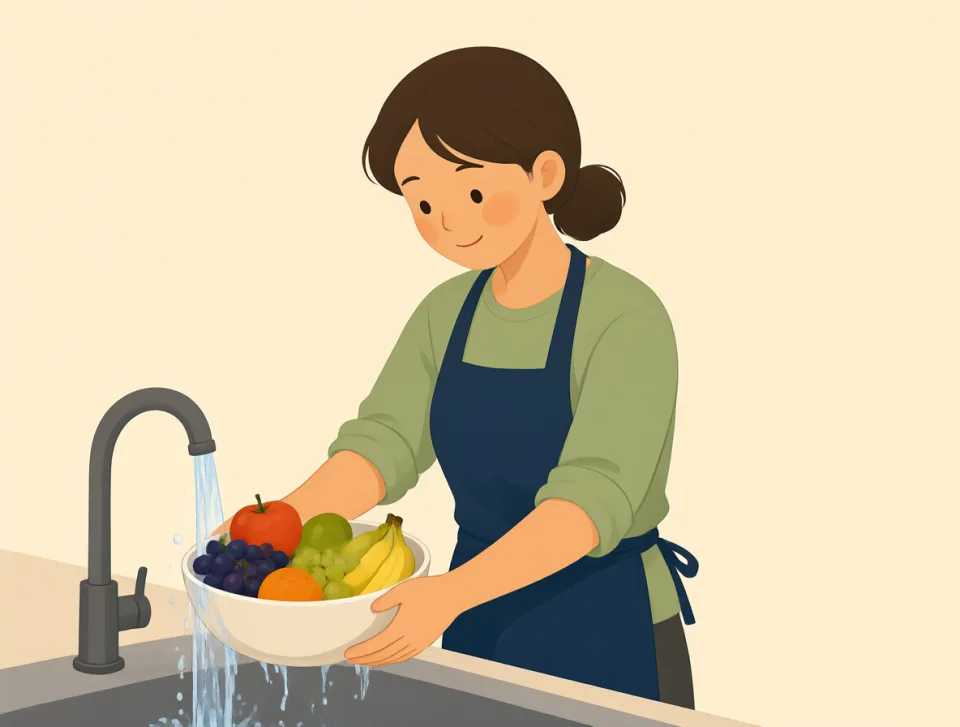
Is it necessary to wash the fruit?
有必要把水果洗一下嗎?
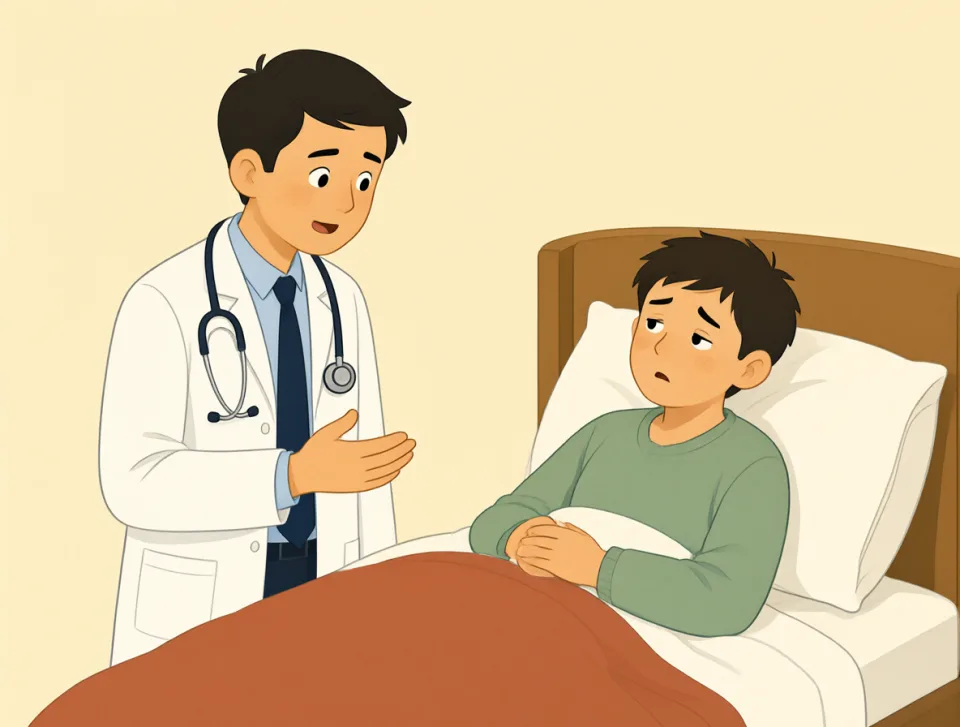
The doctor said rest was necessary.
醫生說休息是必要的。
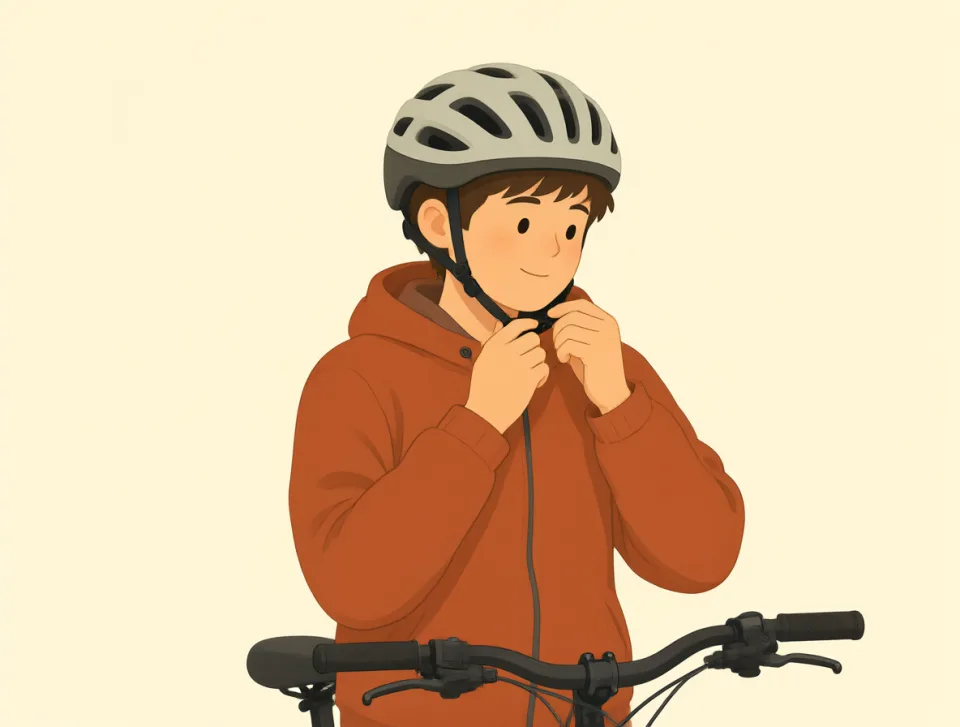
Please take the necessary steps to stay safe.
請採取必要的措施以確保安全。
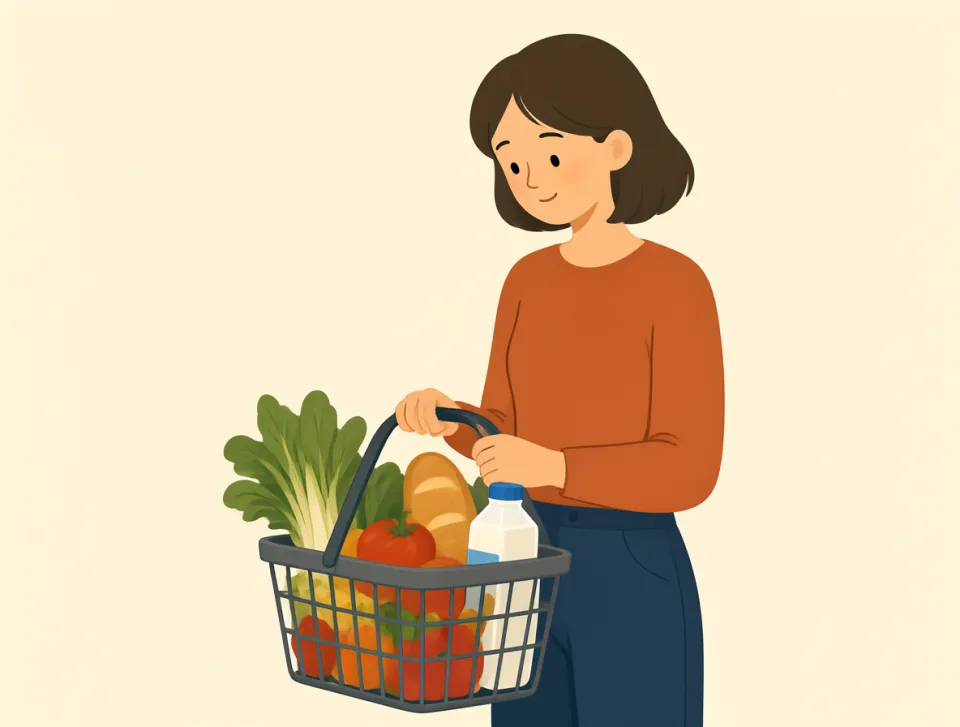
We bought the necessary food for dinner.
我們買了晚餐所需的食物。

region
#677noun
地區; 區域
An area of a country, city, or the world with its own features.
一個國家、城市或世界上具有自身特點的區域。

This region has very cold winters.
這個地區的冬天非常寒冷。

We traveled through a beautiful mountain region.
我們穿過了一個美麗的山區。

The hotel is in the city region.
這家酒店位於市區。
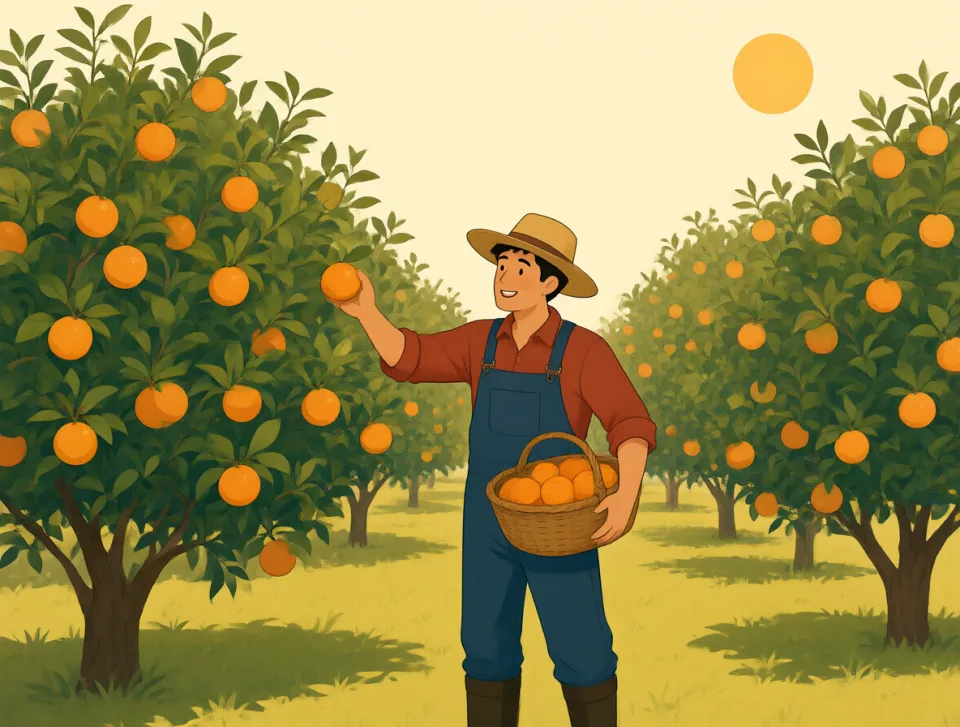
This region grows many oranges.
這個地區盛產橙子。

Doctors serve people in this region.
醫生為這個地區的人們提供醫療服務。
growth
#678noun
增長;成長;生長;發展
The process of becoming bigger, better, or more developed.
變得更大、更好或更發達的過程。
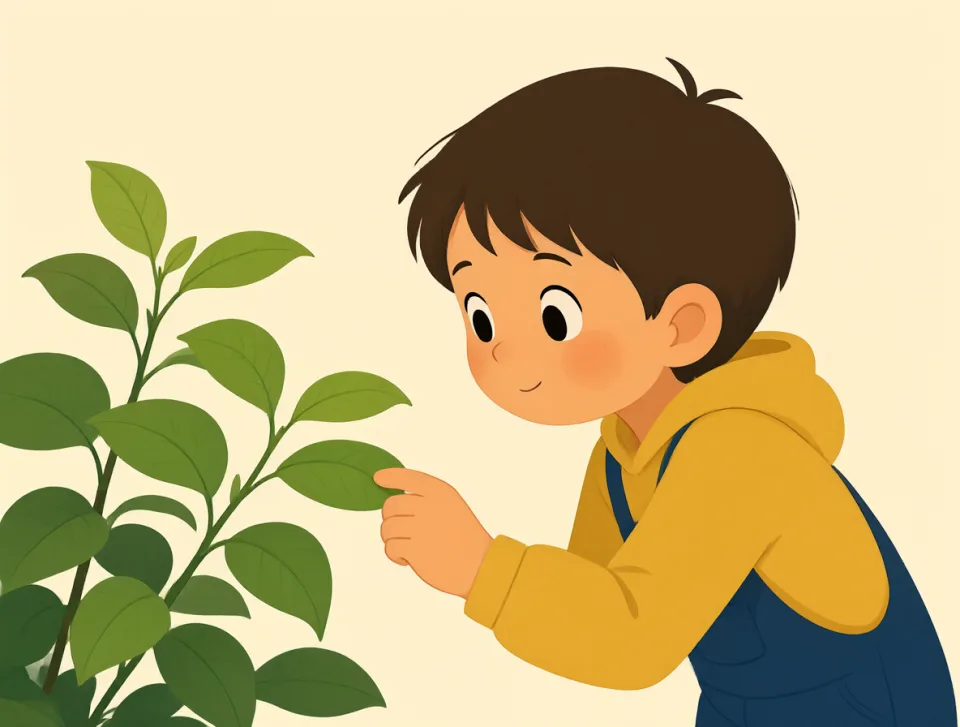
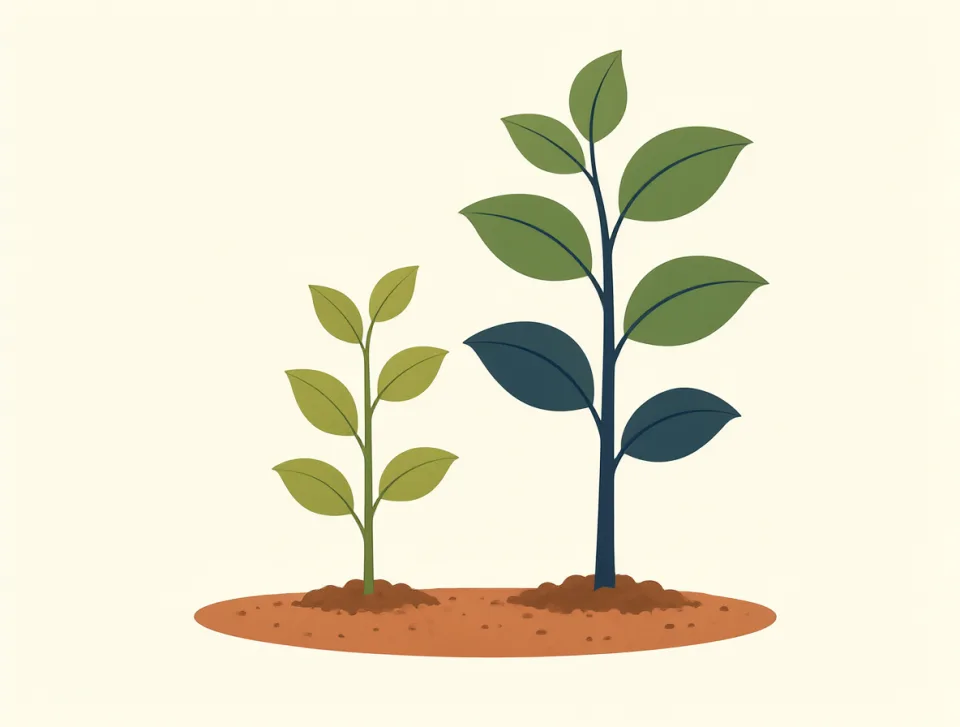
The plant showed new growth after the rain.
下雨後,這株植物長出了新芽。

The company had strong growth last year.
這家公司去年實現了強勁增長。
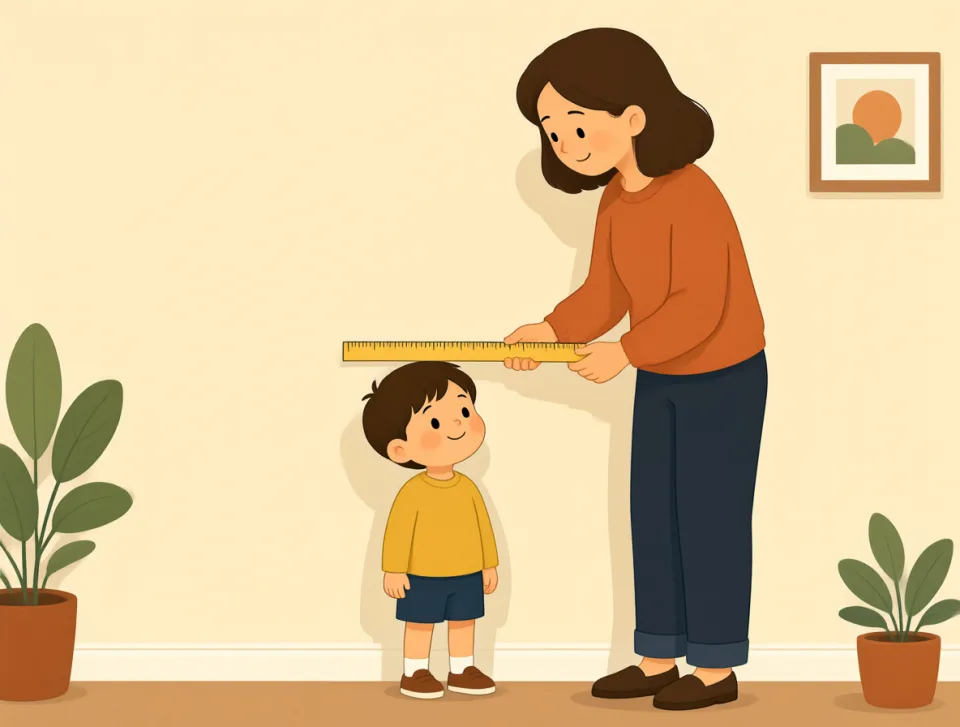
Regular exercise supports healthy growth in children.
經常鍛鍊有助於兒童健康成長。
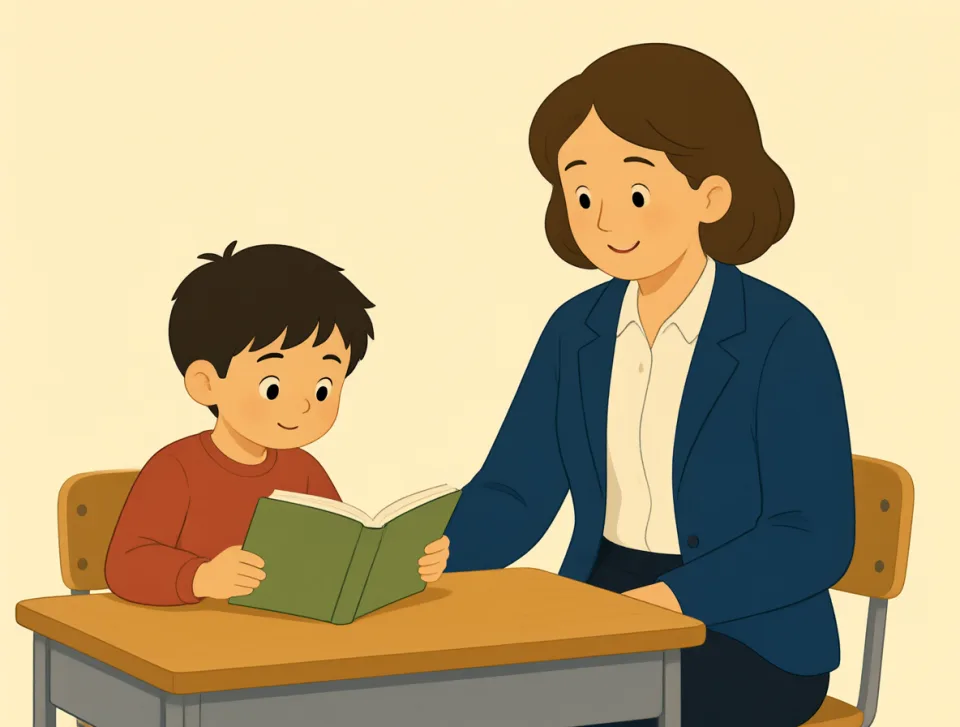
The teacher noticed growth in Maya’s reading skills.
老師注意到Maya的閱讀能力有所提高。
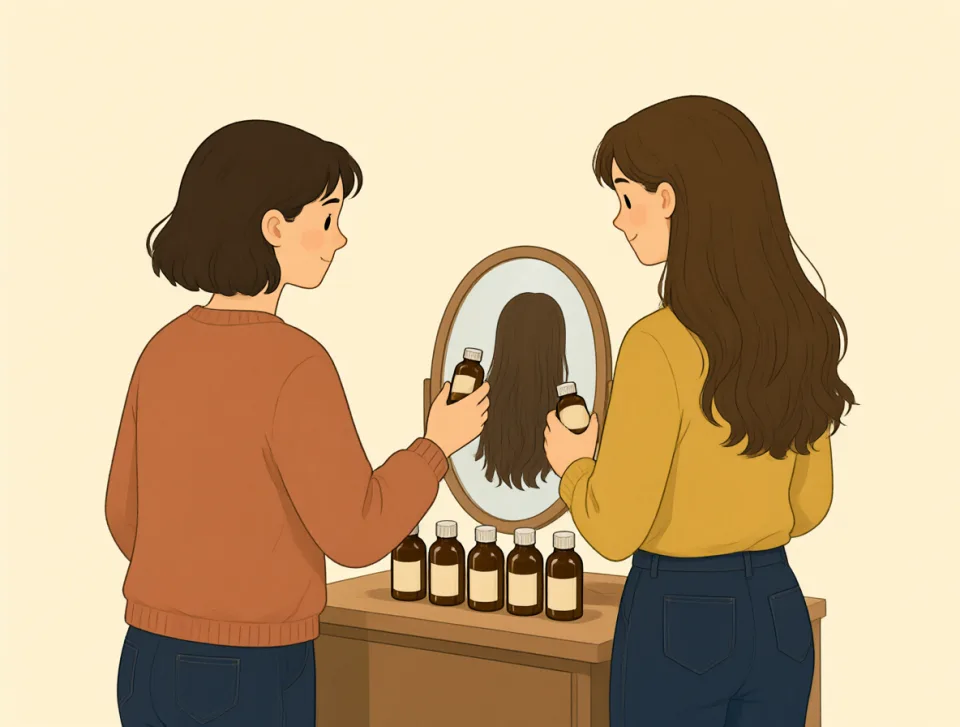
The shop sells hair growth products.
這家店出售促進頭髮生長的產品。
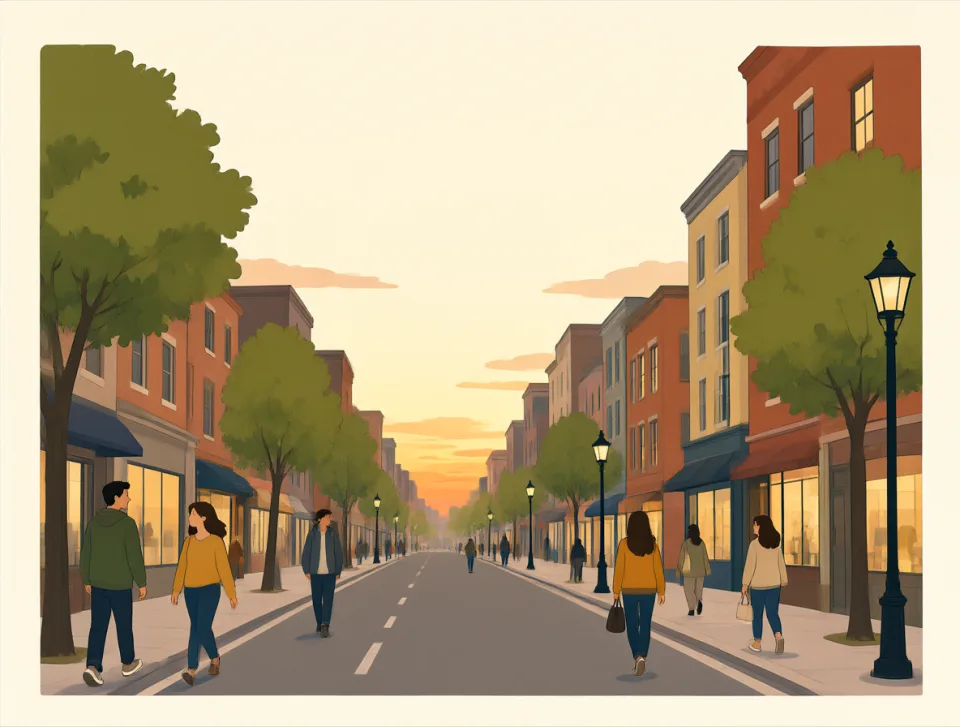
evening
#679noun
晚上; 傍晚
The time between the afternoon and bedtime.
下午到睡覺前的這段時間。

We usually eat dinner in the evening.
我們通常在晚上吃晚飯。

I met my friends one evening after work.
一天傍晚,我下班後見了朋友。
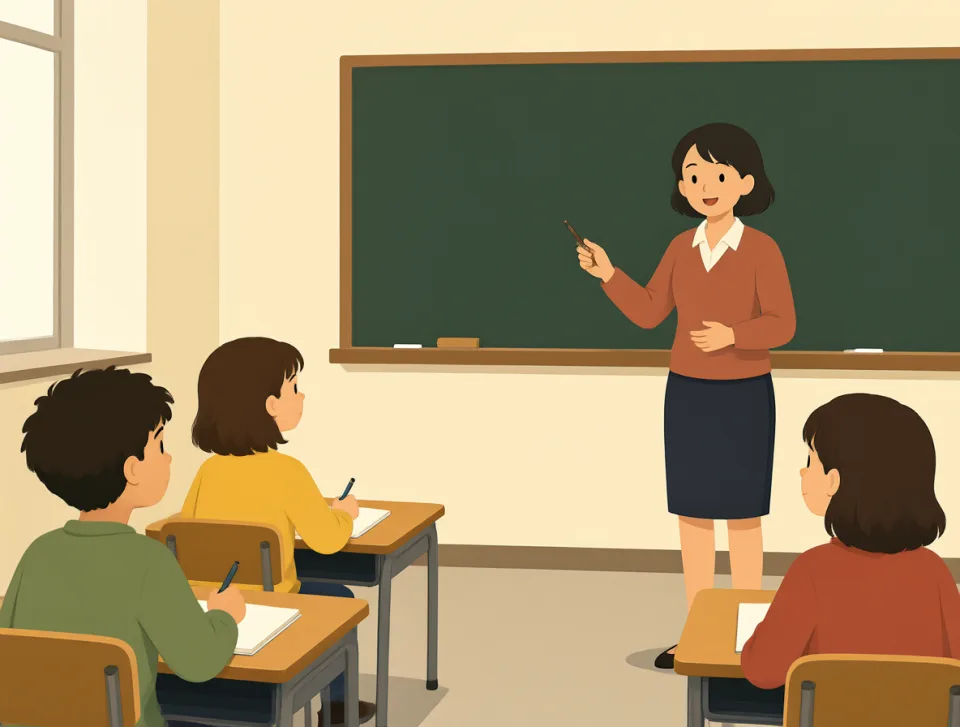
The evening class starts at six.
晚上的課程六點開始。

She takes an evening walk every day.
她每天晚上都散步。
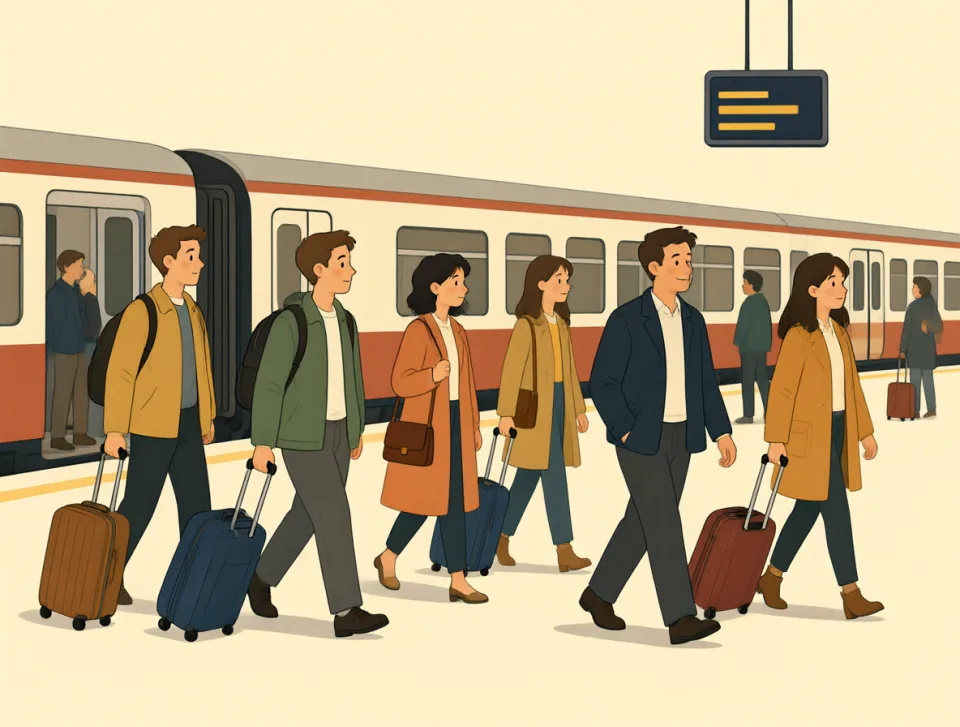
We arrived in London late one evening.
一天傍晚很晚的時候,我們到了倫敦。

influence
#680noun, verb
影響;影響力
the power to change how someone thinks or behaves
改變某人的想法或行為的力量
Friends can influence what we choose to eat.
朋友會影響我們選擇吃什麼。
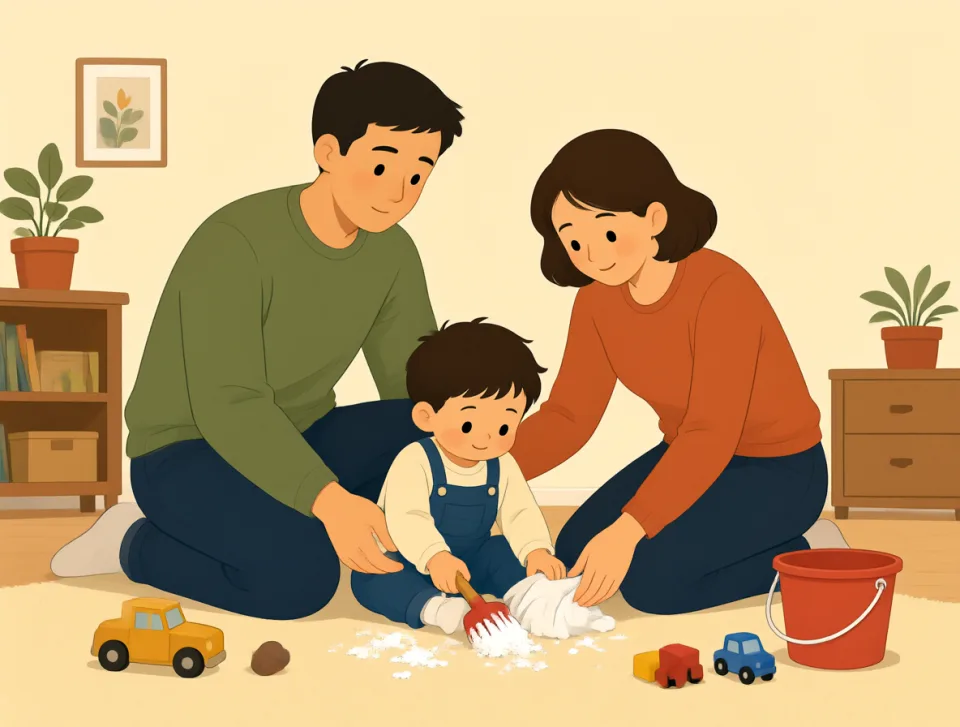
Parents strongly influence their children's behavior.
父母會深深影響孩子的行為。
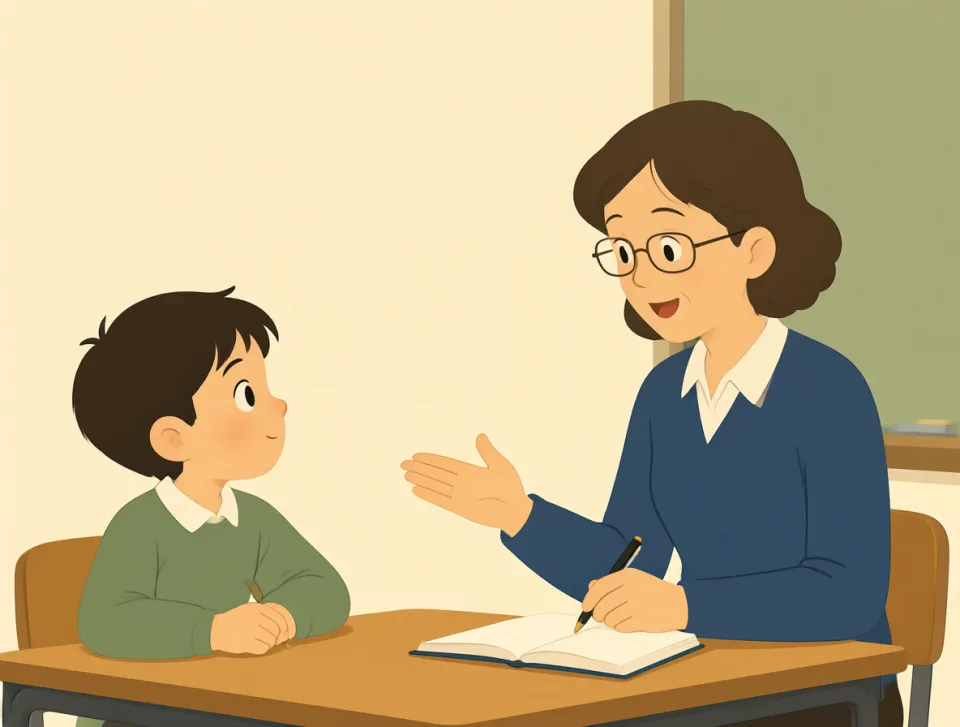
Her teacher influenced her choice of career.
她的老師影響了她對職業的選擇。
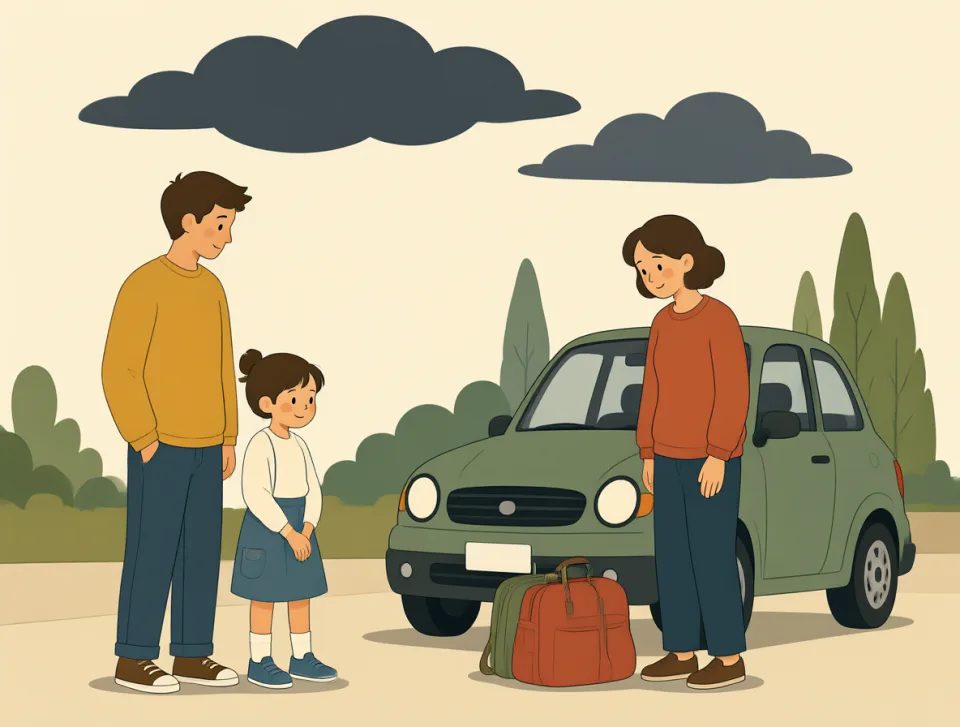
The weather influenced our travel plans.
天氣影響了我們的旅行計劃。

Music influences my mood every morning.
音樂每天早上都會影響我的心情。