Asking for Directions after Getting Lost
طلب الاتجاهات بعد الضياع
Someone is lost in an unfamiliar area and needs to ask a local or a police officer for directions back to a known landmark or their destination.
ضلّ شخص طريقه في منطقة غير مألوفة، ويحتاج إلى سؤال أحد السكان المحليين أو شرطي عن طريق العودة إلى معلم معروف أو وجهته.
حوار8
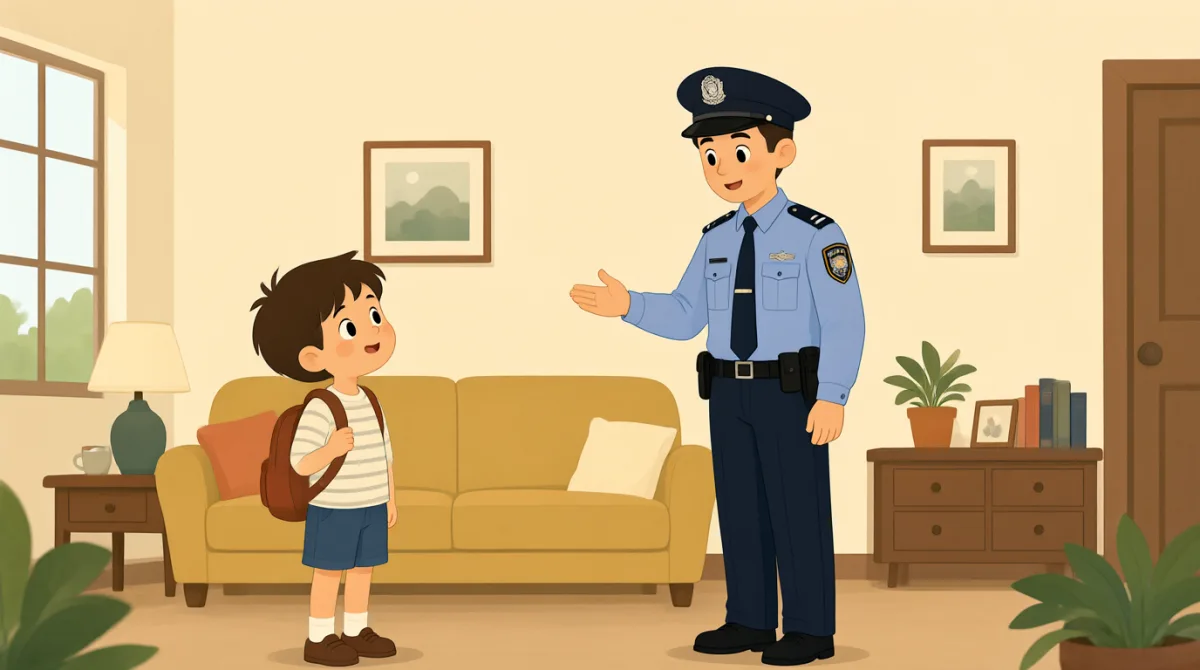

Excuse me, I think I'm a bit lost. Could you possibly point me towards the main train station?
عذرًا، أظن أنني تهت قليلًا. هل يمكن أن تدلّني من فضلك على طريق محطة القطار الرئيسية؟

Of course! The train station isn't too far from here. Are you trying to get to the main entrance or a specific platform?
بالطبع! محطة القطار ليست بعيدة جدًا من هنا. هل تريد الوصول إلى المدخل الرئيسي أم إلى رصيف محدد؟
Just the main entrance for now. I seem to have taken a wrong turn somewhere after visiting the park.
المدخل الرئيسي فقط في الوقت الحالي. يبدو أنني سلكت طريقًا خاطئًا في مكان ما بعد زيارة الحديقة.
Okay, from here, walk straight down this street for about two blocks. You'll see a large supermarket on your left. Turn right there, and the station will be directly in front of you.
حسنًا، سر من هنا مباشرةً في هذا الشارع مسافة نحو شارعين. سترى متجرًا كبيرًا على يسارك. انعطف يمينًا عنده، وستكون المحطة أمامك مباشرةً.
So, straight for two blocks, past the supermarket, then turn right. Got it. Is it easy to spot?
إذًا، أسير مباشرةً مسافة شارعين، وأتجاوز المتجر، ثم أنعطف يمينًا. فهمت. هل يسهل تمييزها؟
Yes, it's a very distinctive building, quite large. You can't miss it. If you have any trouble, just ask someone again once you get closer.
نعم، إنه مبنى مميّز جدًا وكبير إلى حدّ ما. من المستحيل ألا تراه. إذا واجهت أي صعوبة، فاسأل شخصًا آخر عندما تقترب.
Perfect! Thank you so much, I really appreciate your help. I was starting to worry I'd be wandering around all day.
ممتاز! شكرًا جزيلًا، أقدّر مساعدتك حقًا. بدأت أقلق من أن أبقى أتجول طوال اليوم.
You're welcome! Glad I could help. Have a good rest of your day!
على الرحب والسعة! يسعدني أنني استطعت مساعدتك. أتمنى لك بقية يوم سعيدة!
المفردات6
- lostتائه
Means you cannot find your way or location. Use it when you are in an unfamiliar place and need directions, like 'I am lost in the city.'
تعني أنك لا تستطيع العثور على طريقك أو تحديد موقعك. استخدمها عندما تكون في مكان غير مألوف وتحتاج إلى إرشادات، مثل 'I am lost in the city.'
- point me towardsيدلّني على الطريق إلى
A polite way to ask someone to show or direct you to a place. It's useful in asking for directions, such as 'Point me towards the station.'
طريقة مهذبة لطلب أن يريك شخص ما طريقًا إلى مكان أو يرشدك إليه. تفيد عند طلب الاتجاهات، مثل 'Point me towards the station.'
- wrong turnطريق خاطئ
Refers to making a mistake by turning in the wrong direction while walking or driving. Common in navigation, like 'I took a wrong turn.'
تشير إلى ارتكاب خطأ بالانعطاف في الاتجاه غير الصحيح أثناء المشي أو القيادة. وهي شائعة في سياق معرفة الطريق، مثل 'I took a wrong turn.'
- blocksشارع (مسافة بين شارعين)
In cities, a 'block' is the distance between two streets. Use it for giving directions, e.g., 'Walk two blocks straight.' It helps describe short distances.
في المدن، تشير كلمة 'block' إلى المسافة بين شارعين. تُستخدم لإعطاء الاتجاهات، مثل 'Walk two blocks straight.' وهي مفيدة لوصف المسافات القصيرة.
- distinctiveمميّز
Means something easy to recognize because it stands out, like a unique building. Useful for describing landmarks, as in 'It's a distinctive building.'
تعني أن من السهل التعرّف على شيء لأنه يبرز، مثل مبنى فريد من نوعه. تفيد في وصف المعالم، كما في 'It's a distinctive building.'
- wanderingيتجوّل
Walking around aimlessly without a clear direction. Say it when describing being lost, like 'I was wandering around all day.'
المشي بلا هدف أو اتجاه واضح. تُقال عند وصف الضياع، مثل 'I was wandering around all day.'
الجمل الأساسية7
- 1
Excuse me, I think I'm a bit lost. Could you possibly point me towards the main train station?
عذرًا، أظن أنني تهت قليلًا. هل يمكن أن تدلّني من فضلك على طريق محطة القطار الرئيسية؟
This is a polite way to start asking for directions when lost. 'Excuse me' gets attention, 'I think I'm a bit lost' explains the problem softly, and 'Could you possibly' makes the request very courteous. Use it to approach strangers for help in new areas.
هذه طريقة مهذبة لبدء طلب الاتجاهات عندما تكون تائهًا. تلفت 'Excuse me' الانتباه، وتشرح 'I think I'm a bit lost' المشكلة بلطف، وتجعل 'Could you possibly' الطلب مهذبًا جدًا. استخدم هذه العبارة لطلب المساعدة من الغرباء في مناطق جديدة.
- 2
The train station isn't too far from here. Are you trying to get to the main entrance or a specific platform?
محطة القطار ليست بعيدة جدًا من هنا. هل تريد الوصول إلى المدخل الرئيسي أم إلى رصيف محدد؟
This shows how to respond helpfully by confirming details. 'Isn't too far' reassures the person, and the question clarifies the exact destination. Useful for giving precise directions and making the helper feel involved.
توضح هذه الجملة كيف تردّ بطريقة مفيدة عبر الاستفسار عن التفاصيل. تطمئن عبارة 'Isn't too far' الشخص، بينما يوضّح السؤال الوجهة المحددة. وهي مفيدة لإعطاء إرشادات دقيقة وإشعار الشخص الذي يساعدك بأنه يشارك في الأمر.
- 3
Just the main entrance for now. I seem to have taken a wrong turn somewhere after visiting the park.
المدخل الرئيسي فقط في الوقت الحالي. يبدو أنني سلكت طريقًا خاطئًا في مكان ما بعد زيارة الحديقة.
Here, the speaker specifies their need and explains briefly why they're lost. 'For now' suggests it might change later, and 'seem to have' softens the statement. Practice this to give context when asking for help, helping others understand better.
يحدّد المتحدث هنا ما يحتاج إليه ويشرح باختصار سبب ضياعه. توحي 'For now' بأن الأمر قد يتغير لاحقًا، وتخفف 'seem to have' من حدة الكلام. تدرّب على هذه العبارة لتقديم سياق عند طلب المساعدة، فتساعد الآخرين على فهمك.
- 4
Okay, from here, walk straight down this street for about two blocks. You'll see a large supermarket on your left. Turn right there, and the station will be directly in front of you.
حسنًا، سر من هنا مباشرةً في هذا الشارع مسافة نحو شارعين. سترى متجرًا كبيرًا على يسارك. انعطف يمينًا عنده، وستكون المحطة أمامك مباشرةً.
This is a clear step-by-step direction. It uses action words like 'walk straight,' 'turn right,' and landmarks like 'supermarket on your left.' Very practical for guiding someone; break directions into simple steps to avoid confusion.
هذه إرشادات واضحة خطوةً خطوة. تستخدم عبارات تدل على الحركة مثل 'walk straight' و'turn right'، ومعالم مثل 'supermarket on your left.' وهي عملية جدًا لإرشاد شخص ما؛ قسّم الاتجاهات إلى خطوات بسيطة لتجنب الالتباس.
- 5
So, straight for two blocks, past the supermarket, then turn right. Got it. Is it easy to spot?
إذًا، أسير مباشرةً مسافة شارعين، وأتجاوز المتجر، ثم أنعطف يمينًا. فهمت. هل يسهل تمييزها؟
The speaker repeats to confirm understanding, which is a good habit. 'Got it' means 'I understand,' and the question seeks reassurance. Use repetition in conversations to check clarity and build confidence in real-life interactions.
يعيد المتحدث الإرشادات للتأكد من فهمها، وهذه عادة مفيدة. تعني 'Got it' «فهمت»، ويطلب السؤال تأكيدًا يطمئنه. كرّر المعلومات في المحادثات للتحقق من وضوحها وتعزيز ثقتك في المواقف اليومية.
- 6
Yes, it's a very distinctive building, quite large. You can't miss it. If you have any trouble, just ask someone again once you get closer.
نعم، إنه مبنى مميّز جدًا وكبير إلى حدّ ما. من المستحيل ألا تراه. إذا واجهت أي صعوبة، فاسأل شخصًا آخر عندما تقترب.
This reassures the lost person with descriptions and advice. 'You can't miss it' means it's obvious, and the conditional 'if you have any trouble' offers backup. Helpful for ending directions positively and encouraging further help if needed.
يطمئن هذا الكلام الشخص التائه من خلال وصف المكان وتقديم نصيحة. تعني 'You can't miss it' أن المكان واضح ويسهل ملاحظته، ويعرض الشرط 'if you have any trouble' تقديم مساعدة إضافية. هذه طريقة مفيدة لإنهاء الإرشادات بإيجابية وتشجيع الشخص على طلب المزيد من المساعدة عند الحاجة.
- 7
Perfect! Thank you so much, I really appreciate your help. I was starting to worry I'd be wandering around all day.
ممتاز! شكرًا جزيلًا، أقدّر مساعدتك حقًا. بدأت أقلق من أن أبقى أتجول طوال اليوم.
A grateful closing sentence. 'Thank you so much' and 'I really appreciate' show strong thanks, while sharing the worry adds politeness. Use this to end helpful conversations warmly, making the interaction positive.
جملة ختامية تعبّر عن الامتنان. تُظهر عبارتا 'Thank you so much' و'I really appreciate' شكرًا كبيرًا، كما أن مشاركة القلق تضفي مزيدًا من التهذيب. استخدمها لإنهاء المحادثات التي تتلقى فيها المساعدة بودّ، ولجعل التفاعل إيجابيًا.