Asking for Directions after Getting Lost
रास्ता भटकने के बाद दिशा पूछना
Someone is lost in an unfamiliar area and needs to ask a local or a police officer for directions back to a known landmark or their destination.
कोई व्यक्ति किसी अनजान इलाके में रास्ता भटक गया है और किसी स्थानीय व्यक्ति या पुलिस अधिकारी से किसी परिचित जगह या अपनी मंज़िल तक पहुँचने का रास्ता पूछना चाहता है।
संवाद8
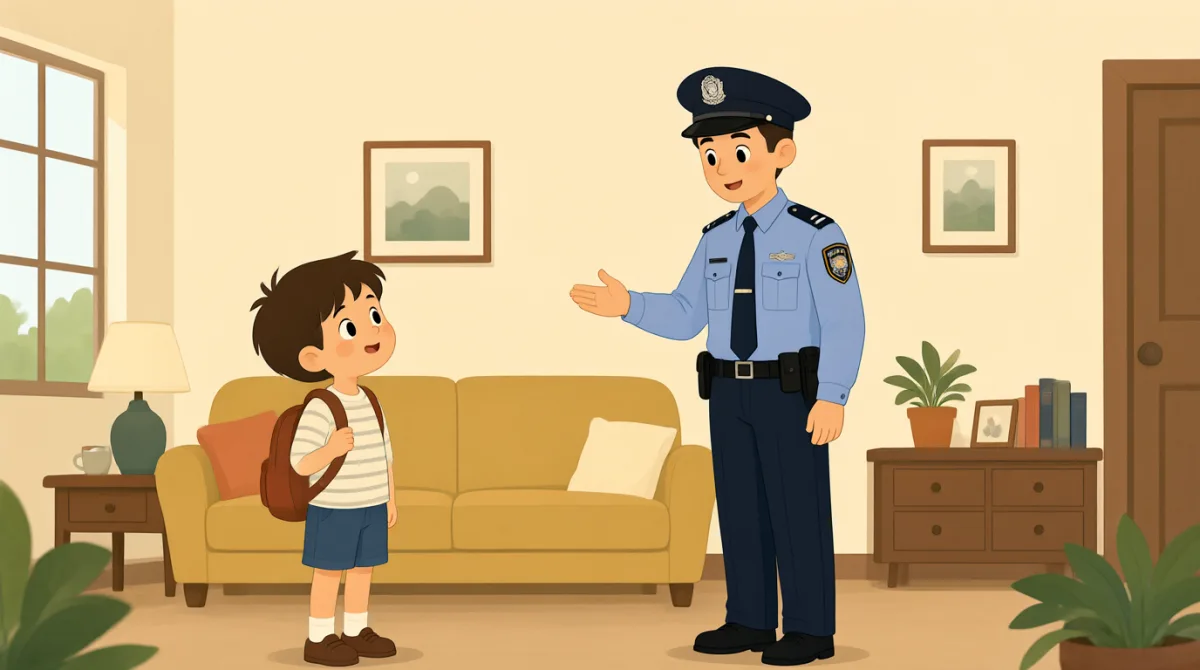

Excuse me, I think I'm a bit lost. Could you possibly point me towards the main train station?
माफ़ कीजिए, लगता है मैं थोड़ा रास्ता भटक गया हूँ। क्या आप मुझे मुख्य रेलवे स्टेशन का रास्ता बता सकते हैं?

Of course! The train station isn't too far from here. Are you trying to get to the main entrance or a specific platform?
ज़रूर! रेलवे स्टेशन यहाँ से ज़्यादा दूर नहीं है। आप मुख्य प्रवेश द्वार तक जाना चाहते हैं या किसी खास प्लेटफ़ॉर्म तक?
Just the main entrance for now. I seem to have taken a wrong turn somewhere after visiting the park.
अभी तो बस मुख्य प्रवेश द्वार तक। लगता है पार्क घूमने के बाद कहीं मैं गलत मोड़ ले बैठा।
Okay, from here, walk straight down this street for about two blocks. You'll see a large supermarket on your left. Turn right there, and the station will be directly in front of you.
ठीक है, यहाँ से इस सड़क पर लगभग दो ब्लॉक तक सीधे चलते जाइए। आपको बाईं ओर एक बड़ा सुपरमार्केट दिखेगा। वहाँ दाएँ मुड़िए, स्टेशन ठीक आपके सामने होगा।
So, straight for two blocks, past the supermarket, then turn right. Got it. Is it easy to spot?
तो दो ब्लॉक तक सीधे, सुपरमार्केट के आगे से, फिर दाएँ मुड़ना है। समझ गया। क्या स्टेशन आसानी से दिख जाएगा?
Yes, it's a very distinctive building, quite large. You can't miss it. If you have any trouble, just ask someone again once you get closer.
हाँ, उसकी इमारत बहुत अलग पहचान वाली है और काफ़ी बड़ी भी। वह नज़र से छूट ही नहीं सकती। अगर कोई दिक्कत हो, तो पास पहुँचने पर किसी से फिर पूछ लीजिएगा।
Perfect! Thank you so much, I really appreciate your help. I was starting to worry I'd be wandering around all day.
बहुत बढ़िया! आपका बहुत-बहुत धन्यवाद, आपकी मदद के लिए मैं सचमुच आभारी हूँ। मुझे चिंता होने लगी थी कि मैं पूरा दिन यूँ ही भटकता रहूँगा।
You're welcome! Glad I could help. Have a good rest of your day!
कोई बात नहीं! ख़ुशी है कि मैं मदद कर सकी। आपका बाकी दिन अच्छा गुज़रे!
शब्दावली6
- lostरास्ता भटका हुआ
Means you cannot find your way or location. Use it when you are in an unfamiliar place and need directions, like 'I am lost in the city.'
इसका मतलब है कि आपको अपना रास्ता या अपनी जगह नहीं मिल रही है। अनजान जगह पर रास्ता पूछने की ज़रूरत हो, तो इसका इस्तेमाल करें, जैसे 'I am lost in the city.' (मैं शहर में रास्ता भटक गया हूँ।)
- point me towardsरास्ता बताना
A polite way to ask someone to show or direct you to a place. It's useful in asking for directions, such as 'Point me towards the station.'
किसी से किसी जगह का रास्ता दिखाने या बताने के लिए कहने का यह एक विनम्र तरीका है। रास्ता पूछते समय इसका इस्तेमाल कर सकते हैं, जैसे 'Point me towards the station.' (मुझे स्टेशन का रास्ता बता दीजिए।)
- wrong turnगलत मोड़ लेना
Refers to making a mistake by turning in the wrong direction while walking or driving. Common in navigation, like 'I took a wrong turn.'
पैदल चलते या गाड़ी चलाते समय गलत दिशा में मुड़ जाने को कहते हैं। रास्ता बताने-बूझने के संदर्भ में यह आम है, जैसे 'I took a wrong turn.' (मैंने गलत मोड़ ले लिया।)
- blocksब्लॉक
In cities, a 'block' is the distance between two streets. Use it for giving directions, e.g., 'Walk two blocks straight.' It helps describe short distances.
शहरों में 'block' दो सड़कों के बीच की दूरी को कहते हैं। दिशा बताते समय इसका इस्तेमाल करें, जैसे 'Walk two blocks straight.' (दो ब्लॉक तक सीधे चलिए।) इससे कम दूरी का अंदाज़ा बताने में मदद मिलती है।
- distinctiveअलग पहचान वाला
Means something easy to recognize because it stands out, like a unique building. Useful for describing landmarks, as in 'It's a distinctive building.'
इसका मतलब है कि कोई चीज़ सबसे अलग दिखने के कारण आसानी से पहचानी जा सकती है, जैसे कोई अनोखी इमारत। किसी पहचान के लिए इस्तेमाल होने वाली जगह का वर्णन करते समय यह शब्द काम आता है, जैसे 'It's a distinctive building.' (यह एक अलग पहचान वाली इमारत है।)
- wanderingभटकना
Walking around aimlessly without a clear direction. Say it when describing being lost, like 'I was wandering around all day.'
बिना किसी तय दिशा या मकसद के इधर-उधर चलने को कहते हैं। रास्ता भटकने का वर्णन करते समय कहें, जैसे 'I was wandering around all day.' (मैं पूरा दिन इधर-उधर भटकता रहा।)
मुख्य वाक्य7
- 1
Excuse me, I think I'm a bit lost. Could you possibly point me towards the main train station?
माफ़ कीजिए, लगता है मैं थोड़ा रास्ता भटक गया हूँ। क्या आप मुझे मुख्य रेलवे स्टेशन का रास्ता बता सकते हैं?
This is a polite way to start asking for directions when lost. 'Excuse me' gets attention, 'I think I'm a bit lost' explains the problem softly, and 'Could you possibly' makes the request very courteous. Use it to approach strangers for help in new areas.
रास्ता भटकने पर दिशा पूछने की शुरुआत करने का यह एक विनम्र तरीका है। 'Excuse me' (माफ़ कीजिए) से आप सामने वाले का ध्यान खींचते हैं, 'I think I'm a bit lost' (लगता है मैं थोड़ा रास्ता भटक गया हूँ) कहकर नरमी से अपनी परेशानी बताते हैं, और 'Could you possibly' (क्या आप कृपया) अनुरोध को बहुत विनम्र बनाता है। अनजान इलाके में किसी अजनबी से मदद माँगने के लिए इसका इस्तेमाल करें।
- 2
The train station isn't too far from here. Are you trying to get to the main entrance or a specific platform?
रेलवे स्टेशन यहाँ से ज़्यादा दूर नहीं है। आप मुख्य प्रवेश द्वार तक जाना चाहते हैं या किसी खास प्लेटफ़ॉर्म तक?
This shows how to respond helpfully by confirming details. 'Isn't too far' reassures the person, and the question clarifies the exact destination. Useful for giving precise directions and making the helper feel involved.
इस वाक्य में ज़रूरी बातों की पुष्टि करके मददगार जवाब देने का तरीका दिखाया गया है। 'Isn't too far' (ज़्यादा दूर नहीं है) कहने से सामने वाले को तसल्ली मिलती है, और सवाल पूछने से उसकी मंज़िल साफ़ होती है। सही दिशा बताने और मदद माँगने वाले की ज़रूरत समझने के लिए यह उपयोगी है।
- 3
Just the main entrance for now. I seem to have taken a wrong turn somewhere after visiting the park.
अभी तो बस मुख्य प्रवेश द्वार तक। लगता है पार्क घूमने के बाद कहीं मैं गलत मोड़ ले बैठा।
Here, the speaker specifies their need and explains briefly why they're lost. 'For now' suggests it might change later, and 'seem to have' softens the statement. Practice this to give context when asking for help, helping others understand better.
यहाँ वक्ता अपनी ज़रूरत बताते हुए संक्षेप में समझाता है कि वह रास्ता क्यों भटक गया। 'For now' (अभी के लिए) से पता चलता है कि बाद में ज़रूरत बदल सकती है, और 'seem to have' (लगता है कि) बात को थोड़ा नरम बनाता है। मदद माँगते समय संदर्भ देने के लिए इसका अभ्यास करें, ताकि सामने वाला आपकी स्थिति बेहतर समझ सके।
- 4
Okay, from here, walk straight down this street for about two blocks. You'll see a large supermarket on your left. Turn right there, and the station will be directly in front of you.
ठीक है, यहाँ से इस सड़क पर लगभग दो ब्लॉक तक सीधे चलते जाइए। आपको बाईं ओर एक बड़ा सुपरमार्केट दिखेगा। वहाँ दाएँ मुड़िए, स्टेशन ठीक आपके सामने होगा।
This is a clear step-by-step direction. It uses action words like 'walk straight,' 'turn right,' and landmarks like 'supermarket on your left.' Very practical for guiding someone; break directions into simple steps to avoid confusion.
यह दिशा बताने का एक साफ़, चरण-दर-चरण तरीका है। इसमें 'walk straight' (सीधे चलिए), 'turn right' (दाएँ मुड़िए) जैसे काम बताने वाले शब्द और 'supermarket on your left' (आपकी बाईं ओर सुपरमार्केट) जैसी पहचान की जगहें शामिल हैं। किसी को रास्ता दिखाने के लिए यह बहुत काम का है; उलझन से बचने के लिए निर्देश छोटे-छोटे चरणों में दें।
- 5
So, straight for two blocks, past the supermarket, then turn right. Got it. Is it easy to spot?
तो दो ब्लॉक तक सीधे, सुपरमार्केट के आगे से, फिर दाएँ मुड़ना है। समझ गया। क्या स्टेशन आसानी से दिख जाएगा?
The speaker repeats to confirm understanding, which is a good habit. 'Got it' means 'I understand,' and the question seeks reassurance. Use repetition in conversations to check clarity and build confidence in real-life interactions.
वक्ता बात समझ में आई है या नहीं, यह पक्का करने के लिए निर्देश दोहरा रहा है—यह अच्छी आदत है। 'Got it' का मतलब है 'मैं समझ गया', और सवाल पूछने से तसल्ली मिलती है। बातचीत में बात दोहराने से स्पष्टता की जाँच होती है और असल ज़िंदगी में बात करने का आत्मविश्वास बढ़ता है।
- 6
Yes, it's a very distinctive building, quite large. You can't miss it. If you have any trouble, just ask someone again once you get closer.
हाँ, उसकी इमारत बहुत अलग पहचान वाली है और काफ़ी बड़ी भी। वह नज़र से छूट ही नहीं सकती। अगर कोई दिक्कत हो, तो पास पहुँचने पर किसी से फिर पूछ लीजिएगा।
This reassures the lost person with descriptions and advice. 'You can't miss it' means it's obvious, and the conditional 'if you have any trouble' offers backup. Helpful for ending directions positively and encouraging further help if needed.
इस जवाब में इमारत का वर्णन और आगे के लिए सलाह देकर रास्ता भटके व्यक्ति को तसल्ली दी गई है। 'You can't miss it' का मतलब है कि वह साफ़ दिखाई देगी, और 'if you have any trouble' (अगर कोई दिक्कत हो) कहकर आगे मदद का विकल्प दिया गया है। रास्ता बताने के बाद सकारात्मक ढंग से बात खत्म करने और ज़रूरत पड़ने पर फिर मदद लेने के लिए प्रोत्साहित करने में यह उपयोगी है।
- 7
Perfect! Thank you so much, I really appreciate your help. I was starting to worry I'd be wandering around all day.
बहुत बढ़िया! आपका बहुत-बहुत धन्यवाद, आपकी मदद के लिए मैं सचमुच आभारी हूँ। मुझे चिंता होने लगी थी कि मैं पूरा दिन यूँ ही भटकता रहूँगा।
A grateful closing sentence. 'Thank you so much' and 'I really appreciate' show strong thanks, while sharing the worry adds politeness. Use this to end helpful conversations warmly, making the interaction positive.
यह आभार जताकर बात खत्म करने का तरीका है। 'Thank you so much' (बहुत-बहुत धन्यवाद) और 'I really appreciate' (मैं सचमुच आभारी हूँ) से गहरी कृतज्ञता दिखती है, और अपनी चिंता बताने से बात विनम्र लगती है। मददगार बातचीत का गर्मजोशी से समापन करने और उसे सकारात्मक बनाने के लिए इसका इस्तेमाल करें।