Understanding the Instructions
فهم دستورالعملها
A user arrives at the self-service car wash and tries to understand the instructions displayed on the machine or a sign for the first time.
کاربری برای اولین بار به کارواش سلفسرویس میرود و سعی میکند دستورالعملهای روی دستگاه یا تابلو را بفهمد.
گفتوگو8
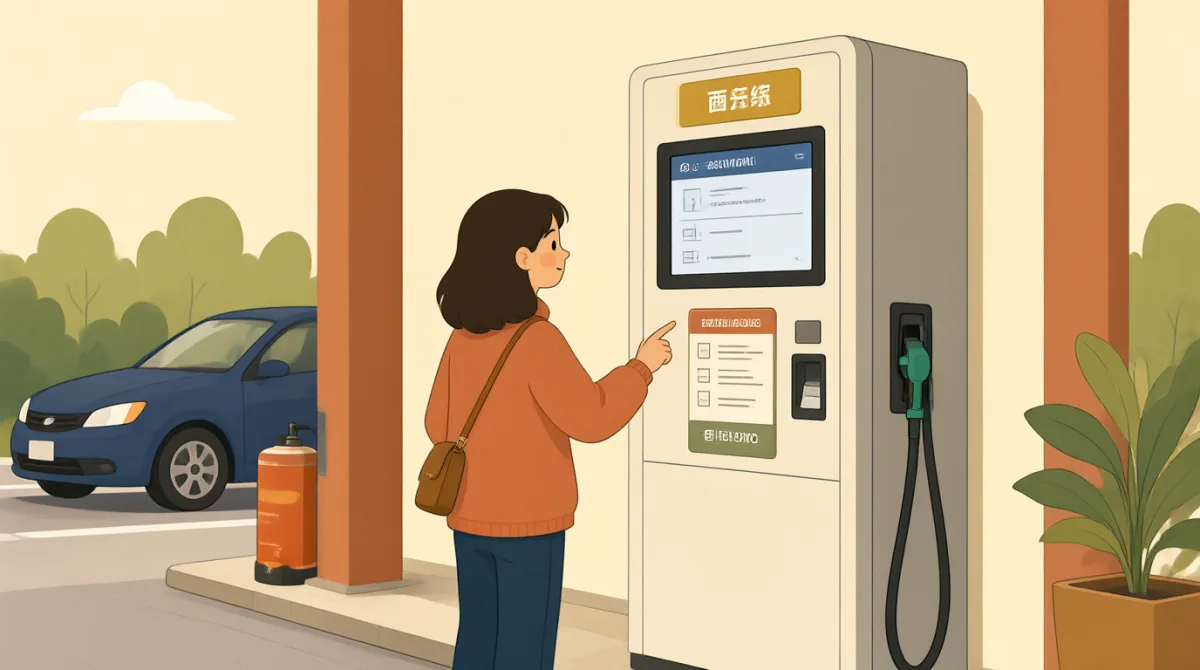

Hmm, okay. So, it says 'Insert Coins or Card' first. Got it.
هوم، باشه. پس اول نوشته «Insert Coins or Card». فهمیدم.

What about the different wash options? I'm not sure if I need the 'Super Foam' or just the 'Rinse'.
این گزینههای مختلف شستوشو چی؟ مطمئن نیستم «Super Foam» لازمه یا فقط «Rinse».
Looks like the 'Super Foam' is for a deeper clean, probably. And 'Rinse' just gets the soap off.
به نظر میاد «Super Foam» برای تمیزکاری عمیقتره، احتمالاً. «Rinse» هم فقط کف رو میشوره.
And there's a 'Wax' option too. Do we need that?
یه گزینهٔ «Wax» هم هست. به اون نیاز داریم؟
It says 'Protective Wax'. Probably good for keeping the car shiny for longer. But let's just focus on getting it clean first. We can skip the wax this time.
نوشته «Protective Wax». احتمالاً کمک میکنه ماشین مدت بیشتری براق بمونه. ولی فعلاً بیایم فقط روی تمیز کردنش تمرکز کنیم. این دفعه میتونیم از واکس بگذریم.
Okay, so insert money, then pick 'Super Foam', then 'Rinse'. Is that the right order?
باشه، پس پول رو میریزیم، بعد «Super Foam» رو انتخاب میکنیم و بعد «Rinse» رو. ترتیبش درسته؟
Yeah, that seems to be the logical flow. The instructions are a bit small to read from here, but I think we've got it.
آره، به نظر میاد ترتیب منطقیای باشه. نوشتهها از اینجا یکم ریزن، ولی فکر کنم فهمیدیم باید چی کار کنیم.
Alright, let's try it. Hope I don't mess it up!
خب، امتحانش کنیم. امیدوارم خرابش نکنم!
واژگان7
- insertوارد کردن
To put something into a machine or slot, like coins into a vending machine. In this dialogue, it means putting money into the car wash machine to start it.
یعنی چیزی را داخل دستگاه یا شکافی گذاشتن؛ مثلاً سکه را داخل دستگاه فروش خودکار انداختن. در این گفتوگو یعنی پول را داخل دستگاه کارواش گذاشتن تا کارش را شروع کند.
- coinsسکهها
Small metal pieces of money used for payments. Here, they are inserted into the car wash machine as payment.
تکههای کوچک فلزی که برای پرداخت استفاده میشوند. اینجا سکهها را بهعنوان هزینهٔ شستوشو داخل دستگاه کارواش میاندازند.
- rinseآبکشی کردن
To wash something with clean water to remove soap or dirt. In car washing, it means spraying water to clean off the foam.
یعنی چیزی را با آب تمیز شستن تا صابون یا کثیفی از آن پاک شود. در کارواش، منظور پاشیدن آب برای شستن کف است.
- waxواکس
A substance applied to a car to make it shiny and protect the paint. The 'wax' option in the dialogue adds a protective layer.
مادهای که روی ماشین میزنند تا براق شود و رنگ آن محافظت شود. گزینهٔ «wax» در گفتوگو یک لایهٔ محافظ اضافه میکند.
- skipصرفنظر کردن
To choose not to do something or pass over it. In the conversation, it means not using the wax option this time.
یعنی تصمیم بگیری کاری را انجام ندهی یا از آن بگذری. در این گفتوگو یعنی این دفعه از گزینهٔ واکس استفاده نکنند.
- logicalمنطقی
Something that makes sense or follows a reasonable order. Here, it describes the step-by-step instructions for using the machine.
چیزی که معنیدار است یا ترتیب معقولی دارد. اینجا مراحل استفاده از دستگاه را توصیف میکند.
- mess upخراب کردن
An informal phrase meaning to make a mistake or do something wrong. Emma uses it to express worry about operating the machine incorrectly.
عبارتی غیررسمی به معنی اشتباه کردن یا کاری را نادرست انجام دادن است. اما از آن برای بیان نگرانیاش دربارهٔ کار کردن نادرست با دستگاه استفاده میکند.
جملات کلیدی7
- 1
Insert Coins or Card first. Got it.
اول «Insert Coins or Card». فهمیدم.
This sentence gives a simple instruction and confirms understanding. 'Got it' is a casual way to say 'I understand.' It's useful for following steps in machines or apps, and the structure is imperative (command form) followed by confirmation.
این جمله یک دستور ساده میدهد و بعد نشان میدهد که گوینده آن را فهمیده است. «Got it» روشی خودمانی برای گفتن «فهمیدم» است. برای دنبال کردن مراحل کار با دستگاهها یا برنامهها کاربرد دارد و از یک دستور و بعد تأیید فهمیدن آن تشکیل شده است.
- 2
I'm not sure if I need the 'Super Foam' or just the 'Rinse'.
مطمئن نیستم «Super Foam» لازمه یا فقط «Rinse».
This expresses uncertainty about choices using 'I'm not sure if' and 'or' for alternatives. It's practical for asking about options in services like car washes or restaurants, showing how to compare basic vs. advanced features.
این جمله با «I'm not sure if» و «or» دربارهٔ انتخابهای مختلف ابراز تردید میکند. برای پرسیدن دربارهٔ گزینههای خدماتی مثل کارواش یا رستوران مفید است و راه مقایسهٔ امکانات ساده و پیشرفته را نشان میدهد.
- 3
Looks like the 'Super Foam' is for a deeper clean, probably.
به نظر میاد «Super Foam» برای تمیزکاری عمیقتره، احتمالاً.
This uses 'looks like' to give an opinion based on reading instructions, with 'probably' to show it's not certain. It's useful for explaining product purposes and softens statements to avoid sounding too sure.
در این جمله از «looks like» برای بیان نظری بر اساس خواندن دستورالعملها استفاده شده و «probably» نشان میدهد که گوینده مطمئن نیست. این عبارت برای توضیح کاربرد محصولات مفید است و باعث میشود حرفتان بیش از حد قطعی به نظر نرسد.
- 4
Do we need that?
به اون نیاز داریم؟
A short question using 'do we need' to ask for advice on whether something is necessary. It's a common pattern for decision-making in group situations, like shopping or services, and encourages discussion.
این پرسش کوتاه با «do we need» میپرسد آیا چیزی لازم است یا نه. این الگوی رایج برای تصمیمگیری گروهی، مثلاً هنگام خرید یا استفاده از خدمات، به گفتوگو کمک میکند.
- 5
We can skip the wax this time.
این دفعه میتونیم از واکس بگذریم.
This suggests avoiding an option using 'can skip' for permission or choice. It's helpful for prioritizing tasks and politely declining extras, with 'this time' implying it might be done later.
این جمله با «can skip» پیشنهاد میکند از یک گزینه صرفنظر کنید یا آن را انتخاب نکنید. برای اولویتبندی کارها و نپذیرفتن مؤدبانهٔ گزینههای اضافه مفید است. «this time» هم میرساند که شاید دفعهٔ بعد آن را انجام دهید.
- 6
Is that the right order?
ترتیبش درسته؟
This questions the sequence of steps with 'is that the right' structure. It's essential for confirming instructions in processes like cooking or using machines, emphasizing the importance of order in English.
این جمله با ساختار «is that the right» دربارهٔ ترتیب مراحل سؤال میکند. برای تأیید دستورالعملهای فرایندهایی مثل آشپزی یا کار با دستگاه ضروری است و اهمیت ترتیب را نشان میدهد.
- 7
Hope I don't mess it up!
امیدوارم خرابش نکنم!
An informal expression of hope using 'hope' with a negative clause. 'Mess it up' is slang for failing. It's useful for showing nervousness before trying something new, common in casual conversations.
این عبارت خودمانی امیدواری را با «hope» و یک جملهٔ منفی بیان میکند. «Mess it up» اصطلاحی غیررسمی به معنی خراب کردن یا اشتباه کردن است. برای نشان دادن نگرانی پیش از امتحان کردن کاری تازه مفید است و در گفتوگوهای خودمانی زیاد به کار میرود.