Understanding the Instructions
ทำความเข้าใจวิธีใช้
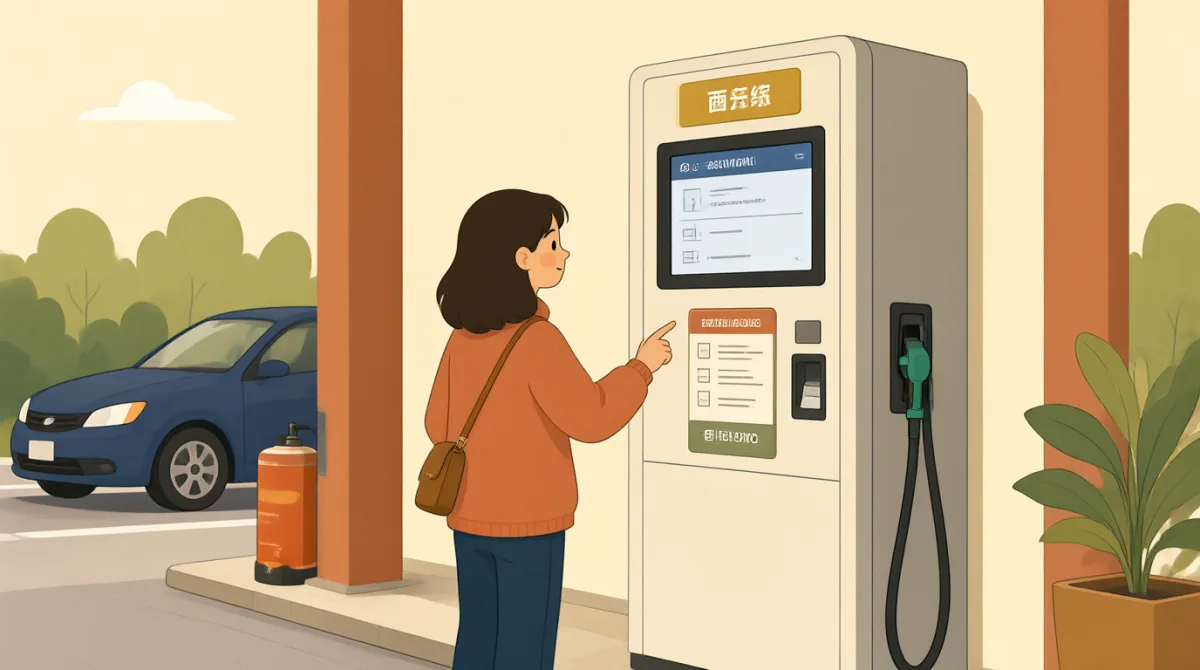
A user arrives at the self-service car wash and tries to understand the instructions displayed on the machine or a sign for the first time.
ผู้ใช้มาถึงร้านล้างรถแบบบริการตนเอง และพยายามทำความเข้าใจวิธีใช้ที่แสดงบนเครื่องหรือป้ายเป็นครั้งแรก
บทสนทนา8

Hmm, okay. So, it says 'Insert Coins or Card' first. Got it.
อืม โอเค งั้นมันเขียนว่า ‘Insert Coins or Card’ ก่อน เข้าใจแล้ว

What about the different wash options? I'm not sure if I need the 'Super Foam' or just the 'Rinse'.
แล้วตัวเลือกการล้างแบบต่าง ๆ ล่ะ? ฉันไม่แน่ใจว่าต้องเลือก ‘Super Foam’ หรือแค่ ‘Rinse’
Looks like the 'Super Foam' is for a deeper clean, probably. And 'Rinse' just gets the soap off.
ดูเหมือนว่า ‘Super Foam’ จะช่วยล้างให้สะอาดล้ำลึกขึ้นมั้ง ส่วน ‘Rinse’ ก็แค่ล้างสบู่ออก
And there's a 'Wax' option too. Do we need that?
แล้วก็มีตัวเลือก ‘Wax’ ด้วย เราต้องใช้ไหม?
It says 'Protective Wax'. Probably good for keeping the car shiny for longer. But let's just focus on getting it clean first. We can skip the wax this time.
มันเขียนว่า ‘Protective Wax’ น่าจะช่วยให้รถเงางามได้นานขึ้นนะ แต่เอาให้ล้างรถสะอาดก่อนดีกว่า รอบนี้ข้ามแว็กซ์ไปก่อนก็ได้
Okay, so insert money, then pick 'Super Foam', then 'Rinse'. Is that the right order?
โอเค งั้นใส่เงิน แล้วเลือก ‘Super Foam’ จากนั้นก็ ‘Rinse’ แบบนี้ถูกลำดับไหม?
Yeah, that seems to be the logical flow. The instructions are a bit small to read from here, but I think we've got it.
ใช่ ดูเหมือนจะเป็นลำดับที่สมเหตุสมผลนะ ตัวหนังสือเล็กไปหน่อย อ่านจากตรงนี้ยาก แต่คิดว่าเราเข้าใจแล้ว
Alright, let's try it. Hope I don't mess it up!
เอาละ ลองกันเลย หวังว่าฉันจะไม่ทำพลาดนะ!
คำศัพท์7
- insertใส่
To put something into a machine or slot, like coins into a vending machine. In this dialogue, it means putting money into the car wash machine to start it.
ใส่สิ่งของเข้าไปในเครื่องหรือช่อง เช่น หยอดเหรียญลงในตู้ขายสินค้าอัตโนมัติ ในบทสนทนานี้หมายถึงใส่เงินเข้าเครื่องล้างรถเพื่อเริ่มใช้งาน
- coinsเหรียญ
Small metal pieces of money used for payments. Here, they are inserted into the car wash machine as payment.
เงินชิ้นเล็ก ๆ ที่ทำจากโลหะ ใช้ชำระเงิน ในที่นี้หมายถึงเหรียญที่ใส่เข้าเครื่องล้างรถเพื่อจ่ายค่าบริการ
- rinseล้างน้ำ
To wash something with clean water to remove soap or dirt. In car washing, it means spraying water to clean off the foam.
ล้างสิ่งของด้วยน้ำสะอาดเพื่อเอาสบู่หรือสิ่งสกปรกออก ในการล้างรถหมายถึงฉีดน้ำล้างโฟมออก
- waxแว็กซ์
A substance applied to a car to make it shiny and protect the paint. The 'wax' option in the dialogue adds a protective layer.
สารที่ใช้เคลือบรถเพื่อให้เงางามและช่วยปกป้องสีรถ ตัวเลือก ‘wax’ ในบทสนทนานี้จะเคลือบผิวรถเพื่อปกป้องสี
- skipข้าม
To choose not to do something or pass over it. In the conversation, it means not using the wax option this time.
เลือกที่จะไม่ทำบางอย่าง หรือผ่านสิ่งนั้นไป ในบทสนทนานี้หมายถึงไม่ใช้ตัวเลือกแว็กซ์ในครั้งนี้
- logicalสมเหตุสมผล
Something that makes sense or follows a reasonable order. Here, it describes the step-by-step instructions for using the machine.
สิ่งที่ฟังดูมีเหตุผลหรือเป็นไปตามลำดับที่เหมาะสม ในที่นี้ใช้บรรยายขั้นตอนการใช้เครื่องที่เรียงเป็นลำดับ
- mess upทำพลาด
An informal phrase meaning to make a mistake or do something wrong. Emma uses it to express worry about operating the machine incorrectly.
วลีไม่เป็นทางการ หมายถึงทำผิดพลาดหรือทำอะไรไม่ถูกต้อง เอ็มมาใช้วลีนี้เพื่อบอกว่ากังวลว่าจะใช้เครื่องผิดวิธี
ประโยคสำคัญ7
- 1
Insert Coins or Card first. Got it.
ใส่เหรียญหรือบัตรก่อน เข้าใจแล้ว
This sentence gives a simple instruction and confirms understanding. 'Got it' is a casual way to say 'I understand.' It's useful for following steps in machines or apps, and the structure is imperative (command form) followed by confirmation.
ประโยคนี้เป็นคำสั่งง่าย ๆ ตามด้วยการยืนยันว่าเข้าใจแล้ว ‘Got it’ เป็นวิธีพูดแบบไม่เป็นทางการที่หมายถึง ‘เข้าใจแล้ว’ ใช้ได้ดีเมื่อต้องทำตามขั้นตอนของเครื่องหรือแอป โครงสร้างคือคำสั่งตามด้วยการยืนยัน
- 2
I'm not sure if I need the 'Super Foam' or just the 'Rinse'.
ฉันไม่แน่ใจว่าต้องเลือก ‘Super Foam’ หรือแค่ ‘Rinse’
This expresses uncertainty about choices using 'I'm not sure if' and 'or' for alternatives. It's practical for asking about options in services like car washes or restaurants, showing how to compare basic vs. advanced features.
ประโยคนี้ใช้ ‘I'm not sure if’ เพื่อบอกว่าไม่แน่ใจ และใช้ ‘or’ เพื่อพูดถึงตัวเลือกอื่น เหมาะสำหรับถามเกี่ยวกับตัวเลือกของบริการต่าง ๆ เช่น ร้านล้างรถหรือร้านอาหาร และใช้เปรียบเทียบตัวเลือกพื้นฐานกับตัวเลือกที่มีคุณสมบัติเพิ่มขึ้น
- 3
Looks like the 'Super Foam' is for a deeper clean, probably.
ดูเหมือนว่า ‘Super Foam’ จะช่วยล้างให้สะอาดล้ำลึกขึ้นมั้ง
This uses 'looks like' to give an opinion based on reading instructions, with 'probably' to show it's not certain. It's useful for explaining product purposes and softens statements to avoid sounding too sure.
ประโยคนี้ใช้ ‘looks like’ เพื่อแสดงความเห็นจากการอ่านวิธีใช้ และใช้ ‘probably’ เพื่อบอกว่ายังไม่แน่ใจ เหมาะสำหรับอธิบายว่าสินค้ามีไว้ทำอะไร และช่วยให้คำพูดฟังดูไม่มั่นใจเกินไป
- 4
Do we need that?
เราต้องใช้ไหม?
A short question using 'do we need' to ask for advice on whether something is necessary. It's a common pattern for decision-making in group situations, like shopping or services, and encourages discussion.
คำถามสั้น ๆ ที่ใช้ ‘do we need’ เพื่อถามว่าจำเป็นต้องใช้สิ่งนั้นไหม เป็นรูปประโยคที่ใช้บ่อยเมื่อต้องตัดสินใจร่วมกัน เช่น ตอนซื้อของหรือใช้บริการ และช่วยชวนให้พูดคุยกัน
- 5
We can skip the wax this time.
รอบนี้เราข้ามแว็กซ์ไปก่อนได้
This suggests avoiding an option using 'can skip' for permission or choice. It's helpful for prioritizing tasks and politely declining extras, with 'this time' implying it might be done later.
ประโยคนี้เสนอให้ไม่เลือกตัวเลือกหนึ่ง โดยใช้ ‘can skip’ เพื่อบอกว่าทำได้หรือเลือกที่จะข้าม เหมาะสำหรับจัดลำดับความสำคัญหรือปฏิเสธตัวเลือกเสริมอย่างสุภาพ ส่วน ‘this time’ สื่อว่าอาจเลือกทำในครั้งหน้า
- 6
Is that the right order?
แบบนี้ถูกลำดับไหม?
This questions the sequence of steps with 'is that the right' structure. It's essential for confirming instructions in processes like cooking or using machines, emphasizing the importance of order in English.
ประโยคนี้ใช้โครงสร้าง ‘is that the right’ เพื่อถามว่าลำดับขั้นตอนถูกต้องไหม เหมาะสำหรับตรวจสอบวิธีทำตามขั้นตอนต่าง ๆ เช่น ทำอาหารหรือใช้เครื่องจักร และเน้นว่าลำดับมีความสำคัญ
- 7
Hope I don't mess it up!
หวังว่าฉันจะไม่ทำพลาดนะ!
An informal expression of hope using 'hope' with a negative clause. 'Mess it up' is slang for failing. It's useful for showing nervousness before trying something new, common in casual conversations.
สำนวนไม่เป็นทางการที่ใช้ ‘hope’ ตามด้วยประโยคปฏิเสธเพื่อบอกความหวัง ‘Mess it up’ เป็นคำพูดไม่เป็นทางการที่หมายถึงทำพลาด ใช้แสดงความประหม่าเมื่อต้องลองทำอะไรใหม่ ๆ และพบได้บ่อยในการสนทนาทั่วไป