Interjecting a Quick Correction
تذکر کوتاه برای اصلاح
Someone is saying something incorrect or misleading, and you feel the need to quickly correct them.
کسی حرفی نادرست یا گمراهکننده میزند و احساس میکنید باید سریع حرفش را اصلاح کنید.
گفتوگو5
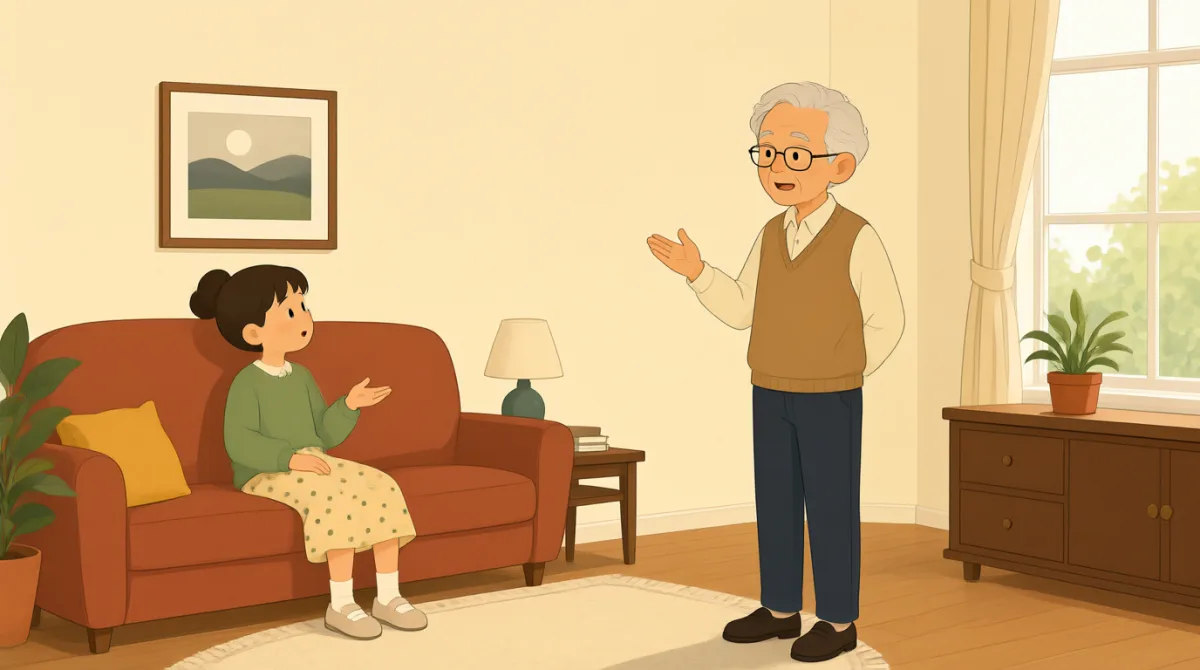

And so, if we just reduce the caffeine intake, all the side effects should disappear.
پس اگه فقط مصرف کافئین رو کم کنیم، همهٔ عوارض جانبی باید از بین برن.

Excuse me, sorry to interrupt, but I think that's actually not quite right. Some side effects can linger for a while, especially the sleep issues.
ببخشید، معذرت میخوام که حرفت رو قطع میکنم، ولی فکر میکنم این حرف دقیقاً درست نیست. بعضی از عوارض جانبی ممکنه مدتی باقی بمونن، مخصوصاً مشکلات خواب.
Oh, really? I thought it was more immediate.
اوه، واقعاً؟ فکر میکردم اثرش فوری باشه.
Yes, from what I've read, the body needs time to fully adjust, even after reducing intake.
آره، تا جایی که خوندم، بدن حتی بعد از کمکردن مصرف هم برای سازگاری کامل به زمان نیاز داره.
Thanks for clarifying. Good to know.
ممنون که توضیح دادی. خوبه که بدونم.
واژگان6
- interruptحرف کسی را قطع کردن
To interrupt means to stop someone from speaking or doing something by saying or doing something yourself. It's polite to apologize when you do this in a conversation.
interrupt یعنی با گفتن یا انجام دادن کاری، جلوی صحبتکردن یا انجام کاری را از کسی گرفتن. وقتی وسط گفتوگو حرف کسی را قطع میکنید، مؤدبانه است که عذرخواهی کنید.
- side effectsعوارض جانبی
Side effects are unwanted or unexpected results from something like medicine or caffeine. For example, headaches or sleep problems can be side effects.
side effects یعنی پیامدهای ناخواسته یا غیرمنتظرهٔ چیزی مثل دارو یا کافئین. برای مثال، سردرد یا مشکلات خواب میتوانند از عوارض جانبی باشند.
- lingerباقی ماندن
To linger means to stay or continue for a longer time than expected. It's often used for feelings, smells, or effects that don't go away quickly.
linger یعنی چیزی بیشتر از حد انتظار باقی بماند یا ادامه پیدا کند. این واژه اغلب برای احساسات، بوها یا اثرهایی به کار میرود که زود از بین نمیروند.
- intakeمصرف
Intake refers to the amount of something you take in, like food, drink, or information. Here, it means the amount of caffeine you consume.
intake یعنی مقدار چیزی که دریافت یا مصرف میکنید؛ مثلاً غذا، نوشیدنی یا اطلاعات. اینجا منظور مقدار کافئینی است که مصرف میکنید.
- clarifyروشن کردن
To clarify means to make something clear or easier to understand, especially when there's confusion. You can say 'thanks for clarifying' to show appreciation.
clarify یعنی چیزی را روشنتر یا فهمیدنش را آسانتر کردن، بهخصوص وقتی ابهامی وجود دارد. میتوانید برای قدردانی بگویید 'thanks for clarifying' (ممنون که توضیح دادی).
- adjustسازگار شدن
To adjust means to change or adapt to a new situation. In this context, the body adjusts to less caffeine over time.
adjust یعنی خود را با موقعیتی تازه وفق دادن یا با آن سازگار شدن. در اینجا منظور این است که بدن بهمرور با کافئین کمتر سازگار میشود.
جملات کلیدی5
- 1
Excuse me, sorry to interrupt, but I think that's actually not quite right.
ببخشید، معذرت میخوام که حرفت رو قطع میکنم، ولی فکر میکنم این حرف دقیقاً درست نیست.
This sentence is a polite way to interrupt and correct someone. 'Excuse me' gets attention, 'sorry to interrupt' apologizes, and 'but I think that's actually not quite right' softly disagrees. Use it when you need to correct a mistake without being rude. The structure uses 'but' to connect apology and correction.
این جمله روشی مؤدبانه برای قطعکردن حرف کسی و اصلاح گفتهٔ اوست. 'Excuse me' توجه طرف را جلب میکند، 'sorry to interrupt' عذرخواهی میکند و 'but I think that's actually not quite right' مخالفتی ملایم را بیان میکند. وقتی لازم است اشتباهی را اصلاح کنید، اما نمیخواهید بیادب به نظر برسید، از این جمله استفاده کنید. در این ساختار، 'but' عذرخواهی را به اصلاح پیوند میدهد.
- 2
Some side effects can linger for a while, especially the sleep issues.
بعضی از عوارض جانبی ممکنه مدتی باقی بمونن، مخصوصاً مشکلات خواب.
This explains a fact with examples. 'Can linger' uses the modal verb 'can' to show possibility, and 'especially' highlights a key point. It's useful for giving more details in discussions about health or effects. Use it to add specific information to support your correction.
این جمله واقعیتی را همراه با مثال توضیح میدهد. 'Can linger' با استفاده از فعل وجهی 'can' امکانِ ادامهداشتن چیزی را نشان میدهد و 'especially' نکتهای مهم را برجسته میکند. این عبارت برای ارائهٔ جزئیات بیشتر در گفتوگو دربارهٔ سلامتی یا اثرات چیزی مفید است. از آن برای افزودن اطلاعات مشخص و پشتیبانی از اصلاح حرف طرف مقابل استفاده کنید.
- 3
Oh, really? I thought it was more immediate.
اوه، واقعاً؟ فکر میکردم اثرش فوری باشه.
This shows surprise and shares a previous belief. 'Oh, really?' is a common response to new information, and 'I thought' expresses past opinion. It's practical for conversations when learning something new. The simple past tense 'thought' indicates a change in understanding.
این جمله تعجب را نشان میدهد و باور قبلی گوینده را بیان میکند. 'Oh, really?' پاسخ رایجی به اطلاعات تازه است و 'I thought' نظر قبلی را بیان میکند. وقتی در گفتوگو چیزی تازه یاد میگیرید، این عبارت به کارتان میآید. زمان گذشتهٔ ساده در 'thought' نشان میدهد که برداشتتان تغییر کرده است.
- 4
Yes, from what I've read, the body needs time to fully adjust, even after reducing intake.
آره، تا جایی که خوندم، بدن حتی بعد از کمکردن مصرف هم برای سازگاری کامل به زمان نیاز داره.
This agrees and provides evidence. 'From what I've read' cites a source politely, and 'even after' shows contrast. Use this sentence to explain why something happens based on knowledge. It's helpful in debates or advice-giving, with 'needs' in present simple for general truths.
این جمله موافقت میکند و برای گفتهاش دلیل میآورد. 'From what I've read' با لحنی مؤدبانه به منبع اطلاعات اشاره میکند و 'even after' تقابل را نشان میدهد. وقتی میخواهید بر پایهٔ دانستههایتان توضیح دهید چرا چیزی اتفاق میافتد، از این جمله استفاده کنید. در بحث یا هنگام ارائهٔ توصیه مفید است؛ 'needs' در زمان حال ساده برای بیان واقعیت کلی به کار رفته است.
- 5
Thanks for clarifying. Good to know.
ممنون که توضیح دادی. خوبه که بدونم.
This thanks someone for explaining clearly. 'Clarifying' is a gerund after 'for', and 'Good to know' means it's useful information. It's a polite way to end a correction positively. Use it after learning something new to show appreciation and keep the conversation friendly.
با این جمله از کسی بابت توضیح روشن تشکر میکنید. 'Clarifying' بعد از 'for' به شکل اسممصدر آمده و 'Good to know' یعنی این اطلاعات به درد میخورد. این روشی مؤدبانه است تا اصلاح حرف طرف مقابل را با لحنی مثبت به پایان برسانید. بعد از یادگرفتن چیزی تازه از آن استفاده کنید تا هم قدردانیتان را نشان دهید و هم گفتوگو را دوستانه نگه دارید.