Interjecting a Quick Correction
जल्दी से बीच में सुधार करना
Someone is saying something incorrect or misleading, and you feel the need to quickly correct them.
कोई गलत या भ्रामक बात कह रहा है और आपको लगता है कि आपको तुरंत उसे ठीक करना चाहिए।
संवाद5
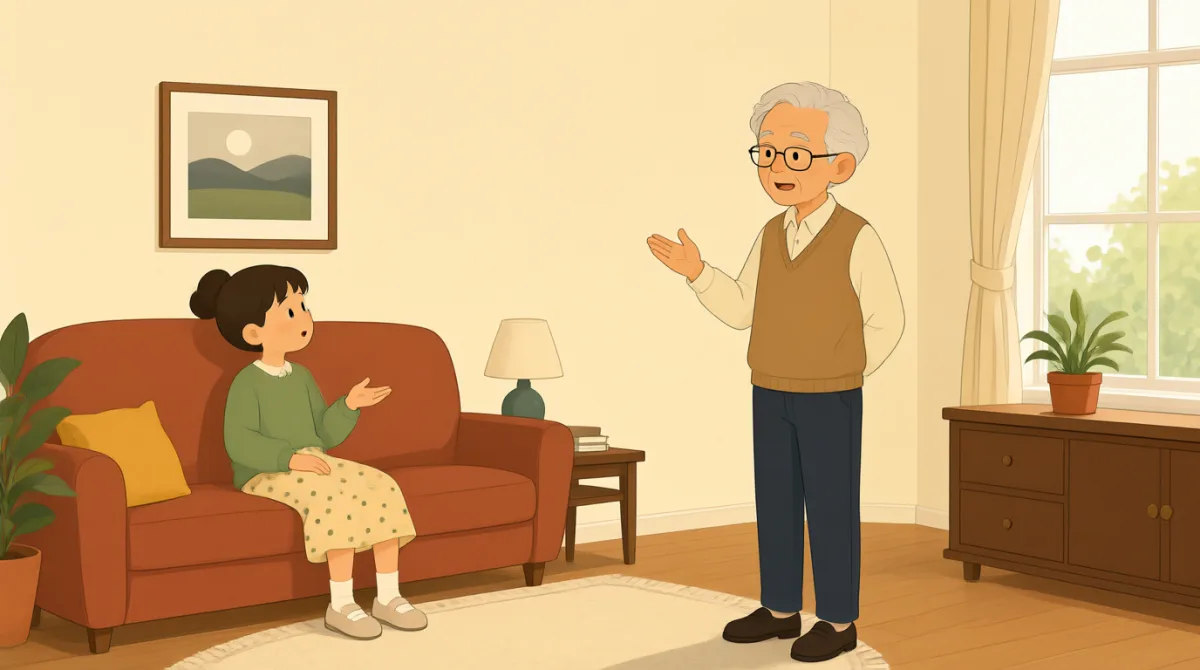

And so, if we just reduce the caffeine intake, all the side effects should disappear.
तो अगर हम बस कैफ़ीन का सेवन कम कर दें, तो इसके सारे दुष्प्रभाव खत्म हो जाने चाहिए।

Excuse me, sorry to interrupt, but I think that's actually not quite right. Some side effects can linger for a while, especially the sleep issues.
माफ़ कीजिए, बीच में टोकने के लिए माफ़ करना, लेकिन मुझे लगता है कि यह पूरी तरह सही नहीं है। कुछ दुष्प्रभाव थोड़ी देर तक बने रह सकते हैं, खासकर नींद से जुड़ी समस्याएँ।
Oh, really? I thought it was more immediate.
अच्छा, सच में? मुझे लगा था कि इसका असर जल्दी खत्म हो जाएगा।
Yes, from what I've read, the body needs time to fully adjust, even after reducing intake.
हाँ, मैंने जो पढ़ा है, उसके मुताबिक़ सेवन कम करने के बाद भी शरीर को पूरी तरह ढलने में समय लगता है।
Thanks for clarifying. Good to know.
समझाने के लिए शुक्रिया। यह जानना अच्छा है।
शब्दावली6
- interruptबीच में टोकना
To interrupt means to stop someone from speaking or doing something by saying or doing something yourself. It's polite to apologize when you do this in a conversation.
बीच में टोकने का मतलब है, किसी के बोलते या कुछ करते समय खुद कुछ कहकर या करके उसे रोकना। बातचीत में ऐसा करने पर माफ़ी माँगना शिष्टता होती है।
- side effectsदुष्प्रभाव
Side effects are unwanted or unexpected results from something like medicine or caffeine. For example, headaches or sleep problems can be side effects.
दुष्प्रभाव किसी दवा या कैफ़ीन जैसी चीज़ से होने वाले अनचाहे या अप्रत्याशित असर होते हैं। उदाहरण के लिए, सिरदर्द या नींद की समस्या दुष्प्रभाव हो सकते हैं।
- lingerबने रहना
To linger means to stay or continue for a longer time than expected. It's often used for feelings, smells, or effects that don't go away quickly.
बने रहने का मतलब है, उम्मीद से ज़्यादा समय तक रहना या जारी रहना। यह शब्द अक्सर ऐसी भावनाओं, गंधों या असर के लिए इस्तेमाल होता है जो जल्दी दूर नहीं होते।
- intakeसेवन
Intake refers to the amount of something you take in, like food, drink, or information. Here, it means the amount of caffeine you consume.
सेवन का मतलब है किसी चीज़—जैसे खाने, पीने या जानकारी—की वह मात्रा जो आप लेते हैं। यहाँ इसका मतलब है आपके द्वारा ली जाने वाली कैफ़ीन की मात्रा।
- clarifyस्पष्ट करना
To clarify means to make something clear or easier to understand, especially when there's confusion. You can say 'thanks for clarifying' to show appreciation.
स्पष्ट करने का मतलब है किसी बात को साफ़ या समझने में आसान बनाना, खासकर जब कोई उलझन हो। किसी के समझाने के लिए आप आभार जताने को 'thanks for clarifying' कह सकते हैं।
- adjustढलना
To adjust means to change or adapt to a new situation. In this context, the body adjusts to less caffeine over time.
ढलने का मतलब है नई परिस्थिति के मुताबिक़ बदलना या खुद को उसके अनुकूल बनाना। यहाँ शरीर समय के साथ कम कैफ़ीन का आदी होता है।
मुख्य वाक्य5
- 1
Excuse me, sorry to interrupt, but I think that's actually not quite right.
माफ़ कीजिए, बीच में टोकने के लिए माफ़ करना, लेकिन मुझे लगता है कि यह पूरी तरह सही नहीं है।
This sentence is a polite way to interrupt and correct someone. 'Excuse me' gets attention, 'sorry to interrupt' apologizes, and 'but I think that's actually not quite right' softly disagrees. Use it when you need to correct a mistake without being rude. The structure uses 'but' to connect apology and correction.
किसी को विनम्रता से बीच में रोककर उसकी बात सुधारने का यह एक तरीका है। 'Excuse me' कहकर आप ध्यान खींचते हैं, 'sorry to interrupt' कहकर माफ़ी माँगते हैं, और 'but I think that's actually not quite right' कहकर नरमी से असहमति जताते हैं। बिना रूखे हुए कोई गलती सुधारनी हो, तो इसका इस्तेमाल करें। इसमें 'but' माफ़ी और सुधार को जोड़ता है।
- 2
Some side effects can linger for a while, especially the sleep issues.
कुछ दुष्प्रभाव थोड़ी देर तक बने रह सकते हैं, खासकर नींद से जुड़ी समस्याएँ।
This explains a fact with examples. 'Can linger' uses the modal verb 'can' to show possibility, and 'especially' highlights a key point. It's useful for giving more details in discussions about health or effects. Use it to add specific information to support your correction.
इस वाक्य में उदाहरण देकर एक तथ्य बताया गया है। 'Can linger' में संभावना जताने के लिए modal verb 'can' का इस्तेमाल होता है, और 'especially' किसी खास बात पर ज़ोर देता है। स्वास्थ्य या असर के बारे में चर्चा करते समय अतिरिक्त जानकारी देने के लिए यह उपयोगी है। अपनी बात के समर्थन में कोई खास जानकारी जोड़ने के लिए इसका इस्तेमाल करें।
- 3
Oh, really? I thought it was more immediate.
अच्छा, सच में? मुझे लगा था कि इसका असर जल्दी खत्म हो जाएगा।
This shows surprise and shares a previous belief. 'Oh, really?' is a common response to new information, and 'I thought' expresses past opinion. It's practical for conversations when learning something new. The simple past tense 'thought' indicates a change in understanding.
इससे हैरानी जताते हुए पहले की अपनी धारणा बताई जाती है। 'Oh, really?' नई जानकारी पर एक आम प्रतिक्रिया है, और 'I thought' बीती हुई राय बताता है। कुछ नया सीखते समय बातचीत में यह काम आता है। simple past tense 'thought' दिखाता है कि आपकी समझ बदल गई है।
- 4
Yes, from what I've read, the body needs time to fully adjust, even after reducing intake.
हाँ, मैंने जो पढ़ा है, उसके मुताबिक़ सेवन कम करने के बाद भी शरीर को पूरी तरह ढलने में समय लगता है।
This agrees and provides evidence. 'From what I've read' cites a source politely, and 'even after' shows contrast. Use this sentence to explain why something happens based on knowledge. It's helpful in debates or advice-giving, with 'needs' in present simple for general truths.
इस वाक्य में सहमति जताकर जानकारी का आधार भी बताया गया है। 'From what I've read' विनम्रता से स्रोत का ज़िक्र करता है, और 'even after' एक विपरीत बात दिखाता है। अपनी जानकारी के आधार पर यह बताने के लिए इसका इस्तेमाल करें कि कुछ क्यों होता है। चर्चाओं या सलाह देते समय यह उपयोगी है। सामान्य सच बताने के लिए इसमें present simple 'needs' का इस्तेमाल होता है।
- 5
Thanks for clarifying. Good to know.
समझाने के लिए शुक्रिया। यह जानना अच्छा है।
This thanks someone for explaining clearly. 'Clarifying' is a gerund after 'for', and 'Good to know' means it's useful information. It's a polite way to end a correction positively. Use it after learning something new to show appreciation and keep the conversation friendly.
इसमें किसी बात को साफ़-साफ़ समझाने के लिए आभार जताया जाता है। 'Clarifying' में 'for' के बाद gerund का इस्तेमाल हुआ है, और 'Good to know' का मतलब है कि यह जानकारी काम की है। किसी सुधार को सकारात्मक ढंग से खत्म करने का यह एक विनम्र तरीका है। कुछ नया जानने के बाद आभार जताने और बातचीत को दोस्ताना बनाए रखने के लिए इसका इस्तेमाल करें।