Locating a Common Item
সাধারণ পণ্যের অবস্থান খুঁজে বের করা
A customer asks an employee where to find a commonly stocked item like milk, bread, or fresh produce, which might be in a less obvious section.
একজন ক্রেতা কর্মচারীর কাছে দুধ, পাউরুটি বা তাজা ফল-সবজির মতো সাধারণত মজুত থাকা কোনো পণ্য কোথায় পাওয়া যাবে জানতে চান। পণ্যটি হয়তো এমন কোনো অংশে রাখা আছে, যা সহজে চোখে পড়ে না।
সংলাপ8
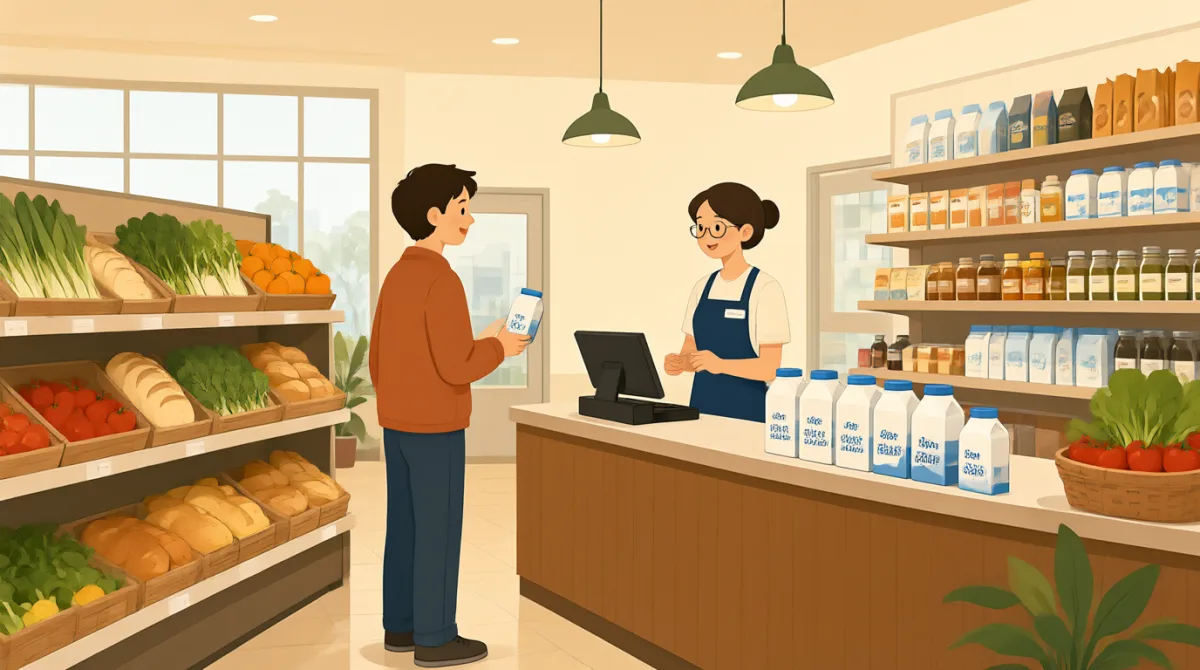

Excuse me, I'm trying to find the fresh produce section. Could you point me in the right direction?
মাফ করবেন, আমি তাজা ফল-সবজির বিভাগটি খুঁজছি। কোন দিকে যেতে হবে একটু দেখিয়ে দেবেন?

Certainly! The fresh produce is actually right around the corner, just past the dairy section. You'll see all the fruits and vegetables there.
অবশ্যই! তাজা ফল-সবজির বিভাগটি আসলে ঠিক মোড়ের কাছেই, দুগ্ধজাত পণ্যের বিভাগের একটু পরেই। সেখানে সব ফল আর সবজি দেখতে পাবেন।
Oh, perfect! I thought it might be closer to the entrance. So, just past dairy, you said?
ওহ, চমৎকার! ভেবেছিলাম হয়তো প্রবেশপথের কাছাকাছি হবে। তাহলে দুগ্ধজাত পণ্যের বিভাগের ঠিক পরেই, তাই তো?
That's right. If you follow this main aisle, you'll see the dairy on your left, and then just take a quick right at the end of that aisle. Can't miss it!
ঠিক তাই। এই প্রধান পথ ধরে এগোলে আপনার বাঁ পাশে দুগ্ধজাত পণ্যের বিভাগটি দেখতে পাবেন। তারপর ওই পথের শেষে ডানে একটু ঘুরবেন। সহজেই চোখে পড়বে!
Great, thanks so much for your help! I really appreciate it.
দারুণ, সাহায্য করার জন্য অনেক ধন্যবাদ! আমি সত্যিই কৃতজ্ঞ।
No problem at all! Is there anything else I can help you find today?
কোনো সমস্যা নেই! আজ আর কিছু খুঁজে পেতে আপনাকে সাহায্য করতে পারি?
Not at the moment, but thank you. You've been very helpful!
এ মুহূর্তে আর কিছু লাগবে না, তবে ধন্যবাদ। আপনি খুব সাহায্য করেছেন!
You're welcome. Have a good day of shopping!
স্বাগতম। কেনাকাটা ভালো কাটুক!
শব্দভান্ডার8
- fresh produceতাজা ফল-সবজি
Refers to fruits and vegetables that are freshly picked and sold in the supermarket. Use this when asking for the section with healthy, raw foods like apples or lettuce.
সুপারমার্কেটে তাজা তুলে বিক্রি করা ফল ও সবজিকে বোঝায়। আপেল বা লেটুসের মতো স্বাস্থ্যকর, কাঁচা খাবারের বিভাগের খোঁজ করতে এই কথাটি ব্যবহার করুন।
- dairy sectionদুগ্ধজাত পণ্যের বিভাগ
The area in a store where milk, cheese, yogurt, and other milk-based products are kept. It's often cool to keep items fresh.
দোকানের যে অংশে দুধ, পনির, দই ও দুধ দিয়ে তৈরি অন্যান্য পণ্য রাখা হয়। পণ্যগুলো তাজা রাখতে এই অংশটি প্রায়ই ঠান্ডা রাখা হয়।
- around the cornerমোড়ের কাছেই
Means very close by, just after turning at a bend. Use this to describe something nearby in a store or building.
এর অর্থ, বাঁক ঘুরলেই খুব কাছে। দোকান বা ভবনের কাছাকাছি কোনো কিছুর অবস্থান বোঝাতে এটি ব্যবহার করুন।
- aisleদোকানের তাকের মাঝের চলার পথ
A long pathway between shelves in a supermarket where products are displayed. Common in stores for walking and shopping.
সুপারমার্কেটে তাকের মাঝখানের লম্বা চলার পথ, যেখানে পণ্য সাজানো থাকে। দোকানে হাঁটা ও কেনাকাটার জন্য এ ধরনের পথ থাকে।
- on your leftআপনার বাঁ পাশে
Indicates the direction to the left side as you face forward. Helpful for giving or following directions in places like stores.
সোজা সামনে তাকিয়ে থাকলে বাঁ দিকের অবস্থান বোঝায়। দোকানের মতো জায়গায় পথ দেখাতে বা পথ বুঝতে এটি কাজে লাগে।
- take a rightডানে মোড় নিন
Means to turn to the right. A basic direction word used when guiding someone, like in a supermarket layout.
এর অর্থ ডান দিকে ঘুরে যাওয়া। কাউকে পথ দেখানোর সময়, যেমন সুপারমার্কেটে, দিক বোঝাতে এই সহজ কথাটি ব্যবহার করা হয়।
- appreciateকৃতজ্ঞ হওয়া
To feel grateful for help or kindness. Use it to politely thank someone, showing good manners in English-speaking situations.
কারও সাহায্য বা সদয় আচরণের জন্য কৃতজ্ঞতা অনুভব করা। ভদ্রভাবে কাউকে ধন্যবাদ জানাতে এবং ইংরেজিভাষী পরিবেশে শিষ্টাচার দেখাতে এটি ব্যবহার করুন।
- can't miss itসহজেই চোখে পড়বে
Means it's very easy to find and obvious. Use this to reassure someone that a location is clear and simple to spot.
এর অর্থ, জায়গাটি খুঁজে পাওয়া খুব সহজ এবং স্পষ্ট। কাউকে আশ্বস্ত করতে যে কোনো জায়গা সহজেই নজরে পড়বে, এই কথাটি ব্যবহার করুন।
গুরুত্বপূর্ণ বাক্য7
- 1
Excuse me, I'm trying to find the fresh produce section. Could you point me in the right direction?
মাফ করবেন, আমি তাজা ফল-সবজির বিভাগটি খুঁজছি। কোন দিকে যেতে হবে একটু দেখিয়ে দেবেন?
This is a polite way to start asking for help in a store. 'Excuse me' gets attention, and 'point me in the right direction' idiomatically means 'tell me where to go.' Useful for beginners asking locations; practice the question form for directions.
দোকানে সাহায্য চাইতে কথাটি ভদ্রভাবে শুরু করার একটি উপায়। 'Excuse me' বলে মনোযোগ আকর্ষণ করা হয়, আর 'point me in the right direction' কথাটির বাগ্ধারাগত অর্থ হলো 'আমাকে বলে দিন কোন দিকে যেতে হবে'। কোনো জায়গার খোঁজ করতে নতুন শিক্ষার্থীদের জন্য এটি কাজে লাগে। দিকনির্দেশনা চাওয়ার প্রশ্নটি অনুশীলন করুন।
- 2
The fresh produce is actually right around the corner, just past the dairy section.
তাজা ফল-সবজির বিভাগটি আসলে ঠিক মোড়ের কাছেই, দুগ্ধজাত পণ্যের বিভাগের একটু পরেই।
Gives clear directions using location words like 'around the corner' and 'past.' 'Actually' adds emphasis or correction. Great for responding to questions; helps learners describe nearby places relative to landmarks.
'around the corner' এবং 'past'-এর মতো অবস্থান বোঝানো শব্দ ব্যবহার করে স্পষ্ট দিকনির্দেশনা দেওয়া হয়েছে। 'Actually' দিয়ে জোর দেওয়া বা আগের ধারণা সংশোধন করা হয়। প্রশ্নের উত্তর দিতে এটি খুব কাজে লাগে; কোনো পরিচিত জায়গার তুলনায় কাছাকাছি অন্য জায়গার অবস্থান বোঝাতেও সাহায্য করে।
- 3
If you follow this main aisle, you'll see the dairy on your left, and then just take a quick right at the end of that aisle.
এই প্রধান পথ ধরে এগোলে আপনার বাঁ পাশে দুগ্ধজাত পণ্যের বিভাগটি দেখতে পাবেন। তারপর ওই পথের শেষে ডানে একটু ঘুরবেন।
Uses imperative verbs like 'follow' and 'take' for step-by-step directions. 'You'll see' predicts what happens next. Essential pattern for guiding; intermediate learners can use it to give or follow multi-step instructions.
'follow' এবং 'take'-এর মতো নির্দেশসূচক ক্রিয়াপদ ব্যবহার করে ধাপে ধাপে পথ দেখানো হয়েছে। 'You'll see' দিয়ে পরের ধাপে কী দেখতে পাবেন তা বোঝানো হয়। কাউকে পথ দেখাতে এই বাক্যগঠন খুব দরকারি; মধ্যম স্তরের শিক্ষার্থীরা একাধিক ধাপের নির্দেশ দিতে বা বুঝতে এটি ব্যবহার করতে পারেন।
- 4
Can't miss it!
সহজেই চোখে পড়বে!
A short, reassuring phrase meaning it's impossible to overlook. Informal and friendly; use at the end of directions to build confidence. No complex grammar, but shows contraction for natural speech.
এর অর্থ, জায়গাটি চোখ এড়িয়ে যাওয়া অসম্ভব। এটি অনানুষ্ঠানিক ও বন্ধুত্বপূর্ণ অভিব্যক্তি; কাউকে আশ্বস্ত করতে পথনির্দেশের শেষে ব্যবহার করুন। ব্যাকরণ সহজ, তবে স্বাভাবিক কথাবার্তায় সংক্ষিপ্ত রূপের ব্যবহার দেখা যায়।
- 5
Great, thanks so much for your help! I really appreciate it.
দারুণ, সাহায্য করার জন্য অনেক ধন্যবাদ! আমি সত্যিই কৃতজ্ঞ।
Expresses thanks politely. 'Thanks so much' is emphatic gratitude, and 'I really appreciate it' shows deeper thanks. Useful closing sentence after receiving help; teaches polite expressions for service interactions.
এটি ভদ্রভাবে কৃতজ্ঞতা প্রকাশ করে। 'Thanks so much' দিয়ে খুব আন্তরিকভাবে ধন্যবাদ জানানো হয়, আর 'I really appreciate it' আরও গভীর কৃতজ্ঞতা প্রকাশ করে। সাহায্য পাওয়ার পর কথোপকথন শেষ করতে এটি কাজে লাগে; সেবা নেওয়ার সময় ভদ্রভাবে কথা বলার অভিব্যক্তি শেখায়।
- 6
No problem at all! Is there anything else I can help you find today?
কোনো সমস্যা নেই! আজ আর কিছু খুঁজে পেতে আপনাকে সাহায্য করতে পারি?
Responds to thanks casually ('No problem at all') and offers more help with a question. Shows customer service politeness; learners can use this in roles like shop assistant to keep conversations open.
এখানে 'No problem at all' বলে সহজভাবে ধন্যবাদের জবাব দেওয়া হয়েছে, তারপর প্রশ্ন করে আরও সাহায্যের প্রস্তাব দেওয়া হয়েছে। এতে গ্রাহকসেবার ভদ্রতা প্রকাশ পায়। দোকানের কর্মচারীর মতো ভূমিকায় থেকে কথোপকথন চালিয়ে যেতে এই বাক্যটি ব্যবহার করতে পারেন।
- 7
You're welcome. Have a good day of shopping!
স্বাগতম। কেনাকাটা ভালো কাটুক!
Standard reply to 'thank you' ('You're welcome') followed by a friendly wish. 'Have a good day' is a common farewell; adapt to context like 'shopping' for specificity. Teaches ending conversations positively.
'You're welcome' হলো 'thank you'-এর প্রচলিত জবাব; এরপর বন্ধুত্বপূর্ণ শুভকামনা জানানো হয়েছে। 'Have a good day' বিদায় জানানোর একটি প্রচলিত কথা। কেনাকাটার মতো প্রসঙ্গ যোগ করে শুভকামনাটি নির্দিষ্ট করা যায়। কথোপকথন ইতিবাচকভাবে শেষ করতে এটি শেখায়।