Responding to Outside Advice
รับมือกับคำแนะนำจากคนอื่น
Parents are reflecting on advice received from other family members or friends regarding their parenting choices. They discuss whether to adopt, adapt, or politely reject these external viewpoints.
พ่อแม่ทบทวนคำแนะนำเรื่องการเลี้ยงลูกที่ได้รับจากสมาชิกในครอบครัวหรือเพื่อน พวกเขาคุยกันว่าจะนำคำแนะนำเหล่านั้นมาปรับใช้ ปรับให้เข้ากับครอบครัว หรือปฏิเสธอย่างสุภาพดี
บทสนทนา8
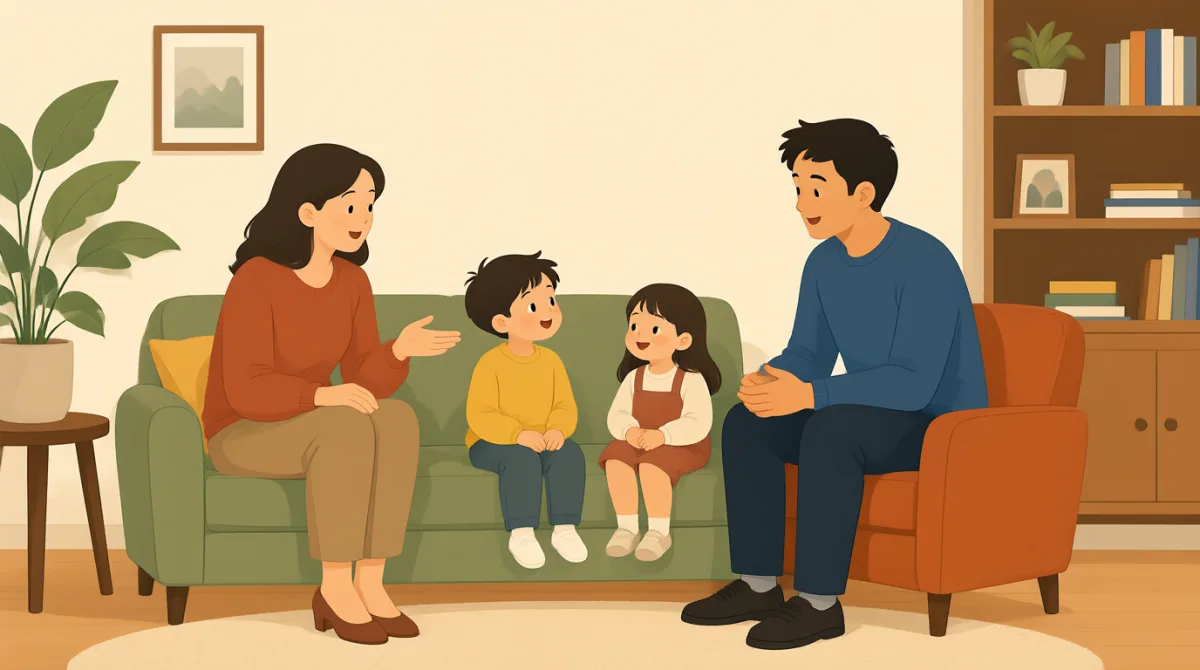

You know, my mom was here earlier and she was suggesting we really need to be stricter with James about his screen time. She said, 'Back in my day, we didn't have all this technology.'
นี่นะ เมื่อกี้แม่ฉันแวะมาหา แล้วบอกว่าเราควรเข้มงวดกับเจมส์เรื่องเวลาใช้หน้าจอให้มากกว่านี้ แม่พูดว่า ‘สมัยแม่ยังเด็ก เราไม่มีเทคโนโลยีอะไรพวกนี้หรอก’

Ah, yes, the classic 'back in my day' argument. I heard something similar from my uncle about letting him figure things out on his own more, rather than being so hands-on with his homework.
อ๋อ ใช่ ข้ออ้างคลาสสิกแบบ ‘สมัยฉันยังเด็ก’ เลย ฉันก็ได้ยินอะไรคล้าย ๆ กันจากลุง เรื่องที่ควรปล่อยให้เขาคิดหาคำตอบเองมากขึ้น แทนที่จะเข้าไปช่วยทำการบ้านทุกขั้นตอน
It's tough, isn't it? On one hand, you want to respect their experience, but on the other, things have changed so much. How do we even begin to decide what to take on board and what to politely brush off?
มันยากเนอะ ด้านหนึ่งเราก็อยากเคารพประสบการณ์ของพวกเขา แต่อีกด้าน ทุกอย่างเปลี่ยนไปเยอะมาก แล้วเราจะเริ่มตัดสินใจได้ยังไงว่าควรรับคำแนะนำไหนไว้ และควรปัดตกอย่างสุภาพเรื่องไหน
Exactly. I think for the screen time, a strict ban isn't realistic, but maybe we could re-evaluate our current limits. It's a valid concern, even if the delivery was a bit old-school.
ใช่เลย ฉันว่าเรื่องเวลาใช้หน้าจอ การห้ามเด็ดขาดคงไม่เหมาะกับความเป็นจริง แต่เราอาจทบทวนข้อจำกัดที่ใช้อยู่ตอนนี้ใหม่ก็ได้ เป็นข้อกังวลที่มีเหตุผลนะ ถึงวิธีพูดจะดูหัวโบราณไปหน่อยก็เถอะ
That's a fair point. And with your uncle's advice, I get where he's coming from. We do tend to hover a bit with the homework, don't we? Maybe we could give him more space to struggle and learn.
ก็จริงนะ แล้วเรื่องคำแนะนำของลุงเธอ ฉันเข้าใจว่าเขาคิดยังไง เราชอบคอยจ้ำจี้จ้ำไชเรื่องการบ้านอยู่บ้างจริง ๆ เนอะ บางทีเราน่าจะปล่อยให้เขาได้ลองผิดลองถูกและเรียนรู้ด้วยตัวเองมากขึ้น
We definitely could. Ultimately, we know James best, and we need to find what works for our family, not just what worked for previous generations.
ทำได้แน่นอน สุดท้ายแล้วเรารู้จักเจมส์ดีที่สุด และเราต้องหาวิธีที่เหมาะกับครอบครัวเรา ไม่ใช่เอาแต่วิธีที่คนรุ่นก่อนใช้แล้วได้ผลมาใช้ตาม
True. So, for the screen time, we'll tell my mom we're considering her feedback and re-evaluating, without promising anything specific. And for your uncle, we can say we're working on fostering more independence.
จริง งั้นเรื่องเวลาใช้หน้าจอ เราจะบอกแม่ว่ากำลังพิจารณาคำแนะนำของแม่และจะทบทวนดูใหม่ แต่ยังไม่รับปากอะไรเป็นพิเศษ ส่วนเรื่องลุงเธอ เราก็บอกได้ว่าเรากำลังพยายามส่งเสริมให้เขาพึ่งพาตัวเองมากขึ้น
Perfect. It's about finding that balance of being open to advice while staying true to our own parenting philosophy. It's an ongoing negotiation.
ดีเลย มันอยู่ที่การหาจุดสมดุลระหว่างการเปิดใจรับคำแนะนำกับการยึดมั่นในแนวทางการเลี้ยงลูกของเราเอง เป็นเรื่องที่ต้องคุยปรับกันไปเรื่อย ๆ
คำศัพท์9
- stricterเข้มงวดกว่า
The comparative form of 'strict,' meaning more severe or firm in rules, often used when talking about discipline like limiting screen time for children.
เป็นรูปขั้นกว่าของ 'strict' หมายถึงการตั้งกฎที่เข้มงวดหรือเด็ดขาดกว่า มักใช้พูดถึงการฝึกวินัย เช่น การจำกัดเวลาใช้หน้าจอของเด็ก
- screen timeเวลาใช้หน้าจอ
The amount of time spent using electronic devices like phones or TVs; a common term in parenting discussions about balancing technology use.
ระยะเวลาที่ใช้กับอุปกรณ์อิเล็กทรอนิกส์ เช่น โทรศัพท์หรือโทรทัศน์ เป็นคำที่ใช้กันบ่อยในการคุยเรื่องการเลี้ยงลูกและการหาจุดสมดุลในการใช้เทคโนโลยี
- back in my dayสมัยฉันยังเด็ก
An idiomatic expression older people use to compare the past to the present, often implying things were better or different before, like in advice about technology.
สำนวนที่ผู้สูงวัยใช้เปรียบเทียบอดีตกับปัจจุบัน มักสื่อว่าก่อนหน้านี้สิ่งต่าง ๆ ดีกว่าหรือแตกต่างออกไป เช่น เวลาพูดถึงเทคโนโลยี
- hands-onลงมือช่วยอย่างใกล้ชิด
Describes being actively involved in something, like helping with homework directly; useful for contrasting with letting kids learn independently.
ใช้บรรยายการเข้าไปมีส่วนร่วมกับเรื่องใดเรื่องหนึ่งอย่างใกล้ชิด เช่น ช่วยทำการบ้านโดยตรง ใช้พูดเปรียบเทียบกับการปล่อยให้เด็กเรียนรู้ด้วยตัวเองได้
- take on boardรับฟังและนำไปพิจารณา
An idiom meaning to consider or accept advice seriously; practical for politely responding to suggestions in conversations about parenting or decisions.
สำนวนที่หมายถึงการพิจารณาหรือรับคำแนะนำอย่างจริงจัง ใช้ได้ดีเมื่อตอบรับข้อเสนอแนะอย่างสุภาพในการคุยเรื่องการเลี้ยงลูกหรือการตัดสินใจต่าง ๆ
- brush offปัดตก
To dismiss or ignore something lightly, often politely; helpful in discussing how to handle unwanted advice without offending others.
หมายถึงปฏิเสธหรือไม่ใส่ใจบางอย่างอย่างไม่ถือสา มักทำอย่างสุภาพ มีประโยชน์เมื่อต้องคุยว่าจะรับมือกับคำแนะนำที่ไม่ต้องการอย่างไรโดยไม่ทำให้อีกฝ่ายขุ่นเคือง
- re-evaluateทบทวนใหม่
To assess or review something again to decide if changes are needed; commonly used in reflective talks about family rules or habits.
หมายถึงประเมินหรือพิจารณาบางอย่างอีกครั้งเพื่อดูว่าจำเป็นต้องเปลี่ยนแปลงหรือไม่ มักใช้พูดถึงการทบทวนกฎหรือกิจวัตรของครอบครัว
- hoverคอยจับตาหรือเข้าไปยุ่งมากเกินไป
In parenting, it means to watch or interfere too closely, like standing over a child while they do homework; describes over-involvement.
ในบริบทการเลี้ยงลูก หมายถึงคอยดูหรือเข้าไปแทรกแซงใกล้ชิดเกินไป เช่น ยืนเฝ้าลูกตอนทำการบ้าน ใช้อธิบายการเข้าไปมีส่วนร่วมมากเกินควร
- parenting philosophyแนวทางการเลี้ยงลูก
A set of beliefs or principles about how to raise children, including discipline and values; key term for deeper discussions on child-rearing approaches.
ชุดความเชื่อหรือหลักการเกี่ยวกับการเลี้ยงดูเด็ก ซึ่งรวมถึงการฝึกวินัยและการปลูกฝังค่านิยม เป็นคำสำคัญในการพูดคุยเชิงลึกเกี่ยวกับวิธีเลี้ยงเด็ก
ประโยคสำคัญ8
- 1
You know, my mom was here earlier and she was suggesting we really need to be stricter with James about his screen time.
นี่นะ เมื่อกี้แม่ฉันแวะมาหา แล้วบอกว่าเราควรเข้มงวดกับเจมส์เรื่องเวลาใช้หน้าจอให้มากกว่านี้
This sentence introduces shared advice using 'you know' for casual conversation and 'suggesting' to report indirect speech; useful for starting talks about family input on parenting rules.
ประโยคนี้เริ่มเล่าคำแนะนำที่ได้รับ โดยใช้ 'you know' เพื่อให้ฟังเป็นกันเอง และใช้ 'suggesting' เพื่อรายงานคำพูดทางอ้อม เหมาะสำหรับเริ่มคุยเรื่องคำแนะนำจากครอบครัวเกี่ยวกับกฎการเลี้ยงลูก
- 2
Ah, yes, the classic 'back in my day' argument.
อ๋อ ใช่ ข้ออ้างคลาสสิกแบบ ‘สมัยฉันยังเด็ก’ เลย
A response acknowledging a common phrase with 'ah, yes' for agreement and 'classic' to show it's a typical, often humorous complaint; great for lightening discussions about generational differences.
ใช้ 'ah, yes' เพื่อแสดงว่าเห็นด้วยและคุ้นกับสิ่งที่พูดถึง และใช้ 'classic' เพื่อบอกว่าเป็นคำบ่นที่พบได้บ่อย ซึ่งมักฟังดูขำ ๆ เหมาะสำหรับช่วยให้การคุยเรื่องความต่างระหว่างวัยไม่ตึงเครียดเกินไป
- 3
It's tough, isn't it? On one hand, you want to respect their experience, but on the other, things have changed so much.
มันยากเนอะ ด้านหนึ่งเราก็อยากเคารพประสบการณ์ของพวกเขา แต่อีกด้าน ทุกอย่างเปลี่ยนไปเยอะมาก
Uses a tag question 'isn't it?' to seek agreement and the structure 'on one hand... on the other' to show contrast; ideal for expressing balanced views in sensitive topics like advice from elders.
ใช้คำถามท้ายประโยค 'isn't it?' เพื่อขอให้อีกฝ่ายเห็นด้วย และใช้โครงสร้าง 'on one hand... on the other' เพื่อแสดงความแตกต่างของสองด้าน เหมาะสำหรับแสดงความคิดเห็นอย่างรอบด้านในหัวข้ออ่อนไหว เช่น การรับคำแนะนำจากผู้ใหญ่
- 4
How do we even begin to decide what to take on board and what to politely brush off?
แล้วเราจะเริ่มตัดสินใจได้ยังไงว่าควรรับคำแนะนำไหนไว้ และควรปัดตกอย่างสุภาพเรื่องไหน
A rhetorical question with 'how do we even' to express difficulty, plus idioms 'take on board' and 'brush off'; practical for debating how to handle external opinions in relationships.
เป็นคำถามเชิงวาทศิลป์ที่ใช้ 'how do we even' เพื่อแสดงว่าตัดสินใจได้ยาก พร้อมสำนวน 'take on board' และ 'brush off' ใช้ได้จริงเมื่อต้องคุยกันว่าจะรับมือกับความคิดเห็นจากคนอื่นอย่างไร
- 5
I think for the screen time, a strict ban isn't realistic, but maybe we could re-evaluate our current limits.
ฉันว่าเรื่องเวลาใช้หน้าจอ การห้ามเด็ดขาดคงไม่เหมาะกับความเป็นจริง แต่เราอาจทบทวนข้อจำกัดที่ใช้อยู่ตอนนี้ใหม่ก็ได้
Employs 'I think' for opinions, contrasts with 'but,' and suggests action with 'maybe we could'; useful for proposing compromises in family decision-making.
ใช้ 'I think' เพื่อบอกความคิดเห็น ใช้ 'but' เพื่อแสดงความขัดแย้ง และเสนอแนวทางด้วย 'maybe we could' เหมาะสำหรับเสนอทางประนีประนอมเมื่อตัดสินใจเรื่องครอบครัว
- 6
We do tend to hover a bit with the homework, don't we?
เราชอบคอยจ้ำจี้จ้ำไชเรื่องการบ้านอยู่บ้างจริง ๆ เนอะ
Includes 'tend to' for habits and a tag question 'don't we?' for confirmation; helps in self-reflective talks about parenting behaviors.
มี 'tend to' เพื่อพูดถึงพฤติกรรมที่ทำเป็นประจำ และใช้คำถามท้ายประโยค 'don't we?' เพื่อขอให้อีกฝ่ายยืนยัน เหมาะสำหรับคุยทบทวนพฤติกรรมการเลี้ยงลูกของตัวเอง
- 7
Ultimately, we know James best, and we need to find what works for our family.
สุดท้ายแล้วเรารู้จักเจมส์ดีที่สุด และเราต้องหาวิธีที่เหมาะกับครอบครัวเรา
Starts with 'ultimately' for conclusion, uses 'we know... best' to assert confidence; key for emphasizing personal judgment in advice situations.
เริ่มด้วย 'ultimately' เพื่อสรุป ใช้ 'we know... best' เพื่อยืนยันความมั่นใจในสิ่งที่รู้ เป็นประโยคสำคัญสำหรับเน้นการใช้วิจารณญาณของตัวเองเมื่อต้องรับคำแนะนำ
- 8
It's about finding that balance of being open to advice while staying true to our own parenting philosophy.
มันอยู่ที่การหาจุดสมดุลระหว่างการเปิดใจรับคำแนะนำกับการยึดมั่นในแนวทางการเลี้ยงลูกของเราเอง
Explains a concept with 'it's about' and gerunds 'being open... staying true'; valuable for summarizing ongoing challenges in parenting discussions.
ใช้ 'it's about' เพื่ออธิบายแนวคิด และใช้รูปกริยาเติม -ing ใน 'being open... staying true' มีประโยชน์สำหรับสรุปความท้าทายที่ต้องเผชิญอยู่เสมอในการคุยเรื่องการเลี้ยงลูก