Responding to Outside Advice
الرد على النصائح الخارجية
Parents are reflecting on advice received from other family members or friends regarding their parenting choices. They discuss whether to adopt, adapt, or politely reject these external viewpoints.
يتأمل الوالدان النصائح التي تلقّياها من أفراد العائلة أو الأصدقاء بشأن خياراتهما في تربية الأبناء. ويناقشان ما إذا كانا سيأخذان بهذه الآراء، أو يكيّفانها، أو يرفضانها بأدب.
حوار8
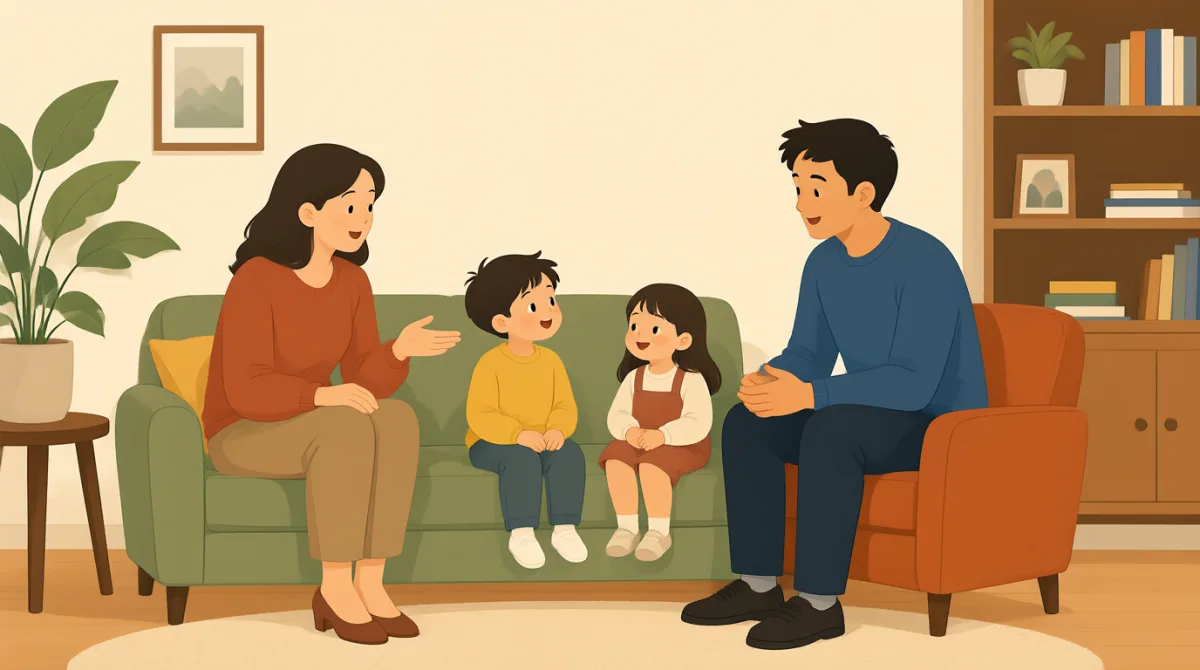

You know, my mom was here earlier and she was suggesting we really need to be stricter with James about his screen time. She said, 'Back in my day, we didn't have all this technology.'
تعرفين، كانت أمي هنا قبل قليل، وكانت تقترح أن نكون أكثر صرامة مع جيمس بشأن الوقت الذي يقضيه أمام الشاشات. وقالت: «في أيامي، لم تكن لدينا كل هذه التكنولوجيا».

Ah, yes, the classic 'back in my day' argument. I heard something similar from my uncle about letting him figure things out on his own more, rather than being so hands-on with his homework.
آه، نعم، حجة «في أيامي» الشهيرة. سمعت كلامًا مشابهًا من عمي عن أن نتركه يكتشف الأمور بنفسه أكثر، بدلًا من التدخل كثيرًا في واجباته.
It's tough, isn't it? On one hand, you want to respect their experience, but on the other, things have changed so much. How do we even begin to decide what to take on board and what to politely brush off?
الأمر صعب، أليس كذلك؟ من ناحية، نريد احترام خبرتهم، لكن من ناحية أخرى، تغيرت الأمور كثيرًا. كيف نبدأ أصلًا في تحديد ما ينبغي أن نأخذ به وما ينبغي أن نتجاهله بأدب؟
Exactly. I think for the screen time, a strict ban isn't realistic, but maybe we could re-evaluate our current limits. It's a valid concern, even if the delivery was a bit old-school.
بالضبط. أعتقد أن الحظر التام لاستخدام الشاشات ليس واقعيًا، لكن ربما يمكننا إعادة تقييم الحدود التي وضعناها حاليًا. قلقها في محله، حتى لو كان أسلوبها قديمًا بعض الشيء.
That's a fair point. And with your uncle's advice, I get where he's coming from. We do tend to hover a bit with the homework, don't we? Maybe we could give him more space to struggle and learn.
معك حق. وبالنسبة إلى نصيحة عمك، أفهم وجهة نظره. نحن فعلًا نراقبه ونتدخل قليلًا أكثر من اللازم في واجباته، أليس كذلك؟ ربما يمكننا أن نمنحه مساحة أكبر ليواجه الصعوبات ويتعلم.
We definitely could. Ultimately, we know James best, and we need to find what works for our family, not just what worked for previous generations.
بالتأكيد يمكننا ذلك. في النهاية، نحن أدرى الناس بجيمس، وعلينا أن نجد ما يناسب عائلتنا، لا أن نكتفي بما كان يناسب الأجيال السابقة.
True. So, for the screen time, we'll tell my mom we're considering her feedback and re-evaluating, without promising anything specific. And for your uncle, we can say we're working on fostering more independence.
صحيح. إذن، بشأن الوقت أمام الشاشات، سنخبر أمي أننا ندرس ملاحظاتها ونعيد تقييم الأمر، من دون أن نعدها بشيء محدد. وبالنسبة إلى عمك، يمكننا أن نقول إننا نعمل على تعزيز استقلاليته.
Perfect. It's about finding that balance of being open to advice while staying true to our own parenting philosophy. It's an ongoing negotiation.
ممتاز. الأمر يتعلق بإيجاد التوازن بين الانفتاح على النصائح والتمسك بفلسفتنا الخاصة في التربية. إنها عملية تفاوض مستمرة.
المفردات9
- stricterأكثر صرامة
The comparative form of 'strict,' meaning more severe or firm in rules, often used when talking about discipline like limiting screen time for children.
صيغة المقارنة من 'strict'، وتعني أشد أو أكثر حزمًا في تطبيق القواعد. تُستخدم كثيرًا عند الحديث عن الانضباط، مثل الحد من وقت الأطفال أمام الشاشات.
- screen timeالوقت أمام الشاشات
The amount of time spent using electronic devices like phones or TVs; a common term in parenting discussions about balancing technology use.
المدة التي يقضيها الشخص في استخدام أجهزة إلكترونية مثل الهواتف أو التلفاز. وهو تعبير شائع في نقاشات تربية الأبناء حول تحقيق التوازن في استخدام التكنولوجيا.
- back in my dayفي أيامي
An idiomatic expression older people use to compare the past to the present, often implying things were better or different before, like in advice about technology.
تعبير اصطلاحي يستخدمه الأكبر سنًا لمقارنة الماضي بالحاضر، وغالبًا ما يوحي بأن الأمور كانت أفضل أو مختلفة في السابق، كما في النصائح المتعلقة بالتكنولوجيا.
- hands-onمنخرط فعليًا
Describes being actively involved in something, like helping with homework directly; useful for contrasting with letting kids learn independently.
تصف المشاركة الفعلية في أمر ما، مثل مساعدة الطفل مباشرةً في واجباته، وتفيد في المقارنة بين التدخل وترك الأطفال يتعلمون باستقلالية.
- take on boardيأخذ بالنصيحة
An idiom meaning to consider or accept advice seriously; practical for politely responding to suggestions in conversations about parenting or decisions.
تعبير اصطلاحي يعني أن يفكر الشخص في النصيحة بجدية أو يقبلها. وهو مفيد عند الرد بأدب على الاقتراحات في أحاديث التربية أو اتخاذ القرارات.
- brush offيتجاهل
To dismiss or ignore something lightly, often politely; helpful in discussing how to handle unwanted advice without offending others.
يعني رفض أمر أو تجاهله باستخفاف، وغالبًا بأدب. ويفيد عند مناقشة كيفية التعامل مع النصائح غير المرغوب فيها من دون الإساءة إلى الآخرين.
- re-evaluateيعيد التقييم
To assess or review something again to decide if changes are needed; commonly used in reflective talks about family rules or habits.
أن يدرس المرء أمرًا أو يراجعه مرة أخرى ليقرر ما إذا كانت هناك حاجة إلى تغييرات. ويشيع استخدامه في أحاديث التأمل في القواعد الأسرية أو العادات.
- hoverيراقب عن كثب
In parenting, it means to watch or interfere too closely, like standing over a child while they do homework; describes over-involvement.
في تربية الأبناء، تعني مراقبة الطفل أو التدخل في شؤونه بإفراط، مثل الوقوف فوق رأسه أثناء أداء واجباته. وتصف المشاركة المفرطة في شؤونه.
- parenting philosophyفلسفة التربية
A set of beliefs or principles about how to raise children, including discipline and values; key term for deeper discussions on child-rearing approaches.
مجموعة من المعتقدات أو المبادئ المتعلقة بكيفية تربية الأبناء، وتشمل الانضباط والقيم. وهو مصطلح أساسي في النقاشات المتعمقة حول أساليب تربية الأطفال.
الجمل الأساسية8
- 1
You know, my mom was here earlier and she was suggesting we really need to be stricter with James about his screen time.
تعرفين، كانت أمي هنا قبل قليل، وكانت تقترح أن نكون أكثر صرامة مع جيمس بشأن الوقت الذي يقضيه أمام الشاشات.
This sentence introduces shared advice using 'you know' for casual conversation and 'suggesting' to report indirect speech; useful for starting talks about family input on parenting rules.
تبدأ الجملة بنصيحة منقولة باستخدام 'you know' لإضفاء طابع حواري عفوي، وتستخدم 'suggesting' لنقل الكلام بصورة غير مباشرة. وهي مفيدة لبدء الحديث عن آراء العائلة بشأن قواعد تربية الأبناء.
- 2
Ah, yes, the classic 'back in my day' argument.
آه، نعم، حجة «back in my day» الشهيرة.
A response acknowledging a common phrase with 'ah, yes' for agreement and 'classic' to show it's a typical, often humorous complaint; great for lightening discussions about generational differences.
تقرّ العبارة بوجود مقولة مألوفة باستخدام 'ah, yes' للتعبير عن الموافقة، و'classic' للدلالة على أنها شكوى شائعة، وغالبًا ما تكون طريفة. وهي مناسبة لتخفيف حدة النقاش حول الفروق بين الأجيال.
- 3
It's tough, isn't it? On one hand, you want to respect their experience, but on the other, things have changed so much.
الأمر صعب، أليس كذلك؟ من ناحية، نريد احترام خبرتهم، لكن من ناحية أخرى، تغيرت الأمور كثيرًا.
Uses a tag question 'isn't it?' to seek agreement and the structure 'on one hand... on the other' to show contrast; ideal for expressing balanced views in sensitive topics like advice from elders.
تستخدم العبارة سؤالًا ملحقًا هو 'isn't it?' لطلب الموافقة، وبنية 'on one hand... on the other' لإظهار التباين. وهي مثالية للتعبير عن رأي متوازن في موضوع حساس، مثل نصائح الأكبر سنًا.
- 4
How do we even begin to decide what to take on board and what to politely brush off?
كيف نبدأ أصلًا في تحديد ما ينبغي أن نأخذ به وما ينبغي أن نتجاهله بأدب؟
A rhetorical question with 'how do we even' to express difficulty, plus idioms 'take on board' and 'brush off'; practical for debating how to handle external opinions in relationships.
سؤال بلاغي يستخدم 'how do we even' للتعبير عن صعوبة الأمر، إلى جانب التعبيرين الاصطلاحيين 'take on board' و'brush off'. وهو مفيد عند مناقشة كيفية التعامل مع آراء الآخرين في العلاقات.
- 5
I think for the screen time, a strict ban isn't realistic, but maybe we could re-evaluate our current limits.
أعتقد أن الحظر التام لاستخدام الشاشات ليس واقعيًا، لكن ربما يمكننا إعادة تقييم الحدود التي وضعناها حاليًا.
Employs 'I think' for opinions, contrasts with 'but,' and suggests action with 'maybe we could'; useful for proposing compromises in family decision-making.
تستخدم الجملة 'I think' للتعبير عن رأي، و'but' للمقارنة، وتقترح إجراءً باستخدام 'maybe we could'. وهي مفيدة لاقتراح حلول وسط عند اتخاذ القرارات الأسرية.
- 6
We do tend to hover a bit with the homework, don't we?
نحن فعلًا نميل إلى مراقبته عن كثب قليلًا فيما يتعلق بواجباته، أليس كذلك؟
Includes 'tend to' for habits and a tag question 'don't we?' for confirmation; helps in self-reflective talks about parenting behaviors.
تستخدم الجملة 'tend to' للتعبير عن عادة، وسؤالًا ملحقًا هو 'don't we?' لطلب التأكيد. وهي تساعد في الأحاديث التأملية حول أساليب التربية.
- 7
Ultimately, we know James best, and we need to find what works for our family.
في النهاية، نحن أدرى الناس بجيمس، وعلينا أن نجد ما يناسب عائلتنا.
Starts with 'ultimately' for conclusion, uses 'we know... best' to assert confidence; key for emphasizing personal judgment in advice situations.
تبدأ الجملة بـ 'ultimately' للإشارة إلى الخلاصة، وتستخدم 'we know... best' للتأكيد على الثقة. وهي مهمة لإبراز أهمية الحكم الشخصي عند تلقي النصائح.
- 8
It's about finding that balance of being open to advice while staying true to our own parenting philosophy.
الأمر يتعلق بإيجاد التوازن بين الانفتاح على النصائح والتمسك بفلسفتنا الخاصة في التربية.
Explains a concept with 'it's about' and gerunds 'being open... staying true'; valuable for summarizing ongoing challenges in parenting discussions.
تشرح الجملة فكرة باستخدام 'it's about'، وبصيغة الفعل المنتهي بـ 'being open... staying true'. وهي مفيدة لتلخيص التحديات المستمرة في نقاشات تربية الأبناء.