Giving Tips and Troubleshooting
การให้เคล็ดลับและการแก้ปัญหา
The speaker offers helpful tips for successful cooking or addresses potential problems the listener might encounter, like 'don't overcook' or 'if it's too salty, add a little water.' This involves conditional sentences and advice-giving language.
ผู้พูดให้เคล็ดลับที่เป็นประโยชน์เพื่อทำอาหารให้สำเร็จ หรือช่วยแก้ปัญหาที่ผู้ฟังอาจพบ เช่น “อย่าปรุงนานเกินไป” หรือ “ถ้าเค็มเกินไป ให้เติมน้ำเล็กน้อย” บทเรียนนี้เกี่ยวข้องกับประโยคเงื่อนไขและภาษาที่ใช้ในการให้คำแนะนำ
บทสนทนา10
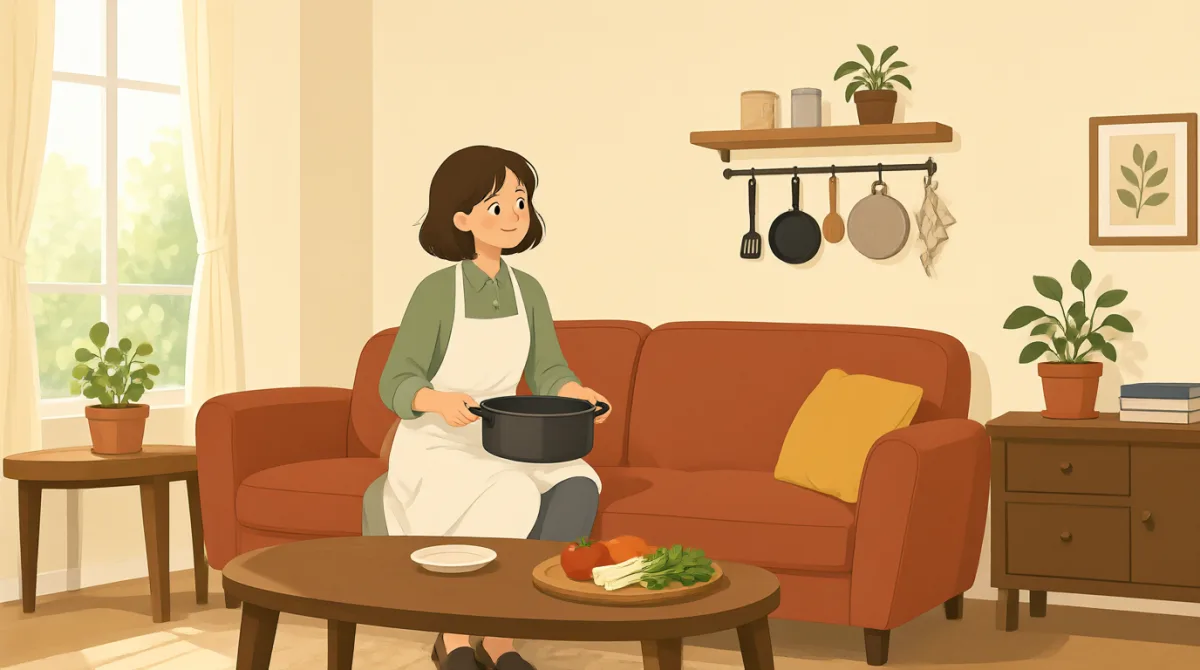

Hey Leo, I'm trying out that stir-fry recipe you gave me. What should I keep in mind when I'm cooking the vegetables?
เฮ้ เลโอ ฉันกำลังลองทำเมนูผัดตามสูตรที่นายให้มา ตอนผัดผัก ฉันควรระวังอะไรบ้าง

Good question, Emma! The main thing is not to overcook them. You want them to be crisp-tender, not mushy.
ถามได้ดี เอ็มม่า! สิ่งสำคัญที่สุดคืออย่าผัดนานเกินไป ผักควรกรอบนอกนุ่มใน ไม่ใช่นิ่มเละ
Crisp-tender. Got it. So, how do I avoid that? High heat, quick stir?
กรอบนอกนุ่มใน เข้าใจแล้ว แล้วฉันจะป้องกันไม่ให้ผักเละได้ยังไง ใช้ไฟแรง ผัดเร็ว ๆ ใช่ไหม
Exactly! Make sure your wok or pan is really hot before adding the veggies. And if you have a lot of vegetables, it’s better to cook them in batches so you don't overcrowd the pan. That way they'll get a nice sear instead of steaming.
ใช่เลย! ต้องแน่ใจว่ากระทะหรือกระทะผัดร้อนจัดจริง ๆ ก่อนใส่ผักลงไป แล้วถ้ามีผักเยอะ ก็ควรผัดทีละชุด จะได้ไม่ใส่ผักแน่นกระทะเกินไป แบบนั้นผักจะได้เกรียมสวยแทนที่จะโดนนึ่ง
That's a great tip about cooking in batches, I usually just dump everything in. What if the sauce turns out too thin?
เคล็ดลับเรื่องผัดทีละชุดดีมากเลย ปกติฉันเททุกอย่างลงกระทะทีเดียว ถ้าซอสออกมาเหลวเกินไปล่ะ
If it's too thin, you can make a cornstarch slurry – just a teaspoon of cornstarch mixed with a tablespoon of cold water – then slowly pour it into the simmering sauce while stirring until it thickens to your liking.
ถ้าเหลวเกินไป นายทำแป้งข้าวโพดละลายน้ำได้ ใช้แป้งข้าวโพดหนึ่งช้อนชา ผสมกับน้ำเย็นหนึ่งช้อนโต๊ะ แล้วค่อย ๆ เทลงในซอสที่กำลังเคี่ยวพร้อมกับคนไปเรื่อย ๆ จนซอสข้นตามที่ต้องการ
Oh, cornstarch slurry! I always forget that trick. And if it ends up too salty?
อ๋อ แป้งข้าวโพดละลายน้ำ! ฉันลืมเคล็ดลับนี้ตลอดเลย แล้วถ้าออกมาเค็มเกินไปล่ะ
If it's a little too salty, you can add a squeeze of lime juice or a tiny bit of sugar to balance it out. Sometimes a spoonful of plain water helps too, but be careful not to dilute the flavor too much.
ถ้าเค็มเกินไปนิดหน่อย นายบีบน้ำมะนาวลงไปเล็กน้อยหรือเติมน้ำตาลนิดเดียวเพื่อปรับรสก็ได้ บางครั้งเติมน้ำเปล่าหนึ่งช้อนก็ช่วยได้เหมือนกัน แต่ระวังอย่าเติมมากจนรสชาติจืดเกินไป
Perfect! These tips are super helpful. Thanks, Leo!
เยี่ยมเลย! เคล็ดลับพวกนี้มีประโยชน์มาก ขอบใจนะ เลโอ!
No problem, Emma! Let me know how it turns out. Enjoy your meal!
ไม่เป็นไร เอ็มม่า! ทำเสร็จแล้วบอกฉันด้วยนะ ขอให้อร่อย!
คำศัพท์8
- overcookปรุงนานเกินไป
To cook food for too long, making it soft or tough. In cooking tips, it's advice to avoid ruining vegetables by keeping cooking time short.
หมายถึงการปรุงอาหารนานเกินไปจนทำให้อาหารนิ่มหรือเหนียว ในเคล็ดลับการทำอาหาร คำนี้ใช้เป็นคำแนะนำให้หลีกเลี่ยงการทำผักเสีย โดยปรุงเป็นเวลาสั้น ๆ
- crisp-tenderกรอบนอกนุ่มใน
A texture for vegetables that are slightly crunchy but still soft inside. It's a common term in stir-fry recipes to describe the ideal doneness.
หมายถึงเนื้อสัมผัสของผักที่กรอบเล็กน้อยแต่ยังนุ่มอยู่ด้านใน เป็นคำที่ใช้กันทั่วไปในสูตรอาหารผัดเพื่อบอกระดับความสุกที่พอดี
- mushyนิ่มเละ
Soft and watery, like overcooked food that falls apart. Use this to describe what not to do when cooking veggies to keep them fresh.
หมายถึงนิ่มและมีน้ำมาก คล้ายอาหารที่สุกเกินไปจนยุ่ย ใช้บอกลักษณะที่ควรหลีกเลี่ยงเมื่อต้องการให้ผักยังสดและมีเนื้อสัมผัสดี
- searเกรียม
To quickly cook the surface of food at high heat for a brown crust. In stir-frying, it adds flavor without making food soggy.
หมายถึงการทำให้ผิวด้านนอกของอาหารสุกอย่างรวดเร็วด้วยไฟแรงจนมีเปลือกสีน้ำตาล ในการผัด วิธีนี้ช่วยเพิ่มรสชาติโดยไม่ทำให้อาหารแฉะ
- slurryแป้งละลายน้ำ
A mixture of cornstarch and water used to thicken sauces. It's a handy kitchen term for fixing thin sauces in recipes.
หมายถึงส่วนผสมของแป้งข้าวโพดกับน้ำที่ใช้ทำให้ซอสข้นขึ้น เป็นคำศัพท์ในครัวที่มีประโยชน์สำหรับแก้ปัญหาซอสเหลวในสูตรอาหาร
- simmeringกำลังเคี่ยว
Cooking liquid at a low boil, with small bubbles. It's used when adding thickeners to sauces to avoid lumps.
หมายถึงการต้มของเหลวด้วยไฟอ่อนจนมีฟองเล็ก ๆ ใช้เมื่อเติมสารทำให้ข้นลงในซอสเพื่อป้องกันไม่ให้จับเป็นก้อน
- thickenทำให้ข้น
To make a liquid more dense or viscous. In cooking, you thicken sauces to improve texture and coating on food.
หมายถึงการทำให้ของเหลวมีความหนาแน่นหรือความข้นมากขึ้น ในการทำอาหาร เราทำให้ซอสข้นเพื่อให้มีเนื้อสัมผัสดีขึ้นและเคลือบอาหารได้ดี
- diluteทำให้เจือจาง
To make something weaker by adding water or liquid. In recipes, it's a warning not to add too much water to avoid losing flavor.
หมายถึงการทำให้สิ่งใดสิ่งหนึ่งมีความเข้มข้นน้อยลงด้วยการเติมน้ำหรือของเหลว ในสูตรอาหาร คำนี้ใช้เตือนว่าอย่าเติมน้ำมากเกินไปจนเสียรสชาติ
ประโยคสำคัญ7
- 1
The main thing is not to overcook them.
สิ่งสำคัญที่สุดคืออย่าปรุงพวกมันนานเกินไป
This sentence gives key advice using 'the main thing is' to emphasize importance. It's useful for sharing tips in conversations, and 'not to overcook' is a negative infinitive for instructions.
ประโยคนี้ใช้ “the main thing is” เพื่อเน้นสิ่งที่สำคัญที่สุด จึงเหมาะสำหรับใช้แบ่งปันเคล็ดลับในการสนทนา ส่วน “not to overcook” เป็นรูป infinitive เชิงปฏิเสธที่ใช้ให้คำแนะนำหรือคำสั่ง
- 2
You want them to be crisp-tender, not mushy.
คุณต้องการให้พวกมันกรอบนอกนุ่มใน ไม่ใช่นิ่มเละ
This contrasts desired and undesired results with 'to be' and 'not'. It's practical for describing food textures in recipes, helping learners express preferences clearly.
ประโยคนี้เปรียบเทียบผลลัพธ์ที่ต้องการกับผลลัพธ์ที่ไม่ต้องการโดยใช้ “to be” และ “not” เหมาะสำหรับบรรยายเนื้อสัมผัสของอาหารในสูตรต่าง ๆ และช่วยให้ผู้เรียนแสดงความชอบได้อย่างชัดเจน
- 3
Make sure your wok or pan is really hot before adding the veggies.
ต้องแน่ใจว่ากระทะหรือกระทะผัดของคุณร้อนจัดจริง ๆ ก่อนใส่ผักลงไป
Uses 'make sure' for instructions and 'before' for sequence. This pattern is common in step-by-step guides, teaching how to prepare tools in cooking.
ประโยคนี้ใช้ “make sure” เพื่อให้คำแนะนำ และใช้ “before” เพื่อบอกลำดับเหตุการณ์ รูปแบบนี้พบได้บ่อยในคำแนะนำแบบทีละขั้นตอน และสอนวิธีเตรียมอุปกรณ์สำหรับทำอาหาร
- 4
If it's too thin, you can make a cornstarch slurry.
ถ้ามันเหลวเกินไป คุณก็ทำแป้งข้าวโพดละลายน้ำได้
A conditional sentence with 'if' for troubleshooting problems. It's useful for giving advice on fixes, showing how to use 'you can' for suggestions.
นี่คือประโยคเงื่อนไขที่ใช้ “if” เพื่อแก้ปัญหา เหมาะสำหรับให้คำแนะนำในการแก้ไข โดยแสดงการใช้ “you can” เพื่อเสนอทางเลือก
- 5
Then slowly pour it into the simmering sauce while stirring until it thickens to your liking.
จากนั้นค่อย ๆ เทลงในซอสที่กำลังเคี่ยวพร้อมกับคนไปเรื่อย ๆ จนซอสข้นตามที่คุณต้องการ
This uses sequential words like 'then', 'while', and 'until' for steps. It's great for explaining processes, with 'to your liking' meaning according to preference.
ประโยคนี้ใช้คำบอกลำดับ เช่น “then” “while” และ “until” เพื่ออธิบายขั้นตอน เหมาะสำหรับอธิบายกระบวนการ โดย “to your liking” หมายถึงตามความชอบของคุณ
- 6
If it's a little too salty, you can add a squeeze of lime juice or a tiny bit of sugar to balance it out.
ถ้ามันเค็มเกินไปนิดหน่อย คุณสามารถบีบน้ำมะนาวลงไปเล็กน้อยหรือเติมน้ำตาลนิดเดียวเพื่อปรับรสได้
Another 'if' conditional for advice, with alternatives using 'or' and 'to balance it out' as an idiom for adjusting flavors. Useful for problem-solving in cooking talks.
นี่เป็นประโยคเงื่อนไขที่ใช้ “if” อีกประโยคหนึ่งสำหรับให้คำแนะนำ และใช้ “or” เพื่อบอกทางเลือก ส่วน “to balance it out” เป็นสำนวนที่หมายถึงการปรับรสชาติให้สมดุล เหมาะสำหรับใช้แก้ปัญหาในการพูดคุยเรื่องการทำอาหาร
- 7
Sometimes a spoonful of plain water helps too, but be careful not to dilute the flavor too much.
บางครั้งน้ำเปล่าหนึ่งช้อนก็ช่วยได้เหมือนกัน แต่ระวังอย่าทำให้รสชาติเจือจางมากเกินไป
Combines suggestion with warning using 'but' for contrast. 'Helps too' means additional aid; this teaches polite cautions in giving tips.
ประโยคนี้ผสมการเสนอแนะเข้ากับคำเตือน โดยใช้ “but” เพื่อแสดงความขัดแย้ง “Helps too” หมายถึงช่วยเพิ่มเติมด้วย ประโยคนี้จึงสอนวิธีเตือนอย่างสุภาพเมื่อให้เคล็ดลับ