Scheduling Conflicts Resolution
समय-सारणी के टकराव का समाधान
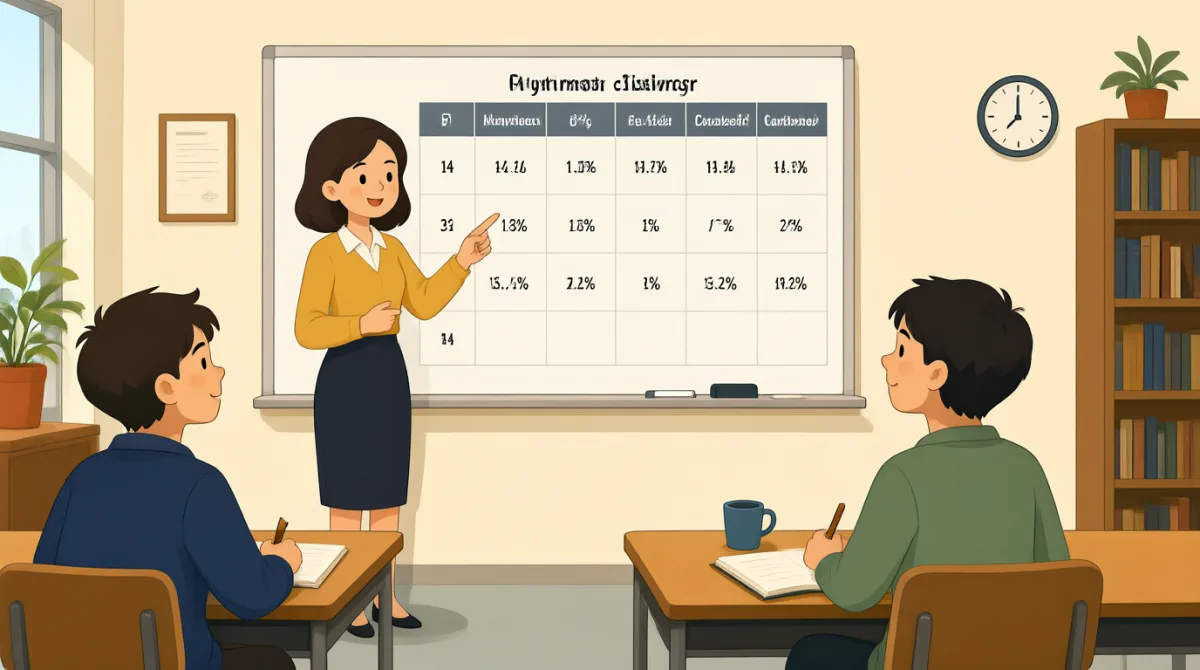
A student presents their preferred schedule to the advisor, identifying conflicting class times and discussing alternative sections or courses to resolve the issue.
एक छात्रा अपनी पसंदीदा समय-सारणी सलाहकार को दिखाती है, एक ही समय पर होने वाली कक्षाओं की पहचान करती है और समस्या सुलझाने के लिए दूसरे सेक्शन या पाठ्यक्रमों पर चर्चा करती है।
संवाद9

Hi David, thanks for seeing me. I've been trying to put together my schedule, but I've run into a bit of a snag.
नमस्ते डेविड, मुझसे मिलने के लिए धन्यवाद। मैं अपनी समय-सारणी बनाने की कोशिश कर रही थी, लेकिन थोड़ी अड़चन आ गई।

Of course, Emma. Happy to help. What seems to be the issue? Do you have your preferred schedule with you?
बिल्कुल, एमा। मदद करके खुशी होगी। क्या समस्या लग रही है? क्या तुम अपनी पसंदीदा समय-सारणी साथ लाई हो?
Yes, I do. So, I really want to take 'Advanced Algorithms,' but the only section that fits my major requirements clashes directly with 'Introduction to Cognitive Science.'
हाँ, लाई हूँ। मैं सच में 'Advanced Algorithms' लेना चाहती हूँ, लेकिन मेरे मेजर की ज़रूरतों के मुताबिक़ जो एकमात्र सेक्शन है, उसका समय सीधे 'Introduction to Cognitive Science' से टकराता है।
Ah, okay, I see the conflict. 'Advanced Algorithms' is a pretty popular one. Have you checked if 'Introduction to Cognitive Science' has another section available that might work?
अच्छा, समझ गया। दोनों के समय में टकराव है। 'Advanced Algorithms' काफ़ी लोकप्रिय पाठ्यक्रम है। क्या तुमने देखा कि 'Introduction to Cognitive Science' का कोई दूसरा सेक्शन उपलब्ध है, जो तुम्हारे लिए ठीक रहे?
I did, but the other section for 'Cognitive Science' is also full. That's why I'm here. I'm wondering if there's any way around this, or perhaps an alternative course for 'Cognitive Science' that I could take this semester?
हाँ, देखा था, लेकिन 'Cognitive Science' का दूसरा सेक्शन भी भर चुका है। इसीलिए तो मैं यहाँ आई हूँ। मैं सोच रही थी कि क्या इसका कोई हल है, या शायद 'Cognitive Science' का कोई दूसरा पाठ्यक्रम है जो मैं इस सेमेस्टर में ले सकती हूँ?
Let's take a look. While we usually recommend 'Intro to Cognitive Science' for your track, there might be an acceptable substitution. How about 'Foundations of Neuroscience'? It's often taken by students with similar interests and could potentially count.
चलो, देखते हैं। आम तौर पर तुम्हारे विषय-क्रम के लिए हम 'Intro to Cognitive Science' की सलाह देते हैं, लेकिन उसकी जगह कोई दूसरा पाठ्यक्रम लिया जा सकता है। 'Foundations of Neuroscience' कैसा रहेगा? समान रुचियों वाले छात्र अक्सर इसे लेते हैं, और हो सकता है कि यह तुम्हारी ज़रूरत पूरी कर दे।
Oh, 'Foundations of Neuroscience' sounds interesting! Does it fulfill the same requirement as 'Cognitive Science' for my major?
ओह, 'Foundations of Neuroscience' तो दिलचस्प लग रहा है! क्या यह मेरे मेजर के लिए 'Cognitive Science' वाली वही ज़रूरत पूरी करेगा?
Let me double-check the course catalog. Yes, it looks like 'Foundations of Neuroscience' can indeed fulfill that breadth requirement. It's offered at a different time, so it wouldn't conflict with 'Advanced Algorithms.'
मुझे पाठ्यक्रम सूची एक बार फिर जाँचने दो। हाँ, लगता है कि 'Foundations of Neuroscience' उस व्यापक अध्ययन की ज़रूरत पूरी कर सकता है। इसकी कक्षा अलग समय पर होती है, इसलिए इसका समय 'Advanced Algorithms' से नहीं टकराएगा।
That's fantastic news! Thank you, David. That solves my scheduling problem perfectly. I'll go ahead and register for 'Foundations of Neuroscience' then.
यह तो बहुत बढ़िया ख़बर है! धन्यवाद, डेविड। इससे मेरी समय-सारणी की समस्या बिल्कुल हल हो गई। तो मैं 'Foundations of Neuroscience' में दाख़िला ले लेती हूँ।
शब्दावली8
- snagअड़चन
A snag means a small unexpected problem or difficulty. Use it when describing a minor issue, like in scheduling.
snag का मतलब है कोई छोटी-सी, अप्रत्याशित समस्या या कठिनाई। समय-सारणी में आई किसी मामूली परेशानी के बारे में बताते समय इसका इस्तेमाल करें।
- preferredपसंदीदा
Preferred means the one you like or choose best. Use it to talk about your favorite option, such as a preferred schedule.
preferred का मतलब है वह विकल्प जो आपको सबसे ज़्यादा पसंद हो या जिसे आप चुनना चाहें। अपनी पसंद के विकल्प, जैसे अपनी पसंदीदा समय-सारणी, के बारे में बात करते समय इसका इस्तेमाल करें।
- clashesटकराता है
Clashes means conflicts or overlaps, especially in time. Use it for scheduling problems, like two classes at the same time.
clashes का मतलब है समय का टकराना या एक-दूसरे पर आ पड़ना। समय-सारणी की समस्या बताते समय, जैसे दो कक्षाएँ एक ही समय पर होने पर, इसका इस्तेमाल करें।
- sectionसेक्शन
A section refers to a specific class meeting time or group in a course. Use it when asking about different options for the same class.
section किसी पाठ्यक्रम की कक्षा के एक खास समय या समूह को कहते हैं। एक ही कक्षा के अलग-अलग विकल्पों के बारे में पूछते समय इसका इस्तेमाल करें।
- conflictटकराव
A conflict is a situation where two things cannot happen together, like time overlaps. Use it in discussions about problems to solve.
conflict ऐसी स्थिति है जिसमें दो चीज़ें एक साथ नहीं हो सकतीं, जैसे दो कक्षाओं का समय एक होना। हल की जाने वाली समस्या पर चर्चा करते समय इसका इस्तेमाल करें।
- alternativeविकल्प
An alternative is another choice or option when the first one doesn't work. Use it to suggest or ask for substitutes, like another course.
alternative का मतलब है पहला विकल्प काम न आने पर उपलब्ध कोई दूसरा विकल्प। किसी विकल्प की जगह दूसरा पाठ्यक्रम सुझाने या उसके बारे में पूछने के लिए इसका इस्तेमाल करें।
- fulfillपूरा करना
Fulfill means to meet or satisfy a requirement. Use it in academic contexts, like fulfilling course requirements for your major.
fulfill का मतलब है किसी ज़रूरत या शर्त को पूरा करना। पढ़ाई के संदर्भ में, जैसे अपने मेजर की पाठ्यक्रम-संबंधी ज़रूरतें पूरी करने की बात हो, इसका इस्तेमाल करें।
- catalogपाठ्यक्रम सूची
A catalog is a list of courses with details. Use it when referring to the official book or website for checking classes.
catalog पाठ्यक्रमों और उनसे जुड़ी जानकारी की सूची को कहते हैं। कक्षाओं की जानकारी देखने के लिए आधिकारिक पुस्तिका या वेबसाइट का ज़िक्र करते समय इसका इस्तेमाल करें।
मुख्य वाक्य8
- 1
I've run into a bit of a snag.
मुझे थोड़ी अड़चन आ गई है।
This sentence means encountering a small problem. It's useful for politely starting a conversation about an issue. The idiom 'run into' is common in casual English for unexpected troubles; use it when seeking help.
इस वाक्य का मतलब है कि आपको कोई छोटी-सी समस्या आई है। किसी परेशानी के बारे में विनम्रता से बात शुरू करने के लिए यह उपयोगी है। मुहावरे 'run into' का इस्तेमाल आम बोलचाल की अंग्रेज़ी में अचानक आई मुश्किलों के लिए होता है; मदद माँगते समय इसका प्रयोग करें।
- 2
What seems to be the issue?
समस्या क्या लग रही है?
This is a polite way to ask about a problem. It's useful for advisors or helpers to show interest. 'Seems to be' softens the question, making it less direct; use in professional settings.
यह किसी समस्या के बारे में पूछने का विनम्र तरीका है। सलाहकार या मदद करने वाला व्यक्ति इससे अपनी दिलचस्पी दिखा सकता है। 'Seems to be' सवाल को थोड़ा नरम बनाता है, इसलिए वह कम सीधा लगता है; पेशेवर माहौल में इसका इस्तेमाल करें।
- 3
It clashes directly with...
इसका समय सीधे ... से टकराता है।
This describes a time conflict. It's practical for explaining scheduling problems. 'Clashes with' is an idiomatic expression for overlaps; use it when discussing calendars or plans.
इस वाक्यांश से समय का टकराव बताया जाता है। समय-सारणी की समस्या समझाने में यह काम आता है। 'Clashes with' समय के एक-दूसरे पर पड़ने के लिए इस्तेमाल होने वाला मुहावरेदार वाक्यांश है; कैलेंडर या योजनाओं पर चर्चा करते समय इसका इस्तेमाल करें।
- 4
Have you checked if... has another section available?
क्या तुमने जाँचा है कि ... का कोई दूसरा सेक्शन उपलब्ध है?
This suggests verifying options. It's useful for problem-solving in advice scenarios. The structure uses present perfect 'have checked' for recent actions; use to encourage checking alternatives.
इस वाक्य से किसी विकल्प की जाँच करने का सुझाव दिया जाता है। सलाह-मशविरे में समस्या का हल ढूँढ़ते समय यह उपयोगी है। इसमें हाल की कार्रवाई के लिए present perfect 'have checked' का इस्तेमाल हुआ है; दूसरे विकल्पों की जाँच करने के लिए प्रोत्साहित करते समय इसका प्रयोग करें।
- 5
Is there any way around this?
क्या इसका कोई हल है?
This asks for a solution to avoid a problem. It's helpful when facing obstacles. 'Way around' is an idiom for workaround; use in consultations to seek creative fixes.
इस सवाल में पूछा जाता है कि किसी समस्या से बचने या उसे हल करने का कोई तरीका है या नहीं। मुश्किल आने पर यह उपयोगी है। 'Way around' किसी वैकल्पिक उपाय के लिए इस्तेमाल होने वाला मुहावरा है; सलाह-मशविरे में नए ढंग से हल खोजने के लिए इसका प्रयोग करें।
- 6
How about 'Foundations of Neuroscience'?
'Foundations of Neuroscience' कैसा रहेगा?
This suggests an idea politely. It's useful for offering alternatives. 'How about' is a common phrase for proposals; use it to introduce suggestions without pressure.
यह विनम्रता से कोई सुझाव देने का तरीका है। विकल्प पेश करते समय यह उपयोगी है। 'How about' सुझाव देने का आम वाक्यांश है; बिना दबाव डाले कोई विचार पेश करने के लिए इसका इस्तेमाल करें।
- 7
Does it fulfill the same requirement?
क्या यह वही ज़रूरत पूरी करता है?
This questions if something meets a need. It's key for academic talks. Simple present tense for general facts; use when confirming if an option works for your goals.
इस सवाल से पूछा जाता है कि कोई चीज़ ज़रूरत पूरी करती है या नहीं। पढ़ाई से जुड़ी बातचीत में यह अहम है। आम तथ्यों के बारे में पूछने के लिए simple present tense का इस्तेमाल करें; यह जानने के लिए कि कोई विकल्प आपके लक्ष्य के अनुकूल है या नहीं, इसका प्रयोग करें।
- 8
That's fantastic news!
यह तो शानदार ख़बर है!
This expresses strong positive reaction. It's useful for showing gratitude. 'Fantastic' means excellent; use exclamations like this to end conversations happily.
यह बहुत खुशी या उत्साह जताने का तरीका है। आभार दिखाने के लिए यह उपयोगी है। 'Fantastic' का मतलब है बहुत बढ़िया; बातचीत को खुशी से समाप्त करने के लिए ऐसे उद्गारों का इस्तेमाल करें।