Scheduling Conflicts Resolution
সময়সূচির সংঘাতের সমাধান
A student presents their preferred schedule to the advisor, identifying conflicting class times and discussing alternative sections or courses to resolve the issue.
একজন শিক্ষার্থী তার পছন্দের সময়সূচি উপদেষ্টার কাছে তুলে ধরে, ক্লাসের সময়ের সংঘাতগুলো চিহ্নিত করে এবং সমস্যার সমাধানে বিকল্প সেকশন বা কোর্স নিয়ে আলোচনা করে।
সংলাপ9
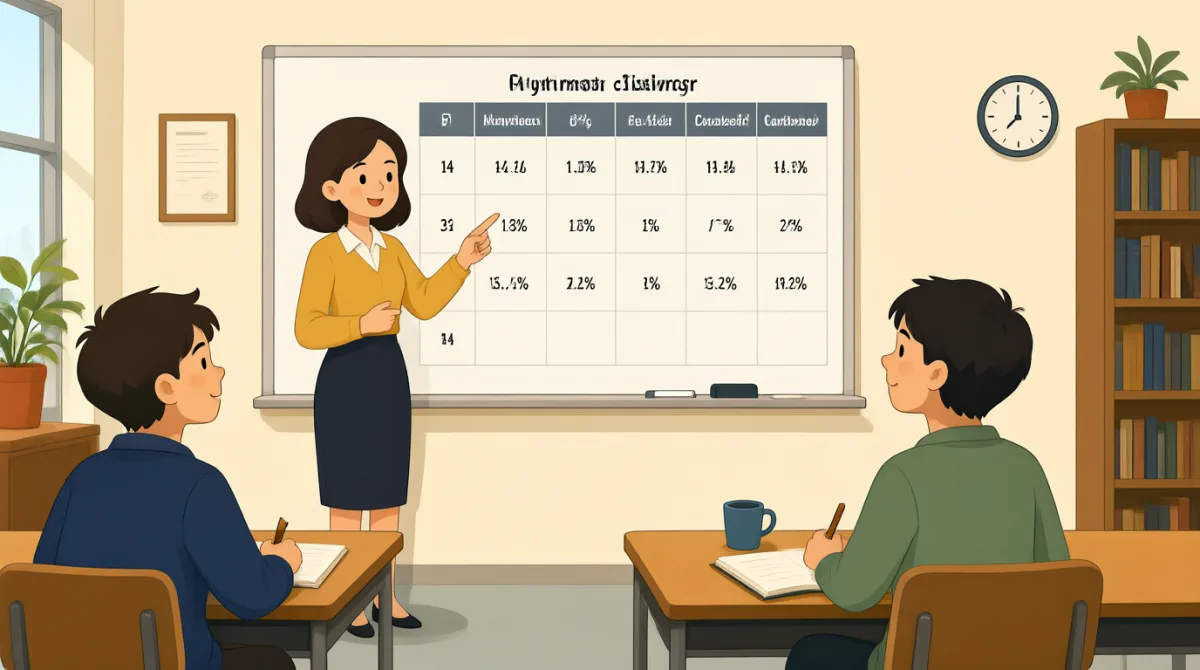

Hi David, thanks for seeing me. I've been trying to put together my schedule, but I've run into a bit of a snag.
হাই ডেভিড, আমার সঙ্গে দেখা করার জন্য ধন্যবাদ। নিজের ক্লাসের সময়সূচি সাজানোর চেষ্টা করছিলাম, কিন্তু একটু সমস্যায় পড়েছি।

Of course, Emma. Happy to help. What seems to be the issue? Do you have your preferred schedule with you?
অবশ্যই, এমা। সাহায্য করতে পেরে ভালো লাগছে। কী সমস্যা হয়েছে? তোমার পছন্দের সময়সূচিটা কি সঙ্গে এনেছ?
Yes, I do. So, I really want to take 'Advanced Algorithms,' but the only section that fits my major requirements clashes directly with 'Introduction to Cognitive Science.'
হ্যাঁ, এনেছি। আমি আসলে ‘Advanced Algorithms’ কোর্সটা নিতে চাই, কিন্তু আমার মেজরের শর্ত পূরণ করে এমন একমাত্র সেকশনের সময় ‘Introduction to Cognitive Science’ কোর্সের সঙ্গে সরাসরি মিলে যাচ্ছে।
Ah, okay, I see the conflict. 'Advanced Algorithms' is a pretty popular one. Have you checked if 'Introduction to Cognitive Science' has another section available that might work?
আচ্ছা, বুঝতে পারছি—সময়ের সংঘাত হচ্ছে। ‘Advanced Algorithms’ বেশ জনপ্রিয় কোর্স। ‘Introduction to Cognitive Science’-এর অন্য কোনো সেকশন আছে কি না, যেটার সময় তোমার সঙ্গে মিলে যেতে পারে, দেখেছ?
I did, but the other section for 'Cognitive Science' is also full. That's why I'm here. I'm wondering if there's any way around this, or perhaps an alternative course for 'Cognitive Science' that I could take this semester?
দেখেছি, কিন্তু ‘Cognitive Science’-এর অন্য সেকশনটাও পূর্ণ। সে জন্যই তোমার কাছে এসেছি। এর কোনো সমাধান আছে কি না ভাবছি, অথবা এই সেমিস্টারে নেওয়ার মতো ‘Cognitive Science’-এর বিকল্প কোনো কোর্স আছে কি?
Let's take a look. While we usually recommend 'Intro to Cognitive Science' for your track, there might be an acceptable substitution. How about 'Foundations of Neuroscience'? It's often taken by students with similar interests and could potentially count.
চলো, দেখে নিই। তোমার পড়ার ধারার জন্য আমরা সাধারণত ‘Intro to Cognitive Science’ নেওয়ার পরামর্শ দিই, তবে এর বদলে গ্রহণযোগ্য অন্য কোনো কোর্স থাকতে পারে। ‘Foundations of Neuroscience’ কেমন হয়? একই ধরনের আগ্রহ আছে এমন শিক্ষার্থীরা প্রায়ই এটা নেয়, আর এটা হয়তো তোমার শর্তও পূরণ করতে পারে।
Oh, 'Foundations of Neuroscience' sounds interesting! Does it fulfill the same requirement as 'Cognitive Science' for my major?
‘Foundations of Neuroscience’ শুনতে বেশ মজার লাগছে! এটা কি আমার মেজরের জন্য ‘Cognitive Science’-এর একই শর্ত পূরণ করবে?
Let me double-check the course catalog. Yes, it looks like 'Foundations of Neuroscience' can indeed fulfill that breadth requirement. It's offered at a different time, so it wouldn't conflict with 'Advanced Algorithms.'
কোর্সের তালিকাটা আরেকবার দেখে নিই। হ্যাঁ, মনে হচ্ছে ‘Foundations of Neuroscience’ ওই বিস্তৃত বিষয়ের শর্তটা পূরণ করতে পারবে। কোর্সটির ক্লাস অন্য সময়ে হয়, তাই ‘Advanced Algorithms’-এর সঙ্গে সময়ের সংঘাত হবে না।
That's fantastic news! Thank you, David. That solves my scheduling problem perfectly. I'll go ahead and register for 'Foundations of Neuroscience' then.
দারুণ খবর! ধন্যবাদ, ডেভিড। এতে আমার সময়সূচির সমস্যাটা একদম মিটে গেল। তাহলে আমি ‘Foundations of Neuroscience’-এ নিবন্ধন করে নিচ্ছি।
শব্দভান্ডার8
- snagসমস্যা
A snag means a small unexpected problem or difficulty. Use it when describing a minor issue, like in scheduling.
“snag” বলতে অপ্রত্যাশিত ছোটখাটো সমস্যা বা অসুবিধা বোঝায়। সময়সূচি সাজানোর মতো কাজে সামান্য কোনো সমস্যা হলে এই শব্দটি ব্যবহার করা যায়।
- preferredপছন্দের
Preferred means the one you like or choose best. Use it to talk about your favorite option, such as a preferred schedule.
“preferred” মানে যেটি তোমার সবচেয়ে পছন্দের বা যেটি তুমি বেছে নাও। যেমন, তোমার পছন্দের সময়সূচির কথা বলতে এই শব্দটি ব্যবহার করতে পারো।
- clashesসময়ের সঙ্গে মেলে না
Clashes means conflicts or overlaps, especially in time. Use it for scheduling problems, like two classes at the same time.
“clashes” মানে সংঘাত হয় বা একই সময়ে পড়ে—বিশেষ করে সময়ের ক্ষেত্রে। যেমন, দুটি ক্লাস একই সময়ে হলে সময়সূচির সমস্যা বোঝাতে এই শব্দটি ব্যবহার করা যায়।
- sectionসেকশন
A section refers to a specific class meeting time or group in a course. Use it when asking about different options for the same class.
“section” বলতে কোনো কোর্সের নির্দিষ্ট ক্লাসের সময় বা শিক্ষার্থীদের একটি দলকে বোঝায়। একই ক্লাসের বিভিন্ন বিকল্প জানতে চাইলে এই শব্দটি ব্যবহার করো।
- conflictসংঘাত
A conflict is a situation where two things cannot happen together, like time overlaps. Use it in discussions about problems to solve.
“conflict” হলো এমন পরিস্থিতি, যেখানে দুটি বিষয় একসঙ্গে ঘটতে পারে না—যেমন, সময় মিলে যাওয়া। সমাধান করতে হবে এমন সমস্যা নিয়ে কথা বলার সময় শব্দটি ব্যবহার করা হয়।
- alternativeবিকল্প
An alternative is another choice or option when the first one doesn't work. Use it to suggest or ask for substitutes, like another course.
“alternative” হলো প্রথম পছন্দটি কাজে না এলে বেছে নেওয়ার আরেকটি উপায়। অন্য কোর্সের মতো কোনো বিকল্প প্রস্তাব করতে বা জানতে চাইলে এই শব্দটি ব্যবহার করো।
- fulfillপূরণ করা
Fulfill means to meet or satisfy a requirement. Use it in academic contexts, like fulfilling course requirements for your major.
“fulfill” মানে কোনো শর্ত পূরণ করা। যেমন, তোমার মেজরের জন্য কোর্সের শর্ত পূরণের কথা বলতে শিক্ষাক্ষেত্রে এই শব্দটি ব্যবহার করা হয়।
- catalogতালিকা
A catalog is a list of courses with details. Use it when referring to the official book or website for checking classes.
“catalog” হলো বিভিন্ন তথ্যসহ কোর্সগুলোর একটি তালিকা। ক্লাস সম্পর্কে খোঁজ নিতে বিশ্ববিদ্যালয়ের আনুষ্ঠানিক বই বা ওয়েবসাইটের কথা বলার সময় এই শব্দটি ব্যবহার করো।
গুরুত্বপূর্ণ বাক্য8
- 1
I've run into a bit of a snag.
আমি একটু সমস্যায় পড়েছি।
This sentence means encountering a small problem. It's useful for politely starting a conversation about an issue. The idiom 'run into' is common in casual English for unexpected troubles; use it when seeking help.
এই বাক্যটি দিয়ে ছোটখাটো কোনো সমস্যায় পড়ার কথা বোঝানো হয়। কোনো সমস্যা নিয়ে ভদ্রভাবে কথা শুরু করতে এটি কাজে লাগে। “run into” কথ্য ইংরেজিতে অপ্রত্যাশিত সমস্যার কথা বলতে বহুল ব্যবহৃত হয়; সাহায্য চাইতে গেলে এটি ব্যবহার করতে পারো।
- 2
What seems to be the issue?
কী সমস্যা হয়েছে?
This is a polite way to ask about a problem. It's useful for advisors or helpers to show interest. 'Seems to be' softens the question, making it less direct; use in professional settings.
কোনো সমস্যা সম্পর্কে জানতে এটি একটি ভদ্র উপায়। উপদেষ্টা বা সাহায্যকারী ব্যক্তি আগ্রহ দেখাতে এভাবে প্রশ্ন করতে পারেন। “seems to be” প্রশ্নটিকে কিছুটা নরম করে, ফলে তা কম সরাসরি শোনায়; পেশাগত পরিবেশে এটি ব্যবহার করো।
- 3
It clashes directly with...
এর সঙ্গে সরাসরি সময় মিলে যাচ্ছে…
This describes a time conflict. It's practical for explaining scheduling problems. 'Clashes with' is an idiomatic expression for overlaps; use it when discussing calendars or plans.
এই বাক্যাংশটি সময়ের সংঘাত বোঝায়। সময়সূচির সমস্যা ব্যাখ্যা করতে এটি কাজে লাগে। “clashes with” সময় মিলে যাওয়ার একটি বাগ্ধারা; ক্যালেন্ডার বা পরিকল্পনা নিয়ে কথা বলার সময় ব্যবহার করো।
- 4
Have you checked if... has another section available?
…এর অন্য কোনো সেকশন আছে কি না দেখেছ?
This suggests verifying options. It's useful for problem-solving in advice scenarios. The structure uses present perfect 'have checked' for recent actions; use to encourage checking alternatives.
এটি বিভিন্ন বিকল্প খোঁজার পরামর্শ দেয়। পরামর্শ দেওয়ার পরিস্থিতিতে সমস্যা সমাধানের জন্য এটি কাজে লাগে। এখানে বর্তমান সম্পূর্ণ কাল “have checked” ব্যবহার করা হয়েছে সাম্প্রতিক কাজ সম্পর্কে জানতে; বিকল্প খোঁজার কথা বলতে এই গঠন ব্যবহার করো।
- 5
Is there any way around this?
এর কোনো সমাধান আছে কি?
This asks for a solution to avoid a problem. It's helpful when facing obstacles. 'Way around' is an idiom for workaround; use in consultations to seek creative fixes.
সমস্যা এড়িয়ে যাওয়ার বা তা সমাধানের উপায় জানতে এই প্রশ্ন করা হয়। বাধার মুখে পড়লে এটি কাজে লাগে। “way around” মানে কোনো সমস্যার বিকল্প সমাধান; পরামর্শ নেওয়ার সময় নতুন কোনো সমাধান খুঁজতে এই কথাটি ব্যবহার করো।
- 6
How about 'Foundations of Neuroscience'?
‘Foundations of Neuroscience’ কেমন হয়?
This suggests an idea politely. It's useful for offering alternatives. 'How about' is a common phrase for proposals; use it to introduce suggestions without pressure.
এটি ভদ্রভাবে একটি প্রস্তাব দেওয়ার উপায়। বিকল্প জানাতে এটি কাজে লাগে। “How about” প্রস্তাব দেওয়ার একটি বহুল ব্যবহৃত বাক্যাংশ; চাপ না দিয়ে কোনো পরামর্শ দিতে এটি ব্যবহার করো।
- 7
Does it fulfill the same requirement?
এটা কি একই শর্ত পূরণ করবে?
This questions if something meets a need. It's key for academic talks. Simple present tense for general facts; use when confirming if an option works for your goals.
কোনো কিছু প্রয়োজন মেটায় কি না, তা জানতে এই প্রশ্ন করা হয়। পড়াশোনা-সংক্রান্ত আলোচনায় এটি গুরুত্বপূর্ণ। সাধারণ সত্য বা তথ্য জানতে এখানে সাধারণ বর্তমান কাল ব্যবহার করা হয়েছে; কোনো বিকল্প তোমার লক্ষ্য পূরণে কাজে আসবে কি না নিশ্চিত হতে এটি বলো।
- 8
That's fantastic news!
দারুণ খবর!
This expresses strong positive reaction. It's useful for showing gratitude. 'Fantastic' means excellent; use exclamations like this to end conversations happily.
এটি খুব আনন্দের প্রতিক্রিয়া প্রকাশ করে। কৃতজ্ঞতা জানাতেও এটি কাজে লাগে। “Fantastic” মানে চমৎকার; কথোপকথন আনন্দের সঙ্গে শেষ করতে এ ধরনের উচ্ছ্বসিত বাক্য ব্যবহার করো।