Discussing Treatment Options and Prescriptions
उपचार के विकल्पों और दवाइयों के नुस्खों पर चर्चा
Understanding the doctor's diagnosis, discussing proposed treatment plans, medications, and asking questions about side effects or follow-up care.
डॉक्टर की जांच-रिपोर्ट को समझना, सुझाए गए उपचार और दवाओं पर चर्चा करना, और दुष्प्रभावों या आगे की देखभाल के बारे में सवाल पूछना।
संवाद9
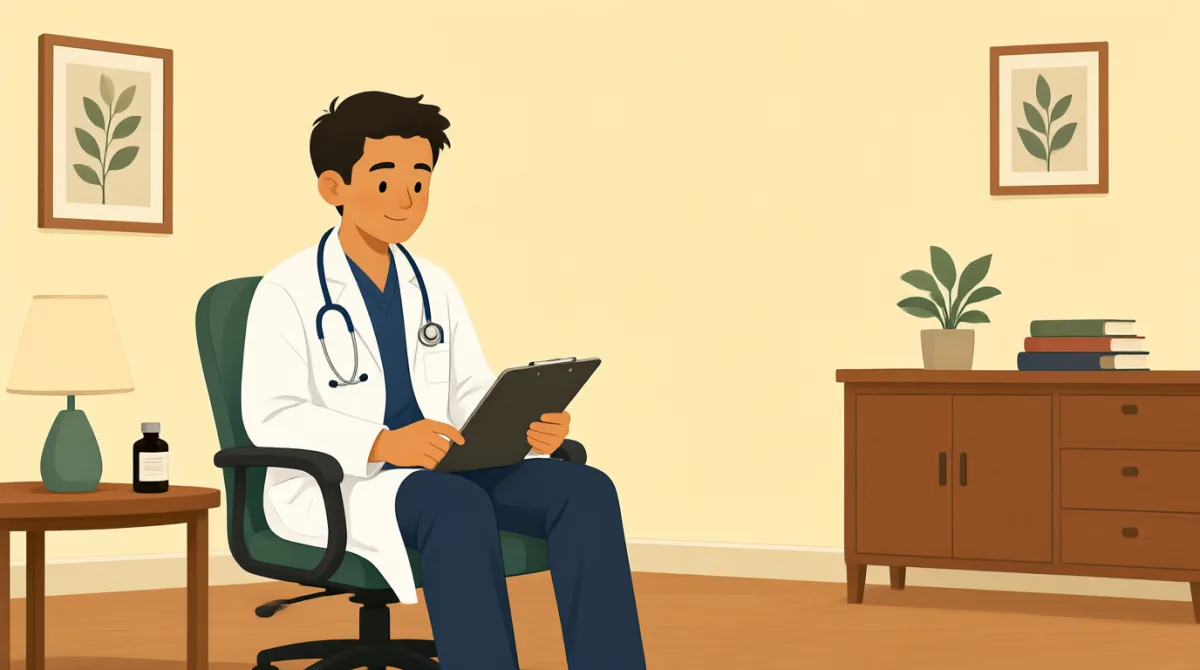

Alright, so based on your symptoms and the lab results, it looks like you have a mild ear infection.
अच्छा, आपके लक्षणों और लैब के नतीजों को देखते हुए लगता है कि आपको कान का हल्का संक्रमण है।

An ear infection? I see. So what's the best course of action then, Doctor?
कान का संक्रमण? अच्छा। तो डॉक्टर, अब सबसे अच्छा इलाज क्या होगा?
Yes. I'll prescribe an antibiotic, Amoxicillin, to clear up the infection. You'll need to take one pill three times a day for seven days.
जी। संक्रमण ठीक करने के लिए मैं आपको एमोक्सिसिलिन नाम की एंटीबायोटिक लिख रहा हूँ। आपको सात दिनों तक दिन में तीन बार एक गोली लेनी होगी।
Okay, Amoxicillin. Are there any common side effects I should be aware of?
ठीक है, एमोक्सिसिलिन। क्या इसके कोई आम दुष्प्रभाव हैं जिनके बारे में मुझे पता होना चाहिए?
Typically, Amoxicillin is well-tolerated. Some people might experience mild nausea or diarrhea. If you notice any severe allergic reactions like a rash or difficulty breathing, stop taking it and contact us immediately.
आमतौर पर एमोक्सिसिलिन से ज़्यादातर लोगों को कोई परेशानी नहीं होती। कुछ लोगों को हल्की मितली या दस्त हो सकते हैं। अगर आपको त्वचा पर चकत्ते या साँस लेने में कठिनाई जैसी कोई गंभीर एलर्जी हो, तो दवा लेना बंद कर दें और तुरंत हमसे संपर्क करें।
Understood. And should I schedule a follow-up appointment, or just finish the prescription?
समझ गई। क्या मुझे दोबारा जाँच के लिए समय लेना चाहिए, या बस दवा का पूरा कोर्स खत्म करूँ?
If symptoms improve and completely resolve after the 7 days, a follow-up isn't strictly necessary. However, if the pain persists or worsens, please come back in.
अगर सात दिनों बाद लक्षण बेहतर हो जाएँ और पूरी तरह ठीक हो जाएँ, तो दोबारा जाँच के लिए आना ज़रूरी नहीं है। लेकिन अगर दर्द बना रहे या बढ़ जाए, तो कृपया वापस आइए।
Alright, that sounds clear. Thank you, Doctor, for explaining everything.
ठीक है, बात समझ में आ गई। सब कुछ समझाने के लिए धन्यवाद, डॉक्टर।
You're welcome. The pharmacy will send you a text when your prescription is ready. Take care!
कोई बात नहीं। आपकी दवा तैयार होने पर फ़ार्मेसी आपको संदेश भेज देगी। अपना ध्यान रखिए!
शब्दावली8
- infectionसंक्रमण
A condition where harmful bacteria or viruses enter the body and cause illness, like an ear infection.
ऐसी स्थिति जिसमें हानिकारक बैक्टीरिया या वायरस शरीर में प्रवेश करके बीमारी पैदा करते हैं, जैसे कान का संक्रमण।
- antibioticएंटीबायोटिक
A medicine used to treat bacterial infections by killing or stopping the growth of bacteria.
बैक्टीरिया को मारकर या उनकी वृद्धि रोककर बैक्टीरिया से होने वाले संक्रमण का इलाज करने वाली दवा।
- prescribeदवा लिखना
When a doctor officially recommends or orders a medicine for a patient to take.
जब डॉक्टर किसी मरीज़ को लेने के लिए आधिकारिक तौर पर कोई दवा लिखते या निर्धारित करते हैं।
- side effectsदुष्प्रभाव
Unwanted or unexpected effects caused by a medicine, such as nausea or rash.
दवा के कारण होने वाले अनचाहे या अप्रत्याशित असर, जैसे मितली या त्वचा पर चकत्ते।
- nauseaमितली
A feeling of sickness in the stomach that may lead to vomiting.
पेट में बेचैनी या उल्टी जैसा महसूस होना।
- allergic reactionएलर्जी की प्रतिक्रिया
A harmful response by the body to a substance, often causing symptoms like rash or breathing problems.
किसी पदार्थ के प्रति शरीर की हानिकारक प्रतिक्रिया, जिससे अक्सर त्वचा पर चकत्ते या साँस लेने में परेशानी जैसे लक्षण होते हैं।
- follow-upदोबारा जाँच
A subsequent visit to the doctor to check progress after initial treatment.
शुरुआती इलाज के बाद स्थिति में सुधार की जाँच के लिए डॉक्टर से की जाने वाली अगली मुलाक़ात।
- prescriptionदवा का नुस्खा
A written order from a doctor for medicine that you take to a pharmacy to get filled.
डॉक्टर का लिखा हुआ आदेश, जिसे दवा लेने के लिए फ़ार्मेसी में दिया जाता है।
मुख्य वाक्य7
- 1
Based on your symptoms and the lab results, it looks like you have a mild ear infection.
आपके लक्षणों और लैब के नतीजों को देखते हुए लगता है कि आपको कान का हल्का संक्रमण है।
This sentence uses 'based on' to explain the reason for a diagnosis, followed by 'it looks like' for a tentative conclusion. It's useful for doctors giving diagnoses or patients understanding test results.
'based on' का इस्तेमाल किसी निदान का कारण बताने के लिए होता है, जिसके बाद 'it looks like' से किसी संभावित निष्कर्ष का संकेत मिलता है। डॉक्टर इसका इस्तेमाल निदान बताते समय और मरीज़ जाँच के नतीजे समझते समय कर सकते हैं।
- 2
What's the best course of action then, Doctor?
तो डॉक्टर, अब सबसे अच्छा इलाज क्या होगा?
This is a polite question using 'what's the best' to ask for advice on treatment. Use it when seeking recommendations in medical or decision-making situations.
यहाँ 'what's the best' का इस्तेमाल इलाज के बारे में सलाह माँगने के लिए विनम्र सवाल में किया गया है। चिकित्सा या फ़ैसले से जुड़ी स्थिति में सुझाव माँगते समय इस वाक्य का इस्तेमाल करें।
- 3
I'll prescribe an antibiotic, Amoxicillin, to clear up the infection.
संक्रमण ठीक करने के लिए मैं आपको एक एंटीबायोटिक, एमोक्सिसिलिन, लिख रहा हूँ।
Here, 'I'll prescribe' announces a doctor's action, and 'to clear up' explains the purpose of the medicine. This pattern is common for describing treatment plans.
यहाँ 'I'll prescribe' डॉक्टर की कार्रवाई बताता है और 'to clear up' दवा का उद्देश्य समझाता है। इलाज की योजना बताते समय यह ढाँचा आम है।
- 4
Are there any common side effects I should be aware of?
क्या इसके कोई आम दुष्प्रभाव हैं जिनके बारे में मुझे पता होना चाहिए?
This question uses 'are there any' for inquiring about possibilities and 'be aware of' for things to watch out for. It's essential for patients asking about medication risks.
संभावनाओं के बारे में पूछने के लिए 'are there any' और ध्यान रखने वाली बातों के लिए 'be aware of' का इस्तेमाल किया गया है। दवा के जोखिमों के बारे में पूछते समय यह वाक्य मरीज़ों के लिए बहुत काम का है।
- 5
If you notice any severe allergic reactions like a rash or difficulty breathing, stop taking it and contact us immediately.
अगर आपको त्वचा पर चकत्ते या साँस लेने में कठिनाई जैसी कोई गंभीर एलर्जी हो, तो दवा लेना बंद कर दें और तुरंत हमसे संपर्क करें।
This conditional sentence with 'if' gives instructions for emergencies. 'Like' lists examples, and 'immediately' emphasizes urgency. Use it for safety advice.
'if' वाला यह शर्तिया वाक्य आपात स्थिति में दिए जाने वाले निर्देश बताता है। 'Like' उदाहरण देता है और 'immediately' बताता है कि काम तुरंत करना ज़रूरी है। सुरक्षा संबंधी सलाह देते समय इसका इस्तेमाल करें।
- 6
Should I schedule a follow-up appointment, or just finish the prescription?
क्या मुझे दोबारा जाँच के लिए समय लेना चाहिए, या बस दवा का पूरा कोर्स खत्म करूँ?
This uses 'should I' for seeking advice and 'or' to present options. It's a practical way to ask about next steps in treatment.
सलाह माँगने के लिए 'should I' और विकल्प देने के लिए 'or' का इस्तेमाल हुआ है। इलाज के अगले कदमों के बारे में पूछने का यह एक उपयोगी तरीका है।
- 7
If symptoms improve and completely resolve after the 7 days, a follow-up isn't strictly necessary.
अगर सात दिनों बाद लक्षण बेहतर हो जाएँ और पूरी तरह ठीक हो जाएँ, तो दोबारा जाँच के लिए आना अनिवार्य नहीं है।
A conditional with 'if' and 'and' connects conditions. 'Strictly necessary' means not absolutely required. Useful for explaining when further action isn't needed.
'if' और 'and' वाला शर्तिया वाक्य दो शर्तों को जोड़ता है। 'Strictly necessary' का मतलब है बिल्कुल ज़रूरी। आगे कोई कार्रवाई कब ज़रूरी नहीं होती, यह समझाने के लिए यह उपयोगी है।