Clarifying a Vague Location (Landmark)
روشنکردن موقعیت مکانی مبهم (نشانهٔ مکانی)
One party mentions a landmark (e.g., 'the big tree') but needs to clarify its exact position relative to the main building or road.
یکی از طرفین به یک نشانهٔ مکانی (مثلاً «درخت بزرگ») اشاره میکند، اما لازم است موقعیت دقیق آن را نسبت به ساختمان اصلی یا خیابان مشخص کند.
گفتوگو6
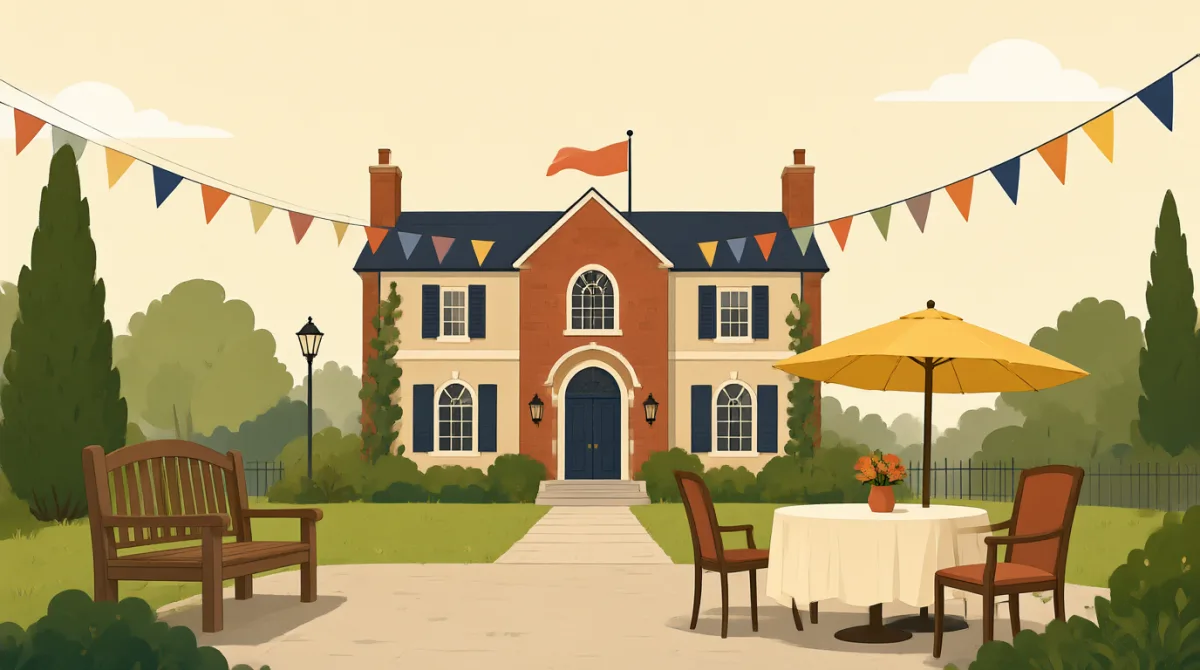

Hey Emma, I'm heading your way now. Where should I pick you up?
سلام اِما، دارم میام سمتت. کجا بیام دنبالت؟

Oh, great! Just pull up near the big tree out front.
آهان، عالیه! جلوی ساختمون، نزدیک اون درخت بزرگ نگه دار.
The big tree? There are a few trees around the building. Is it the one right by the main entrance, or further down?
درخت بزرگ؟ دوروبر ساختمون چند تا درخت هست. منظورت اونیه که درست کنار ورودی اصلیه یا کمی جلوتر؟
Good point. It's the one closest to the street, directly across from the side entrance. You can't miss it, it's really tall.
درست میگی. اون درختیه که از همه به خیابون نزدیکتره، درست روبهروی ورودی کناری. نمیتونی نبینیش، خیلی بلنده.
Okay, got it. So, street side, across from the side entrance. Perfect. I'll be there in about five minutes.
باشه، فهمیدم. پس سمت خیابون، روبهروی ورودی کناری. عالیه. حدود پنج دقیقه دیگه میرسم.
Sounds good! I'll be waiting there. See you soon!
خوبه! همونجا منتظرت میمونم. بهزودی میبینمت!
واژگان6
- headingدر راهِ؛ بهسمتِ
Means 'going towards' a place, often used when traveling to someone. For example, 'I'm heading home' means I'm going home now.
یعنی بهسمت جایی رفتن و اغلب وقتی بهسوی کسی در حرکت هستید به کار میرود. برای مثال، 'I'm heading home' یعنی الان دارم میرم خونه.
- pull upبا خودرو کنار جایی توقف کردن
To stop or park a vehicle briefly, like a car, near a place. Useful for directions, e.g., 'Pull up here' means stop here.
یعنی برای مدت کوتاهی خودرو، مثلاً ماشین، را نزدیک جایی متوقف یا پارک کردن. برای راهنمایی مسیر کاربرد دارد؛ مثلاً 'Pull up here' یعنی همینجا توقف کن.
- entranceورودی
A door or opening where you enter a building. 'Main entrance' is the front door, 'side entrance' is a side door.
در یا راهی که از آن وارد ساختمان میشوید. 'Main entrance' یعنی ورودی اصلی و 'side entrance' یعنی ورودی کناری.
- across fromروبرویِ
Directly opposite something, like on the other side. For example, 'The store is across from the bank' means it's right opposite the bank.
یعنی درست در سمت مقابل چیزی، آنطرفِ آن. برای مثال، 'The store is across from the bank' یعنی فروشگاه درست روبهروی بانک است.
- can't miss itبهراحتی میتوان پیدایش کرد
An idiom meaning it's very easy to find or notice because it's obvious or big. Used to reassure someone about locating something.
اصطلاحی به معنی اینکه چیزی بهخاطر واضح یا بزرگ بودن، بهراحتی پیدا یا دیده میشود. برای اطمیناندادن به کسی دربارهٔ پیدا کردن یک مکان یا چیز به کار میرود.
- got itفهمیدم
Informal way to say 'I understand' or 'Okay, I know.' Common in casual conversations to confirm comprehension.
عبارتی غیررسمی برای گفتنِ «متوجه شدم» یا «باشه، میدونم». در گفتوگوهای خودمانی برای تأیید اینکه چیزی را فهمیدهاید، رایج است.
جملات کلیدی6
- 1
Hey Emma, I'm heading your way now. Where should I pick you up?
سلام اِما، دارم میام سمتت. کجا بیام دنبالت؟
This is a polite way to start a conversation and ask for directions. 'Heading your way' means going to your location. Useful for ride-sharing or meeting friends; it shows initiative and clarity.
این جمله راهی مؤدبانه برای شروع گفتوگو و پرسیدن آدرس است. 'Heading your way' یعنی بهسمت جایی که هستی رفتن. برای هماهنگی سفر با ماشین یا قرار با دوستان مفید است و نشان میدهد خودتان برای هماهنگی پیشقدم شدهاید و منظورتان روشن است.
- 2
Just pull up near the big tree out front.
جلوی ساختمون، نزدیک اون درخت بزرگ نگه دار.
Gives simple directions using a landmark. 'Out front' means in front of the building. This sentence pattern (Just + verb + near + landmark) is practical for quick instructions to avoid confusion.
با کمک یک نشانهٔ مکانی، مسیر را ساده توضیح میدهد. 'Out front' یعنی جلوی ساختمان. الگوی جملهٔ (Just + verb + near + landmark) برای راهنماییهای سریع و جلوگیری از سردرگمی کاربردی است.
- 3
The big tree? There are a few trees around the building. Is it the one right by the main entrance, or further down?
درخت بزرگ؟ دوروبر ساختمون چند تا درخت هست. منظورت اونیه که درست کنار ورودی اصلیه یا کمی جلوتر؟
Asks for clarification when something is vague. Uses a question to specify options ('Is it... or...?'). Great for intermediate learners to practice seeking details in real-life scenarios like navigation.
وقتی چیزی مبهم است، با این جمله برای روشنشدن موضوع سؤال میپرسید. در پرسش، گزینهها را مشخص میکنید: ('Is it... or...?'). این الگو برای زبانآموزان سطح متوسطی که میخواهند در موقعیتهای واقعی مثل مسیریابی جزئیات بیشتری بپرسند، تمرین خوبی است.
- 4
It's the one closest to the street, directly across from the side entrance.
اون درختیه که از همه به خیابون نزدیکتره، درست روبهروی ورودی کناری.
Provides precise location using comparatives ('closest to') and prepositions ('across from'). This helps build descriptive skills; use it when confirming positions relative to landmarks to prevent misunderstandings.
با استفاده از صفت تفضیلی در ('closest to') و حرف اضافه در ('across from')، موقعیت را دقیق مشخص میکند. این جمله به تقویت مهارت توصیف کمک میکند؛ برای تأیید موقعیت نسبت به نشانههای مکانی از آن استفاده کنید تا سوءتفاهم پیش نیاید.
- 5
You can't miss it, it's really tall.
نمیتونی نبینیش، خیلی بلنده.
Reassures the listener with an idiom. 'Can't miss' emphasizes visibility. Useful in directions to build confidence; note the contraction and adverb 'really' for emphasis in spoken English.
با یک اصطلاح به طرف مقابل اطمینان میدهد. 'Can't miss' بر این تأکید میکند که چیزی بهراحتی دیده میشود. این عبارت در راهنمایی مسیر برای اطمینانخاطر دادن مفید است؛ به شکل کوتاهشدهٔ فعل و قید 'really' برای تأکید در گفتار انگلیسی توجه کنید.
- 6
Okay, got it. So, street side, across from the side entrance. Perfect. I'll be there in about five minutes.
باشه، فهمیدم. پس سمت خیابون، روبهروی ورودی کناری. عالیه. حدود پنج دقیقه دیگه میرسم.
Confirms understanding and repeats key details for accuracy. 'Got it' is casual confirmation; 'in about five minutes' uses time expression. Ideal for ending clarifications and setting expectations.
گوینده فهمیدن موضوع را تأیید میکند و جزئیات مهم را برای اطمینان دوباره میگوید. 'Got it' تأییدی خودمانی است و 'in about five minutes' برای گفتن زمان به کار میرود. این جمله برای پایاندادن به رفع ابهام و مشخصکردن زمان رسیدن مناسب است.