Clarifying a Vague Location (Landmark)
澄清模糊地點(地標)
One party mentions a landmark (e.g., 'the big tree') but needs to clarify its exact position relative to the main building or road.
一方提到一個地標(例如,'那棵大樹'),但需要澄清其相對於主建築或道路的具體位置。
對話6
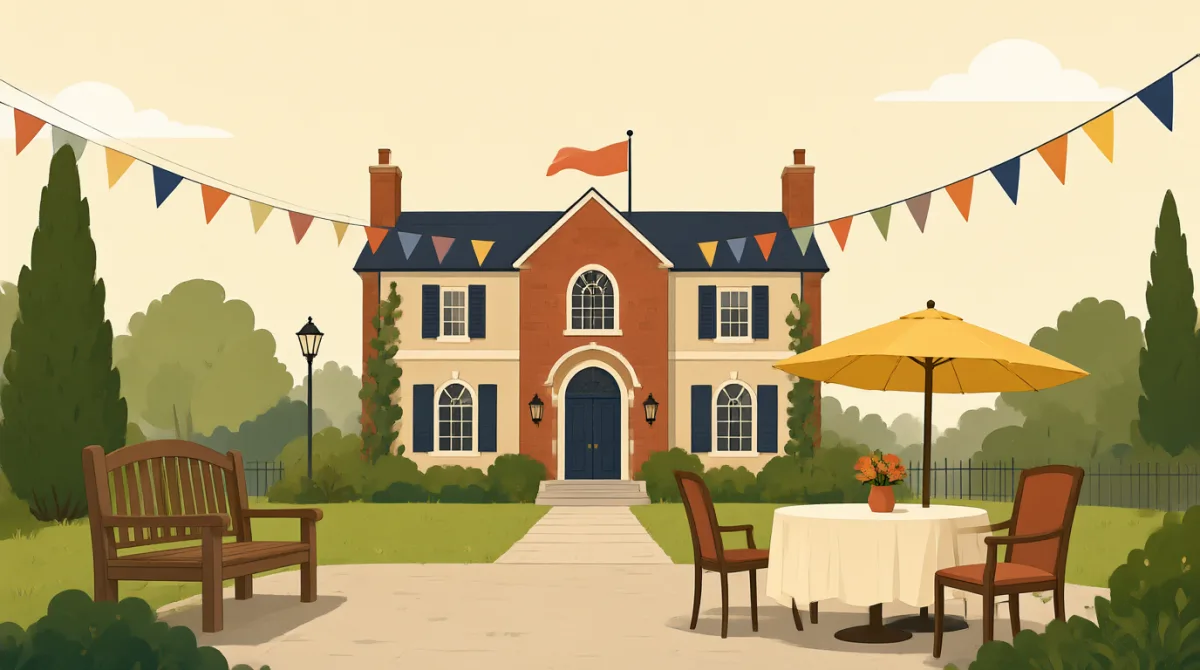

Hey Emma, I'm heading your way now. Where should I pick you up?
嘿,艾瑪,我這就過去了。我應該在哪裡接你?

Oh, great! Just pull up near the big tree out front.
哦,太好了!就在外面那棵大樹旁邊停下就行。
The big tree? There are a few trees around the building. Is it the one right by the main entrance, or further down?
那棵大樹?樓周圍有幾棵樹呢。是主入口旁邊那棵嗎,還是再往前一點?
Good point. It's the one closest to the street, directly across from the side entrance. You can't miss it, it's really tall.
說得對。是離街最近的那棵,就在側門的正對面。你不會錯過的,它特別高。
Okay, got it. So, street side, across from the side entrance. Perfect. I'll be there in about five minutes.
好的,明白了。就是靠街邊,側門對面。完美。我大概五分鐘就到。
Sounds good! I'll be waiting there. See you soon!
聽起來不錯!我會在那裡等。一會兒見!
詞彙6
- heading正前往
Means 'going towards' a place, often used when traveling to someone. For example, 'I'm heading home' means I'm going home now.
表示“正前往”某個地方,常用於說自己正在去某人所在的地方。例如,'I'm heading home'(我正要回家)表示我現在要回家了。
- pull up臨時停車
To stop or park a vehicle briefly, like a car, near a place. Useful for directions, e.g., 'Pull up here' means stop here.
指把車開到某個地方附近,短暫停下或停車。例如,'Pull up here'(在這裡停一下)就是讓對方在這裡停車。
- entrance入口
A door or opening where you enter a building. 'Main entrance' is the front door, 'side entrance' is a side door.
指進入建築物的門或通道。'Main entrance'(主入口)是正門,'side entrance'(側門)則是側面的門。
- across from在……對面
Directly opposite something, like on the other side. For example, 'The store is across from the bank' means it's right opposite the bank.
指在某物的正對面,也就是隔著一段距離位於另一側。例如,'The store is across from the bank'(商店在銀行對面)表示商店就在銀行正對面。
- can't miss it很容易找到
An idiom meaning it's very easy to find or notice because it's obvious or big. Used to reassure someone about locating something.
這是一個習語,表示某物很顯眼或很大,很容易找到或注意到。常用來讓對方放心,告訴對方某個地方很好找。
- got it明白了
Informal way to say 'I understand' or 'Okay, I know.' Common in casual conversations to confirm comprehension.
一種非正式的說法,表示“我明白了”或“好的,我知道了”。在輕鬆的對話中很常見,用來確認自己聽懂了。
關鍵句6
- 1
Hey Emma, I'm heading your way now. Where should I pick you up?
嘿,艾瑪,我現在正往你那邊去。我應該在哪裡接你?
This is a polite way to start a conversation and ask for directions. 'Heading your way' means going to your location. Useful for ride-sharing or meeting friends; it shows initiative and clarity.
這是禮貌地開啟對話並詢問地點的說法。'Heading your way' 表示正前往你所在的地方。和朋友約見或安排接送時很實用,既主動又表達清楚。
- 2
Just pull up near the big tree out front.
就在外面那棵大樹附近停車就行。
Gives simple directions using a landmark. 'Out front' means in front of the building. This sentence pattern (Just + verb + near + landmark) is practical for quick instructions to avoid confusion.
用地標給出簡單的指引。'Out front' 表示在建築物前面。這個句型(Just + 動詞 + near + 地標)適合快速指路,有助於避免混淆。
- 3
The big tree? There are a few trees around the building. Is it the one right by the main entrance, or further down?
那棵大樹?樓周圍有幾棵樹呢。是主入口旁邊那棵,還是再往前一點的那棵?
Asks for clarification when something is vague. Uses a question to specify options ('Is it... or...?'). Great for intermediate learners to practice seeking details in real-life scenarios like navigation.
當資訊不夠明確時,可以用這個句型請求對方說明。它透過提問列出選項('Is it... or...?')。對於中級學習者來說,這是練習在指路等真實場景中詢問細節的好方法。
- 4
It's the one closest to the street, directly across from the side entrance.
是離街道最近的那棵,就在側門正對面。
Provides precise location using comparatives ('closest to') and prepositions ('across from'). This helps build descriptive skills; use it when confirming positions relative to landmarks to prevent misunderstandings.
用比較級('closest to')和介詞('across from')準確說明位置。這有助於提升描述能力;確認某個地點相對於地標的位置時,可以這樣說來避免誤會。
- 5
You can't miss it, it's really tall.
你肯定不會錯過的,它特別高。
Reassures the listener with an idiom. 'Can't miss' emphasizes visibility. Useful in directions to build confidence; note the contraction and adverb 'really' for emphasis in spoken English.
用習語讓對方放心。'Can't miss' 強調某物很顯眼。在指路時使用它能讓對方更有把握;還可以留意口語中的縮寫形式以及用於強調的副詞 'really'。
- 6
Okay, got it. So, street side, across from the side entrance. Perfect. I'll be there in about five minutes.
好,明白了。就是靠街的那一側,在側門對面。太好了,我大概五分鐘後到。
Confirms understanding and repeats key details for accuracy. 'Got it' is casual confirmation; 'in about five minutes' uses time expression. Ideal for ending clarifications and setting expectations.
先確認自己聽懂了,再重複關鍵資訊以確保準確。'Got it' 是比較隨意的確認說法;'in about five minutes' 是表示時間的表達。適合用在澄清結束時,確認安排並告知對方預計到達時間。