Clarifying a Vague Location (Landmark)
अस्पष्ट जगह की पहचान स्पष्ट करना (पहचान की जगह)
One party mentions a landmark (e.g., 'the big tree') but needs to clarify its exact position relative to the main building or road.
एक व्यक्ति किसी पहचान की जगह का ज़िक्र करता है (जैसे, 'बड़ा पेड़'), लेकिन उसे मुख्य इमारत या सड़क के मुकाबले उसकी सही जगह स्पष्ट करनी होती है।
संवाद6
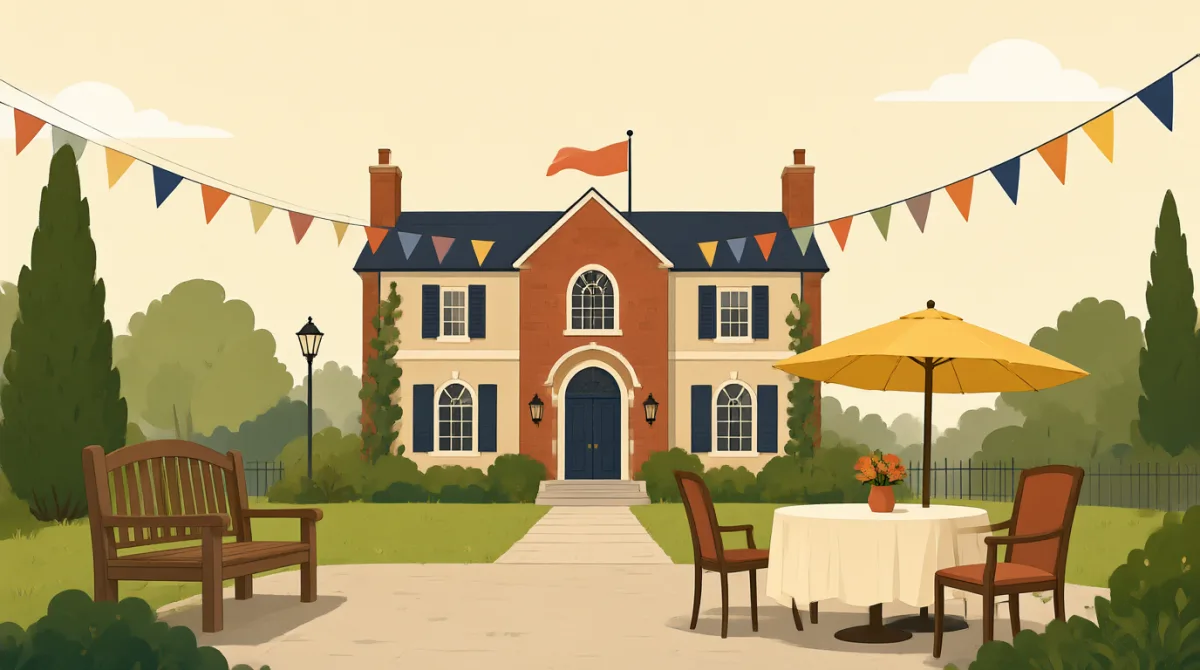

Hey Emma, I'm heading your way now. Where should I pick you up?
अरे एमा, मैं अभी तुम्हारी तरफ़ आ रहा हूँ। तुम्हें कहाँ से लेना है?

Oh, great! Just pull up near the big tree out front.
अरे, बढ़िया! सामने वाले बड़े पेड़ के पास गाड़ी रोक देना।
The big tree? There are a few trees around the building. Is it the one right by the main entrance, or further down?
बड़ा पेड़? इमारत के आसपास तो कई पेड़ हैं। क्या वो मुख्य प्रवेश द्वार के पास वाला है या उससे आगे?
Good point. It's the one closest to the street, directly across from the side entrance. You can't miss it, it's really tall.
सही कहा। वो सड़क के सबसे पास वाला पेड़ है, जो साइड वाले प्रवेश द्वार के ठीक सामने है। तुम्हें आसानी से दिख जाएगा, वो बहुत ऊँचा है।
Okay, got it. So, street side, across from the side entrance. Perfect. I'll be there in about five minutes.
ठीक है, समझ गया। तो सड़क की तरफ़, साइड वाले प्रवेश द्वार के सामने। बढ़िया। मैं करीब पाँच मिनट में वहाँ पहुँच जाऊँगा।
Sounds good! I'll be waiting there. See you soon!
बढ़िया! मैं वहीं इंतज़ार करूँगी। जल्दी मिलते हैं!
शब्दावली6
- headingजा रहा हूँ / जा रही हूँ
Means 'going towards' a place, often used when traveling to someone. For example, 'I'm heading home' means I'm going home now.
इसका मतलब है किसी जगह की ओर जाना। किसी से मिलने जाते समय इसका अक्सर इस्तेमाल होता है। जैसे, 'I'm heading home' का मतलब है कि मैं अभी घर जा रहा हूँ।
- pull upगाड़ी रोकना
To stop or park a vehicle briefly, like a car, near a place. Useful for directions, e.g., 'Pull up here' means stop here.
किसी जगह के पास कार जैसे वाहन को थोड़ी देर के लिए रोकना या पार्क करना। रास्ता बताने के लिए यह काम का है। जैसे, 'Pull up here' का मतलब है यहाँ गाड़ी रोकना।
- entranceप्रवेश द्वार
A door or opening where you enter a building. 'Main entrance' is the front door, 'side entrance' is a side door.
इमारत में दाखिल होने का दरवाज़ा या रास्ता। 'Main entrance' सामने का दरवाज़ा होता है और 'side entrance' बगल का दरवाज़ा।
- across fromके ठीक सामने
Directly opposite something, like on the other side. For example, 'The store is across from the bank' means it's right opposite the bank.
किसी चीज़ के दूसरी ओर, बिल्कुल उसके सामने। जैसे, 'The store is across from the bank' का मतलब है कि दुकान बैंक के ठीक सामने है।
- can't miss itआसानी से दिख जाएगा
An idiom meaning it's very easy to find or notice because it's obvious or big. Used to reassure someone about locating something.
यह मुहावरा बताता है कि कोई चीज़ साफ़ दिखाई देने या बड़ी होने के कारण आसानी से मिल जाएगी। किसी को जगह ढूँढ़ने के बारे में निश्चिंत करने के लिए इसका इस्तेमाल होता है।
- got itसमझ गया / समझ गई
Informal way to say 'I understand' or 'Okay, I know.' Common in casual conversations to confirm comprehension.
'I understand' या 'Okay, I know' कहने का अनौपचारिक तरीका। बात समझ आने की पुष्टि करने के लिए आम बातचीत में इसका इस्तेमाल होता है।
मुख्य वाक्य6
- 1
Hey Emma, I'm heading your way now. Where should I pick you up?
अरे एमा, मैं अभी तुम्हारी तरफ़ आ रहा हूँ। तुम्हें कहाँ से लेना है?
This is a polite way to start a conversation and ask for directions. 'Heading your way' means going to your location. Useful for ride-sharing or meeting friends; it shows initiative and clarity.
बातचीत शुरू करने और रास्ता पूछने का यह एक विनम्र तरीका है। 'Heading your way' का मतलब है तुम्हारी जगह की ओर आना। यह दोस्तों से मिलने या उन्हें गाड़ी में लेने जाते समय काम आता है और पहल के साथ बात को साफ़ रखता है।
- 2
Just pull up near the big tree out front.
सामने वाले बड़े पेड़ के पास गाड़ी रोक देना।
Gives simple directions using a landmark. 'Out front' means in front of the building. This sentence pattern (Just + verb + near + landmark) is practical for quick instructions to avoid confusion.
इस वाक्य में पहचान की जगह का इस्तेमाल करके सीधे-सीधे रास्ता बताया गया है। 'Out front' का मतलब है इमारत के सामने। 'Just + verb + near + landmark' (बस + क्रिया + पहचान की जगह के पास) वाला ढाँचा तुरंत निर्देश देने और ग़लतफ़हमी से बचने के लिए काम का है।
- 3
The big tree? There are a few trees around the building. Is it the one right by the main entrance, or further down?
बड़ा पेड़? इमारत के आसपास तो कई पेड़ हैं। क्या वो मुख्य प्रवेश द्वार के पास वाला है या उससे आगे?
Asks for clarification when something is vague. Uses a question to specify options ('Is it... or...?'). Great for intermediate learners to practice seeking details in real-life scenarios like navigation.
जब कोई बात अस्पष्ट हो, तो यह वाक्य उसे स्पष्ट करने के लिए सवाल पूछता है। 'Is it... or...?' (क्या यह... है या...?) के ज़रिए विकल्प बताए जाते हैं। रास्ता पूछने जैसे रोज़मर्रा के हालात में ज़्यादा जानकारी माँगने का अभ्यास करने के लिए यह बढ़िया है।
- 4
It's the one closest to the street, directly across from the side entrance.
वो सड़क के सबसे पास वाला पेड़ है, जो साइड वाले प्रवेश द्वार के ठीक सामने है।
Provides precise location using comparatives ('closest to') and prepositions ('across from'). This helps build descriptive skills; use it when confirming positions relative to landmarks to prevent misunderstandings.
इसमें तुलना बताने वाले 'closest to' और जगह बताने वाले 'across from' का इस्तेमाल करके सटीक स्थान बताया गया है। पहचान की जगहों के मुकाबले सही जगह बताने के लिए ये उपयोगी हैं और ग़लतफ़हमी से बचाते हैं।
- 5
You can't miss it, it's really tall.
तुम्हें आसानी से दिख जाएगा, वो बहुत ऊँचा है।
Reassures the listener with an idiom. 'Can't miss' emphasizes visibility. Useful in directions to build confidence; note the contraction and adverb 'really' for emphasis in spoken English.
यह मुहावरे के ज़रिए सुनने वाले को निश्चिंत करता है। 'Can't miss' का मतलब है कि कोई चीज़ आसानी से नज़र आएगी। रास्ता बताते समय यह भरोसा दिलाने के लिए काम आता है। ध्यान दें कि बोलचाल की अंग्रेज़ी में ज़ोर देने के लिए संक्षिप्त रूप और 'really' जैसे क्रिया-विशेषण का इस्तेमाल होता है।
- 6
Okay, got it. So, street side, across from the side entrance. Perfect. I'll be there in about five minutes.
ठीक है, समझ गया। तो सड़क की तरफ़, साइड वाले प्रवेश द्वार के सामने। बढ़िया। मैं करीब पाँच मिनट में वहाँ पहुँच जाऊँगा।
Confirms understanding and repeats key details for accuracy. 'Got it' is casual confirmation; 'in about five minutes' uses time expression. Ideal for ending clarifications and setting expectations.
इसमें समझ आने की पुष्टि करते हुए सही जानकारी के लिए ज़रूरी बातें दोहराई गई हैं। 'Got it' अनौपचारिक ढंग से समझने की पुष्टि करता है, जबकि 'in about five minutes' समय बताने का तरीका है। बात स्पष्ट करने और सामने वाले को यह बताने के लिए कि आप कब पहुँचेंगे, यह वाक्य उपयोगी है।