Clarifying Usage Rules
توضيح قواعد الاستخدام
A swimmer wants to understand specific rules, such as dive restrictions, use of personal flotation devices, or lap swimming etiquette.
يريد أحد السباحين معرفة قواعد محددة، مثل قيود الغطس، واستخدام أدوات الطفو الشخصية، وآداب السباحة ذهابًا وإيابًا في المسارات.
حوار10
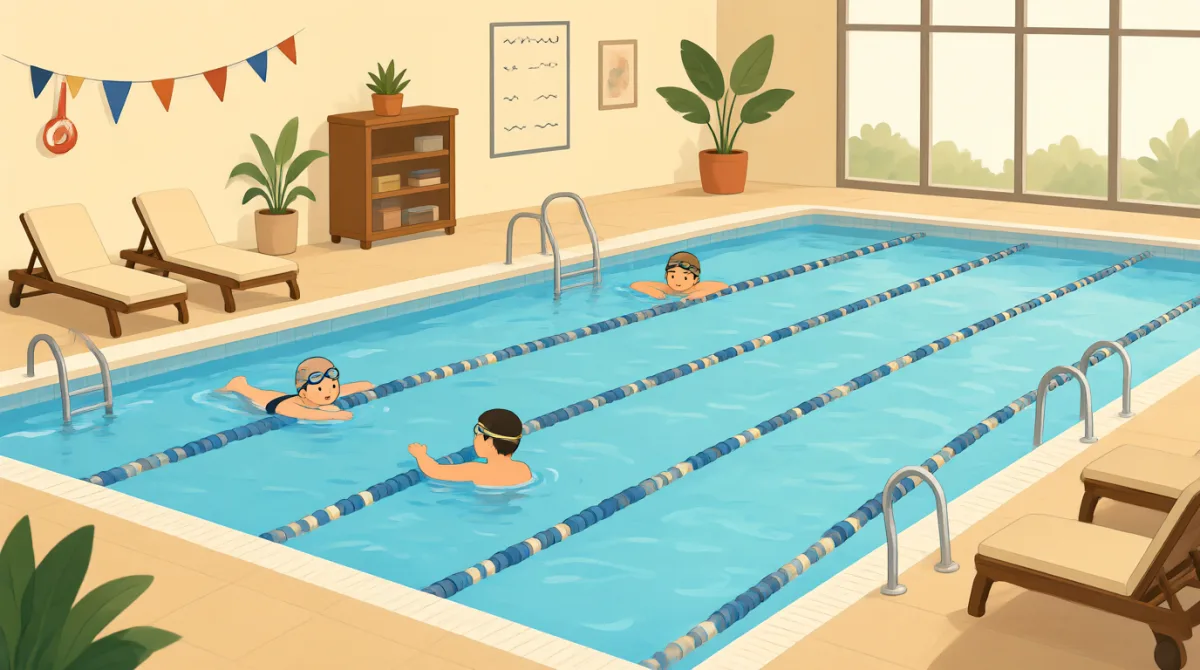

Excuse me, I'm new to this pool. Could you clarify a few things about the rules?
عذرًا، أنا جديد في هذا المسبح. هل يمكنك توضيح بعض الأمور المتعلقة بالقواعد؟

Of course! What would you like to know?
بالطبع! ما الذي تود معرفته؟
First, are there any dive restrictions here? I'm used to pools that don't allow diving in the shallow end.
أولًا، هل توجد هنا قيود على الغطس؟ اعتدتُ على مسابح لا تسمح بالغطس في الجزء الضحل.
Yes, that's correct. Diving is only permitted in the deep end, and from the diving blocks if they're open. No diving in the shallow section or from the sides anywhere else.
نعم، هذا صحيح. يُسمح بالغطس في الجزء العميق فقط، ومن منصات الغطس إذا كانت مفتوحة. يُمنع الغطس في الجزء الضحل أو من جوانب المسبح في أي مكان آخر.
Got it. And what about personal flotation devices, like kickboards or pull buoys? Are those generally allowed?
فهمت. وماذا عن أدوات الطفو الشخصية، مثل ألواح الركل أو عوامات السحب؟ هل يُسمح بها عمومًا؟
Yes, kickboards and pull buoys are fine for lap swimming. We just ask that you be mindful of other swimmers and not use them in crowded areas.
نعم، لا بأس باستخدام ألواح الركل وعوامات السحب للسباحة ذهابًا وإيابًا في المسار. نطلب فقط أن تراعي السباحين الآخرين وألا تستخدمها في المناطق المزدحمة.
Okay, that makes sense. One last thing – lap swimming etiquette. Is it counter-clockwise, or do we share lanes based on speed?
حسنًا، هذا منطقي. بقي أمر أخير: آداب السباحة ذهابًا وإيابًا في المسار. هل نسبح عكس اتجاه عقارب الساعة، أم نتشارك المسارات بحسب السرعة؟
We typically have designated lanes for different speeds: slow, medium, and fast. If a lane is busy, we encourage circle swimming, which means you swim on the right side of the lane, like driving.
عادةً ما نخصص مسارات لسرعات مختلفة: بطيئة ومتوسطة وسريعة. إذا كان المسار مزدحمًا، نشجع السباحة الدائرية، أي أن تسبح على الجانب الأيمن من المسار، كما تفعل عند القيادة.
Perfect! Thanks so much for clarifying everything. That's very helpful.
ممتاز! شكرًا جزيلًا على توضيح كل شيء. لقد أفدتني كثيرًا.
You're welcome! Enjoy your swim!
على الرحب والسعة! استمتع بالسباحة!
المفردات9
- clarifyيوضّح
To make something clear or easier to understand, often by explaining it again. Use it when you need more details about rules or instructions.
أن تجعل أمرًا ما واضحًا أو أسهل فهمًا، غالبًا من خلال شرحه مرة أخرى. استخدمها عندما تحتاج إلى مزيد من التفاصيل عن القواعد أو التعليمات.
- dive restrictionsقيود الغطس
Rules that limit where or how you can dive into the water to prevent accidents. Common in pools to ensure safety in shallow areas.
قواعد تحدد الأماكن أو الطرق التي يُسمح لك بالغطس بها في الماء، وذلك لتجنب الحوادث. وهي شائعة في المسابح لضمان السلامة في المناطق الضحلة.
- shallow endالجزء الضحل
The part of the swimming pool where the water is not deep, usually for beginners or wading. Opposite of the deep end.
الجزء من المسبح الذي لا يكون الماء فيه عميقًا، ويُستخدم عادةً للمبتدئين أو للوقوف في الماء. وهو عكس الجزء العميق.
- deep endالجزء العميق
The part of the pool with deeper water, suitable for diving or advanced swimming. Always check rules before using it.
الجزء من المسبح الذي يكون الماء فيه أعمق، وهو مناسب للغطس أو للسباحة المتقدمة. تحقق دائمًا من القواعد قبل استخدامه.
- kickboardsألواح الركل
A floating board used to practice kicking in swimming. It helps beginners focus on leg movements while keeping the upper body afloat.
ألواح طافية تُستخدم للتدرب على ركل الساقين أثناء السباحة. تساعد المبتدئين على التركيز على حركة الساقين مع إبقاء الجزء العلوي من الجسم طافيًا.
- pull buoysعوامات السحب
A flotation device placed between the legs to help swimmers practice arm strokes without kicking. Useful for improving upper body strength.
أداة طفو توضع بين الساقين لمساعدة السباحين على التدرب على حركات الذراعين من دون ركل. وهي مفيدة لتحسين قوة الجزء العلوي من الجسم.
- lap swimmingالسباحة ذهابًا وإيابًا في المسار
Swimming back and forth in a pool lane for exercise, like running laps on a track. It's a common way to stay fit.
السباحة ذهابًا وإيابًا في مسار بالمسبح لممارسة الرياضة، مثل الجري ذهابًا وإيابًا على مضمار. وهي طريقة شائعة للحفاظ على اللياقة.
- etiquetteالآداب
The expected polite behavior or manners in a specific situation, like sharing space in a pool without disturbing others.
السلوك المهذب المتوقع في موقف معين، مثل مشاركة مساحة في المسبح من دون إزعاج الآخرين.
- circle swimmingالسباحة الدائرية
A method where swimmers go in a loop in the lane: down one side and back on the other, to avoid collisions in busy lanes.
طريقة يسبح فيها السباحون في مسار على شكل حلقة: يسبحون في أحد جانبيه ذهابًا، ثم يعودون في الجانب الآخر، لتجنب الاصطدام في المسارات المزدحمة.
الجمل الأساسية7
- 1
Could you clarify a few things about the rules?
هل يمكنك توضيح بعض الأمور المتعلقة بالقواعد؟
This polite request uses 'could you' for a formal ask, and 'clarify' to seek explanation. Useful when you're new to a place and need to understand guidelines; it shows respect.
يستخدم هذا الطلب المهذب 'could you' لطرح طلب رسمي، و'clarify' لطلب التوضيح. يفيدك عندما تكون جديدًا في مكان ما وتحتاج إلى فهم القواعد، كما يُظهر الاحترام.
- 2
Diving is only permitted in the deep end.
يُسمح بالغطس في الجزء العميق فقط.
This sentence uses passive voice 'is permitted' to state a rule clearly. It's useful for describing restrictions in public places like pools; remember, 'permitted' means allowed.
تستخدم هذه الجملة صيغة المبني للمجهول 'is permitted' للتعبير عن قاعدة بوضوح. وهي مفيدة لوصف القيود في الأماكن العامة مثل المسابح. تذكّر أن 'permitted' تعني مسموحًا به.
- 3
Are those generally allowed?
هل يُسمح بها عمومًا؟
A simple yes/no question with 'generally' meaning usually or in most cases. Great for checking if something is okay to use; add specifics like items to make it practical.
هذا سؤال بسيط إجابته نعم أو لا، وتفيد كلمة 'generally' معنى عادةً أو في معظم الحالات. استخدمه للتحقق مما إذا كان استخدام شيء ما مسموحًا، ويمكنك ذكر العنصر المقصود لتوضيح السؤال.
- 4
We just ask that you be mindful of other swimmers.
نطلب فقط أن تراعي السباحين الآخرين.
This uses 'ask that' clause with 'be mindful' meaning pay attention or be careful. It's a polite way to give advice on courtesy; common in shared spaces to promote safety.
تستخدم هذه الجملة تركيب 'ask that' مع 'be mindful' التي تعني انتبه أو كن حريصًا. إنها طريقة مهذبة لتقديم نصيحة حول مراعاة الآخرين، وشائعة في الأماكن المشتركة لتعزيز السلامة.
- 5
Is it counter-clockwise, or do we share lanes based on speed?
هل نسبح عكس اتجاه عقارب الساعة، أم نتشارك المسارات بحسب السرعة؟
This question uses 'or' to offer alternatives and 'based on' for conditions. Useful for asking about procedures in activities; it helps clarify how to follow group norms.
يطرح هذا السؤال بديلين باستخدام 'or'، ويستخدم 'based on' للتعبير عن المعيار الذي يعتمد عليه الأمر. يفيدك عند السؤال عن إجراءات نشاط ما، ويساعدك على معرفة كيفية اتباع قواعد المجموعة.
- 6
We encourage circle swimming, which means you swim on the right side of the lane.
نشجع السباحة الدائرية، أي أن تسبح على الجانب الأيمن من المسار.
This explanatory sentence uses a relative clause 'which means' to define a term. Helpful for teaching rules; 'encourage' softens the instruction, making it advisory rather than strict.
تستخدم هذه الجملة التوضيحية عبارة 'which means' لشرح مصطلح. وهي مفيدة عند شرح القواعد. أما 'encourage' فتجعل التوجيه أقل صرامة، وكأنه اقتراح لا أمر.
- 7
Thanks so much for clarifying everything.
شكرًا جزيلًا على توضيح كل شيء.
A grateful response with 'thanks so much' for emphasis and 'clarifying' as a gerund. Use it to end conversations politely after getting help; shows appreciation in service situations.
عبارة شكر تعبّر عن الامتنان؛ فكلمة 'thanks so much' تضيف تأكيدًا، و'clarifying' صيغة اسم الفعل. استخدمها لإنهاء المحادثات بأدب بعد تلقي المساعدة، فهي تُظهر التقدير في مواقف تقديم الخدمات.