Handling an Order Mistake
معالجة خطأ في الطلب
The customer realizes there's an error in their order (e.g., wrong item, missing item) and brings it to the staff's attention for correction.
يلاحظ الزبون وجود خطأ في طلبه (مثل استلام صنف غير صحيح أو فقدان صنف)، وينبّه الموظفين إلى ذلك لتصحيحه.
حوار8
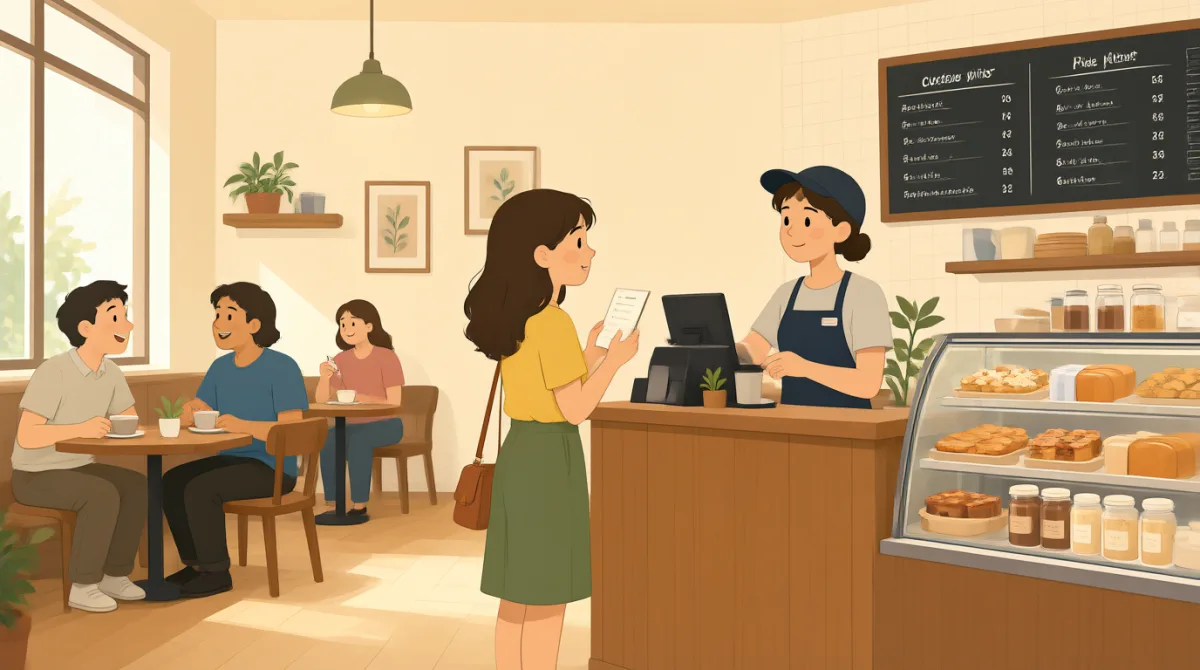

Excuse me, I just picked up my order, but I think there might be a mistake.
عذرًا، لقد استلمت طلبي للتو، لكنني أظن أن هناك خطأً ما.

Oh, I'm sorry to hear that. What seems to be the problem?
أوه، يؤسفني سماع ذلك. ما المشكلة؟
I ordered a Fillet-O-Fish, but I got a McChicken instead. Also, I think I'm missing my fries.
طلبتُ شطيرة فيليه أو فيش، لكنني استلمت شطيرة ماك تشيكن بدلًا منها. وأظن أن البطاطس المقلية غير موجودة في طلبي أيضًا.
Let me check for you. Do you have your receipt?
دعيني أتحقق من الأمر. هل لديكِ الإيصال؟
Yes, here it is.
نعم، تفضل.
Okay, I see here. You're right, it clearly says Fillet-O-Fish and a large fries. My apologies for the mix-up. We'll get that corrected for you right away.
حسنًا، أرى ذلك هنا. أنتِ محقة، فالإيصال يذكر بوضوح شطيرة فيليه أو فيش وحصة كبيرة من البطاطس المقلية. أعتذر عن هذا الالتباس. سنصحح الأمر لكِ فورًا.
Thank you! I appreciate it.
شكرًا لك! أقدّر ذلك.
No problem at all. We'll have your correct order out to you in just a couple of minutes.
لا مشكلة على الإطلاق. سنجهز طلبك الصحيح ونقدمه لكِ خلال دقيقتين فقط.
المفردات7
- mistakeخطأ
An error or something done wrong. In this dialogue, it's used to politely point out an order error at a fast food place.
تعني وجود أمر غير صحيح أو إنجاز شيء على نحو خاطئ. في هذا الحوار، تُستخدم للإشارة بأدب إلى وجود خطأ في طلب الطعام.
- problemمشكلة
An issue or difficulty. Staff use this to ask what went wrong, showing customer service politeness.
تعني أمرًا يسبب صعوبة أو إزعاجًا. يستخدمها الموظف ليسأل عمّا حدث، مع الحفاظ على أسلوب مهذب في خدمة الزبائن.
- orderedطلبَ
Past tense of 'order,' meaning to request food or items. Useful for describing what you asked for in a restaurant.
هذه صيغة الماضي من 'order'، وتعني طلب الطعام أو المنتجات. تفيدك عند وصف ما طلبته في مطعم.
- receiptإيصال
A small paper or digital proof of purchase showing what you bought. Always keep it to fix order mistakes.
ورقة صغيرة أو سجل رقمي يثبت الشراء ويوضح ما اشتريته. احتفظ به دائمًا لتصحيح أي خطأ في الطلب.
- apologiesاعتذارات
A formal way to say 'sorry' for a mistake. Common in customer service to show regret.
طريقة رسمية للاعتذار عن خطأ. تُستخدم كثيرًا في خدمة الزبائن للتعبير عن الأسف.
- mix-upالتباس
A confusion or small error, often with orders or items. It's casual and used for accidental swaps.
يعني حدوث خلط أو خطأ بسيط، وغالبًا ما يتعلق بالطلبات أو الأصناف. وهو تعبير غير رسمي يُستخدم عند تبديل الأصناف عن طريق الخطأ.
- correctedصُحِّح
Fixed or made right. In service situations, it means resolving an error quickly for the customer.
تعني أُصلح أو جُعل صحيحًا. في مواقف الخدمة، تشير إلى معالجة الخطأ بسرعة للزبون.
الجمل الأساسية7
- 1
Excuse me, I just picked up my order, but I think there might be a mistake.
عذرًا، لقد استلمت طلبي للتو، لكنني أظن أن هناك خطأً ما.
This polite sentence starts a conversation to report an issue. Use 'Excuse me' to get attention, and 'I think there might be' softens the complaint. Great for handling errors without being rude.
تبدأ هذه الجملة المهذبة محادثةً للإبلاغ عن مشكلة. استخدم 'Excuse me' للفت الانتباه، وتُلطّف عبارة 'I think there might be' الشكوى. إنها مناسبة لمعالجة الأخطاء دون أن تبدو فظًا.
- 2
Oh, I'm sorry to hear that. What seems to be the problem?
أوه، يؤسفني سماع ذلك. ما المشكلة؟
A customer service response showing empathy. 'I'm sorry to hear that' expresses regret, and the question invites details. Use this as staff to calm the customer and gather info.
هذا رد من موظف خدمة عملاء يُظهر التعاطف. تعبّر عبارة 'I'm sorry to hear that' عن الأسف، ويدعو السؤال الزبون إلى توضيح التفاصيل. استخدمها بصفتك موظفًا لتهدئة الزبون ومعرفة المعلومات اللازمة.
- 3
I ordered a Fillet-O-Fish, but I got a McChicken instead.
طلبتُ شطيرة فيليه أو فيش، لكنني استلمت شطيرة ماك تشيكن بدلًا منها.
This contrasts what was requested ('I ordered') with what was received ('but I got... instead'). It's a clear way to explain a wrong item; useful for any ordering mistake.
تقارن هذه الجملة بين ما طلبته ('I ordered') وما استلمته ('but I got... instead'). إنها طريقة واضحة لشرح استلام صنف غير صحيح، وتفيد في توضيح أي خطأ في الطلب.
- 4
Let me check for you. Do you have your receipt?
دعيني أتحقق من الأمر. هل لديكِ الإيصال؟
Offers help ('Let me check') and asks for proof. The structure is polite and action-oriented. Use in service roles to verify and solve problems efficiently.
يعرض المتحدث المساعدة ('Let me check') ويطلب إثبات الشراء. هذا الأسلوب مهذب ويركز على اتخاذ إجراء. استخدمه في العمل الخدمي للتحقق من المشكلة وحلها بكفاءة.
- 5
My apologies for the mix-up. We'll get that corrected for you right away.
أعتذر عن هذا الالتباس. سنصحح الأمر لكِ فورًا.
Apologizes and promises quick action. 'My apologies' is formal politeness, and 'right away' means immediately. Ideal for reassuring customers during corrections.
يقدّم المتحدث اعتذارًا ويَعِد باتخاذ إجراء سريع. عبارة 'My apologies' رسمية ومهذبة، وعبارة 'right away' تعني فورًا. إنها مناسبة لطمأنة الزبائن عند تصحيح الأخطاء.
- 6
Thank you! I appreciate it.
شكرًا لك! أقدّر ذلك.
Expresses gratitude after help. 'I appreciate it' is a sincere way to say thanks. Use this to end interactions positively and build good relations.
تعبّر هذه الجملة عن الامتنان بعد تلقي المساعدة. عبارة 'I appreciate it' طريقة صادقة للتعبير عن الشكر. استخدمها لإنهاء التعاملات بإيجابية وبناء علاقات طيبة.
- 7
No problem at all. We'll have your correct order out to you in just a couple of minutes.
لا مشكلة على الإطلاق. سنجهز طلبك الصحيح ونقدمه لكِ خلال دقيقتين فقط.
Downplays the issue ('No problem') and gives a timeline. 'In just a couple of minutes' reassures speed. Useful for service to keep customers happy.
يهوّن المتحدث من الأمر ('No problem') ويحدد موعدًا لإنجاز الطلب. وتطمئن عبارة 'In just a couple of minutes' الزبون إلى سرعة الخدمة. تفيد هذه العبارات في الحفاظ على رضا الزبائن.