Troubleshooting a Machine Issue
การแก้ปัญหาเครื่องซักผ้าขัดข้อง
A customer experiences a minor issue with a machine (e.g., coin slot jammed, machine not starting) and asks for assistance.
ลูกค้าพบปัญหาเล็กน้อยกับเครื่องซักผ้า เช่น ช่องหยอดเหรียญติดขัดหรือเครื่องไม่เริ่มทำงาน จึงขอความช่วยเหลือ
บทสนทนา9
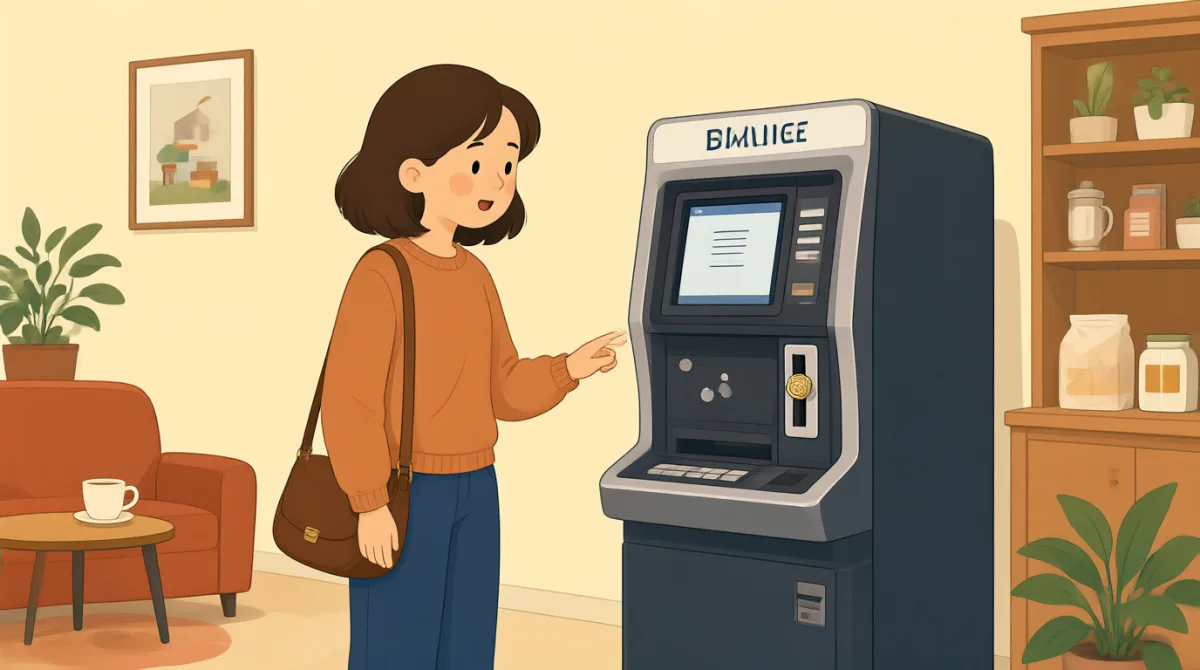

Excuse me, I'm having a bit of trouble with this washing machine, number 7.
ขอโทษนะคะ ฉันมีปัญหานิดหน่อยกับเครื่องซักผ้าเครื่องนี้ หมายเลข 7 ค่ะ

Oh, what seems to be the issue? Is it not starting?
อ๋อ เป็นอะไรไปครับ เครื่องไม่ทำงานเหรอครับ
That's right. I put my coins in, but the screen is just blank, and it won't even light up. I've tried pressing the start button a few times.
ใช่ค่ะ ฉันหยอดเหรียญไปแล้ว แต่หน้าจอกลับไม่ขึ้นอะไรเลย แถมไฟก็ไม่ติดด้วย ฉันลองกดปุ่มเริ่มทำงานไปสองสามครั้งแล้วค่ะ
Hmm, okay. Let me take a look for you. Sometimes the coin mechanism can be a bit finicky. Did you try inserting the coins a second time, or checking if any are stuck?
อืม เข้าใจแล้วครับ ขอผมดูให้หน่อยนะครับ บางทีช่องรับเหรียญก็อาจจะงอแงนิดหน่อย คุณลองหยอดเหรียญอีกครั้งหรือเช็กดูว่ามีเหรียญติดอยู่หรือเปล่าครับ
I checked the coin slot, and it looks clear. I only put them in once, though. Should I try again?
ฉันเช็กช่องหยอดเหรียญแล้ว ดูโล่งดีค่ะ แต่ฉันหยอดไปแค่ครั้งเดียวเอง ควรลองอีกครั้งไหมคะ
No, let me try something first. Sometimes a quick reset works. Bear with me a moment.
ไม่ต้องครับ ขอผมลองทำอะไรก่อน บางครั้งแค่รีเซ็ตเครื่องก็ช่วยได้ รอสักครู่นะครับ
Alright, it looks like it just needed a quick power cycle. Try putting your coins in now and see if it works.
เรียบร้อยครับ ดูเหมือนแค่ปิดแล้วเปิดเครื่องใหม่ก็พอ ลองหยอดเหรียญตอนนี้แล้วดูว่าใช้ได้ไหมครับ
Okay, one moment... Oh, perfect! It lit up this time. Thank you so much!
ได้ค่ะ รอสักครู่นะคะ... โอ้ เยี่ยมเลย! คราวนี้ไฟติดแล้ว ขอบคุณมากค่ะ
You're very welcome. Glad I could help! Let me know if you run into any other problems.
ยินดีมากครับ ดีใจที่ช่วยได้! ถ้ามีปัญหาอะไรอีกก็บอกผมได้นะครับ
คำศัพท์7
- troubleปัญหา
Means a problem or difficulty. Use it when describing something not working right, like 'I'm having trouble with my phone.'
หมายถึงปัญหาหรือความยุ่งยาก ใช้พูดถึงสิ่งที่ทำงานไม่ปกติ เช่น 'I'm having trouble with my phone.' (ฉันมีปัญหากับโทรศัพท์)
- issueปัญหา
Refers to a problem or concern. It's a polite way to ask about what's wrong, as in 'What's the issue?' in customer service situations.
หมายถึงปัญหาหรือเรื่องที่น่ากังวล เป็นวิธีสุภาพในการถามว่าเกิดอะไรขึ้น เช่น 'What's the issue?' (มีปัญหาอะไรหรือครับ/คะ) ซึ่งมักใช้ในงานบริการลูกค้า
- finickyงอแง, จุกจิก
Describes something that is tricky or unreliable, often needing careful handling. Useful for machines or devices that don't work smoothly.
ใช้บรรยายสิ่งที่ใช้งานยากหรือทำงานไม่ค่อยเสถียร และมักต้องระมัดระวังเวลาใช้งาน เหมาะกับเครื่องจักรหรืออุปกรณ์ที่ทำงานไม่ราบรื่น
- stuckติด, ติดขัด
Means jammed or unable to move. Common in everyday problems like 'The door is stuck' or coins stuck in a slot.
หมายถึงติดขัดหรือขยับไม่ได้ มักใช้พูดถึงปัญหาในชีวิตประจำวัน เช่น 'The door is stuck' (ประตูติด) หรือเหรียญติดอยู่ในช่องหยอดเหรียญ
- resetรีเซ็ต, ตั้งค่าใหม่
To restart or return to original settings, like pressing a reset button on a device to fix glitches.
หมายถึงเริ่มต้นเครื่องใหม่หรือคืนค่าให้กลับไปเป็นค่าเดิม เช่น กดปุ่มรีเซ็ตบนอุปกรณ์เพื่อแก้ปัญหาการทำงานผิดปกติ
- power cycleปิดแล้วเปิดเครื่องใหม่
Turning a device off and on again to fix issues. It's a technical term but useful for troubleshooting electronics.
หมายถึงปิดอุปกรณ์แล้วเปิดขึ้นมาใหม่เพื่อแก้ปัญหา เป็นศัพท์ทางเทคนิคที่มีประโยชน์เวลาแก้ปัญหาอุปกรณ์อิเล็กทรอนิกส์
- run intoประสบกับ, พบเจอ
Means to encounter or experience unexpectedly, like 'run into problems.' It's an idiom for facing issues in daily life.
หมายถึงพบเจอหรือประสบกับบางสิ่งโดยไม่คาดคิด เช่น 'run into problems' (พบเจอปัญหา) เป็นสำนวนที่ใช้พูดถึงการเจอปัญหาในชีวิตประจำวัน
ประโยคสำคัญ7
- 1
Excuse me, I'm having a bit of trouble with this washing machine, number 7.
ขอโทษนะคะ ฉันมีปัญหานิดหน่อยกับเครื่องซักผ้าเครื่องนี้ หมายเลข 7 ค่ะ
This is a polite way to start asking for help. 'Excuse me' gets attention, 'having a bit of trouble' softens the request. Use it when reporting a problem in public places. Grammar: Present continuous 'having' shows ongoing issue.
ประโยคนี้เป็นวิธีสุภาพในการเริ่มขอความช่วยเหลือ 'Excuse me' ใช้เรียกความสนใจ ส่วน 'having a bit of trouble' ช่วยให้คำขอฟังดูนุ่มนวล ใช้เมื่อแจ้งปัญหาในที่สาธารณะ ในแง่ไวยากรณ์ 'having' ในรูป Present continuous แสดงว่าปัญหากำลังเกิดขึ้นอยู่
- 2
Oh, what seems to be the issue? Is it not starting?
อ๋อ เป็นอะไรไปครับ เครื่องไม่ทำงานเหรอครับ
A helpful response to offer assistance. 'What seems to be' is a gentle way to ask for details. 'Is it not starting?' uses a tag question for confirmation. Useful for service workers diagnosing problems.
เป็นคำตอบที่แสดงความพร้อมช่วยเหลือ 'What seems to be' เป็นวิธีถามรายละเอียดอย่างนุ่มนวล ส่วน 'Is it not starting?' ใช้ถามยืนยันว่าปัญหาคือเครื่องไม่เริ่มทำงานหรือไม่ เหมาะสำหรับพนักงานบริการที่กำลังหาสาเหตุของปัญหา
- 3
I put my coins in, but the screen is just blank, and it won't even light up.
ฉันหยอดเหรียญไปแล้ว แต่หน้าจอกลับไม่ขึ้นอะไรเลย แถมไฟก็ไม่ติดด้วยค่ะ
Describes the problem step by step. 'But' shows contrast, 'won't even' emphasizes failure. Practice this to explain symptoms clearly when seeking help with machines.
ประโยคนี้อธิบายปัญหาเป็นลำดับ 'But' แสดงความขัดแย้ง ส่วน 'won't even' เน้นว่าเครื่องไม่ทำงานอย่างสิ้นเชิง ลองฝึกใช้ประโยคนี้เพื่ออธิบายอาการของเครื่องให้ชัดเจนเวลาขอความช่วยเหลือ
- 4
Let me take a look for you.
ขอผมดูให้หน่อยนะครับ
Offers to inspect something. 'Take a look' means to examine briefly. It's polite and proactive in helping situations, showing willingness to assist.
ประโยคนี้ใช้เสนอตรวจดูบางสิ่ง 'Take a look' หมายถึงตรวจดูคร่าว ๆ เป็นคำพูดสุภาพและแสดงความกระตือรือร้นที่จะช่วยเหลือ
- 5
Sometimes a quick reset works. Bear with me a moment.
บางครั้งแค่รีเซ็ตเครื่องก็ช่วยได้ รอสักครู่นะครับ
Suggests a simple fix. 'Bear with me' politely asks for patience. Use this when troubleshooting to keep the other person calm. 'Sometimes' adds that it's not always the case.
ประโยคนี้เสนอวิธีแก้ปัญหาง่าย ๆ 'Bear with me' เป็นการขอให้อีกฝ่ายรออย่างสุภาพ ใช้ระหว่างแก้ปัญหาเพื่อให้อีกฝ่ายสบายใจ ส่วน 'Sometimes' สื่อว่าวิธีนี้อาจได้ผลในบางครั้ง ไม่ใช่ทุกครั้ง
- 6
You're very welcome. Glad I could help!
ยินดีมากครับ ดีใจที่ช่วยได้!
A standard polite response to thanks. 'You're welcome' acknowledges gratitude, 'Glad I could help' expresses satisfaction. Essential for ending positive interactions.
เป็นคำตอบสุภาพที่ใช้เมื่อมีคนกล่าวขอบคุณ 'You're welcome' เป็นการตอบรับคำขอบคุณ ส่วน 'Glad I could help' แสดงความดีใจที่ได้ช่วย เป็นสำนวนที่มีประโยชน์สำหรับปิดบทสนทนาในทางที่ดี
- 7
Let me know if you run into any other problems.
ถ้ามีปัญหาอะไรอีกก็บอกผมได้นะครับ
Invites further help if needed. 'Let me know' means inform me, 'run into' is an idiom for encountering issues. Use it to show ongoing support in service scenarios.
ประโยคนี้เปิดโอกาสให้อีกฝ่ายขอความช่วยเหลือเพิ่มเติมได้ 'Let me know' หมายถึงแจ้งให้ฉันทราบ ส่วน 'run into' เป็นสำนวนที่หมายถึงพบเจอปัญหา ใช้เพื่อแสดงว่าพร้อมช่วยเหลือต่อในสถานการณ์บริการลูกค้า