34단원
661–680번 단어 · manager, international, contain, notice, wonder, nature

manager
#661noun
관리자; 매니저
A person who controls and organizes the work of a business or group.
사업체나 단체의 일을 관리하고 조직하는 사람
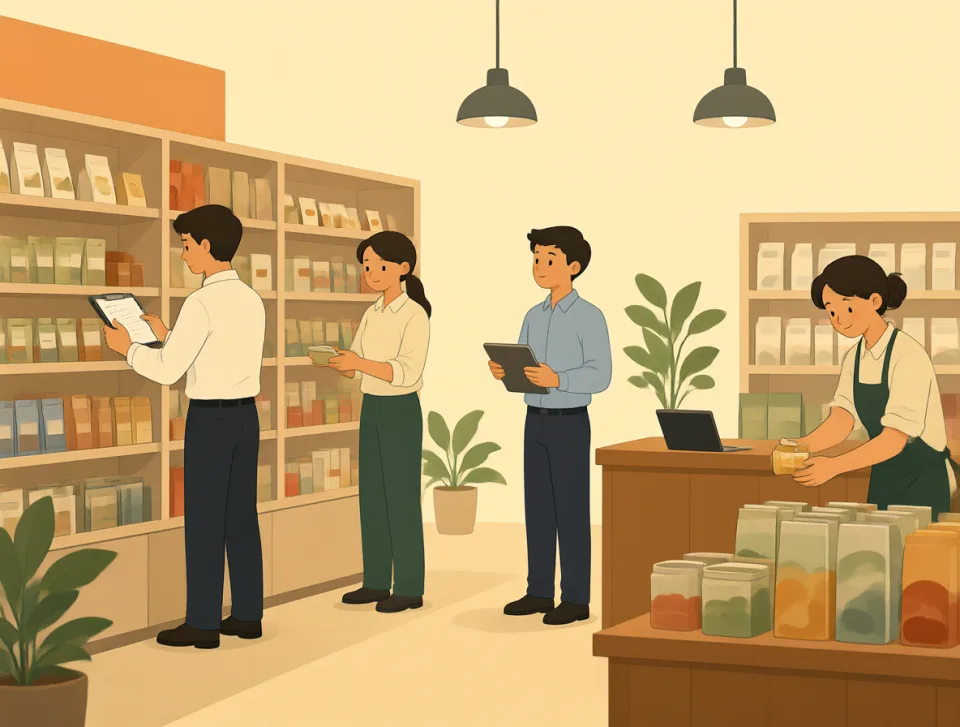
The manager checks the store every morning.
관리자는 매일 아침 가게를 점검합니다.

Please speak to the hotel manager.
호텔 관리자와 이야기해 주세요.

Our manager planned a team meeting.
우리 관리자는 팀 회의를 계획했습니다.
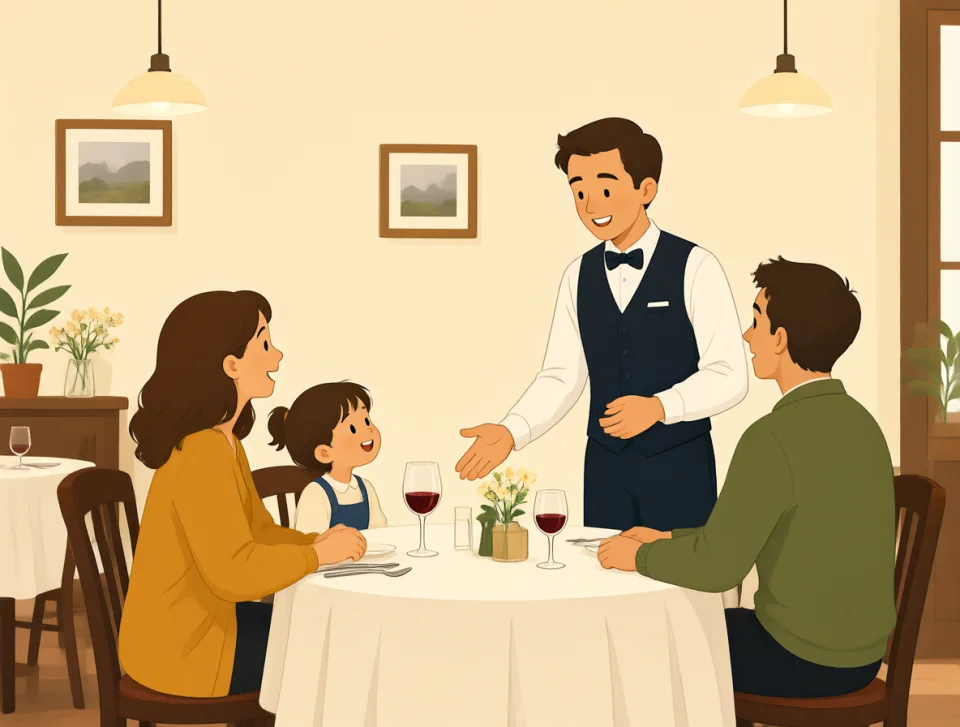
The restaurant manager greeted our family.
레스토랑 관리자가 우리 가족을 맞이했습니다.

The store manager helped me find shoes.
가게 관리자가 제가 신발을 찾는 것을 도와주었습니다.
international
#662adjective
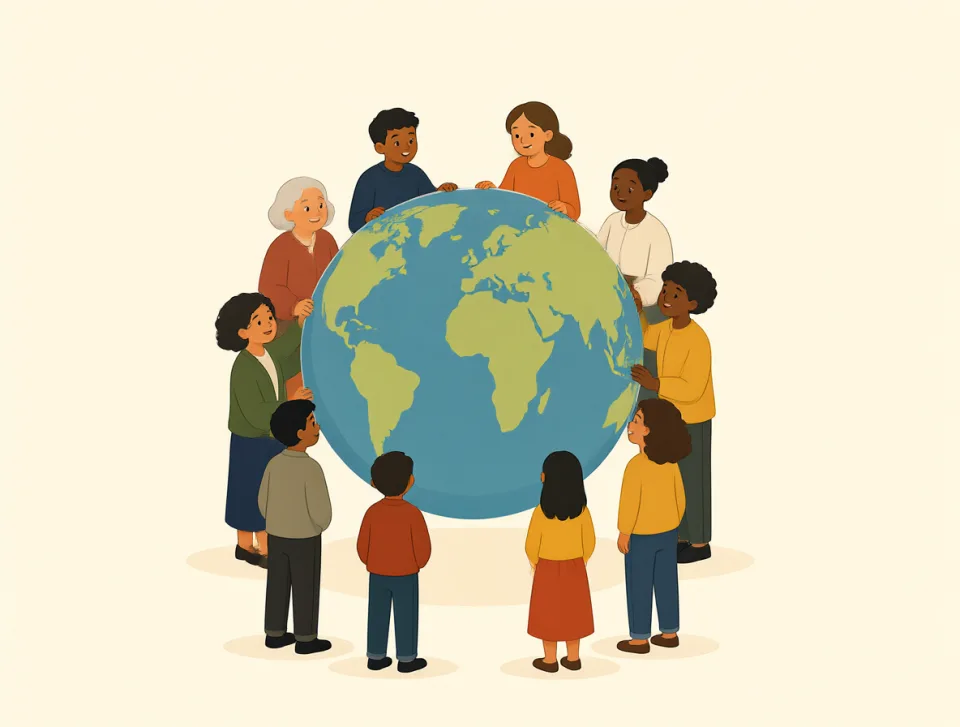
국제적인
involving or shared by people or countries from different parts of the world
세계 여러 지역의 사람들 또는 국가들이 관련되거나 공유하는

She works for an international company.
그녀는 국제적인 회사에서 일해요.
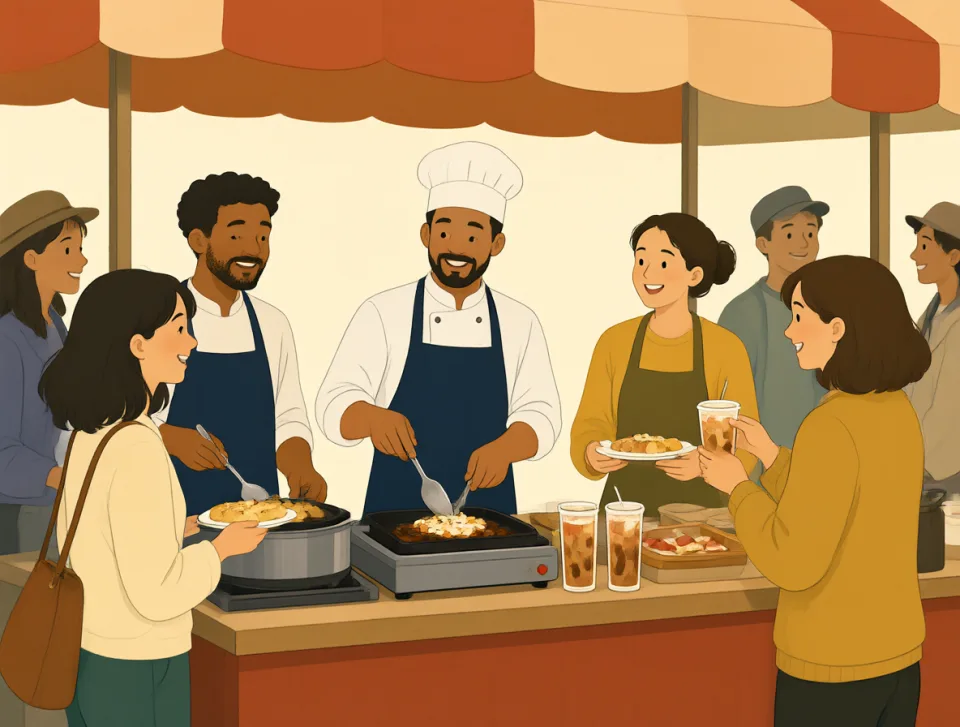
We ate at an international food festival.
우리는 국제 음식 축제에서 식사했어요.
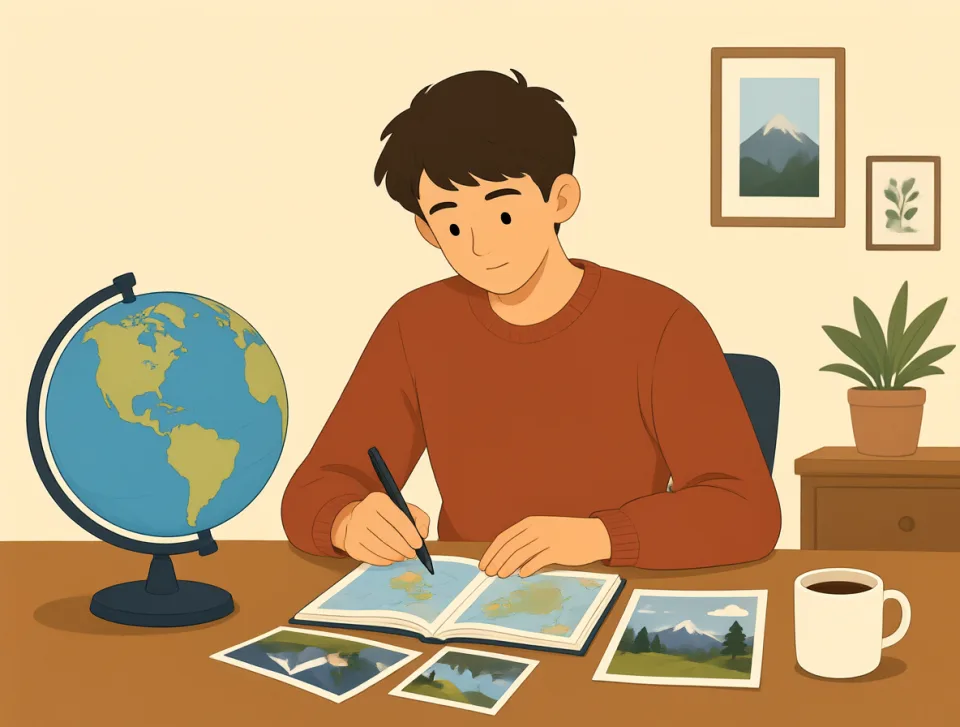
He wants an international career.
그는 국제적인 경력을 쌓고 싶어 해요.

Our school has international students.
우리 학교에는 유학생들이 있어요.
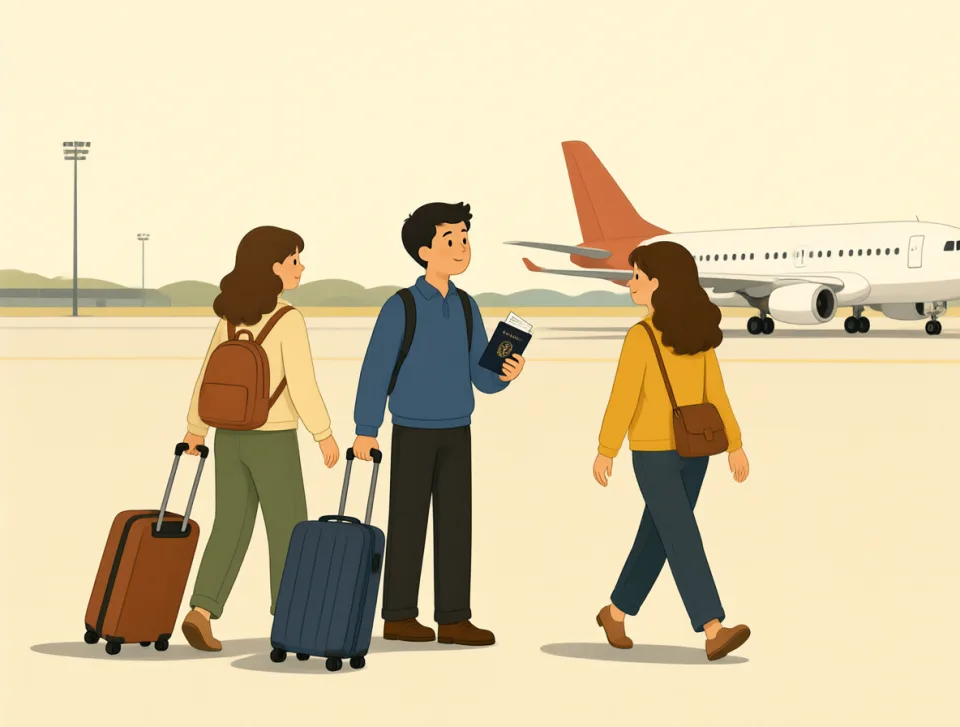
They flew on an international flight.
그들은 국제선 항공편을 탔어요.
contain
#663verb
포함하다; 담고 있다
to have something inside or include something
안에 무언가를 가지고 있거나 무언가를 포함하다
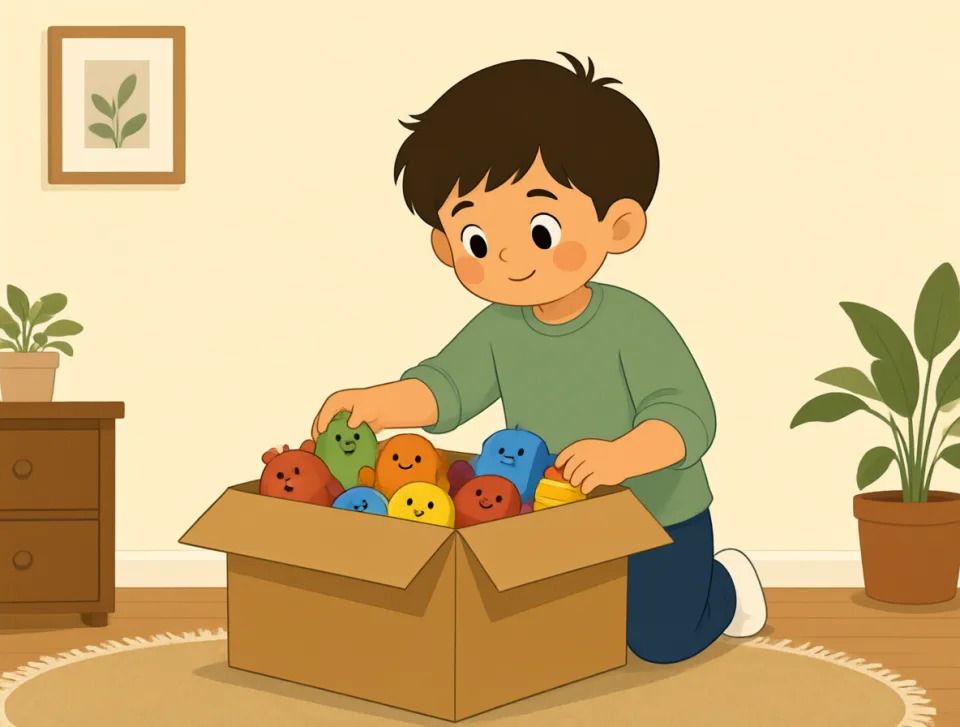
This box contains six small toys.
이 상자에는 작은 장난감이 여섯 개 들어 있다.
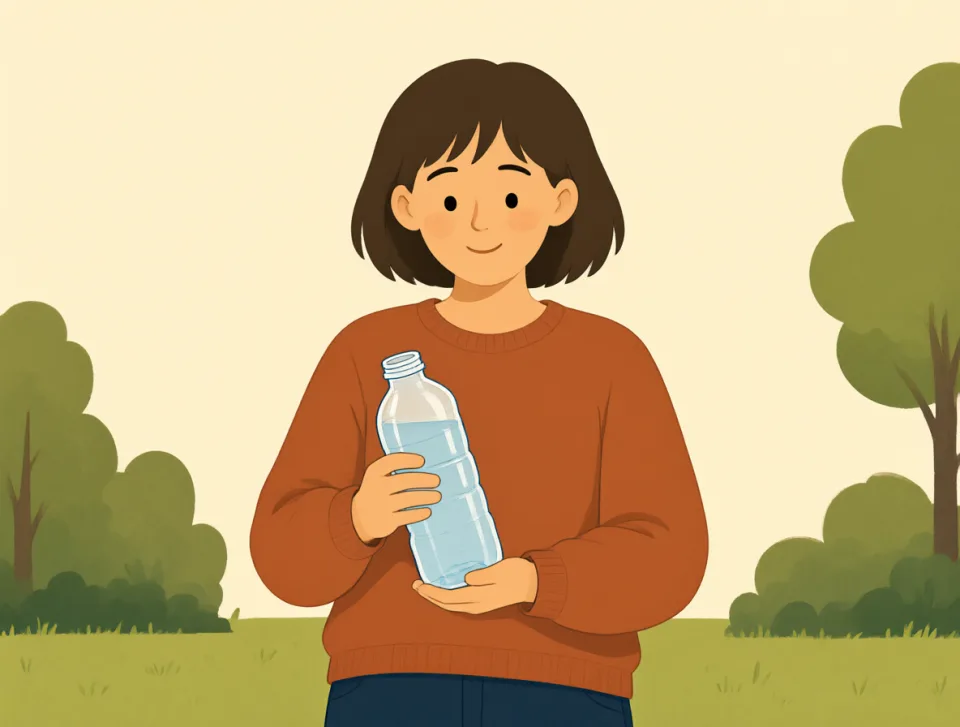
The bottle contains clean drinking water.
이 병에는 깨끗한 식수가 들어 있다.
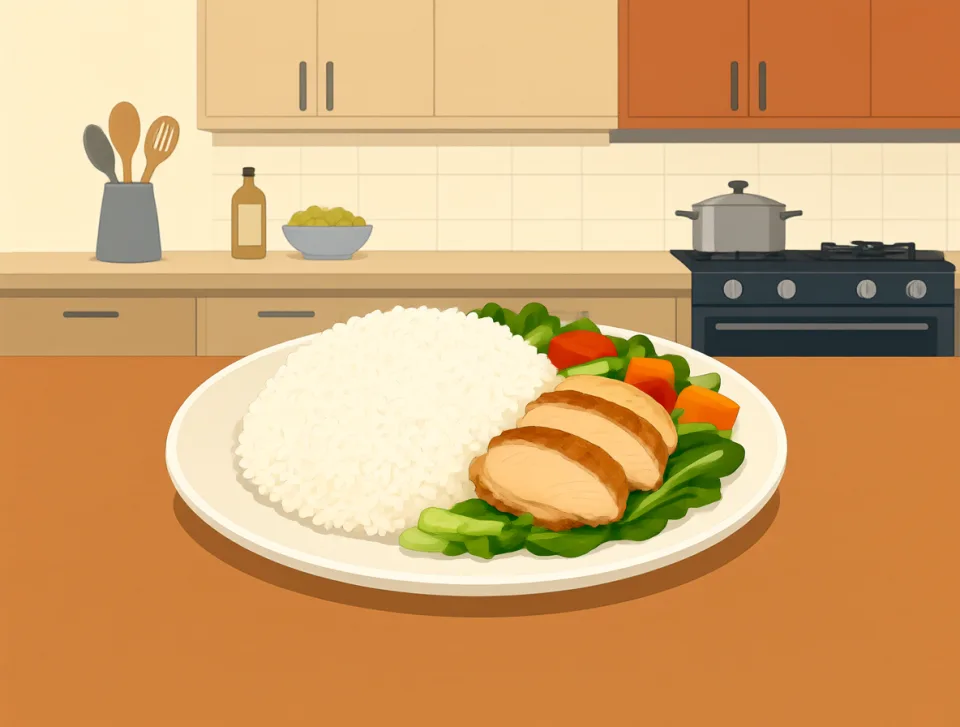
This meal contains rice, vegetables, and chicken.
이 음식에는 쌀, 채소, 닭고기가 들어 있다.
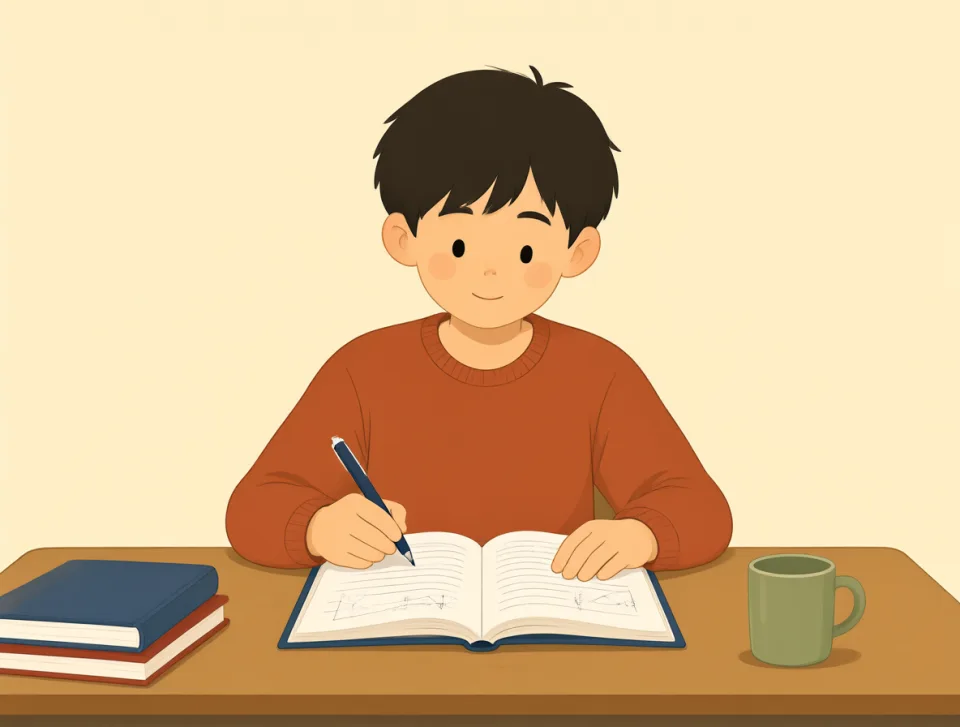
The book contains useful grammar exercises.
이 책에는 유용한 문법 연습 문제가 들어 있다.
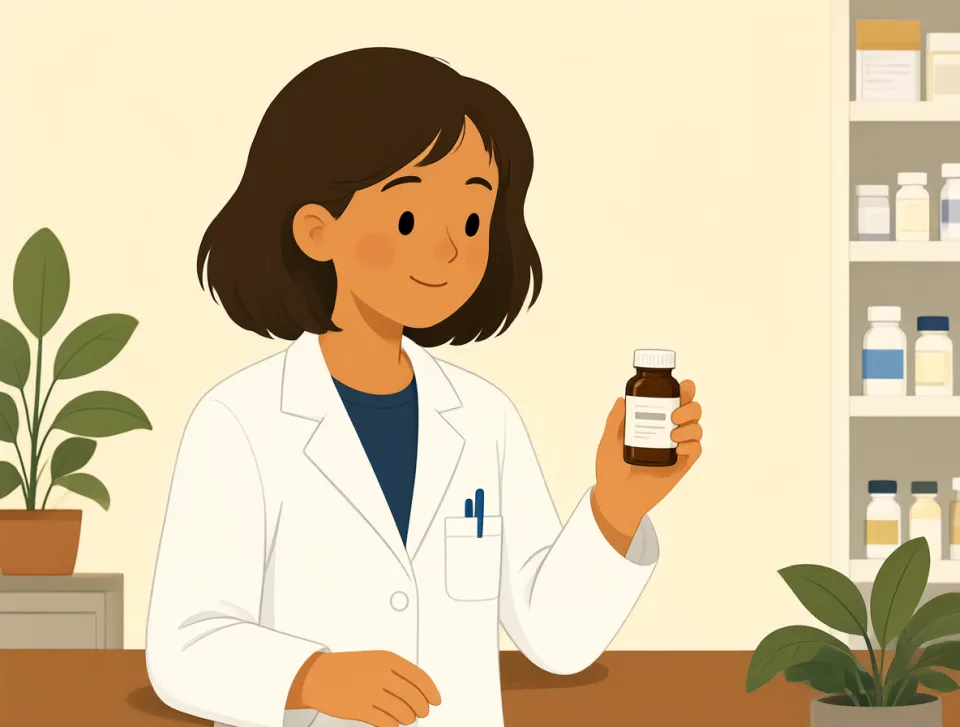
The medicine contains natural ingredients.
이 약에는 천연 성분이 들어 있다.
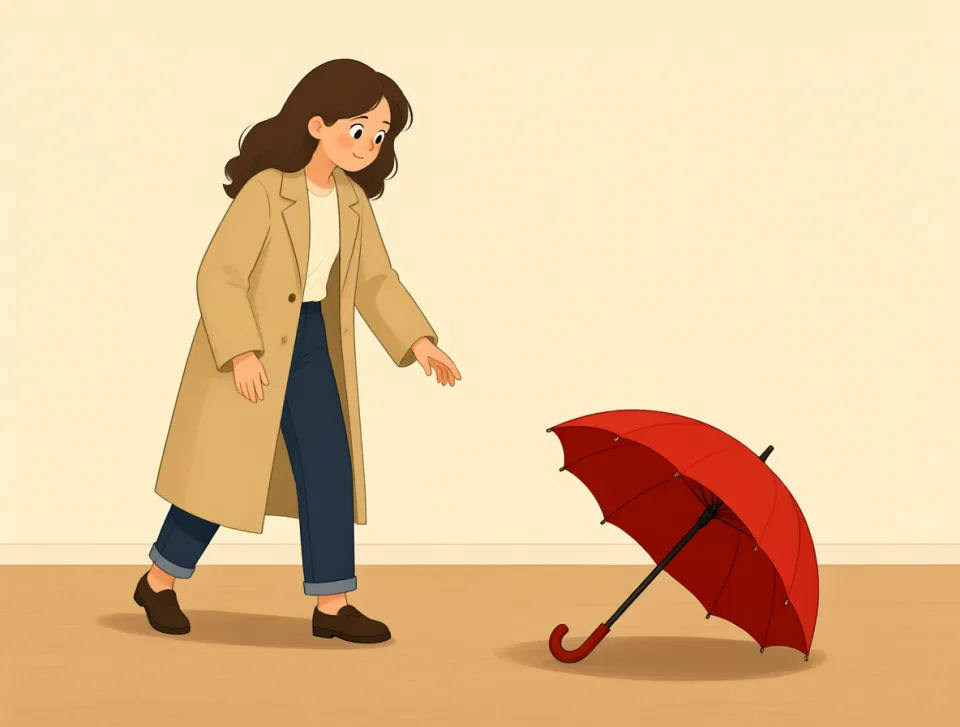
notice
#664verb, noun
알아차리다; 공지
to see or become aware of something; a short written announcement about something
무언가를 보거나 인식하게 되다; 어떤 일에 관한 짧은 안내문
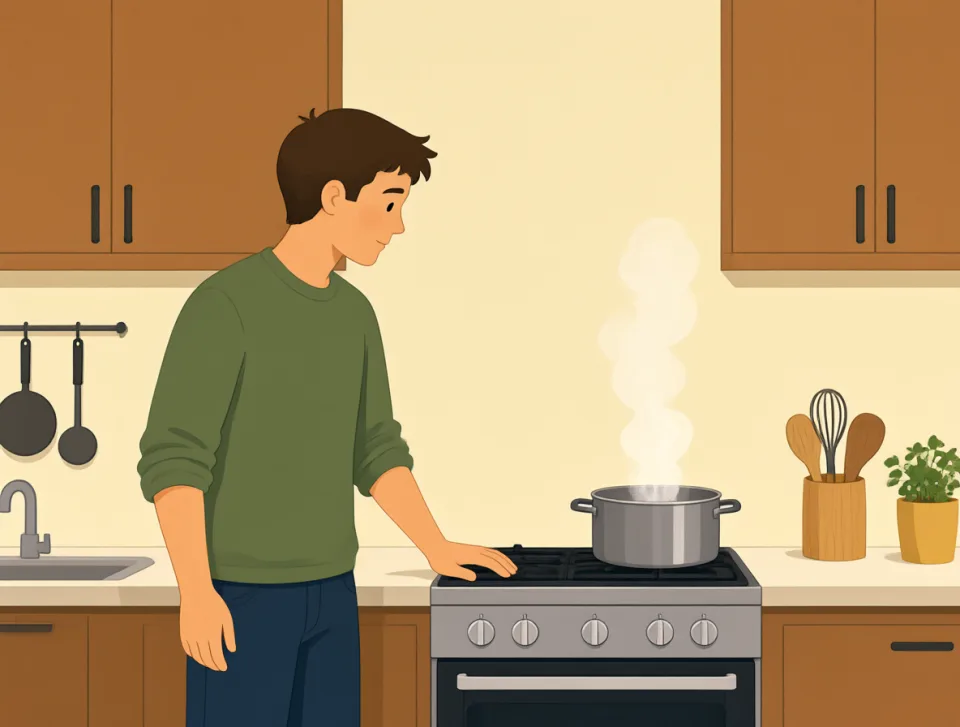
I noticed a strange smell in the kitchen.
주방에서 이상한 냄새가 나는 것을 알아차렸어요.
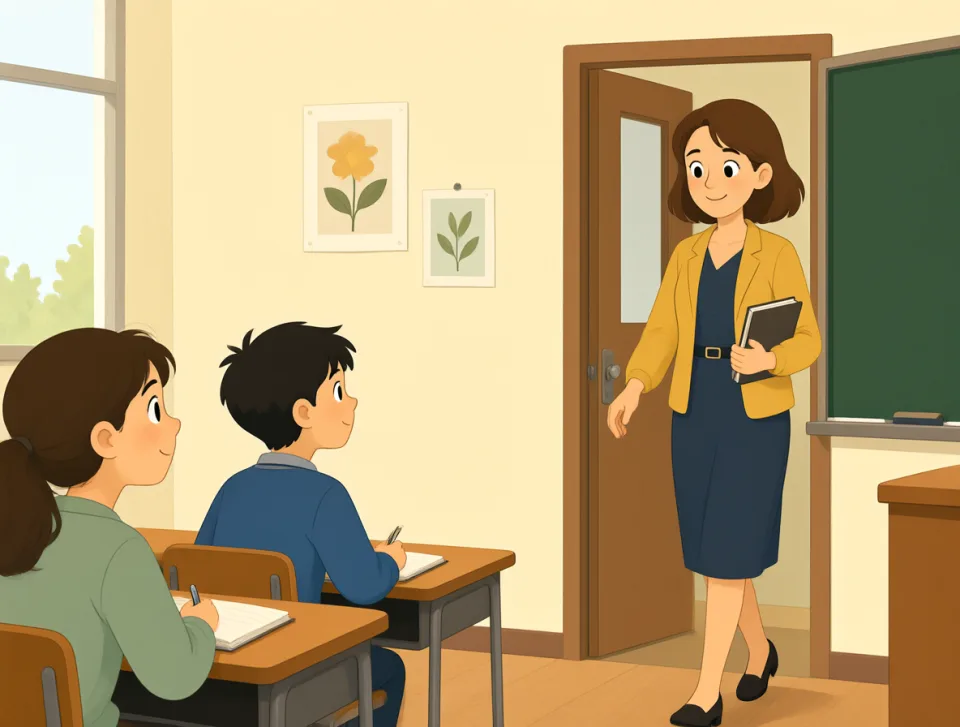
Did you notice the new teacher today?
오늘 새 선생님을 봤어요?
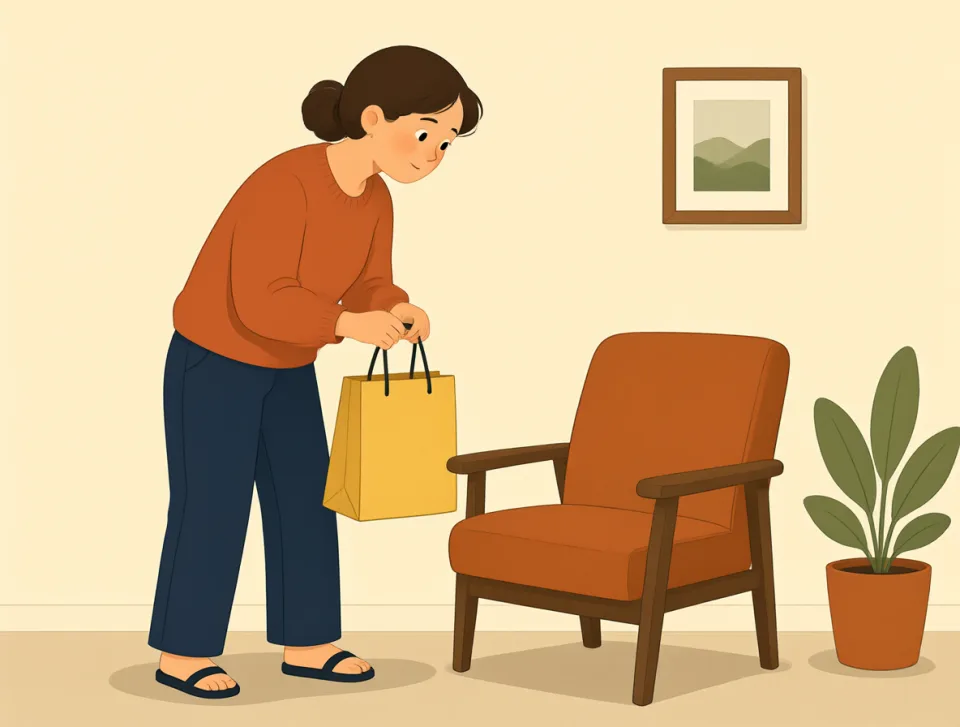
She noticed that her bag was missing.
그녀는 가방이 없어진 것을 알아차렸어요.

We noticed a small café near the station.
우리는 역 근처에 작은 카페가 있는 것을 발견했어요.

I read the notice on the office door.
사무실 문에 붙은 공지를 읽었어요.
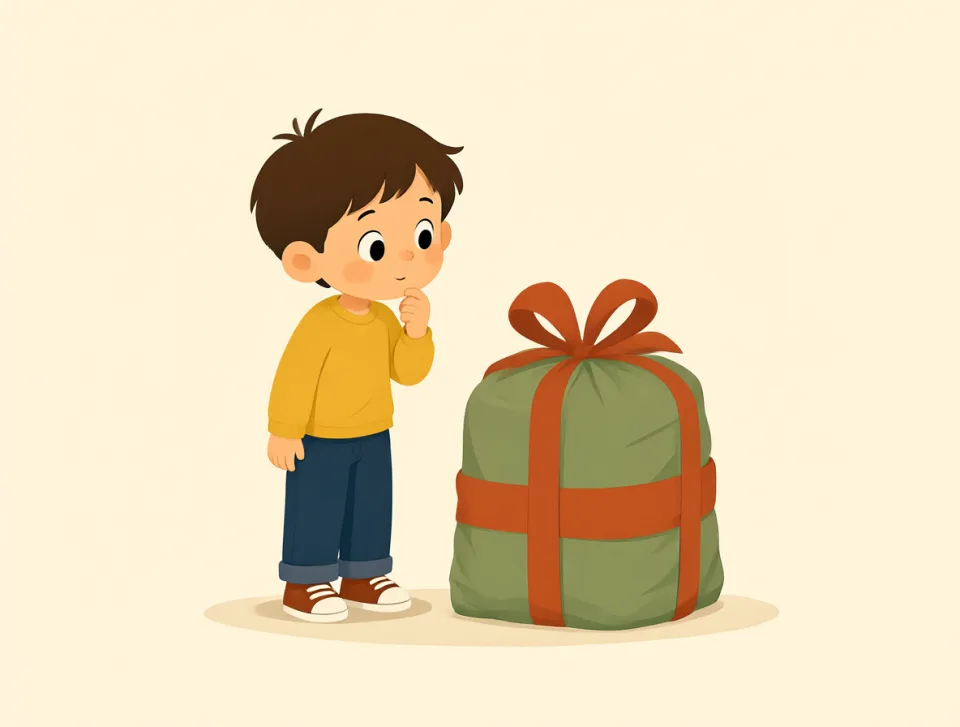
wonder
#665noun, verb
궁금해하다; 경이로운 것; 감탄하다
To think about something and want to know more about it.
어떤 것에 대해 생각하며 더 알고 싶어 하다.
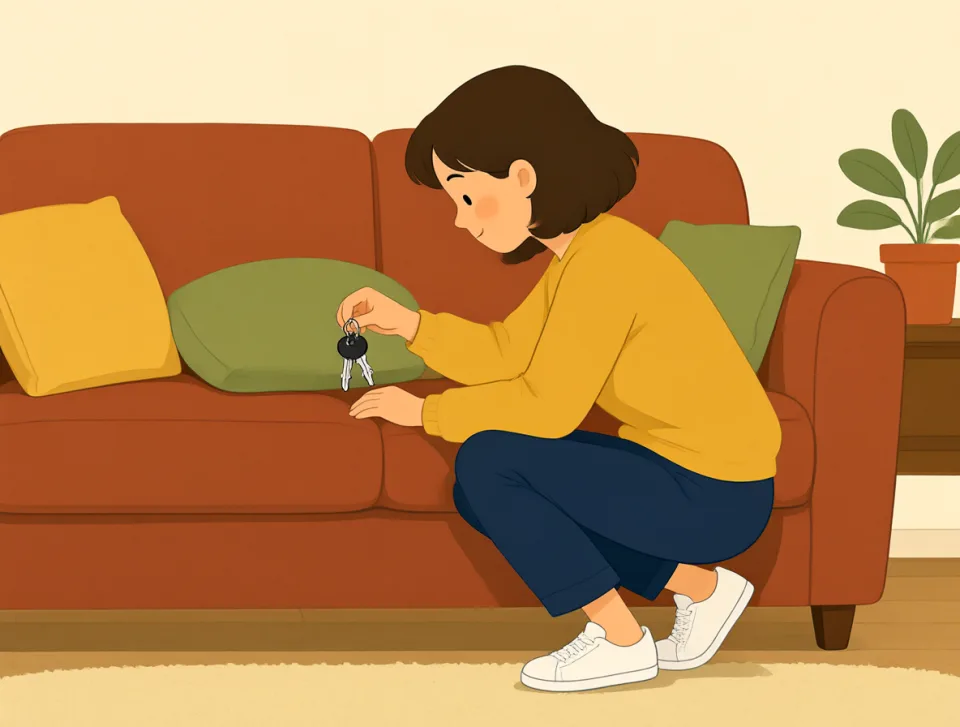
I wonder where my keys are.
내 열쇠가 어디 있는지 궁금하다.

She wondered why he was late.
그녀는 그가 왜 늦었는지 궁금해했다.
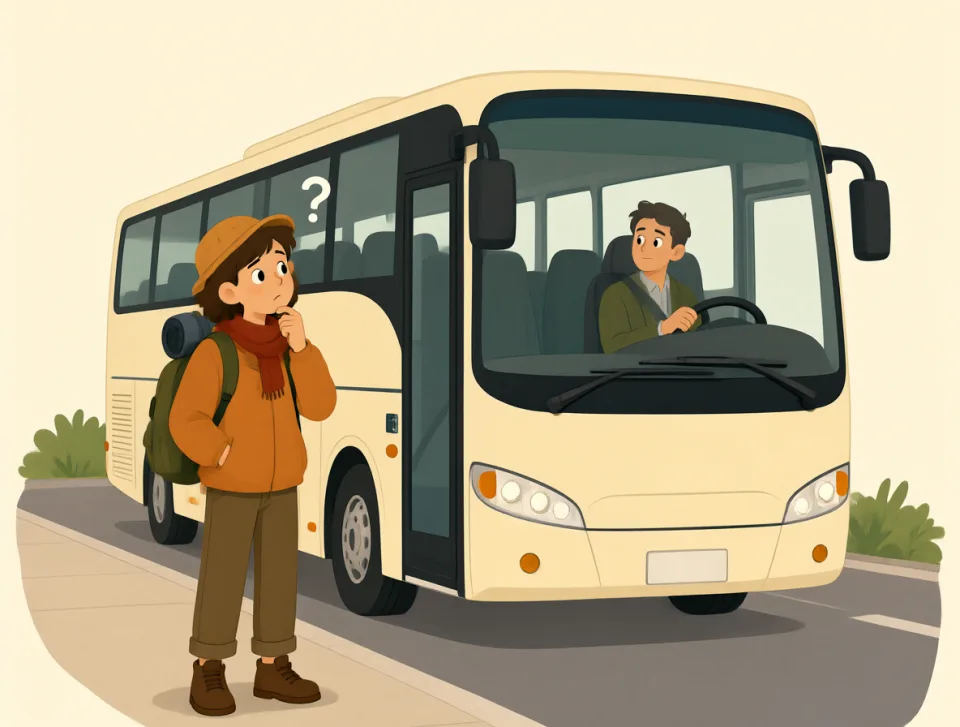
I wonder if this bus goes downtown.
이 버스가 시내로 가는지 궁금하다.

The new baby is a wonder.
갓난아기는 정말 경이롭다.

We wondered at the beautiful mountain view.
우리는 아름다운 산 경치에 감탄했다.
nature
#666noun
자연
the natural world, including plants, animals, and places not made by people
식물, 동물, 사람에 의해 만들어지지 않은 장소를 포함한 자연 세계
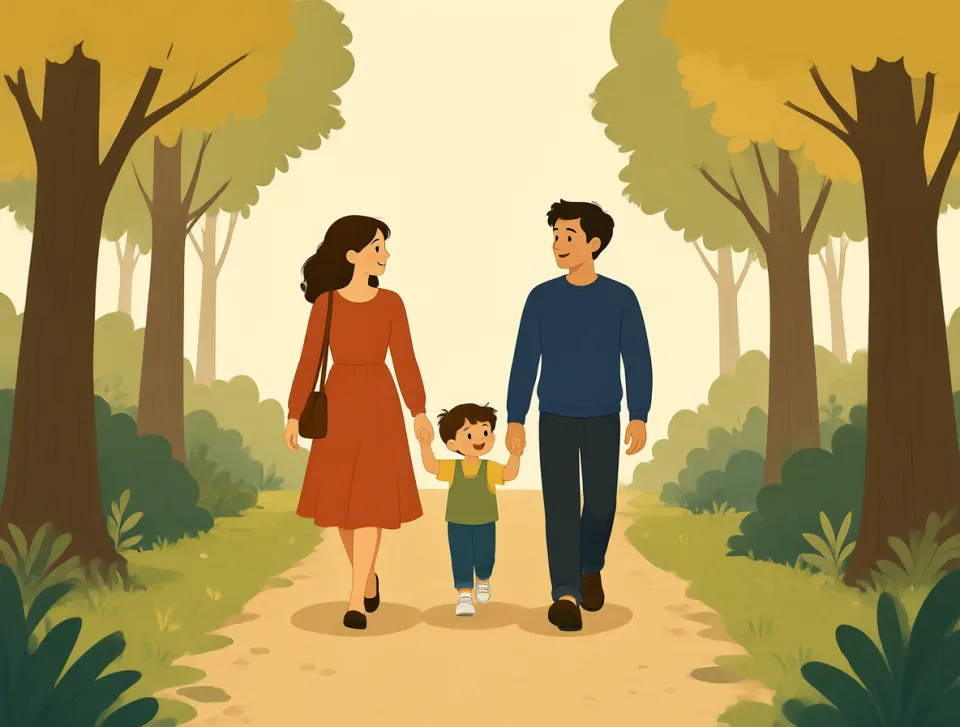
We walked in nature after breakfast.
아침 식사 후 자연 속을 걸었어요.
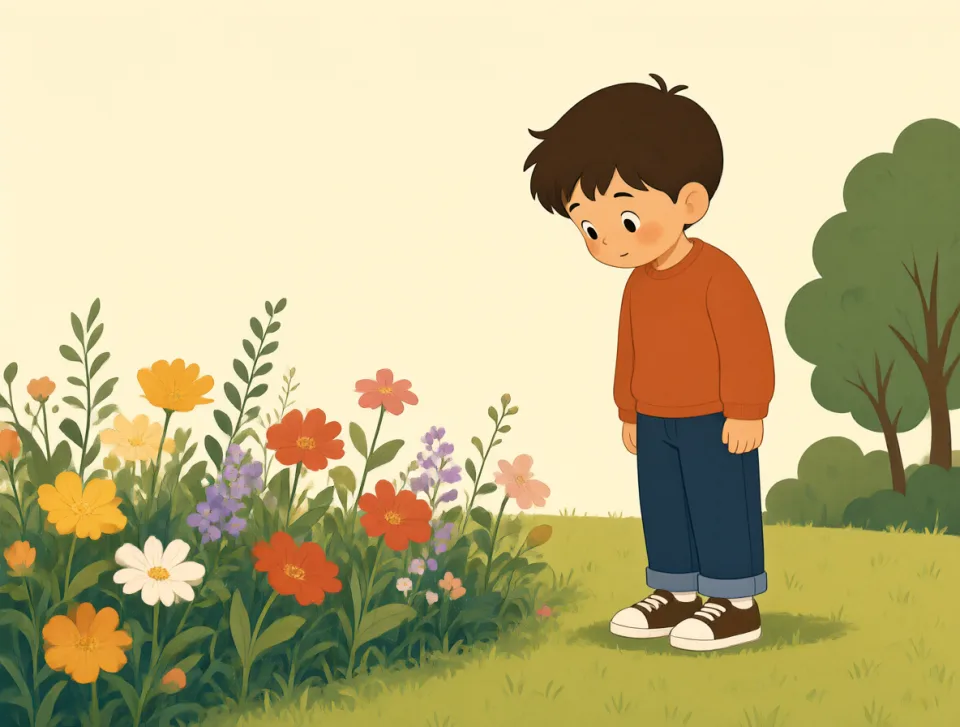
Nature is beautiful in the spring.
봄에는 자연이 아름다워요.

This park is a great place to enjoy nature.
이 공원은 자연을 즐기기에 좋은 곳이에요.

She loves taking nature photos on trips.
그녀는 여행 중에 자연 사진 찍는 걸 좋아해요.

The doctor says nature can reduce stress.
의사는 자연이 스트레스를 줄일 수 있다고 말해요.
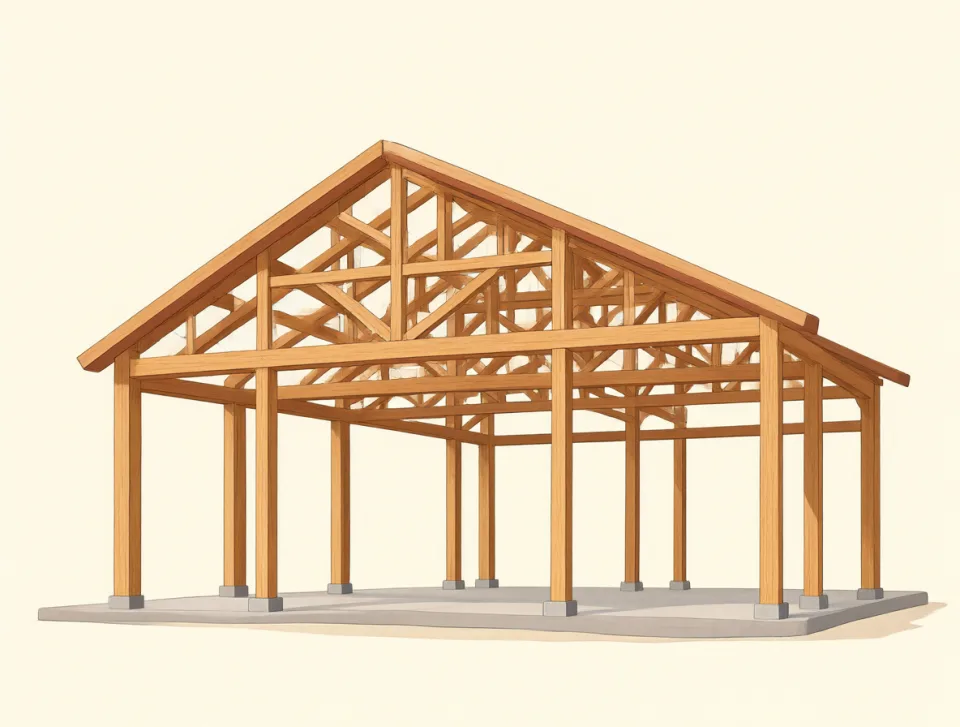
structure
#667noun, verb
구조; 구성하다
The way parts are arranged and connected; to arrange parts in a clear way.
부분들이 배열되고 연결된 방식; 부분들을 명확한 방식으로 배열하다.
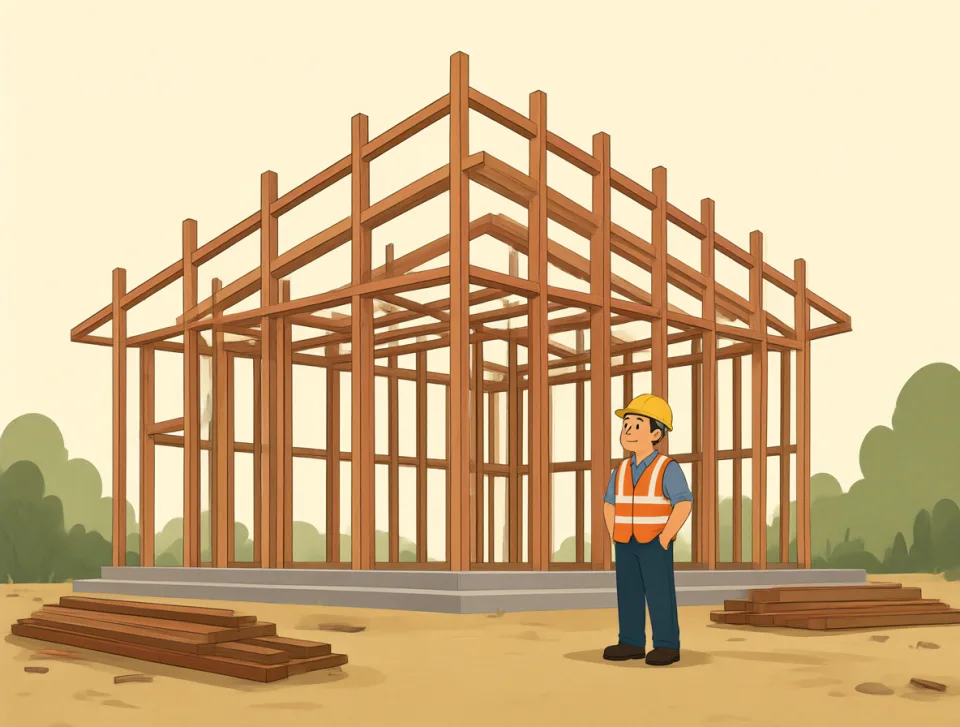
The building has a strong structure.
그 건물은 튼튼한 구조를 갖추고 있다.
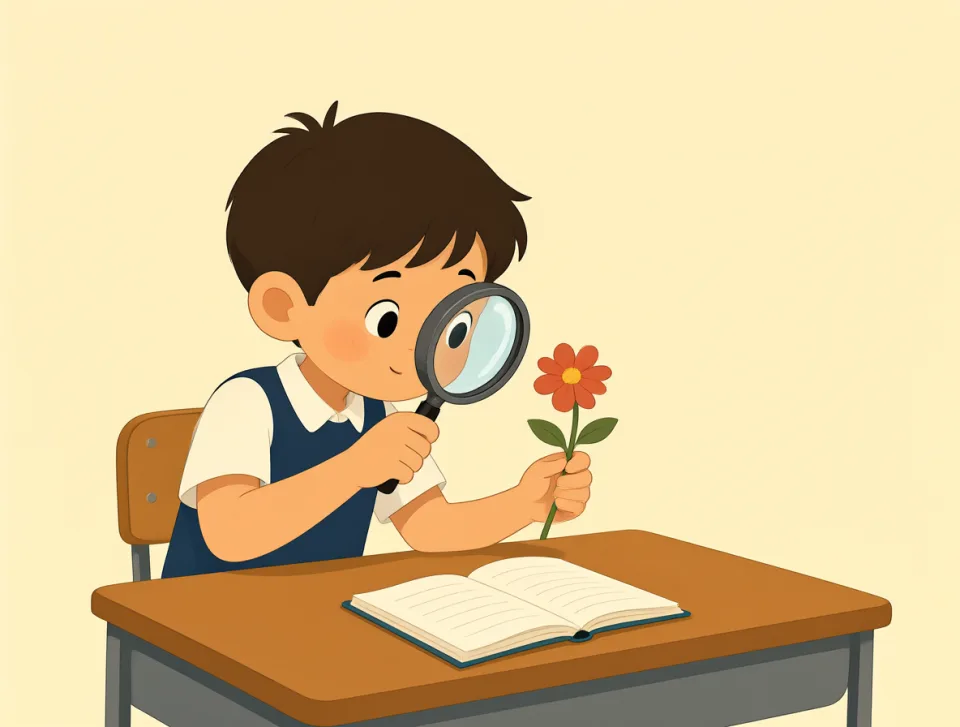
We studied the structure of a flower.
우리는 꽃의 구조를 공부했다.
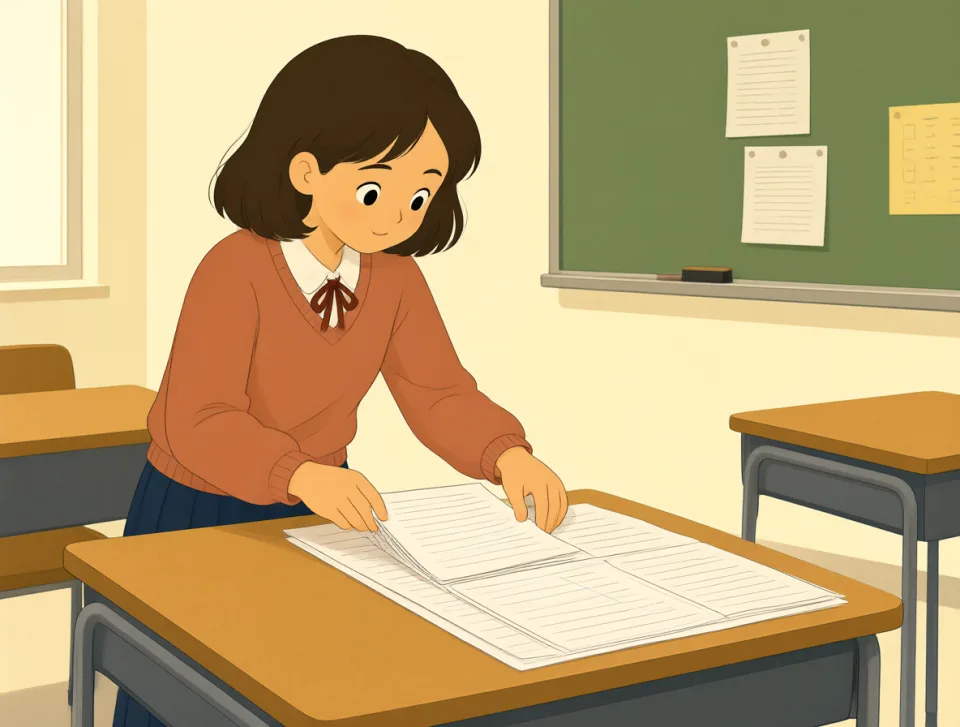
The essay has a clear structure.
그 글은 구성이 명확하다.
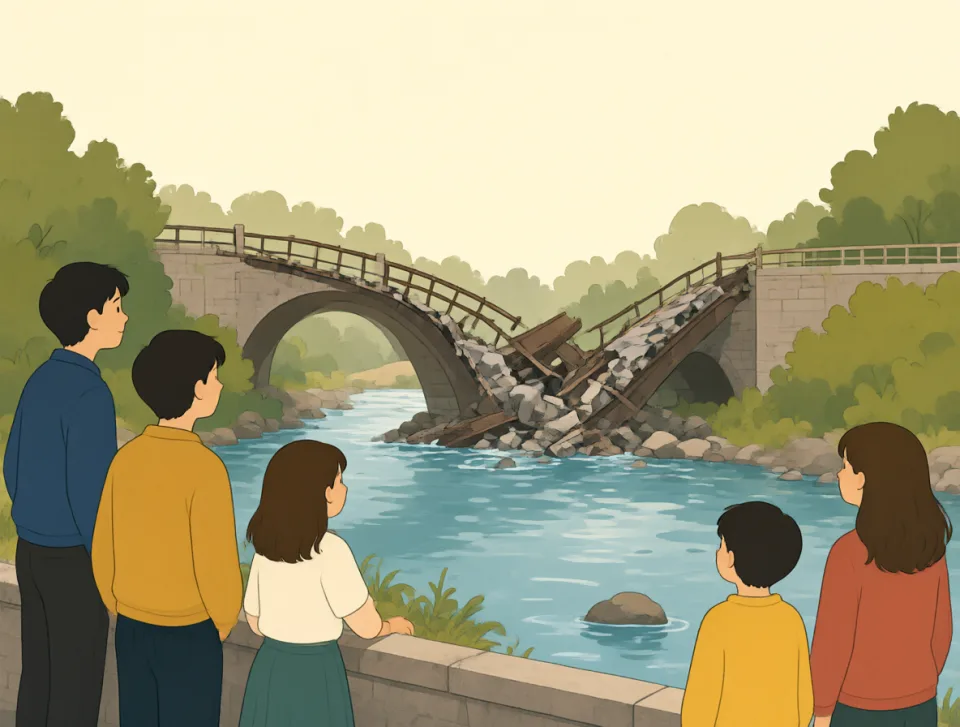
The bridge structure was damaged by the storm.
폭풍으로 다리 구조물이 손상되었다.
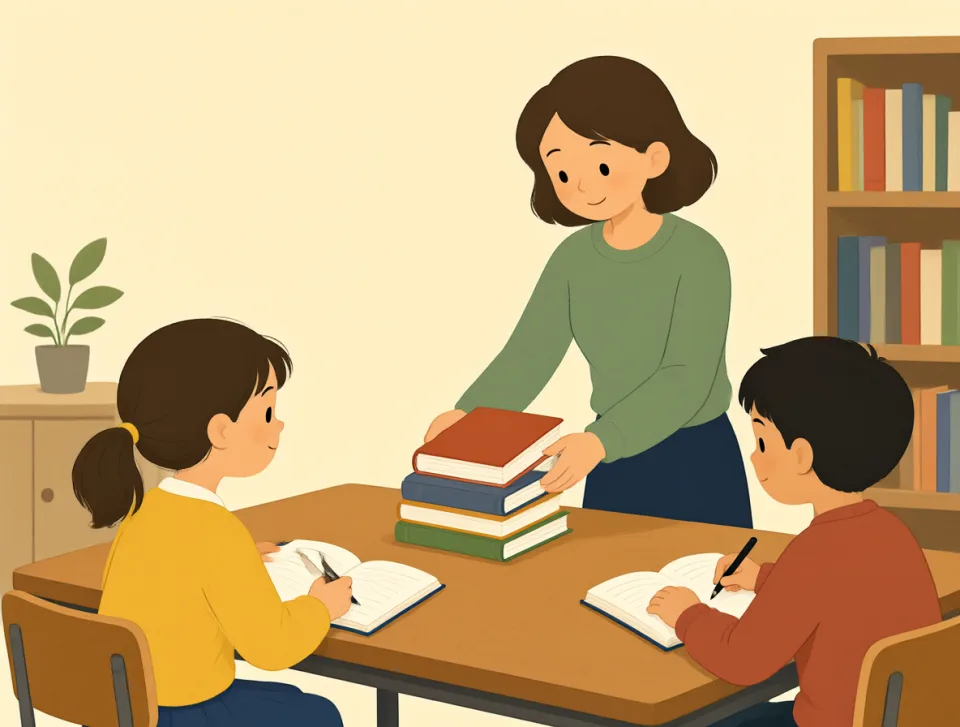
The teacher structured the lesson carefully.
선생님은 수업을 신중하게 구성했다.
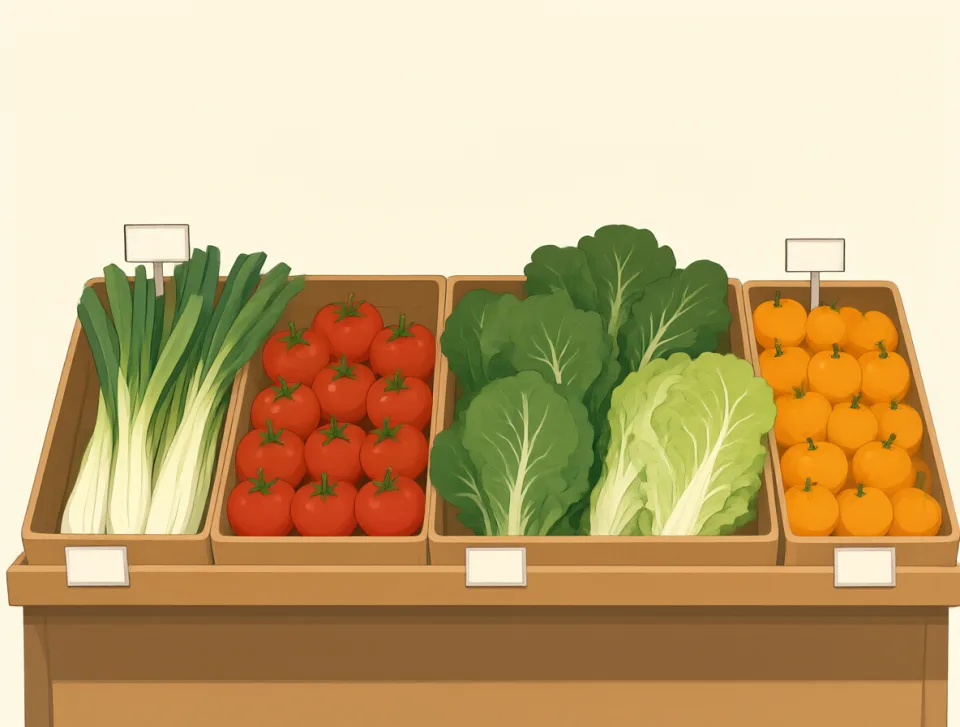
section
#668noun, verb
부분; 구역; 부문; 나누다
One part of something larger, such as a book, store, or group.
책, 상점, 집단처럼 더 큰 것의 한 부분.
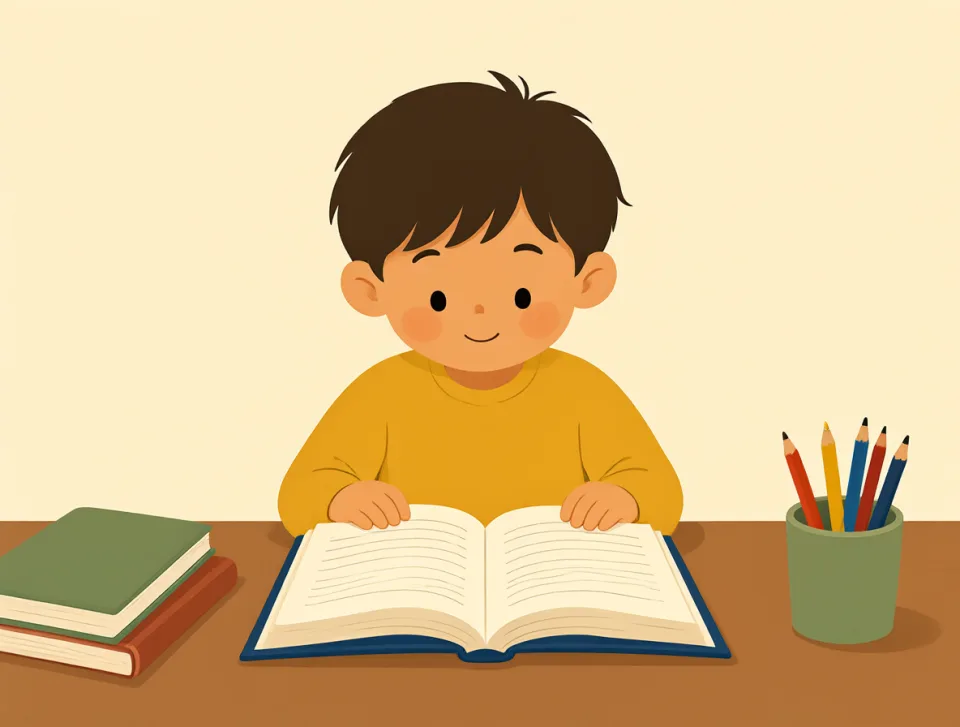
Please read the next section of the book.
책의 다음 부분을 읽어 주세요.

The store has a large clothing section.
그 가게에는 의류 코너가 크게 마련되어 있다.

We sat in the front section of the train.
우리는 기차 앞쪽 칸에 앉았다.
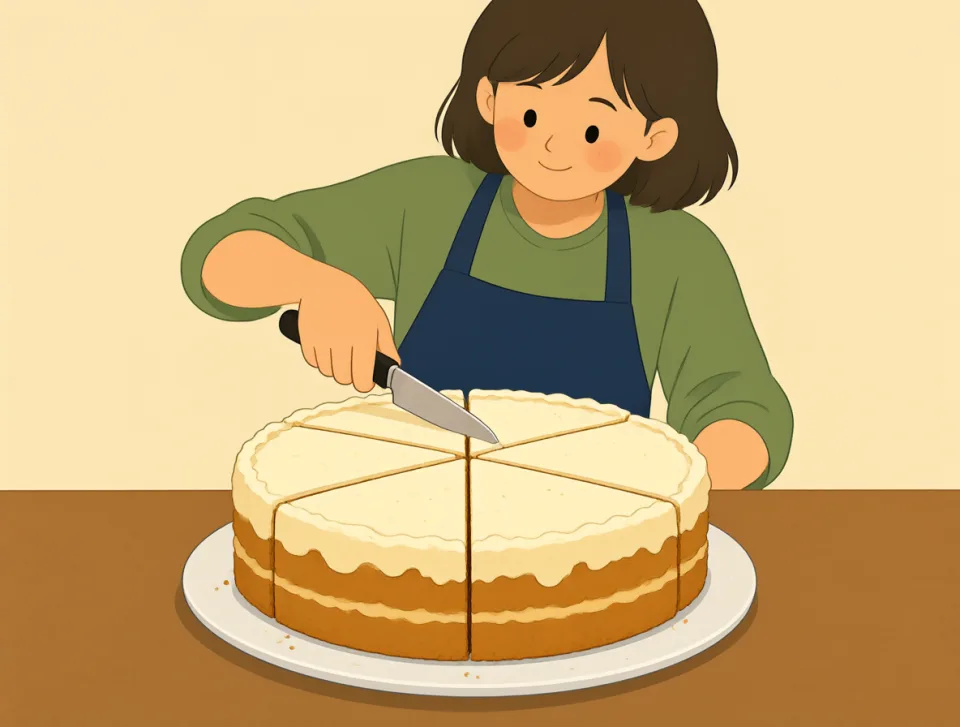
Cut the cake into six equal sections.
케이크를 똑같은 크기의 여섯 조각으로 자르세요.
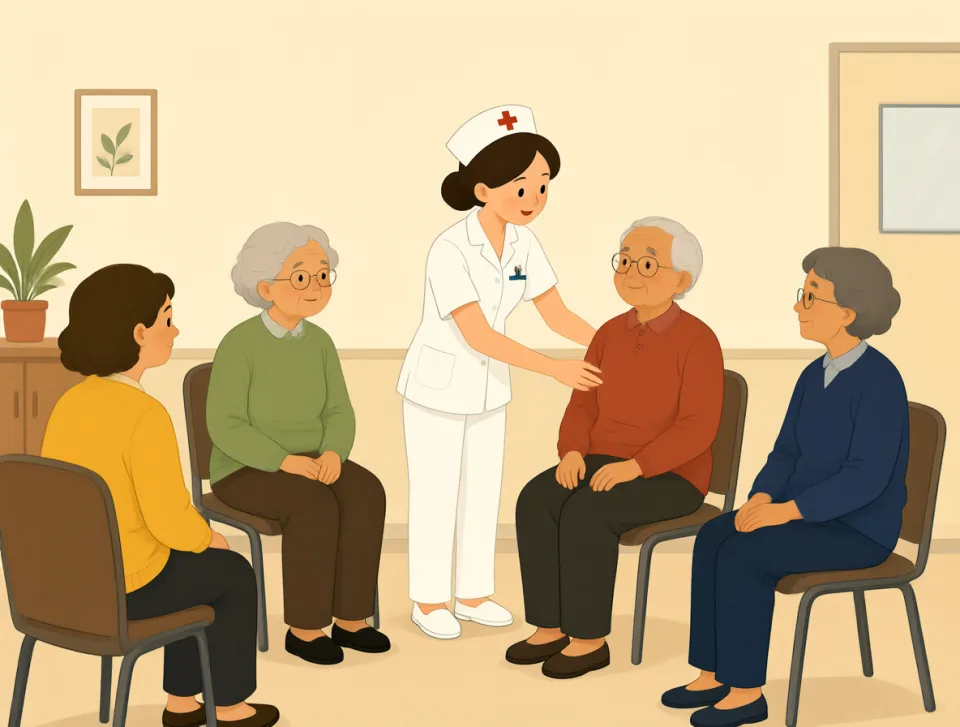
The nurse sectioned the patients into small groups.
간호사는 환자들을 소그룹으로 나누었다.
myself
#669pronoun
나 자신; 나 스스로
used to refer to the speaker as the object of an action or for emphasis
행동의 대상이 된 말하는 사람 자신을 가리키거나 강조할 때 사용함
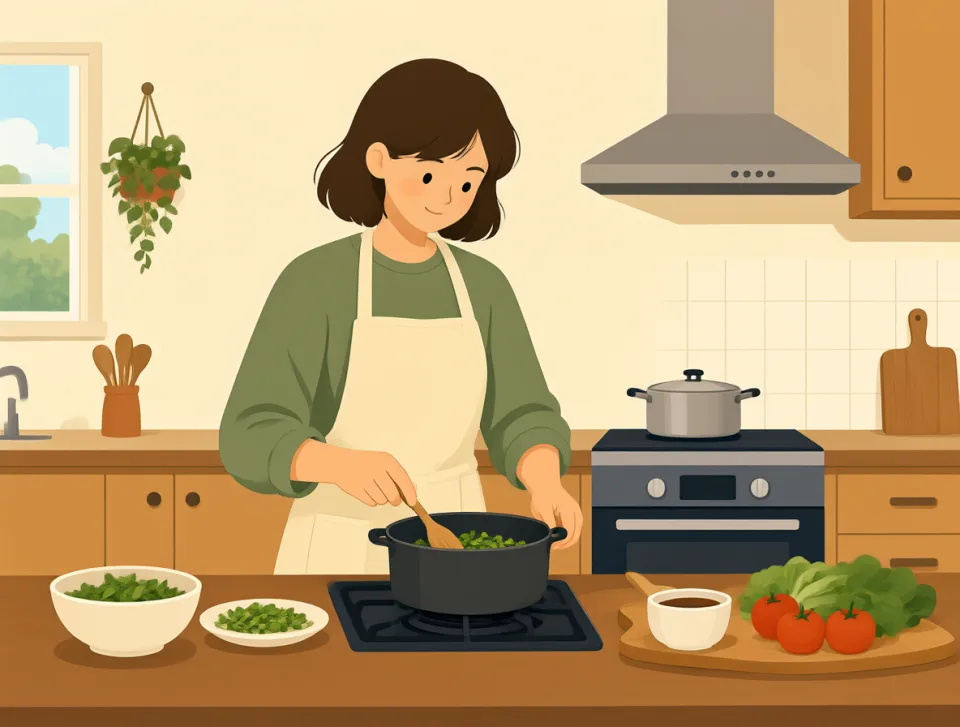
I taught myself to cook.
나는 요리를 독학으로 배웠다.
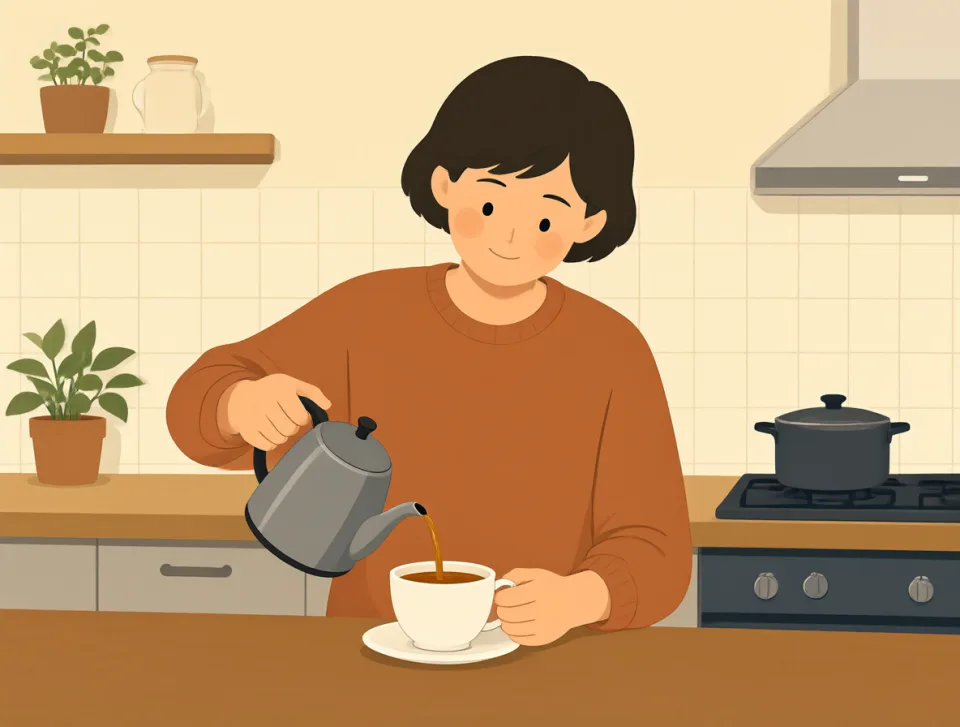
I made myself a cup of tea.
나는 나 자신에게 차 한 잔을 만들어 주었다.
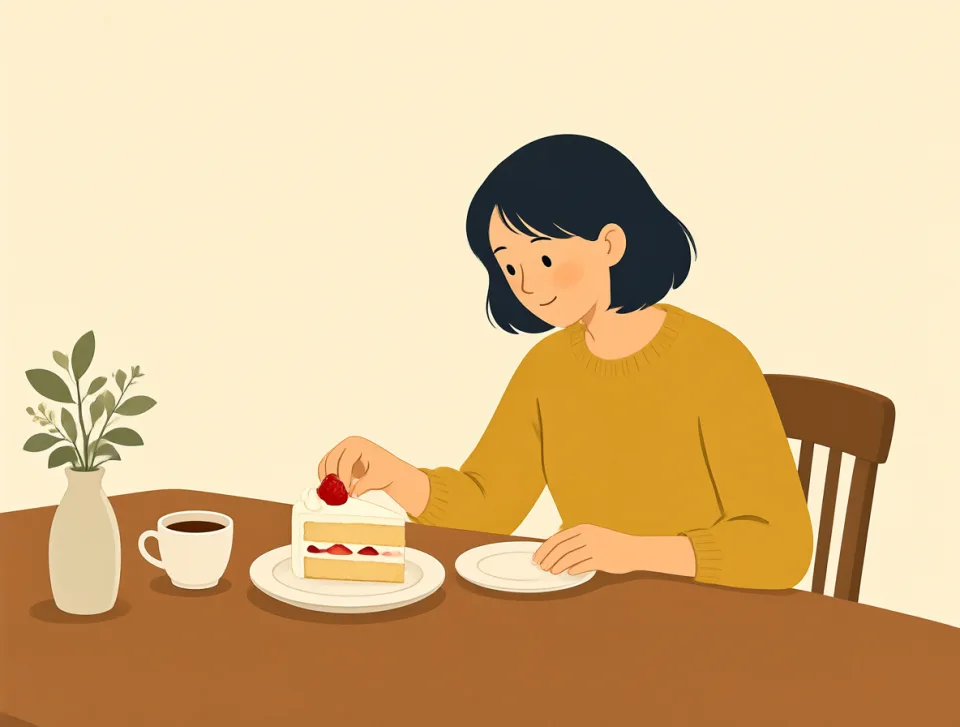
Please help yourself to some cake.
케이크를 마음껏 드세요.
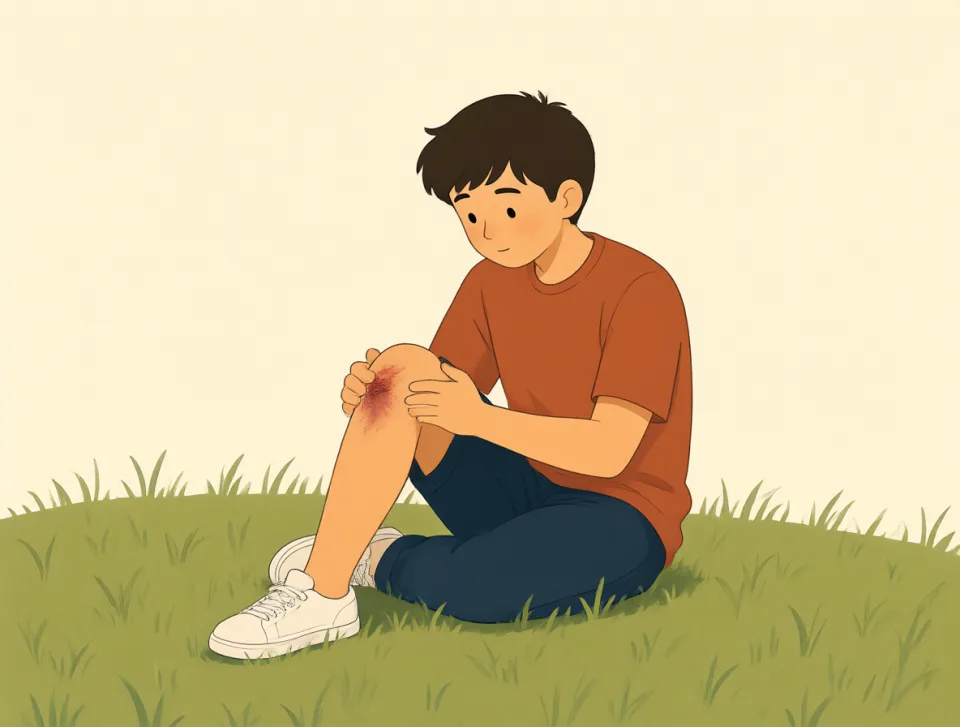
I hurt myself while playing football.
나는 축구를 하다가 다쳤다.

I introduced myself to the new teacher.
나는 새 선생님께 내 소개를 했다.
exactly
#670adverb
정확히; 꼭; 바로
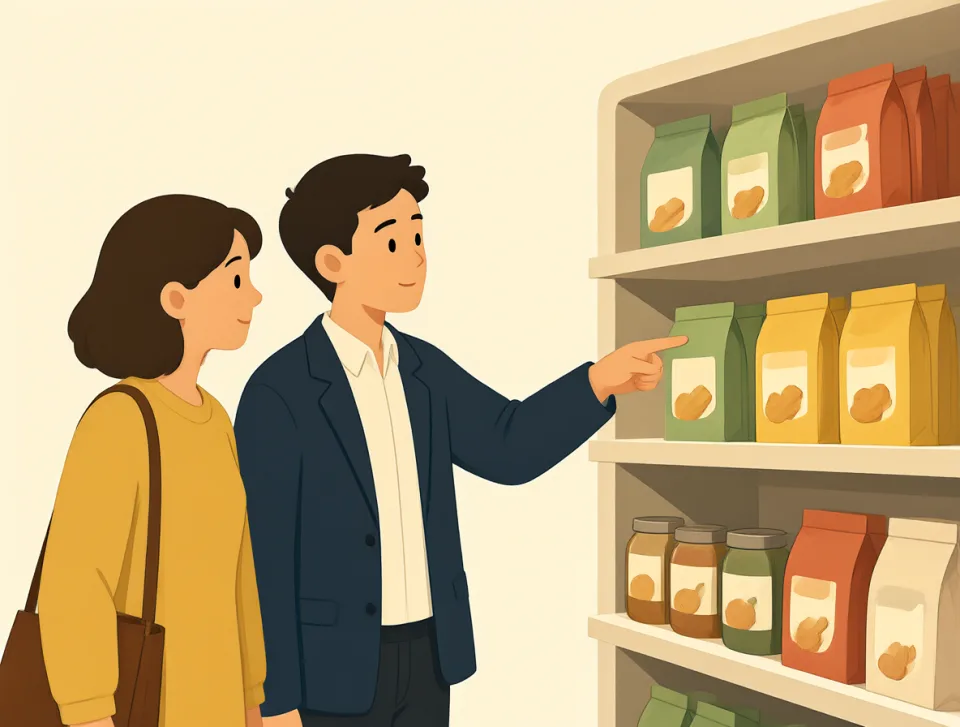
In a way that is completely correct or accurate.
완전히 올바르거나 정확하게.
That is exactly what I need.
그게 바로 내가 필요한 거야.
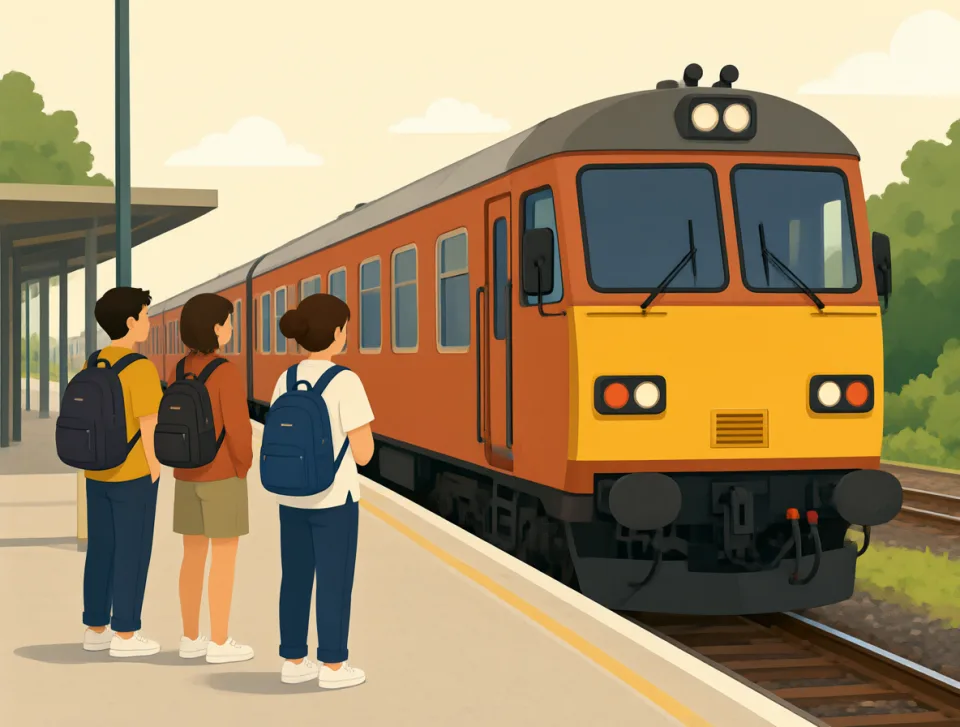
The train arrived exactly at noon.
기차는 정오에 정확히 도착했다.
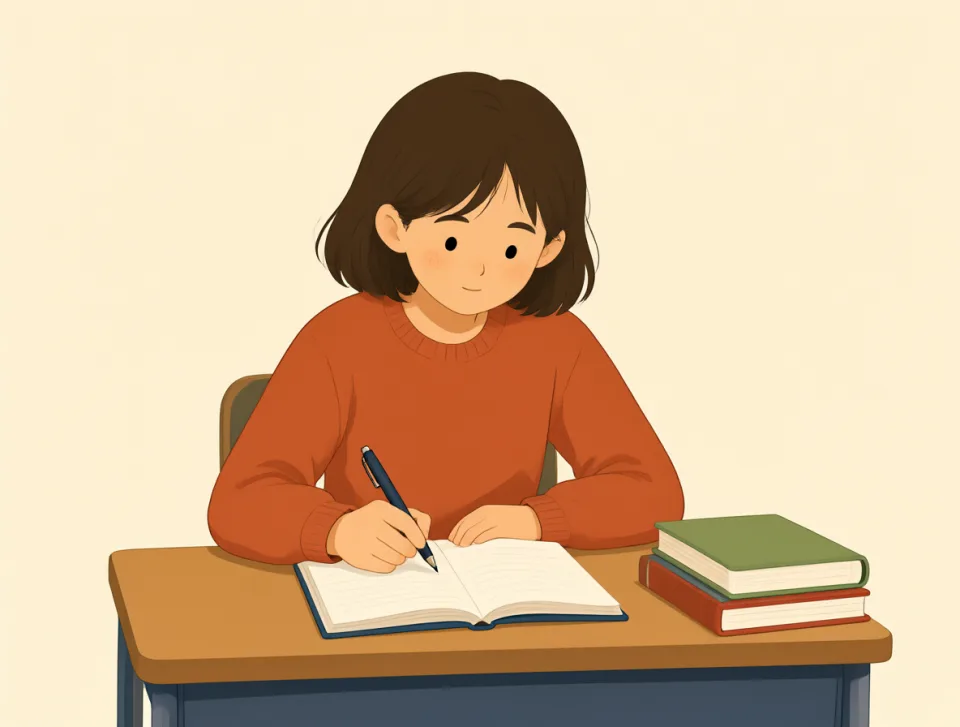
Please write exactly five sentences.
문장을 정확히 다섯 개 써 주세요.

This shirt is exactly my size.
이 셔츠는 딱 내 사이즈다.

He knew exactly how I felt.
그는 내가 어떤 기분인지 정확히 알고 있었다.

plant
#671noun, verb
식물; 심다; 공장; 이식하다
A living thing that grows in soil, or to put something in the ground.
흙에서 자라는 생물 또는 무엇인가를 땅에 심는 것.
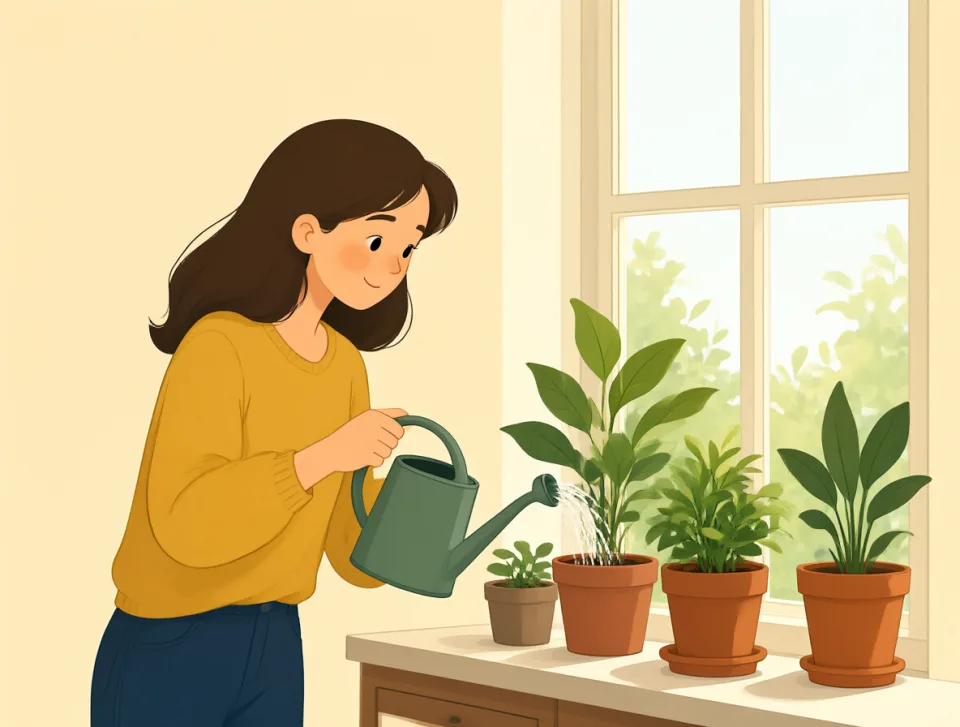
She waters the plants every morning.
그녀는 매일 아침 식물에 물을 줍니다.
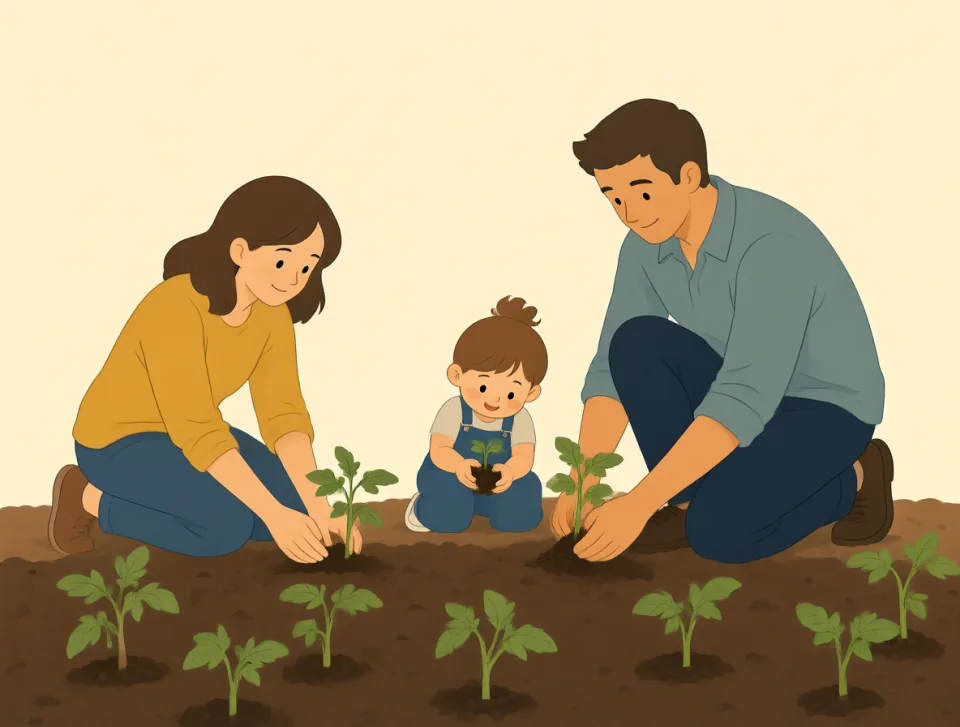
We planted tomatoes in the garden.
우리는 정원에 토마토를 심었습니다.
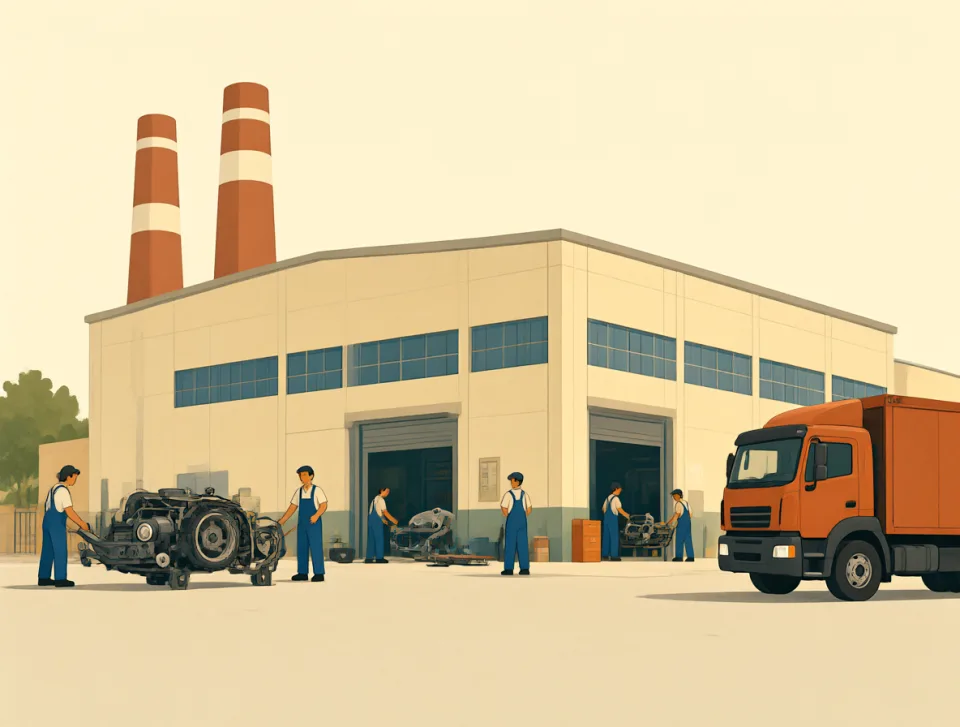
The factory plant makes car parts.
그 공장에서는 자동차 부품을 만듭니다.
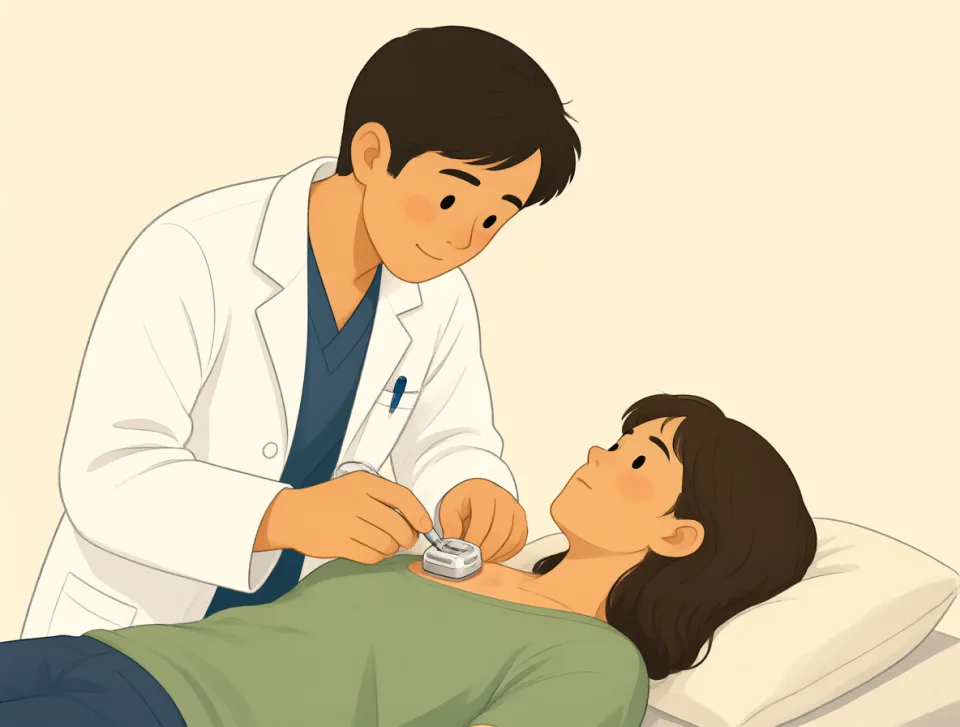
The doctor planted a small device under his skin.
의사는 그의 피부 밑에 작은 장치를 이식했습니다.
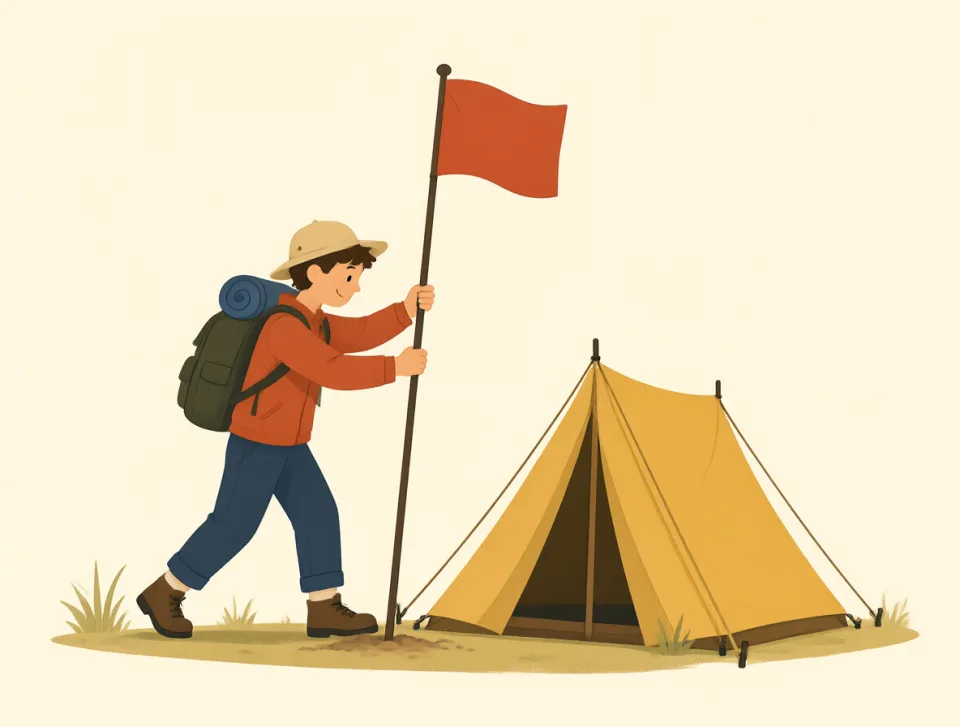
Please plant the flag near the tent.
텐트 근처에 깃발을 꽂아 주세요.

paint
#672noun, verb
페인트; 칠하다; 그리다
A colored liquid used to cover or decorate surfaces; to put color on something.
표면을 덮거나 장식하는 데 쓰는 색이 있는 액체; 무언가에 색을 칠하다.
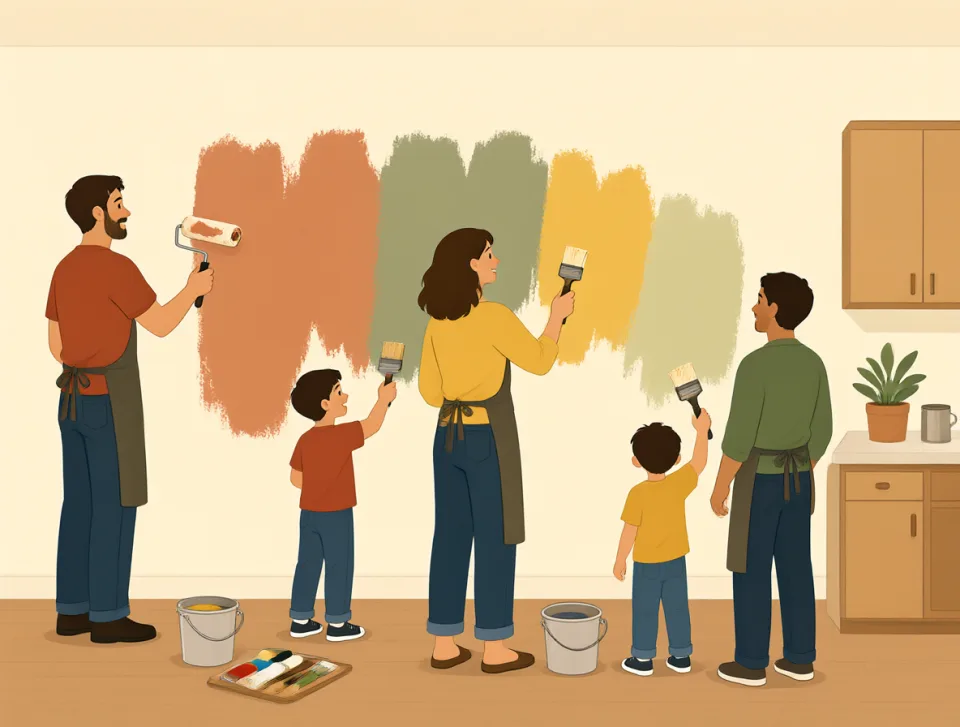
We painted the kitchen walls last weekend.
우리는 지난 주말에 부엌 벽을 칠했다.
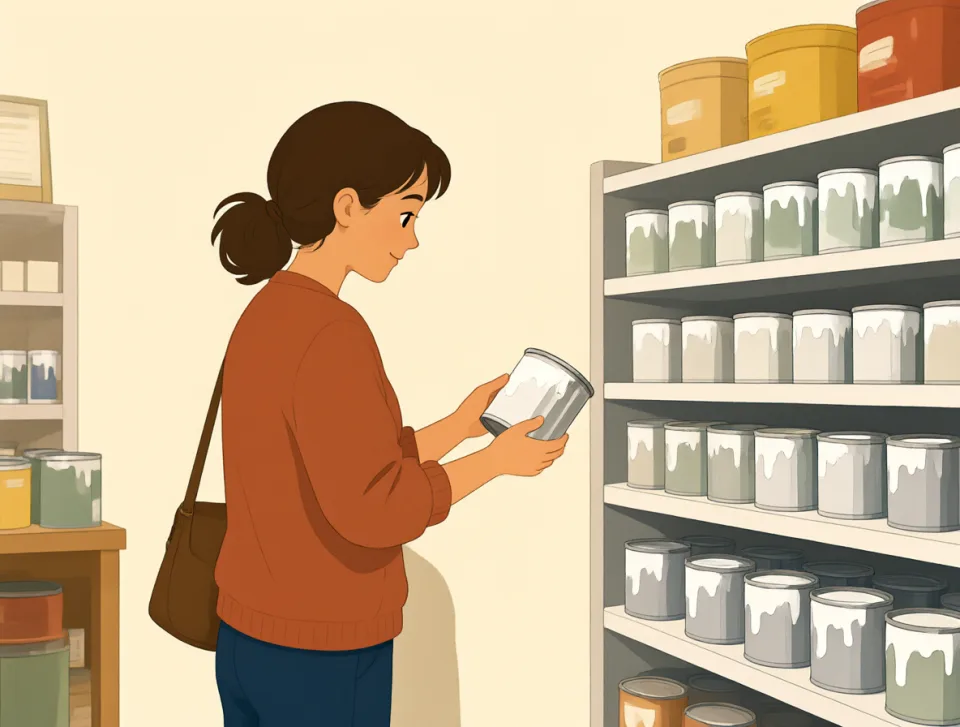
She bought white paint for the bedroom.
그녀는 침실에 칠할 흰색 페인트를 샀다.

The children are painting pictures at school.
아이들은 학교에서 그림을 그리고 있다.

He painted the chair green yesterday.
그는 어제 의자를 초록색으로 칠했다.
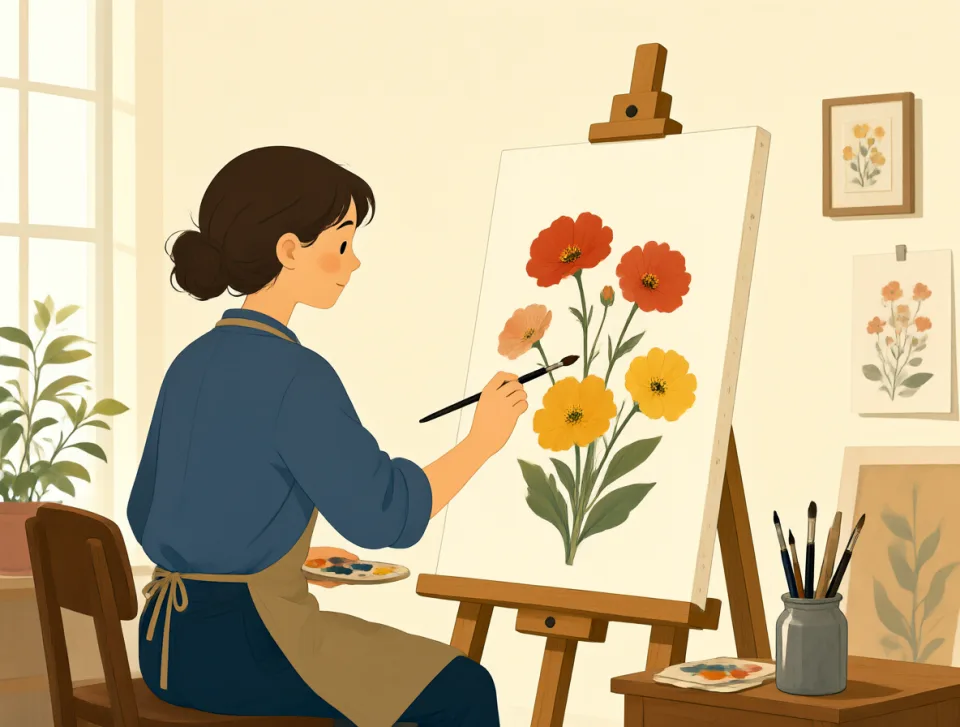
The artist paints beautiful flowers.
그 화가는 아름다운 꽃을 그린다.
worker
#673noun
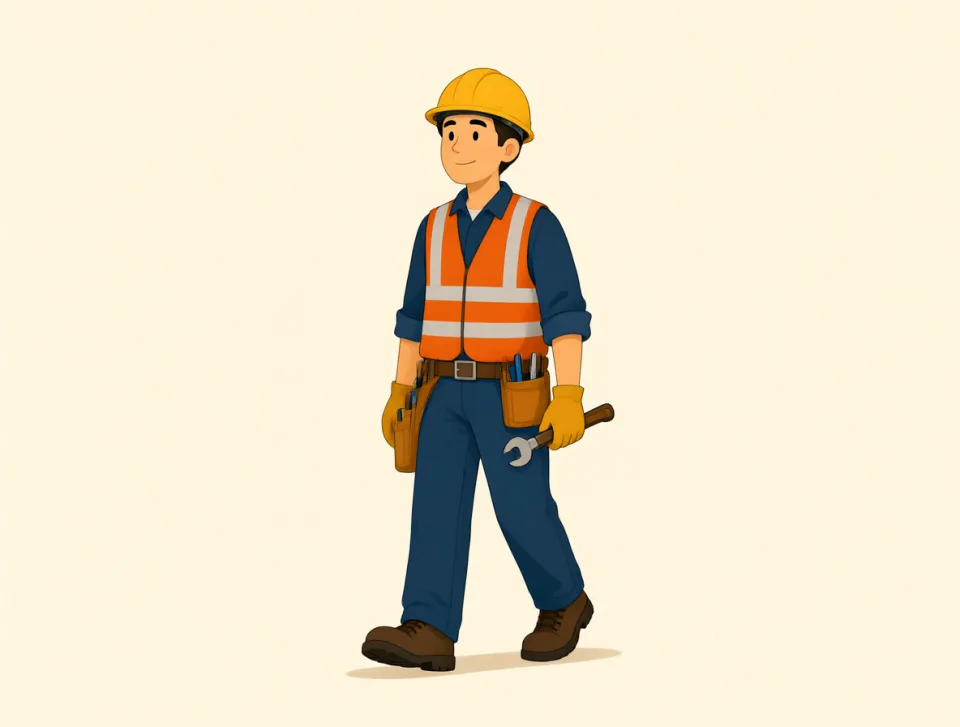
근로자; 노동자; 직원
A person who does a job, especially to earn money.
특히 돈을 벌기 위해 일을 하는 사람
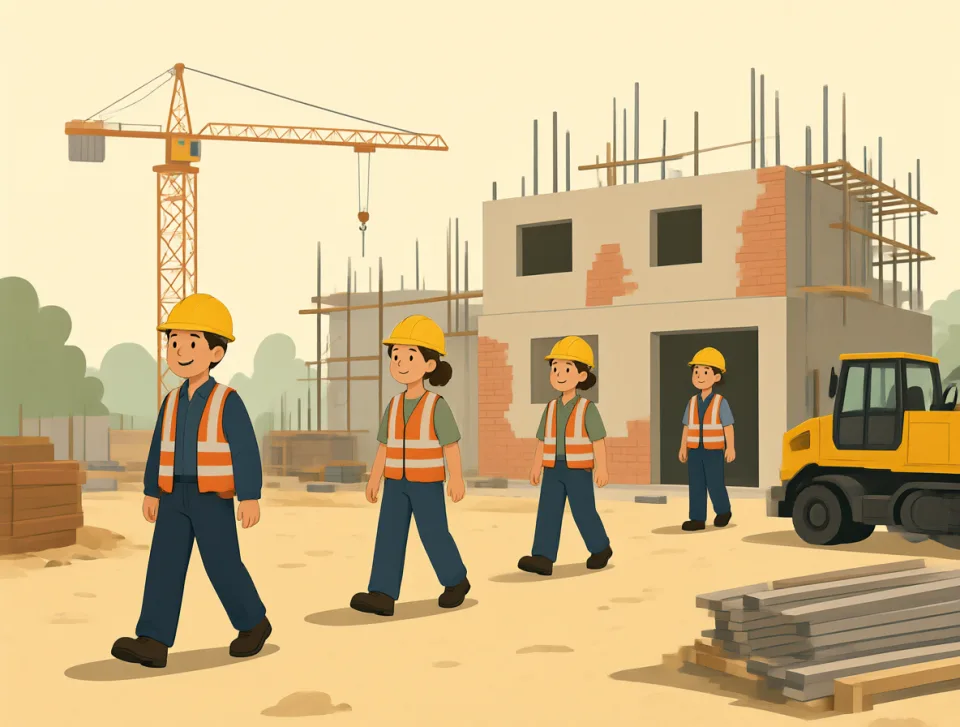
The workers start early every morning.
근로자들은 매일 아침 일찍 일을 시작합니다.

A shop worker helped me find shoes.
매장 직원이 제가 신발을 찾는 것을 도와주었습니다.
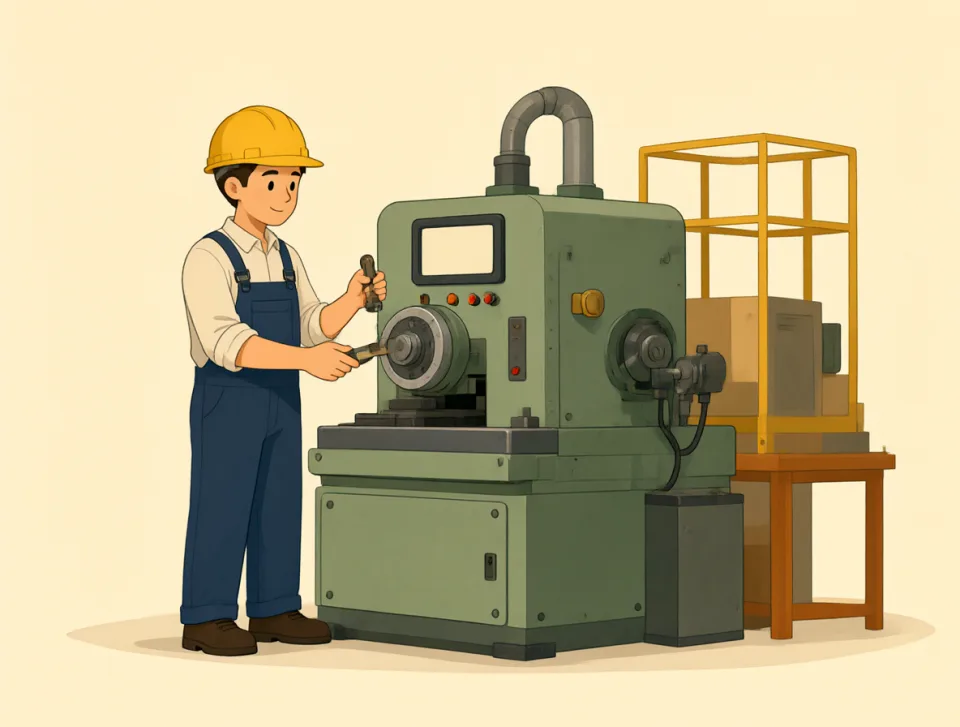
The factory worker checked the machines.
공장 근로자가 기계를 점검했습니다.
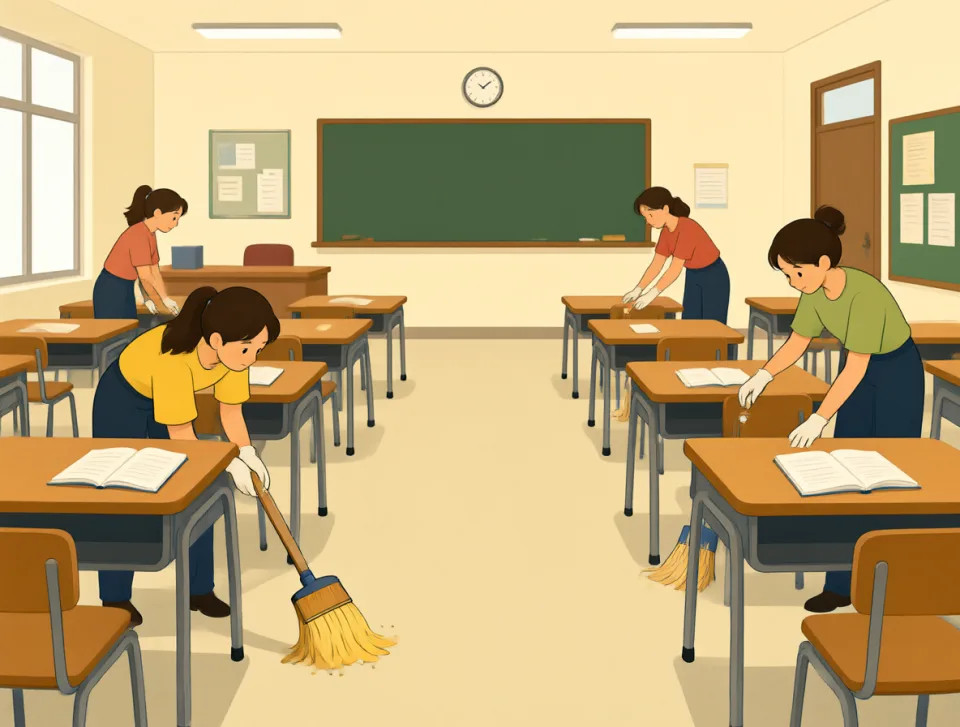
The school workers cleaned the classrooms.
학교 직원들이 교실을 청소했습니다.
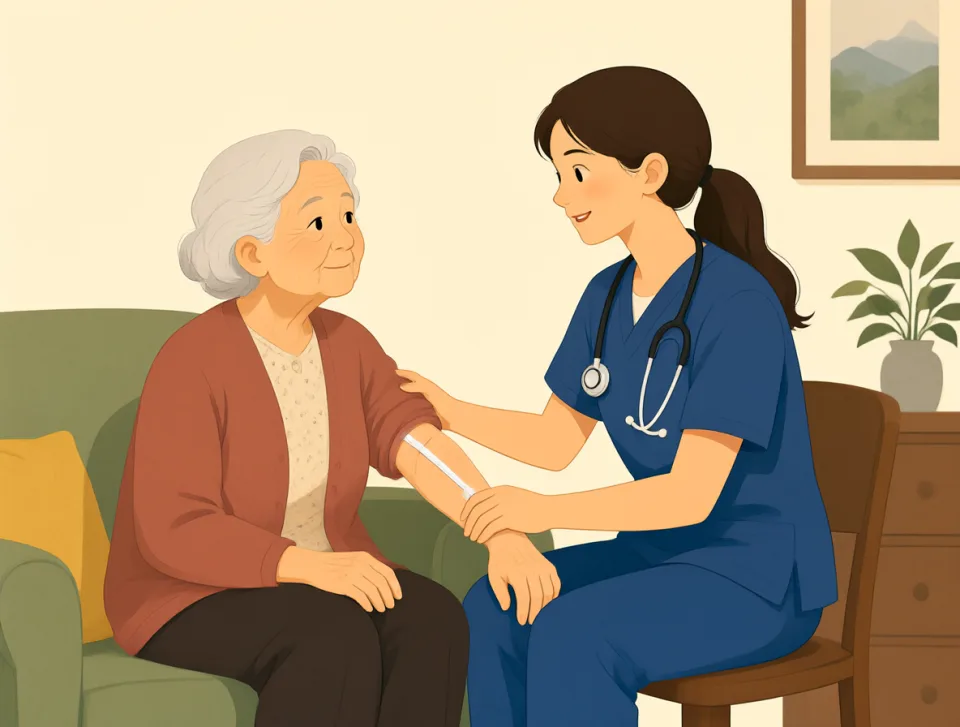
The health worker visited my sick grandmother.
보건 종사자가 아픈 할머니를 방문했습니다.

press
#674verb, noun
누르다; 언론
to push something firmly with your finger or hand
손가락이나 손으로 무언가를 세게 누르다
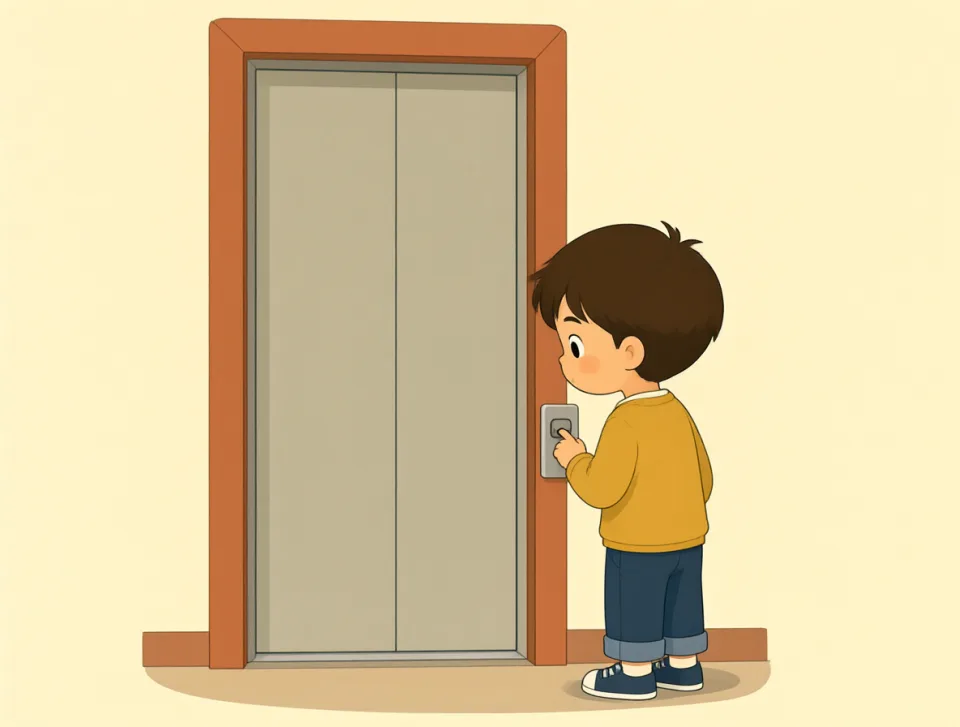
Press the button to open the door.
문을 열려면 버튼을 누르세요.
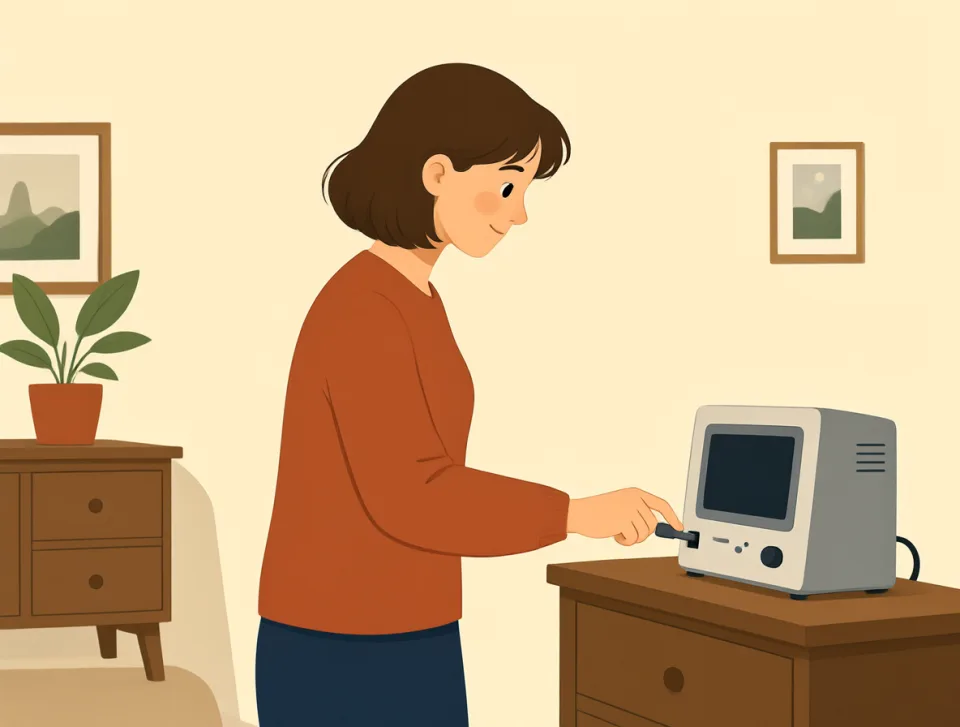
She pressed the key and started the machine.
그녀는 키를 눌러 기계를 작동시켰다.
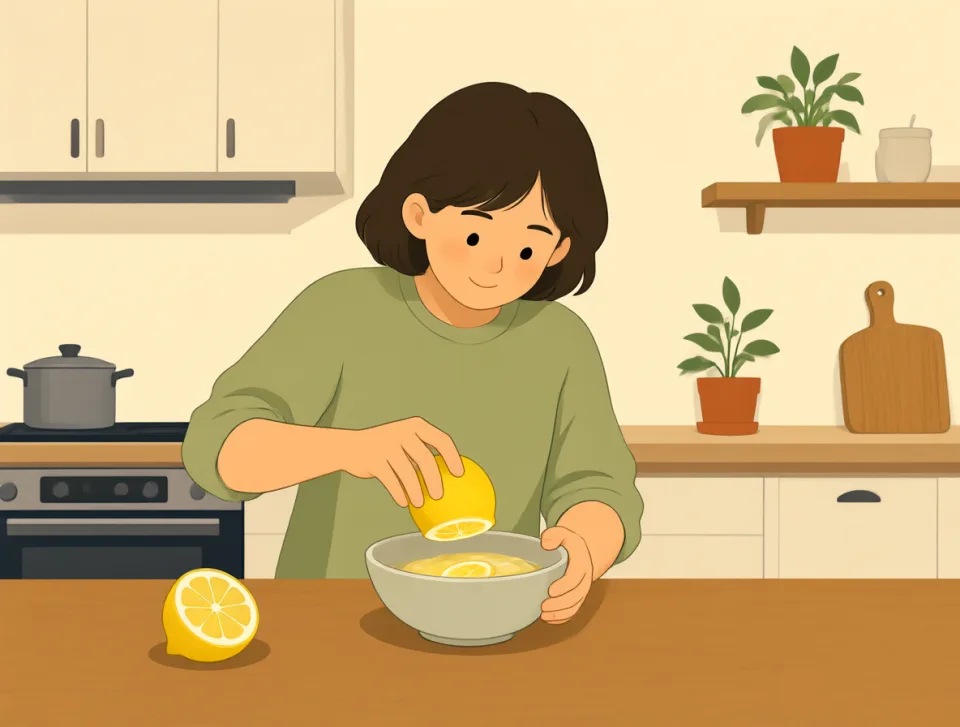
Press the lemons to get more juice.
레몬을 눌러 즙을 더 많이 내세요.
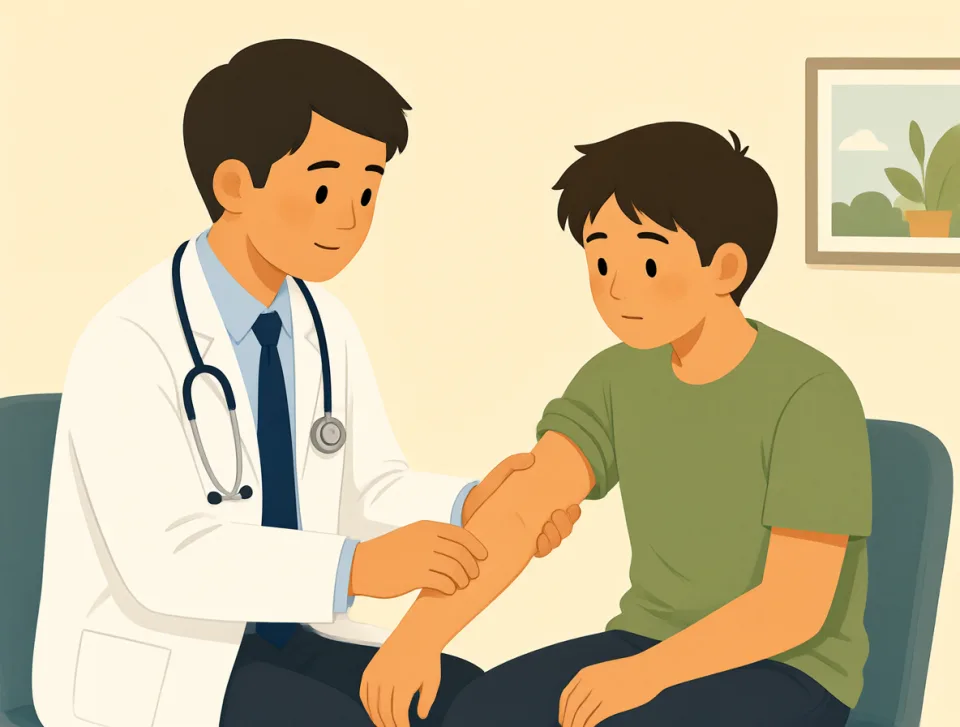
The doctor pressed my arm gently.
의사는 내 팔을 살짝 눌렀다.

The press asked the actor many questions.
언론은 그 배우에게 많은 질문을 했다.
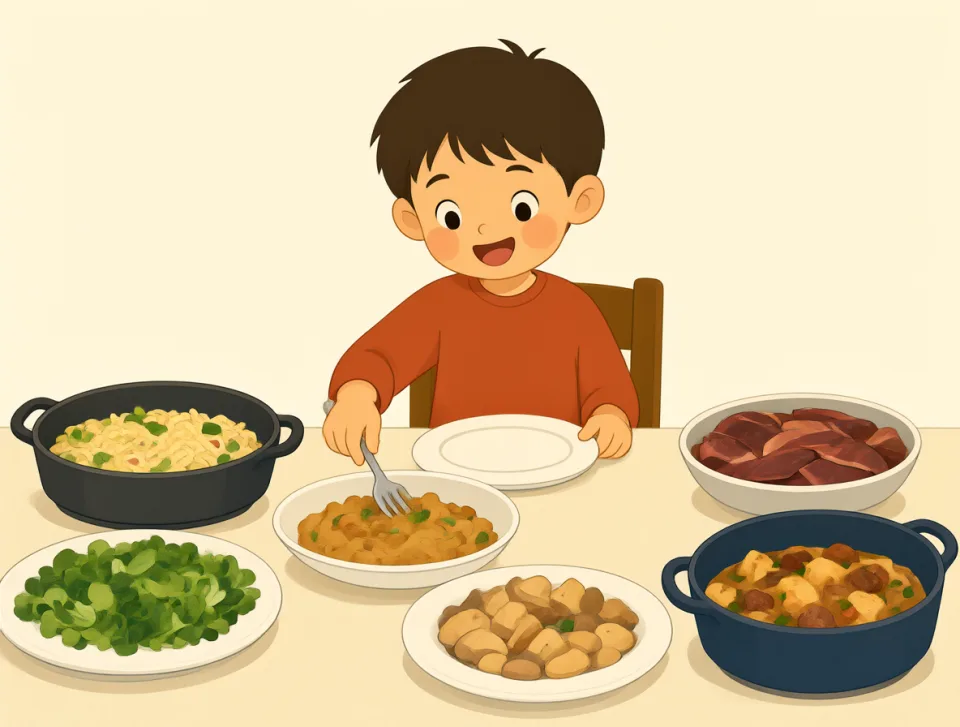
whatever
#675pronoun, determiner, adverb
무엇이든; 어떤 것이든; 아무거나
Any thing, choice, or amount, or it does not matter which one.
어떤 것이나 선택, 양이든 상관없거나, 어느 것을 택해도 상관없다는 뜻이다.
Choose whatever you like for dinner.
저녁으로 네가 좋아하는 건 뭐든 골라.
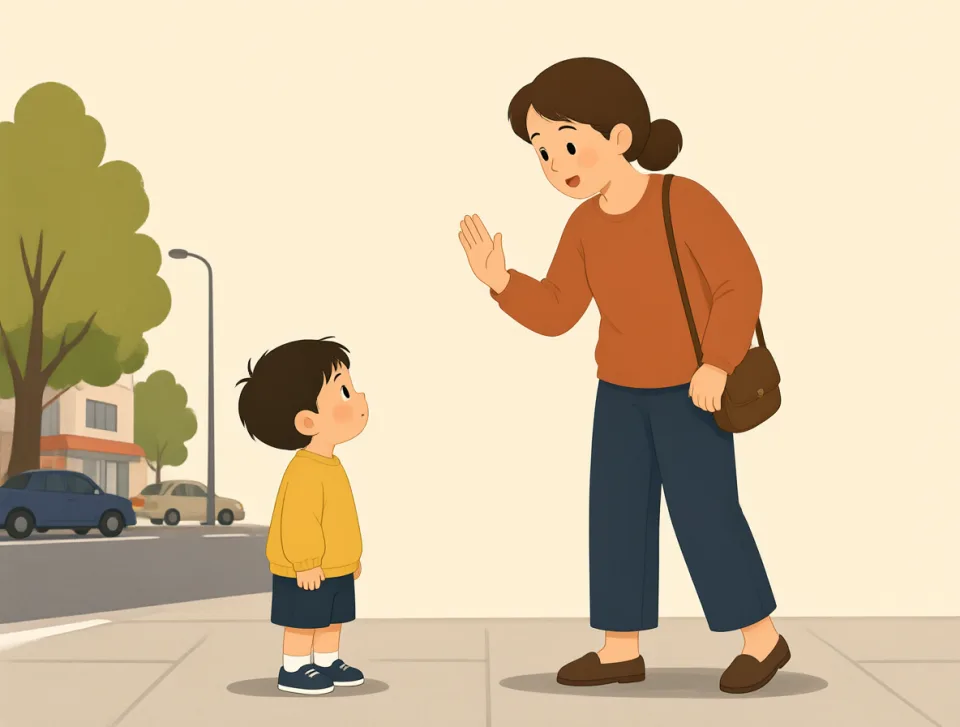
Whatever you do, stay safe.
무슨 일을 하든 안전에 유의해.

You can wear whatever you want.
네가 원하는 건 뭐든 입어도 돼.
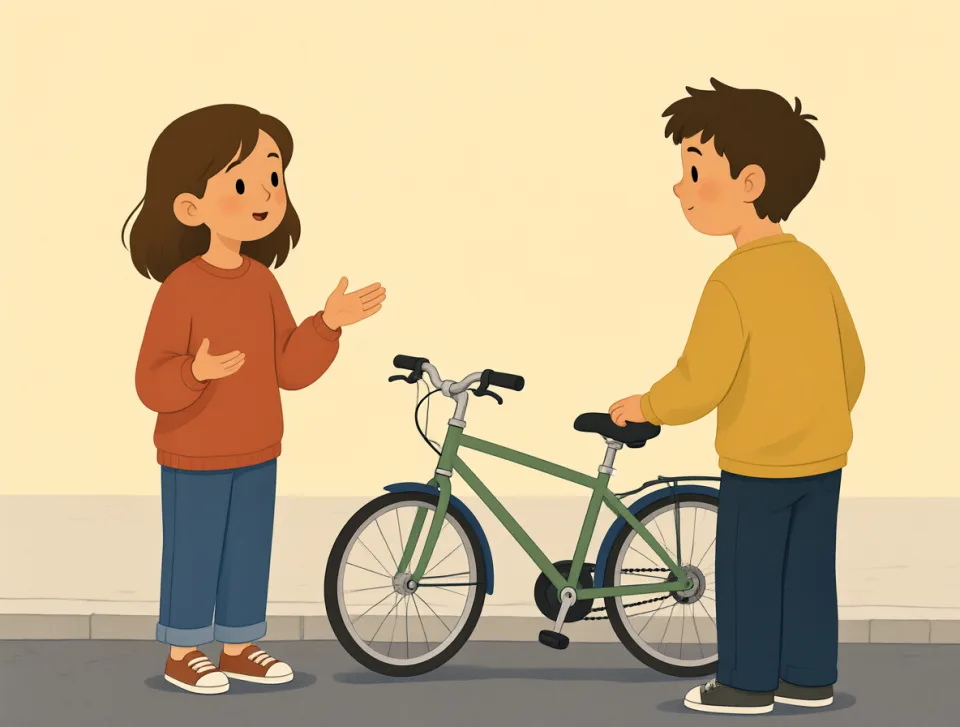
Whatever happened to your old bicycle?
네 예전 자전거는 어떻게 된 거야?
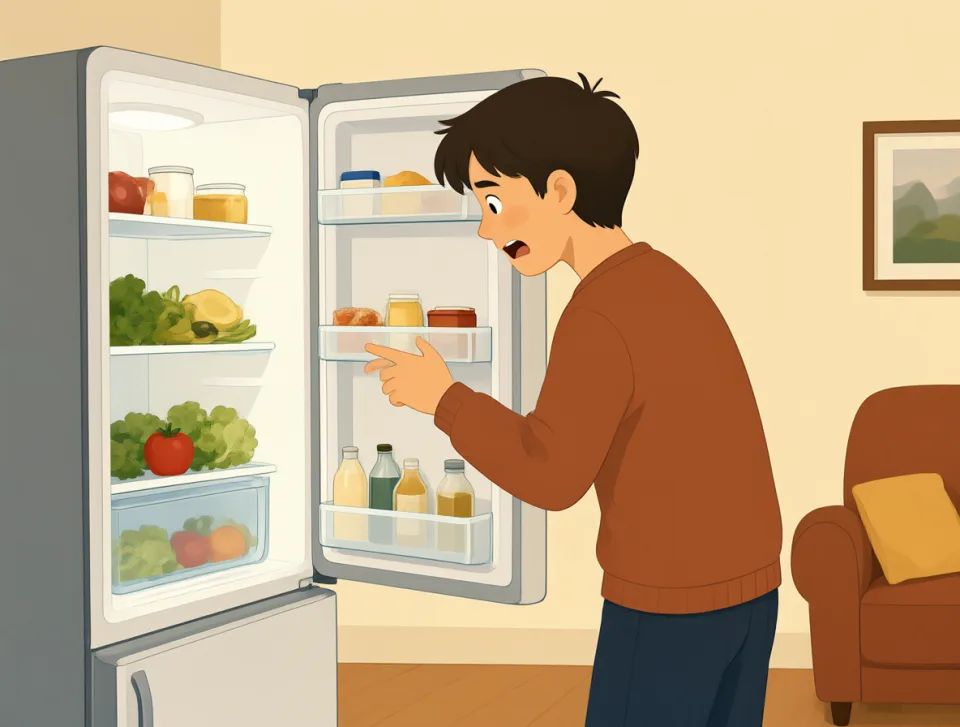
He eats whatever is in the fridge.
그는 냉장고에 있는 건 뭐든 먹는다.
necessary
#676adjective
필요한; 필수적인
needed for a particular purpose or situation
특정한 목적이나 상황에 필요한
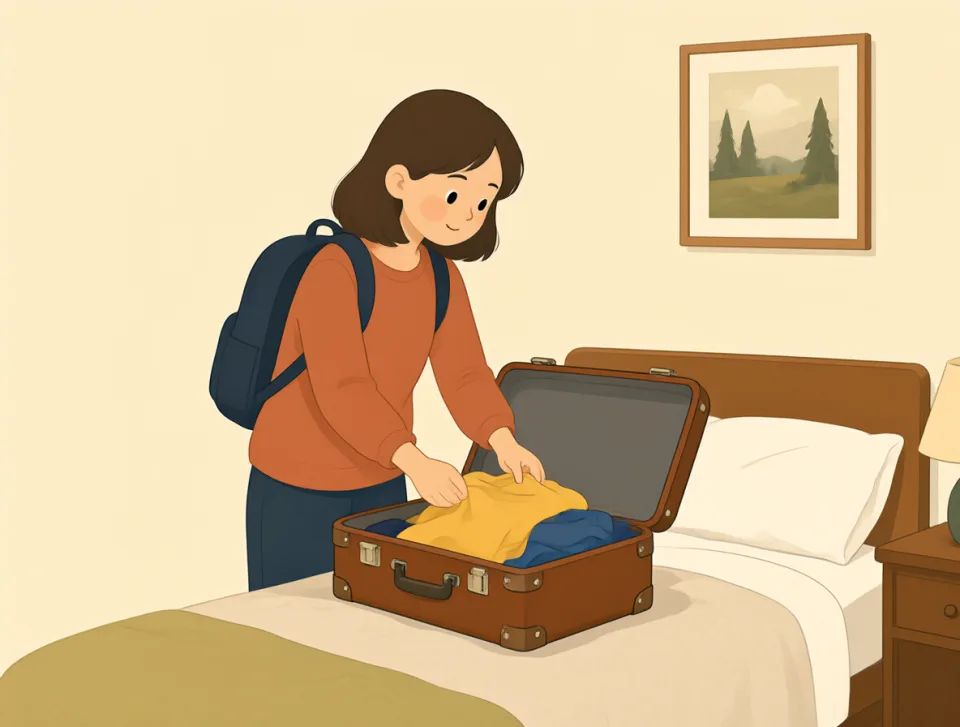
Bring only the necessary clothes for the trip.
여행에 필요한 옷만 가져가세요.
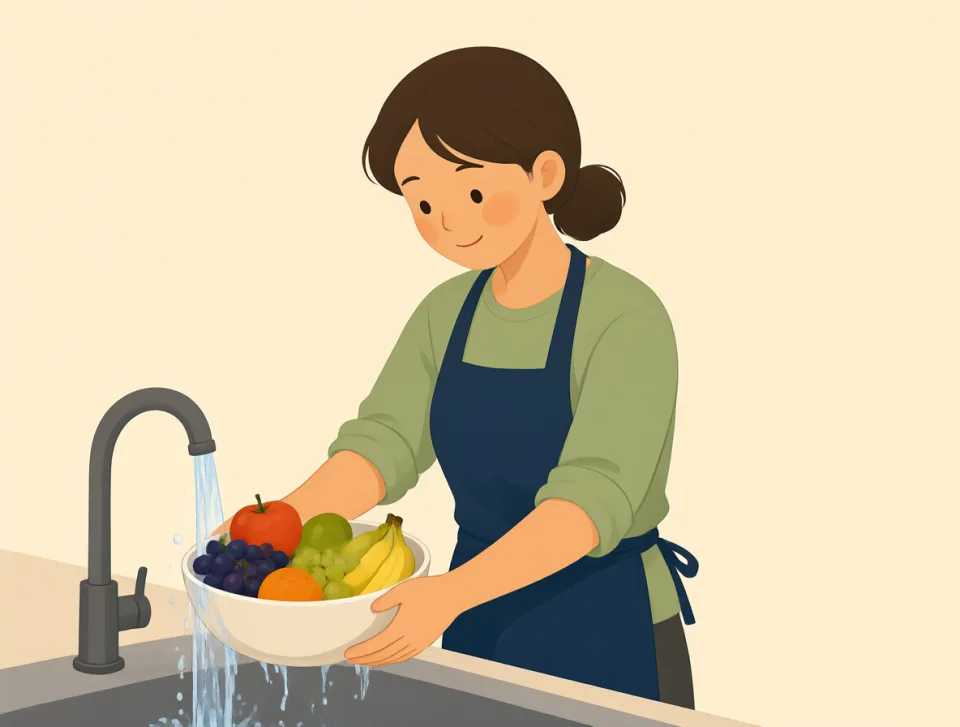
Is it necessary to wash the fruit?
과일을 씻는 게 꼭 필요한가요?
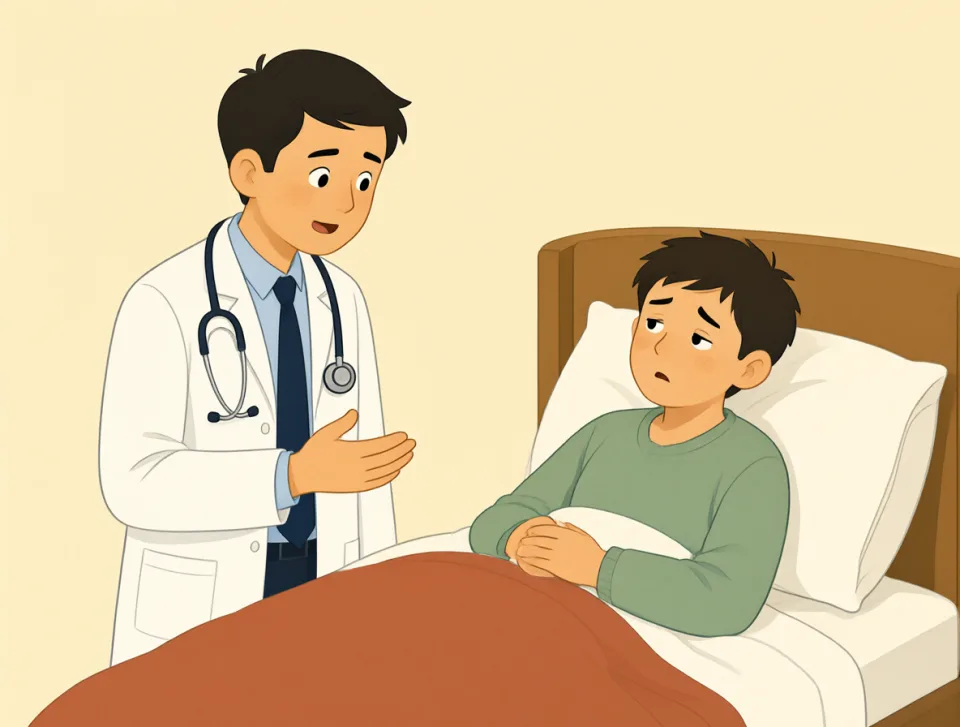
The doctor said rest was necessary.
의사는 휴식이 필요하다고 말했습니다.
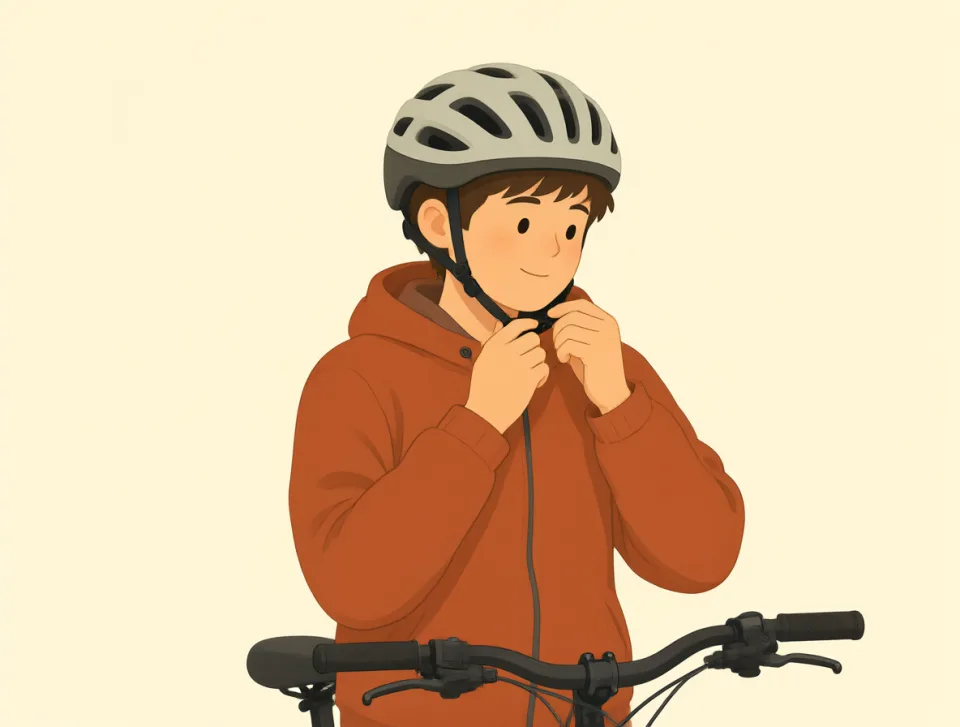
Please take the necessary steps to stay safe.
안전을 지키기 위해 필요한 조치를 취해 주세요.
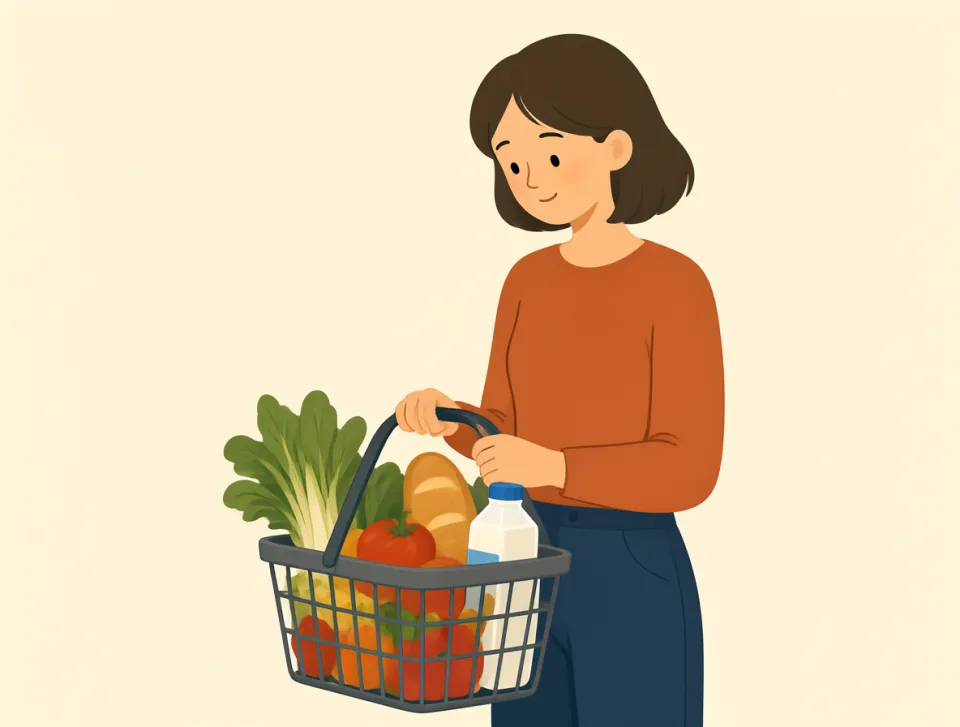
We bought the necessary food for dinner.
저녁 식사에 필요한 음식을 샀습니다.

region
#677noun
지역; 지방
An area of a country, city, or the world with its own features.
고유한 특징을 지닌 나라, 도시 또는 세계의 한 지역.
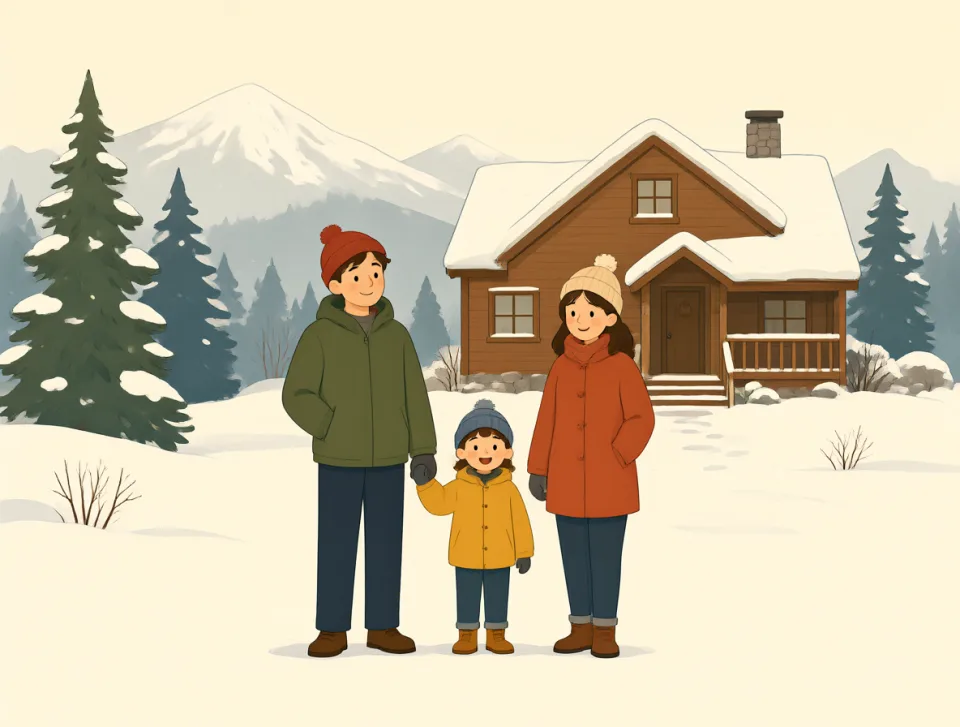
This region has very cold winters.
이 지역은 겨울이 매우 춥습니다.

We traveled through a beautiful mountain region.
우리는 아름다운 산악 지역을 여행했습니다.

The hotel is in the city region.
그 호텔은 도시 지역에 있습니다.
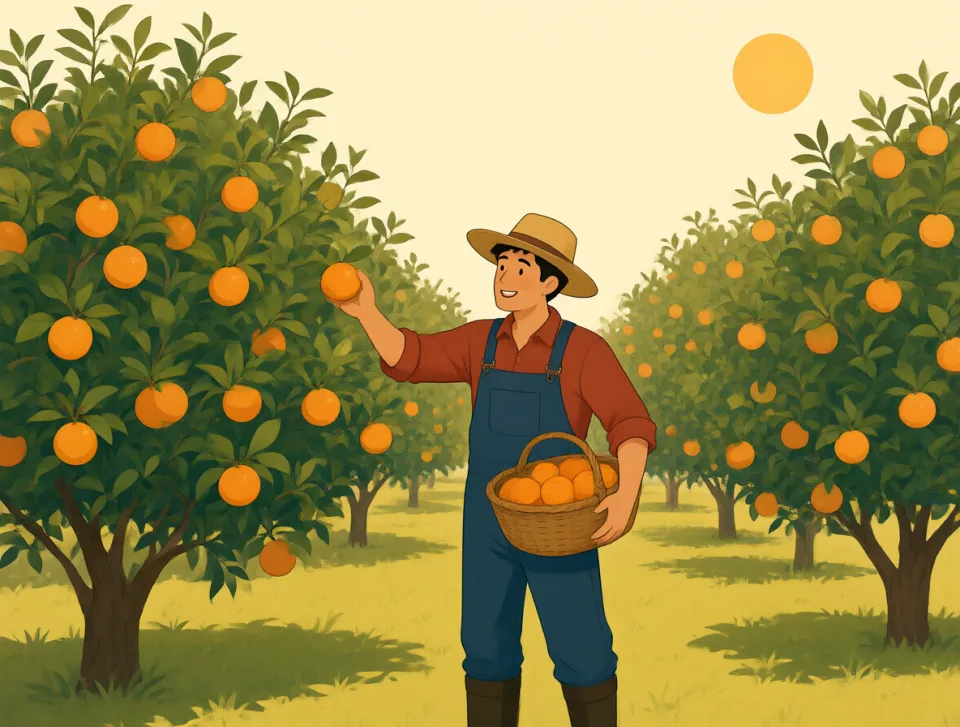
This region grows many oranges.
이 지역에서는 오렌지가 많이 재배됩니다.
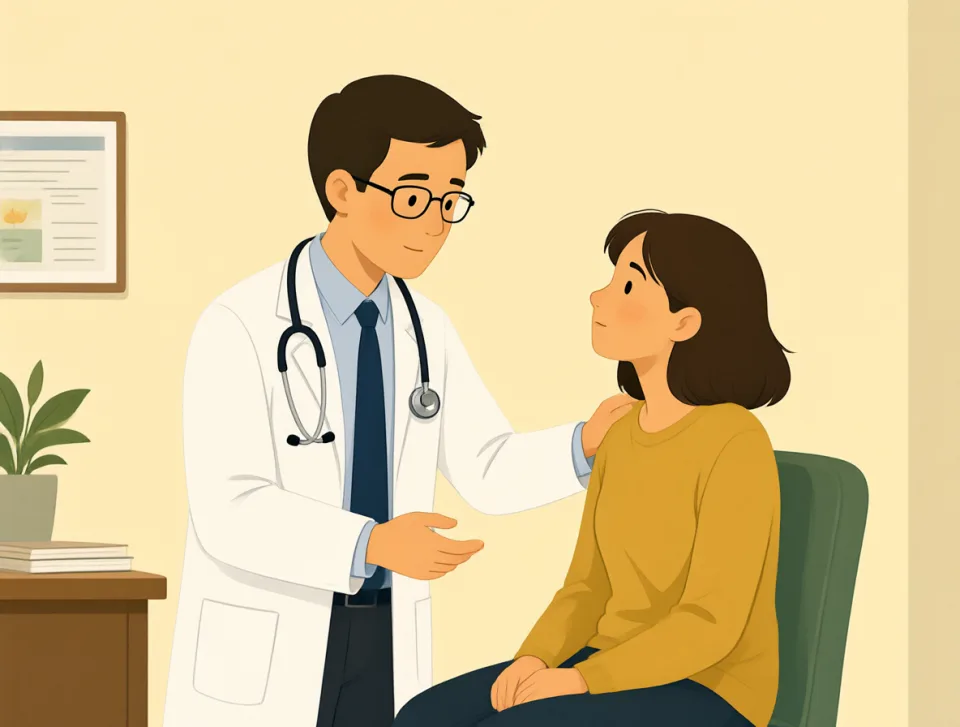
Doctors serve people in this region.
의사들은 이 지역 주민들을 진료합니다.
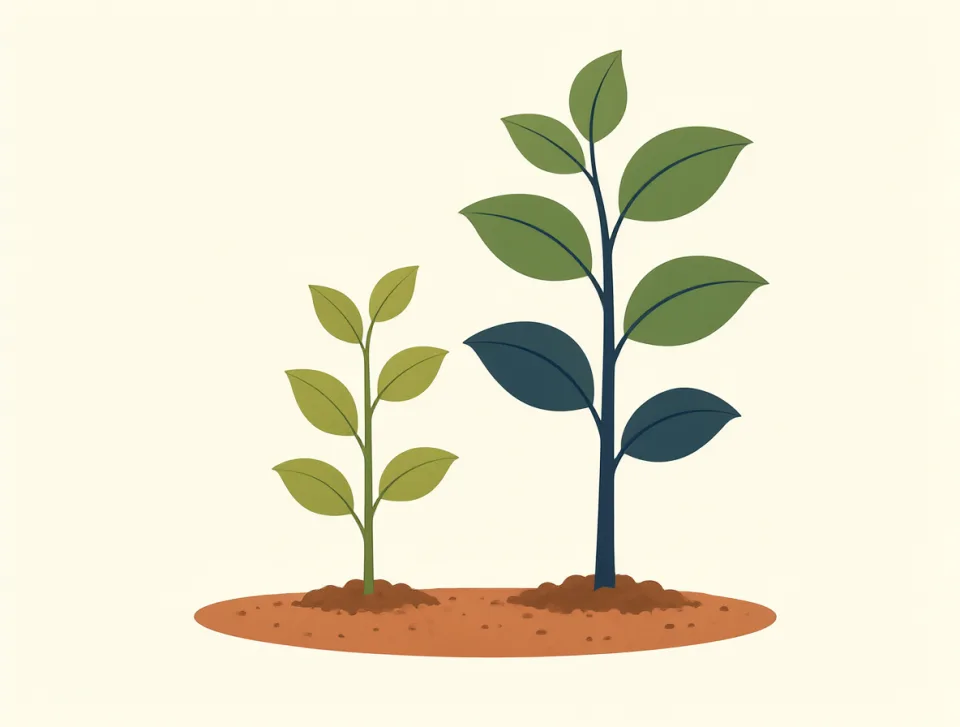
growth
#678noun
성장; 생장; 발모
The process of becoming bigger, better, or more developed.
더 크고, 더 나아지거나, 더 발달하는 과정
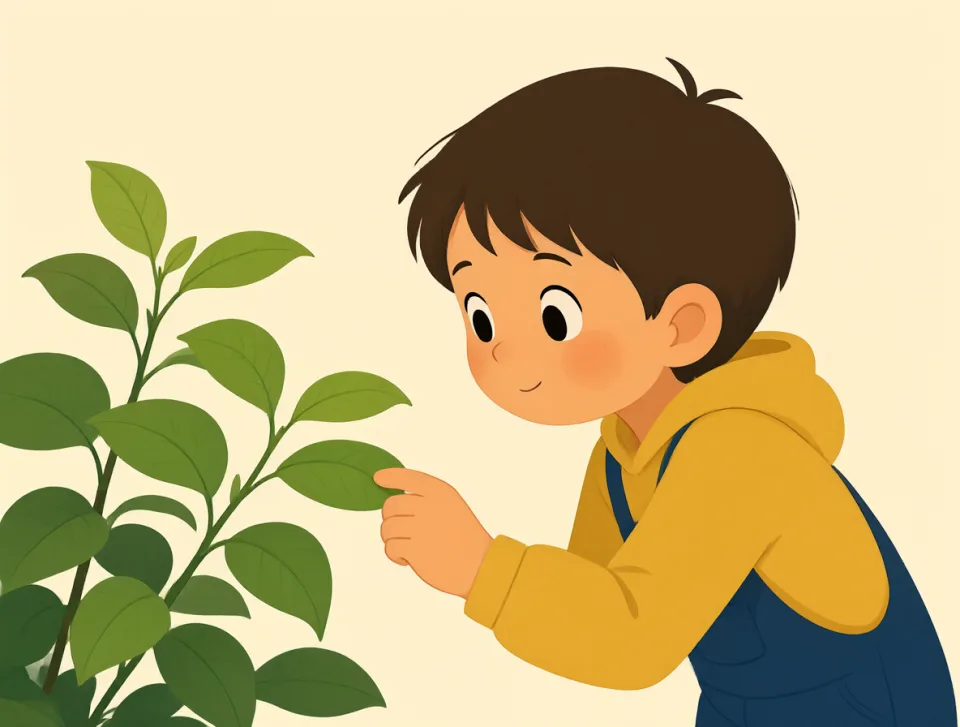
The plant showed new growth after the rain.
비가 온 후 식물에 새로 자란 부분이 보였다.

The company had strong growth last year.
그 회사는 지난해에 크게 성장했다.
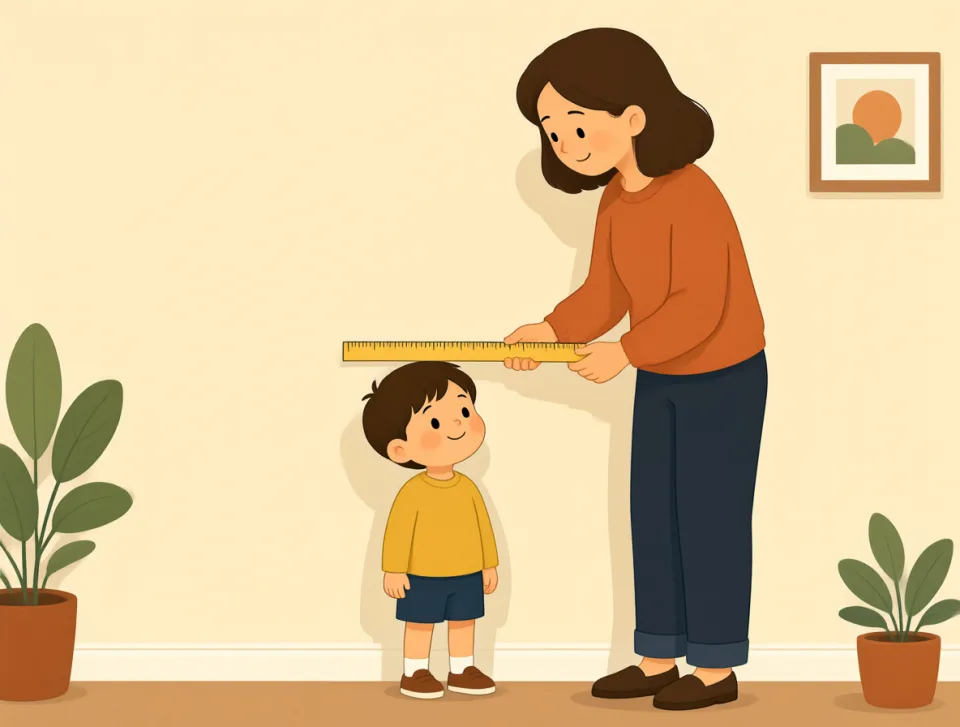
Regular exercise supports healthy growth in children.
규칙적인 운동은 어린이의 건강한 성장을 돕는다.
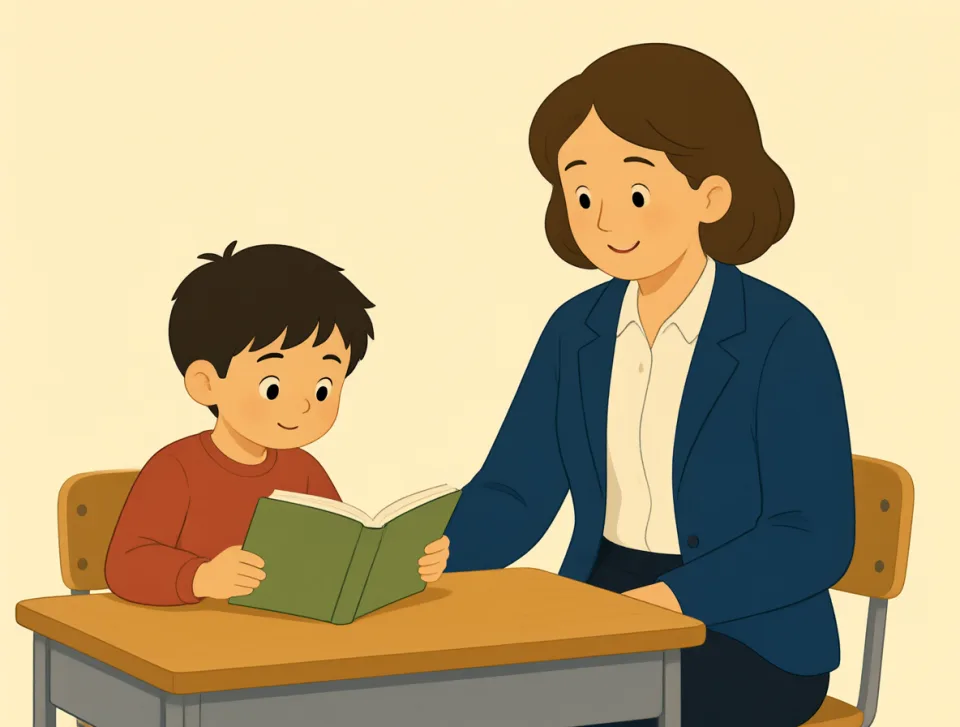
The teacher noticed growth in Maya’s reading skills.
선생님은 마야의 읽기 실력이 향상된 것을 알아차렸다.
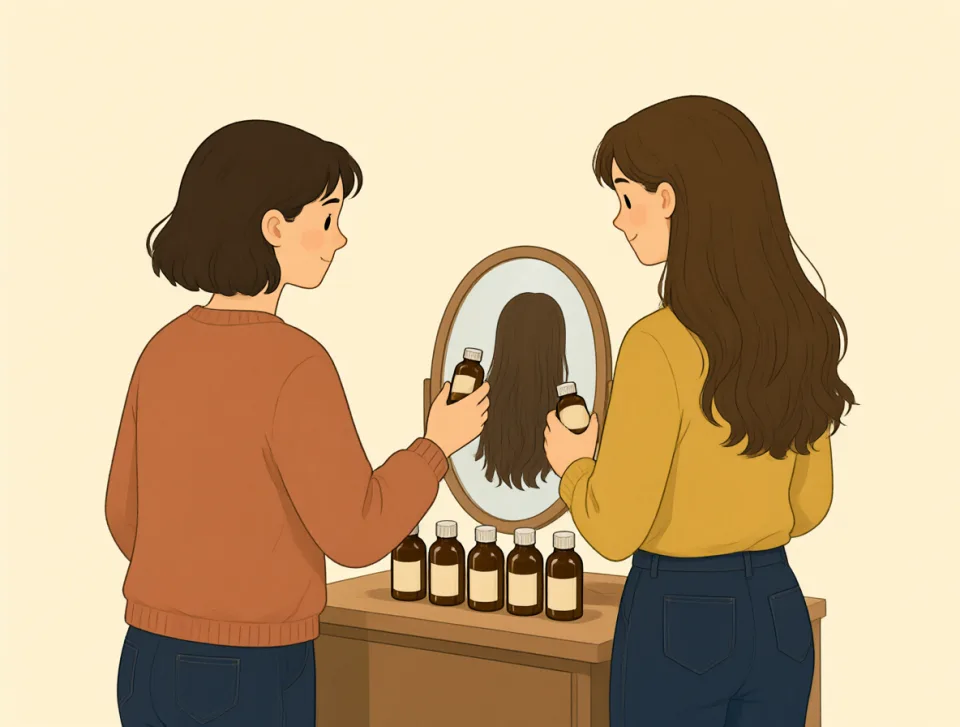
The shop sells hair growth products.
그 가게에서는 발모 제품을 판매한다.
evening
#679noun
저녁; 저녁때
The time between the afternoon and bedtime.
오후부터 잠자리에 들 때까지의 시간.
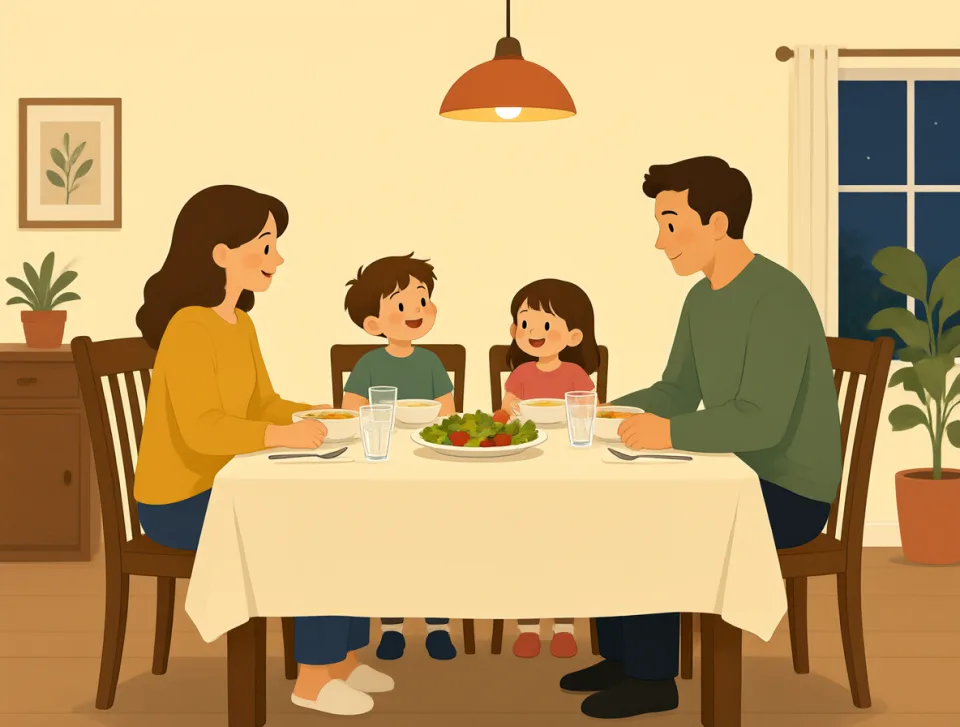
We usually eat dinner in the evening.
우리는 보통 저녁에 저녁을 먹어요.

I met my friends one evening after work.
나는 퇴근 후 어느 날 저녁에 친구들을 만났어요.
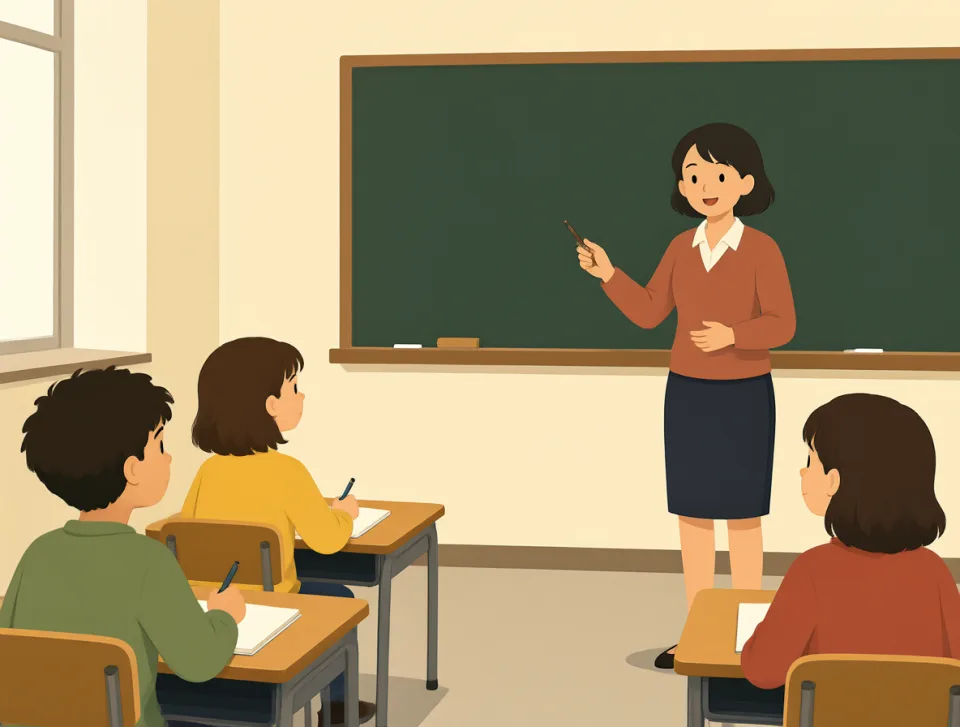
The evening class starts at six.
저녁 수업은 6시에 시작해요.
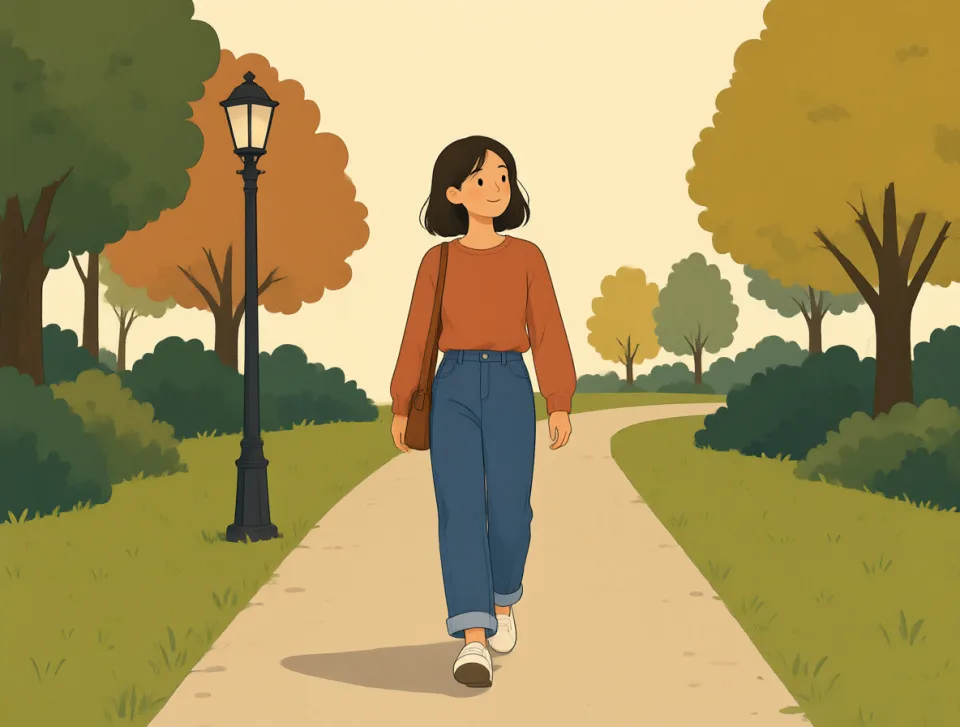
She takes an evening walk every day.
그녀는 매일 저녁 산책을 해요.
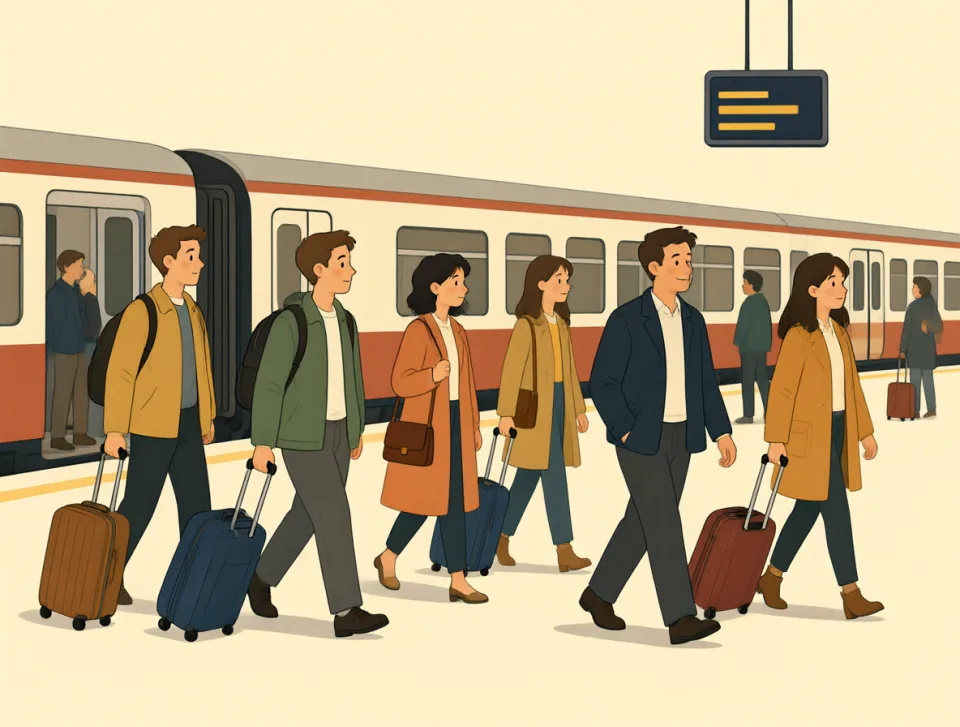
We arrived in London late one evening.
우리는 어느 날 저녁 늦게 런던에 도착했어요.

influence
#680noun, verb
영향; 영향을 미치다
the power to change how someone thinks or behaves
누군가의 생각이나 행동을 바꾸는 힘
Friends can influence what we choose to eat.
친구들은 우리가 무엇을 먹을지에 영향을 미칠 수 있어요.
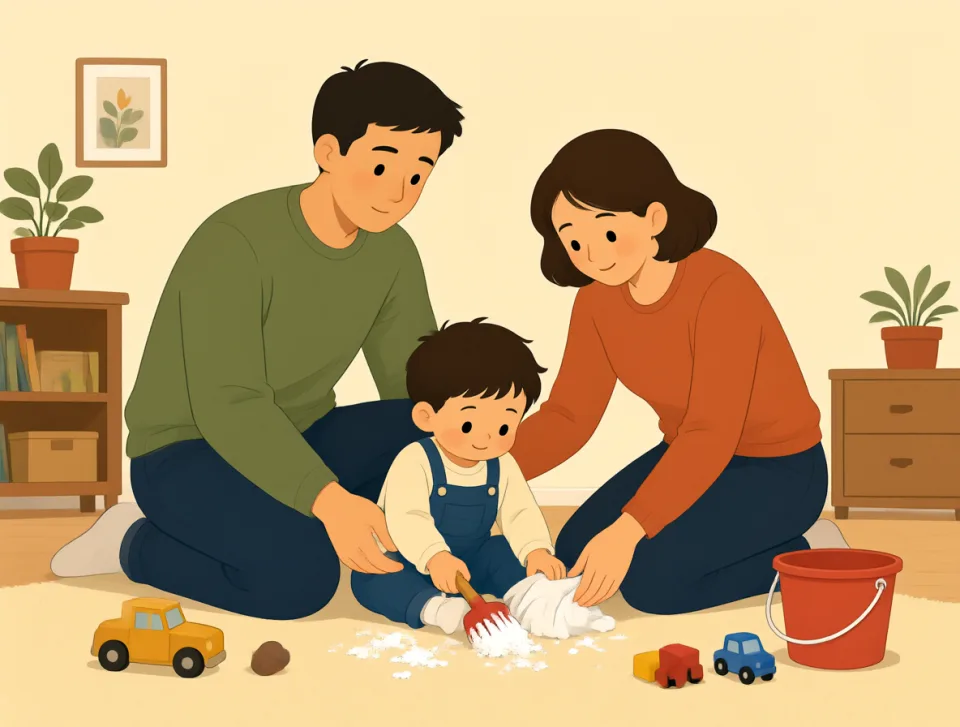
Parents strongly influence their children's behavior.
부모는 자녀의 행동에 큰 영향을 미쳐요.
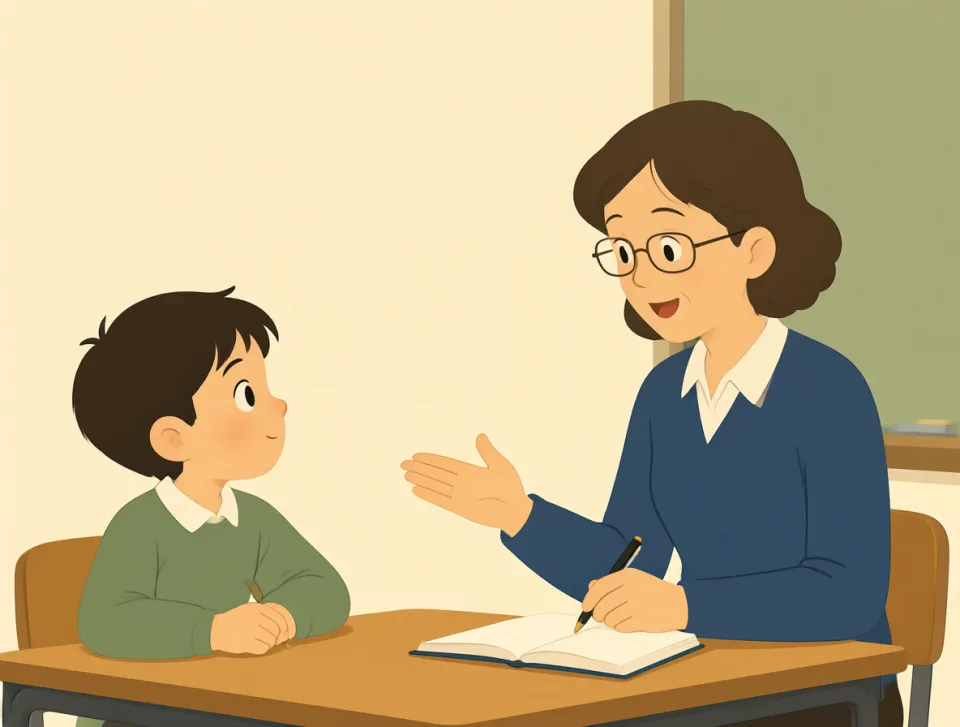
Her teacher influenced her choice of career.
그녀의 선생님은 그녀의 진로 선택에 영향을 미쳤어요.
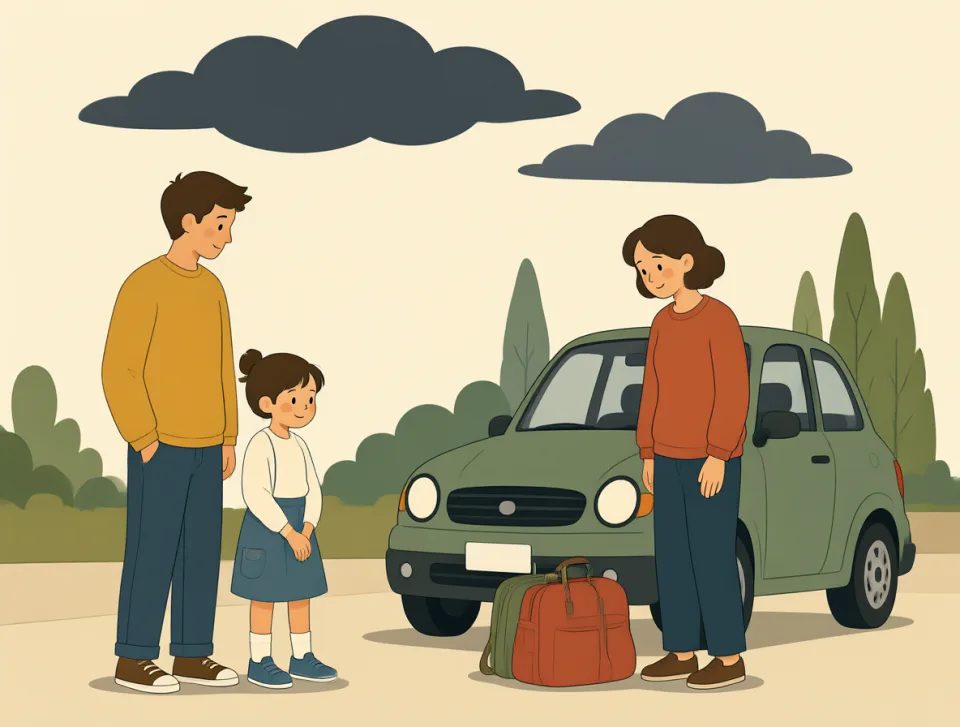
The weather influenced our travel plans.
날씨가 우리의 여행 계획에 영향을 미쳤어요.
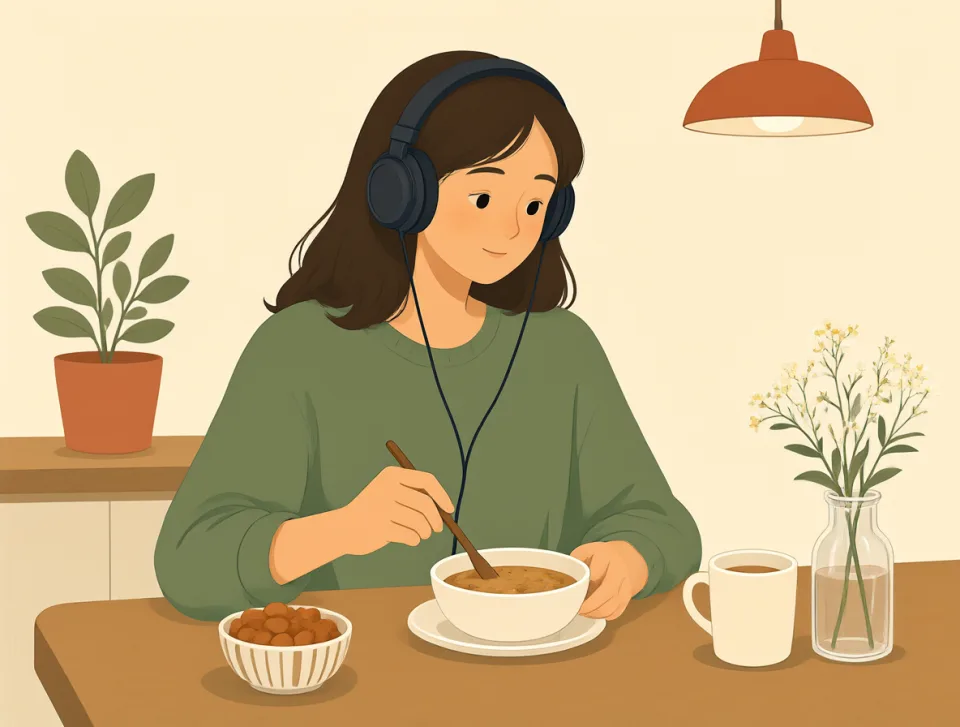
Music influences my mood every morning.
음악은 매일 아침 내 기분에 영향을 미쳐요.