ユニット 34
661〜680語 · manager, international, contain, notice, wonder, nature

manager
#661noun
マネージャー; 管理者; 店長; 支配人
A person who controls and organizes the work of a business or group.
事業やグループの仕事を管理し、まとめる人。
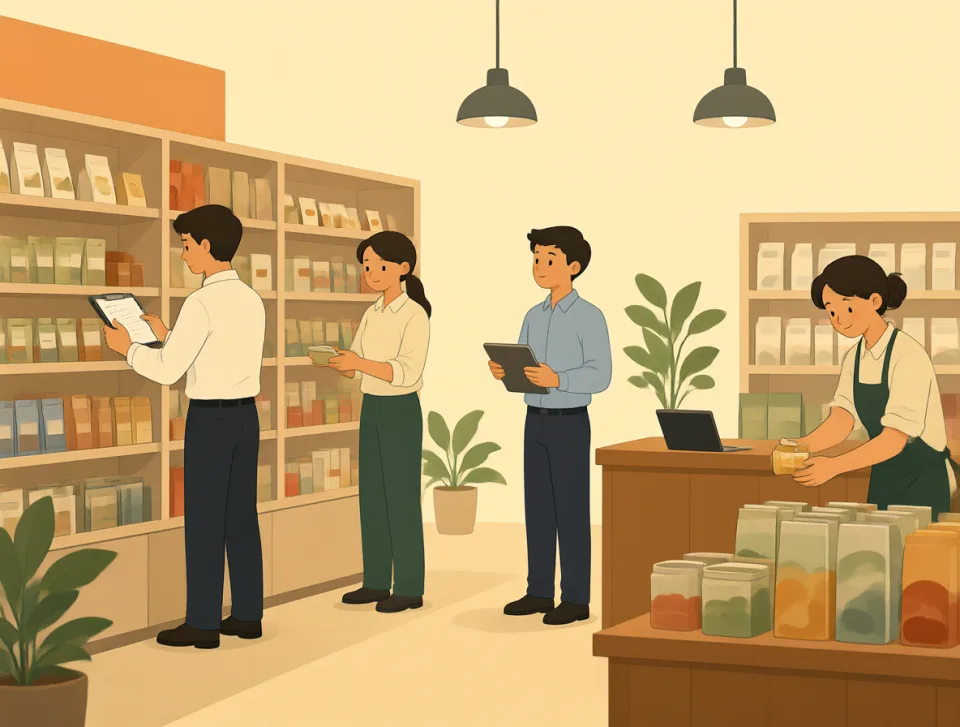
The manager checks the store every morning.
マネージャーは毎朝店を確認します。

Please speak to the hotel manager.
ホテルの支配人にお話しください。

Our manager planned a team meeting.
私たちのマネージャーがチームミーティングを計画しました。
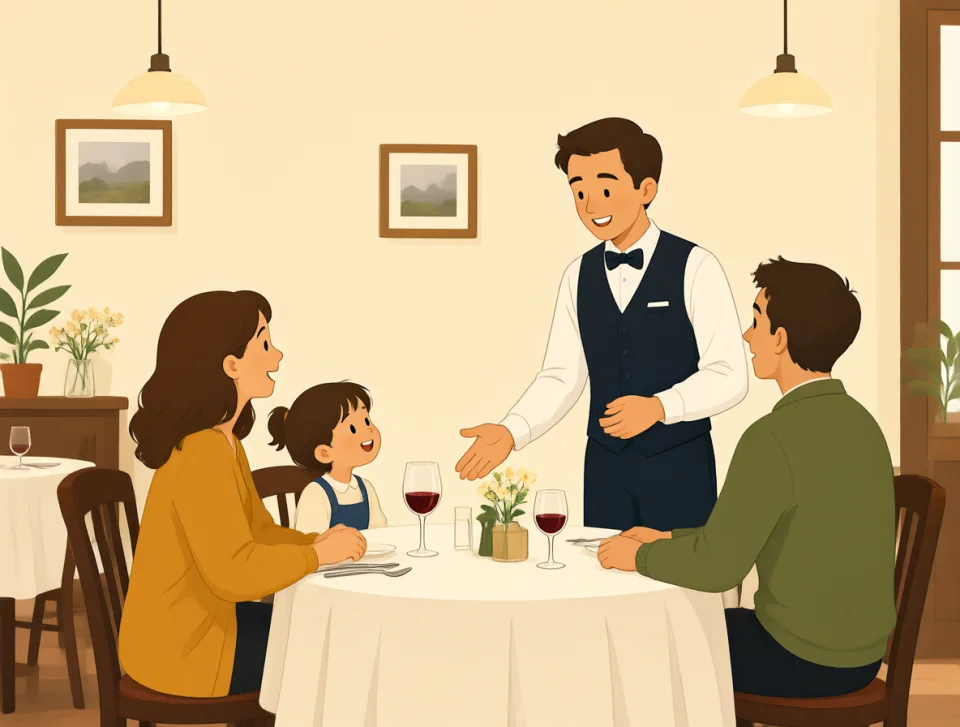
The restaurant manager greeted our family.
レストランの店長が私たち家族にあいさつしました。
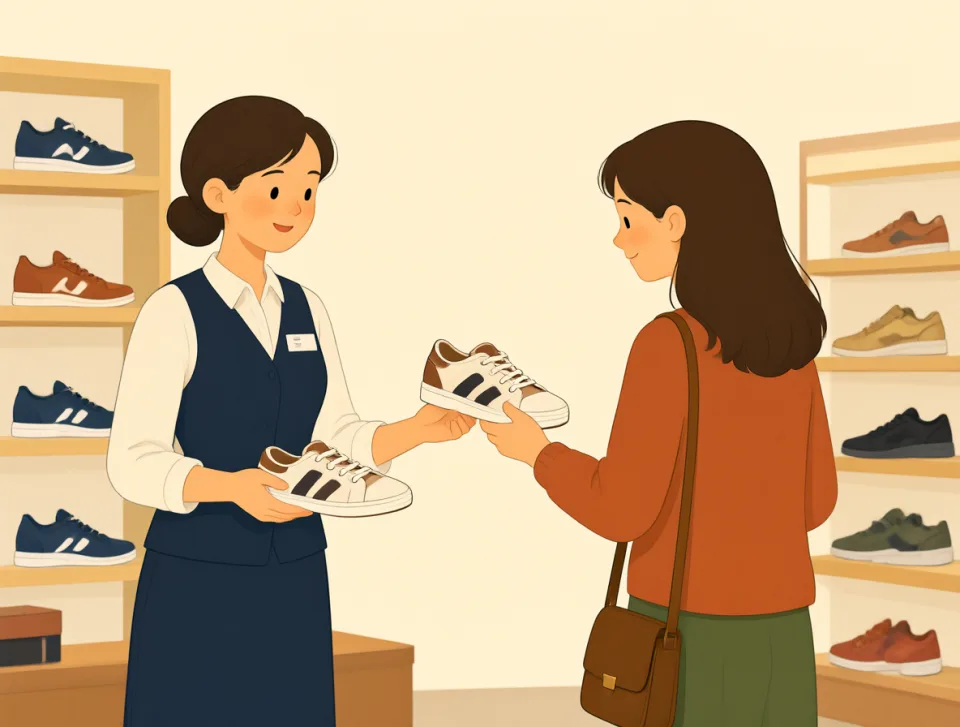
The store manager helped me find shoes.
店長が靴を探すのを手伝ってくれました。
international
#662adjective
国際的な
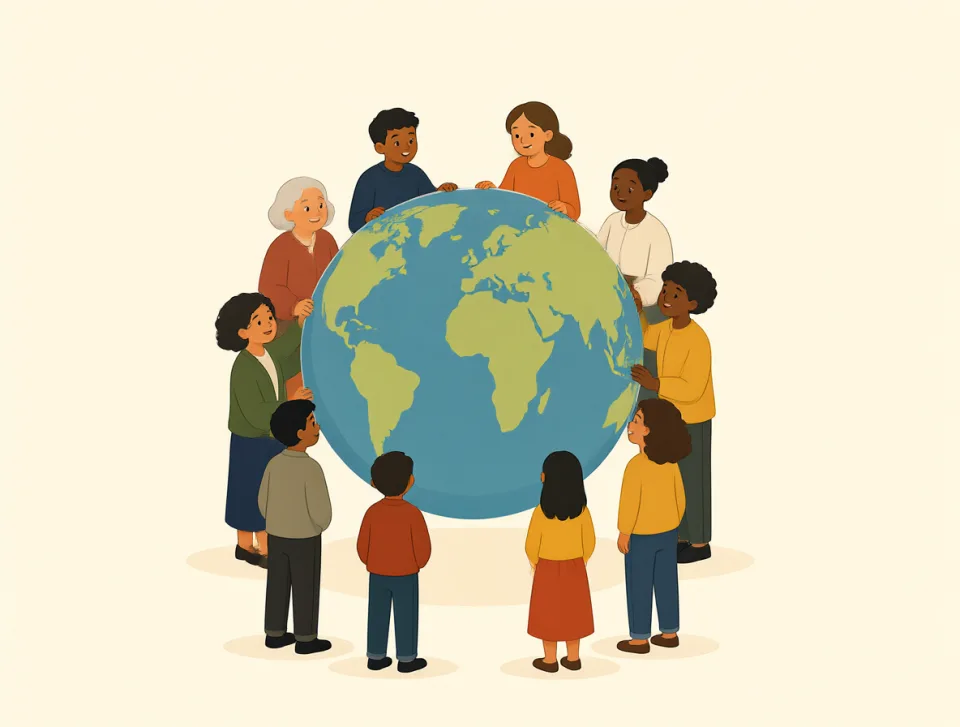
involving or shared by people or countries from different parts of the world
世界のさまざまな地域の人々や国々が関わる、または共有する

She works for an international company.
彼女は国際的な企業で働いています。
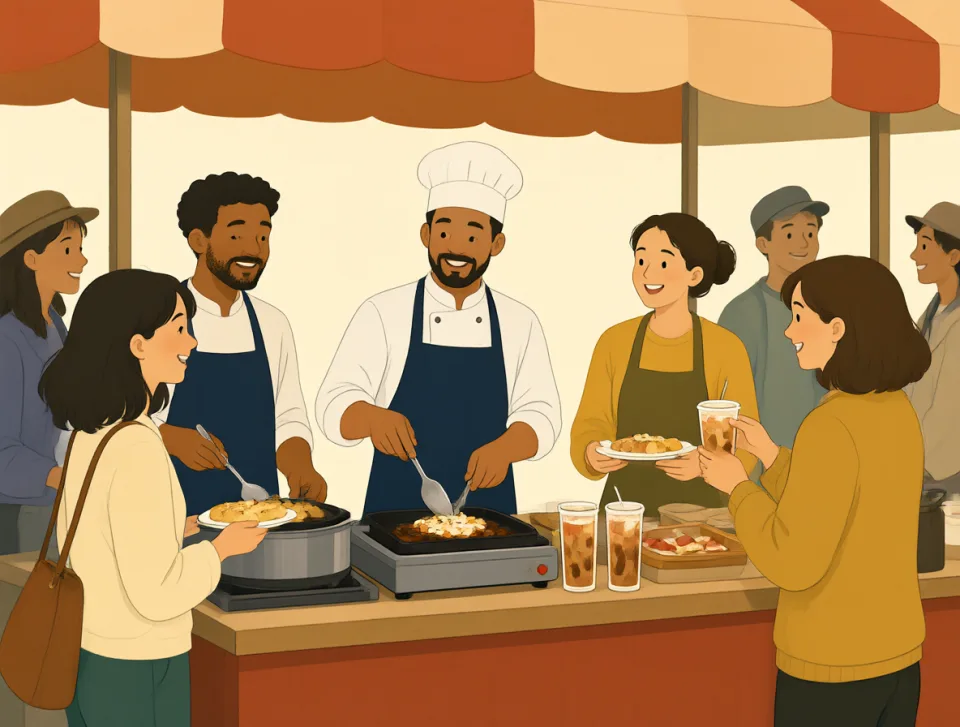
We ate at an international food festival.
私たちは世界各国の料理が集まるフードフェスティバルで食事をしました。
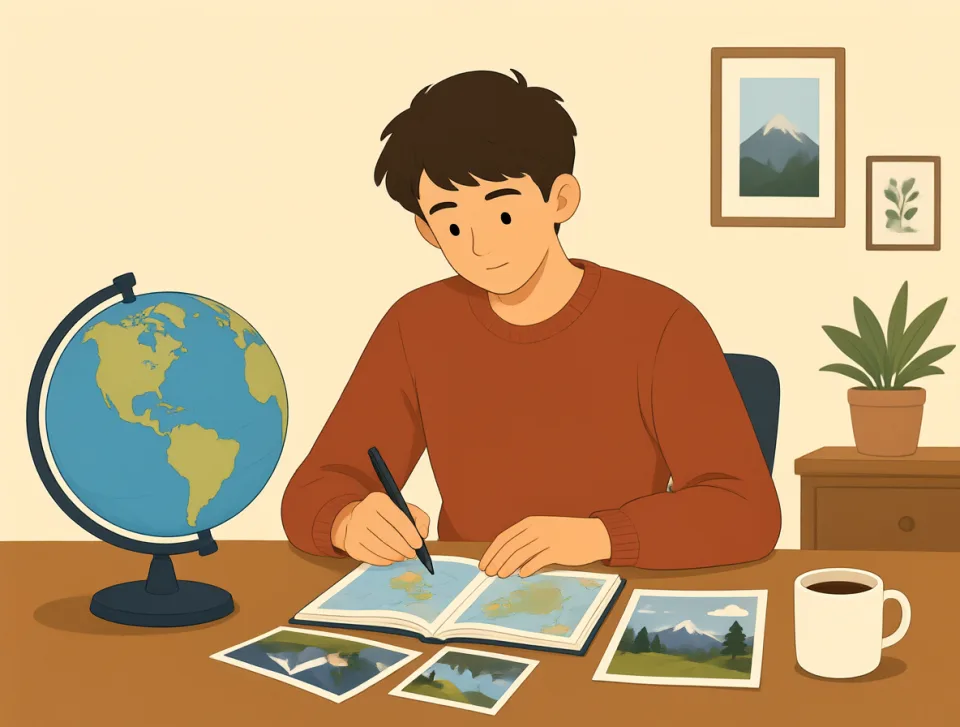
He wants an international career.
彼は国際的なキャリアを築きたいと思っています。

Our school has international students.
私たちの学校には外国人留学生がいます。

They flew on an international flight.
彼らは国際線の便に乗りました。
contain
#663verb
含む; 入っている
to have something inside or include something
中に何かが入っている、または何かを含んでいる
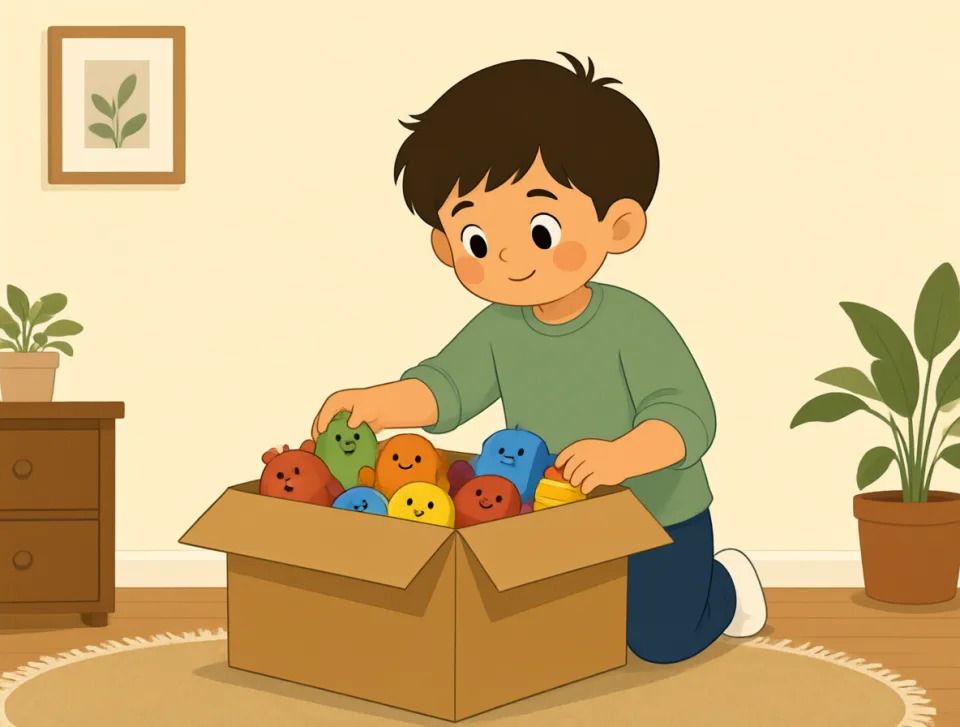
This box contains six small toys.
この箱には小さなおもちゃが6個入っています。
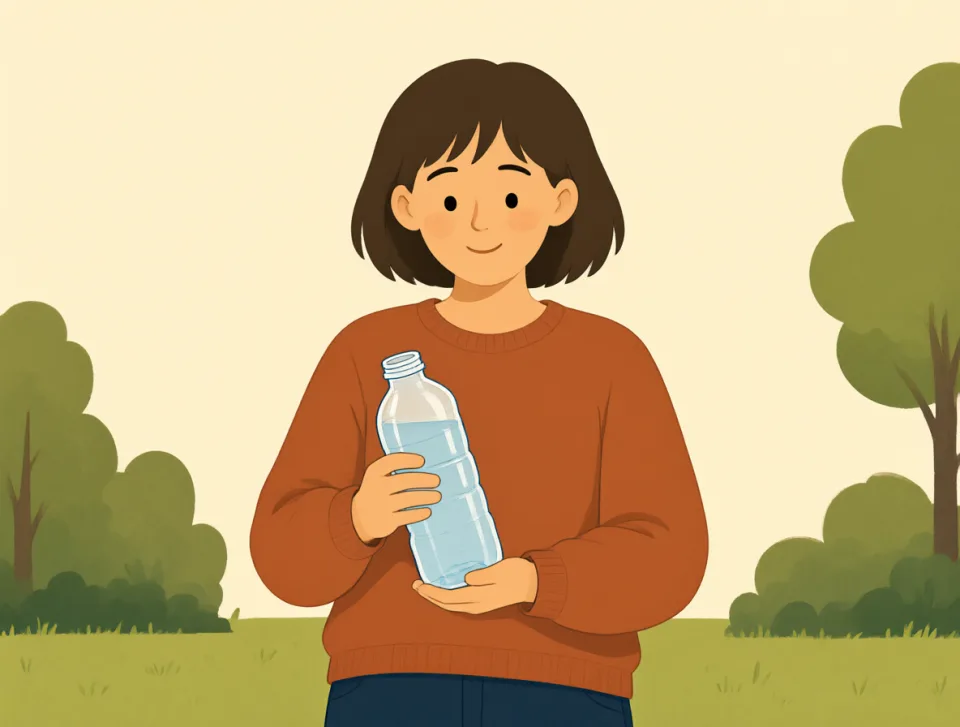
The bottle contains clean drinking water.
このボトルにはきれいな飲料水が入っています。
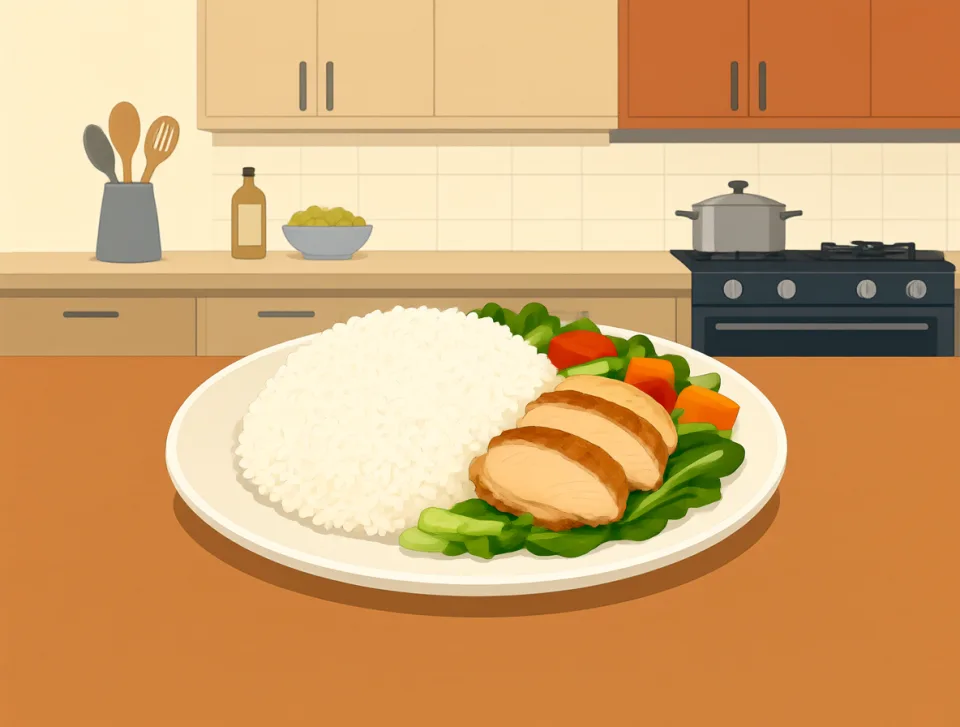
This meal contains rice, vegetables, and chicken.
この料理には米、野菜、鶏肉が入っています。
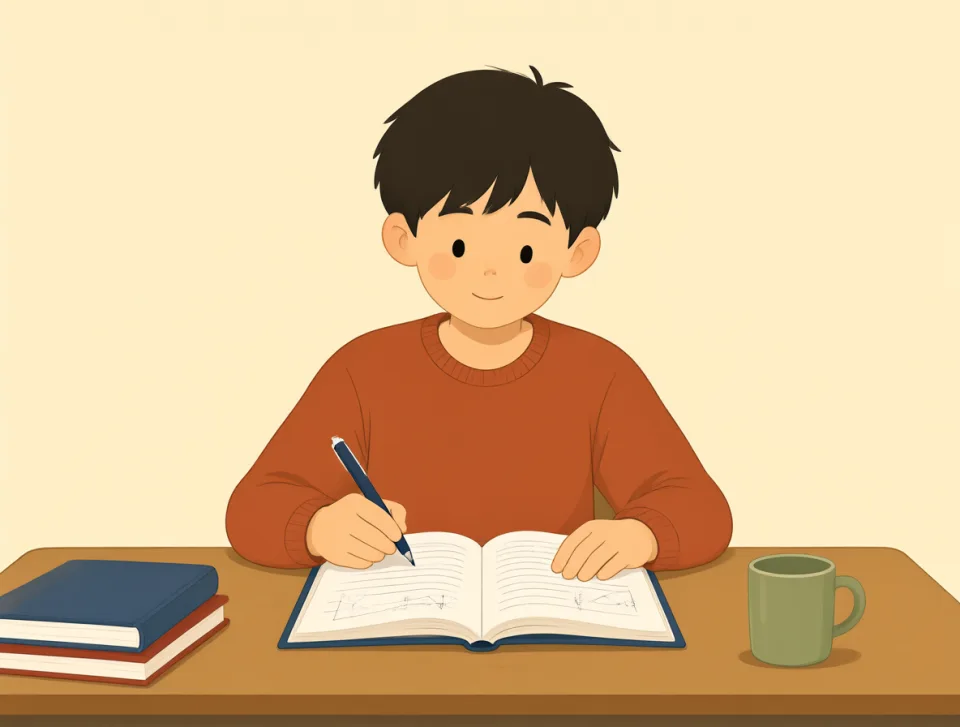
The book contains useful grammar exercises.
この本には役に立つ文法練習問題が載っています。
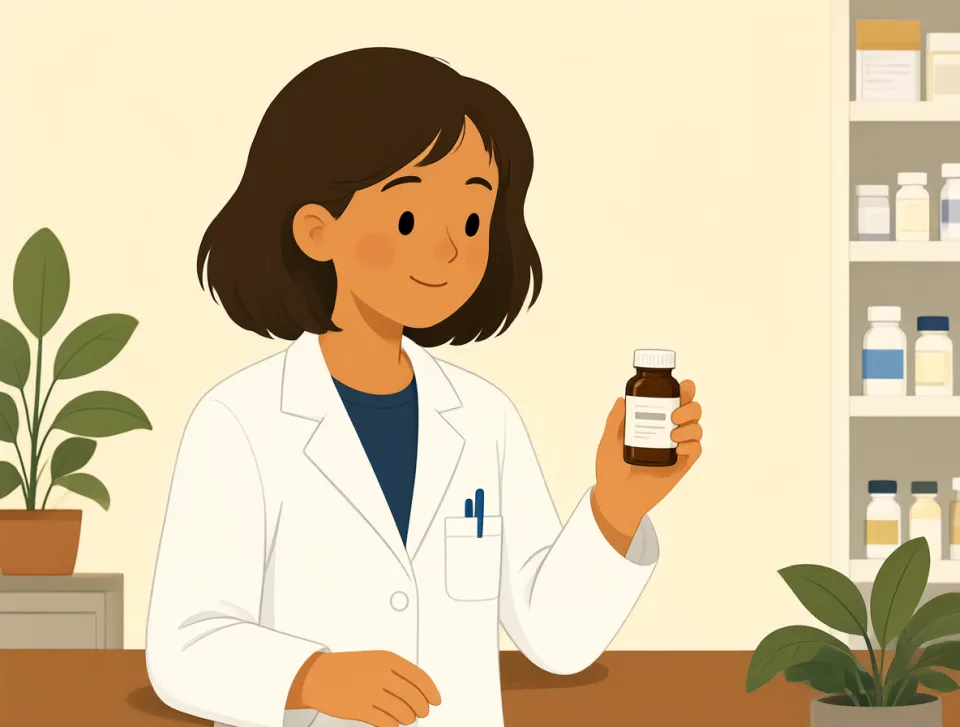
The medicine contains natural ingredients.
この薬には天然成分が含まれています。
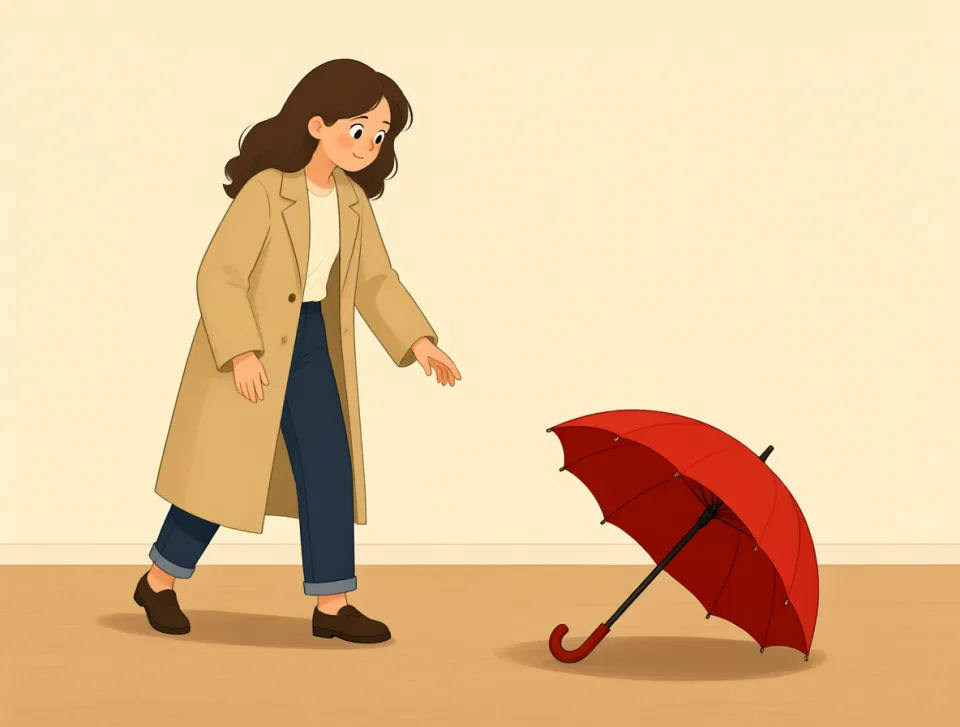
notice
#664verb, noun
気づく; お知らせ; 掲示
to see or become aware of something; a short written announcement about something
何かを見たり、意識したりすること;何かについての短い書面によるお知らせ
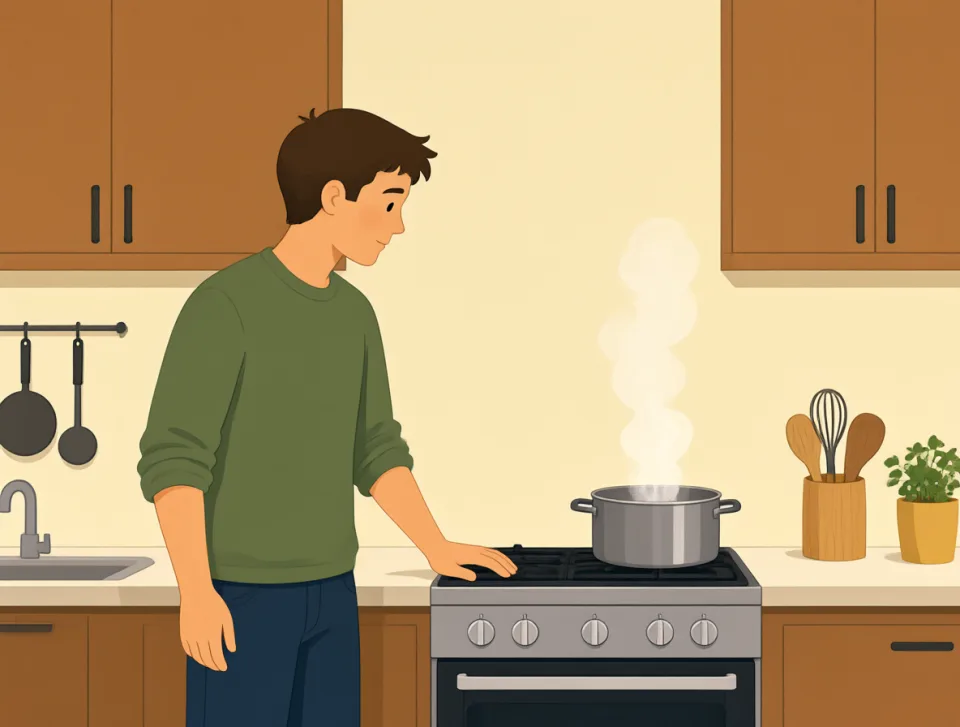
I noticed a strange smell in the kitchen.
台所で変なにおいがすることに気づきました。
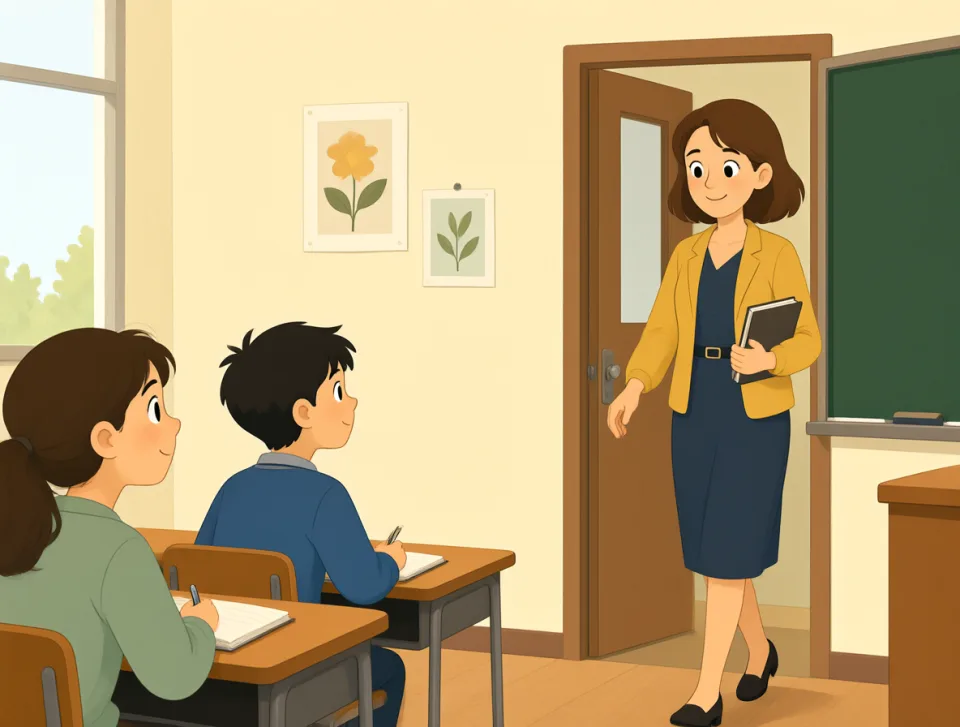
Did you notice the new teacher today?
今日、新しい先生に気づきましたか?
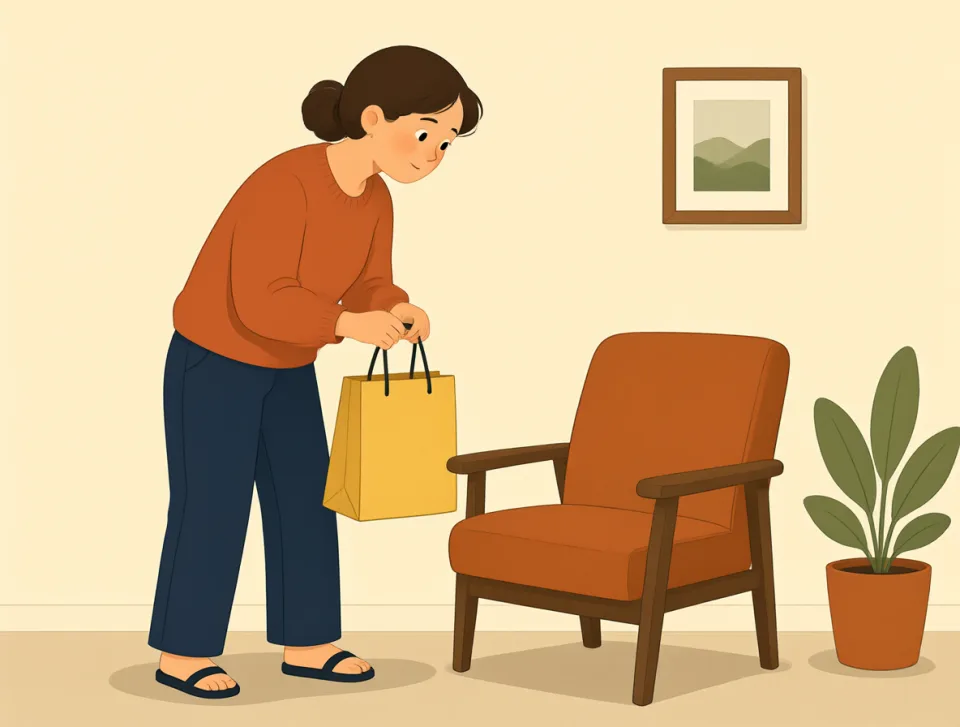
She noticed that her bag was missing.
彼女は自分のバッグがなくなっていることに気づきました。

We noticed a small café near the station.
駅の近くに小さなカフェがあることに気づきました。

I read the notice on the office door.
オフィスのドアに貼ってあったお知らせを読みました。
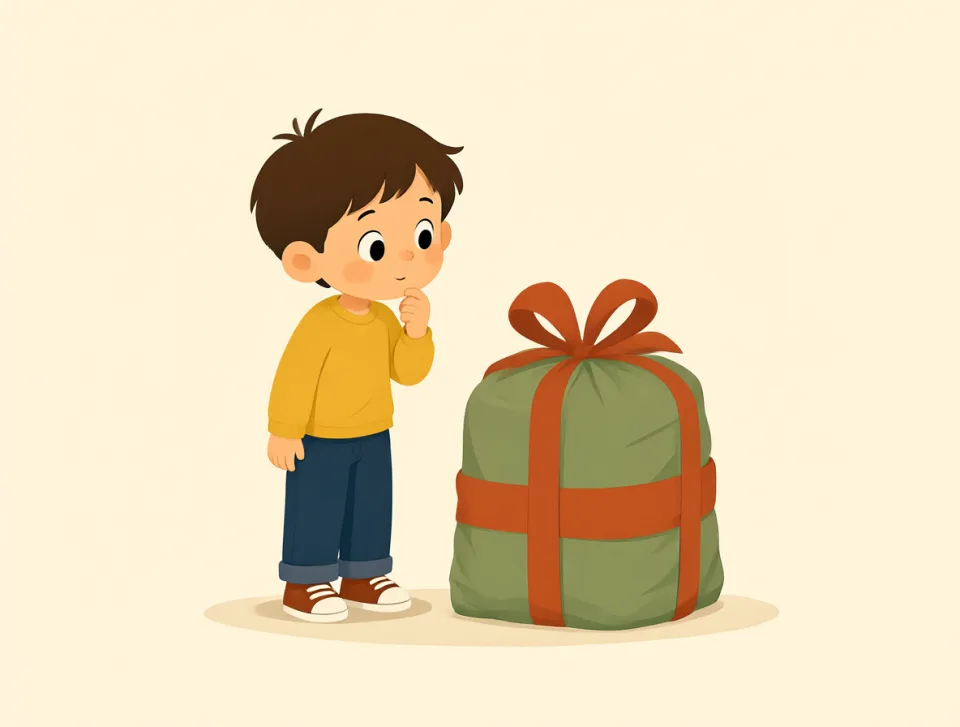
wonder
#665noun, verb
不思議;〜かなと思う;驚異;驚嘆する
To think about something and want to know more about it.
何かについて考え、もっと知りたいと思うこと。
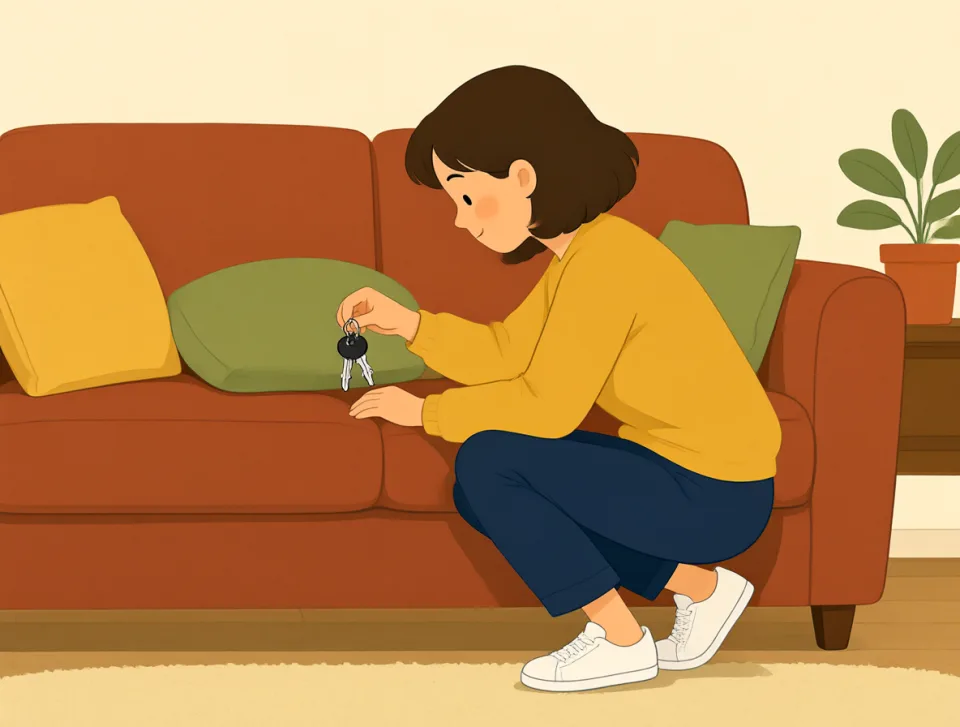
I wonder where my keys are.
鍵はどこにあるんだろう。
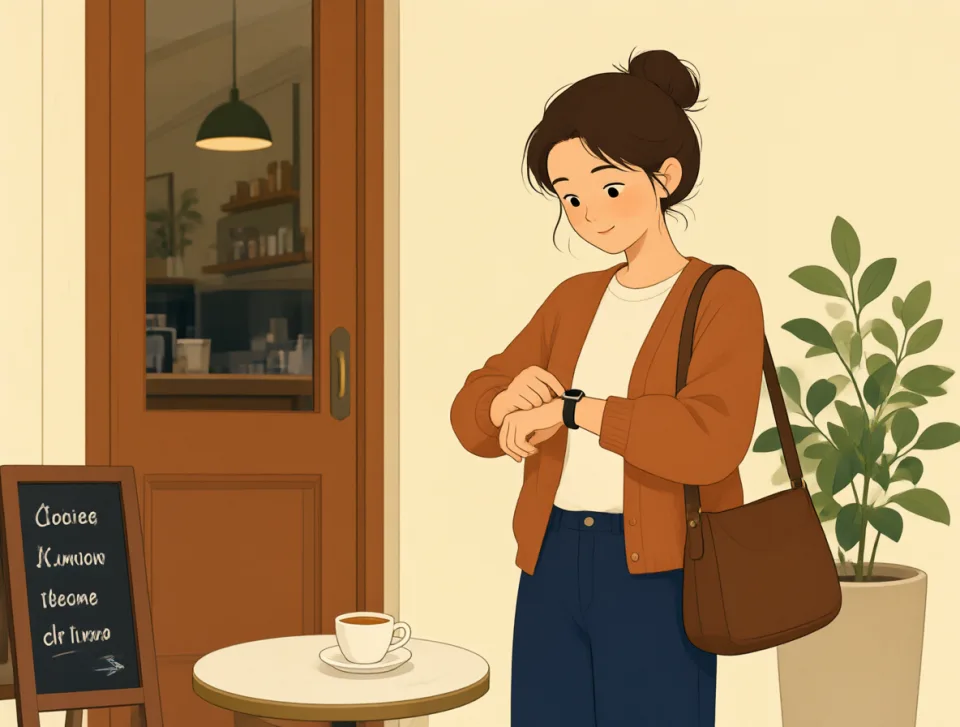
She wondered why he was late.
彼女はなぜ彼が遅れたのかと思った。
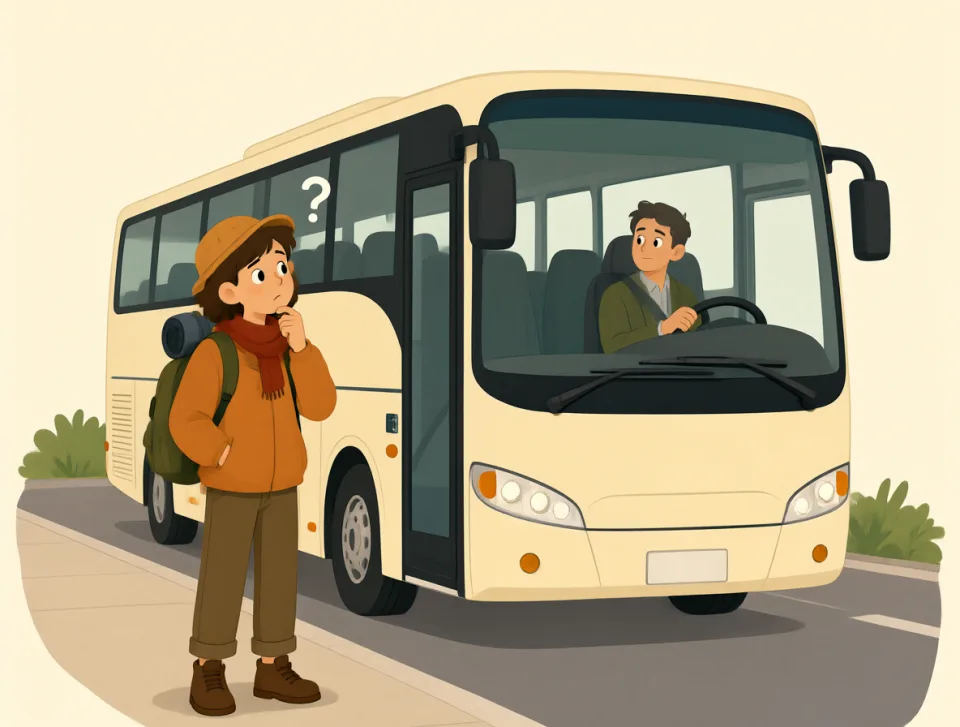
I wonder if this bus goes downtown.
このバスは街の中心部に行くのかな。

The new baby is a wonder.
生まれたばかりの赤ちゃんは、まさに驚異です。

We wondered at the beautiful mountain view.
私たちは美しい山の景色に驚嘆した。

nature
#666noun
自然
the natural world, including plants, animals, and places not made by people
植物や動物、人間が作ったものではない場所などを含む自然界
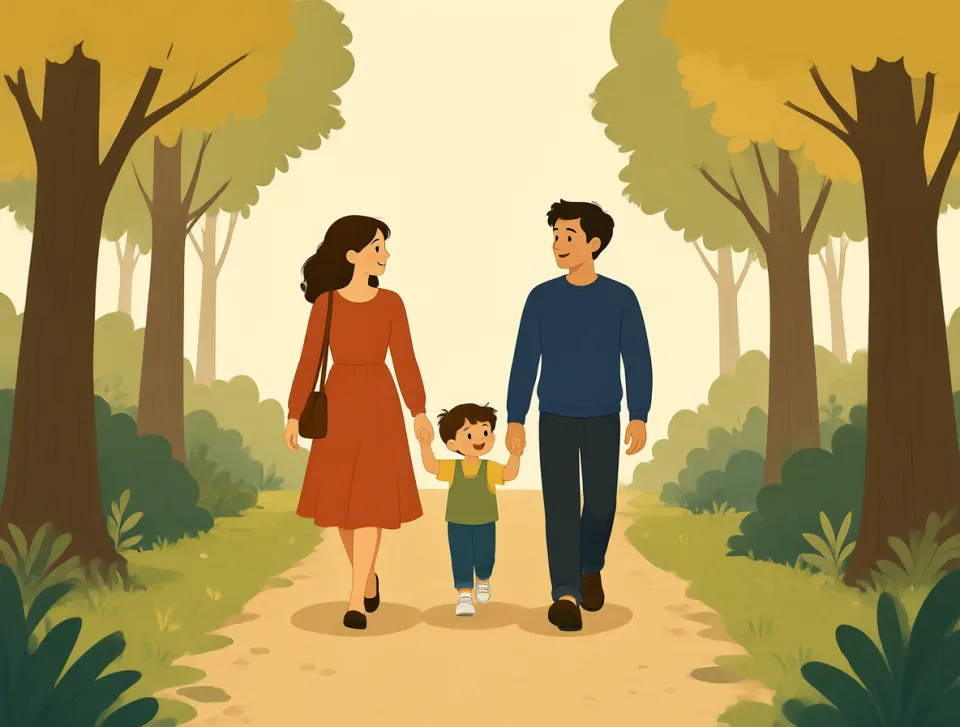
We walked in nature after breakfast.
朝食のあと、自然の中を歩きました。
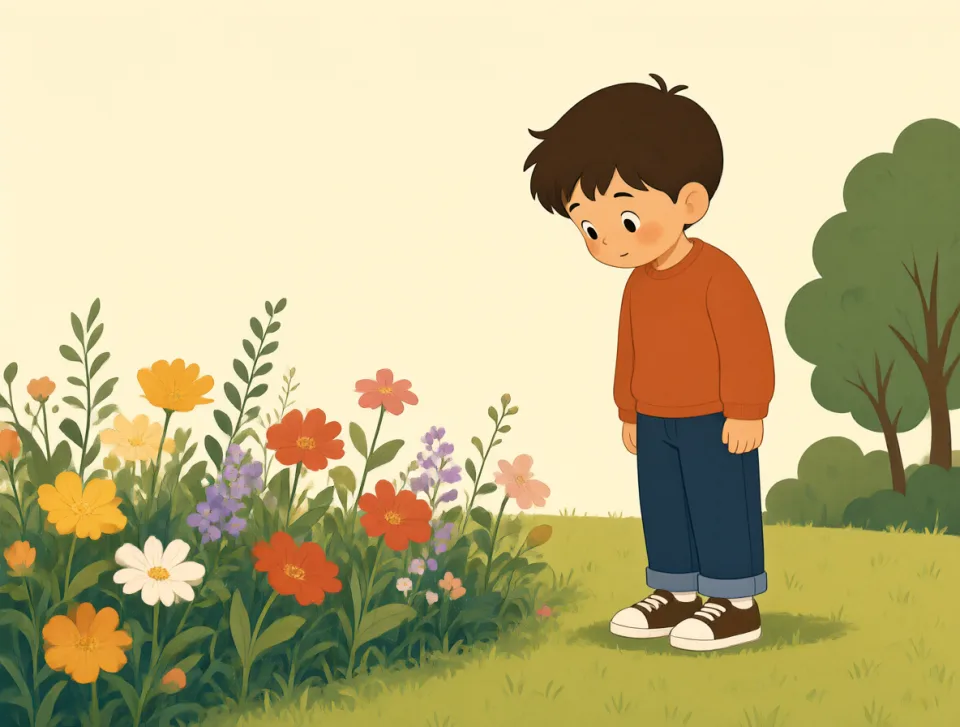
Nature is beautiful in the spring.
春の自然は美しいです。

This park is a great place to enjoy nature.
この公園は自然を楽しむのにぴったりの場所です。

She loves taking nature photos on trips.
彼女は旅行先で自然の写真を撮るのが大好きです。

The doctor says nature can reduce stress.
医師は、自然に触れることでストレスを軽減できると言っています。
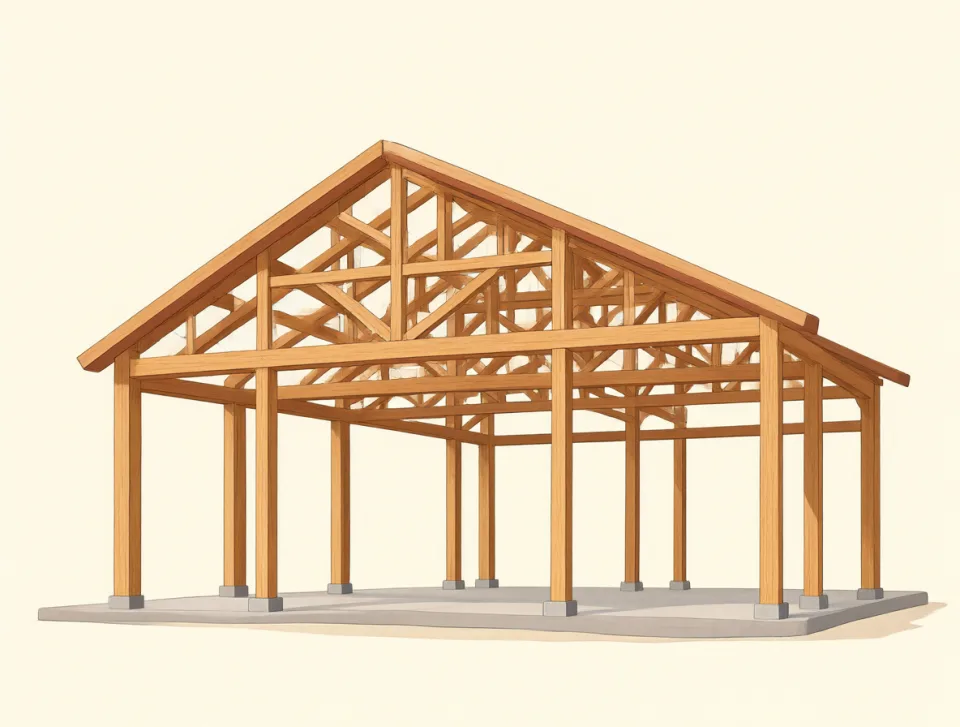
structure
#667noun, verb
構造; 構成する
The way parts are arranged and connected; to arrange parts in a clear way.
部分がどのように配置され、つながっているか。また、部分を分かりやすく組み立てること。
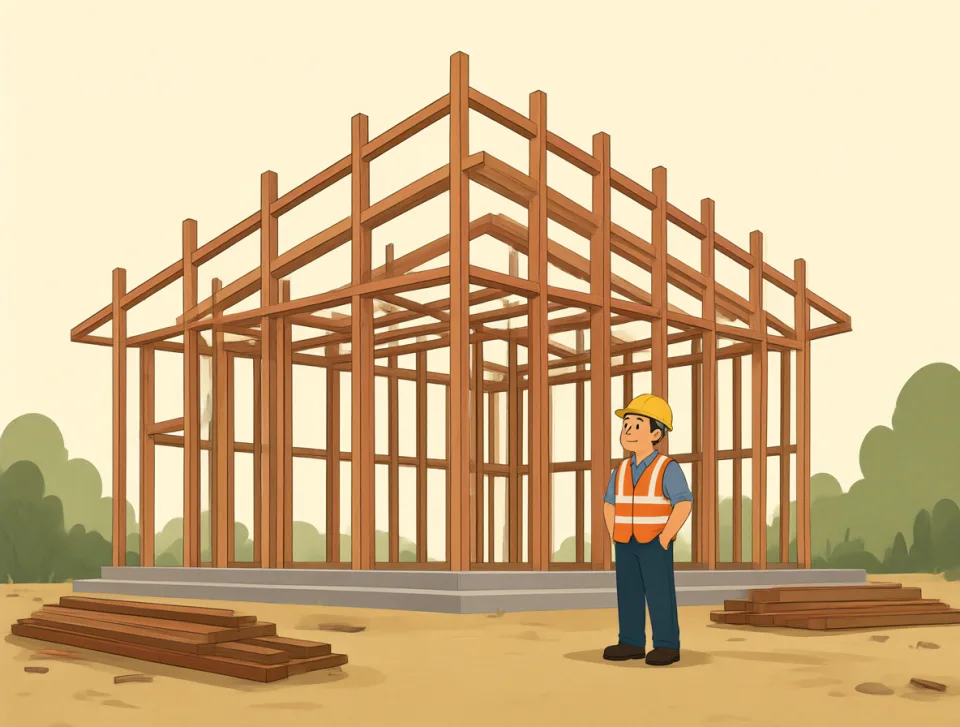
The building has a strong structure.
その建物は頑丈な構造をしている。
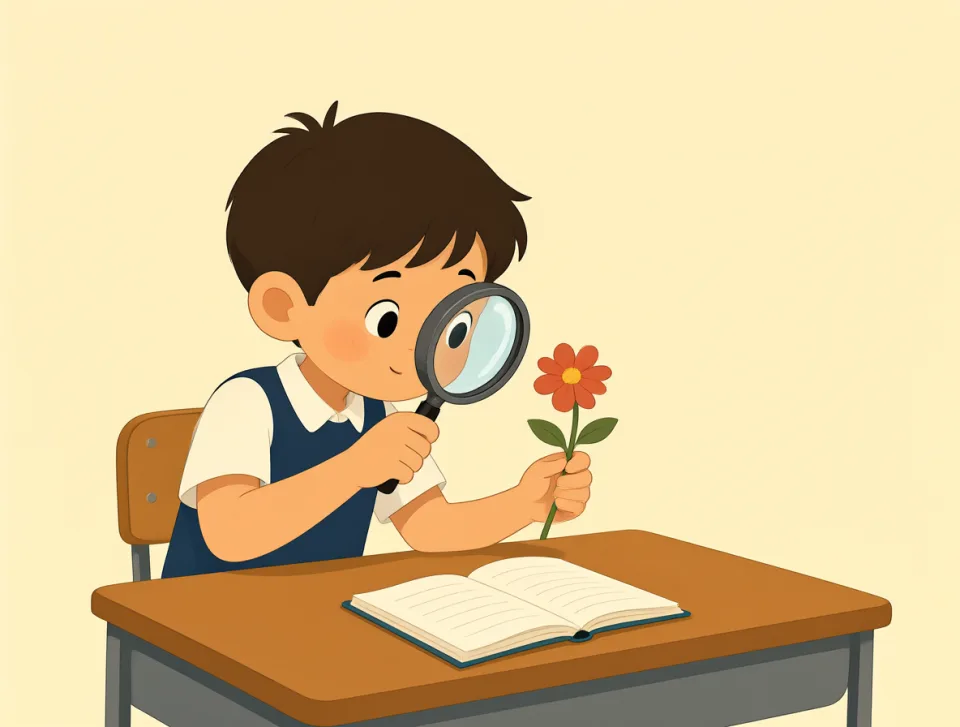
We studied the structure of a flower.
私たちは花の構造を学んだ。
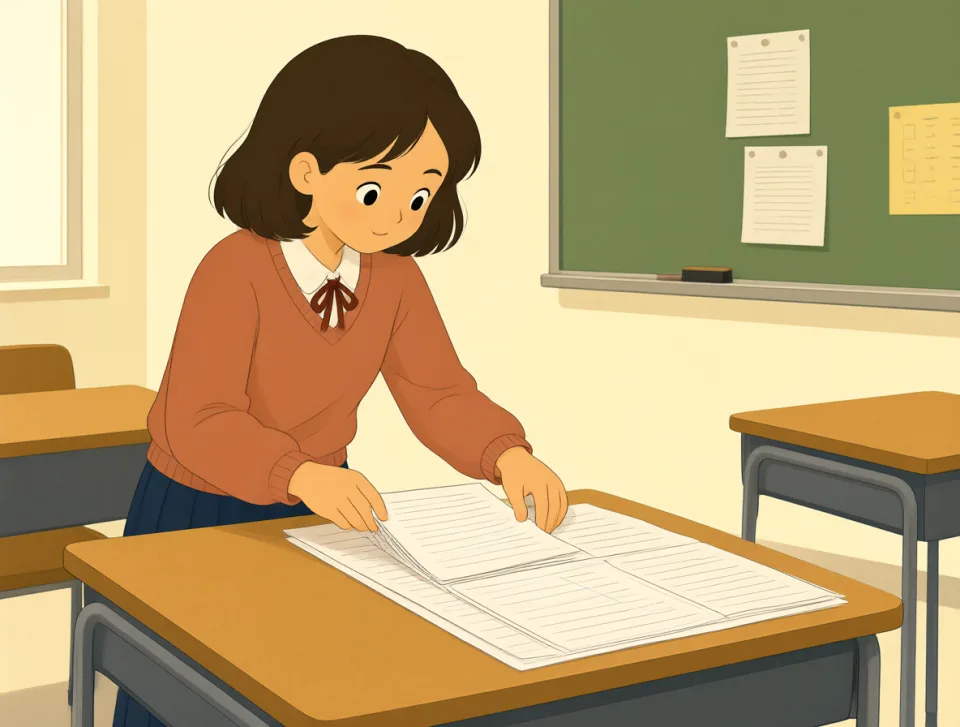
The essay has a clear structure.
その作文は構成が明確だ。

The bridge structure was damaged by the storm.
その橋の構造は嵐によって損傷した。
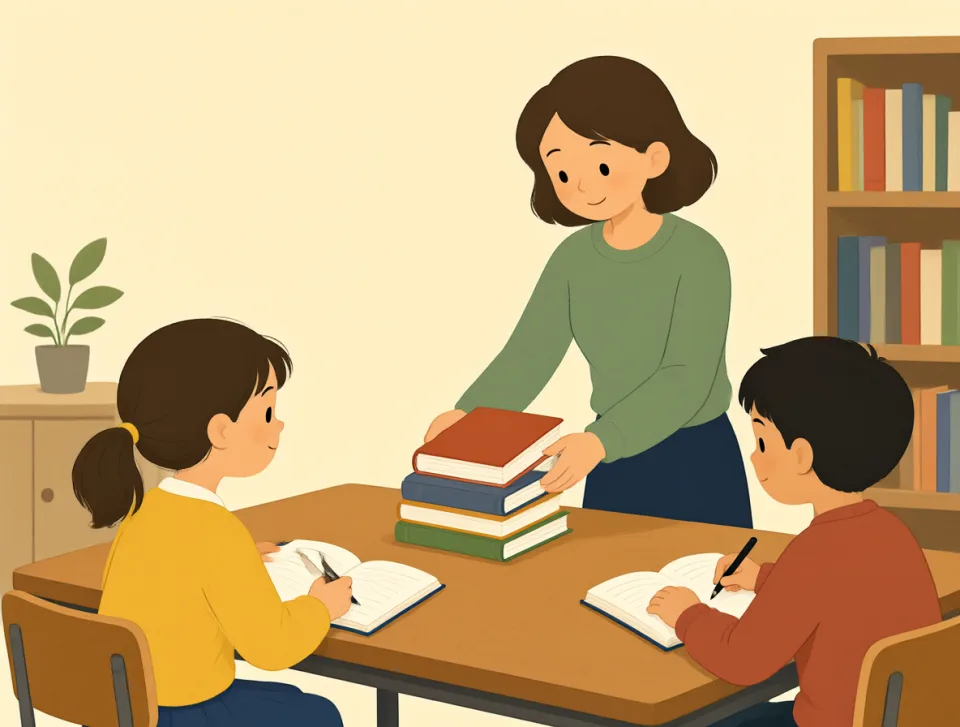
The teacher structured the lesson carefully.
先生は授業を注意深く組み立てた。
section
#668noun, verb
部分; 部門; 区画; 分ける
One part of something larger, such as a book, store, or group.
本や店、集団など、より大きなものの一部。
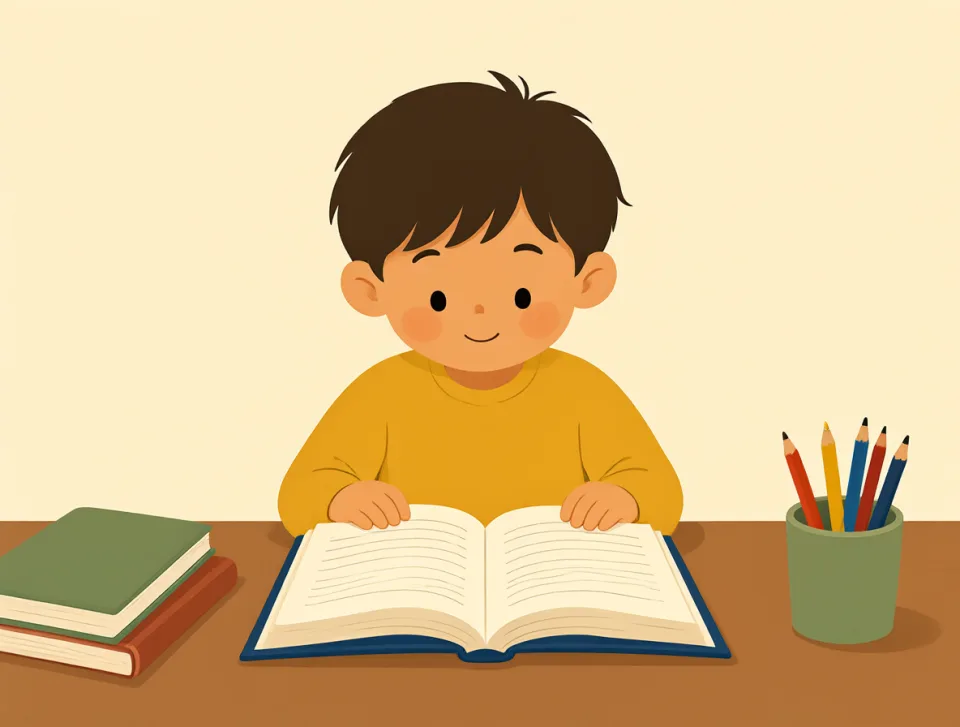
Please read the next section of the book.
本の次の章を読んでください。

The store has a large clothing section.
その店には大きな衣料品売り場があります。

We sat in the front section of the train.
私たちは電車の前方の区画に座りました。
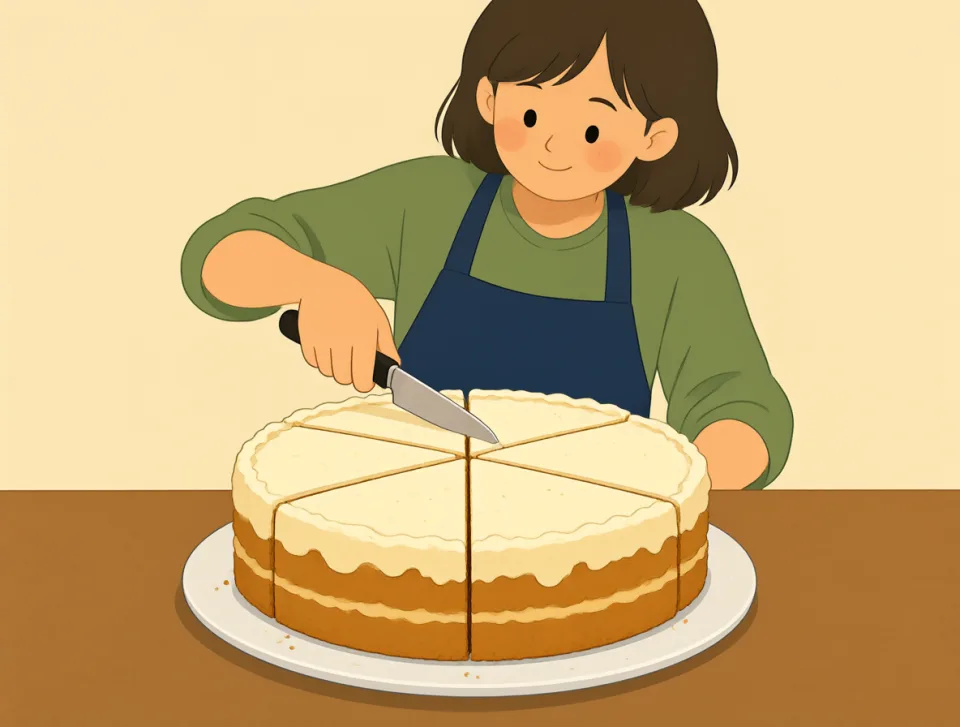
Cut the cake into six equal sections.
ケーキを6つの等しい部分に切ってください。
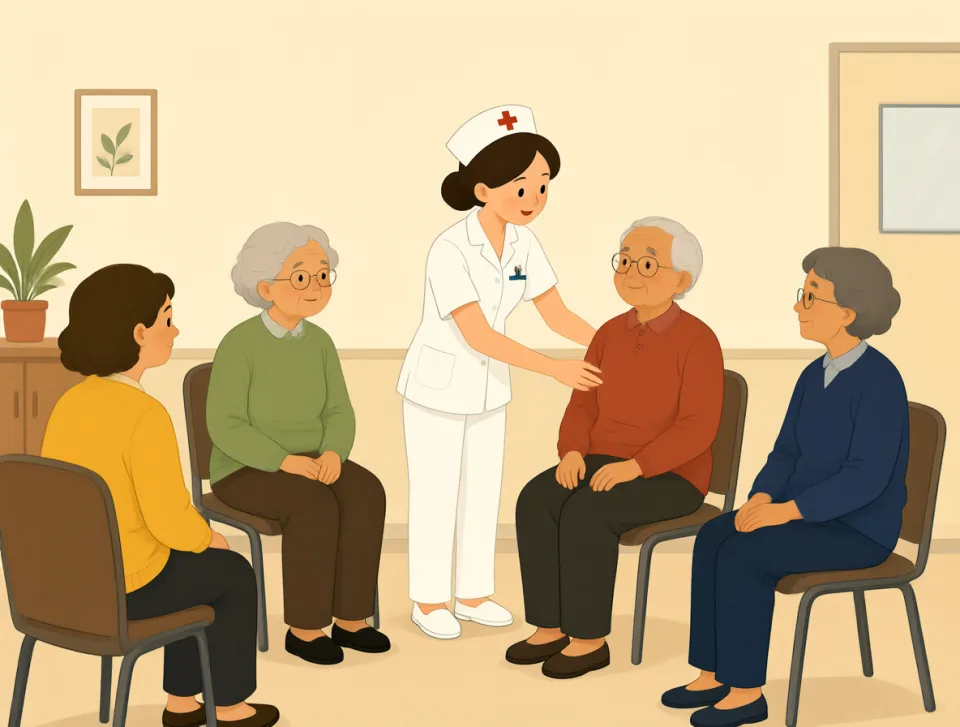
The nurse sectioned the patients into small groups.
看護師は患者を小さなグループに分けました。
myself
#669pronoun
自分自身; 自分
used to refer to the speaker as the object of an action or for emphasis
行為の対象が話し手自身であることを表したり、話し手自身であることを強調したりするために用いる
I taught myself to cook.
自分で料理を覚えた。
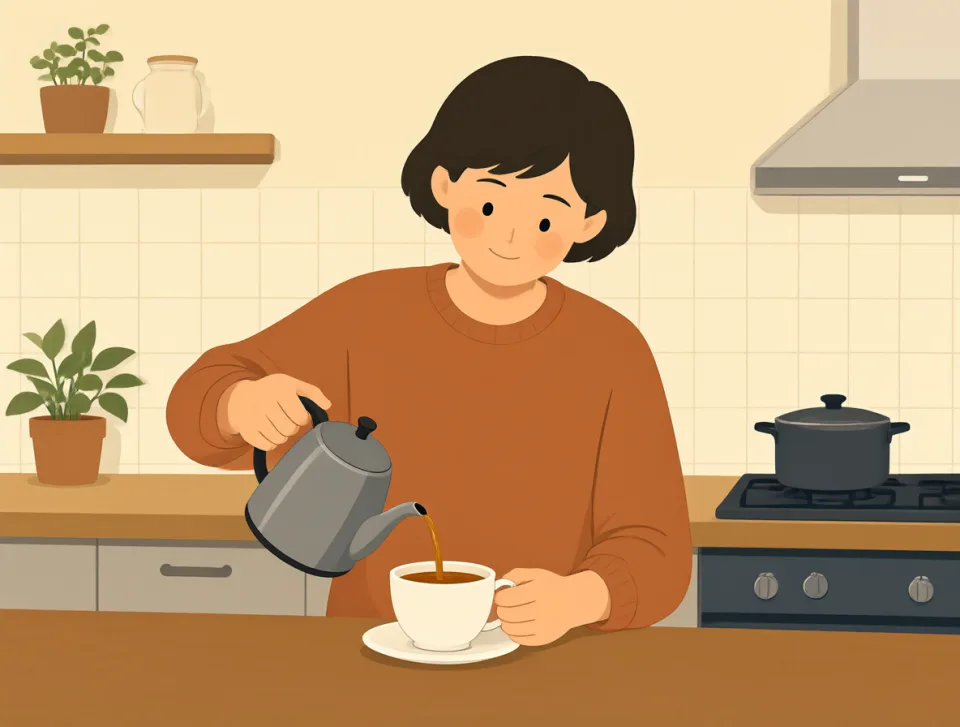
I made myself a cup of tea.
自分のために紅茶を一杯いれた。
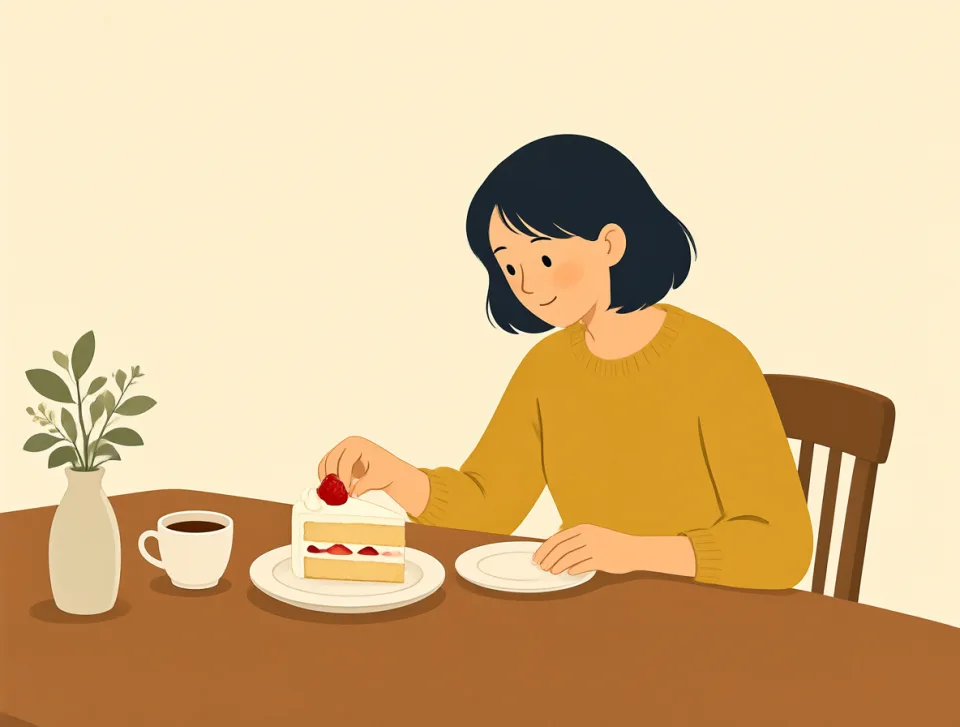
Please help yourself to some cake.
ケーキをどうぞ、遠慮なく召し上がってください。
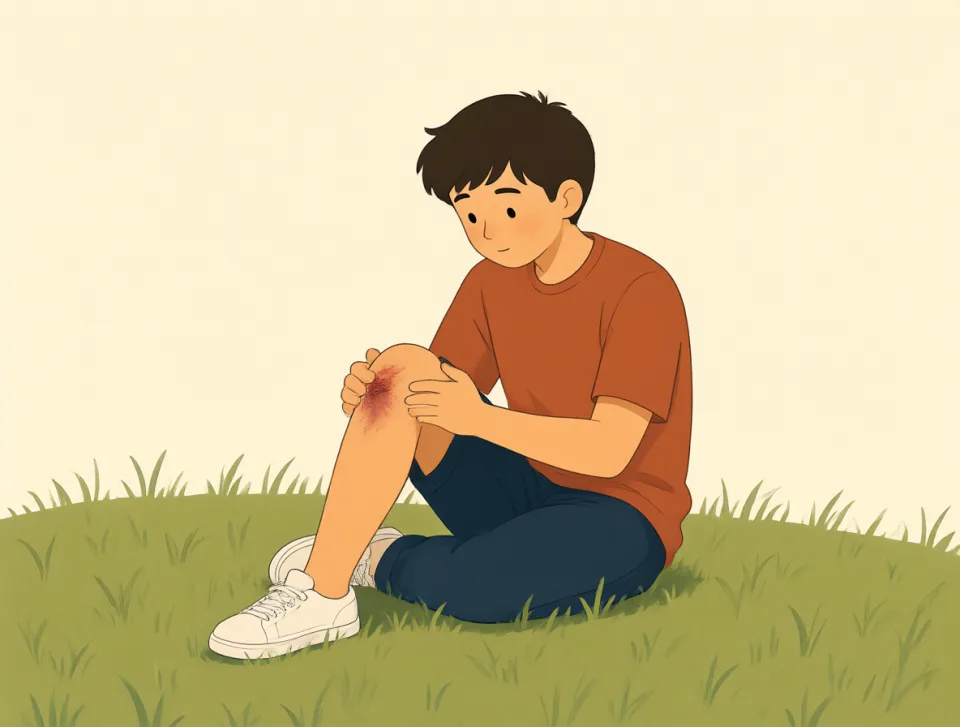
I hurt myself while playing football.
サッカーをしていてけがをした。

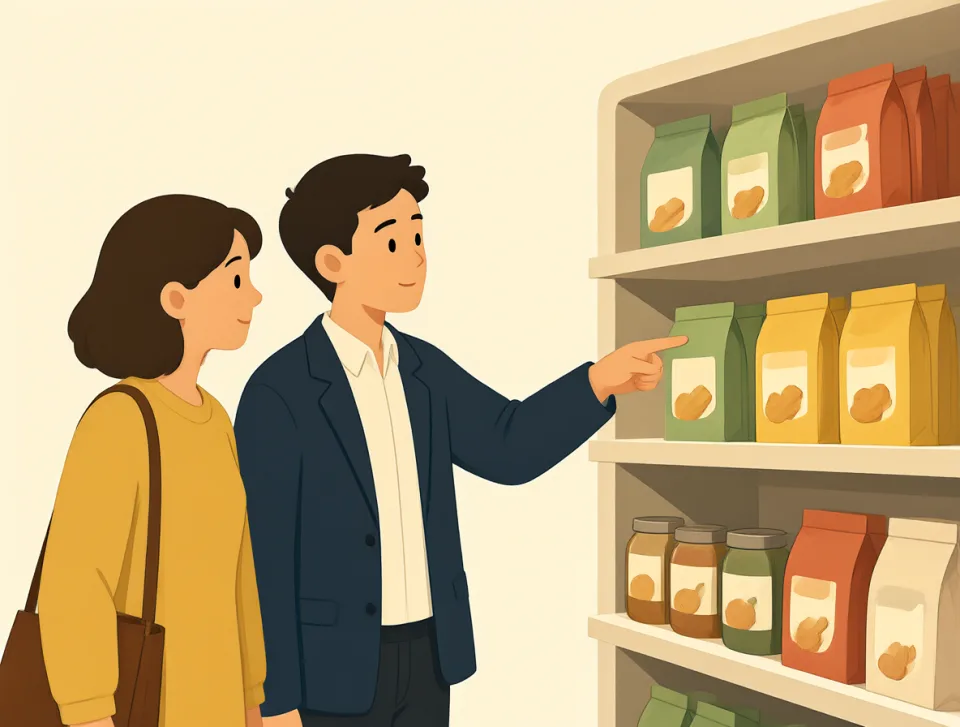
I introduced myself to the new teacher.
新しい先生に自己紹介をした。
exactly
#670adverb
正確に; まさに
In a way that is completely correct or accurate.
完全に正しい、または正確な方法で。
That is exactly what I need.
それはまさに私が必要としているものです。
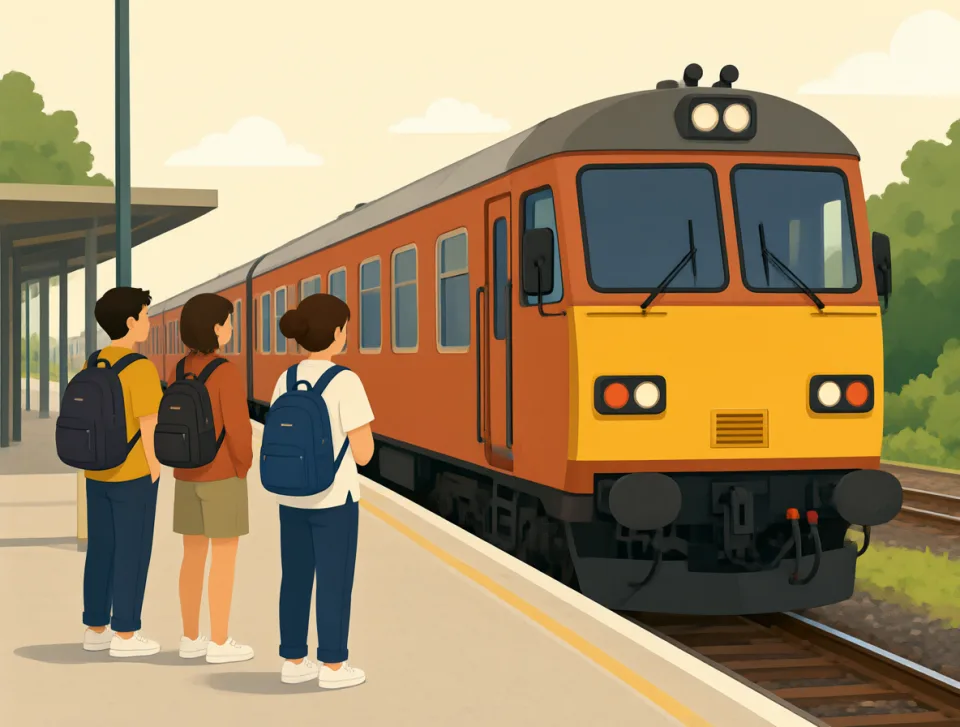
The train arrived exactly at noon.
列車は正午ちょうどに到着しました。
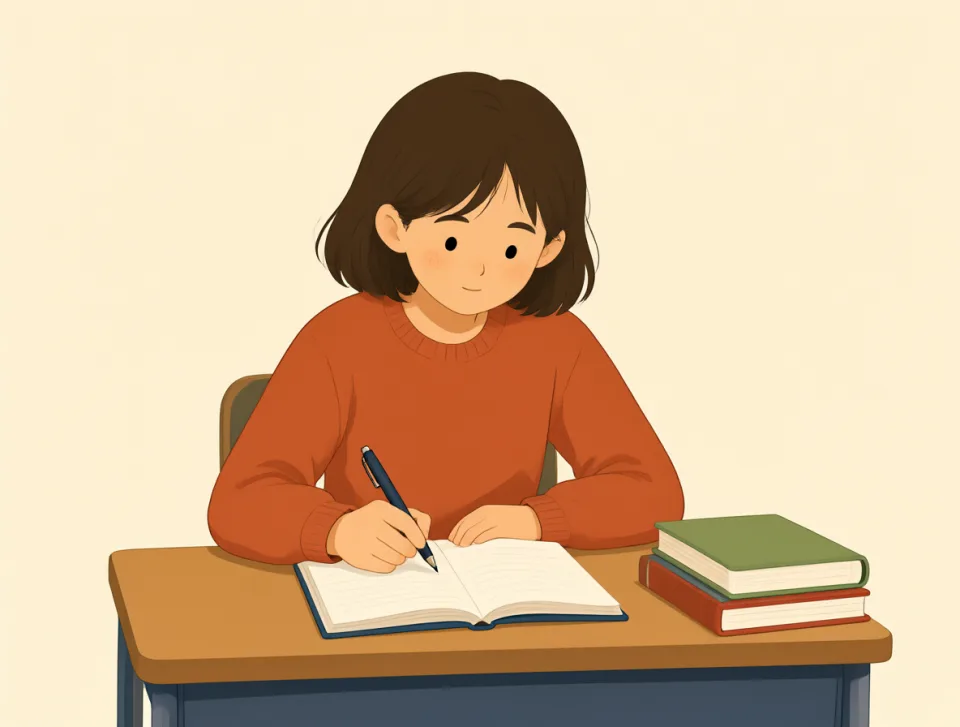
Please write exactly five sentences.
5文ちょうど書いてください。

This shirt is exactly my size.
このシャツはまさに私のサイズです。

He knew exactly how I felt.
彼は私がどう感じているかを正確に理解していました。

plant
#671noun, verb
植物; 工場; 植える; 埋め込む
A living thing that grows in soil, or to put something in the ground.
土に生えている生き物、または何かを地面に入れること。
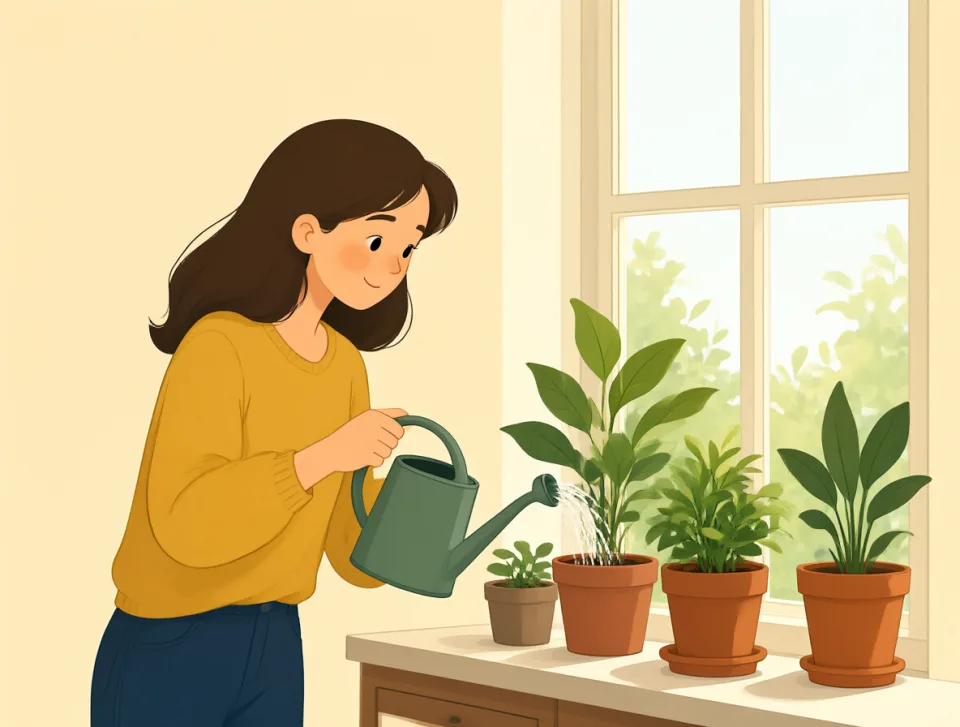
She waters the plants every morning.
彼女は毎朝、植物に水をやります。
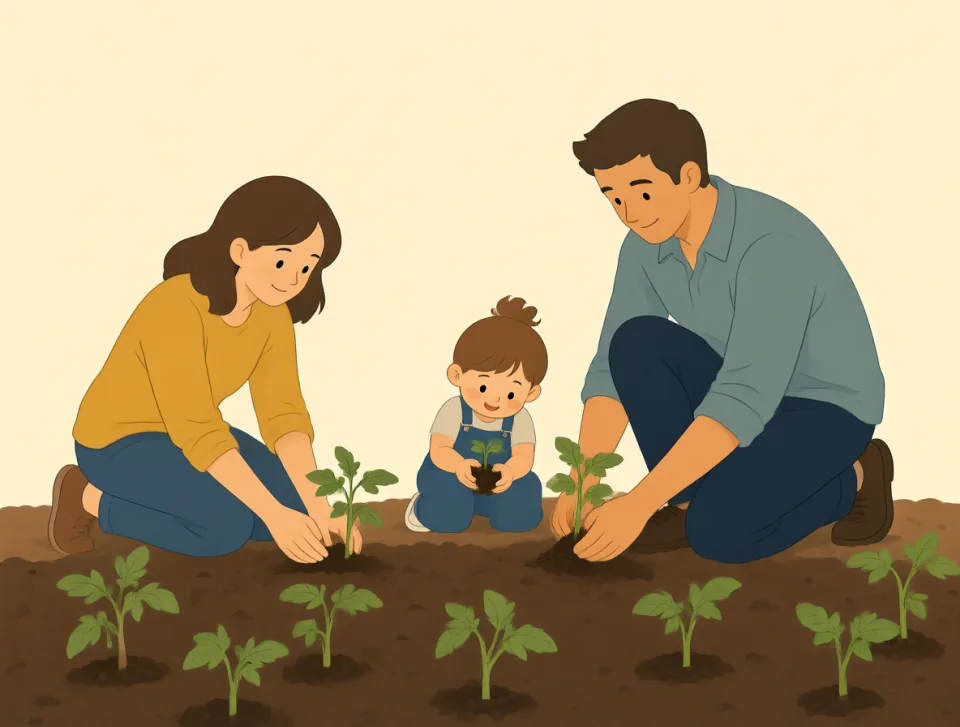
We planted tomatoes in the garden.
私たちは庭にトマトを植えました。
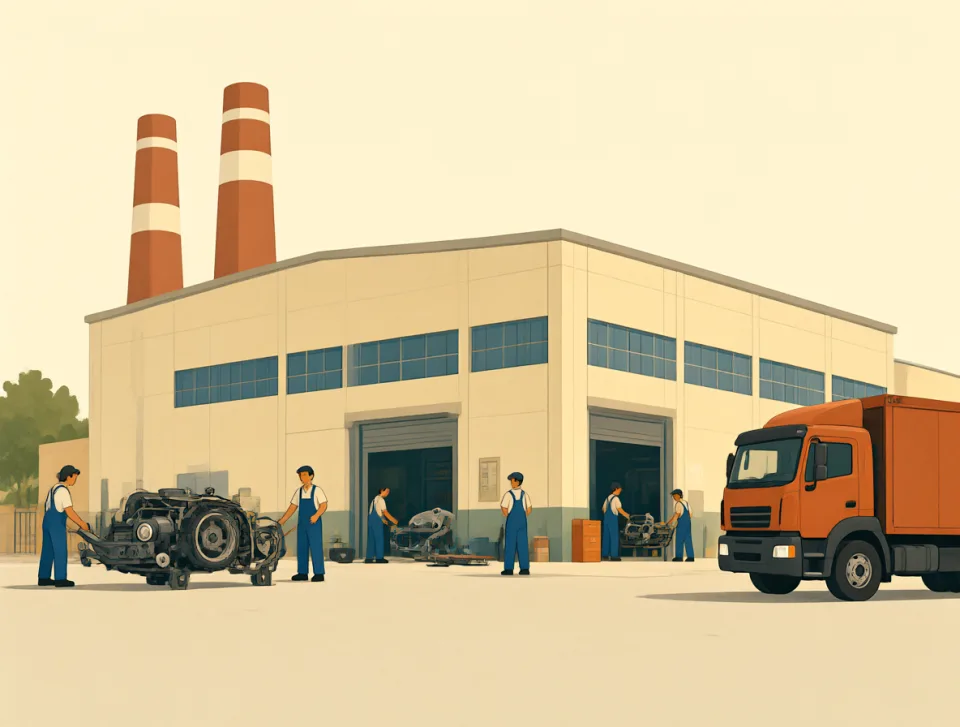
The factory plant makes car parts.
その工場では自動車部品を製造しています。
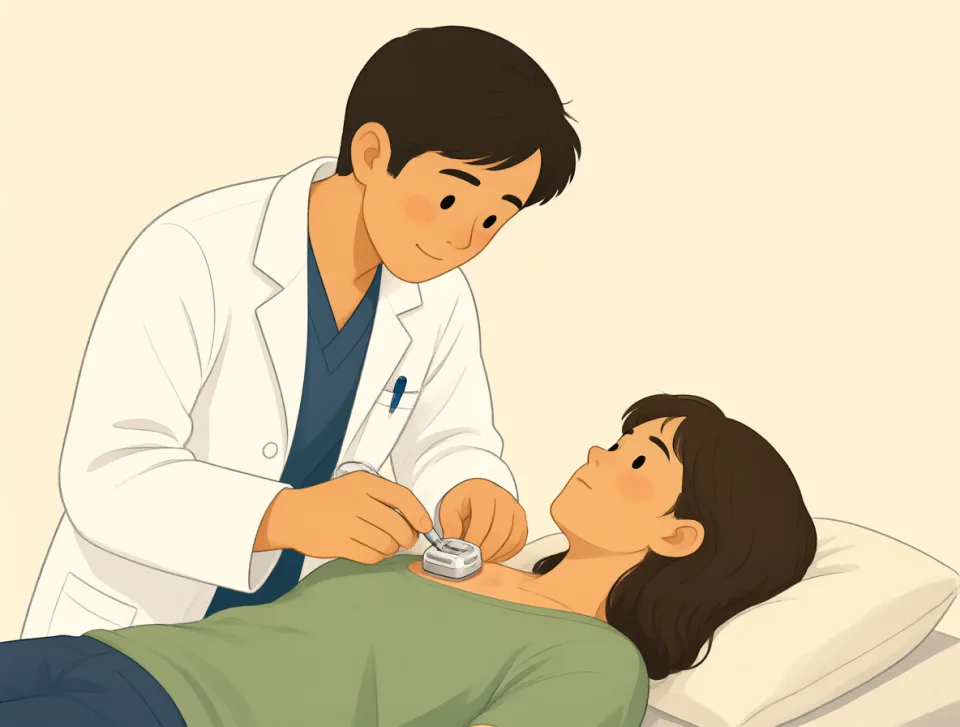
The doctor planted a small device under his skin.
医師は彼の皮膚の下に小さな装置を埋め込みました。
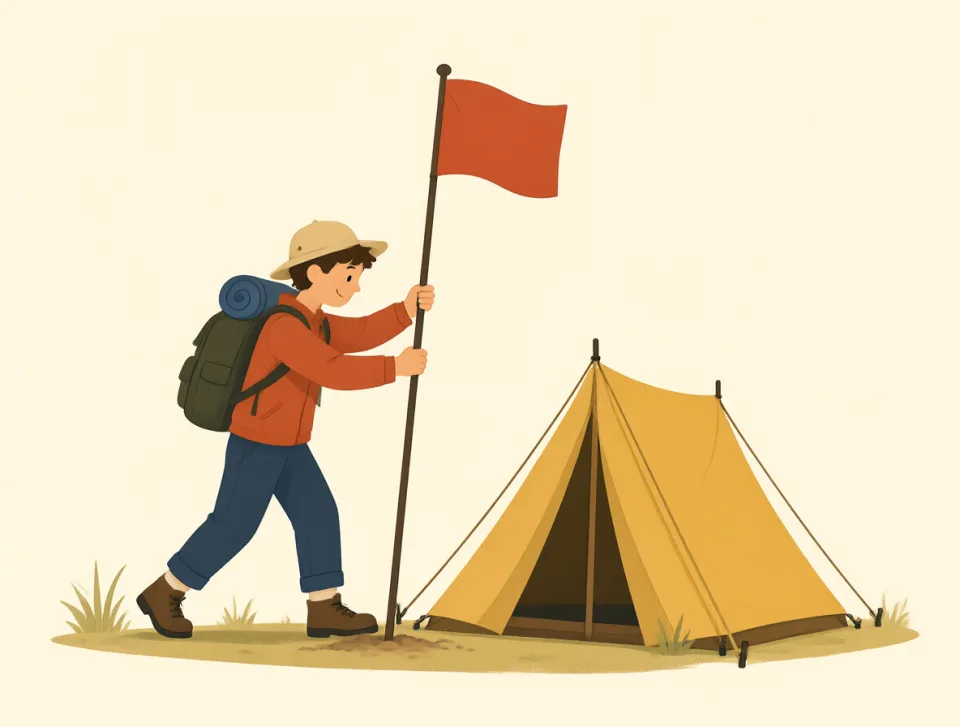
Please plant the flag near the tent.
テントの近くに旗を立ててください。

paint
#672noun, verb
ペンキ; 絵の具; 塗る; 描く
A colored liquid used to cover or decorate surfaces; to put color on something.
表面を覆ったり装飾したりするための色のついた液体。また、何かに色をつけること。
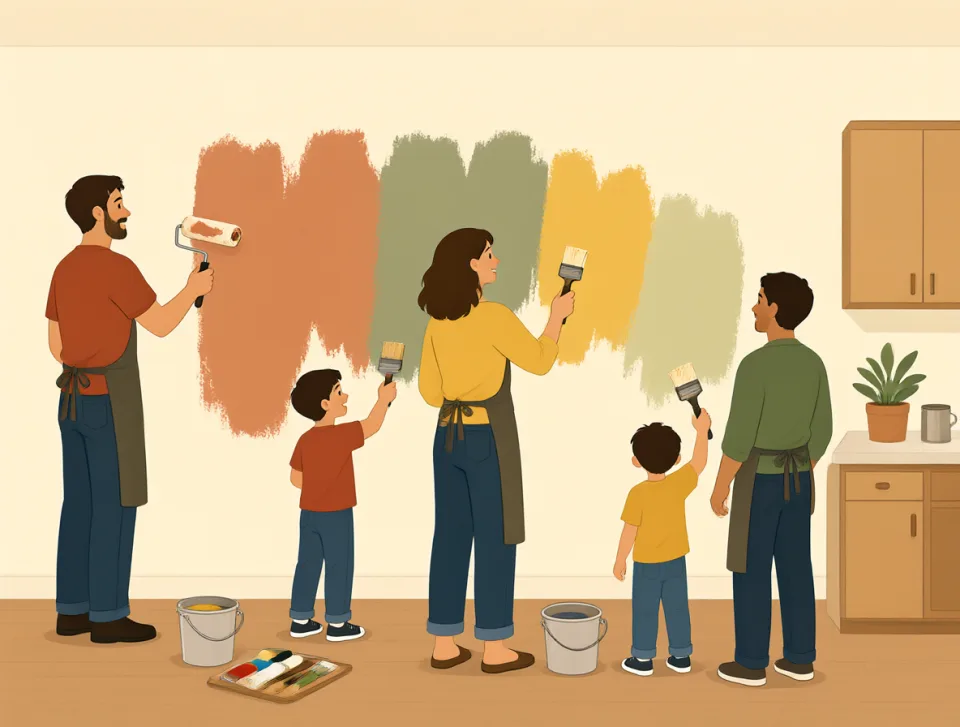
We painted the kitchen walls last weekend.
私たちは先週末、キッチンの壁を塗りました。
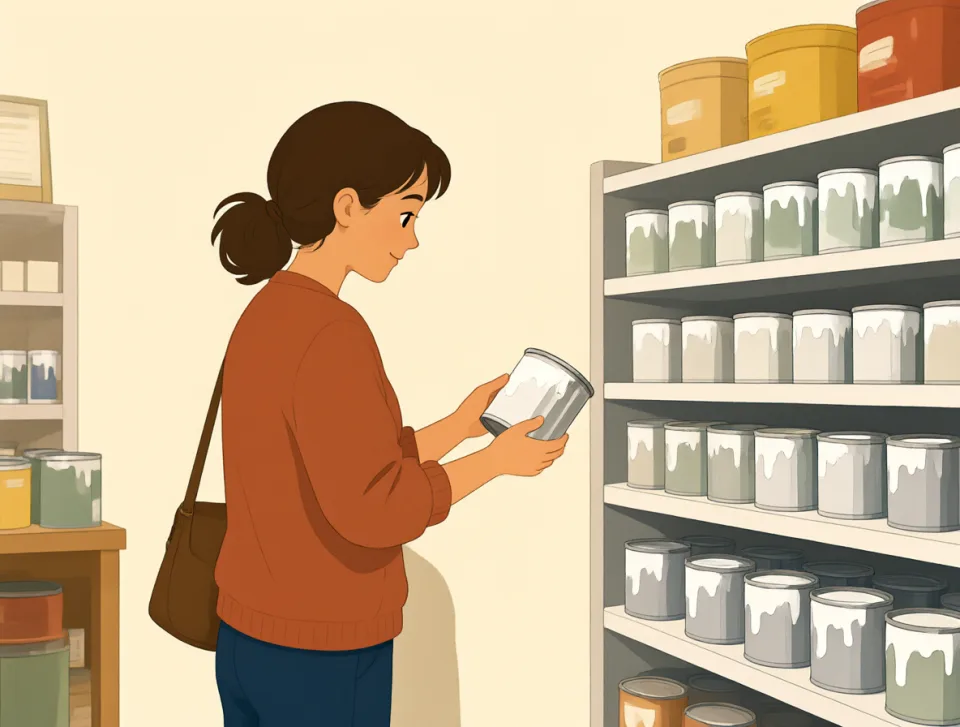
She bought white paint for the bedroom.
彼女は寝室用に白いペンキを買いました。

The children are painting pictures at school.
子どもたちは学校で絵を描いています。

He painted the chair green yesterday.
彼は昨日、その椅子を緑色に塗りました。

The artist paints beautiful flowers.
その画家は美しい花を描きます。

worker
#673noun
労働者; 働く人; 作業員; 職員
A person who does a job, especially to earn money.
特にお金を稼ぐために仕事をする人。

The workers start early every morning.
作業員たちは毎朝早く仕事を始めます。
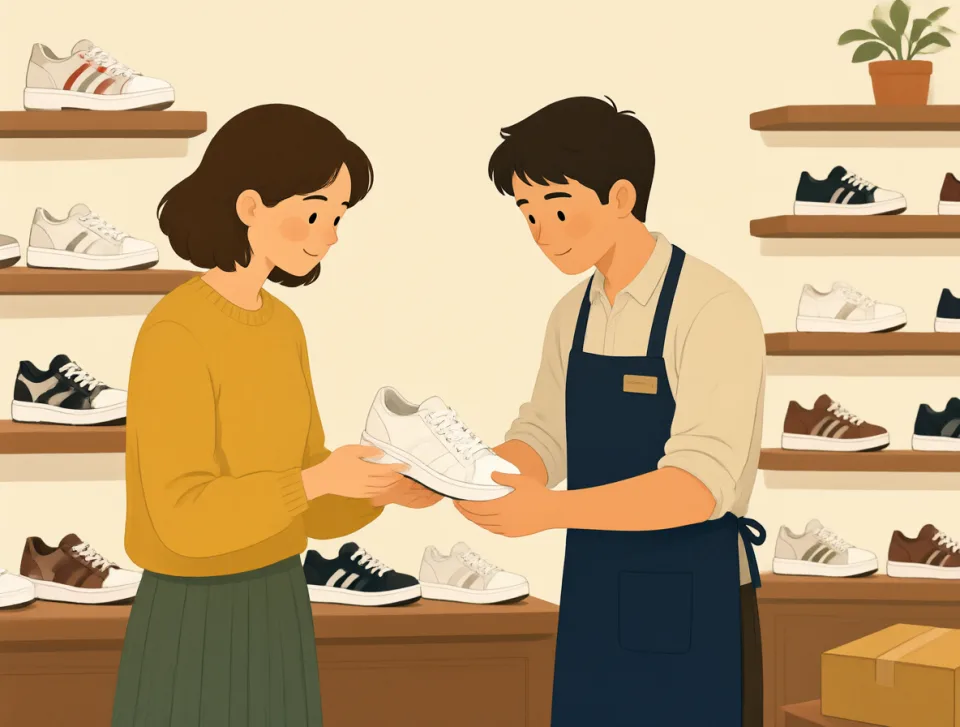
A shop worker helped me find shoes.
店員が靴を探すのを手伝ってくれました。
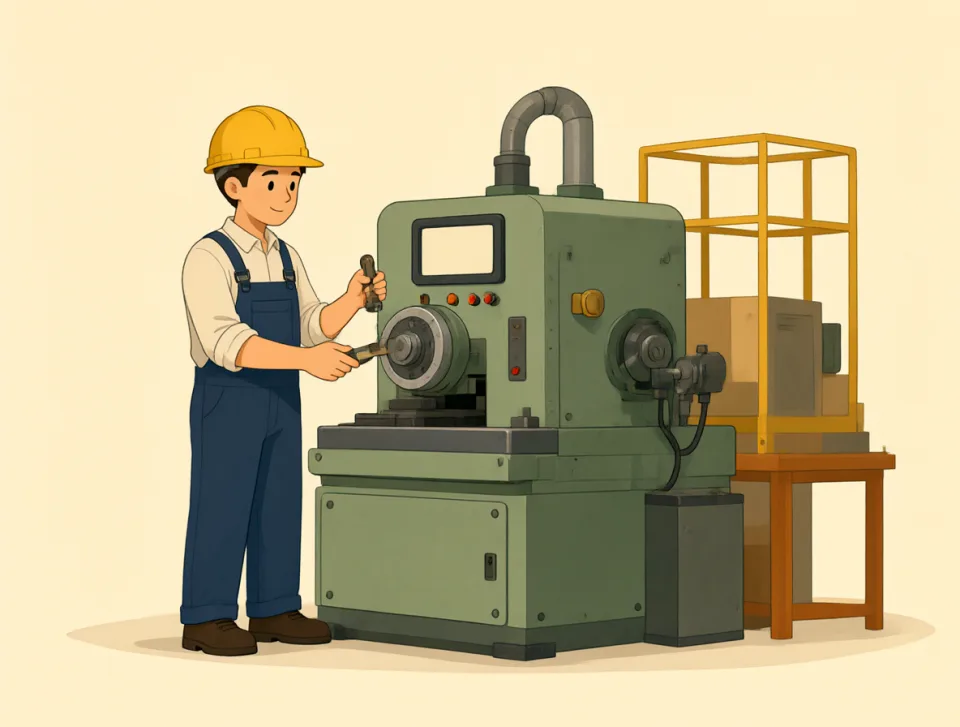
The factory worker checked the machines.
工場の作業員は機械を点検しました。
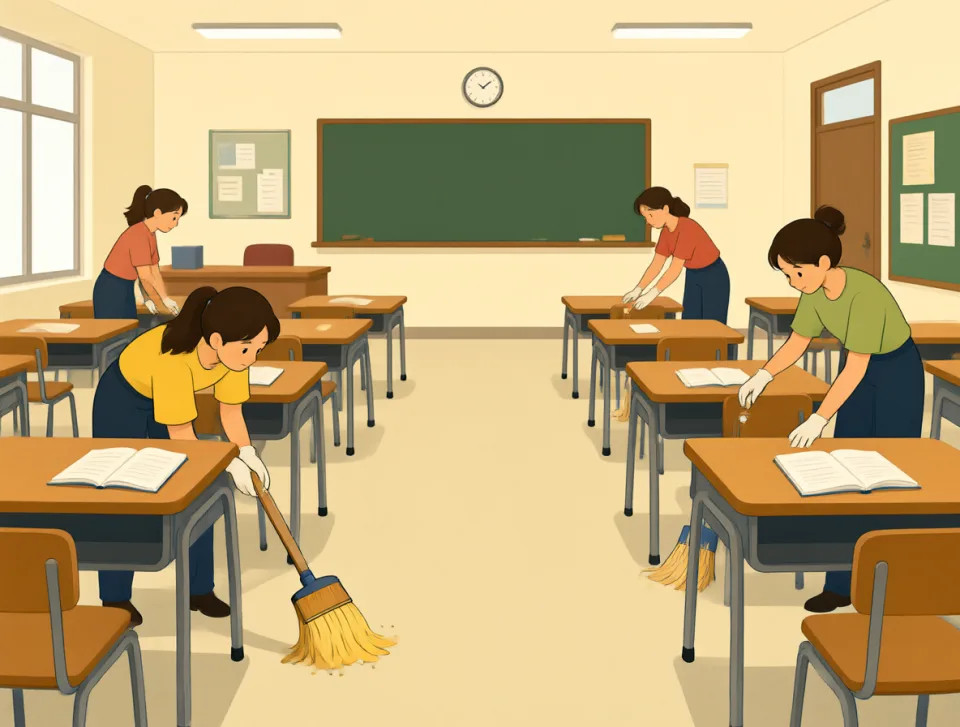
The school workers cleaned the classrooms.
学校の職員たちは教室を掃除しました。
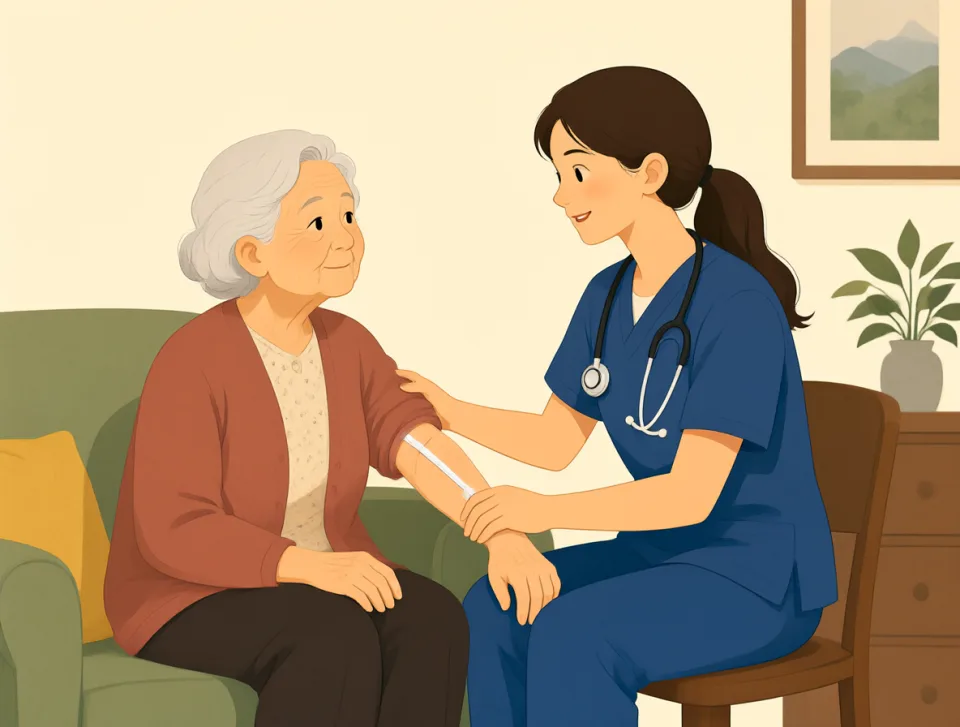
The health worker visited my sick grandmother.
医療従事者が病気の祖母を訪ねてきました。
press
#674verb, noun
押す; 押しつける; 報道機関
to push something firmly with your finger or hand
指や手で何かをしっかり押すこと
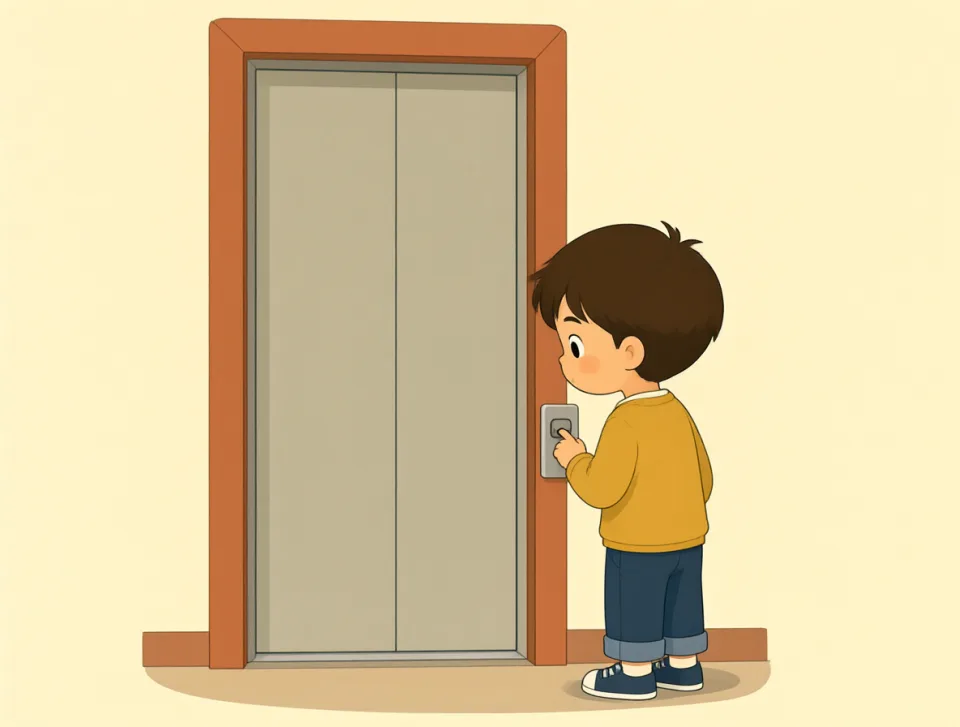
Press the button to open the door.
ドアを開けるにはボタンを押してください。
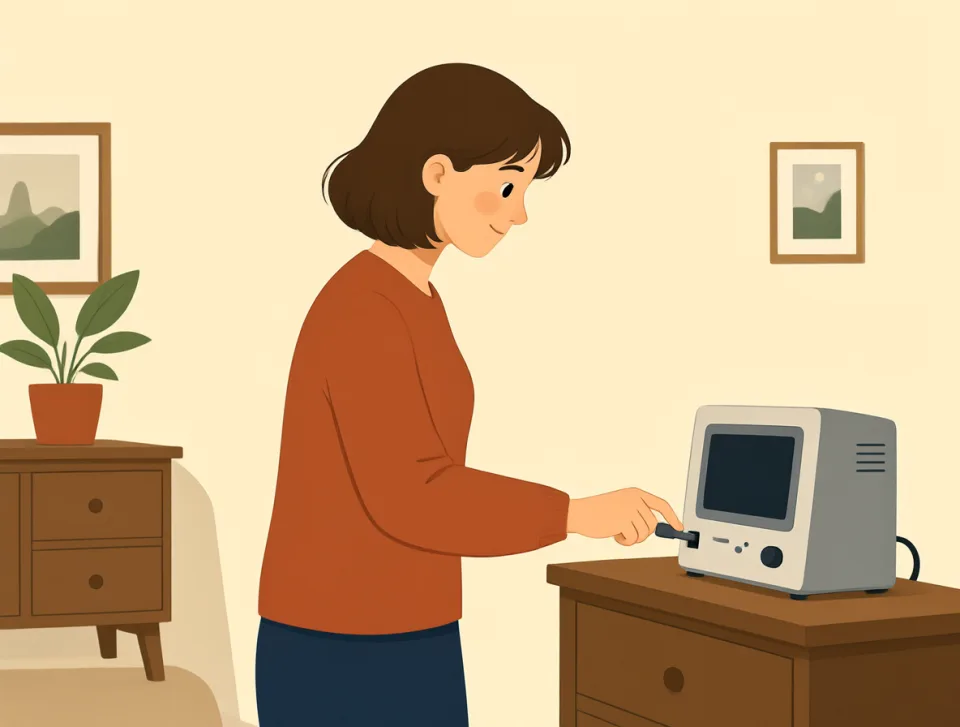
She pressed the key and started the machine.
彼女はキーを押して、機械を動かし始めました。
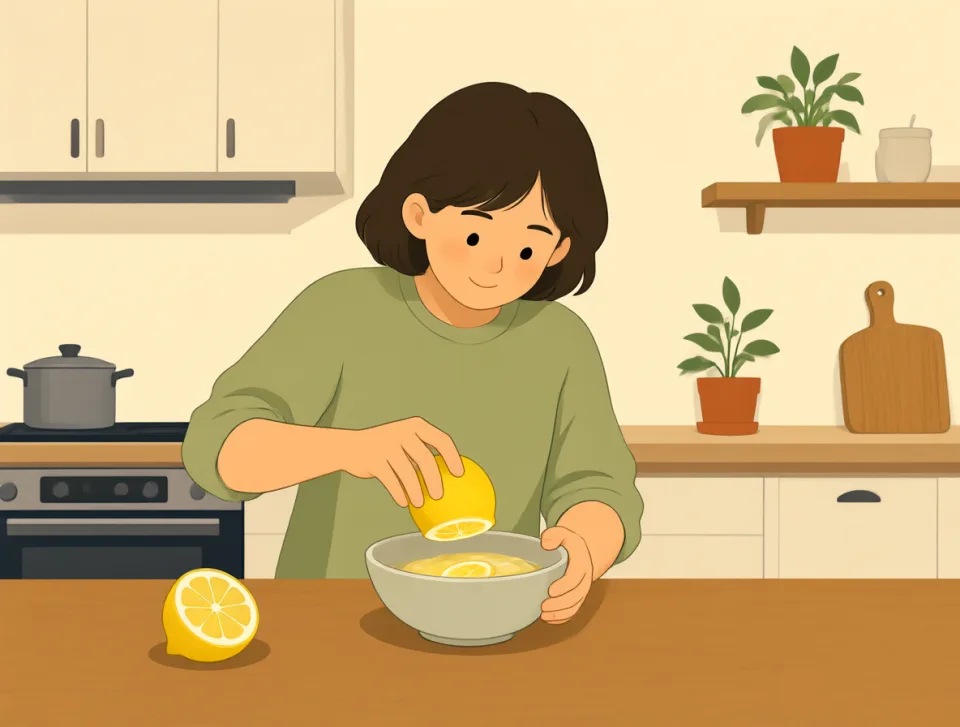
Press the lemons to get more juice.
もっと果汁を出すために、レモンを押してください。
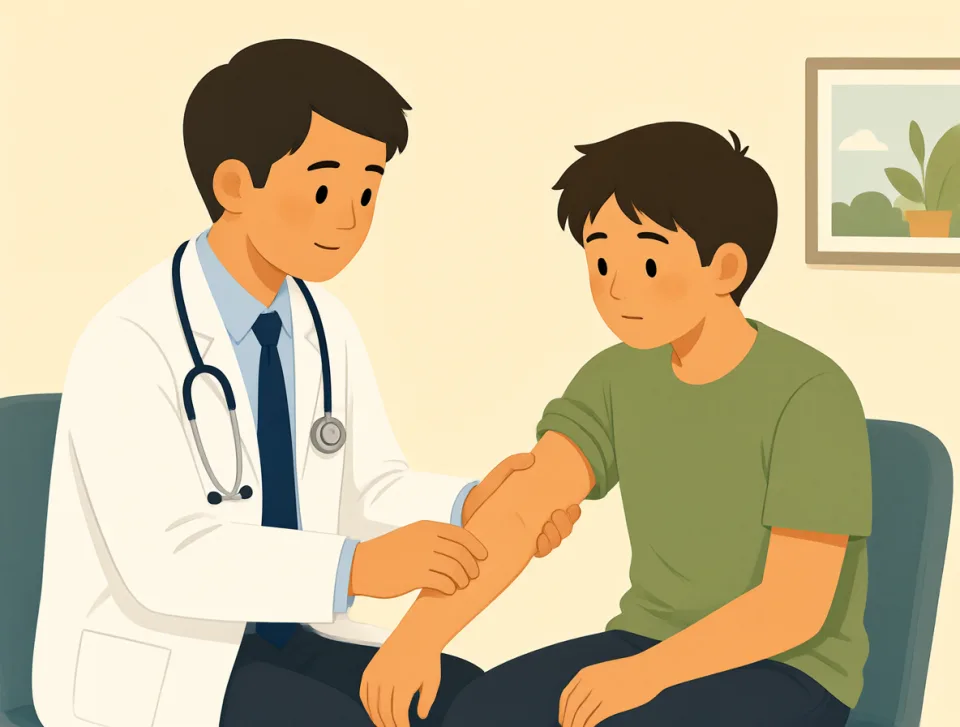
The doctor pressed my arm gently.
医師は私の腕をそっと押しました。

The press asked the actor many questions.
報道機関はその俳優にたくさんの質問をしました。
whatever
#675pronoun, determiner, adverb
何でも; どんなものでも; 何をしても; いったいどうしたのか
Any thing, choice, or amount, or it does not matter which one.
どんな物、選択肢、量でもよく、どれを選んでも構わないこと。
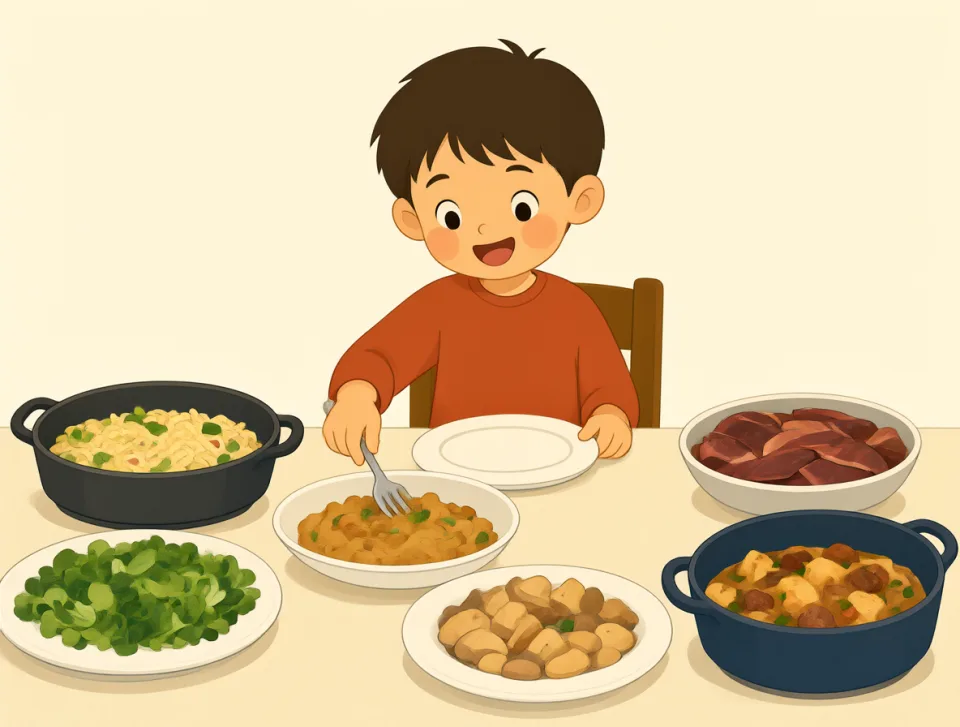
Choose whatever you like for dinner.
夕食は好きなものを何でも選んでいいよ。
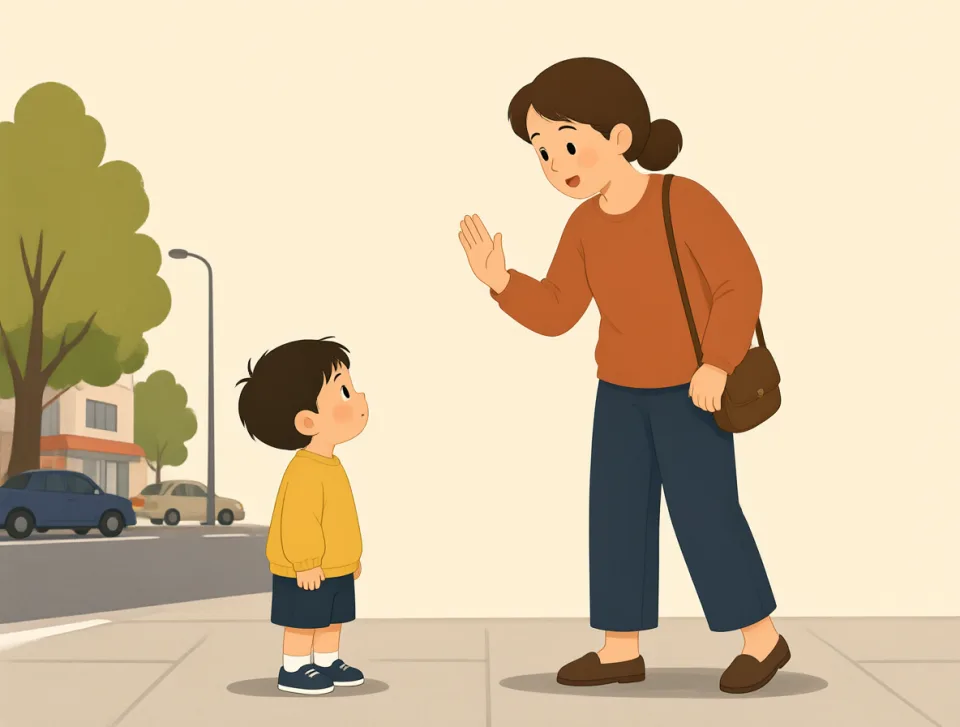
Whatever you do, stay safe.
何をするにしても、安全にね。

You can wear whatever you want.
好きな服を何でも着ていいよ。
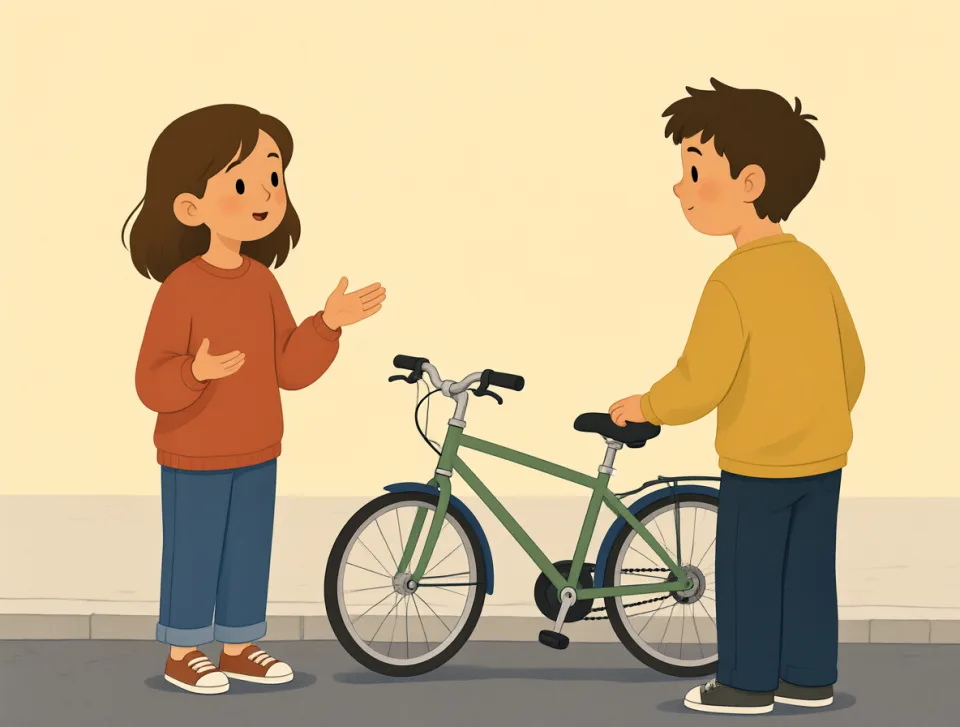
Whatever happened to your old bicycle?
昔の自転車、いったいどうしたの?
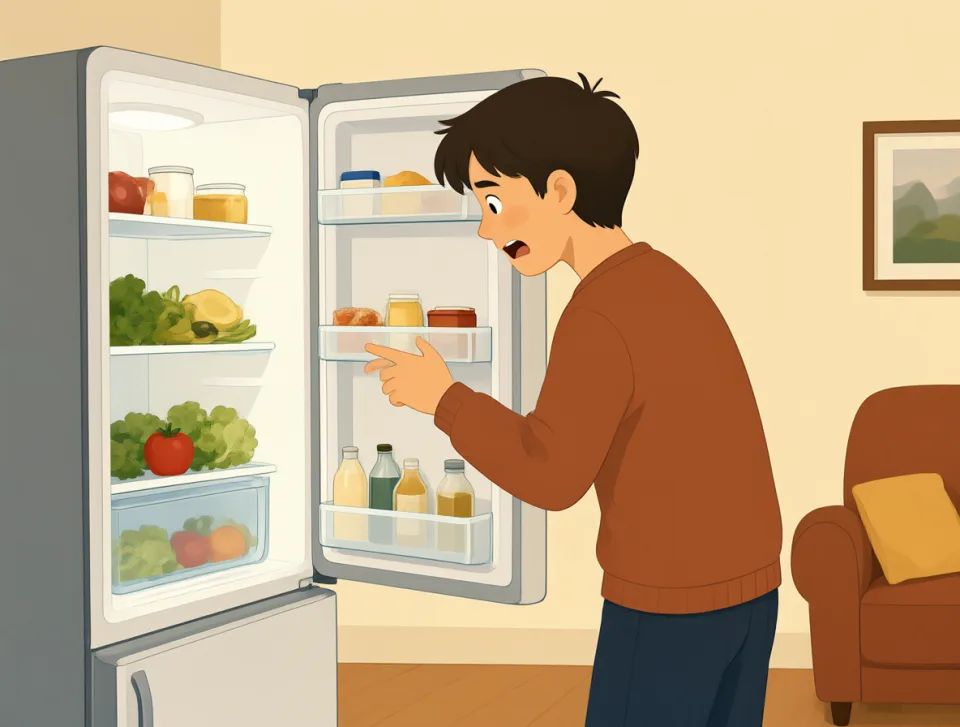
He eats whatever is in the fridge.
彼は冷蔵庫にあるものは何でも食べる。
necessary
#676adjective
必要な; 必須の
needed for a particular purpose or situation
特定の目的や状況に必要な
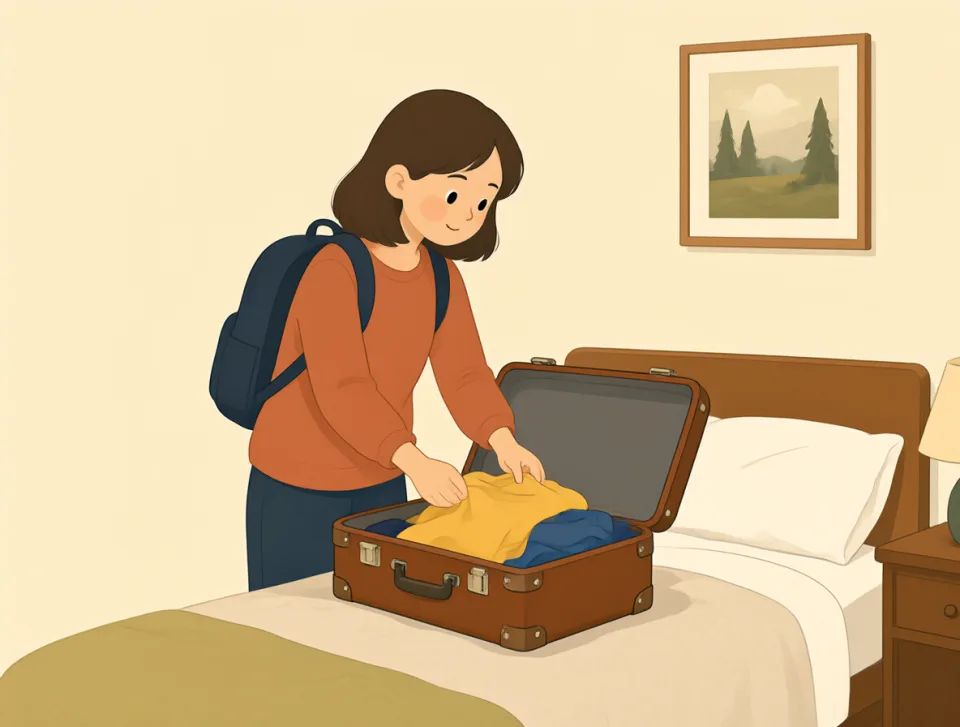
Bring only the necessary clothes for the trip.
旅行には必要な服だけ持ってきてください。
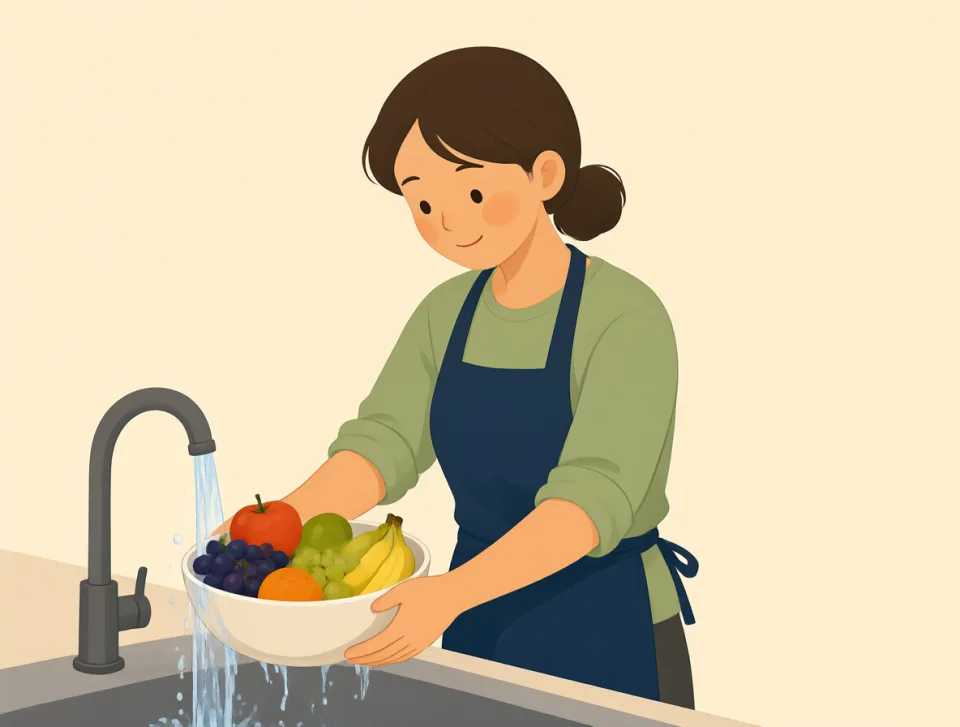
Is it necessary to wash the fruit?
果物を洗う必要がありますか?
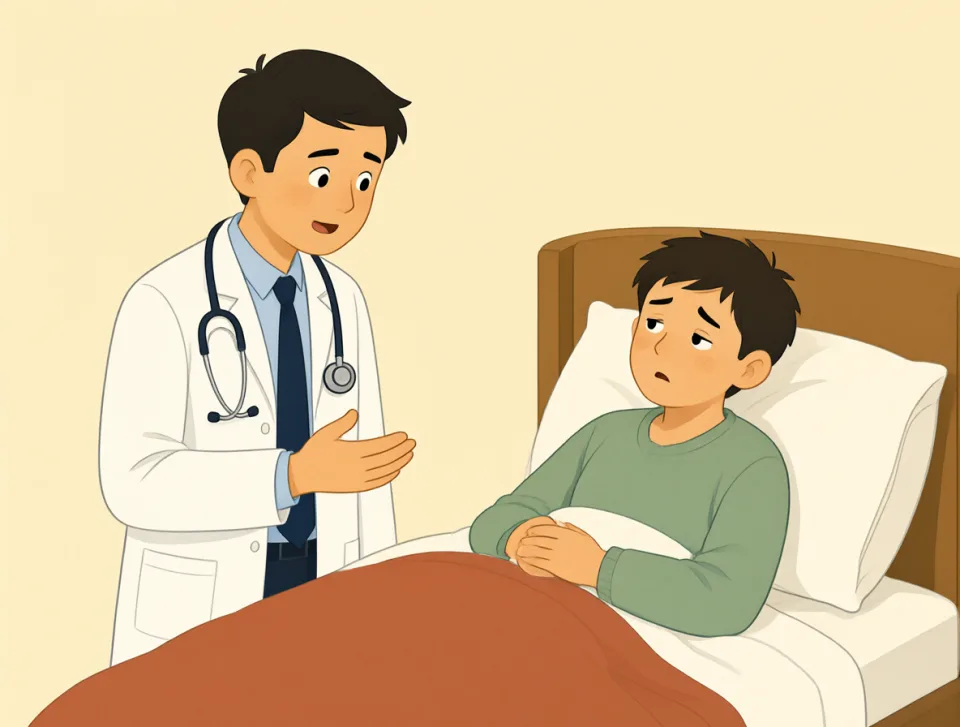
The doctor said rest was necessary.
医師は休養が必要だと言いました。
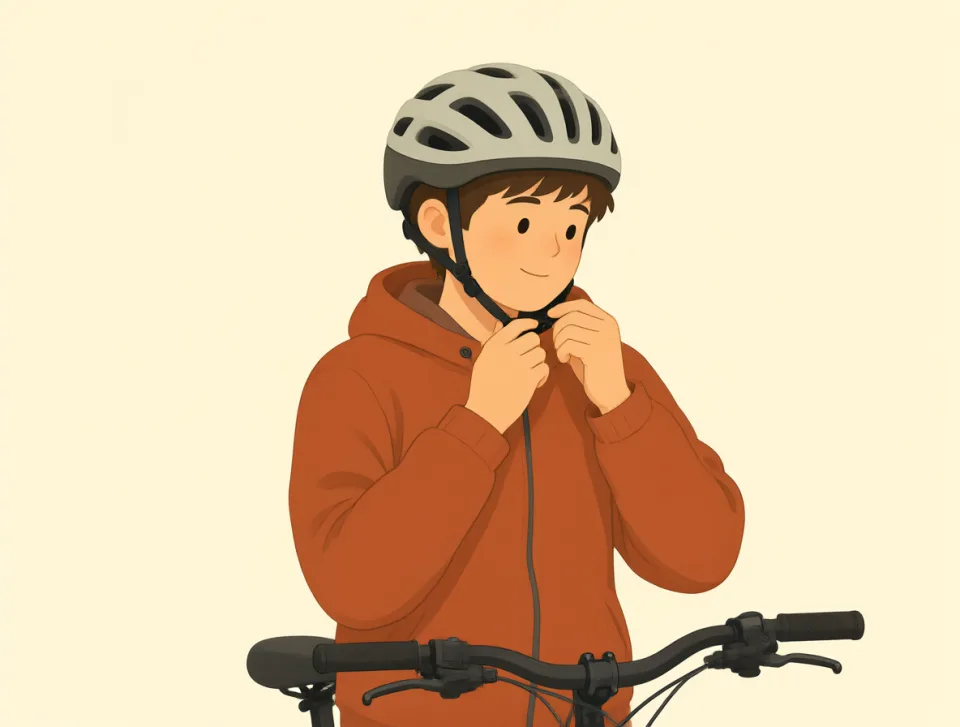
Please take the necessary steps to stay safe.
安全を守るために、必要な措置を取ってください。
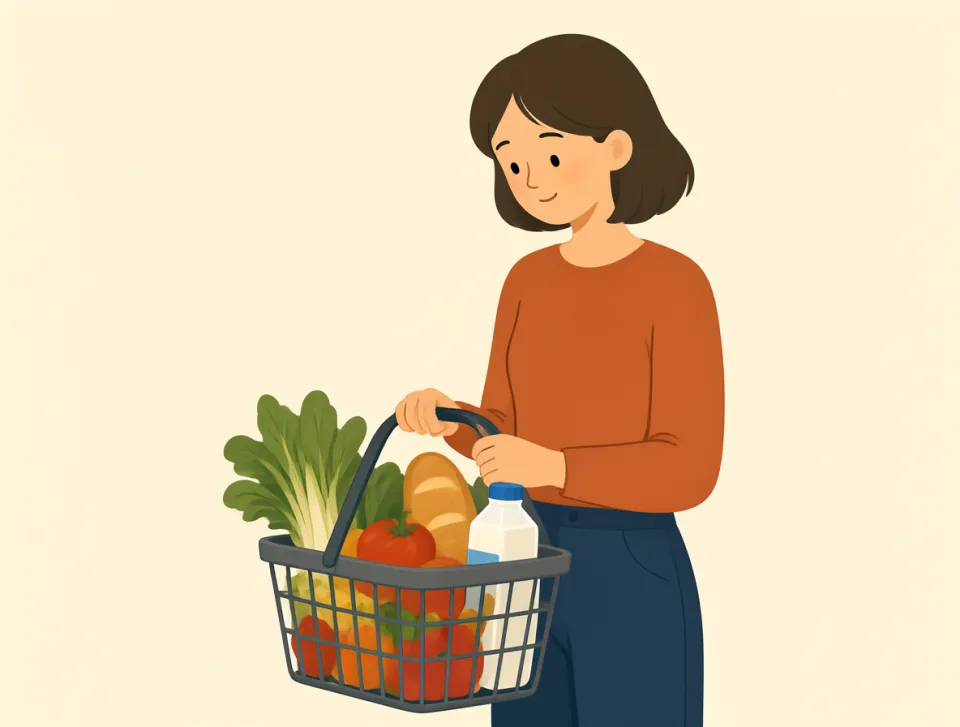
We bought the necessary food for dinner.
夕食に必要な食料を買いました。

region
#677noun
地域; 地方
An area of a country, city, or the world with its own features.
独自の特徴を持つ、国や都市、世界の一部の地域。

This region has very cold winters.
この地域は冬の寒さがとても厳しいです。

We traveled through a beautiful mountain region.
私たちは美しい山岳地帯を旅しました。

The hotel is in the city region.
そのホテルは市内にあります。
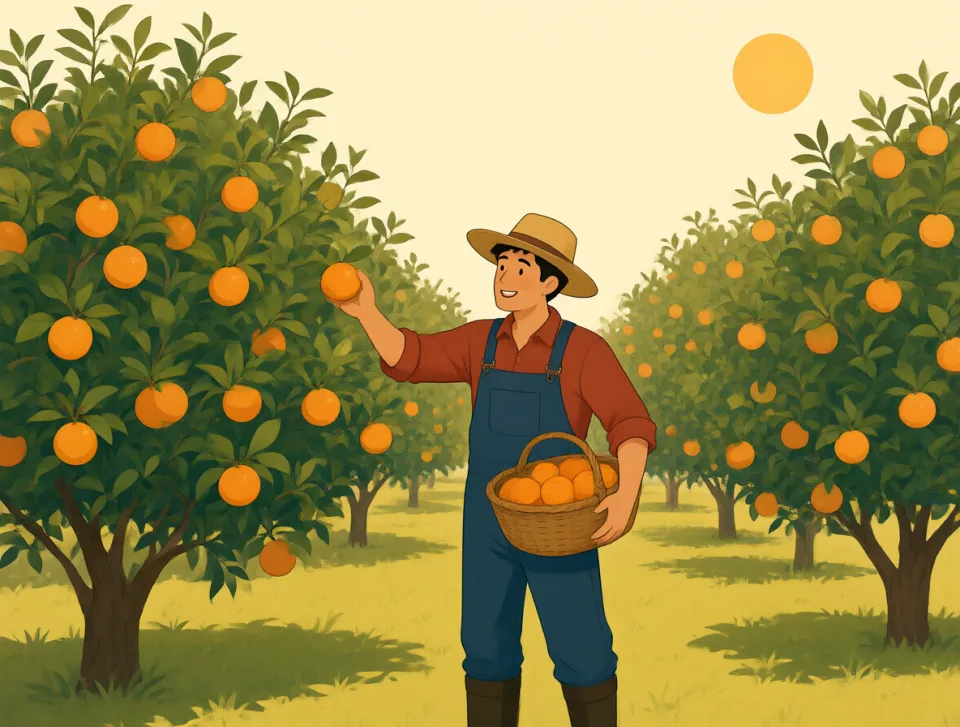
This region grows many oranges.
この地域ではオレンジがたくさん栽培されています。
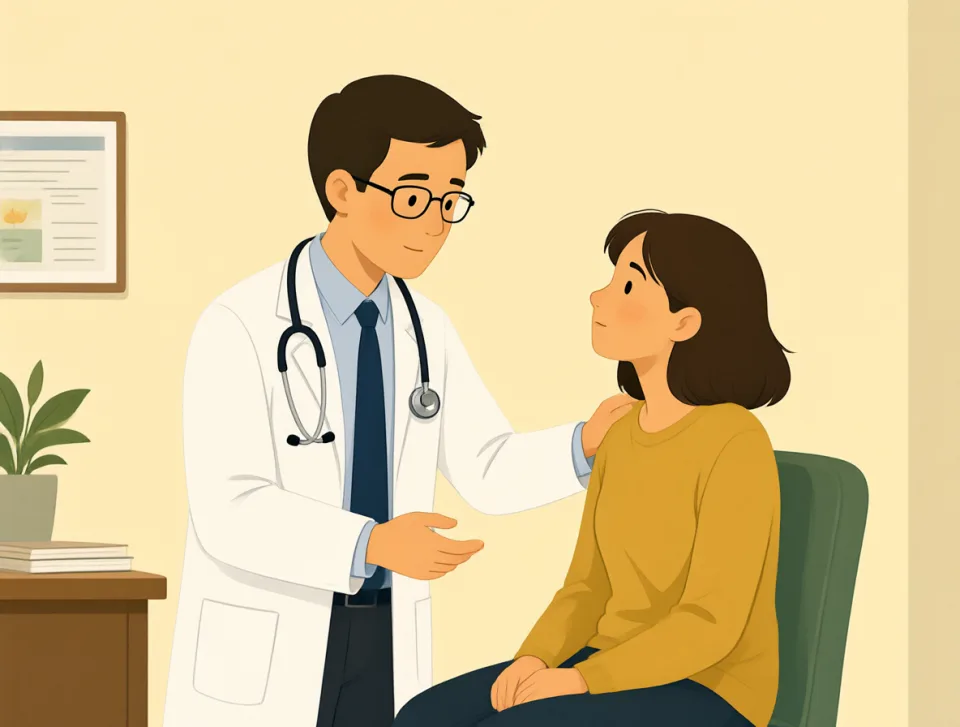
Doctors serve people in this region.
医師たちはこの地域の人々に医療を提供しています。
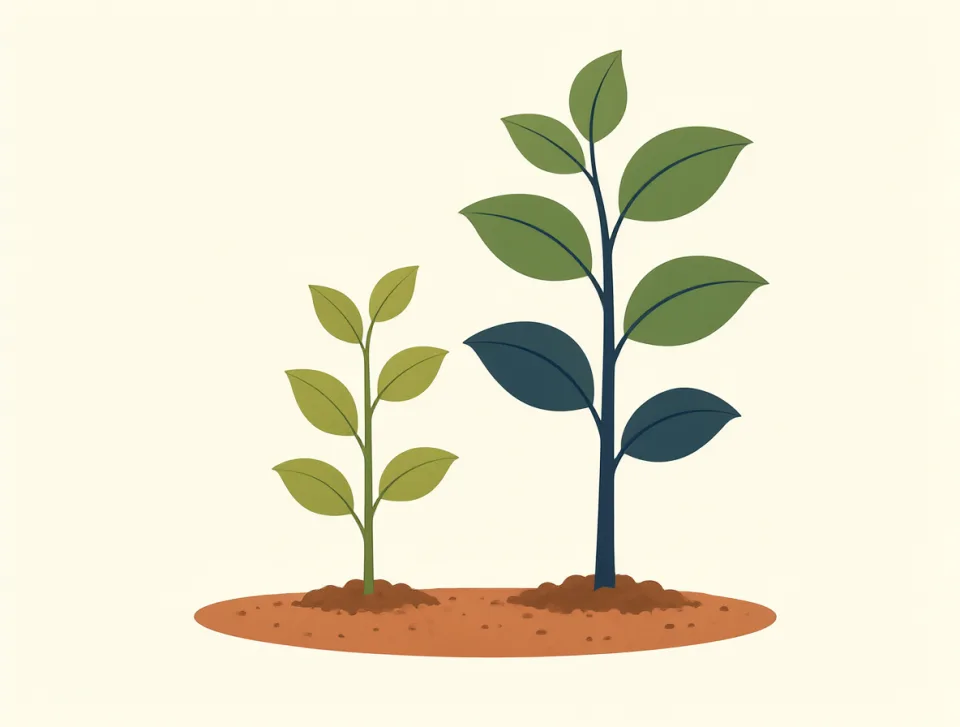
growth
#678noun
成長; 発育; 増加
The process of becoming bigger, better, or more developed.
大きくなったり、より良くなったり、より発達したりする過程。
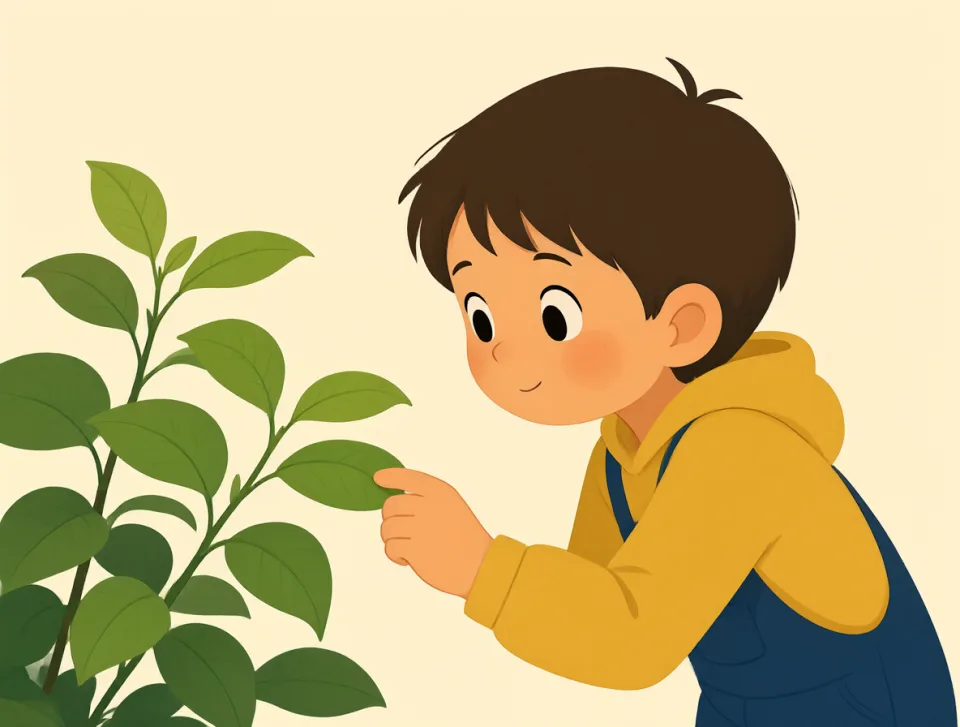
The plant showed new growth after the rain.
雨の後、植物に新しい芽が出た。

The company had strong growth last year.
その会社は昨年、大きく成長した。
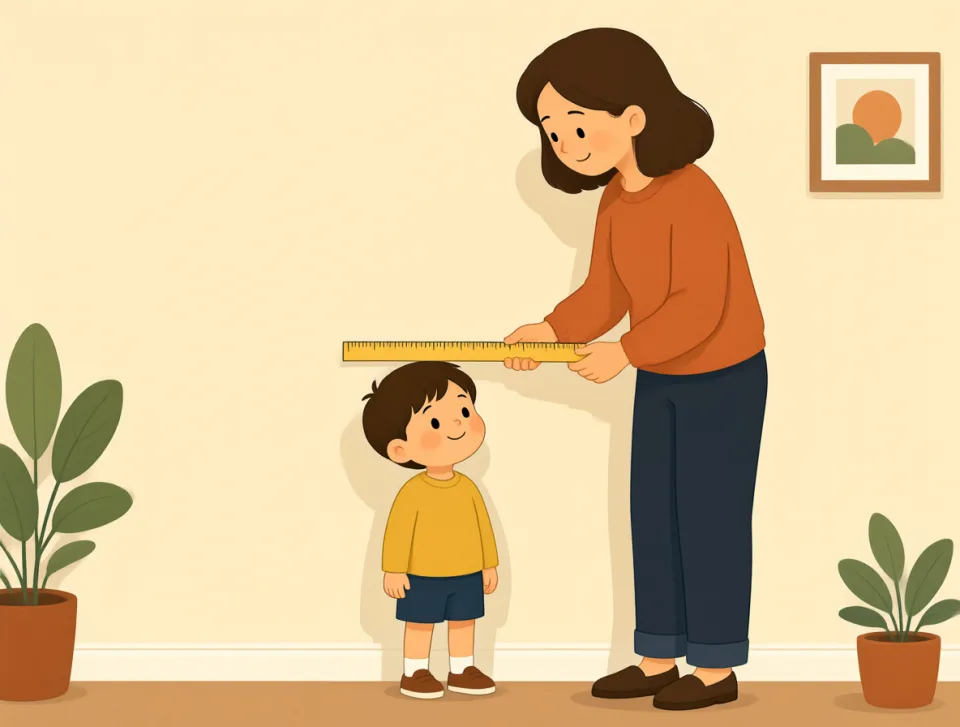
Regular exercise supports healthy growth in children.
定期的な運動は、子どもの健やかな成長を支えます。
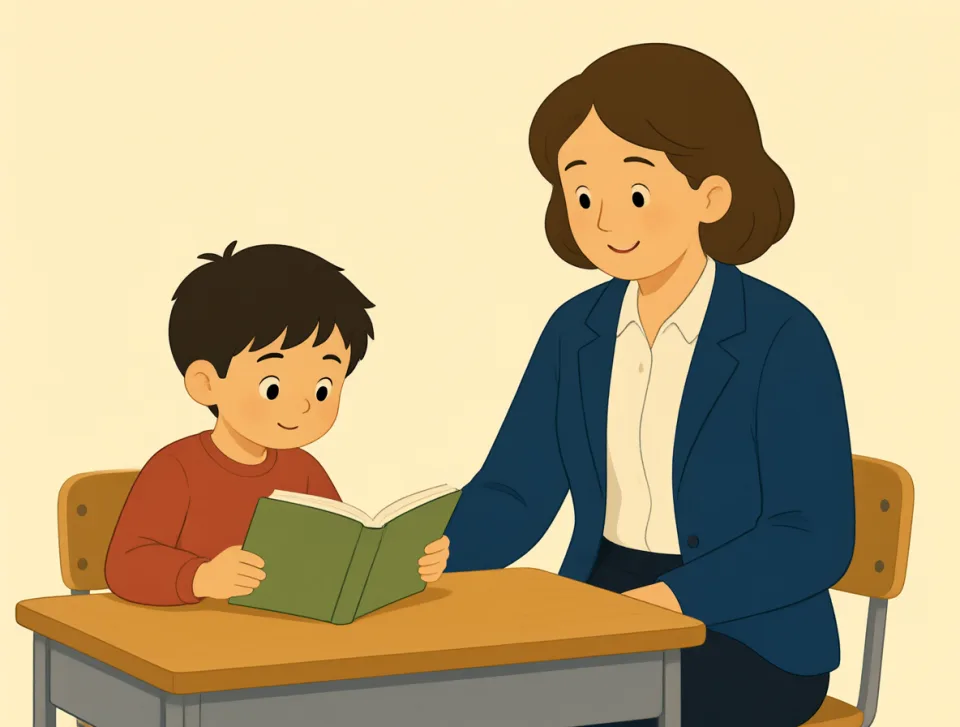
The teacher noticed growth in Maya’s reading skills.
先生は、マヤの読解力の向上に気づいた。
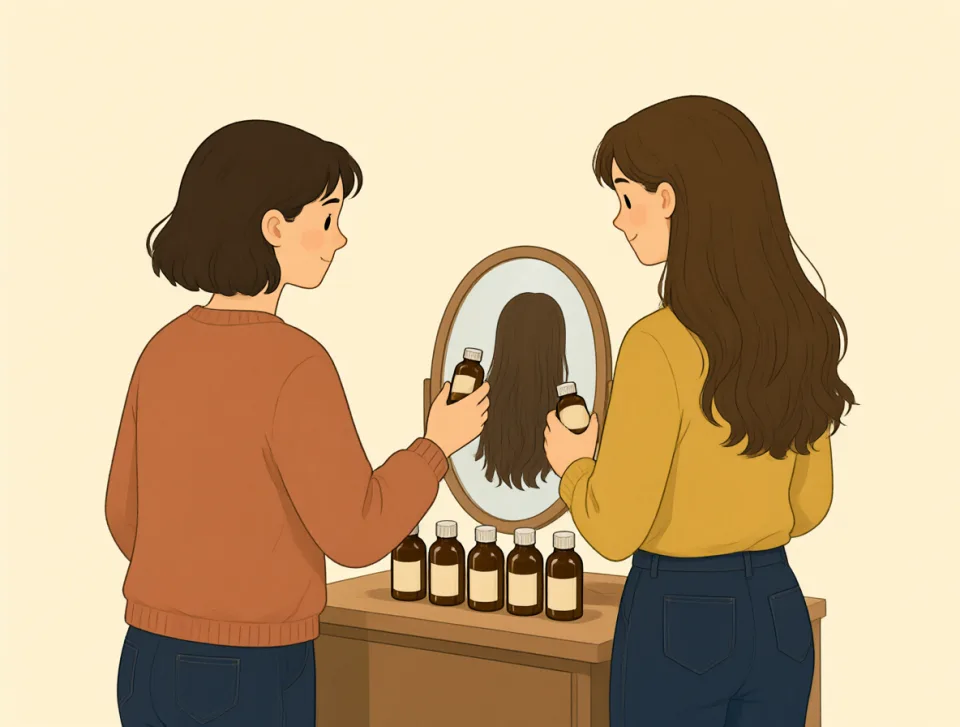
The shop sells hair growth products.
その店では育毛剤を販売している。
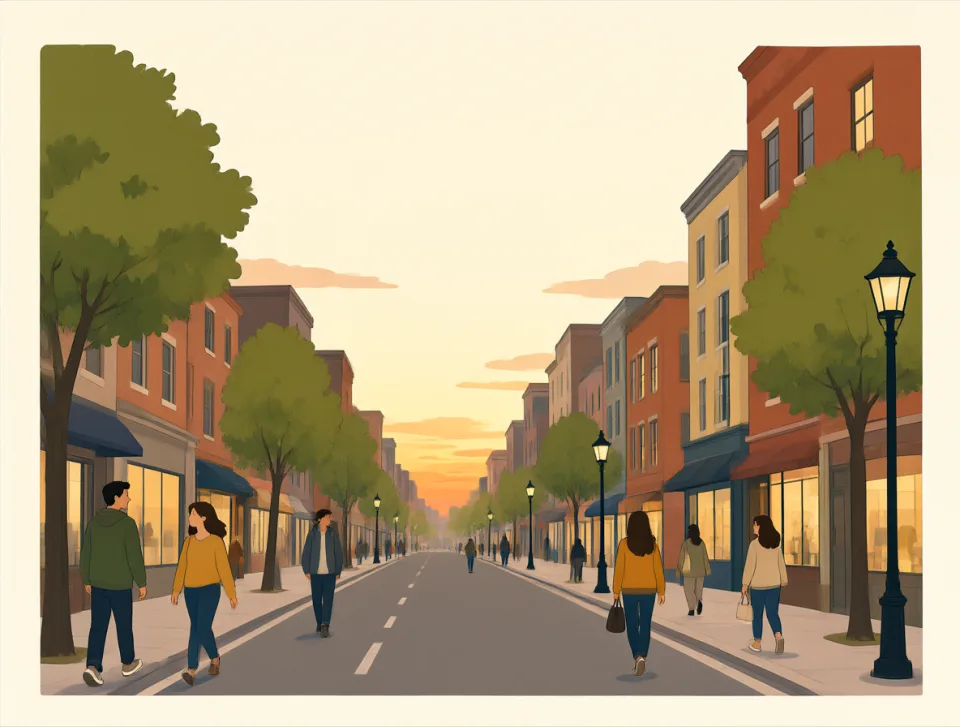
evening
#679noun
夕方; 晩; 夜
The time between the afternoon and bedtime.
午後から就寝までの時間。
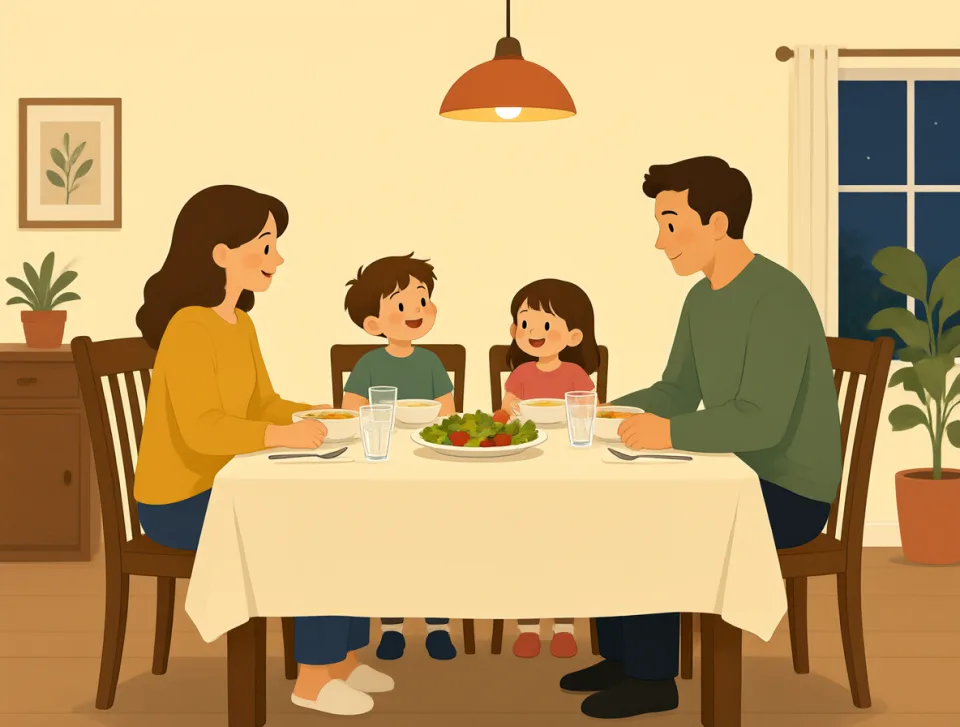
We usually eat dinner in the evening.
私たちはたいてい夕方に夕食を食べます。

I met my friends one evening after work.
仕事の後、ある晩に友達と会いました。
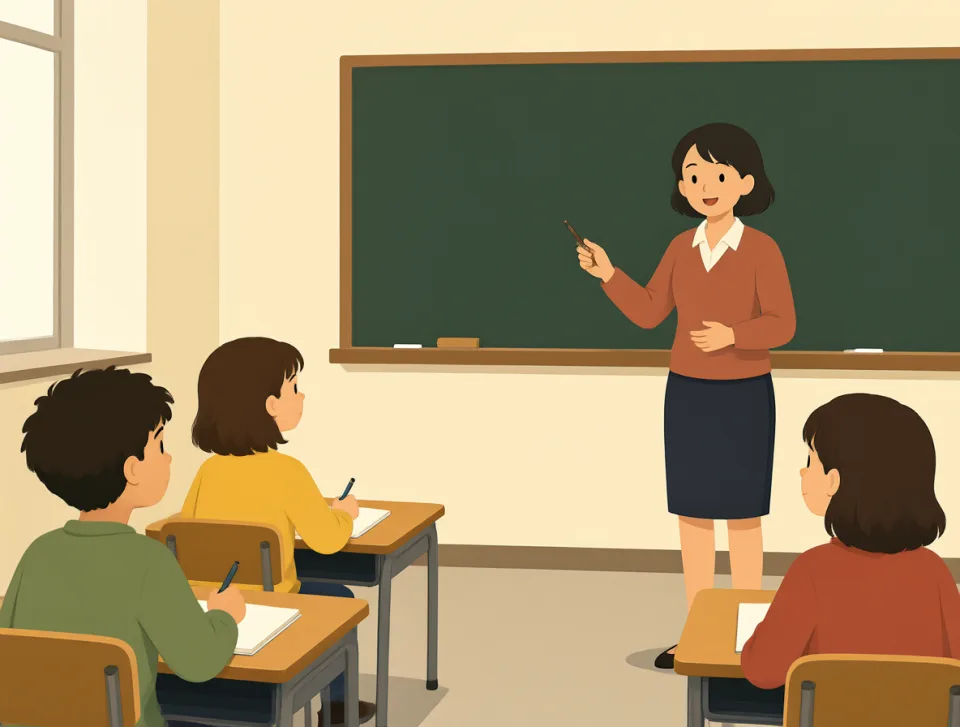
The evening class starts at six.
夜の授業は6時に始まります。

She takes an evening walk every day.
彼女は毎日夕方に散歩をします。
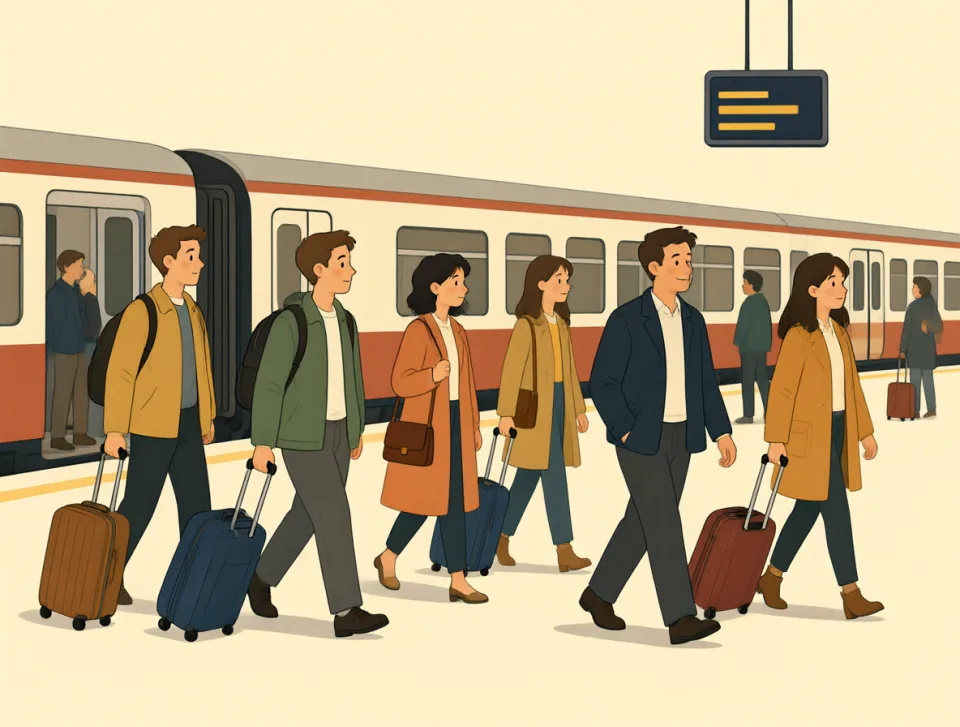
We arrived in London late one evening.
ある晩遅く、私たちはロンドンに到着しました。

influence
#680noun, verb
影響; 影響を与える
the power to change how someone thinks or behaves
人の考え方や行動を変える力
Friends can influence what we choose to eat.
友達は、私たちが何を食べるかに影響を与えることがあります。
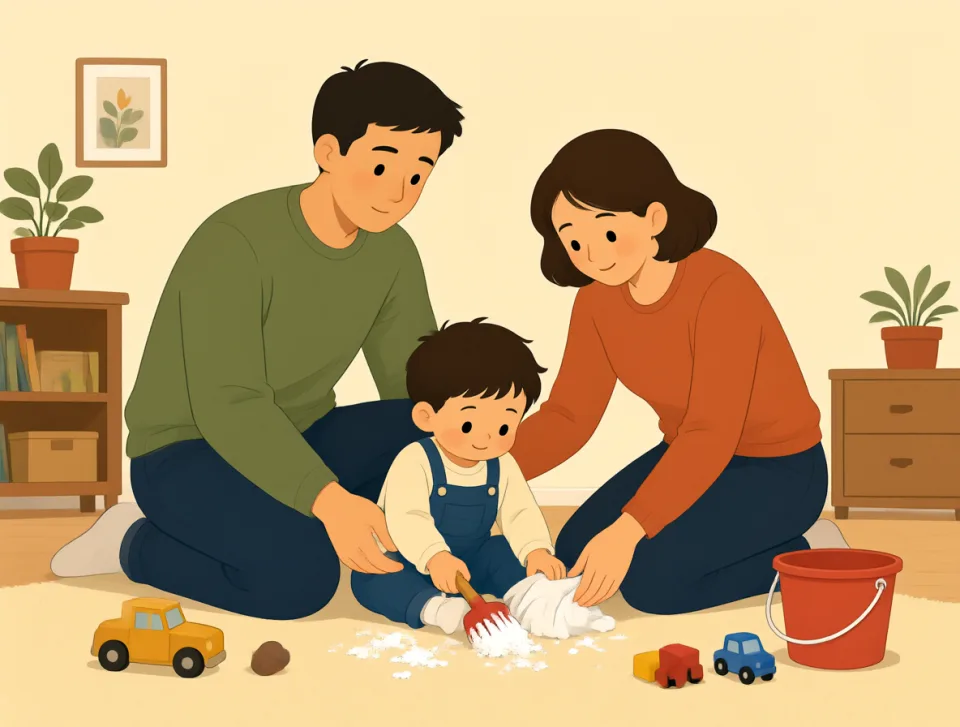
Parents strongly influence their children's behavior.
親は子どもの行動に強い影響を与えます。
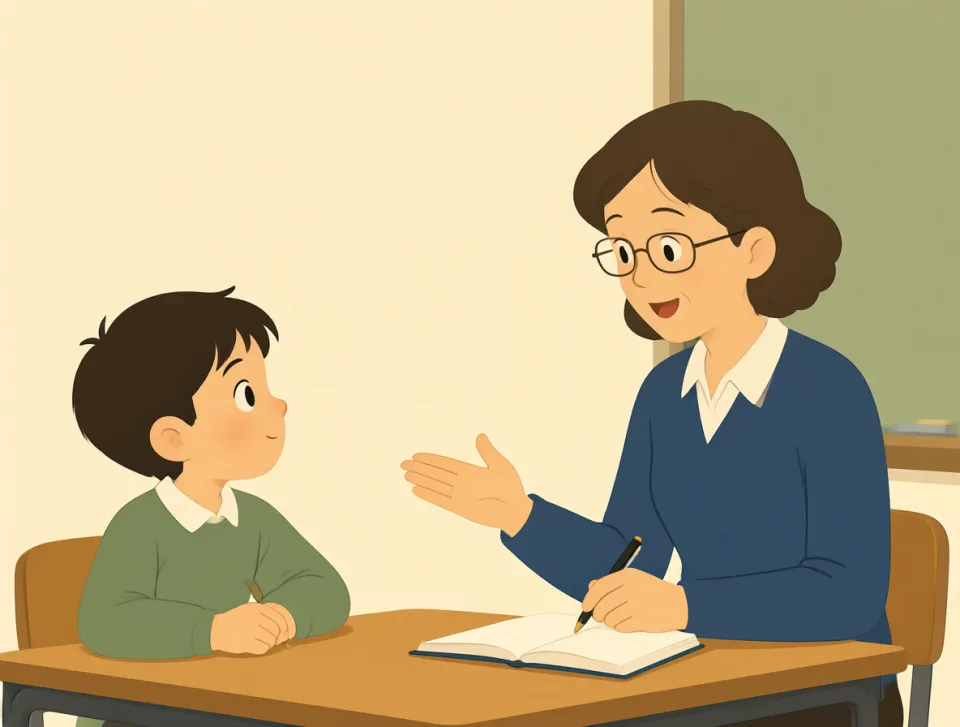
Her teacher influenced her choice of career.
彼女の先生は、彼女の進路選択に影響を与えました。
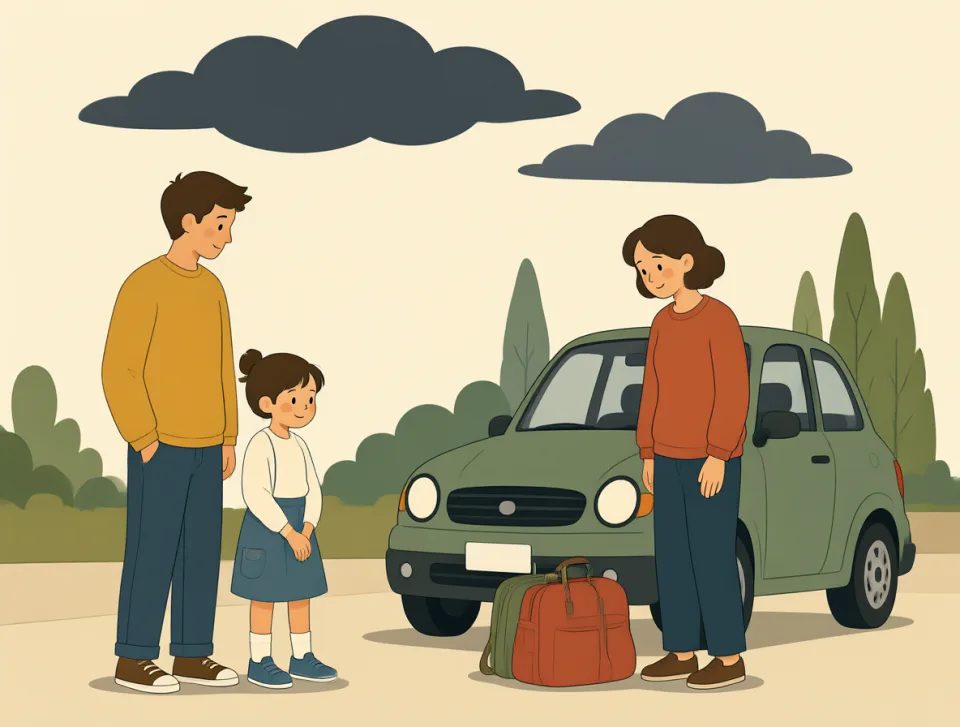
The weather influenced our travel plans.
天気は私たちの旅行の計画に影響を与えました。
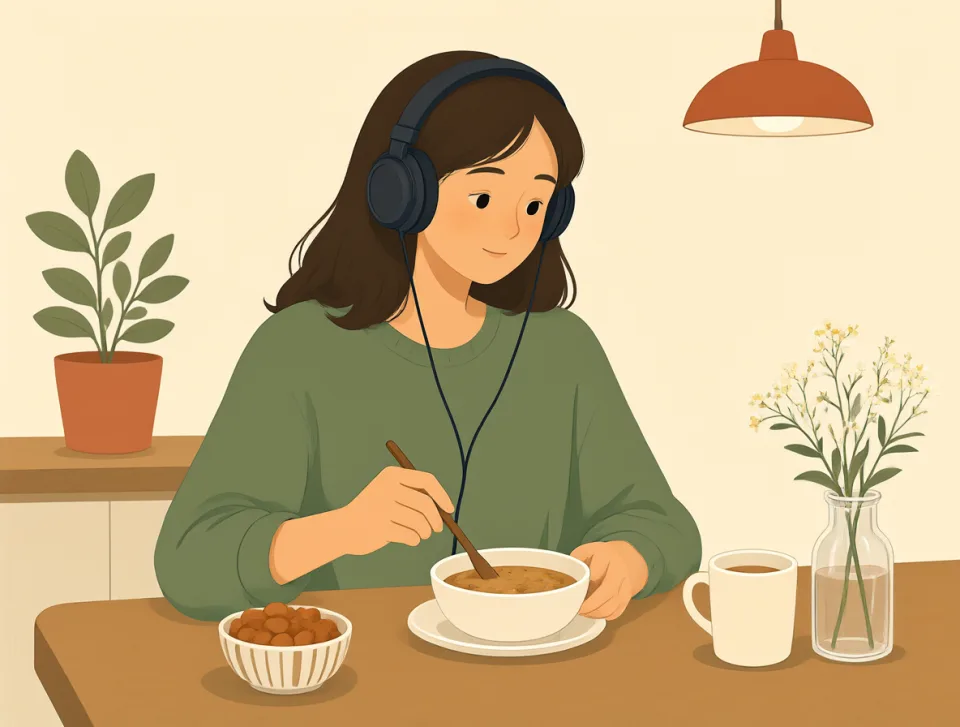
Music influences my mood every morning.
音楽は毎朝、私の気分に影響を与えます。