Staying Focused When Emotions Rise
আবেগ তীব্র হলে মনোযোগ ধরে রাখা
A disagreement about a missed handoff brings old grievances into the room, and both parents struggle to stay composed. Mia pauses the discussion and helps them separate their hurt from the immediate question of what arrangement would best support the children.
বৃহস্পতিবার সন্তান হস্তান্তরের সময়মতো না হওয়া নিয়ে মতবিরোধ পুরোনো ক্ষোভগুলোকে আলোচনায় নিয়ে আসে, এবং দুজন অভিভাবকেরই শান্ত থাকা কঠিন হয়ে পড়ে। মিয়া আলোচনা থামিয়ে তাদের কষ্টকে এখনকার সেই প্রশ্ন থেকে আলাদা করতে সাহায্য করেন—কোন ব্যবস্থা সন্তানদের জন্য সবচেয়ে ভালো হবে।
সংলাপ12
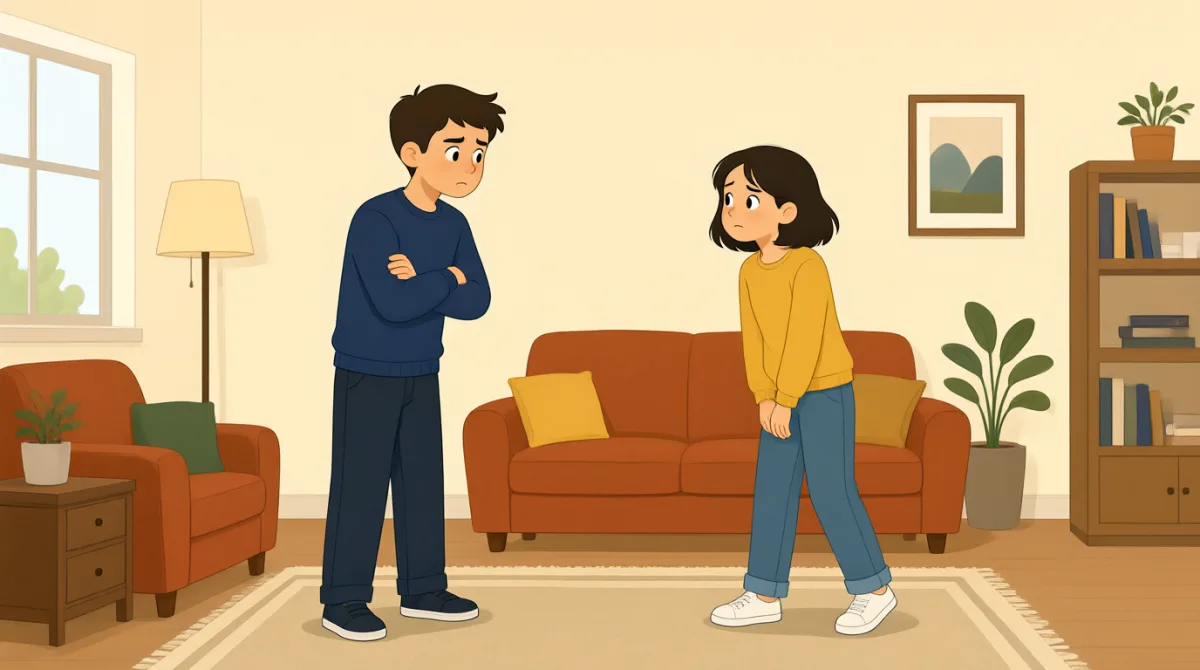

I want to address the missed handoff last Thursday. I waited outside the school for forty minutes, and the children were confused. This cannot keep happening.
গত বৃহস্পতিবার সময়মতো সন্তানদের নিতে না পারার বিষয়টি নিয়ে কথা বলতে চাই। আমি স্কুলের বাইরে চল্লিশ মিনিট অপেক্ষা করেছি, আর বাচ্চারা বিভ্রান্ত হয়ে পড়েছিল। এটা আর এভাবে চলতে পারে না।

I know I was late, Jack, and I regret that the children had to wait. But your message made it sound as if I had deliberately abandoned them. That was unfair.
আমি জানি, জ্যাক, আমি দেরি করেছিলাম, আর বাচ্চাদের অপেক্ষা করতে হয়েছে বলে আমি দুঃখিত। কিন্তু তোমার বার্তায় এমন মনে হয়েছে যেন আমি ইচ্ছা করে তাদের ফেলে গিয়েছিলাম। এটা অন্যায় হয়েছে।
I was angry because you did not tell me what was happening. And this is not the first time I have had to rearrange my afternoon at the last minute.
তুমি কী করছ, তা আমাকে জানাওনি বলেই আমি রেগে গিয়েছিলাম। আর এই প্রথম নয় যে শেষ মুহূর্তে আমাকে আমার বিকেলের পরিকল্পনা বদলাতে হয়েছে।
You are turning one late pickup into a verdict on my parenting. I have covered for you plenty of times, but I do not bring every mistake into mediation.
তুমি একবার দেরিতে সন্তান নিতে আসার ঘটনাকে আমার অভিভাবকত্ব নিয়ে চূড়ান্ত রায়ে পরিণত করছ। আমি অনেকবার তোমার হয়ে পরিস্থিতি সামলেছি, কিন্তু তোমার প্রতিটি ভুল নিয়ে মধ্যস্থতায় আসি না।

Let me pause you both. I hear a practical concern about reliability, and I also hear hurt about feeling judged. For a moment, let us separate those issues from the older grievances.
তোমরা দুজন একটু থামো। আমি একদিকে নির্ভরযোগ্যতা নিয়ে একটি বাস্তব সমস্যা শুনছি, অন্যদিকে বিচারিত বোধ করার কষ্টও শুনছি। কিছুক্ষণের জন্য, এই বিষয়গুলোকে পুরোনো ক্ষোভ থেকে আলাদা করি।
I can own that my message was sharper than it needed to be. What I need, though, is a way to know promptly if a handoff is going to be delayed.
আমি স্বীকার করতে পারি যে আমার বার্তাটি যতটা তীব্র হওয়ার দরকার ছিল, তার চেয়ে বেশি তীব্র হয়ে গিয়েছিল। তবে আমার দরকার হলো, সন্তানদের হস্তান্তর দেরি হতে চললে যেন দ্রুত জানতে পারি।
That is reasonable. My phone was on silent during a meeting, but I should have sent an update as soon as I could. I do not want the children caught between us.
এটা যুক্তিসঙ্গত। একটি মিটিং চলাকালে আমার ফোন নীরব ছিল, কিন্তু যত তাড়াতাড়ি সম্ভব আমার একটি আপডেট পাঠানো উচিত ছিল। আমি চাই না বাচ্চারা আমাদের দুজনের মাঝখানে পড়ুক।
Then let us focus on what would help the children feel secure. Could you agree to notify each other as soon as a delay becomes likely, and give an estimated arrival time?
তাহলে সন্তানদের নিরাপদ বোধ করতে কী সাহায্য করবে, সেদিকে মন দিই। দেরি হওয়ার সম্ভাবনা দেখা দিলেই একে অপরকে জানানো এবং আনুমানিক পৌঁছানোর সময় বলা—এতে কি তোমরা দুজন রাজি হতে পারো?
Yes. If there is no response after fifteen minutes, I would like us to have a backup contact method—not to escalate things, just to confirm the children are accounted for.
হ্যাঁ। পনেরো মিনিট পরও যদি কোনো উত্তর না পাওয়া যায়, তাহলে আমাদের একটি বিকল্প যোগাযোগের পদ্ধতি থাকা উচিত—বিষয়টা বাড়ানোর জন্য নয়, শুধু বাচ্চারা নিরাপদে আছে কি না নিশ্চিত করার জন্য।
I can agree to that, provided the backup is used only for logistics and not as a way to reopen the argument. We should also tell the children the plan calmly, without assigning blame.
আমি তাতে রাজি, যদি ওই বিকল্প পদ্ধতিটি শুধু ব্যবহারিক বিষয়ের জন্য ব্যবহার করা হয়, তর্ক আবার শুরু করার উপায় হিসেবে নয়। আমাদের বাচ্চাদেরও শান্তভাবে পরিকল্পনাটা জানানো উচিত, কাউকে দোষ না দিয়ে।
That sounds workable. Before we move on, is there anything either of you needs to acknowledge so this agreement is not simply covering over what happened?
এটা কার্যকর মনে হচ্ছে। এগোনোর আগে, এই চুক্তি যাতে শুধু ঘটে যাওয়া বিষয়টাকে চাপা না দেয়, সে জন্য তোমাদের কারও কি এমন কিছু স্বীকার করা দরকার?
I am sorry I made you feel accused rather than addressing the problem. I still need dependable communication, but I can raise that without making the children’s handoff a referendum on our past.
তোমাকে সমস্যাটি নিয়ে কথা বলার বদলে অভিযুক্ত বোধ করানোর জন্য আমি দুঃখিত। আমার এখনও নির্ভরযোগ্য যোগাযোগ দরকার, কিন্তু বাচ্চাদের হস্তান্তরের বিষয়টিকে আমাদের অতীতের বিচার বানিয়ে না তুলেও আমি সেটা বলতে পারি।
শব্দভান্ডার8
- missed handoffসময়মতো সন্তান হস্তান্তর না হওয়া
A missed handoff is when a parent does not arrive as planned to transfer the children to the other parent. Here, it refers to the delayed pickup outside the school.
“missed handoff” বলতে বোঝায়, একজন অভিভাবক পরিকল্পনা অনুযায়ী এসে সন্তানদের অন্য অভিভাবকের কাছে হস্তান্তর না করা। এখানে এটি স্কুলের বাইরে দেরিতে সন্তান নিতে আসার ঘটনাকে বোঝাচ্ছে।
- at the last minuteশেষ মুহূর্তে
This means with very little notice, just before something needs to happen. It describes how the schedule changes affect Jack's afternoon.
“at the last minute” মানে খুব অল্প সময়ের নোটিশে, কোনো কিছু ঘটার ঠিক আগে। এখানে এটি বোঝাচ্ছে যে সময়সূচির পরিবর্তনগুলো জ্যাকের বিকেলের পরিকল্পনায় কীভাবে প্রভাব ফেলছে।
- a verdict on my parentingআমার অভিভাবকত্ব নিয়ে চূড়ান্ত রায়
A verdict is a judgment or decision about someone. Grace uses this phrase to say Jack is treating one mistake as proof that she is a bad parent.
“a verdict” হলো কারও সম্পর্কে কোনো বিচার বা সিদ্ধান্ত। গ্রেস এই বাক্যাংশ ব্যবহার করে বলতে চাইছে যে জ্যাক একটি ভুলকে তার খারাপ অভিভাবক হওয়ার প্রমাণ হিসেবে দেখছে।
- I can own thatআমি এটা স্বীকার করতে পারি
This means “I can accept responsibility for that.” It is a useful way to acknowledge your part in a disagreement without giving up your other concerns.
“I can own that” মানে “আমি এর দায়িত্ব স্বীকার করতে পারি।” মতবিরোধে নিজের ভূমিকা স্বীকার করার এটি একটি কার্যকর উপায়, যাতে আপনার অন্যান্য উদ্বেগও অস্বীকার করতে না হয়।
- as soon as a delay becomes likelyদেরি হওয়ার সম্ভাবনা দেখা দিলেই
This means to give notice when it seems probable that someone will be late, rather than waiting until the delay is certain. It can help people make practical plans.
“as soon as a delay becomes likely” মানে কেউ দেরি করতে পারে বলে মনে হলেই তাকে জানানো, দেরি নিশ্চিত হওয়া পর্যন্ত অপেক্ষা না করা। এতে মানুষ বাস্তবসম্মত পরিকল্পনা করতে পারে।
- a backup contact methodবিকল্প যোগাযোগের পদ্ধতি
This is an alternative way to get in touch if the usual method does not work. In this conversation, it is intended to confirm that the children are accounted for.
“a backup contact method” হলো সাধারণ যোগাযোগের পদ্ধতি কাজ না করলে যোগাযোগ করার বিকল্প উপায়। এই কথোপকথনে এর উদ্দেশ্য হলো বাচ্চারা নিরাপদে আছে কি না নিশ্চিত করা।
- covering over what happenedঘটে যাওয়া বিষয়টাকে চাপা দেওয়া
This means hiding or ignoring a problem instead of addressing it. Mia asks whether anything needs to be acknowledged so the agreement does not avoid the hurt caused by the incident.
“covering over what happened” মানে সমস্যার সমাধান না করে সেটিকে লুকিয়ে রাখা বা উপেক্ষা করা। মিয়া জানতে চাইছেন, চুক্তিটি যাতে ঘটনার কারণে তৈরি হওয়া কষ্ট এড়িয়ে না যায়, সে জন্য কোনো কিছু স্বীকার করা দরকার কি না।
- a referendum on our pastআমাদের অতীতের বিচার
A referendum is usually a vote on an important issue; here, Jack uses it figuratively to mean a judgment on the history of their relationship. He says he can raise a current concern without turning it into a judgment about their past.
“A referendum” সাধারণত কোনো গুরুত্বপূর্ণ বিষয়ে ভোটকে বোঝায়; এখানে জ্যাক এটি রূপকভাবে তাদের সম্পর্কের ইতিহাস নিয়ে বিচার বোঝাতে ব্যবহার করেছে। সে বলছে, বর্তমান একটি উদ্বেগকে অতীতের বিচার না বানিয়েও সে তা তুলে ধরতে পারে।
গুরুত্বপূর্ণ বাক্য8
- 1
I hear a practical concern about reliability, and I also hear hurt about feeling judged.
আমি একদিকে নির্ভরযোগ্যতা নিয়ে একটি বাস্তব সমস্যা শুনছি, অন্যদিকে বিচারিত বোধ করার কষ্টও শুনছি।
This sentence acknowledges two sides of a disagreement without taking sides. You can reuse the structure “I hear [concern], and I also hear [feeling]” to show that you understand both the practical issue and its emotional impact.
এই বাক্যটি কোনো পক্ষ না নিয়ে মতবিরোধের দুটি দিক স্বীকার করে। “I hear [concern], and I also hear [feeling]” কাঠামোটি ব্যবহার করে আপনি দেখাতে পারেন যে বাস্তব সমস্যাটি এবং তার আবেগগত প্রভাব—দুটিই আপনি বুঝতে পারছেন।
- 2
For a moment, let us separate those issues from the older grievances.
কিছুক্ষণের জন্য, এই বিষয়গুলোকে পুরোনো ক্ষোভ থেকে আলাদা করি।
This is a calm way to redirect a conversation that is becoming overwhelmed by past conflicts. “Let us separate [current issue] from [other concern]” helps people return to the matter they can address now.
অতীতের দ্বন্দ্বে কোনো আলোচনা যখন ভারাক্রান্ত হয়ে পড়ে, তখন এটিকে শান্তভাবে আবার মূল বিষয়ে ফেরানোর এটি একটি উপায়। “Let us separate [current issue] from [other concern]” ব্যবহার করলে মানুষ যে বিষয়টি এখন সমাধান করতে পারে, সেদিকে ফিরে আসতে পারে।
- 3
I can own that my message was sharper than it needed to be.
আমি স্বীকার করতে পারি যে আমার বার্তাটি যতটা তীব্র হওয়ার দরকার ছিল, তার চেয়ে বেশি তীব্র হয়ে গিয়েছিল।
This sentence takes responsibility for a specific action while leaving room to discuss the underlying problem. Reuse “I can own that…” to make a direct, measured acknowledgment.
এই বাক্যটি মূল সমস্যাটি নিয়ে আলোচনা করার সুযোগ রেখেই একটি নির্দিষ্ট কাজের দায়িত্ব স্বীকার করে। সরাসরি কিন্তু পরিমিতভাবে কোনো কিছু স্বীকার করতে “I can own that…” পুনরায় ব্যবহার করতে পারেন।
- 4
What I need, though, is a way to know promptly if a handoff is going to be delayed.
তবে আমার দরকার হলো, সন্তানদের হস্তান্তর দেরি হতে চললে যেন দ্রুত জানতে পারি।
This sentence shifts from an apology to a clear request about future communication. “What I need is a way to…” is useful for stating a practical need without making a personal accusation.
এই বাক্যটি ক্ষমা চাওয়া থেকে ভবিষ্যতের যোগাযোগ নিয়ে একটি স্পষ্ট অনুরোধের দিকে যায়। ব্যক্তিগত অভিযোগ না করে বাস্তব কোনো প্রয়োজন জানাতে “What I need is a way to…” কার্যকর।
- 5
Could you agree to notify each other as soon as a delay becomes likely, and give an estimated arrival time?
দেরি হওয়ার সম্ভাবনা দেখা দিলেই একে অপরকে জানানো এবং আনুমানিক পৌঁছানোর সময় বলা—এতে কি তোমরা দুজন রাজি হতে পারো?
This is a collaborative question that proposes specific actions rather than assigning blame. You can use “Could you agree to…” when seeking a clear, mutual commitment.
এটি এমন একটি সহযোগিতামূলক প্রশ্ন, যেখানে দোষারোপের বদলে নির্দিষ্ট কিছু পদক্ষেপের প্রস্তাব দেওয়া হয়। স্পষ্ট ও পারস্পরিক অঙ্গীকার চাইতে “Could you agree to…” ব্যবহার করতে পারেন।
- 6
I can agree to that, provided the backup is used only for logistics and not as a way to reopen the argument.
আমি তাতে রাজি, যদি ওই বিকল্প পদ্ধতিটি শুধু ব্যবহারিক বিষয়ের জন্য ব্যবহার করা হয়, তর্ক আবার শুরু করার উপায় হিসেবে নয়।
This sentence accepts a proposal while setting a reasonable condition. “I can agree to that, provided…” is useful when you want to cooperate but clarify the limits of an agreement.
এই বাক্যটি একটি প্রস্তাব গ্রহণ করে, পাশাপাশি একটি যুক্তিসঙ্গত শর্তও নির্ধারণ করে। সহযোগিতা করতে চান কিন্তু চুক্তির সীমা স্পষ্ট করতে চান—এমন সময় “I can agree to that, provided…” ব্যবহার করা যায়।
- 7
We should also tell the children the plan calmly, without assigning blame.
আমাদের বাচ্চাদেরও শান্তভাবে পরিকল্পনাটা জানানো উচিত, কাউকে দোষ না দিয়ে।
This sentence keeps the children’s needs central and recommends a neutral way to communicate. The phrase “without assigning blame” can help frame a discussion around solutions rather than fault.
এই বাক্যটি সন্তানদের প্রয়োজনকে কেন্দ্রে রাখে এবং যোগাযোগের একটি নিরপেক্ষ উপায়ের পরামর্শ দেয়। “without assigning blame” কথাটি দোষ খোঁজার বদলে সমাধানকেন্দ্রিক আলোচনার কাঠামো তৈরি করতে সাহায্য করে।
- 8
I still need dependable communication, but I can raise that without making the children’s handoff a referendum on our past.
আমার এখনও নির্ভরযোগ্য যোগাযোগ দরকার, কিন্তু বাচ্চাদের হস্তান্তরের বিষয়টিকে আমাদের অতীতের বিচার বানিয়ে না তুলেও আমি সেটা বলতে পারি।
This sentence expresses an ongoing need while showing a commitment to address it constructively. “I still need…, but I can…” is a useful way to balance firmness with accountability.
এই বাক্যটি একটি চলমান প্রয়োজন প্রকাশ করে এবং একই সঙ্গে তা গঠনমূলকভাবে সমাধান করার অঙ্গীকার দেখায়। দৃঢ়তা ও দায়িত্ববোধের মধ্যে ভারসাম্য রাখতে “I still need…, but I can…” ব্যবহার করা কার্যকর।