Initial Introduction and Small Talk
آشنایی اولیه و گفتوگوی کوتاه
Two parents meet for the first time while watching their children play, engaging in light conversation about their kids and the park.
دو والد وقتی بچههایشان را در حال بازی تماشا میکنند، برای اولین بار با هم آشنا میشوند و کمی دربارهٔ بچهها و پارک گپ میزنند.
گفتوگو8
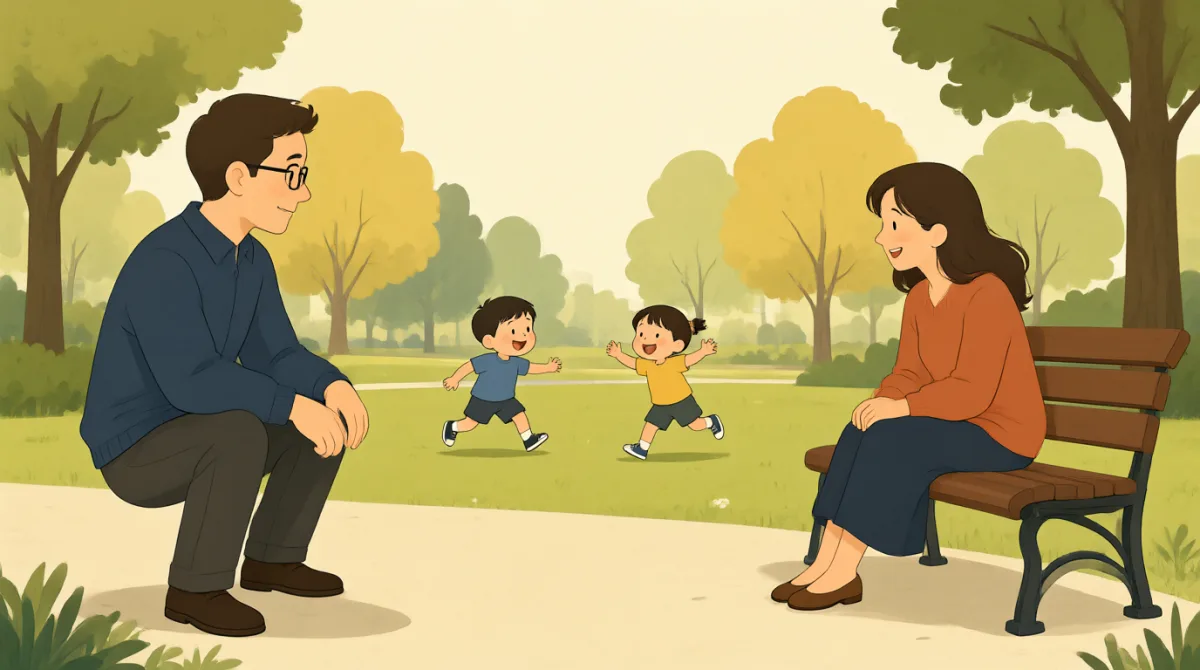

Hi there! Your little one has so much energy. Mine's the one in the blue shirt, climbing the jungle gym like a monkey.
سلام! کوچولوتون خیلی پرانرژیه. پسر من همونیه که پیراهن آبی پوشیده و مثل میمون از وسایل بازی بالا میره.

Oh, hi! Thanks! He definitely keeps me on my toes. And yes, your son looks like he's having a blast up there. This is our first time at this park, actually.
اوه، سلام! ممنون! واقعاً نمیذاره یه لحظه ازش غافل بشم. پسرتون هم اون بالا انگار حسابی خوش میگذرونه. راستش اولین باره میایم این پارک.
Really? It's a great park, especially for this age group. I'm Emma, by the way. And that's Leo.
جدی؟ پارک خیلی خوبیه، مخصوصاً برای این گروه سنی. راستی من اِما هستم. اون هم لئوئه.
Nice to meet you, Emma and Leo! I'm Jack, and this whirlwind is Ben. How old is Leo?
از آشنایی با شما و لئو خوشوقتم! من جکم و این وروجک بنه. لئو چند سالشه؟
Leo just turned four last month. He's really into anything with climbing right now. How about Ben?
لئو ماه پیش تازه چهار سالش شد. این روزها عاشق هر چیزی شده که بشه ازش بالا رفت. بن چطور؟
Ben is three and a half. He loves the slides, especially the big one. It's tough keeping up sometimes!
بن سه سال و نیمشه. عاشق سرسرههاست، مخصوصاً اون سرسرهٔ بزرگه. بعضی وقتها واقعاً سخته که پا به پاش برسم!
I know the feeling! It's great to see them burn off some energy, though. We usually come here a couple of times a week.
کاملاً درکتون میکنم! بااینحال، خوبه که بچهها اینطوری انرژیشون رو تخلیه میکنن. ما معمولاً هفتهای یکی دو بار میایم اینجا.
Good to know! We're new to the neighborhood, so we're still exploring. Maybe we'll see you around more often.
خوبه که میدونم! ما تازه به این محله اومدیم و هنوز داریم جاهای مختلف رو میگردیم. شاید بیشتر این اطراف ببینیمتون.
واژگان7
- energyانرژی
Energy means physical or mental strength and activity. In the dialogue, 'so much energy' describes a child's active and lively behavior, common when talking about kids playing.
«energy» یعنی توان و نیروی جسمی یا ذهنی. در این گفتوگو، «so much energy» برای توصیف جنبوجوش و سرزندگی کودک به کار رفته؛ چیزی که موقع صحبت از بازی بچهها زیاد میشنوید.
- jungle gymوسایل بازیِ میلهای و نردبانی
A jungle gym is a playground structure with bars and ladders for climbing. It's used here to describe where the child is playing, a fun way to name playground equipment.
«jungle gym» به سازهای در زمین بازی میگویند که میله و نردبان دارد و بچهها از آن بالا میروند. اینجا برای اشاره به وسیلهای به کار رفته که کودک مشغول بازی با آن است.
- keeps me on my toesکسی را یک لحظه راحت نگذاشتن
This idiom means something or someone makes you stay alert and busy. Jack uses it to show how his energetic child requires constant attention, useful for expressing parenting challenges.
اصطلاح «keeps me on my toes» یعنی کسی یا چیزی باعث میشود همیشه حواستان جمع باشد و سرتان شلوغ بماند. جک با این عبارت میگوید که بچهٔ پرانرژیاش مدام به توجه او نیاز دارد؛ عبارتی مفید برای صحبت از چالشهای پدرومادری.
- having a blastحسابی خوش گذراندن
Having a blast is an informal phrase meaning enjoying something very much. Emma's son is 'having a blast' climbing, a casual way to say someone is having fun.
عبارت غیررسمی «having a blast» یعنی از چیزی خیلی لذت بردن. اِما میگوید پسرش موقع بالا رفتن «having a blast» است؛ راهی خودمانی برای گفتن اینکه کسی خیلی خوش میگذراند.
- whirlwindگردباد
Whirlwind describes someone very energetic and fast-moving, like a storm. Jack calls his child a 'whirlwind' to highlight Ben's lively personality in a playful way.
«whirlwind» برای توصیف کسی به کار میرود که خیلی پرانرژی و تندوتیز است، مثل گردباد. جک برای شوخی و نشان دادن سرزندگی بن، او را «whirlwind» صدا میکند.
- burn offتخلیه کردن
Burn off means to use up energy through activity. It's used in 'burn off some energy' to explain how playing helps kids release their excess energy, practical for parenting talks.
«burn off» یعنی با فعالیت، انرژی را مصرف کردن. در عبارت «burn off some energy» منظور این است که بازی به بچهها کمک میکند انرژی اضافیشان را تخلیه کنند؛ عبارتی کاربردی در گفتوگوهای والدین.
- neighborhoodمحله
Neighborhood refers to the area around where you live, including nearby houses and parks. Jack mentions being new to the neighborhood when discussing exploring local spots.
«neighborhood» به محدودهای گفته میشود که محل زندگیتان و خانهها و پارکهای اطراف را در بر میگیرد. جک وقتی از گشتوگذار در جاهای نزدیک حرف میزند، میگوید تازه به این محله آمدهاند.
جملات کلیدی8
- 1
Hi there! Your little one has so much energy.
سلام! کوچولوتون خیلی پرانرژیه.
This is a friendly greeting and compliment to start a conversation. 'Little one' is a warm term for a young child. Use it to break the ice when meeting other parents at a park; it's casual and positive for small talk.
این جمله سلامی دوستانه و تعریفوتمجیدی برای شروع گفتوگوست. «Little one» عبارتی صمیمانه برای اشاره به کودک خردسال است. وقتی در پارک با والد دیگری آشنا میشوید، میتوانید از آن برای شروعی گرم و مثبت استفاده کنید.
- 2
He definitely keeps me on my toes.
واقعاً نمیذاره یه لحظه ازش غافل بشم.
This responds to a compliment about a child's energy, using an idiom to agree humorously. 'Definitely' adds emphasis. It's useful for sharing parenting experiences lightly, showing agreement in conversations.
این جمله در پاسخ به تعریف از پرانرژی بودن کودک میآید و با لحنی شوخطبعانه با آن موافقت میکند. «Definitely» برای تأکید بیشتر است. این عبارت برای حرف زدن خودمانی از تجربههای پدرومادری مفید است.
- 3
Nice to meet you, Emma and Leo!
از آشنایی با شما و لئو خوشوقتم!
This is a standard polite response during introductions, addressing both the parent and child. Use it after someone shares their name to build rapport; the grammar is simple present tense for greetings.
این پاسخ معمول و مؤدبانهای در هنگام آشنایی است که هم والد و هم کودک را خطاب قرار میدهد. بعد از اینکه کسی اسمش را گفت، از این جمله برای صمیمیتر شدن فضا استفاده کنید. ساختار آن برای احوالپرسی ساده است.
- 4
Leo just turned four last month.
لئو ماه پیش تازه چهار سالش شد.
This shares a child's age using 'just turned' for recent events and 'last month' for time reference. It's a common pattern for talking about kids' ages; practice it to ask or answer about children's development in parent chats.
در این جمله سن کودک را میگوییم. «just turned» برای اشاره به اینکه کسی بهتازگی وارد سن جدیدی شده و «last month» برای گفتن زمان استفاده میشود. این الگو برای صحبت دربارهٔ سن بچهها رایج است؛ آن را برای پرسیدن یا پاسخ دادن دربارهٔ سن کودکان تمرین کنید.
- 5
He's really into anything with climbing right now.
این روزها عاشق هر چیزی شده که بشه ازش بالا رفت.
'Really into' means very interested in something, with 'right now' showing current phase. This sentence describes a child's current hobby; use it to discuss what kids enjoy at certain ages, helpful for bonding over shared experiences.
«Really into» یعنی به چیزی خیلی علاقهمند بودن و «right now» نشان میدهد که این علاقه مربوط به دورهٔ فعلی است. این جمله سرگرمی فعلی کودک را توصیف میکند. میتوانید از آن برای گفتوگو دربارهٔ چیزهایی که بچهها در سنین مختلف دوست دارند استفاده کنید.
- 6
It's tough keeping up sometimes!
بعضی وقتها واقعاً سخته که پا به پاش برسم!
This expresses a challenge in parenting using 'tough' for difficult and 'keeping up' for matching someone's pace. The exclamation adds emotion. Use it to relate to other parents about the demands of active children.
این جمله سختیِ پدرومادری را بیان میکند: «tough» یعنی دشوار و «keeping up» یعنی همپای کسی پیش رفتن. علامت تعجب هم احساس را پررنگتر میکند. وقتی میخواهید دربارهٔ دردسرهای بچههای پرجنبوجوش با والدین دیگر همدلی کنید، از آن استفاده کنید.
- 7
We usually come here a couple of times a week.
ما معمولاً هفتهای یکی دو بار میایم اینجا.
This shares a routine with 'usually' for habits and 'a couple of times' meaning two or a few. Present simple tense for regular actions. It's practical for suggesting future meetings or sharing local tips in casual talks.
این جمله از یک برنامهٔ همیشگی حرف میزند. «Usually» برای عادتها و «a couple of times» به معنای دو بار یا چند بار است. زمان حال ساده برای کارهای منظم به کار میرود. این عبارت برای پیشنهاد دیدارهای بعدی یا گفتن نکتههای محلی در گفتوگوی خودمانی کاربردی است.
- 8
Maybe we'll see you around more often.
شاید بیشتر این اطراف ببینیمتون.
This is a friendly way to end by suggesting future encounters, using 'maybe' for possibility and 'see you around' informally. It's useful for closing small talk positively, implying interest in more interactions without commitment.
این جمله راهی دوستانه برای تمام کردن گفتوگو و اشاره به دیدارهای آینده است. «Maybe» احتمال را نشان میدهد و «see you around» عبارتی غیررسمی برای گفتنِ اینکه ممکن است دوباره همدیگر را ببینید است. برای پایان دادن مثبت به گپ کوتاه، بدون اینکه قولی بدهید، از آن استفاده کنید.