Getting Directions to a Public Transport Hub
پرسیدن مسیر تا نزدیکترین ایستگاه حملونقل عمومی
A person asks for directions to the nearest bus stop, subway station, or train station to continue their journey.
فردی برای ادامهٔ سفرش، مسیر نزدیکترین ایستگاه اتوبوس، مترو یا قطار را میپرسد.
گفتوگو8
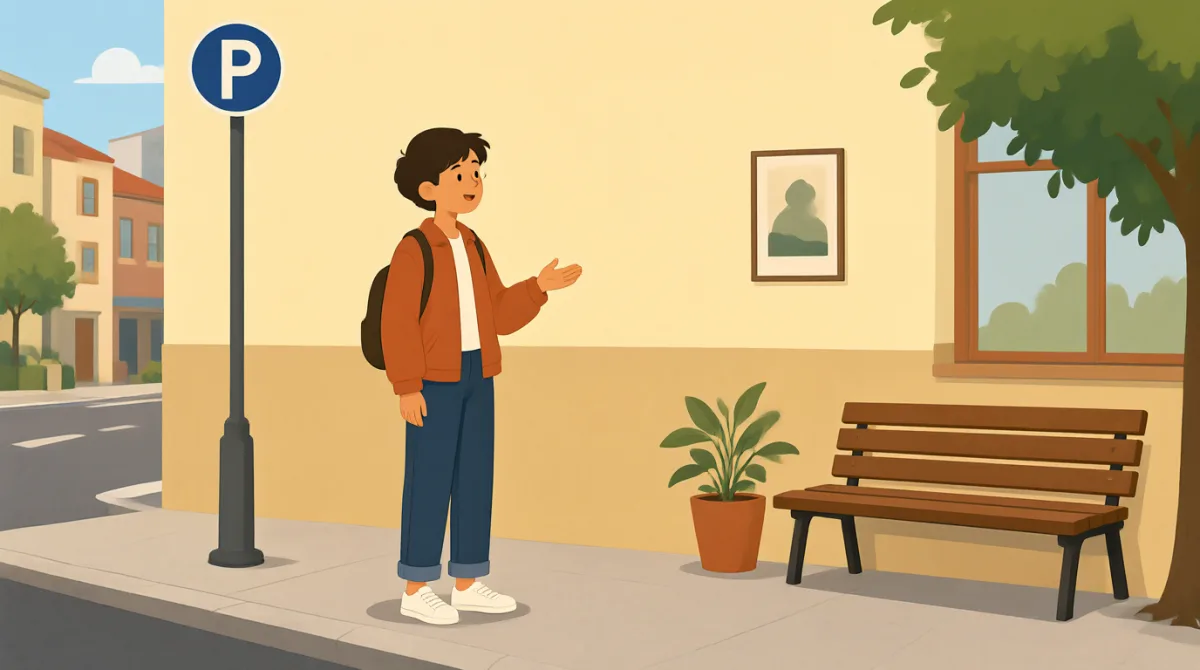

Excuse me, I'm a bit lost. Could you tell me how to get to the nearest bus stop?
ببخشید، کمی گم شدهام. میشود بگویید چطور به نزدیکترین ایستگاه اتوبوس بروم؟

Certainly! There are a few bus stops nearby. Which direction are you heading?
حتماً! این اطراف چند ایستگاه اتوبوس هست. به کدام سمت میروید؟
I need to get to the city center, so I'm looking for a bus that goes that way.
باید به مرکز شهر بروم، برای همین دنبال اتوبوسی میگردم که به آن سمت برود.
Okay, the easiest one for you would be to just walk straight down this street, past the traffic lights, and you'll see a bus stop right on the corner.
خب، راحتترین راه برای شما این است که همین خیابان را مستقیم بروید، از چراغ راهنمایی رد شوید و ایستگاه اتوبوس را درست سرِ پیچ میبینید.
Straight down this street, past the traffic lights, on the corner. Got it. About how far is that?
همین خیابان را مستقیم، از چراغ راهنمایی رد شوم و سرِ پیچ. فهمیدم. تقریباً چقدر راه است؟
It's not far at all. Maybe a five-minute walk, tops. You can't miss it.
اصلاً دور نیست. نهایتاً پنج دقیقه پیادهروی است. پیداکردنش سخت نیست.
Perfect, thank you so much for your help! I really appreciate it.
عالیه، خیلی ممنون که کمکم کردید! واقعاً ازتون ممنونم.
You're welcome! Have a good journey.
خواهش میکنم! سفر خوبی داشته باشید.
واژگان11
- lostگمشده
Feeling confused and not knowing where you are, often used when asking for directions.
وقتی سردرگم هستید و نمیدانید کجا هستید، اغلب هنگام پرسیدن مسیر از این واژه استفاده میشود.
- nearestنزدیکترین
The closest one in distance, useful for asking about locations like stops or stations.
از نظر فاصله از همه نزدیکتر؛ برای پرسیدن دربارهٔ مکانهایی مثل ایستگاهها کاربرد دارد.
- bus stopایستگاه اتوبوس
A place on the street where buses stop to let people get on or off.
جایی در خیابان که اتوبوسها برای سوار و پیاده کردن مسافران توقف میکنند.
- headingسمتی که میروید
The direction you are going or traveling towards, common in travel conversations.
جهتی که بهسوی آن میروید یا سفر میکنید؛ در گفتوگوهای مربوط به سفر زیاد به کار میرود.
- city centerمرکز شهر
The main or central area of a city where shops, offices, and attractions are located.
بخش اصلی یا مرکزی شهر که فروشگاهها، ادارهها و جاذبهها در آن قرار دارند.
- straightمستقیم
In a direct line without turning left or right, often used in giving directions.
در یک مسیر بیپیچوخم و بدون گردش به چپ یا راست؛ هنگام راهنماییکردن کاربرد دارد.
- traffic lightsچراغهای راهنمایی
Signals at intersections that control vehicle and pedestrian traffic with red, yellow, and green lights.
چراغهایی در تقاطعها که با نور قرمز، زرد و سبز رفتوآمد خودروها و عابران پیاده را کنترل میکنند.
- cornerگوشه؛ سرِ پیچ
The point where two streets meet, often where landmarks or stops are located.
جایی که دو خیابان به هم میرسند و اغلب نشانههای شهری یا ایستگاهها در آن قرار دارند.
- topsحداکثر؛ نهایتاً
Informal for 'at the most' or the maximum time or amount, like in estimates.
شکلی غیررسمی برای گفتن «حداکثر» یا بیشترین زمان و مقدار، مثلاً هنگام تخمینزدن.
- can't miss itپیداکردنش سخت نیست
An expression meaning it's very easy to see or find, used to reassure someone.
عبارتی بهمعنای اینکه چیزی بهراحتی دیده یا پیدا میشود؛ برای اطمیناندادن به کسی به کار میرود.
- appreciateقدردان بودن
To feel grateful for someone's help or kindness, polite way to say thank you.
برای کمک یا لطف کسی احساس سپاسگزاریکردن؛ روشی مؤدبانه برای تشکر.
جملات کلیدی8
- 1
Excuse me, I'm a bit lost. Could you tell me how to get to the nearest bus stop?
ببخشید، کمی گم شدهام. میشود بگویید چطور به نزدیکترین ایستگاه اتوبوس بروم؟
This polite way to start asking for directions uses 'Excuse me' to get attention and 'Could you tell me' for a request; useful for beginners when you're unsure of your location.
این شروع مؤدبانه برای پرسیدن مسیر، با 'Excuse me' (ببخشید) توجه طرف مقابل را جلب میکند و با 'Could you tell me' (میشود به من بگویید) درخواست میکند؛ برای وقتی که تازهکارید و مطمئن نیستید کجا هستید، عبارت مفیدی است.
- 2
Certainly! There are a few bus stops nearby. Which direction are you heading?
حتماً! این اطراف چند ایستگاه اتوبوس هست. به کدام سمت میروید؟
A helpful response offering options; 'Certainly' means 'of course,' and 'Which direction are you heading?' asks for more details using present continuous tense for ongoing travel.
پاسخی مفید است که چند گزینه پیشنهاد میدهد؛ 'Certainly' یعنی «حتماً» و 'Which direction are you heading?' دربارهٔ جزئیات بیشتر میپرسد و برای سفری که در جریان است از زمان حال استمراری استفاده میکند.
- 3
I need to get to the city center, so I'm looking for a bus that goes that way.
باید به مرکز شهر بروم، برای همین دنبال اتوبوسی میگردم که به آن سمت برود.
Explains your goal with 'I need to get to' for purpose and 'so' to connect reasons; practical for specifying destinations in transport queries.
هدفتان را با 'I need to get to' (باید به ... بروم) بیان میکنید و با 'so' (برای همین) دلیل را به آن وصل میکنید؛ برای گفتن مقصدتان هنگام پرسوجو دربارهٔ وسایل حملونقل کاربردی است.
- 4
Okay, the easiest one for you would be to just walk straight down this street, past the traffic lights, and you'll see a bus stop right on the corner.
خب، راحتترین راه برای شما این است که همین خیابان را مستقیم بروید، از چراغ راهنمایی رد شوید و ایستگاه اتوبوس را درست سرِ پیچ میبینید.
Gives clear directions using imperative 'walk straight down' and sequence words like 'past' and 'and you'll see'; 'would be' suggests the best option conditionally.
در این جمله با دستور 'walk straight down' (مستقیم بروید) و واژههای ترتیبدهندهای مثل 'past' (از ... رد شوید) و 'and you'll see' (و خواهید دید) مسیر را روشن توضیح میدهید؛ 'would be' بهترین گزینه را بهصورت پیشنهادی بیان میکند.
- 5
Straight down this street, past the traffic lights, on the corner. Got it. About how far is that?
همین خیابان را مستقیم، از چراغ راهنمایی رد شوم و سرِ پیچ. فهمیدم. تقریباً چقدر راه است؟
Repeats directions to confirm understanding with 'Got it,' then asks for distance; useful pattern for checking and clarifying in conversations.
برای اطمینان از اینکه مسیر را درست فهمیدهاید، آن را تکرار میکنید و میگویید 'Got it' (فهمیدم)، بعد دربارهٔ فاصله میپرسید؛ این الگو برای بررسی و روشنکردن موضوع در مکالمه مفید است.
- 6
It's not far at all. Maybe a five-minute walk, tops. You can't miss it.
اصلاً دور نیست. شاید نهایتاً پنج دقیقه پیادهروی باشد. پیداکردنش سخت نیست.
Reassures with negation 'not far at all' and estimate 'five-minute walk'; 'tops' means maximum, and 'can't miss it' is idiomatic for easy to find.
با عبارت منفی 'not far at all' (اصلاً دور نیست) و تخمین 'five-minute walk' (پنج دقیقه پیادهروی) خیال طرف مقابل را راحت میکنید؛ 'tops' یعنی «حداکثر» و 'can't miss it' اصطلاحی بهمعنای «پیداکردنش سخت نیست» است.
- 7
Perfect, thank you so much for your help! I really appreciate it.
عالیه، خیلی ممنون که کمکم کردید! واقعاً ازتون ممنونم.
Expresses thanks emphatically with 'thank you so much' and 'I really appreciate it'; 'Perfect' shows satisfaction, common in polite endings.
با 'thank you so much' (خیلی ممنون) و 'I really appreciate it' (واقعاً ازتون ممنونم) با تأکید تشکر میکنید؛ 'Perfect' (عالیه) نشان میدهد که راضی هستید و در پایان مؤدبانهٔ گفتوگو رایج است.
- 8
You're welcome! Have a good journey.
خواهش میکنم! سفر خوبی داشته باشید.
Standard response to thanks; 'You're welcome' is polite, and 'Have a good journey' wishes well using imperative for future travel.
پاسخی رایج به تشکر است؛ 'You're welcome' یعنی «خواهش میکنم» و مؤدبانه است، و 'Have a good journey' (سفر خوبی داشته باشید) برای سفر پیشِ رو آرزوی خوبی میکند و به شکل امری آمده است.