Getting Directions to a Public Transport Hub
الاستدلال إلى مركز مواصلات عامة
A person asks for directions to the nearest bus stop, subway station, or train station to continue their journey.
يسأل شخص عن الطريق إلى أقرب موقف حافلات أو محطة مترو أو محطة قطار لمواصلة رحلته.
حوار8
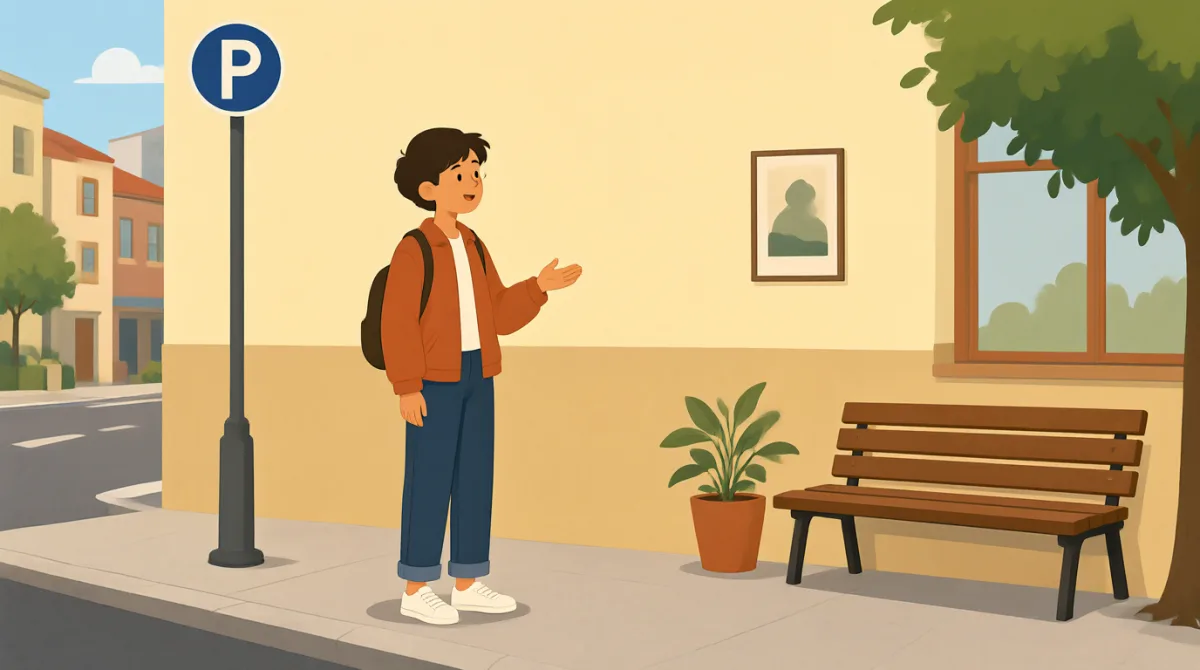

Excuse me, I'm a bit lost. Could you tell me how to get to the nearest bus stop?
عذرًا، لقد تهت قليلًا. هل يمكنك أن تخبرني كيف أصل إلى أقرب موقف حافلات؟

Certainly! There are a few bus stops nearby. Which direction are you heading?
بالتأكيد! توجد عدة مواقف حافلات قريبة. إلى أي جهة تتجه؟
I need to get to the city center, so I'm looking for a bus that goes that way.
أحتاج إلى الذهاب إلى وسط المدينة، لذا أبحث عن حافلة تسير في ذلك الاتجاه.
Okay, the easiest one for you would be to just walk straight down this street, past the traffic lights, and you'll see a bus stop right on the corner.
حسنًا، أسهل طريق لك هو أن تواصل السير مباشرة في هذا الشارع، وتتجاوز إشارات المرور، وسترى موقف حافلات عند ناصية الشارع.
Straight down this street, past the traffic lights, on the corner. Got it. About how far is that?
أتابع السير مباشرة في هذا الشارع، وأتجاوز إشارات المرور، حتى الناصية. فهمت. كم تبعد تقريبًا؟
It's not far at all. Maybe a five-minute walk, tops. You can't miss it.
إنها قريبة جدًا. ربما تستغرق خمس دقائق سيرًا على الأقدام، على الأكثر. لن تخطئها.
Perfect, thank you so much for your help! I really appreciate it.
ممتاز، شكرًا جزيلًا على مساعدتك! أنا ممتن حقًا.
You're welcome! Have a good journey.
على الرحب والسعة! رحلة سعيدة.
المفردات11
- lostتائه
Feeling confused and not knowing where you are, often used when asking for directions.
الشعور بالحيرة وعدم معرفة مكانك، وتُستخدم كثيرًا عند طلب الإرشادات.
- nearestالأقرب
The closest one in distance, useful for asking about locations like stops or stations.
الأقل بُعدًا؛ وتفيد عند السؤال عن أماكن مثل المواقف أو المحطات.
- bus stopموقف حافلات
A place on the street where buses stop to let people get on or off.
مكان على جانب الطريق تتوقف فيه الحافلات لصعود الركاب أو نزولهم.
- headingيتجه
The direction you are going or traveling towards, common in travel conversations.
الجهة التي تسير أو تسافر نحوها، وهي كلمة شائعة في أحاديث السفر.
- city centerوسط المدينة
The main or central area of a city where shops, offices, and attractions are located.
المنطقة الرئيسية أو المركزية في المدينة، حيث توجد المتاجر والمكاتب والمعالم.
- straightمباشرة
In a direct line without turning left or right, often used in giving directions.
في خط مستقيم دون الانعطاف يمينًا أو يسارًا، وتُستخدم كثيرًا عند إعطاء الاتجاهات.
- traffic lightsإشارات المرور
Signals at intersections that control vehicle and pedestrian traffic with red, yellow, and green lights.
إشارات عند التقاطعات تنظّم حركة المركبات والمشاة باستخدام الأضواء الحمراء والصفراء والخضراء.
- cornerناصية الشارع
The point where two streets meet, often where landmarks or stops are located.
المكان الذي يلتقي فيه شارعان، وغالبًا ما توجد عنده معالم أو مواقف.
- topsعلى الأكثر
Informal for 'at the most' or the maximum time or amount, like in estimates.
تعبير غير رسمي يعني الحد الأقصى للوقت أو الكمية، ويُستخدم مثلًا عند تقديرهما.
- can't miss itلن تخطئه
An expression meaning it's very easy to see or find, used to reassure someone.
تعبير يعني أن المكان سهل الرؤية أو العثور عليه، ويُقال لطمأنة شخص.
- appreciateيقدّر
To feel grateful for someone's help or kindness, polite way to say thank you.
يشعر بالامتنان لمساعدة شخص أو لطفه؛ وهي طريقة مهذبة للتعبير عن الشكر.
الجمل الأساسية8
- 1
Excuse me, I'm a bit lost. Could you tell me how to get to the nearest bus stop?
عذرًا، لقد تهت قليلًا. هل يمكنك أن تخبرني كيف أصل إلى أقرب موقف حافلات؟
This polite way to start asking for directions uses 'Excuse me' to get attention and 'Could you tell me' for a request; useful for beginners when you're unsure of your location.
تبدأ بطلب الاتجاهات بأدب باستخدام 'Excuse me' لجذب الانتباه و'Could you tell me' لطلب المساعدة. وهذه صيغة مفيدة للمبتدئين عندما لا يعرفون مكانهم.
- 2
Certainly! There are a few bus stops nearby. Which direction are you heading?
بالتأكيد! توجد عدة مواقف حافلات قريبة. إلى أي جهة تتجه؟
A helpful response offering options; 'Certainly' means 'of course,' and 'Which direction are you heading?' asks for more details using present continuous tense for ongoing travel.
هذا رد مفيد يعرض خيارات؛ فكلمة 'Certainly' تعني «بالطبع»، والسؤال 'Which direction are you heading?' يطلب تفاصيل إضافية، مستخدمًا المضارع المستمر للتعبير عن وجهة الرحلة.
- 3
I need to get to the city center, so I'm looking for a bus that goes that way.
أحتاج إلى الذهاب إلى وسط المدينة، لذا أبحث عن حافلة تسير في ذلك الاتجاه.
Explains your goal with 'I need to get to' for purpose and 'so' to connect reasons; practical for specifying destinations in transport queries.
توضّح هدفك باستخدام 'I need to get to' للتعبير عن الغاية، و'so' لربط السبب بالنتيجة. وهي صيغة عملية لتحديد وجهتك عند السؤال عن المواصلات.
- 4
Okay, the easiest one for you would be to just walk straight down this street, past the traffic lights, and you'll see a bus stop right on the corner.
حسنًا، أسهل طريق لك هو أن تواصل السير مباشرة في هذا الشارع، وتتجاوز إشارات المرور، وسترى موقف حافلات عند ناصية الشارع.
Gives clear directions using imperative 'walk straight down' and sequence words like 'past' and 'and you'll see'; 'would be' suggests the best option conditionally.
تقدّم إرشادات واضحة باستخدام صيغة الأمر 'walk straight down' وكلمات ترتيب مثل 'past' و'and you'll see'. وتشير 'would be' إلى الخيار الأفضل على نحو غير جازم.
- 5
Straight down this street, past the traffic lights, on the corner. Got it. About how far is that?
أتابع السير مباشرة في هذا الشارع، وأتجاوز إشارات المرور، حتى الناصية. فهمت. كم تبعد تقريبًا؟
Repeats directions to confirm understanding with 'Got it,' then asks for distance; useful pattern for checking and clarifying in conversations.
تعيد الاتجاهات للتأكد من فهمها باستخدام 'Got it'، ثم تسأل عن المسافة. وهذه صيغة مفيدة للتحقق من المعلومات وطلب توضيحها أثناء المحادثة.
- 6
It's not far at all. Maybe a five-minute walk, tops. You can't miss it.
إنها قريبة جدًا. ربما تستغرق خمس دقائق سيرًا على الأقدام، على الأكثر. لن تخطئها.
Reassures with negation 'not far at all' and estimate 'five-minute walk'; 'tops' means maximum, and 'can't miss it' is idiomatic for easy to find.
تطمئن الشخص بعبارة النفي 'not far at all' وتقدّم تقديرًا بقول 'five-minute walk'. وتعني 'tops' الحد الأقصى، أما 'can't miss it' فتعبير اصطلاحي يفيد أن المكان سهل العثور عليه.
- 7
Perfect, thank you so much for your help! I really appreciate it.
ممتاز، شكرًا جزيلًا على مساعدتك! أنا ممتن حقًا.
Expresses thanks emphatically with 'thank you so much' and 'I really appreciate it'; 'Perfect' shows satisfaction, common in polite endings.
تعبّر عن الشكر بتأكيد باستخدام 'thank you so much' و'I really appreciate it'. وتُظهر كلمة 'Perfect' رضا المتحدث، وهي شائعة في ختام الحديث بأدب.
- 8
You're welcome! Have a good journey.
على الرحب والسعة! رحلة سعيدة.
Standard response to thanks; 'You're welcome' is polite, and 'Have a good journey' wishes well using imperative for future travel.
هذا رد شائع على الشكر؛ فعبارة 'You're welcome' مهذبة، و'Have a good journey' تتمنى للشخص رحلة طيبة بصيغة الأمر.