Hearing the First Employee’s Side
รับฟังมุมมองของพนักงานคนแรก
Mia, a manager mediating a dispute, invites Leo to describe what happened without interruption. She asks how the conflict has affected his work and what he needs to move forward.
มีอา ผู้จัดการที่ทำหน้าที่ไกล่เกลี่ยข้อขัดแย้ง ชวนลีโอเล่าเหตุการณ์ที่เกิดขึ้นโดยไม่ขัดจังหวะ เธอถามว่าความขัดแย้งส่งผลต่องานของเขาอย่างไร และเขาต้องการอะไรเพื่อเดินหน้าต่อ
บทสนทนา12
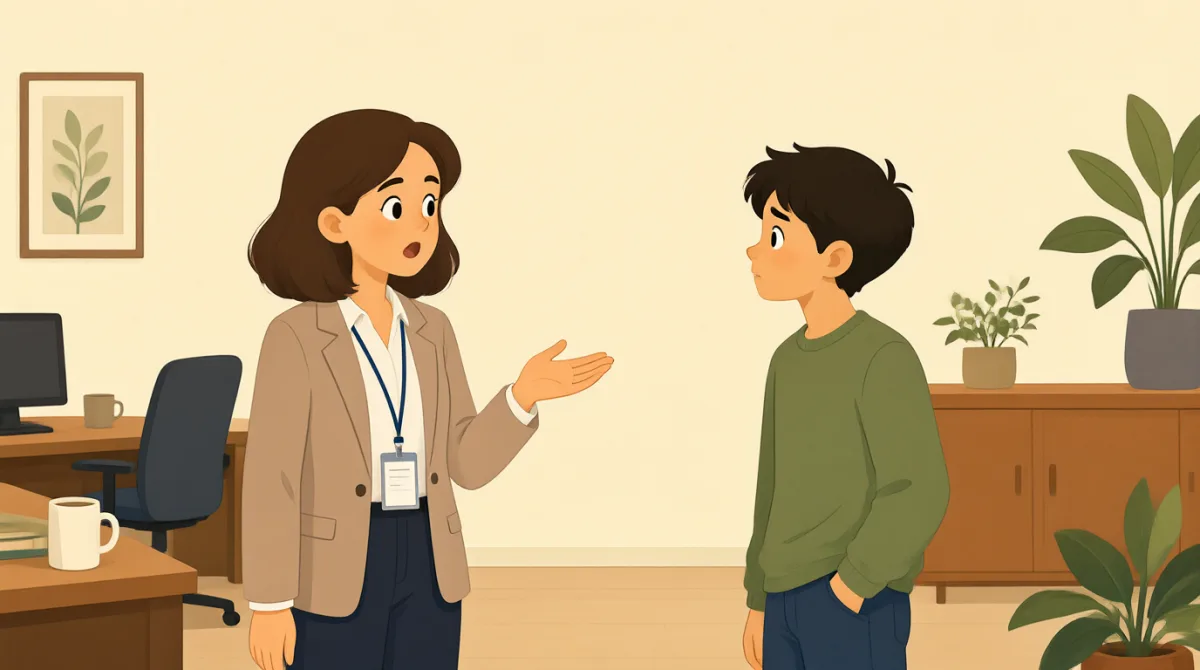

Thanks for meeting with me, Leo. I want to understand what happened from your perspective, without jumping to conclusions. You’ll have the time to explain, and I won’t interrupt.
ขอบคุณที่มาคุยกับฉันนะ ลีโอ ฉันอยากเข้าใจว่าเกิดอะไรขึ้นจากมุมมองของคุณ โดยไม่ด่วนสรุป คุณมีเวลาอธิบายได้เต็มที่ และฉันจะไม่ขัดจังหวะ

I appreciate that. The tension started during the product launch last week. I finished the client-facing slides, but Jack changed several figures and reorganized them shortly before the review.
ขอบคุณนะที่รับฟัง เรื่องเริ่มตึงเครียดตอนเปิดตัวสินค้าเมื่อสัปดาห์ที่แล้ว ผมทำสไลด์สำหรับลูกค้าเสร็จแล้ว แต่แจ็คแก้ตัวเลขหลายจุดและจัดลำดับสไลด์ใหม่ก่อนประชุมทบทวนไม่นาน
Go on. What did you understand the figures to represent, and what did you notice when you saw the revised version?
เล่าต่อได้เลยค่ะ คุณเข้าใจว่าตัวเลขเหล่านั้นหมายถึงอะไร แล้วสังเกตเห็นอะไรตอนเห็นฉบับที่แก้ไขแล้ว
I’d checked them against the latest report, so I thought they were final. In the revised deck, some labels had changed, and I couldn’t tell whether the underlying data had changed too.
ผมตรวจเทียบกับรายงานฉบับล่าสุดแล้ว เลยคิดว่าตัวเลขเป็นฉบับสุดท้าย ในชุดสไลด์ที่แก้แล้ว ป้ายกำกับบางจุดเปลี่ยนไป และผมก็ไม่แน่ใจว่าข้อมูลเบื้องหลังเปลี่ยนด้วยหรือเปล่า
What happened next? Try to separate what you directly observed from what you concluded at the time.
แล้วหลังจากนั้นเกิดอะไรขึ้นคะ ลองแยกสิ่งที่คุณเห็นกับตาตัวเองออกจากสิ่งที่คุณสรุปในตอนนั้นนะ
I saw that the file had been updated, and I noticed Jack hadn’t messaged me first. I concluded that he didn’t trust my work, though I realize now I didn’t ask him why he made the changes.
ผมเห็นว่าไฟล์ถูกอัปเดตแล้ว และสังเกตว่าแจ็คไม่ได้ส่งข้อความมาบอกผมก่อน ผมเลยสรุปว่าเขาไม่ไว้ใจงานของผม แต่ตอนนี้ผมรู้แล้วว่าตัวเองไม่ได้ถามเขาว่าทำไมถึงแก้แบบนั้น
That distinction is helpful. How did the exchange affect your ability to do your work—not just how it felt between the two of you?
การแยกสองอย่างนี้ช่วยได้มากค่ะ เรื่องที่เกิดขึ้นส่งผลต่อความสามารถในการทำงานของคุณอย่างไรบ้าง ไม่ใช่แค่ความรู้สึกระหว่างคุณสองคน
I spent the morning checking every slide instead of preparing for the client questions. Then, during the review, I hesitated to explain figures I had originally verified because I wasn’t sure which version we were using.
ผมใช้เวลาช่วงเช้าตรวจทุกสไลด์ แทนที่จะเตรียมตอบคำถามลูกค้า แล้วตอนประชุมทบทวน ผมก็ลังเลที่จะอธิบายตัวเลขที่เดิมผมตรวจสอบแล้ว เพราะไม่แน่ใจว่าเรากำลังใช้ฉบับไหน
What would you need in order to move forward? I’m not asking you to decide who was right; I’m trying to understand what would make the work feel reliable again.
คุณต้องการอะไรเพื่อเดินหน้าต่อคะ ฉันไม่ได้ขอให้คุณตัดสินว่าใครถูก ฉันแค่อยากเข้าใจว่าอะไรจะช่วยให้งานกลับมาน่าเชื่อถืออีกครั้ง
I need changes to shared materials to be flagged before they go out, especially if they affect figures or messaging. And if there’s a concern about my work, I’d rather hear it directly than discover it through edits.
ผมอยากให้แจ้งก่อนที่จะส่งเอกสารที่ใช้ร่วมกันออกไป หากมีการแก้ไข โดยเฉพาะถ้ากระทบตัวเลขหรือเนื้อหาที่สื่อสาร แล้วถ้ามีข้อกังวลเกี่ยวกับงานของผม ผมอยากให้บอกกันตรง ๆ มากกว่ามารู้ทีหลังจากการแก้ไข
That makes sense. Is there anything else you want me to understand about what’s at stake for you, or about what you hope will change after this conversation?
เข้าใจแล้วค่ะ มีอะไรอีกไหมที่คุณอยากให้ฉันเข้าใจเกี่ยวกับสิ่งที่คุณมีส่วนได้ส่วนเสีย หรือสิ่งที่คุณหวังว่าจะเปลี่ยนไปหลังจากคุยกันครั้งนี้
I want us to be able to disagree without making the project feel personal. I’m willing to hear criticism, but I need enough context to respond constructively and know which version I’m accountable for.
ผมอยากให้เราถกเถียงกันได้โดยไม่ทำให้รู้สึกว่าเป็นเรื่องส่วนตัว ผมพร้อมรับฟังคำวิจารณ์ แต่ผมต้องการบริบทมากพอที่จะตอบสนองอย่างสร้างสรรค์ และรู้ว่าตัวเองต้องรับผิดชอบงานฉบับไหน
คำศัพท์7
- without jumping to conclusionsโดยไม่ด่วนสรุป
This means listening to the facts before forming an opinion or deciding who is responsible. It is useful in sensitive discussions where assumptions could make the conflict worse.
หมายถึงรับฟังข้อเท็จจริงก่อนแสดงความคิดเห็นหรือตัดสินว่าใครต้องรับผิดชอบ สำนวนนี้มีประโยชน์ในการพูดคุยเรื่องละเอียดอ่อน เพราะการตั้งสมมติฐานอาจทำให้ความขัดแย้งแย่ลง
- client-facingสำหรับลูกค้า
This describes materials, communication, or work intended for customers or clients. Here, the slides were prepared for an external audience.
ใช้บรรยายเอกสาร การสื่อสาร หรืองานที่จัดทำขึ้นสำหรับลูกค้าหรือผู้ว่าจ้าง ในที่นี้ สไลด์เตรียมไว้สำหรับผู้ชมภายนอกองค์กร
- underlying dataข้อมูลเบื้องหลัง
This means the original information or numbers behind a report, chart, or presentation. It helps distinguish changes in presentation from changes in the actual evidence.
หมายถึงข้อมูลหรือชุดตัวเลขต้นฉบับที่อยู่เบื้องหลังรายงาน แผนภูมิ หรืองานนำเสนอ คำนี้ช่วยแยกให้เห็นว่ามีการเปลี่ยนแค่รูปแบบการนำเสนอ หรือเปลี่ยนหลักฐานที่แท้จริงด้วย
- directly observedสังเกตเห็นด้วยตนเอง
This refers to something you personally saw or experienced, rather than something you inferred. The phrase is useful for separating facts from interpretations.
หมายถึงสิ่งที่คุณเห็นหรือประสบด้วยตนเอง ไม่ใช่สิ่งที่คุณอนุมานขึ้น สำนวนนี้มีประโยชน์ในการแยกข้อเท็จจริงออกจากการตีความ
- move forwardเดินหน้าต่อ
This means to make progress after a problem or disagreement. It often introduces practical steps for improving a situation.
หมายถึงคืบหน้าต่อไปหลังจากเกิดปัญหาหรือความเห็นไม่ตรงกัน มักใช้เกริ่นถึงขั้นตอนที่ทำได้จริงเพื่อปรับปรุงสถานการณ์
- at stakeสิ่งที่มีความเสี่ยง
This refers to what could be lost, damaged, or affected by a situation. It is useful for explaining why an issue matters personally or professionally.
หมายถึงสิ่งที่อาจสูญเสีย เสียหาย หรือได้รับผลกระทบจากสถานการณ์นี้ ใช้เพื่ออธิบายว่าเหตุใดประเด็นหนึ่งจึงสำคัญในแง่ส่วนตัวหรือการทำงาน
- accountable forรับผิดชอบ
This means responsible for a task, decision, or result. In this context, Leo wants to know which version of the work he is responsible for defending.
หมายถึงมีหน้าที่รับผิดชอบต่องาน การตัดสินใจ หรือผลลัพธ์ ในบริบทนี้ ลีโออยากรู้ว่าเขาต้องรับผิดชอบและชี้แจงงานฉบับไหน
ประโยคสำคัญ7
- 1
I want to understand what happened from your perspective, without jumping to conclusions.
ฉันอยากเข้าใจว่าเกิดอะไรขึ้นจากมุมมองของคุณ โดยไม่ด่วนสรุป
This is a respectful way to invite someone to explain their experience before you make judgments. You can reuse it by replacing “what happened” with another issue you need to understand.
ประโยคนี้เป็นวิธีสุภาพในการชวนใครสักคนเล่าประสบการณ์ของตัวเองก่อนที่คุณจะตัดสิน คุณนำไปใช้ซ้ำได้โดยเปลี่ยน “what happened” เป็นประเด็นอื่นที่คุณอยากเข้าใจ
- 2
Try to separate what you directly observed from what you concluded at the time.
ลองแยกสิ่งที่คุณเห็นกับตาตัวเองออกจากสิ่งที่คุณสรุปในตอนนั้นนะ
This encourages someone to distinguish facts from assumptions during a difficult conversation. It can be reused when clarifying reports, complaints, or conflicting accounts.
ประโยคนี้ชวนให้อีกฝ่ายแยกข้อเท็จจริงออกจากการตั้งสมมติฐานระหว่างการพูดคุยที่ยากลำบาก นำไปใช้ได้เมื่อต้องชี้แจงรายงาน คำร้องเรียน หรือคำบอกเล่าที่ขัดแย้งกัน
- 3
That distinction is helpful.
การแยกสองอย่างนี้ช่วยได้มากค่ะ
This concise sentence acknowledges that someone has clearly separated facts from interpretations. It is useful for encouraging careful, objective communication.
ประโยคสั้น ๆ นี้แสดงว่าคุณเห็นคุณค่าที่อีกฝ่ายแยกข้อเท็จจริงออกจากการตีความได้ชัดเจน ใช้ส่งเสริมการสื่อสารอย่างรอบคอบและเป็นกลางได้
- 4
How did the exchange affect your ability to do your work—not just how it felt between the two of you?
เรื่องที่เกิดขึ้นส่งผลต่อความสามารถในการทำงานของคุณอย่างไรบ้าง ไม่ใช่แค่ความรู้สึกระหว่างคุณสองคน
This question shifts the discussion from personal feelings to concrete effects on performance and collaboration. You can adapt it to ask about the impact of any disagreement on a project or responsibility.
คำถามนี้เปลี่ยนประเด็นจากความรู้สึกส่วนตัวไปเป็นผลกระทบที่เห็นได้ชัดต่อการทำงานและการร่วมมือกัน คุณปรับใช้เพื่อถามว่าความเห็นไม่ตรงกันส่งผลต่อโครงการหรือหน้าที่ใด ๆ อย่างไรได้
- 5
What would you need in order to move forward?
คุณต้องการอะไรเพื่อเดินหน้าต่อคะ
This open-ended question focuses on practical needs and future solutions rather than blame. It can be used in mediation, feedback conversations, or negotiations.
คำถามปลายเปิดนี้เน้นความต้องการที่นำไปสู่การปฏิบัติและทางแก้ในอนาคต แทนที่จะมุ่งหาคนผิด ใช้ได้ในการไกล่เกลี่ย การพูดคุยให้ข้อเสนอแนะ หรือการเจรจา
- 6
I need changes to shared materials to be flagged before they go out, especially if they affect figures or messaging.
ผมอยากให้แจ้งก่อนที่จะส่งเอกสารที่ใช้ร่วมกันออกไป หากมีการแก้ไข โดยเฉพาะถ้ากระทบตัวเลขหรือเนื้อหาที่สื่อสาร
This sentence clearly states a specific process change and explains when it matters most. You can reuse the pattern “I need [action] to be [communicated] before [event]” to make a constructive request.
ประโยคนี้ระบุอย่างชัดเจนว่าต้องการเปลี่ยนขั้นตอนอะไร และอธิบายว่าการเปลี่ยนแปลงนั้นสำคัญเป็นพิเศษเมื่อใด คุณนำรูปแบบ “I need [action] to be [communicated] before [event]” ไปใช้เพื่อขอสิ่งที่สร้างสรรค์ได้
- 7
I want us to be able to disagree without making the project feel personal.
ผมอยากให้เราถกเถียงกันได้โดยไม่ทำให้รู้สึกว่าเป็นเรื่องส่วนตัว
This expresses a desire for professional disagreement while protecting the working relationship. It is useful when setting a principle for future communication.
ประโยคนี้สื่อถึงความต้องการให้เห็นต่างกันได้อย่างมืออาชีพ โดยยังรักษาความสัมพันธ์ในการทำงานไว้ เหมาะสำหรับกำหนดแนวทางการสื่อสารในอนาคต