Hearing the First Employee’s Side
첫 번째 직원의 입장 듣기
Mia, a manager mediating a dispute, invites Leo to describe what happened without interruption. She asks how the conflict has affected his work and what he needs to move forward.
분쟁을 중재하는 관리자인 미아는 레오에게 말을 끊지 않겠다고 하며 무슨 일이 있었는지 설명해 달라고 합니다. 갈등이 업무에 어떤 영향을 미쳤는지, 앞으로 나아가기 위해 무엇이 필요한지도 묻습니다.
대화12
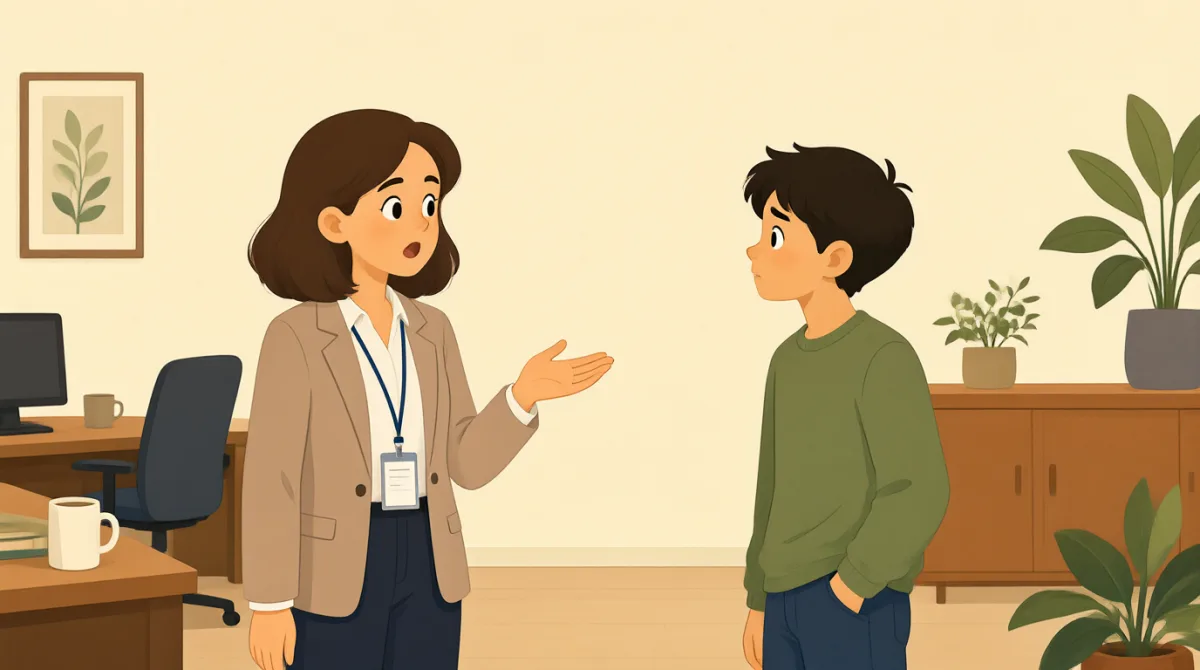

Thanks for meeting with me, Leo. I want to understand what happened from your perspective, without jumping to conclusions. You’ll have the time to explain, and I won’t interrupt.
만나 주셔서 고마워요, 레오. 성급하게 결론을 내리지 않고 레오의 입장에서 무슨 일이 있었는지 이해하고 싶어요. 충분히 설명하실 시간을 드릴게요. 중간에 끼어들지 않겠습니다.

I appreciate that. The tension started during the product launch last week. I finished the client-facing slides, but Jack changed several figures and reorganized them shortly before the review.
그렇게 해 주신다니 고마워요. 지난주 제품 출시 때부터 긴장이 시작됐어요. 고객에게 보여 줄 슬라이드는 제가 마무리했는데, 검토 직전에 잭이 수치를 몇 개 바꾸고 슬라이드 순서도 다시 정리했어요.
Go on. What did you understand the figures to represent, and what did you notice when you saw the revised version?
계속 말씀해 보세요. 그 수치들이 무엇을 나타낸다고 알고 계셨나요? 수정된 자료를 보고는 무엇을 알아차리셨나요?
I’d checked them against the latest report, so I thought they were final. In the revised deck, some labels had changed, and I couldn’t tell whether the underlying data had changed too.
최신 보고서와 대조해서 확인했기 때문에 최종 수치라고 생각했어요. 수정된 자료에서는 일부 항목명이 바뀌어 있었고, 기초 데이터도 바뀐 건지 알 수 없었어요.
What happened next? Try to separate what you directly observed from what you concluded at the time.
그다음에는 무슨 일이 있었나요? 직접 확인하신 것과 당시 내리신 결론을 구분해서 말씀해 보세요.
I saw that the file had been updated, and I noticed Jack hadn’t messaged me first. I concluded that he didn’t trust my work, though I realize now I didn’t ask him why he made the changes.
파일이 업데이트된 건 봤고, 잭이 먼저 메시지를 보내지 않았다는 것도 알게 됐어요. 잭이 제 일을 믿지 않는다고 결론 내렸죠. 하지만 지금 생각해 보니 왜 바꿨는지 물어보지는 않았어요.
That distinction is helpful. How did the exchange affect your ability to do your work—not just how it felt between the two of you?
그 구분이 도움이 되네요. 그 일이 두 분 사이에 어떤 기분을 남겼는지만이 아니라, 업무를 해내는 데는 어떤 영향을 줬나요?
I spent the morning checking every slide instead of preparing for the client questions. Then, during the review, I hesitated to explain figures I had originally verified because I wasn’t sure which version we were using.
고객 질문에 대비하는 대신 오전 내내 슬라이드를 하나하나 확인했어요. 그리고 검토 회의 때는 제가 처음에 확인했던 수치를 설명하는 데도 망설였어요. 어떤 버전을 쓰는지 확신이 없었거든요.
What would you need in order to move forward? I’m not asking you to decide who was right; I’m trying to understand what would make the work feel reliable again.
앞으로 나아가려면 무엇이 필요할까요? 누가 옳았는지 정하라는 뜻은 아니에요. 다시 업무를 믿고 진행하려면 무엇이 필요한지 알고 싶어요.
I need changes to shared materials to be flagged before they go out, especially if they affect figures or messaging. And if there’s a concern about my work, I’d rather hear it directly than discover it through edits.
공유 자료를 바꿀 때는 배포 전에 알려 줬으면 해요. 특히 수치나 전달 내용에 영향을 주는 변경이라면요. 제 업무에 우려가 있다면 수정된 내용을 보고 알게 되기보다 직접 들었으면 좋겠어요.
That makes sense. Is there anything else you want me to understand about what’s at stake for you, or about what you hope will change after this conversation?
그럴 만하네요. 이 일로 무엇이 걸려 있는지, 또는 이 대화 이후 무엇이 달라지길 바라는지 제가 더 알아야 할 점이 있을까요?
I want us to be able to disagree without making the project feel personal. I’m willing to hear criticism, but I need enough context to respond constructively and know which version I’m accountable for.
프로젝트를 개인적인 문제로 만들지 않으면서도 서로 의견을 달리할 수 있었으면 해요. 비판을 들을 마음은 있지만, 건설적으로 답하고 제가 어떤 버전에 책임이 있는지 알 수 있도록 충분한 맥락이 필요해요.
어휘7
- without jumping to conclusions성급하게 결론을 내리지 않고
This means listening to the facts before forming an opinion or deciding who is responsible. It is useful in sensitive discussions where assumptions could make the conflict worse.
의견을 내거나 누구에게 책임이 있는지 판단하기 전에 사실을 먼저 듣는다는 뜻이에요. 섣부른 추측이 갈등을 키울 수 있는 민감한 대화에서 유용한 표현이에요.
- client-facing고객용의
This describes materials, communication, or work intended for customers or clients. Here, the slides were prepared for an external audience.
고객에게 보여 주거나 전달하기 위한 자료, 소통 또는 업무를 설명하는 표현이에요. 여기서는 외부 고객에게 보여 줄 슬라이드를 말해요.
- underlying data기초 데이터
This means the original information or numbers behind a report, chart, or presentation. It helps distinguish changes in presentation from changes in the actual evidence.
보고서, 차트 또는 발표 자료의 바탕이 되는 원래 정보나 수치를 뜻해요. 표현 방식만 바뀐 것인지, 실제 근거가 바뀐 것인지 구분할 때 유용해요.
- directly observed직접 확인한
This refers to something you personally saw or experienced, rather than something you inferred. The phrase is useful for separating facts from interpretations.
추론한 내용이 아니라 직접 보거나 경험한 일을 가리켜요. 사실과 해석을 구분할 때 유용한 표현이에요.
- move forward앞으로 나아가다
This means to make progress after a problem or disagreement. It often introduces practical steps for improving a situation.
문제나 의견 충돌이 있은 뒤에도 진전을 이루는 것을 뜻해요. 상황을 개선하기 위한 실질적인 다음 단계를 이야기할 때 자주 써요.
- at stake걸려 있는
This refers to what could be lost, damaged, or affected by a situation. It is useful for explaining why an issue matters personally or professionally.
어떤 상황으로 인해 잃거나 손상되거나 영향을 받을 수 있는 것을 가리켜요. 어떤 문제가 개인적으로나 직업적으로 왜 중요한지 설명할 때 유용해요.
- accountable for책임이 있는
This means responsible for a task, decision, or result. In this context, Leo wants to know which version of the work he is responsible for defending.
업무, 결정 또는 결과에 책임을 진다는 뜻이에요. 여기서 레오는 자신이 책임지고 설명해야 하는 업무 버전이 무엇인지 알고 싶어 해요.
핵심 문장7
- 1
I want to understand what happened from your perspective, without jumping to conclusions.
성급하게 결론을 내리지 않고 레오의 입장에서 무슨 일이 있었는지 이해하고 싶어요.
This is a respectful way to invite someone to explain their experience before you make judgments. You can reuse it by replacing “what happened” with another issue you need to understand.
상대방을 판단하기 전에 그 사람이 겪은 일을 설명해 달라고 정중하게 요청하는 표현이에요. 이해해야 할 다른 문제를 말하고 싶다면 “무슨 일이 있었는지” 부분을 바꿔 활용할 수 있어요.
- 2
Try to separate what you directly observed from what you concluded at the time.
직접 확인하신 것과 당시 내리신 결론을 구분해서 말씀해 보세요.
This encourages someone to distinguish facts from assumptions during a difficult conversation. It can be reused when clarifying reports, complaints, or conflicting accounts.
어려운 대화에서 사실과 추측을 구분하도록 도와주는 표현이에요. 보고 내용이나 불만, 서로 엇갈리는 설명을 확인할 때도 활용할 수 있어요.
- 3
That distinction is helpful.
그 구분이 도움이 되네요.
This concise sentence acknowledges that someone has clearly separated facts from interpretations. It is useful for encouraging careful, objective communication.
상대방이 사실과 해석을 명확히 구분해 준 데 고마움을 전하는 짧은 표현이에요. 신중하고 객관적인 소통을 격려할 때 유용해요.
- 4
How did the exchange affect your ability to do your work—not just how it felt between the two of you?
그 일이 두 분 사이에 어떤 기분을 남겼는지만이 아니라, 업무를 해내는 데는 어떤 영향을 줬나요?
This question shifts the discussion from personal feelings to concrete effects on performance and collaboration. You can adapt it to ask about the impact of any disagreement on a project or responsibility.
이 질문은 대화를 개인적인 감정에서 벗어나 업무 수행과 협업에 미친 구체적인 영향으로 돌려요. 프로젝트나 책임 업무에 의견 충돌이 어떤 영향을 줬는지 물을 때 응용할 수 있어요.
- 5
What would you need in order to move forward?
앞으로 나아가려면 무엇이 필요할까요?
This open-ended question focuses on practical needs and future solutions rather than blame. It can be used in mediation, feedback conversations, or negotiations.
이 열린 질문은 비난보다 실질적인 필요와 앞으로의 해결책에 초점을 맞춰요. 중재, 피드백 대화 또는 협상에서 사용할 수 있어요.
- 6
I need changes to shared materials to be flagged before they go out, especially if they affect figures or messaging.
공유 자료를 바꿀 때는 배포 전에 알려 줬으면 해요. 특히 수치나 전달 내용에 영향을 주는 변경이라면요.
This sentence clearly states a specific process change and explains when it matters most. You can reuse the pattern “I need [action] to be [communicated] before [event]” to make a constructive request.
이 문장은 구체적으로 어떤 절차를 바꾸길 바라는지 분명히 말하고, 그 변경이 특히 중요한 경우도 설명해요. “I need [action] to be [communicated] before [event]”라는 틀을 활용하면 건설적인 요청을 할 수 있어요.
- 7
I want us to be able to disagree without making the project feel personal.
프로젝트를 개인적인 문제로 만들지 않으면서도 서로 의견을 달리할 수 있었으면 해요.
This expresses a desire for professional disagreement while protecting the working relationship. It is useful when setting a principle for future communication.
업무상 의견 충돌은 허용하되 서로의 업무 관계는 지키고 싶다는 뜻을 전해요. 앞으로 소통할 때 지킬 원칙을 세울 때 유용해요.